Wednesday, 5 August 2026 Stay informed. No noise.

MBSB Bank launches SBMB 5.0

MBSB Bank today announced the launch of the fifth edition of its flagship savings campaign, Simpan Berganda Menang Bergaya (SBMB 5.0). The initiative continues the Bank’s focus on encouraging financial discipline and rewarding consistent saving habits among Malaysians.

Following the strong participation recorded in the previous year, SBMB 5.0 will run throughout 2026. The campaign is designed to be inclusive, allowing customers to build their savings while becoming eligible for a rewards pool valued at RM2 million.

Participation is open to both new and existing customers with a minimum earmarked deposit of RM2,000. By placing fresh funds or incremental deposits into designated accounts, customers qualify for rewards across multiple categories:

  • National Grand Prizes: Three premium SUV models: the Jetour T2, GWM Tank 300, and GWM Tank 500.
  • Regional Grand Prizes: Suzuki Jimny 5-door (complete with roof rack).
  • Voyager Rewards: Eleven Maldives travel packages for two.
  • Early Bird Rewards: Swiss-made luxury timepieces valued at up to RM35,000 each.

Rafe Haneef, Group Chief Executive Officer of MBSB Bank, said, “We really want to change the conversation around saving in Malaysia. Often, people feel that growing wealth is only for a certain group, but with SBMB 5.0, we’ve intentionally kept the entry point at just RM2,000 to make it accessible for everyone. Our goal is to see more Malaysians building that financial safety net while having a bit of excitement doing it. Whether you’re just starting out or have been with us for years, this is about making disciplined saving something that feels achievable and genuinely exciting for people from all walks of life.”

Indonesia’s 90-Day trial work visa signals shift in short-term talent regulation

Indonesia’s immigration framework has been quietly recalibrating how foreign professionals can legally engage in short-term work. In 2025, one visa category has emerged as a focal point of that shift: the Trial Work Visa, officially indexed as C18. Designed for probationary assignments and skills evaluations, the C18 reflects a broader policy move toward clearer boundaries between business visits, trial engagements, and full employment.

For international companies exploring the Indonesian market—or testing candidates before committing to long-term hires—the C18 has become a practical, but tightly defined, option. Its structure highlights how Indonesian regulators are balancing openness to foreign expertise with stricter controls on work authorisation.

The Trial Work Visa (C18) is classified as a visit visa, but unlike standard business visas, it explicitly permits limited, supervised work activities. Its purpose is narrow: allowing an Indonesian sponsor to assess a foreign professional’s skills, cultural fit, or project contribution over a short, fixed period.

Under the rules confirmed by the Directorate General of Immigration in mid-2025, the C18 grants a maximum stay of 90 days. It is non-extendable, and it can only be used once per sponsoring company. These two features are intentional. Authorities have made clear that the C18 is not a workaround for long-term employment or repeated short stays, but a one-off trial window.

This clarity marks a departure from earlier practices, when companies sometimes relied on business visas for activities that blurred into hands-on work.

The growing relevance of the Trial Work Visa is tied to changing expectations around compliance. Indonesian immigration policy has become more explicit about what different visa categories allow—and what they do not. In that context, the C18 offers something that businesses value: legal certainty.

For employers, the visa provides a compliant way to bring in specialists, consultants, or prospective hires for defined trial periods without immediately committing to a full work permit. For professionals, it offers a legitimate route to demonstrate capability on the ground, rather than through remote interviews alone.

At the same time, the restrictions are clear. The visa does not permit salary payments or commercial remuneration in Indonesia. Any continuation beyond the trial period requires a transition to a proper work authorization, such as a KITAS.

A key reason the C18 has attracted attention is the tightening of its rules. Applications lodged on or after mid-June 2025 fall under a new operational framework. Extensions are no longer available, and repeat use with the same sponsor is prohibited.

Earlier applications submitted before that cutoff followed a more flexible regime, allowing shorter stays with extensions. The updated approach reflects a policy preference for decisiveness: trial periods should be clearly time-bound, with no ambiguity about next steps.

This change also aligns with updates under Permenkumham No. 11/2024, which modernized Indonesia’s visa and stay-permit structure more broadly.

In practice, the C18 is used across a range of industries. Technology firms deploy it to assess senior engineers or project leads. Manufacturing and industrial companies use it for technical specialists involved in commissioning or process trials. Professional services firms rely on it for short-term consulting or evaluation roles tied to potential employment.

What these use cases have in common is structure. Immigration authorities expect the trial to be clearly defined in scope, duration, and purpose. Invitation letters typically outline the evaluation objectives, location, and timeline, reinforcing that the engagement is temporary and supervised.

One of the most important aspects of the C18 is what it does not allow. Receiving salary, invoicing locally, or engaging in revenue-generating activities is prohibited. These limitations distinguish the visa from a work permit and reduce the risk of misuse.

This distinction matters because Indonesia has increased coordination between immigration, manpower, and tax authorities. Activities that appear inconsistent with visa status are more likely to be questioned than in the past. For companies, using the correct visa category is no longer just a formality—it is part of broader regulatory risk management.

The C18 is best viewed as a gateway rather than a destination. If both parties decide to proceed after the trial period, planning the transition to a KITAS must begin early. Because the trial visa cannot be extended, timing is critical to avoid gaps in legal status.

This sequencing has become a common discussion point among foreign companies entering Indonesia. Immigration advisors often stress that the success of a trial engagement depends not only on performance, but on preparation for what comes next.

Firms such as CPT Corporate are frequently referenced by employers navigating this transition, particularly for visa immigration strategy that aligns trial periods with longer-term workforce planning.

The evolution of the Trial Work Visa offers insight into Indonesia’s broader immigration philosophy. The country remains open to foreign expertise, but expects activities to be properly categorized, time-limited, and transparent. Short-term flexibility is available—but within clearly defined boundaries.

For foreign media observers, the C18 illustrates how Indonesia is refining, rather than restricting, access to its labor market. By formalising trial work arrangements, regulators reduce grey areas while giving businesses a clearer compliance pathway.

As Indonesia continues to modernize its immigration systems, short-term work visas like the C18 are likely to play an increasingly visible role. Their appeal lies in precision: they allow companies to test, evaluate, and decide—without committing prematurely or operating in regulatory uncertainty.

For professionals and employers alike, the message is straightforward. The opportunity exists, but it comes with firm rules. Understanding those rules—and planning beyond the 90-day window—is now an essential part of engaging talent in Indonesia’s evolving economy.

社聯首次公布香港善行營商實踐數據 3500間善行企業獲嘉許 在職照顧者支援成友善職場新指標

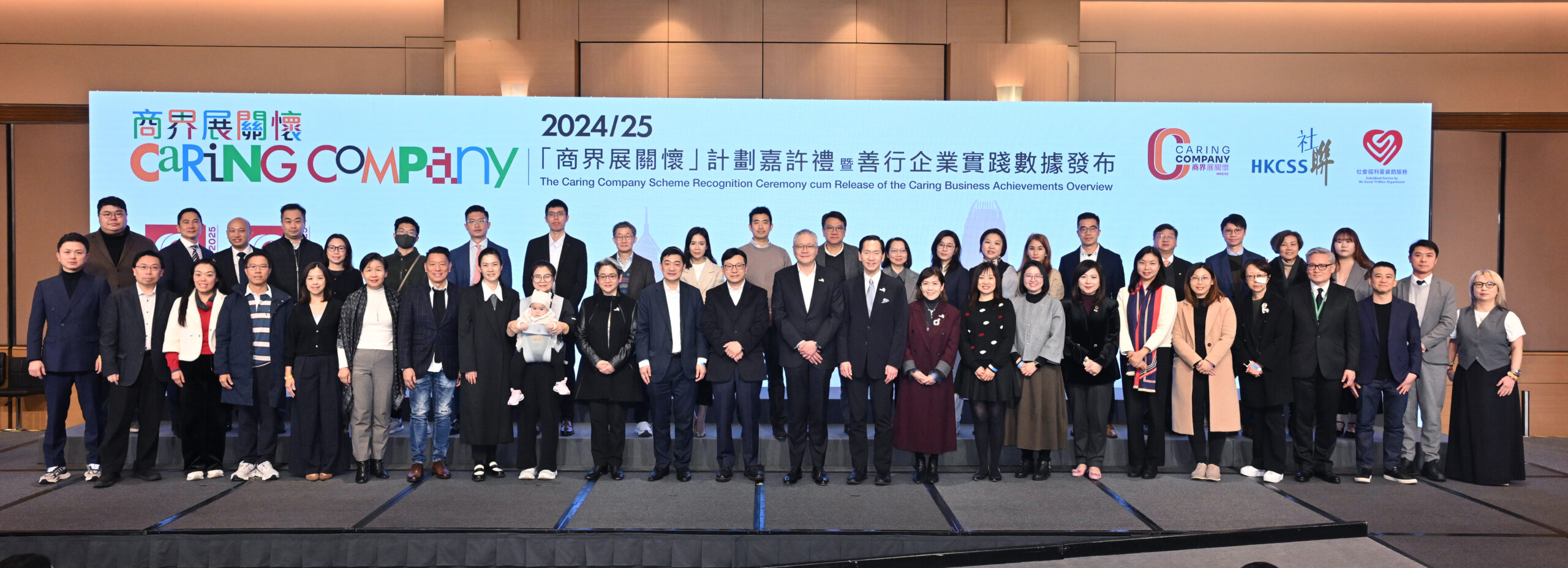
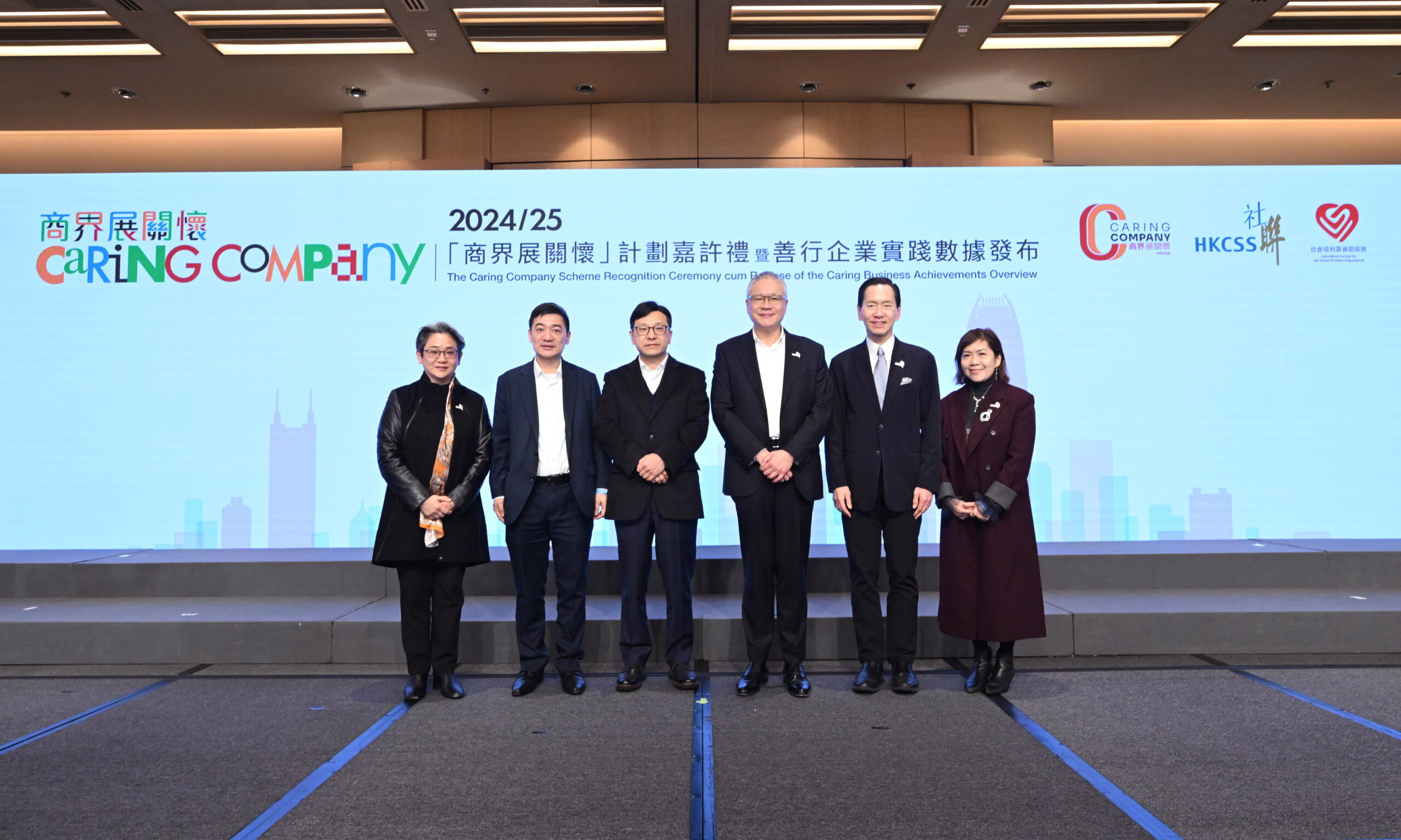
香港社會服務聯會(社聯)今日假香港會議展覽中心舉行2024/25「商界展關懷」計劃嘉許禮,邀得香港特別行政區政府勞工及褔利局局長孫玉菡先生,JP擔任主禮嘉賓,今年共有3,500間善行企業及機構獲得嘉許。

社聯首度發布《善行營商實踐數據》,透過伙伴合作、社會、經濟及環境可持續發展四大範疇,深入分析本港企業在應對人口高齡化、勞動力挑戰及氣候變化等社會議題上的實踐趨勢。

勞工及褔利局局長孫玉菡先生,JP恭賀獲「商界展關懷」計劃嘉許的企業和機構。他表示,要建構關懷社會,政府和非政府組織難以獨力完成,商界亦是很重要的力量和夥伴。作為僱主,照顧好自己的員工,除了能夠幫助員工家庭,也有利於企業發展,吸引優秀人才,互惠共贏。他期待商界能夠更積極參與計劃,建構一個更關愛的社會。

二十四年深耕商社合作:28%夥伴關係長達10年或以上

「商界展關懷」計劃至今已推行 24 年。社聯主席管浩鳴法政牧師,SBS,JP致辭時表示:「今年計劃進行了重大革新,將國際可持續發展框架本地化。透過首份實踐數據分析,我們得以觀察商界在應對人口高齡化、勞動力挑戰及氣候變化等挑戰時的整體表現,期望未來能透過這些實踐趨勢,引領企業將關懷文化轉化為具體的商業決策。」

數據顯示,商社合作已建立深厚根基,超過七成企業與社區伙伴的合作關係達 3 年或以上,更有 28% 合作長達 10 年或以上,反映出跨界別協作追求長遠穩定的夥伴關係。

職場新戰場:在職照顧者支援成關鍵 「添孫假」成創意亮點

企業在照顧者支援上的表現成為焦點。數據顯示,超過八成企業已普及彈性工作安排;而今年有 104 間企業因其出色的支援措施而獲得「照顧者友善」特別嘉許。社聯行政總裁陳文宜議員觀察到不少創新案例:「已經有企業推行 8 星期全薪領養假、5 日獨生子女照顧假,甚至『添孫假』。此外,也有企業提供長者陪診支援。支援照顧者不一定要大灑金錢,只要從員工需要出發,善行營商有無限可能。」

社聯五大善行營商建議:轉化「隨手做」為「政策化」

企業在慈善捐贈與行動力上表現出色,但在環境數據追蹤(僅約30%)及職場多元化方面仍有進步空間。為此,社聯提出五大重點建議:

  • 深化善行標準:將「商界展關懷」計劃指標視為營運基準,建立系統化的善行營商模式。
  • 推動專業共享與責任採購:鼓勵企業管理層義務加入社會服務機構董事會,提供專業支援,並將社會服務機構產品納入採購供應鏈。
  • 構建多元共融職場:積極聘用弱勢社群以開拓新人才庫,並落實彈性工作支援在職照顧者。
  • 持續投入人才培育:視人才為經濟增長動力,加強員工培訓,特別是精神健康支援。
  • 啟動數據化管理:建議企業即時開展與可持續發展相關表現的數據追蹤,確保各項善行具備可衡量性與持續性。

「商界展關懷」計劃於2024/25年度共收到逾 4,300 份的標誌申請,最終 3,500 間企業及機構分別獲得「商界展關懷」標誌及「同心展關懷」標誌嘉許,當中包括大企業(42%)及中小企(51%)及機構(7%)。社聯強調,數據發布旨在建立長效機制,引領商界尋找「做得更好」的空間,透過協作應對未來社會挑戰。

HKCSS Releases Inaugural Data on Caring Business Practices in Hong Kong

The Hong Kong Council of Social Service (HKCSS) held the 2024/25 Caring Company Scheme Recognition Ceremony today at the Hong Kong Convention and Exhibition Centre. Mr. Chris SUN Yuk-han, JP, Secretary for Labour and Welfare of the Hong Kong Special Administrative Region, attended as the Guest of Honour. This year, a total of 3,500 caring companies and organisations were recognised.

For the first time, HKCSS released the major findings from the Caring Business Achievements Overview, providing an in-depth look at corporate trends in addressing social issues such as population ageing, workforce challenges, and climate change across four key pillars: Partnership, Social, Economic, and Environmental Sustainability.

Mr. Chris SUN Yuk-han, JP, Secretary for Labour and Welfare of the Hong Kong Special Administrative Region, congratulated the businesses and organizations recognized by the Caring Company Scheme. He emphasized that building a compassionate society requires collaboration with the business community, which plays a vital role alongside government and non-governmental efforts. By prioritizing employee welfare, employers not only uplift families but also drive growth, attract talent, and foster mutual benefits. Mr. SUN called upon the business sector to engage more proactively in this initiative, fostering a collective commitment to building a more caring society for all.

24 Years of Deep-Rooted Partnership: 28% of Collaborations Last 10 Years or More

The Caring Company Scheme has been running for 24 years. The Revd Canon the Hon. Peter Douglas KOON, SBS, JP, Chairman of HKCSS, stated in his speech: “The Scheme underwent a significant revamp recently to localise international sustainability frameworks. Through our inaugural data analysis, we can observe the business sector’s overall performance in tackling challenges like population ageing and climate change. We hope these trends will guide companies to transform a culture of care into concrete business decisions.”

Data indicates that business-social partnerships have built a solid foundation. Over 70% of companies have maintained partnerships with community partners for three years or more, while 28% have sustained collaborations for over a decade, reflecting a commitment to long-term stability in cross-sectoral collaboration.

New Frontier in the Workplace: Support for Working Caregivers Emerges as a Key Focus

Corporate performance in supporting caregivers has become a focal point. Data reveals that over 80% of companiess have popularised flexible work arrangements, and 104 companies received special “Caregiver-Friendly” commendations for their outstanding support measures this year.

Hon Grace CHAN Man-yee, Chief Executive of HKCSS, observed several innovative cases: “Some companies have implemented eight weeks of fully paid adoption leave, five days of leave for only-child caregivers, and even ‘Grandchild Leave’. Others provide patient companion service. Supporting caregivers does not necessarily require massive financial investment; as long as it starts from the employees’ needs, the possibilities for caring business are endless.”

Five Key Recommendations: From “Ad Hoc Actions” to “Policy Integration”

While companies excel in charitable donations and active participation, there is room for improvement in environmental data tracking (currently at approximately 30%) and workplace diversity. Consequently, HKCSS proposes five key recommendations:

  1. Deepen Caring Standards: Treat the Caring Company Scheme indicators as operational benchmarks to establish a systematic socially responsible business model.
  2. Promote Professional Sharing and Responsible Procurement: Encourage management to join NGO boards as volunteers to provide professional support and integrate NGO products into corporate procurement supply chains.
  3. Build Diverse and Inclusive Workplaces: Actively employ disadvantaged groups to tap into new talent pools and implement flexible work to support working caregivers.
  4. Sustain Investment in Talent Development: Recognize talent as a driver of economic growth, enhance staff training, and strengthen mental health support.
  5. Initiate Data-Driven Management: We recommend that companies immediately start tracking data related to sustainability performance to ensure that social initiatives are measurable and sustainable.

In 2024/25, the Caring Company Scheme received over 4,300 applications. Ultimately, 3,500 companies and organisations were recognised the Caring Company and Caring Organisation logos, comprising large corporations (42%), SMEs (51%), and organisations (7%). HKCSS emphasised that the data release aims to establish a long-term mechanism to guide the business sector in finding room for improvement and addressing future social challenges through collaboration.


RHB launches comprehensive sustainable and transition finance framework

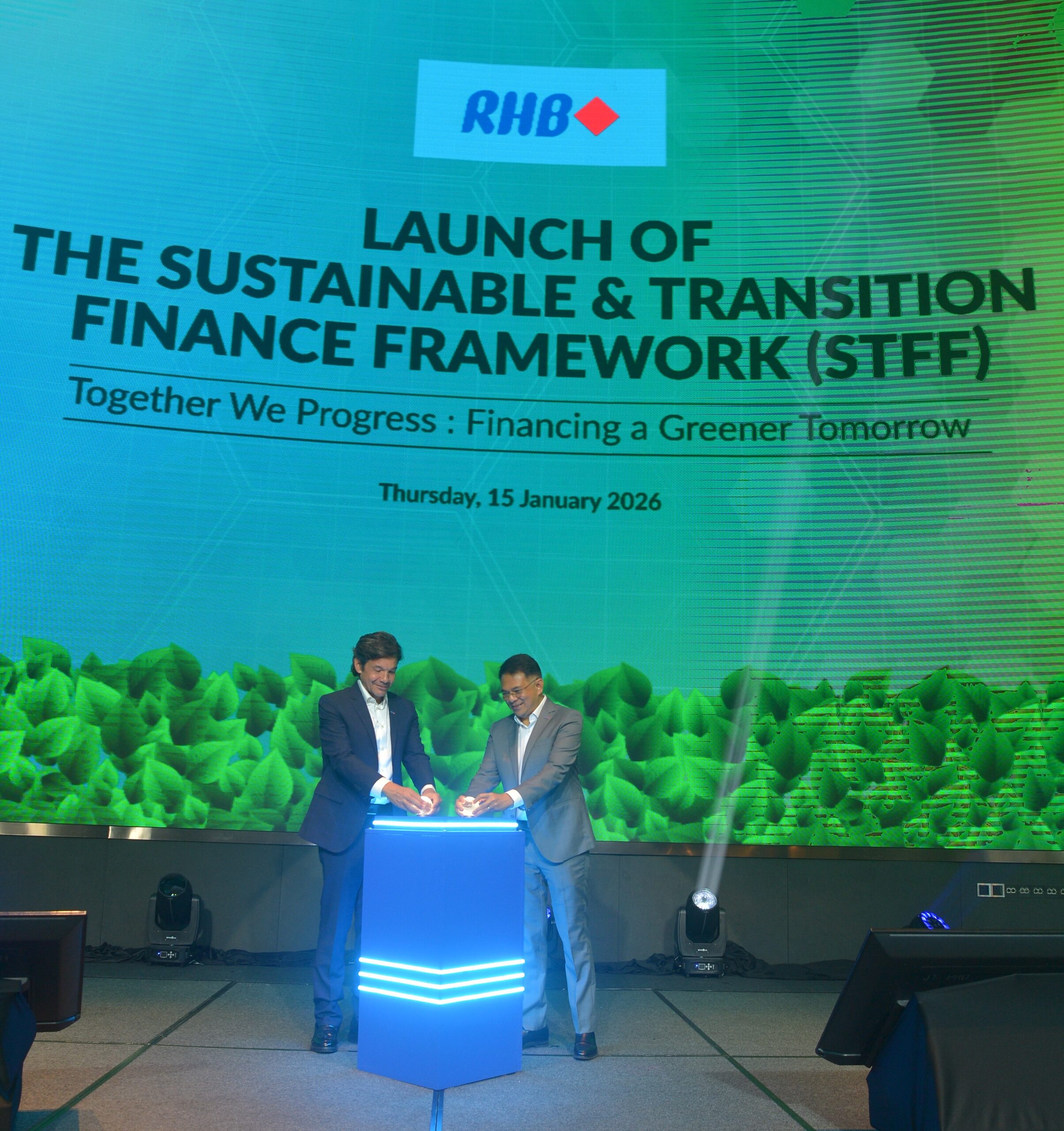
RHB Banking Group (RHB or the Group) has launched its Sustainable & Transition Finance Framework (STFF), a comprehensive framework in Malaysia structured to support customers at every stage of their sustainability transformation. Developed in alignment with global best practices, including the International Capital Market Association (ICMA) principles and the ASEAN Taxonomy for Sustainable Finance, the STFF has been fully validated by an independent Second-Party Opinion (SPO), Sustainalytics. This external validation underscores the robustness of the eligibility criteria and RHB’s dedication to financing a transparent transition for its clients and the broader economy.

Dato’ Mohd Rashid Mohamad, RHB Banking Group Managing Director / Group Chief Executive Officer said, “RHB’s Sustainable & Transition Finance Framework serves as a strategic roadmap to accelerate the shift towards low carbon economy. By providing clear criteria for sustainable financing and investment, we are bridging the gap for hard-to-abate sectors ensuring they have the necessary resources to transition. This framework will not only help us to mitigate long term climate risks but also empowers our clients to innovate, ensuring that the transition to a sustainable future is both inclusive and economically viable.”

Malaysia has outlined its aspirations through the National Energy Transition Roadmap (NETR) and the 13th Malaysia Plan (13MP), which provides up to RM1.2 to 1.3 trillion investment opportunities for businesses to decarbonise as we transition towards a low carbon economy and net zero. For many companies, particularly those in high emission, hard-to-abate and resource intensive sectors, the transition pathway can be complex due to fragmented financing options. The STFF helps address this by offering a clear, consistent and accessible framework for corporates, GLCs and SMEs to mobilise capital for eligible sustainable and transition activities.

“Sustainability is a long term commitment, and many businesses are navigating transition while managing real operational demands. Through the STFF, we want to make the sustainability pathway more achievable for our customers. Our role is not only to provide sustainable and transition financing, but also to be a purposeful partner in supporting them towards Net Zero,” added Dato’ Mohd Rashid.

The launch event also featured a panel discussion themed “Decarbonisation: Are We Doing Enough to Achieve Net Zero?” with representatives from RHB, Solarvest, and Malaysia Forest Fund (MFF). The event concluded with the signing of a Memorandum of Understanding (MoU) between RHB and MFF to further advance nature-based and transition solutions.

RHB remains committed to delivering on its sustainability agenda under PROGRESS27, including its goal of mobilising RM90 billion in Sustainable Financial Services (SFS) by 2027. As at December 2025, the Group’s cumulative SFS exceeded RM59 billion, and represents close to 66% of its 2027 target.
“When our customers’ progress, our communities progress. And when our communities progress, our nation progresses. The most sustainable decision is not waiting for certainty. It is choosing to begin,” concluded Dato’ Mohd Rashid.

Maybank Asset Management expands Maybank’s CIO-led investment framework with new Shariah strategy

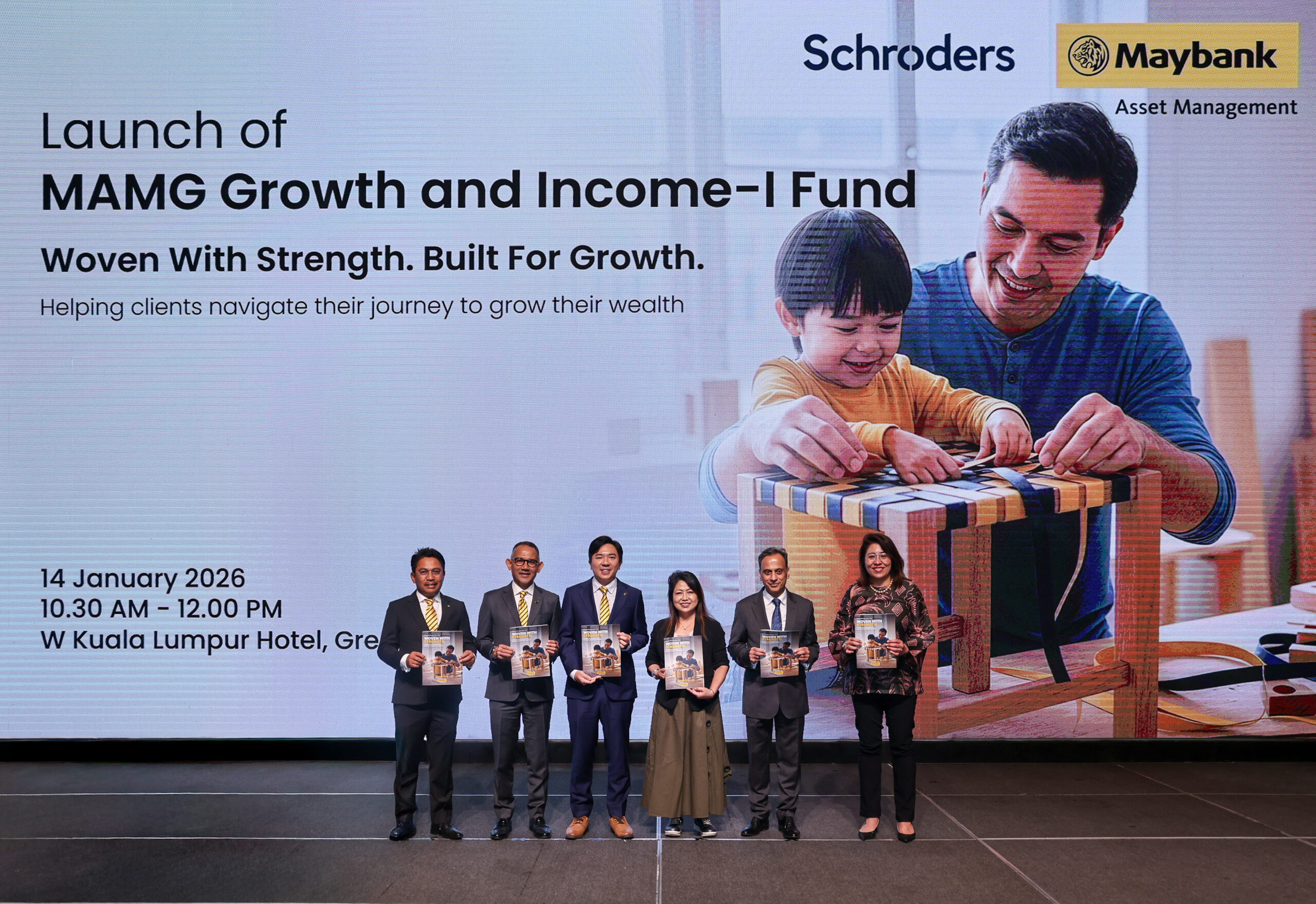
Maybank Asset Management Sdn Bhd (MAM) today announced the expansion of the signature Maybank CIO-powered franchise with the launch of the MAMG Growth and Income-I Fund (the Fund). This strategic expansion follows the growing adoption of MAM Group’s CIO-powered investment framework across its conventional strategies, which are implemented through multiple mandates and partnerships in Singapore and Malaysia. Collectively, these CIO-led strategies have achieved significant scale, reflecting strong investor demand for disciplined, multi-asset portfolio solutions anchored on a central investment house view.

This Shariah-compliant multi-asset solution represents the next evolution of MAM Group’s investment-first philosophy. The Fund is built upon a high-conviction synergy that integrates the strategic asset allocation views of Maybank Group Wealth Management’s (GWM) CIO with the specialist global multi-asset investment capabilities of Schroders. By anchoring global opportunities within MAMG’s investment framework, the Fund provides investors with an institutional-grade multi-asset strategy designed to capture growth and income across diverse market cycles. While guided by a common CIO framework, the Fund is implemented through an approach and partnerships to meet Shariah requirements.

The Fund is designed as a flexible, all-weather investment solution that offers investors multiple currency and income options to better manage portfolio outcomes in a volatile macro environment. Investors may access the Fund through USD, MYR-hedged, or MYR share classes, allowing for more effective positioning amid recent currency fluctuations between the Ringgit and the US Dollar. In addition, both accumulation and distribution classes are available, catering to investors seeking long-term capital growth as well as those who prefer regular income, while maintaining exposure to a professionally managed global multi-asset strategy.

Muhammad Hishamudin Hamzah, CEO of Maybank Asset Management Sdn Bhd, noted that the milestone achieved by our CIO-powered strategies reflects the strength of the MAMG’s collaborative model and the firm’s focus on performance-led outcomes. “The momentum of our CIO-powered suite is a testament to the clarity and discipline of our investment house view. In an era of heightened policy uncertainty, there is an imperative for strategies that offer both sophisticated oversight and tactical agility. By extending our established CIO framework into the Shariah space, we are providing our clients with a resilient growth engine that combines global scale with the strategic foresight of our Chief Investment Office. Our priority remains delivering high-conviction solutions that empower investors to navigate global complexity with confidence.”

Katherine Cox, Head of Client Group, South Asia, and Global Official Institutions at Schroders, said: “We are delighted to deepen our partnership with Maybank Asset Management Malaysia through the launch of the MAMG Growth and Income-I Fund, our fourth tie-up since 2018. This collaboration reflects our shared commitment to supporting Malaysian investors with resilient strategies that deliver powerful growth and recurring income, particularly in today’s complex environment. Leveraging our global multi-asset capabilities and Shariah investment expertise, we have developed an actively managed solution designed to manage volatility and identify growth opportunities. We are confident this new offering will empower investors in Malaysia to invest with greater assurance and capitalise on opportunities across market cycles.”

Denominated in Malaysian Ringgit (MYR) as the base currency, the Fund is offered across multiple share classes, including MYR (Accumulation), MYR (Distribution), MYR (Hedged) (Accumulation), MYR (Hedged) (Distribution), USD (Accumulation), and USD (Distribution) classes, with minimum initial investment amount of MYR 1,000 and USD 1,000 respectively.

Investors are advised to read and understand the contents of the Fund’s Product Highlights Sheet and Prospectus, dated 14 January 2026, before making any investment decisions.

The MAMG Growth and Income-I Fund is now available via Maybank2U and at Maybank branches nationwide.

Sarawak school team named Malaysia’s champion in VIA Safe Mobility

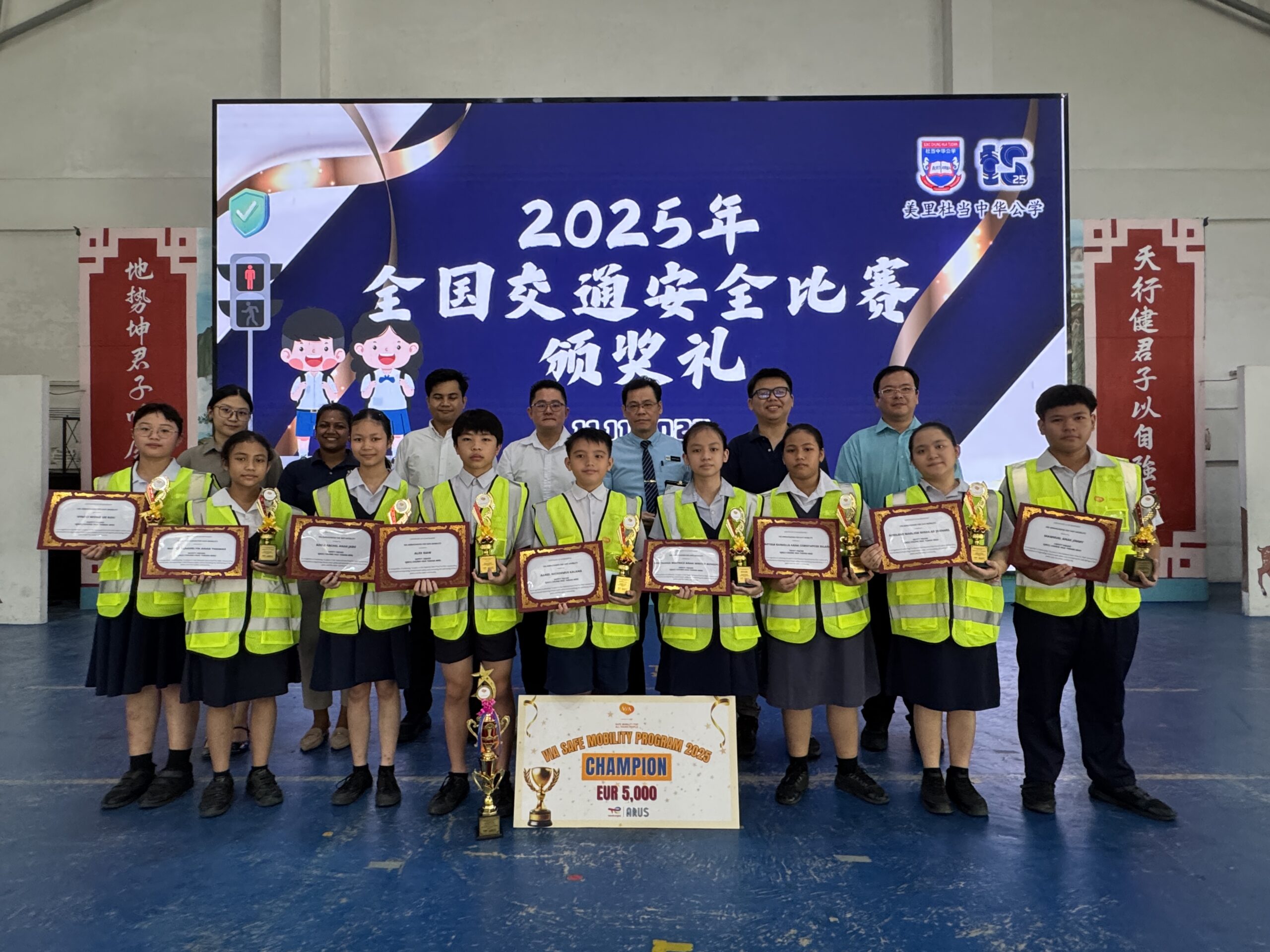
TotalEnergies, together with Arus Academy, continue to strengthen student learning and leadership through the VIA Safe Mobility, a global educational initiative aimed at improving mobility conditions for young people. Now in its fourth year in Malaysia, the 2025 edition saw Team Safety Squad from SJKC Chung Hua Tudan, Miri, Sarawak, emerge as the Malaysian Champion for their strong school-wide engagement and impactful advocacy work. As national winners, the school secured a
EUR 5,000 grant from TotalEnergies to implement and advocate their road-safety initiatives.

Their participation also marked a proud moment for Malaysia at the VIA Safe Mobility Regional International Finals, where they competed in a group with champions from India, Iraq, and Romania — part of a broader field of 24 VIA-participating countries across the region.

“Safety is a fundamental value at TotalEnergies, especially when it comes to the communities where we operate,” said Patricia Law, Sales Director of TotalEnergies Marketing Malaysia. “The VIA Safe Mobility programme reflects our commitment to equipping young people with practical knowledge and responsible habits that support safer journeys every day. We hope to continue empowering students to build safer school environments and be advocates for positive change.”

“At Arus Academy, we believe that students learn best when they are given the opportunity to solve real problems that matter to them,” said David Chak, Co-Founder of Arus Academy. “The VIA Safe Mobility programme has shown how powerful this approach can be. Each year, we see students taking ownership of their projects, building critical thinking skills, and working collaboratively to advocate for safer mobility in their communities. Team Safety Squad’s effort is a strong example of how authentic learning can create meaningful impact.”

Situated beside the high-speed Jalan Kuala Baram Bypass—officially recognised as one of Miri’s top five accident-prone roads—SJKC Chung Hua Tudan serves a large primary-school community. Its close proximity to fast-moving traffic makes road safety an urgent, daily concern for students and teachers alike.

Against this backdrop, Team Safety Squad anchored their VIA project on the mobility challenges surrounding the school. Guided by teachers, the 10-member team conducted an on-site observational audit of the drop-off area and pedestrian zones, documenting vehicle flow and foot traffic during peak hours. Their recommendations included establishing a crosswalk directly in front of the school. They also identified critical behavioural risks, such as low helmet-safety awareness among Year 1 to Year 3 pupils and the use of old or damaged helmets among younger riders.

To translate their findings into concrete action, the students submitted an official written request to the Miri City Council, calling for the installation of a designated zebra crossing outside the school.

Team Safety Squad then rolled out a wide-reaching safety campaign under the theme “See + Go = Safe. Helmet On, Worries Gone,” combining school-based education with community engagement. This included the “VIA Safe Mobility Camp” reaching more than 1,200 pupils, drawing competitions, an interactive road-safety assembly attended by more than 60 teachers, a community Road Safety Carnival, a Walk for Safe Mobility at Taman Bulatan Miri involving parents and staff, and peer-to-peer engagement sessions at SMK Pujut Miri, which reached an additional 1,000 high school students.

A key development has followed, with the city council initiating technical assessments for a designated crosswalk in front of SJKC Chung Hua Tudan. Engineers have already completed initial site measurements in response to the students’ request.

E&O announces full take up at City of Elmina

Eastern & Oriental Berhad (E&O) announced that Laman Embun, its first commercial precinct in City of Elmina, Shah Alam, has achieved 100% take-up. The precinct was fully taken up within the first week of its launch in November 2025, reflecting strong market demand and growing confidence in decentralised, well-planned townships that offer daily convenience, accessibility and long-term liveability beyond traditional city centres.

This milestone also sets the stage for Seri Embun, E&O’s upcoming residential township in Elmina, slated for launch in February 2026.

As Malaysia’s property market adapts to evolving work patterns and lifestyle priorities, buyer behaviour continues to shift in visible ways. Businesses and homeowners are increasingly favouring decentralised townships designed as complete environments where residential, commercial and community elements evolve together to support daily life.

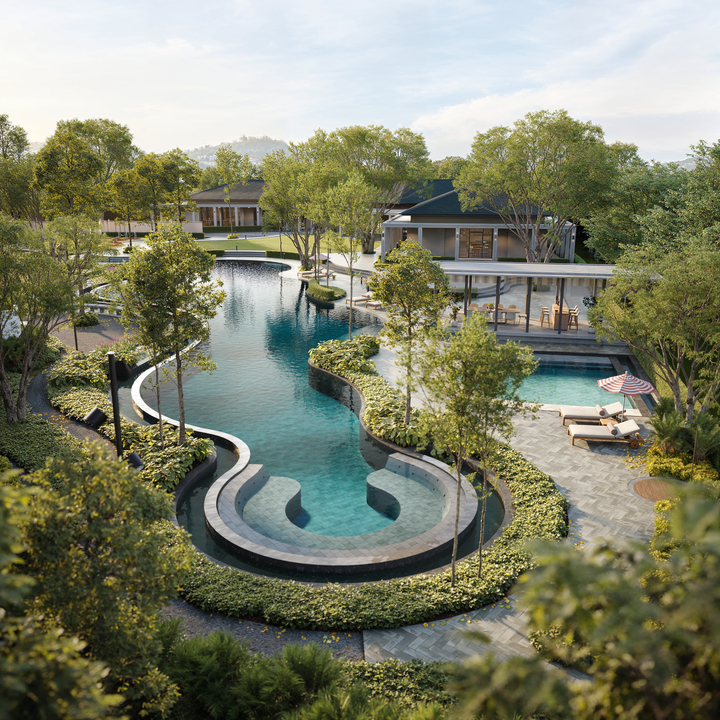
Located within the fast-developing Guthrie Corridor, Seri Embun benefits from strong regional connectivity while maintaining a township-led planning approach. The surrounding area is supported by education hubs, lifestyle amenities and growing commercial activity, the elements that collectively strengthen long-term liveability and sustain consistent day-to-day vibrancy.

More than a single development milestone, the growing interest in Seri Embun reflects a broader shift in how Malaysians evaluate where they live and invest. Designed as an integrated neighbourhood, Seri Embun places emphasis on accessibility, everyday convenience, long-term liveability and community integration — priorities that are increasingly valued over proximity to traditional central business districts alone.

“Seri Embun reflects a more holistic way of thinking about where people live, where daily needs, social spaces, work opportunities and quality of life come together in one coherent environment,” said Mr Kok Tuck Cheong, Managing Director of Eastern & Oriental Berhad. “Today’s buyers are more deliberate about where they commit, and Seri Embun responds to this shift by offering a well-connected township environment that supports daily life, work and community beyond traditional city centres.”

Seri Embun, E&O’s next residential chapter in Elmina, is envisioned as a natural extension of this evolving ecosystem. The development will be guided by E&O’s long-standing placemaking philosophy, focusing on human-scale design, connectivity and long-term adaptability rather than short-term trends.

The upcoming township builds on key community anchors introduced earlier within E&O’s Elmina developments, including the first clubhouse in the area and integrated commercial components designed to support everyday needs. Together, these moves reflect a deliberate sequencing strategy in establishing infrastructure and shared community frameworks ahead of residential development.

Positioned on elevated ground overlooking Elmina, Seri Embun draws character from its natural terrain, where height and openness enhance the lived experience and strengthen the township’s sense of place within its wider context.

With Seri Embun expected to debut in the coming February of 2026, E&O’s focus in Seri Embun in Elmina marks not just the launch of another residential project, but the next phase in a township designed to grow organically with its community.

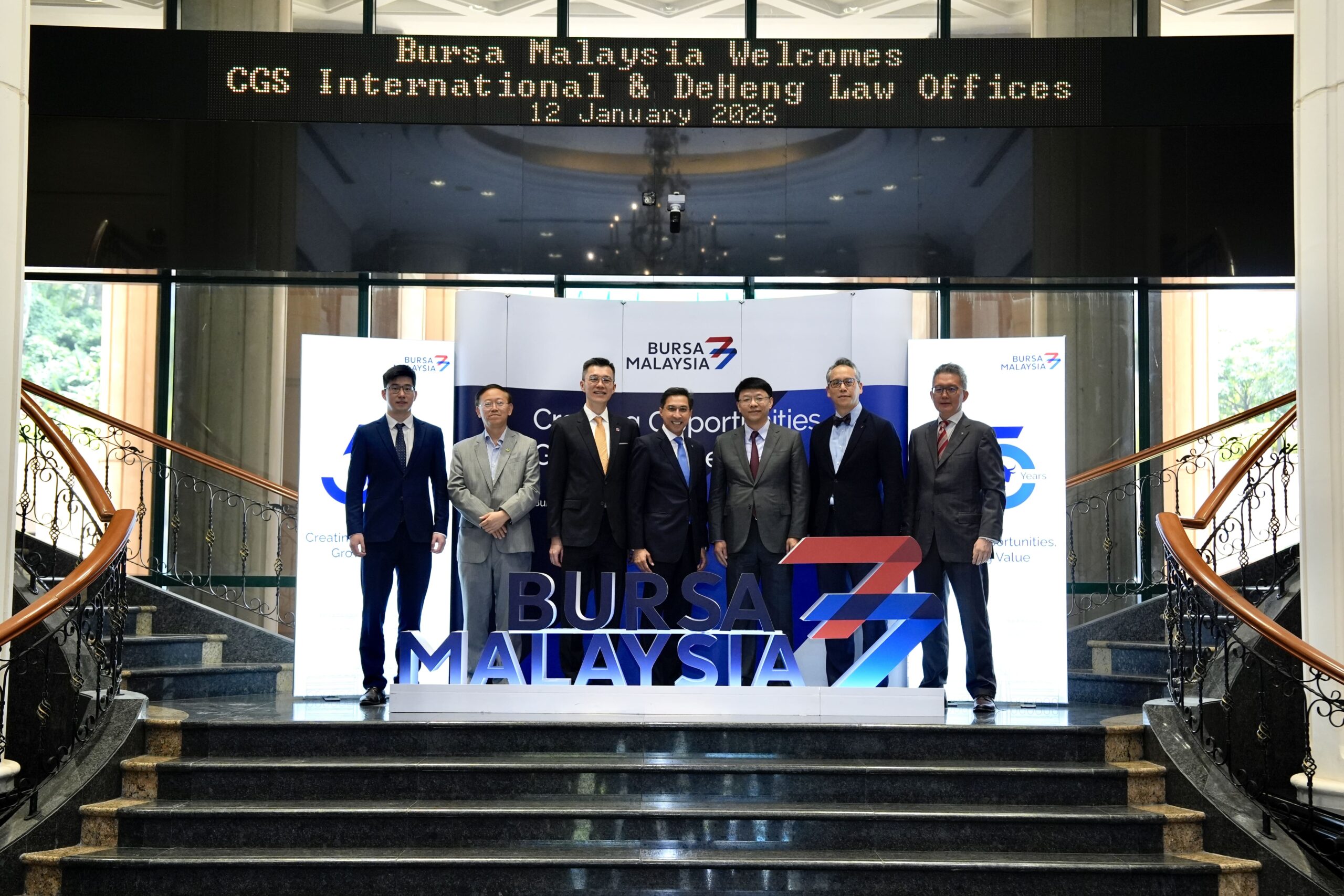
CGS International facilitates market engagement with China’s DeHeng Law Offices and Bursa Malaysia

CGS International Securities Malaysia Sdn. Bhd. (“CGS MY”) today hosted a market engagement session with DeHeng Law Offices (“DeHeng”), a leading Beijing-based cross-border law firm, and Bursa Malaysia, aimed at bridging high-growth Chinese enterprises in the new economy looking for regional growth as well as opportunities to attract greater ASEAN investor participation in their businesses.

The session focused on early-stage dialogue on Malaysia’s capital market framework, issuer readiness and expectations, as well as greater clarity on listing processes, with the aim of supporting well-governed, future-ready companies as they consider Malaysia’s capital market as part of their regional growth plans.

Alan Inn Wei Loon, Country Head of CGS MY said, “As a leading gateway between China and ASEAN, CGS International is uniquely positioned to bridge capital and opportunity. Through our shareholders China Galaxy Securities and one of the world’s largest sovereign wealth funds, the China Investment Corporation (CIC), we have the platform and deep institutional networks across ASEAN and in China to enable companies and businesses to tap into unparalleled market insights and capital. Malaysia’s deep pockets of liquidity, asset diversity, highly developed capital market infrastructure and robust investor protection are key attraction factors. We look forward to collaborating with DeHeng Law Offices to intensify efforts to attract more companies from the new economy especially to raise their profile and capital amongst Malaysian investors – both institutional and retail, and to facilitating more cross border growth and opportunities for high-quality companies with China and Malaysia, ASEAN and vice versa.”

Xu Jianjun, Deputy Director of DeHeng Law Offices, said, “Our multifaceted role is more than just bridging the complex regulatory and operating environment for our China issuers. Ensuring they are market-ready today goes beyond the rigour of complying with domestic financial, operational and governance standards to meeting sustainability requirements and expectation of value. By providing specialised legal advisory, we aim to facilitate mutually beneficial listings for both the issuers and Malaysia’s investment community.”

In his welcome remarks, Julian Mahmud Hashim, Chief Regulatory Officer of Bursa Malaysia, said, “Malaysia is well positioned for companies seeking a stable base in Southeast Asia. For Chinese-funded enterprises, Malaysia can be a platform not only to build operations, but also to access regional opportunities. Bursa Malaysia offers different listing routes for foreign companies looking to tap into our equity capital market. We welcome dialogue with intermediaries and potential issuers, and will continue to support early-stage discussions and provide clarity on processes and expectations, so that promising companies can move from intention to execution with confidence.”

The co-operation between CGS MY and DeHeng is designed to bridge “future-ready” companies from high-potential sectors, including technology, advanced manufacturing, renewable energy, and consumer goods with the robust capital raising ecosystem in Malaysia. By combining CGS MY’s regional connectivity and DeHeng’s cross-border legal capabilities, the co-operation aims to strengthen market understanding, improve preparedness, and support informed decision-making for companies evaluating Malaysia as a capital market destination.

Amazfit introduces Active Max

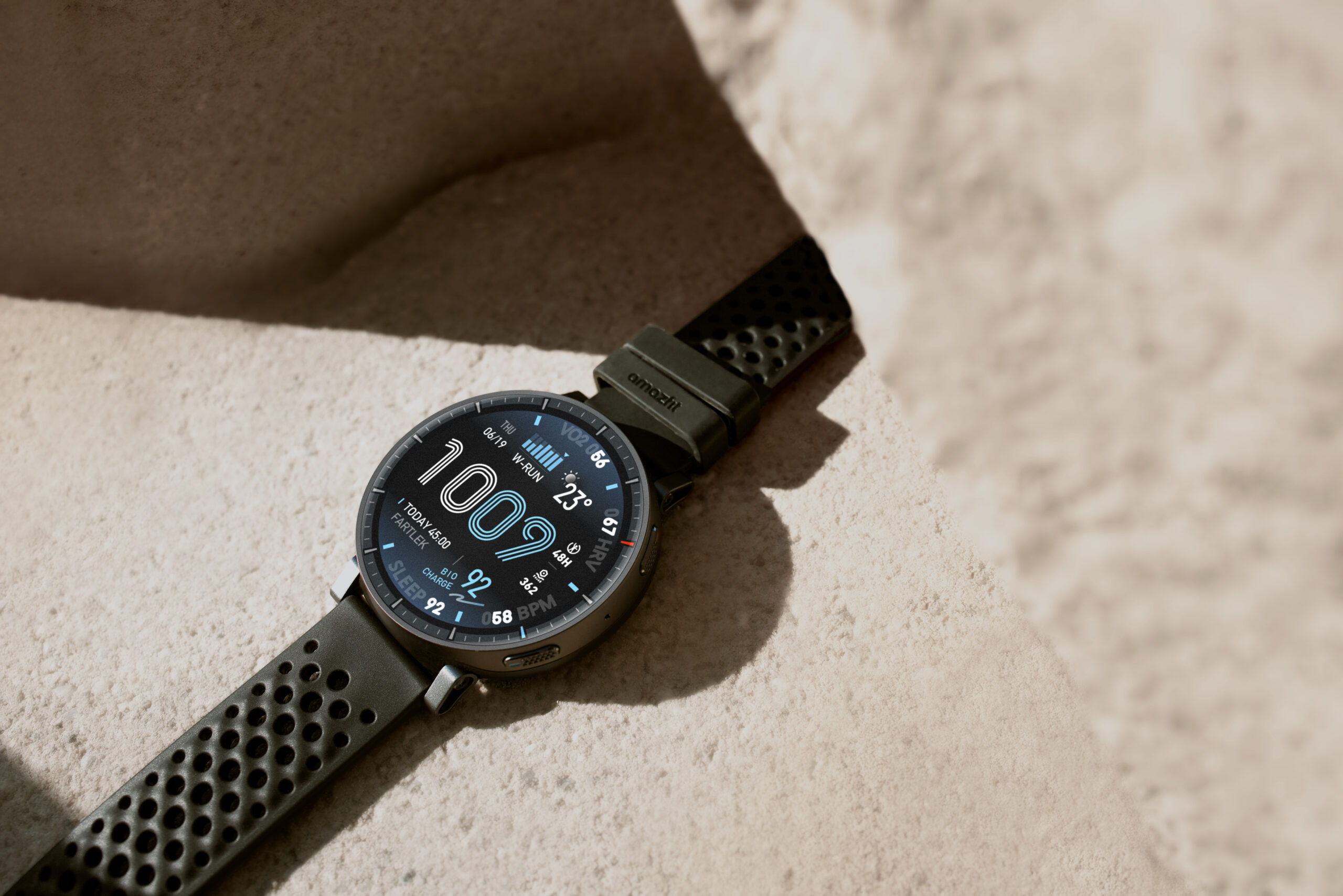
Amazfit, a leading global smart wearable brand by Zepp Health (NYSE: ZEPP), launches Amazfit Active Max, the newest member of the Amazfit Active family. Built for everyday athletes and anyone looking to elevate their wellness routine, Amazfit Active Max blends a 1.5″ ultra-bright AMOLED display, up to 25 days of battery life, easy podcast listening and advanced training tools to support consistent training and clearer visibility across any activity.

Amazfit Active Max features enhancements across three dimensions: a bigger display, bigger storage, and bigger battery life. Pairing lightweight durability with 5 ATM water resistance and 170+ sport modes, Amazfit Active Max offers versatility for strength sessions, running, and outdoor activities.

Other key features include:

  • BioCharge™ Energy Monitoring for Better Readiness: Active Max introduces Amazfit’s signature BioCharge™ energy score, which dynamically adjusts throughout the day based on workouts, activity level, and stress, helping users know when to push and when to rest.
  • Bigger Display. Max Clarity: A 1.5″ ultra-bright AMOLED display delivers exceptional clarity in any setting—whether in the gym, outdoors, or on the move. With up to 3,000 nits of peak brightness, the screen ensures real-time stats are always easy to read.
  • Bigger Storage, Smarter Maps: 4GB of onboard storage delivers up to 100 hours of podcast playbacks during workouts, plus free downloadable maps for outdoor adventures, including more than 2,000 ski resorts with contour details.
  • Bigger Battery, Longer Endurance: Up to 25 days of power in a lightweight design—reliable for all-day activity and sleep tracking, as well as long-distance training, including marathons.
  • 170+ Sport Modes with Intelligent Strength Training: With 170+ workout modes and AI-powered Zepp Coach™ guidance, Active Max adapts to users’ preferred training styles. Strength Training Mode automatically detects reps, sets, and rest periods across 25 exercises to streamline data capture and support form tracking.
  • 24/7 Health Monitoring: Powered by the latest BioTracker™ PPG biometric sensor, Active Max continuously monitors heart rate, blood oxygen, stress, and sleep quality, offering alerts for abnormally high or low readings.
  • Stay Connected with Helpful Smart Features: Users can make Bluetooth® calls, send speech-to-text replies (Android), and control the watch using Zepp Flow™ voice commands. Active Max pairs with the Zepp App for deeper health insights and long-term trend tracking.

Amazfit Malaysia will also introduce the Amazfit MY Community Club, set to debut in 2026. This initiative marks a new chapter in the brand’s commitment to the Malaysian fitness community, offering specialised programmes in running, strength training, and other sports. The community was established to bridge the gap between technology and real-world training, transforming data on the wrist into shared experiences, practical progress, and a supportive network that encourages accountability and consistency.