Zurich Malaysia has introduced Z-Driver EV Protect, a comprehensive insurance and takaful benefits designed exclusively for electric vehicle (EV) owners. This new offering enhances car insurance and takaful protection to cover EV batteries, home wall chargers, portable charging accessories, and more. With an affordable add-on premium/contribution of just RM120*, Z-Driver EV Protect delivers targeted coverage tailored to the unique needs of EV owners.
“EV owners face a unique set of risks that go beyond traditional motor insurance and takaful. Z-Driver EV Protect is designed to address these concerns, offering practical coverage that reflects how EVs are used today. It’s part of our commitment to making protection more relevant, accessible, and aligned with our customers’ evolving lifestyles,” said Foo Chuen Hou, Chief Distribution Officer, General Segment of Zurich Malaysia.
Key benefits* of Z-Driver EV Protect include:
• Home wall charger coverage up to RM15,000
• Personal liability while charging up to RM50,000
• Portable charging cable coverage up to RM2,000
• Compassionate allowance for incidents at public charging stations up to RM20,000
• Optional enhanced special perils protection, including battery damage due to water ingress from insured events
These benefits complement existing Z-Driver features, such as unlimited towing in the event of battery depletion, giving EV drivers greater confidence, peace of mind, and protection for every journey.
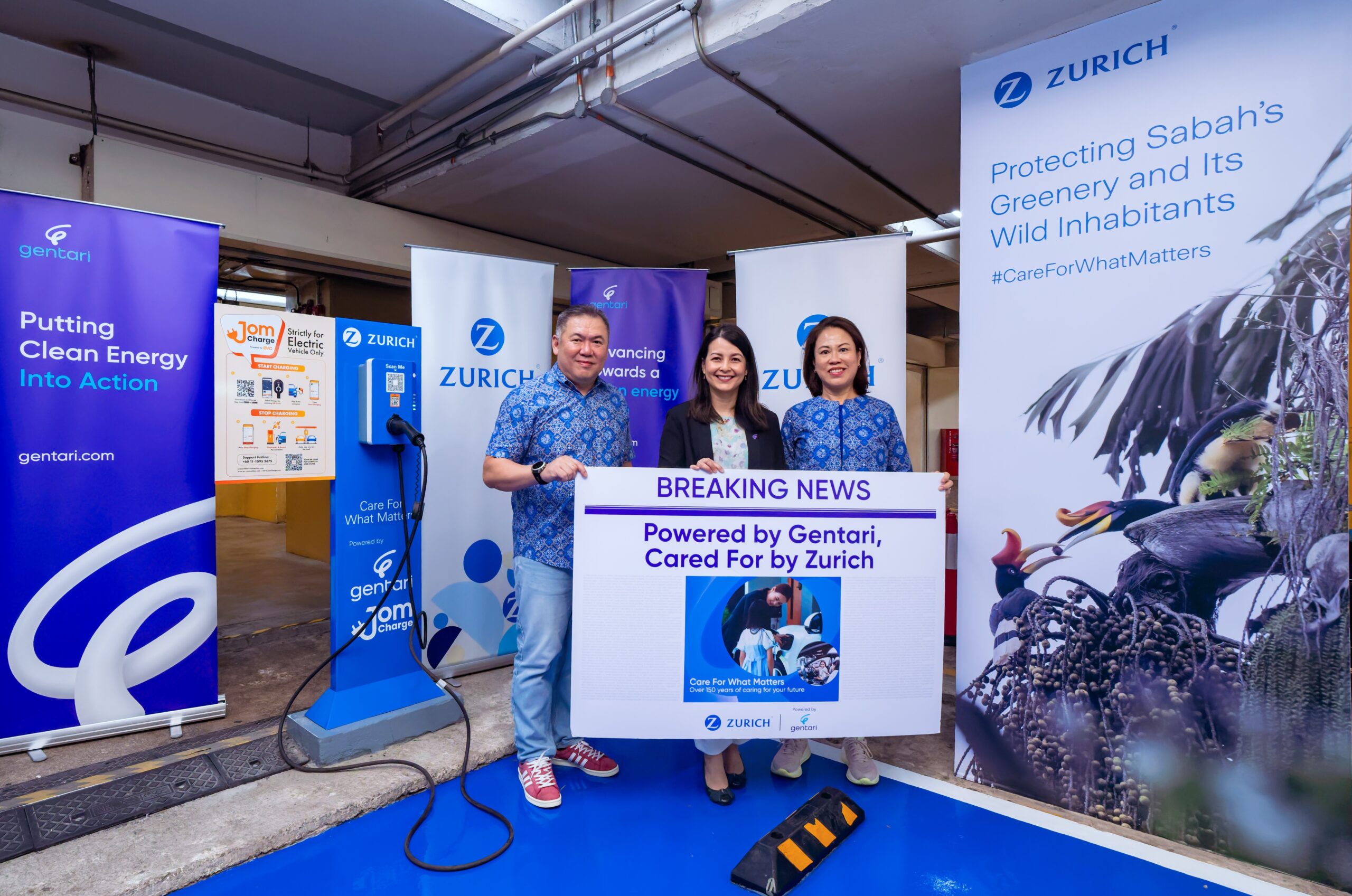
Furthering this commitment to sustainable mobility, Zurich Malaysia has collaborated with Gentari Green Mobility Sdn Bhd, a subsidiary of Gentari Sdn Bhd (Gentari), to support greater awareness and visibility of EV charging infrastructure nationwide. Through this collaboration, Zurich Malaysia has extended its brand presence to 13 EV charging stations at high-footfall destinations, including Suria KLCC, Kuala Lumpur Convention Centre, KLIA2 Gateway, The Gardens Mall, Paradigm Mall Johor Bahru, Gamuda Gardens, Putrajaya Sentral, and more.
“Reliable charging infrastructure plays a pivotal role in enabling more Malaysians to embrace electric mobility. Our collaboration with Gentari is not just about increasing the number of chargers, it’s about helping to build a more connected and confident EV ecosystem. Sustainability must be practical, customer-focused, and accessible,” said Teresa Wong, Chief Risk Officer – General Segment and Head of Sustainability Risk of Zurich Malaysia.
Aliah Nasreen Abdullah, Chief Customer Officer of Gentari Green Mobility, echoed this sentiment, saying, “Gentari is committed to creating a robust green mobility ecosystem in Malaysia, and our collaboration with Zurich Malaysia is another step in that direction. Together, we’re expanding the availability of EV chargers and enhancing the entire ownership experience, making it easier, safer, and more accessible for drivers to transition to clean mobility.”
The collaboration with Gentari, a leading clean energy solutions provider, supports Zurich Malaysia’s goal of building a more sustainable future by addressing one of the main barriers to EV adoption, convenient and reliable charging infrastructure.
Barry Callebaut Group, the world’s leading manufacturer of high-quality chocolate and cocoa solutions, and A.P. Moller – Maersk (Maersk), an integrated logistics company, proudly celebrate the official opening of their Built-To-Suit cocoa bean warehouse in Pasir Gudang, Malaysia. The two companies had entered into a decade-long partnership in 2023 to build and operate this facility.
This is the first multi-storey ramp-up facility in Pasir Gudang, built specifically to store cocoa beans. Spanning over 600,000 square feet, this makes it one of the largest cocoa bean storage facilities in the Asia Pacific region. With a capacity to hold nearly 40,000 MT of cocoa beans, the warehouse is purpose-built to support an integrated supply chain and designed for operational efficiency and responsiveness. It is fully equipped with advanced technology including Maersk’s latest Warehouse Management System, which enables real-time inventory tracking, optimized workflows and enhanced data visibility. It also contains features such as LED lighting, and natural ventilation to reduce energy use.
“This new facility is aligned with the Ministry of Plantation and Commodities, and the Malaysian Cocoa Board national agenda, to strengthen the Agri-commodity sector in this region. It is to sustain our momentum, boosting competitiveness, and reinforcing Malaysia’s stature on the global cocoa map,” said Datuk Dr. Ramle Hj Kasin, Director General of the Malaysian Cocoa Board.
Strategically located near the Port of Tanjung Pelepas, one of Malaysia’s key maritime gateways, and just one kilometer from Barry Callebaut’s cocoa processing factory in Pasir Gudang, the facility is ideally positioned to support both regional and global supply chains. It will serve as a key storage hub for cocoa beans sourced from around the world, including Africa, Latin America, and Asia, supporting the growth ambition of Barry Callebaut to satisfy customers requirements across Asia and beyond.
“This facility is a game-changer for our supply chain in Asia Pacific,” said Alain Freymond, President, Global Cocoa at Barry Callebaut. “In today’s environment, where managing the cocoa value chain has become more critical than ever, it gives us greater control over bean quality and enhances our ability to serve customers across the region with speed and precision. Our partnership with Maersk continues to grow, and this warehouse reflects our shared commitment to building a resilient and future-ready logistics network.”
Since 2022, Maersk has supported Barry Callebaut’s supply chain from cocoa-growing origins globally to processing sites in Asia Pacific through integrated ocean and landside logistics services. In Malaysia, this includes the import of cocoa beans via shipping through the Port of Tanjung Pelepas and trucking services between the port and the warehouse.
Ditlev Blicher, President Asia Pacific at Maersk, commented, “We’re thrilled to celebrate the opening of Barry Callebaut’s new warehouse in Malaysia. Our end-to-end logistics solutions are designed to empower Barry Callebaut with greater supply chain visibility, efficiency, and control—helping them respond faster to market needs and deliver outstanding service to their customers. We look forward to growing together and supporting their continued success with innovative, reliable logistics.”
The official opening ceremony of one of the largest cocoa bean warehouses in Asia Pacific brought together leaders from both organisations, local stakeholders, and partners to celebrate this milestone and reaffirm their commitment to innovation, sustainability, and growth in the region.
Kenanga Futures Sdn Bhd (“Kenanga Futures”) has announced the launch of its latest nationwide campaign, “Futures Awaken”. Running until 30 November 2025, the campaign is dedicated to shaping a new generation of traders by enhancing their financial strategies and redefining Futures as a vital hedging and risk management tool amidst ongoing global economic uncertainties.
Futures Awaken highlights Malaysia’s growing prominence in the global derivatives space by showcasing the vibrant and dynamic product landscape of Bursa Malaysia Derivatives (BMD) as a gateway to new opportunities. Reflecting Kenanga Futures’ commitment to Building a Smart Derivatives Trading Community, the campaign offers a curated digital learning journey featuring interactive e-modules and seminars – all designed to foster financial literacy and empower Malaysia’s New-Gen, which makes up 25% of the population, to take charge of their financial future in the ever-evolving derivatives landscape.
“At Kenanga Futures, we are building tomorrow, today. By staying true to our values, we strive to inspire and empower the next generation of traders through innovation and enhanced education to thrive in this dynamic derivatives industry. The Futures Awaken campaign is a timely initiative that celebrates the spirit of Malaysia Day by equipping Malaysians with a strong foundation in futures trading and advancing them to the next level. As the Gen-Alpha of today embraces disruptive technology and adopts AI-machine learning in trading strategy, the derivatives landscape is being redefined – unlocking new opportunities in this new era of trading,” said Azila Abdul Aziz, Chief Executive Officer/ Executive Director & Head of Listed Derivatives of Kenanga Futures.
Throughout the campaign period, account opening fees are reduced to a nominal RM10, lowering the barrier of entry for newcomers to capitalise on the current market landscape. Additionally, new clients who successfully register and open a futures trading account with Kenanga Futures during the campaign period, and trade a minimum of 10 BMD contracts, will be eligible to receive a RM100 e-shopping voucher, while the top 20 traders must fulfil the minimum requirement of trading more than 500 BMD contracts during the campaign period in order to qualify for the RM300 e-shopping voucher.
Looking ahead, Kenanga Futures plans to expand the campaign with advanced learning modules, collaborative initiatives, and partnerships with industry experts – reinforcing its commitment to Building a Smart Derivatives Trading Community.
Sustainability reporting in ASEAN is reaching a pivotal moment, driven by tightening regulations and growing investor demands. Frameworks such as the International Sustainability Standards Board (ISSB) and Global Reporting Initiative (GRI) are increasingly setting the standard for ESG disclosures worldwide. Yet many businesses in the region, especially those embedded in supply chains, are still grappling with how to keep pace with shifting expectations. Under growing scrutiny, vague commitments and inconsistent disclosures can be seen as greenwashing — eroding public trust and undermining investor confidence.
Why Ethics Matter as Much as Compliance
To move from intent to impact, companies must do more than comply. For ESG to drive lasting value, ethical leadership, transparency, and robust governance are essential. Ellie Wild, a member of The Institute of Chartered Accountants in England and Wales (ICAEW) and Sustainability Manager at Forvis Mazars, believes high-quality sustainability reporting starts with a strong ethical foundation — one that empowers professionals to identify, assess, and communicate risks with integrity.
“Balanced reporting is at the crux of building trust,” Wild states. “Companies must avoid the temptation to report only ESG opportunities, or to exaggerate their ESG maturity. Stakeholders expect a mixed picture, and the best way to build trust is transparent reporting of both current position and future goals.”
“ESG information should be subject to the same rigour as financial information. Regulatory frameworks contribute to fortifying the ESG control environment by mandating granular disclosure on governance and risk management processes. We are also seeing a critical shift towards assurance over ESG information. In some jurisdictions this is voluntary, while in others, such as Malaysia and Singapore, regulators have signalled a phased move toward mandatory assurance, with details currently under consultation.”
ASEAN’s Fragmented Landscape
While global frameworks offer consistency, ASEAN jurisdictions differ widely in how they interpret and implement ESG reporting. Some, like Malaysia, have taken bold steps to lead, including its National Sustainability Reporting Framework, aligning directly with ISSB’s IFRS S1 and S2. The framework introduces a phased rollout prioritising climate, with deferred Scope 3 disclosures aligned to Malaysia’s readiness.
This momentum has not gone unnoticed. Malaysia is currently the only ASEAN jurisdiction formally recognised by the IFRS Foundation for adopting ISSB standards with limited transition. Its regulatory leadership and regional influence make it a fitting host for the upcoming ICAEW ASEAN Sustainability Summit in November 2025 at the Securities Commission of Malaysia.
Taking place under the theme ASEAN RISING: The Net Zero Playbook, the summit aligns with Malaysia’s ASEAN 2025 Chairmanship focus on “Inclusivity and Sustainability” and will spotlight regional action on ethical governance, transparent reporting, sustainable finance, and climate resilience.
“The greatest challenge is creating structured processes for managing sustainability risks,” according to Wild. “ISSB requires companies to show how sustainability is integrated into strategy and governance. Those treating it as peripheral will struggle. Finance and risk teams should be trained in sustainability frameworks so they can embed accountability into processes and oversee risk management effectively. For SMEs, tools such as carbon calculators help ease the reporting burden by keeping emission factors up to date.”
From Frameworks to Practical Action
Even in relatively mature markets, many companies still grapple with overlapping regulations, evolving standards, and capacity constraints. To address these gaps, the ASEAN Sustainability Reporting Advocacy Collaborative (ASRAC) encourages jurisdictions to adopt ISSB as a global foundation while using a “building-blocks” approach that accommodates local policy objectives. ASRAC also advocates for proportionality and scalability so that ESG reporting remains feasible for the SMEs that populate the large majority of businesses across the region.
To support companies across the spectrum, the ASEAN Simplified ESG Disclosure Guide (ASEDG) combines ISSB, GRI, and local frameworks into 38 disclosures suited to different maturity levels. Complementing this, Capital Markets Malaysia also recently launched a greenhouse gas emissions calculator to help businesses measure Scope 1 and 2 emissions and make ESG reporting more practical.
The internationally renowned analyst firm Gartner® has released the Magic Quadrant for Enterprise Storage Platforms 2025, with Huawei being placed in the Leaders Quadrant, the only non–North American vendor to do so.
Huawei Data Storage continues to advance technological innovation, leveraging an AI-ready data platform, robust data resilience and efficiency, and advanced intelligent data management to comprehensively meet the diverse needs of enterprises in hybrid-cloud, AI, and critical business use cases.
Huawei’s Data Storage solutions are used in more than 150 countries and regions worldwide, serving clients in industries such as finance, telecommunications, manufacturing, healthcare, government, and public utilities across Latin America, Europe, the Middle East, Africa, and the Asia-Pacific region.
Sophos, a global leader in advanced security solutions, today unveiled the 5th edition of its report: The Future of Cybersecurity in Asia Pacific and Japan (APJ), produced in collaboration with Tech Research Asia (now part of Omdia). The findings reveal that cybersecurity burnout remains high in Malaysia, with 90% of organisations surveyed experiencing issues – primarily driven by increased threat activity, lack of resources, and unclear cybersecurity strategies.
The 2025 report also highlights how AI is having a two-pronged effect on cybersecurity with AI-powered security tools helping to alleviate some of the issues associated with fatigue, while shadow AI use by employees is complicating cybersecurity efforts.
“The triad of increased threats, unclear strategies, and limited resources is making cybersecurity unsustainable for many teams,” said Aaron Bugal, field chief information security officer, APJ, Sophos. “This year’s findings reinforce what we’ve observed in the field: cybersecurity stress and burnout are more than just operational concerns – they’re cultural, strategic, and deeply human challenges. AI tools, when deployed thoughtfully, can provide relief by scaling operational capability and enabling faster incident response. But the surge of shadow AI – unauthorised, unregulated AI tools being used by employees – poses new risks that many organisations are not prepared for.
“We’re witnessing a new era where security awareness must extend beyond phishing emails to include how people use and share sensitive data through AI tools. Governance and clear boundaries around AI usage are essential.”
Cybersecurity burnout is a business issue
The report reveals that cybersecurity stress is not just a tech issue – it is a business one. Burnout affects productivity, incident response, employee retention, and contributes to breaches. The top three most common cybersecurity frustrations amongst Malaysian respondents were:
• Keeping up with the pace of cybersecurity threats
• Executives assuming cybersecurity is easy, and concerns are over exaggerated
• Inability to create a strong cybersecurity culture across the organisation
AI: Friend or Foe?
AI’s promise is undeniable: 91% of Malaysian organisations surveyed are already using business AI tools such as ChatGPT, co-pilots, and agentic AI, and 78% have a formal AI strategy in place. Among those using AI in cybersecurity, the biggest benefit reported is more accurate triaging and escalation of incidents, helping reduce stress and improve response speed.
However, 36% admit to shadow AI usage – employees using unauthorised tools – while another 13% are unsure whether shadow AI is in their organisation. The lack of visibility into what tools are being used, what data they access, and which employees are using them is creating new risks.
These findings underline the need for robust AI governance frameworks that not only define policy but also enforce oversight, especially as AI continues to be woven into core business operations.
Other key insights from the report
• Burnout intensifies its impact: Organisations lost an average of 5.6 hours per employee per week due to stress and fatigue – up from 4.1 hours per week in 2024.
• Budgets remain robust: 93% of organisations plan to increase their cybersecurity budgets in the next year; with 27% planning an increase of 10% or more.
About the Report
Commissioned by Sophos and conducted by Tech Research Asia, the 2025 study surveyed 926 cybersecurity and IT professionals across Australia, India, Japan, Malaysia, the Philippines, and Singapore. Now in its fifth edition, the report continues to explore the business dimensions of cybersecurity rather than purely technical assessments.
According to the Malaysia Consumer Trend Report 2025, a nationwide survey of 500 Malaysians has found that 91% of consumers are open to the idea of purchasing sustainable products. However, this intention is heavily tempered by price sensitivity, with the majority only willing to pay less than 10% more, revealing a significant gap between eco-conscious desires and purchasing reality.
This brings us to the pivotal question: while people may care about the planet, are they willing to pay more to protect it? The data reveals a clear answer: only if the price is right.
Widespread adoption is blocked by three major barriers:
cost (most will only pay <10% more),
credibility (32.4% are not sure if eco-friendly claims are real), and
convenience (18.2% find sustainable products hard to find).
In short, consumers want to buy green, but to do so confidently, they need clarity, price confidence, and better accessibility to actually follow through.
Growing Awareness Doesn’t Always Translate into Action
This intention-action gap is further highlighted in daily habits. While many Malaysians are familiar with the core pillars of sustainability, Reduce, Reuse, Recycle, full adoption is still a work in progress.
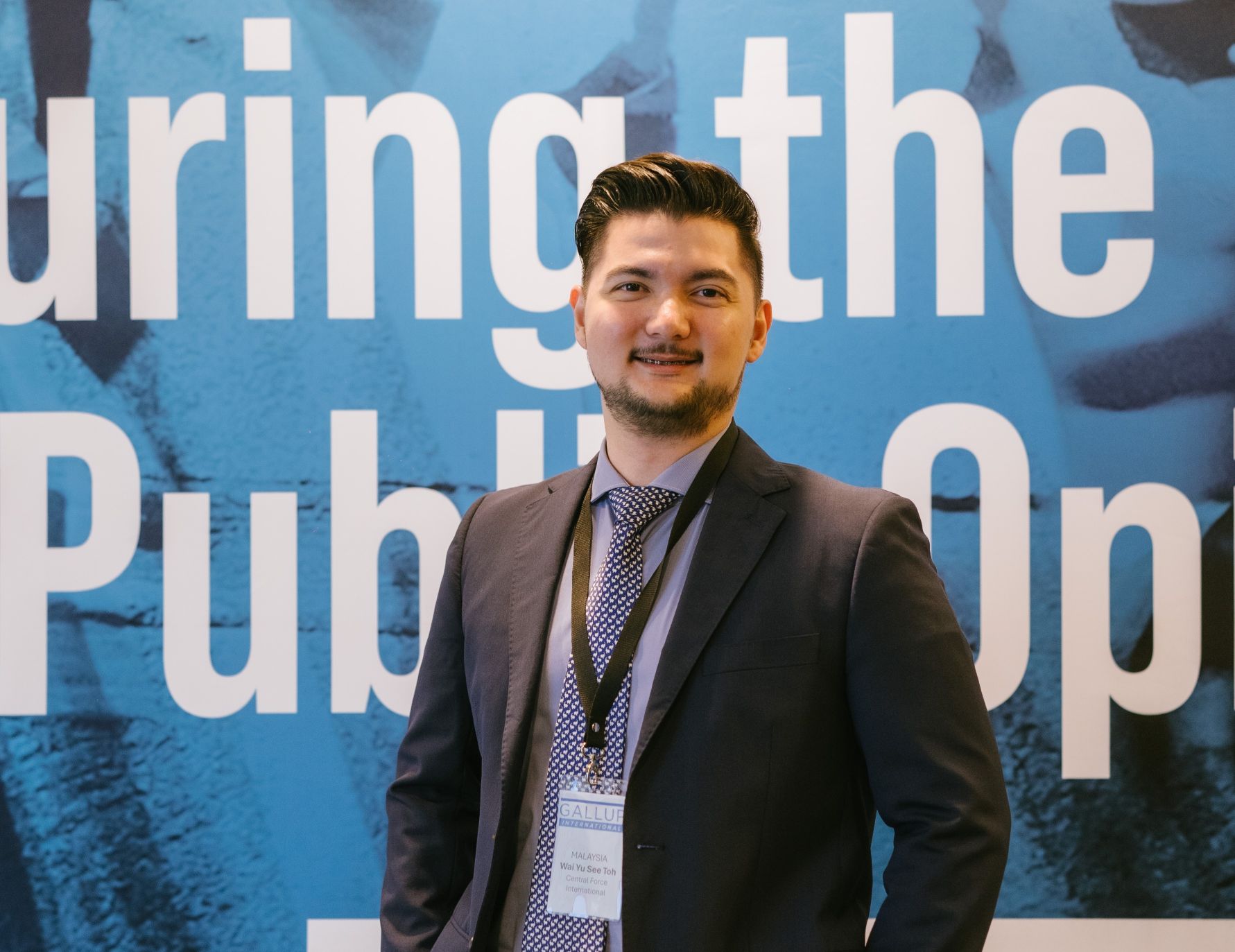
“Malaysians are trying, but their sustainability behaviour is still fragmented,” said See Toh Wai Yu, Chief Executive Officer of Central Force International. “While the intention exists, execution is often uneven due to habit, lack of infrastructure, or simple inconvenience. This is where businesses can step in to make sustainable choices.”
According to the report, only 48.8% of Malaysians consistently practice the 3Rs, meaning that vast amounts of valuable resources still end up in landfills. In Selangor alone, 10,000 tons of waste are generated daily, making it the nation’s largest contributor and a significant source of emissions. The urgency is clear, businesses must step up with practical, low-friction solutions such as refill programs, recycling partnerships, and in-store prompts to help turn consumer awareness into consistent green action.
Furthermore, action-reward steps are a powerful way to encourage change. Motivation is key: the study found that 26.2% of Malaysians would practice 3R habits more often with rewards.
“Consumers are open to adopting greener habits, but they want it to feel worthwhile, not burdensome. Therefore, simple reward systems can build lasting habits,” added See Toh.
The survey indicates that while a willingness to adopt sustainable habits exists, consumers remain practical in their approach. To align with this value-driven mindset, businesses must tailor their products to offer clear and compelling value. This behavior suggests that purchasing decisions are influenced more by conscious prioritisation than by a lack of interest or weak habits regarding sustainability.
Festive Spending: A Resilient Economic Engine
Per the survey, consumers’ selective spending behaviour, and purchase priorities are shown to extend to other areas as well. Examining spending patterns during culturally meaningful occasions like festivals, for example, highlights a continued willingness to spend as they prioritise on sectors that prioritise celebrations, gifting, and presentation. Supporting this trend, the report also uncovered that festive spending remains a non-negotiable priority for Malaysians, defying broader cost-of-living pressures. This cultural spending is a powerful economic driver, evidenced by a 5.7% year-on-year jump in wholesale and retail trade to RM154 billion during the festive period.
How to Win the Sustainable Shopper
To succeed in this space, a strategy must reflect both the emotional support for eco-consciousness and the financial realities of daily life. The report advises businesses to make their products: Affordable, Transparent, Accessible and Motivating
Sustainability is not just a trend; it’s an evolving consumer expectation.
Airwallex, a leading global financial platform for modern businesses, has acquired OpenPay, a San Francisco-based billing platform that offers subscription management, payment orchestration, and revenue analytics. The acquisition will bring OpenPay’s billing and analytics capabilities into Airwallex’s global platform, strengthening Airwallex’s position against other players like Stripe Billing and Recurly, and empowering Airwallex customers to unlock and automate revenue growth.
“Most billing systems are locked in the past, they were never designed for a global, multi-currency world. That’s the gap we’re closing,” said Jack Zhang, Co-founder and CEO of Airwallex. “By bringing OpenPay’s subscription management, orchestration, and analytics capabilities into Airwallex, we’re creating the first truly global billing platform. The OpenPay team brings deep technical strength and a shared conviction in our vision, and we’re thrilled to have them on board as we help businesses scale seamlessly across borders.”
“We started OpenPay to solve the complexity of recurring revenue management. We envisioned a smarter, more intuitive platform that empowers subscription businesses to scale without barriers,” said Lance Co Ting Keh, CEO of OpenPay. “In Airwallex, we found a partner who shares our vision, our DNA and has the global reach to apply our work at scale. We are very proud of what we’ve built and excited for our next chapter as we partner with Airwallex to set a new standard, creating a paradigm shift in global payments.”
OpenPay has distinguished itself through its development of automated features like smart payment routing, AI-driven retention tools, real-time insights and subscription management for tiered, usage-based, and flat fee models. Demand for hybrid and usage-based billing – tied to actual product usage as opposed to static, seat-based pricing – is rising as AI companies and other consumption-led businesses monetize by tokens, calls, and computes. With OpenPay, Airwallex will offer built-in usage-based billing that works across borders and currencies.
With this acquisition, Airwallex isn’t just entering billing – it’s redefining it. By marrying global financial infrastructure with modern subscription management, Airwallex is creating the first truly global billing platform: one that lowers costs, increases revenue, and lets businesses scale subscriptions without borders.
Financial terms of the transaction are not disclosed.
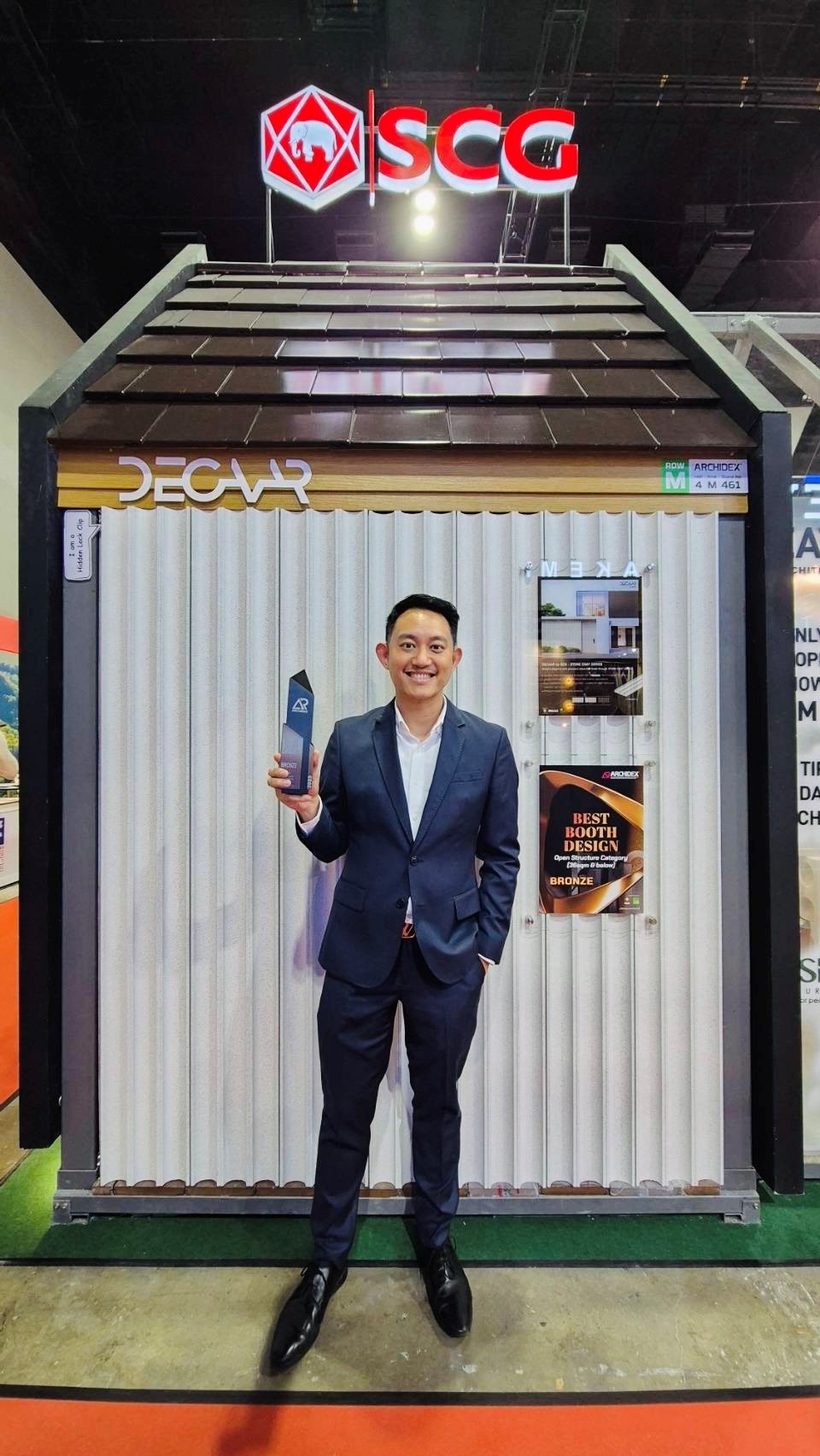
SCG, a pioneering force in building materials innovation, made architectural history at ARCHIDEX 2025 with official launch DECAAR by SCG, a revolutionary façade system that redefines how buildings interact with natural light. The groundbreaking technology was unveiled at The 24th International Architecture, Interior Design & Building Exhibition, held at the Malaysia International Trade and Exhibition Center (MITEC).
Under leadership of Mr.Chanon Sangkaew, Export Manager, SCG collaborated with AKUBIG X SURIWONG to present cutting-edge building solutions that combine aesthetic excellence with superior performance. The company’s participation was recognized with a Bronze Award in the Best Booth Design.
DECAAR by SCG: Revolutionary Façade Technology
Operating under the concept “Build to Catch the Light. Made to Move with Its,” DECAAR transforms static building surfaces into dynamic, light-responsive architectural elements using advanced extrusion technology.
Three Innovative Product Lines:
Modish V: V-shaped profiles that maximize light capture and shadow play, creating façades that perform from sunrise to sunset
Modish U: Engineered with light as the primary design element, creating dramatic shadow effects while maintaining structural integrity
C-Channel: Delivers precision and uniqueness to architectural works with clean lines and structural efficiency
DECAAR’s advanced extrusion technology enables complex profiles previously impossible to manufacture, offering enhanced structural strength with lightweight properties, superior weather resistance, unprecedented design flexibility, and reduced installation time.
Comprehensive Building Solutions Portfolio
SCG Smartwood: Merging the natural warmth of wood with fiber cement strength, offering eco-friendly, low-maintenance
Next-Generation SCG Smartboard ULTRA: The fiber cement board with three major improvements:
20% enhanced durability
Advanced Anti-Mold Technology
Eco Heart certification by EPD International, demonstrating environmental responsibility
Premium Roofing Solutions:
SCG Roman Tiles (Atap Gajah): Market-leading position in eco-friendly roof systems
SCG Concrete Roof: Long-lasting color retention and superior structural strength
Market Impact
DECAAR launch at ARCHIDEX 2025 signals SCG’s transition from traditional building materials supplier to technology-driven architectural solutions provider, with numerous architects and contractors expressing immediate interest in innovative technology.
The Big Tiny story started in 2016, during Adrian’s family trip along Australia’s iconic Great Ocean Road. As his family journeyed through the coastal vistas and rural retreats, an idea began to take shape: What if this sense of calmness could be made accessible to others, anywhere in the world through sustainable and mobile living?
Pioneering eco-friendly getaways: Dave Ng, Adrian Chia and Jeff Yeo.
Upon returning to Singapore, Adrian shared his idea with two long-time friends and soon-to-be co-founders at Big Tiny, Dave Ng and Jeff Yeo, both former Singapore Army and Navy scholars respectively. Together, they envisioned crafting tiny houses on wheels that would bring this same restorative clarity to others while simultaneously empowering communities.
A Product Designed for Shared Success
Comfortable and cosy – inside a quaint tiny house.
Big Tiny was officially launched in 2017. Its product derives from a simple concept which made perfect sense—travel and leave a positive impact on a place and its people.
The founders believe that the modern life-style, for all its conveniences, often distracts people from the basics—nature, simplicity and meaningful moments. With that, its brand mandate is centred around helping people to reconnect with themselves and nature.
The company and its products are defined by three robust core values:
Connection with Nature: Locations are carefully selected where guests can wake up to wide open skies, immerse themselves in pristine landscapes and experience the quiet beauty of the outdoors. Big Tiny’s low-impact builds are designed to preserve the integrity of these natural environments.
Simplicity with Purpose: Every Big Tiny stay is intentionally minimal yet complete, removing the noise of modern living while ensuring comfort and functionality. From the design of tiny houses to the curated experiences offered, Big Tiny champions the idea that less can be more—more meaningful, more sustainable and more fulfilling.
Sustainability through Experience: Rather than preaching eco-consciousness, tiny houses invite its guests to experience it through the stillness of a stay, the satisfaction of living with less and the joy of discovering the surroundings. These tiny houses are not just a place to sleep; they are vessels for a lifestyle shift—subtle, but lasting.
These values are woven into the very fabric of a Big Tiny experience, from the layout of a tiny house to the way it partners with landowners and communities. Ultimately, the brand doesn’t just offer accommodation—it’s a chance to pause, reflect and return to what’s essential.
As a proud pioneer in this niche eco-tourism space, Big Tiny designs, builds and manages eco-conscious tiny houses on underutilised lands—transforming idle plots into revenue-generating destinations. These tiny homes are then placed within its Tiny Away web platform (tinyaway.com) for bookings, alongside 11 other online travel sites.
But the company doesn’t do it alone, of course, as it involves strategic partners along the process. Its ecosystem brings together landowners, tiny house buyers and travellers on a single beneficial model for all parties.
“Basically, there are three external core parties involved in the equation with us being the linchpin that pulls together everyone. Let’s say you own a piece of land which you don’t have any plans for but is the perfect spot for our tiny houses. So, hosting a tiny house on your land naturally unlocks a revenue stream for you while guests can have access to a unique, nature-immersive stay. The landowners are not the only income earners; a tiny house buyer too can earn passive income through our tiny house sale and management programme,” explained Adrian.
As for Big Tiny, it holds critical roles for its end-to-end capability—from land activation to architectural design to operations—the company’s full-stack solution gives it greater control over quality, scalability and sustainability. Big Tiny’s position as a curator of experiences evokes emotional resonance for guests, backed by operational efficiency and proven returns. This is what truly sets Big Tiny’s unique selling proposition.
Apart from being positioned as an accommodation, tiny houses too can function as:
A comfortable home office, studio or workshops venue.
An outstanding pop-up cart or a Farmer’s Market Stall.
A guest house or even a holiday home—an affordable luxury indeed!
Tiny Houses Everywhere!
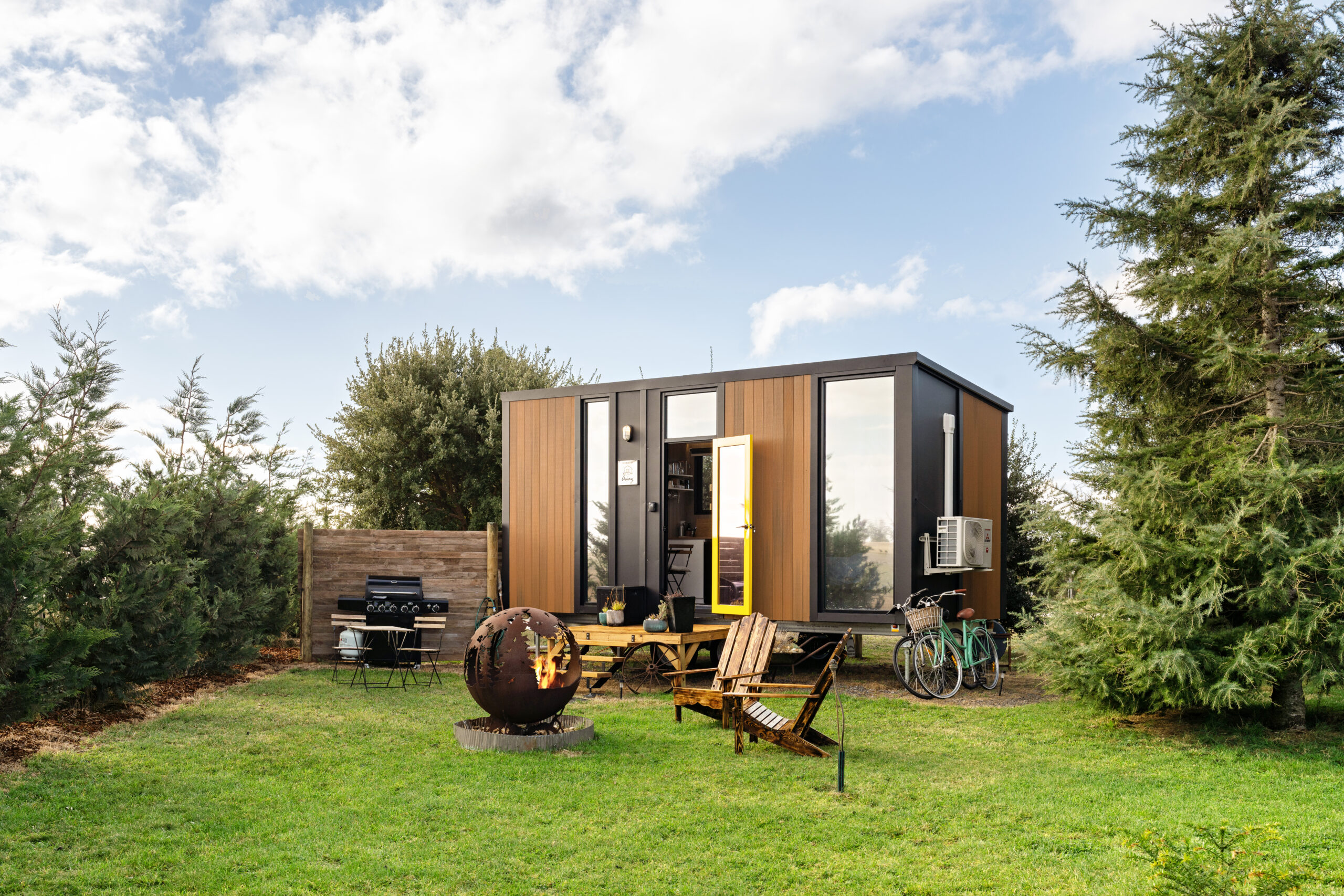
A tiny house perched on the pastures of Glenlyon, Australia.
Since its first in Australia, Big Tiny is gradually taking over the globe, despite its business being disrupted during the pandemic. Today, the brand operates in Australia, New Zealand, Japan, Malaysia, Taiwan, Singapore, China and Europe, building a thriving ecosystem and establishing itself as a key player in the alternative accommodation space. In many ways, Big Tiny has exceeded its initial expectations for brand traction, buyer interest and global reach.
Scattered across 19 countries, each market presents its own unique landscape and audience for the tiny home experience:
In Australia where its journey began, the concept of tiny house strongly resonates with both domestic and international travellers seeking authentic, nature-based getaways. The expansive rural terrain, paired with growing interest in sustainable travel, created a fertile ground for the brand to grow.
Big Tiny’s minimalist concept strikes a chord with New Zealand and Japan as it aligns with their respective cultural values—connection with nature through its refined, thoughtful designs.
A tiny house in Malaysia.
In Malaysia, the brand is seeing growing interest from both eco-conscious millennials and families looking for unique, short-haul experiences, especially as awareness of sustainability and experiential travel continues to rise. In December 2024, Big Tiny and IOI Properties Group Berhad embarked on a strategic collaboration with the placement of tiny homes at the Amigo Clubhouse @ 16 Sierra in Puchong. This partnership supports both entities’ environmental, social and governance (ESG) vision towards sustainable, eco-living, while offering guests immersive, nature-inspired experiences.
Singapore, despite being its headquarters and an urban market, has shown strong interest and demand for nearby, nature-based escapes—especially with Big Tiny’s expansion into Lazarus Island.
Europe’s entry has been more exploratory at this stage but promising, with pilot activations in scenic regions sparking conversation and demand for low-impact, mobile-friendly tourism infrastructure.
Additionally for this year, its footprint continues to expand with profound milestones achieved during the first half of 2025. Big Tiny has entered the China market beginning with Guangzhou, on top of enhancing its portfolio in Australia, raising its profile in Taiwan and Singapore’s Mandarin-speaking communities. Each presence and initiative are a bold move reaffirming the borderless resonance of sustainable, experiential-led travel.
Its official presence in China as one of Asia’s most dynamic tourism markets has generated strong traction through its tiny house owner-ship programme, and the brand is preparing for Shenzhen next.
Juggling Dream and Reality
Establishing Big Tiny came with its fair share of obstacles. While the concept made perfect sense, it was anyhow, one that was still nascent.
Adrian reveals its biggest road-block, “Convincing both ends of the spectrum—landowners and travellers—to embrace a new way of experiencing nature through compact homes on wheels against the backdrop of remote landscapes. As an unconventional and almost un-heard-of concept, it demanded persistence, thoughtful education and clear articulation of our vision to gain trust and build traction”.
It also stretched logistical capabilities as Big Tiny needed to source sustainable materials and design both on- and off-grid systems, all while ensuring regulatory compliance across different countries was met.
“With a problem-solving mindset, we undertook the strategy of engaging partnerships. Supported by the right parties, we were able to scale our vision—from securing scenic plots, refining operations, increasing footprints and delivering nature-based stays that integrate and balance eco-conscious values with comfort and accessibility,” said Adrian.
More importantly, Big Tiny resiliently kept to its belief that it wasn’t just building tiny houses, instead it is essentially reshaping human-nature interaction, one stay at a time. Naturally, this belief continues to drive the brand forward today.
The Next Big Tiny Stride
The future is promising, as the company believes that eco-conscious travel will shift from doing less harm to actively giving back.
“Our guests will continue seeking regenerative experiences that will positively impact local ecosystems and communities, and this movement is likely to grow amongst the travel community,” explained Adrian.
Big Tiny foresees travellers expecting:
Personalised Sustainability: Data driven choices (from energy use to local sourcing) tailored to each guest’s values.
Deep Cultural Immersion: Hands on conservation, farm-to-table dining and authentic storytelling with local partners.
Tech-enabled Transparency: Real-time carbon and water use tracking, renewable energy dashboards and blockchain-backed supply chains.
With its projection, Big Tiny is adopting a ‘living lab’ model to stay at the forefront of its game. This model is propelled by piloting various environmental technology solutions, circular material construction and AI-powered guest experience platforms.
Additionally, it continues to forge strategic alliances with conservation groups and smart-tech startups to co-create the next generation of tiny house modules that are not just low in impact but ultimately net positive.
At the end of the day, by continuously iterating on de-sign, embedding real-time sustainability and amplifying local community benefits, Big Tiny is positive that the brand will lead the transformation from eco-friendly stays to re-generative travel destinations.
For more information on Big Tiny, visit www.bigtiny.com.my.
This article is featured as the Cover Story for The SmartInvestor’s September/October 2025 issue.