What are the main tenets of Islamic social finance?

Sustainable Development Goals 2030
In 2015, countries around the world adopted a set of goals to end poverty, protect the planet, and ensure prosperity for all as part of a new sustainable development agenda. Formulated on the principle that no one gets left behind, the Sustainable Development Goals (SDGs) have defined the world’s priorities and aspirations for 2030.
In 2016, a high-level panel commissioned by then-UN Secretary-General Ban Ki-Moon estimated a humanitarian financing deficit of $15 billion – and the gap is widening each year.
Last year, only 58.5% of requested humanitarian funding needs were met.
There’s an overwhelming need for capital to help fragile nations battle everything from widespread food and water insecurity to the fallout from natural disasters.
Uplifting Poverty Levels
To mobilise these efforts, we need to effectively uplift groups living below the line of poverty.
Although poverty levels have fallen dramatically since 2000, there are still 783 million people living below the international poverty line of $1.90 a day. Obviously, it calls for more creative and effective solutions to end poverty.
With technology playing a key role in implementation, this makes it more targeted and effective – an important move that we must take to lift people at the bottom of society from poverty and end world hunger to ensure that no one gets left behind.
An Important Role in Achieving SDGs
Islamic social finance was developed in adherence to the Sharia principles of socioeconomic justice, equality and collective prosperity.
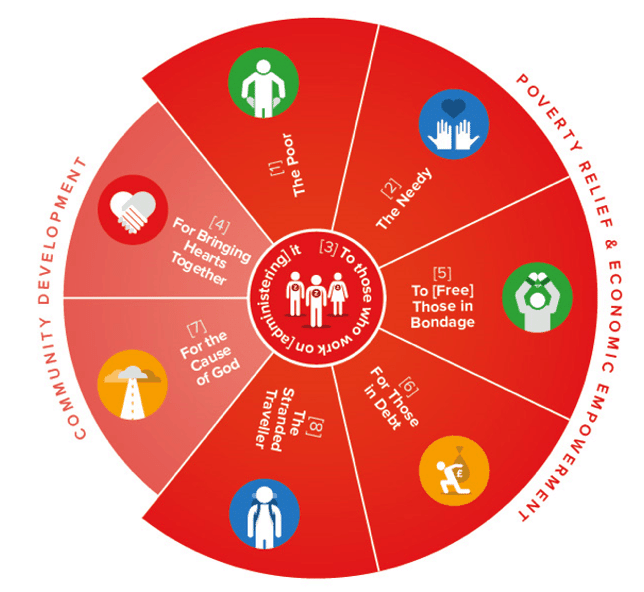
Islamic social finance tools have been instrumental in the alleviation of poverty and socio-economic development for over 1,400 years. Among the instruments available in Islamic social finance to achieve this are zakat, waqf and sadaqah (charity) which have been adopted and applied even outside the Islamic world.
Zakat – wealth tax and a means of wealth distribution – is thought of as harmonising the relationship between the individual and public interest (maslaha). Each year, Muslims are required to donate 2.5% of one year’s total cumulative wealth to the poor in the form of zakat.
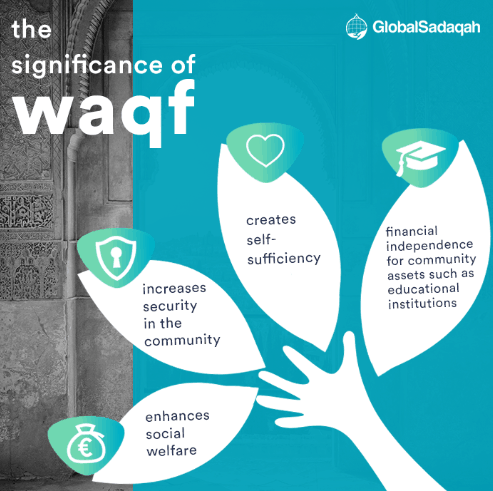
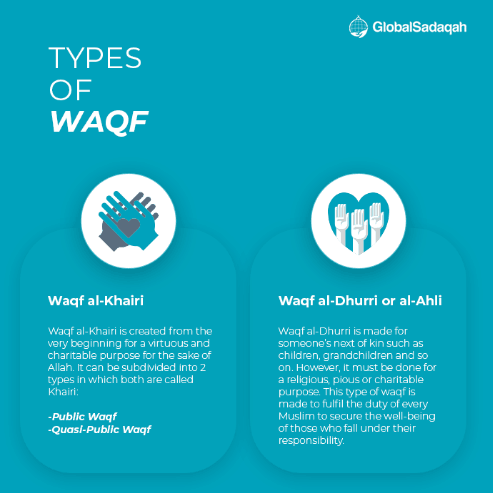
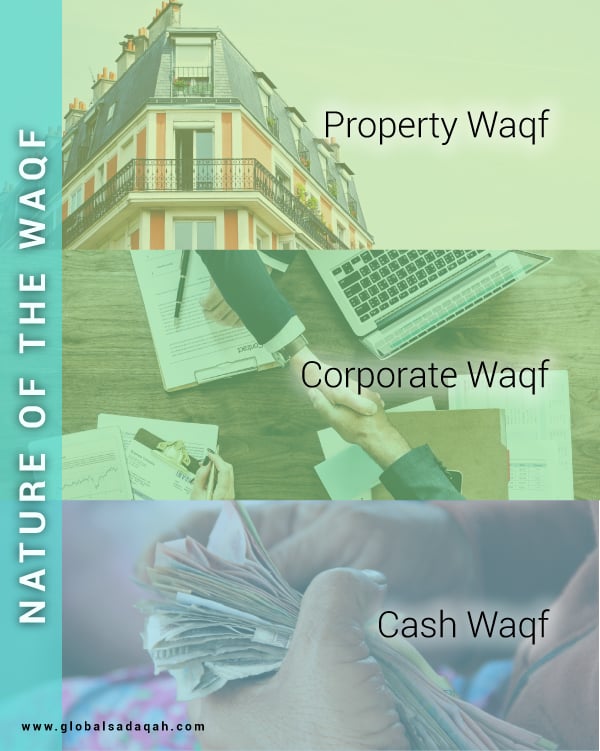
Waqf is an endowment to a religious, educational or charitable cause, most frequently used to build schools, hospitals or religious institutions. Given its communitarian nature, waqf is often used to fund social projects and services.
Sadaqah is a voluntary charity given on an ad-hoc basis; a concept similar to putting coins into a charity donation box.
These instruments are used to provide education and healthcare, to develop infrastructure and maintain social welfare provisions for the poor and destitute.


Charity through Islamic Crowdfunding
With the huge gap in humanitarian funding, coupled with the immense need, innovative financing models are starting to play a critical role as it becomes clear that no single factor can plug the deficit.
In the humanitarian sector, international aid organizations are looking to new sources of capital and utilizing Islamic social finance for humanitarian projects. Innovation in the financial industry happened at a very fast pace, and Islamic Social Finance is one of the industries undergoing rapid disruption by digital platforms.
GlobalSadaqah was a recipient of the Best Social Impact Islamic Fintech Firm Award at the World Islamic Fintech Awards 2018, during the Global Islamic Fintech Huddle in Bahrain. The Islamic crowdfunding platform helps channel donated funds to some of the neediest individuals in society. It connects individual donors to a diverse range of social causes that require financing around the globe.
For donors, digital technology makes it easier to identify, evaluate, and fund causes. For organizations collecting social finance, technology provides greater access to donors, lowers costs, and allows for greater reporting and communication. For institutions implementing projects, technology enhances project management, workflows, and monitoring. Perhaps most importantly, digital technology can help recipients of social finance and their communities by making resources more accessible and distribution more efficient.