Wednesday, 5 August 2026 Stay informed. No noise.

Investing Quandary for Gig Economy Millennials

In Malaysia, the rising number of gig workers face various challenges to investing for their future.

The rapid advancement of technology over the past decade have more than changed the way people live, work and spend their money. The employment landscape, too, has undergone an evolution, with hyper-connectivity and social media paving the way for the rise of the ‘gig economy’.

The gig economy is a labour market characterised by the prevalence of short-term contracts or freelance work done by individuals. Driven by the digital environment and popularity of apps that instantly communicate information and opportunities for work, the gig economy sees companies engaging contract workers for a temporary period rather than hiring them for permanent positions.

Simply put, the gig economy is a free market system in which companies – from small businesses to larger organisations – collaborate with independent contractors, project-based workers, part-time employees and freelancers.

This segment of the economy is gaining popularity among the younger generation, especially millennials and Gen Z, simply for the fact that it provides them with dynamic flexibility towards their time management and encourages specialisation to provide specific services in accordance to their interests or talents.

The gig economy has experienced a growth trend in recent years whereby about 25.3% of the Malaysian workforce in 2018 comprised freelancers, according to World Bank data.

“This number is growing, thanks to the rapidly available platforms which act as intermediaries between independent workers and consumers,” Wealth Vantage Advisory certified Islamic financial planner Nuraishah Hanani Abdul Ghani.

Nuraishah Hanani

Nuraishah Hanani

Not just about flexibility and freedom

While being a gig employee offers great flexibility and freedom in terms of working hours and the people that you work with, the downside is that gig employment does not promise a fixed salary, says Blueprint Planning licensed financial adviser Gunaseelan Kannan.

The other important implication is that the high instability of income will have a direct impact on their investment engagements, he adds.

“Gig employees should understand the investment risks, investment time horizon, and the terms and conditions on the withdrawal of investments. In general, high liquid investments should be adaptive to an individual who is active in the gig economy,” he explains.

According to Gunaseelan, the fact that gig employment does not provide Employees Provident Fund (EPF) contributions will also have severe implications on one’s retirement funds.

Gunaseelan Kannan

Gunaseelan Kannan

“Taking the initiative to make personal contributions to EPF is a good idea for gig workers as EPF currently allows investments of up to RM60,000 annually for this group of individuals.”

Moreover, gig workers are also at the mercy of market risks and fluctuating economic conditions, licensed financial adviser Gor Sheau Shuenn chimes in.

Gor further points out that the irregularity of income presents gig workers with a limited opportunity for investments as they are more likely to put their income aside for when they are in between projects.

“In addition to EPF, the lack of Socso contributions and possibly, retirement savings and medical insurance as well may leave gig employees in a tight spot during rainy days or when they retire,” he adds.

A right mindset is needed

As to how gig workers can overcome these problems, Gor reveals that having a personal cashflow budget is important. “You should be clear how much money you need to put aside for investment, how much money you can spend, and what you spend your money on each month.

“Next is an investment objective: will you be investing your money for retirement, for a property down payment, or for a college fund for your children?

“Knowing how much money is needed in the long term and breaking it down to monthly, quarterly or yearly saving targets is a good practice. Once your priorities are clear, you can then work towards that goal,” he advises.

Gor Sheau Shuenn 1

Gor Sheau Shuenn

Wealth Vantage Advisory’s Nuraishah concurs. “Because gig workers do not receive a regular salary, millennials who are engaging in the gig economy might face problems with their instalments which can affect their credit rating if the matter goes unattended in the long run,” she adds.

Therefore, a detailed approach with the right mindset must be adopted to prevent the issue from ballooning up, which may eventually disrupt one’s financial stability.

“The very first step to achieve this is by determining and strategically splitting your finances into different categories, namely basic needs, expenses, forced savings and investment allocations.

“That way, you will always have extra money to carry forward into the next month in the event of low gig demands,” explains Nuraishah.

Diversify your income

With the immense freedom and flexibility of the gig economy comes the great responsibility of taking charge of your own financial future. And no doubt investment is probably a stressful topic for anyone involved in this segment of the economy.

Nuraishah says a good first step is to start building an emergency saving fund immediately.

“As a gig worker, millennials are more susceptible to financial hardship as compared to those who have to miss work due to an emergency.

“In contrast to salaried workers, they do not have health coverage or other forms of protection at work, and it is critical they have enough money saved up in case of an emergency, in addition to having excellent coverage of term life and health insurance,” she explains.

While it might seem like an obvious suggestion, Nuraishah suggests one of the keys to achieving financial success in the gig economy is for millennials to think like a business person and plan accordingly – and this means getting into the habit of keeping themselves accountable for their expenses.

Bank Banknotes Bills Business 210705

“Diversifying their income, meanwhile, may come naturally as they delve further into the gig economy, and for freelancers, this move becomes essential to achieving financial success.

“As the nature of work in the gig economy is temporary, diversifying your income as much as possible is important to keep their financial and business plan on track.”

Despite the lack of a fixed salary, Nuraishah believes it is not impossible for gig workers to have the upper hand in terms of investment.

“In comparison to the regular working concept, millennials who have opted to join the gig economy are not restricted to the 9-6 routine which is rigid and repetitive with little to no opportunity of generating additional cashflow beyond what had already been agreed upon.

“Thanks to the dynamic concept practised in the gig economy, gig workers are their own managers, and they alone can decide where their money ought to go to. For this matter, it is very crucial that they have a clear financial goal, which needs to be practical and yet, feasible to achieve.

Analysis: A Bright Spot for ASEAN Economies

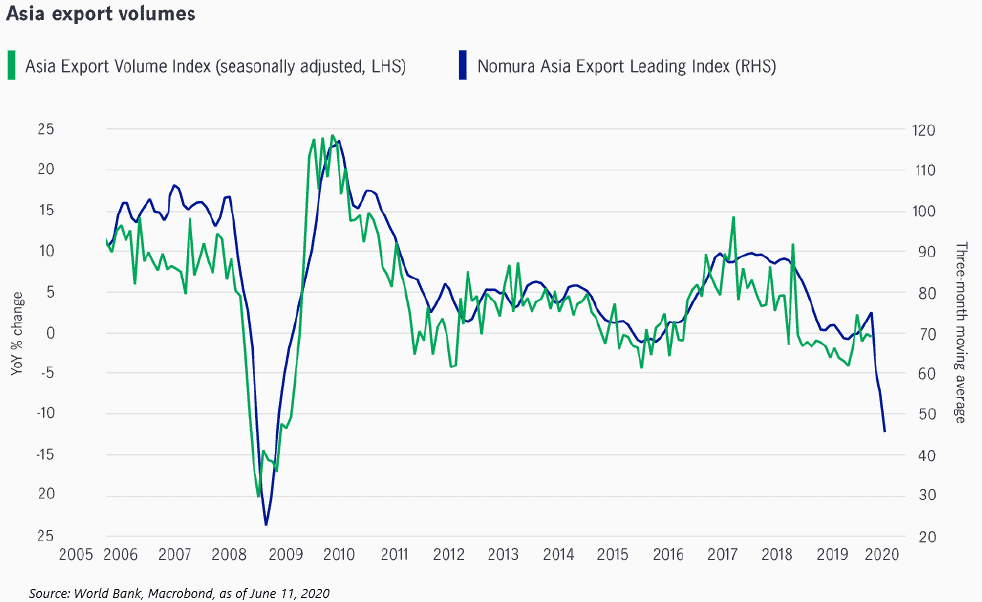
Global trade volumes topped out in 2018 amid slowing global growth and ongoing trade tensions between the US and China. In 2020, the global pandemic has been another headwind for global trade. What about ASEAN economies?

Nomura’s leading index of Asian exports, which aggregates the region’s exports (excluding Japan) of eight forward-looking components, and typically has a three-month lead, is signalling that aggregate export growth in the region could shrink between 10% to 20% (relative to last year) in the coming months.

Further downside risk to global trade comes from the worsening relationship between the US and China and the potential for a reescalation in trade tensions. Understandably, this backdrop makes for a difficult environment for Southeast Asian economies – specifically, members of the Association of Southeast Asian Nations (ASEAN), a group of highly trade-dependent economies.

That said, how the region weathered challenges in the past two years has given us some confidence in its ability to navigate the current environment.

The News isn’t All Bad

The Asean region has been a big beneficiary of ongoing trade tensions, the global pandemic, and China’s relatively early emergence from the Covid-19 outbreak.

The region’s share of global trade has gone from strength to strength since 2000, with trade in electronics and integrated circuits being a major driver.

When the US-China trade war started to escalate in early 2018, there were fears that slower global trade growth would negatively impact the trade-dependent region.

But as events unfolded, it became clear that China looked increasingly to Asean to offset the impact of the trade war – and later, the Covid-19 outbreak – to counter the rise of increasingly stringent US trade policies.

Chart Asia Export Volumes

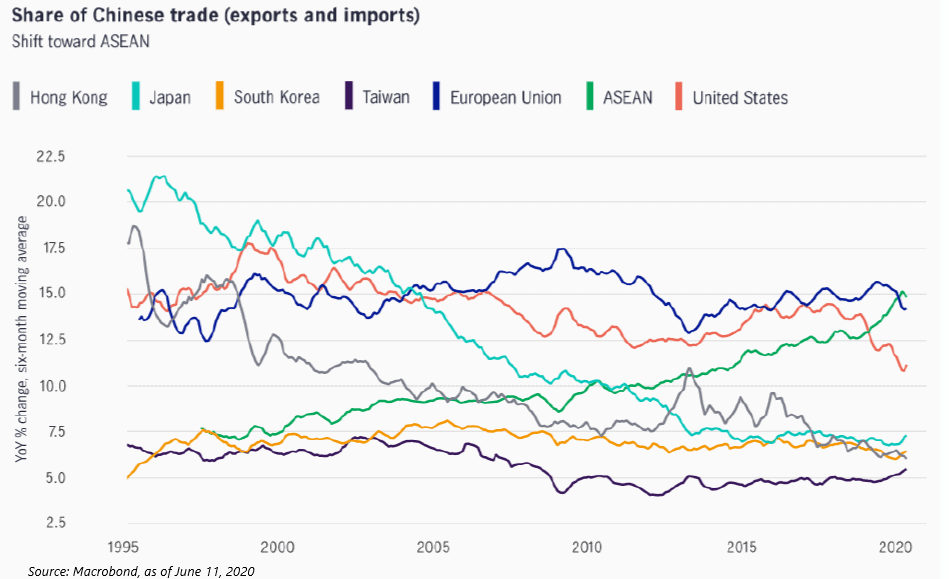
Asean’s share of Chinese trade (exports plus imports) overtook that of the US’ in early 2019. But it didn’t stop there – in early 2020, Asean overtook the European Union as China’s largest trading partner and its share of trade with China remains near a record high of around 15%.

The ASEAN region has attracted many global companies that are looking to diversify their production in the wake of the US-China trade war, and the Covid-19 outbreak has accelerated that trend.

The development is understandable – Asean sports many competitive advantages, among them, its member countries’ relatively high rankings in the World Bank’s Ease of Doing Business Index.

The Asean-6 (namely, Indonesia, Malaysia, the Philippines, Singapore, Thailand, and Vietnam) all sit within the top half of global rankings across 10 areas of doing business – starting a business, dealing with construction permits, getting electricity, registering property, getting credit, protecting minority investors, paying taxes, trading across borders, enforcing contracts, and resolving insolvency.

Other advantages that the region has over its competitors are: relatively lower-wage structures, better productivity, and geographic proximity to China. The fact that the region has a complementary industrial structure to China is also important.

Chart Share Of Chinese Trade

As China emerges from Covid-19, the gradual recovery in consumer demand in the country is being met by ASEAN. Vietnam, Malaysia, and Thailand have enjoyed particularly strong growth in demand for their goods from China.

In our view, sectors that are likely to benefit as the Chinese economy kicks into gear include mining (benefiting major producers from Indonesia and Malaysia), semiconductor and electronics (benefiting Thailand, Malaysia, and Vietnam), and textiles and garment industries (benefiting Vietnam and Thailand).

Important Mitigants in a Challenging Environment

An acceleration in Asean integration in the coming years is likely to make the region even more competitive and resilient to global shocks.

This could be achieved by reducing tariffs, improving market access, and increasing the region’s absorptive capacity further.

The Regional Comprehensive Economic Partnership, a proposed regional free trade agreement that’s currently being negotiated, could go a long way to expand regional connectivity in trade and investment. Proponents of the agreement hope that negotiations can be concluded by the end of the year.

On balance, even though the leading indicator for Asian export growth is warning of a major slump ahead and geopolitical risks remain elevated, there remain many positive dynamics at play that can serve as mitigants in a challenging environment.

Sue Trinh Manulife Investment

By Sue Trinh

Sue Trinh is a senior macro strategist at Manulife Investment Management, a leading global asset manager, with investment expertise extending across a broad range of public and private asset classes, as well as asset allocation solutions.

P2P Financing an Ideal Investment Portfolio Amidst COVID-19

The COVID-19 pandemic has created massive uncertainty in the investment market, and this is not an isolated case. All over the world, foreign investors are navigating uncharted waters as stock markets are becoming increasingly difficult to predict in the current economic climate.

Malaysia’s FBM KLCI closed at 1,490.14 in end May, its highest level since March this year, although this may not necessarily signify the end of the ongoing crisis.

The record high number of traded shares indicated active participation rate from retail investors in Malaysia, partly attributed to the country being home to the world’s largest glove makers of which demand for protective equipment has surged during the pandemic.

Nevertheless, investors should ensure that they continue to diversify their investment portfolio especially during these times.

Many experts believe it to be a protracted recovery from the COVID-19 pandemic. Therefore, investors should remain cautious of the recovering stock markets and hence, should be planning their investment decisions wisely, particularly amid economic uncertainty.

At the end of the day, the fact that a vaccine has yet to be found very much points toward concerns surrounding the potential threat of the virus and its subsequent economic implications in the long run.

Mitigating Risk through Diversification into P2P Financing Investment

Scott Graham 5fNmWej4tAA Unsplash 1

While the effect of COVID-19 remains uncertain and continued volatility can be expected, it is wise for investors to employ strategies to enhance returns, whether the market shifts violently up or down.

Diversification helps reduce overall portfolio risk by allocating investments into different asset classes and hence reduces the risk of a single investment or asset class significantly impacting the performance of the overall portfolio, leading to more stable returns over time.

Wong Kah Meng, Co-founder and Chief Executive Officer of Funding Societies Malaysia, the first and largest peer-to-peer (P2P) financing platform in Malaysia, commented, “It is ever more critical for investors to ensure that their investment portfolio is well diversified amid the current market uncertainty.

“Whilst there could be opportunities for investors to make tactical investment decisions given the volatility in capital markets, investors should also be aware of the increased correlation across traditional asset classes and hence the greater need for diversification beyond traditional asset classes such as stocks and bonds. As such, P2P investment could play a key role in the diversification strategy for investors.”

Added Wong, “Aside from diversifying their investment portfolio, we encourage risk averse investors to focus their P2P investment strategy on shorter tenure investment notes or collateralised investment notes which are more secure whilst still providing decent returns.

“Overall, we believe that P2P financing serves as an attractive investment option which caters to the needs of a wide variety of investor risk – return profiles.”

Investing with Funding Societies

Chronis Yan 1M4wYTqVD4o Unsplash

Funding Societies provides a seamless and user-friendly investment process supported by best-in-class customer experience. Investors can easily invest in local SMEs and earn attractive risk-adjusted returns compared with other forms of traditional investment options, with interest returns of up to 14% per annum (p.a.) after fees with minimum investment amount from as low as RM100.

The platform has also recently taken a multi-pronged approach to further tighten its risk assessment processes, which includes assessing the impact of COVID-19 and MCO on their SME clients, reviewing existing SMEs’ exposures, and implementing action plans for impacted SMEs.

These stepped-up efforts ensure their clients’ investments remain protected while simultaneously continuing to lend a helping hand to support the under-served SMEs who are affected by the outbreak.

For more information on how to start investing with Funding Societies, visit www.fundingsocieties.com.my.

Bursa Malaysia Derivatives Hits New Highs

With five all-time trading highs in January 2020, Bursa Malaysia Derivatives Bhd (BMD) is on a roll. It subsequently bettered some of these highs in February and March as market conditions deteriorated with the spread of the Covid-19 pandemic.

BMD’s derivative instruments essentially allow market participants to take advantage of both upward and downward trends in the market, and are particularly relevant in light of global economic uncertainties and heightened market volatility.

The derivatives market offers products that serve as an efficient price discovery and hedging instrument, providing market participants an effective avenue to manage risks as well as take advantage of the market position.

“The rising trend, especially in open interest for all products, is a positive development, indicating a rise in confidence and strong appeal of BMD’s products by market participants,” BMD chief executive officer Samuel Ho (pic, below) tells Smart Investor.

BMD aims to continue on this growth trajectory, he adds, by broadening its product offerings for investors and traders to manage their price risk exposure. Here are snippets of our interview with Ho.

Smart Investor: BMD achieved five all-time trading highs in January 2020. Have there been new highs since then? Tell us more about this historical milestone.

Samuel Ho: In the first quarter of 2020, BMD saw strong levels of trading activity, hitting several historical highs. We ended March 2020 with three historical highs:

(1) Trading volume for all products combined at 2.13 million contracts surpassing the previous record of 1.72 million contracts registered in February 2020;

0T1A5988

(2) Monthly trading volume for Crude Palm Oil Futures (FCPO) of 1.66 million contracts surpassed the previous high of 1.43 million contracts registered in February 2020; and

(3) Monthly trading volume of FBM KLCI Futures (FKLI) of 455,535 contracts surpassing the previous high of 388,755 contracts registered in August 2015.

Additionally, the total daily open interest of 346,403 contracts for all products traded on BMD hit a new high on 26 February 2020, surpassing the previous all-time high of 343,251 contracts registered on 29 January 2020.

How has the derivatives market performed in light of the COVID-19 pandemic and arising economic uncertainties and market volatility?

In the derivatives market, the FCPO and FKLI have served as an efficient price discovery and hedging instrument that have provided market participants with an effective avenue to manage their risks as well as the opportunity to express their trading views to take advantage of the market position.

The depth of the market has provided orderly execution with no significant negative movement. This has been evident by the increase in volumes trade for both FCPO and FKLI futures contract.

With the global economy slipping into recession and equity markets in bear market territory, how can BMD help market participants manage their risks and thrive in such uncertain environment?

BMD’s derivative instruments allow market participants to take advantage of both upward and downward trends in the market. In a downward market, investors can take advantage by short-selling FKLI futures contract to protect their equity portfolio.

For example, the short position will gain as the FBM KLCI declines. This gain will allow investors to offset the loss in the underlying cash equity market. There are also traders with a speculative objective who enter a short position with FKLI futures in anticipation of a market downtrend.

However, speculation can be extremely risky as they are vulnerable to both the downside and upside of the market as it involves leverage risk. It is therefore essential that investors have a clear understanding of the risk and reward before entering into any speculative trades.

Chris Liverani DBI My696Rk Unsplash

What are some of the action plans BMD has put into place to ensure continued sustainability and vibrancy of the capital market?

The first quarter of 2020 was marred by various unpredicted events that have contributed to higher volatility in global markets. This included the oil price war between Saudi Arabia and Russia, tensions between the US and Iran, and the unprecedented health crisis caused by the COVID-19 pandemic.

During this period, BMD registered several new highs in trading volume and open interest for our derivatives products. We also recorded the highest quarterly Average Daily Contracts (ADC) ever.

This is an indication of the continuing confidence of our customers in BMD’s product offerings to manage their price risk exposures.

Earlier this year, the Exchange launched the world’s first Options on Refined, Bleached & Deodorised Palm Olein Futures Denominated in US dollar (OPOL) contract.

To encourage further participation in OPOL, the Exchange has waived the exchange and clearing fees until 30 June 2020. The OPOL contract allows for the introduction of more sophisticated strategies to raise the level of derivatives trading and will attract new categories of market participants.

We also re-launched the Single Stock Futures (SSF) contract offering an expanded list of new underlying stocks. This will provide investors with an additional risk management tool as well as an opportunity to gain exposure to the equity market. You can view the full list of SSF contracts on our website at www.bursamarketplace.com/ssf.

Moving forward, we aim to continue this growth trajectory by diversifying our products and service offerings as well as strengthening our derivatives ecosystem to enhance market attractiveness and vibrancy.

What are some major programmes or initiatives that BMD will be rolling out in 2020?

For our commodity products, BMD is implementing the Malaysian Sustainable Palm Oil (MPSO) Certified Physical Delivery to fortify further our benchmark Crude Palm Oil Futures (FCPO) contract in line with the Malaysian Government’s Malaysian Sustainable Palm Oil (MSPO) mandate.

The national scheme is for all oil palm plantations, independent and organised smallholdings, and palm oil processing facilities to be certified per the requirements of the MSPO standards.

We also plan to introduce the Alternative Delivery Procedure (ADP) for FCPO contract. This new facility allows flexibilities for buyers and sellers to negotiate their delivery terms other than one specified by the Exchange.

We are also re-launching the Crude Palm Kernel Oil Futures (FPKO) contract to cater to the industry need for a palm kernel oil hedging instrument.

For financial derivatives, we are currently working with Bank Negara Malaysia (BNM) and Securities Commission Malaysia (SC) to revitalise the 5-Year Malaysian Government Securities Futures (FMG5) contract by changing the settlement methodology from cash to physical delivery.

The first physically delivered contract will be the Dec 2020 FMG5. This initiative is in line with BNM’s efforts to improve market efficiency, accessibility, and liquidity in the domestic financial market.

Participation by foreign institutions has been growing from strength-to-strength, contributing close to 46% of our ADC. We will continue to build on this by promoting our derivatives products to foreign proprietary trading firms, hedge funds and commercial firms.

We will also introduce foreign futures brokers to Malaysian futures brokers in our bid to forge new interbroker relationships for potential business opportunities in the future.

As part of our market entry strategy into Greater China, our initiatives include offering market data fee waivers to new Futures Commission Merchants (FCM) from Greater China who promote BMD products to their clients.

We have also recently embarked on a partnership with a leading financial media publication, China Futures Daily, as one of the foreign exchanges featured in their annual live trading competition.

This partnership will help increase the visibility of our products in the region. For domestic institutional participants, BMD plans to work with palm oil industry associations to conduct targeted product awareness and risk management seminars or webinars to encourage local institutions to use futures and options as part of their risk management tool.

We will continue to conduct a series of webinars to educate retail participants on derivatives trading. In our pipeline, we are developing a mentor-mentee programme, a collaboration with futures brokers and professional traders to help grow the professional trading community.

However, because of the COVID-19 pandemic, our efforts to educate and promote will be carried out digitally. Finally, we are also looking out for opportunities to collaborate and forge strategic partnerships with other foreign exchanges.

This is part of our continuous efforts to consolidate and lay the building blocks for our next stage of growth.

BMD is one of the exchange partners in the global trading competition held by China Futures Daily. What benefits are expected from this competition?

This live trading competition is one of China Futures Daily’s annual highlights. Last year, the competition attracted over 45,000 participants.

This year, the competition is held from 27 March to 25 September 2020. It is open to all traders both from mainland China and other countries outside of mainland China.

For the first time, BMD is participating as a Silver Sponsor and one of the Exchange Partners, with the FCPO as our participating product. We are offering two award categories based on the highest return rate and highest trading volume.

Each category will feature three winners. The Champion for each category will take home a cash prize of RMB10,000 along with a trophy and a certificate! The collaboration with China Futures Daily aims to help increase our brand and product visibility in the Greater China region.

This is also in line with our internationalisation strategy. For more information on this competition, you can visit the official website at http://special.qhrb. com/200122-1/ or email us at futures@bursamalaysia.com.

By Bernie Yeo

Analysis: The World after the Flood of Fiscal Stimulus

The global fiscal stimulus tap has been unleashed to fight the impact of the COVID-19 outbreak. We think the impact of this stimulus is binary and, if sustained, it could break the decade-long disinflationary cycle.

In contrast, if austerity measures are subsequently imposed, the era of low rates and low inflation will likely continue for the foreseeable future.

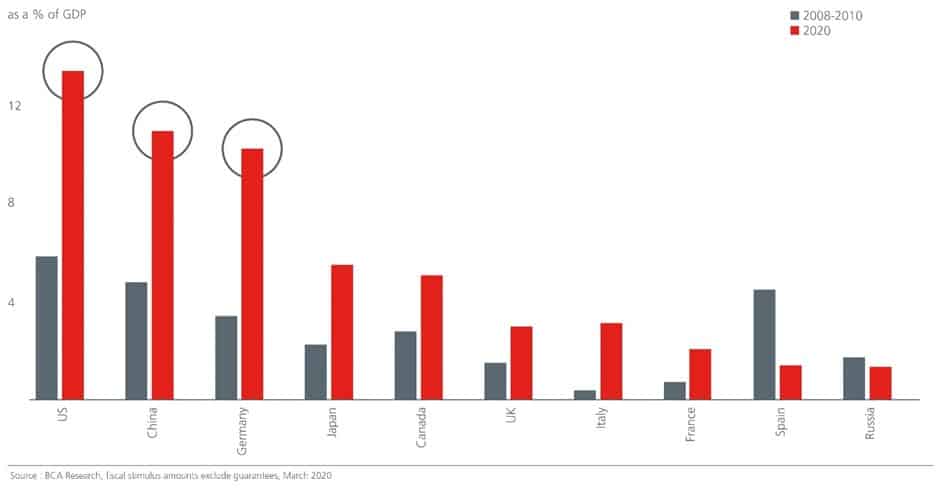
The combined scale of fiscal and monetary response has been massive – estimated to be around US$17 trillion at the time of writing. The quantum of stimulus provided this year is also significantly higher than the 2008 Global Financial Crisis (GFC).

This is not surprising since monetary policy has far less wiggle room now. Moreover, the pandemic is not due to bad economic decisions; there will be little backlash on governments supporting affected sectors (e.g. airlines, banks, small retailers etc.).

Although we saw countercyclical fiscal stimulus after the GFC, it was followed by significant austerity measures as governments were worried about the inflation implications of quantitative easing (QE). But inflation never returned.

The past decade has demonstrated the effect of loose monetary policies: negative interest rates, flatter yield curves, low inflation, accumulation of corporate debt, and narrowing credit spreads, among others. But we have little experience of knowing the combined effects of expansionary fiscal and monetary policies on economies and markets.

Fig 1 Global Fiscal Stimulus Exceeds 2008

Fig 1: Global fiscal stimulus exceeds 2008

A Powerful Twin Policy-mix

A key difference between monetary and fiscal policy is that while monetary stimulus creates a large positive liquidity shock, it requires households and companies to be willing to take on debt and spend. On the other hand, fiscal spending adds directly to aggregate demand with no private sector debt build-up.

Large unemployment benefits and “helicopter” money are windfall gains to consumers and leave no debt behind. If the stimulus is directed towards public capital expenditure which ultimately increases economic growth and creates jobs, it would eventually crowd-in private spending and the multiplier effects would fuel higher growth.

Recent fiscal packages have focused on mitigating the initial impact of COVID-19. When the second-round of impact hits i.e. higher unemployment, corporate defaults and bankruptcies, more fiscal support will likely be announced.

Of course, if these stimulus packages prove to be one-off and governments hit the pause button on the deficits or actively seek to reduce it, the medium-term implications will likely mirror the conditions post GFC.

However, if countries see renewed waves of COVID-19 outbreaks, unemployment rates may stay elevated for a number of years. Against this backdrop, and with demographics not in favour for many developed and some emerging markets, countries that have limited binding constraints will probably continue to run large deficits.

The Fiscal Divergence

There will likely be divergences in the impact of fiscal stimulus on developed markets (DM) and emerging markets (EM). DM economies that have the benefit of low rates, low external debt, and low inflation can afford to keep monetary and fiscal policy easy, facilitating the cycle of higher demand, higher inflation and steeper curves.

But not all DM economies are in the sweet spot, particularly within Europe where monetary and fiscal policy do not work in tandem; certain countries may only be able to announce stimulus with constraints.

However, within EM economies, there are potentially two groups – one which does little fiscal stimulus to start with given their prudent approach, and one that continues with fiscal stimulus despite weak external balance sheets and therefore potentially face vulnerabilities in their foreign exchange and bond markets.

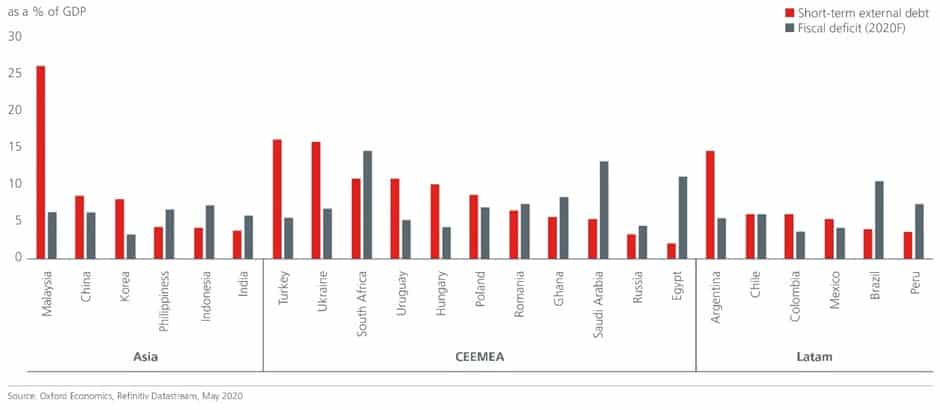
Looking at the EMBI universe, CEEMEA (Central & Eastern Europe, Middle East and Africa) countries stand out as being the most vulnerable as they have higher short-term external debts and are expected to run large fiscal deficits this year.

These economies indulging in fiscal extravagance may face sovereign rating downgrades, spike in bond yields, and steeper yield curves, and eventually be forced to undertake austerity measures. EM Asian economies appear as relatively stronger, with most having short-term external debts lower than 10% of GDP, with the exception of Malaysia.

While rising fiscal deficits are bringing debt sustainability questions to the fore, it is important to highlight that debt issuances are a problem mainly when interest rates are higher than nominal GDP growth. If interest rates remain low (as they are now) and fiscal spending leads to higher growth, then debt/GDP ratios might fall or at least remain steady.

Fig 2 EM Asia Appears To Be Better Placed

Fig 2: EM Asia appears to be better placed

Inflation or Disinflation?

Sustained fiscal deficit, combined with synchronised monetary stimulus may eventually break the decade-long disinflationary trend. Adding to this tailwind to inflation is the potential negative supply side shock driven by the end of globalisation and the reversal of supply chain efficiencies.

This scenario can be thought of as being akin to the post World War II period; after the negative demand shock and low inflation, the US economy saw a sharp rise in inflation led by stimulus, eventually forcing monetary policy to tighten substantially.

The process may be more gradual this time; it will take a while for the current economic slack to narrow. Besides, structural changes such as more remote working and less demand for business travel and commercial real estate will likely dampen inflationary pressures.

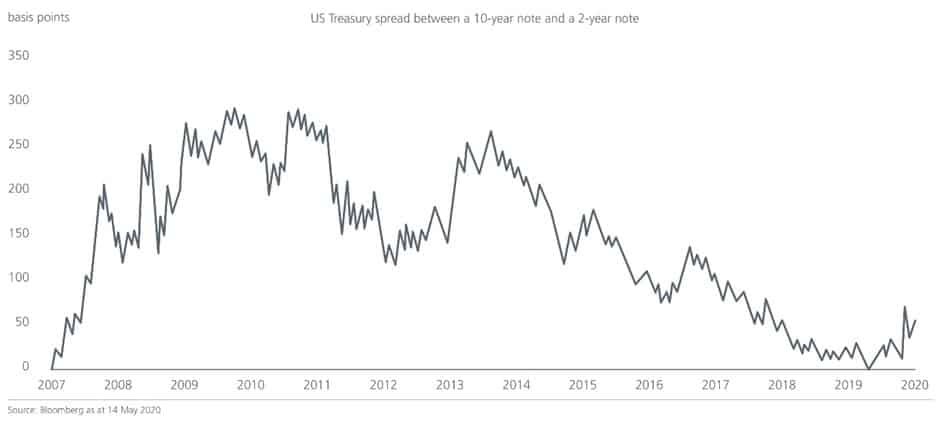
There are several market trends that have relied on subdued inflation expectations. First would be the impact on the yield curve. Post GFC, the yield curve steepened significantly as fiscal policy eased, but reversed as soon as austerity measures kicked in. Yields have fallen substantially since and yield curves flattened as inflation expectations have plummeted and monetary policy has remained easy.

Fig 3 Yields Have Declined Substantially Since GFC

Fig 3: Yields have declined substantially since GFC

However, this trend may reverse – a spike in US treasury yields and a steeper yield curve is possible if the fiscal stimulus sustains. This in turn would have positive repercussions on rate-sensitive equities, particularly financials and other ‘value’ sectors.

Binary Outcomes

The risk of higher interest rates also implies that policymakers need to strike the right balance. Too swift a rise in yields could increase the debt burden and complicate refinancing issues for governments. Equally, rising inflation with no change in nominal rates could impede central bank credibility.

Central bankers over the past few decades have allowed market participants to price in appropriate risks and maintained stability in bond markets, in particular.

However, if central bank actions begin to differ from their stated objectives due to other interests, market participants will find it difficult to accurately price in various scenarios, leading to lower market confidence, higher market volatility and hinder price transparency.

But in today’s situation, central banks may be forced to maintain accommodative policies for longer periods to maintain the solvency and liquidity of the government, keeping front-end rates well anchored.

If this were the case despite rising inflation, real rates would decline even further, and wealth transfer would take place from savers to borrowers. From an asset allocation perspective, this would imply greater weight on equity over bonds in portfolios in order to meet stated investment objectives.

In our view, the unprecedented fiscal stimulus we have seen post-COVID-19 can lead to binary outcomes. If the deficits sustain, the world will evolve more akin to post-World War II with higher demand, higher inflation expectations, and steeper yield curves.

Alternatively, if governments are forced to impose austerity measures once demand returns to normal, as with post-GFC, then the era of low rates and low inflation will continue for the foreseeable future.

By Nupur Gupta

Nupur Gupta is multi-asset portfolio manager Eastspring Investments, Singapore. Part of Prudential plc, Easpspring Investments is a global asset manager with Asia at its core, offering innovative investment solutions to meet the financial needs of clients.

Building a Thriving Online Business

Malaysia’s e-commerce industry is expected to continue its upward trajectory and rapid growth in 2020 and for many years to come.

As an aspiring entrepreneur, the opportunity to ride on the sector’s coat tail is an intriguing and exciting one. Whether you have already launched an online business on one of the e-commerce platforms or are looking to get involved in your very first venture, now is the time to get your foot in the door.

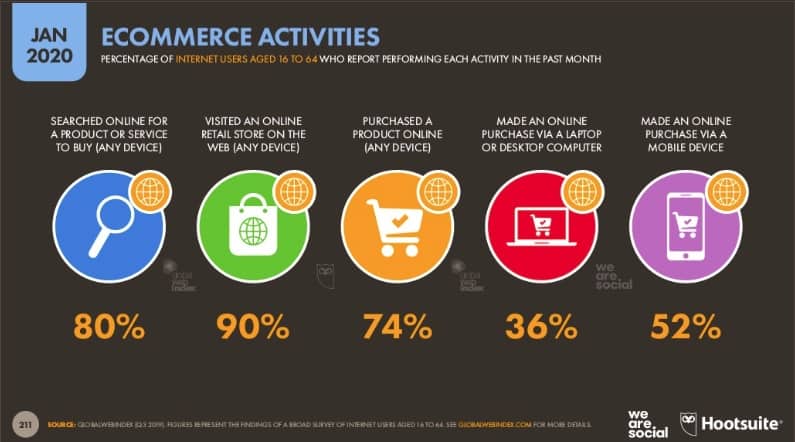
Indeed, data from German online statistics portal Statista reveals that Malaysia’s e-commerce market for 2019 generated a whopping revenue of US$3.68 bil (RM15.2 bil), with a prediction for annual market growth to reach 11.8% by 2023.

DataReportal, meanwhile, revealed there were 26.69 million internet users in Malaysia as at January 2020. The number of internet users in the country increased by 919,000 (+3.6%) between 2019 and 2020, while internet penetration in Malaysia stood at 83% as at January this year.

Hootsuite

Source: Datareportal 

Mapping E-commerce Growth

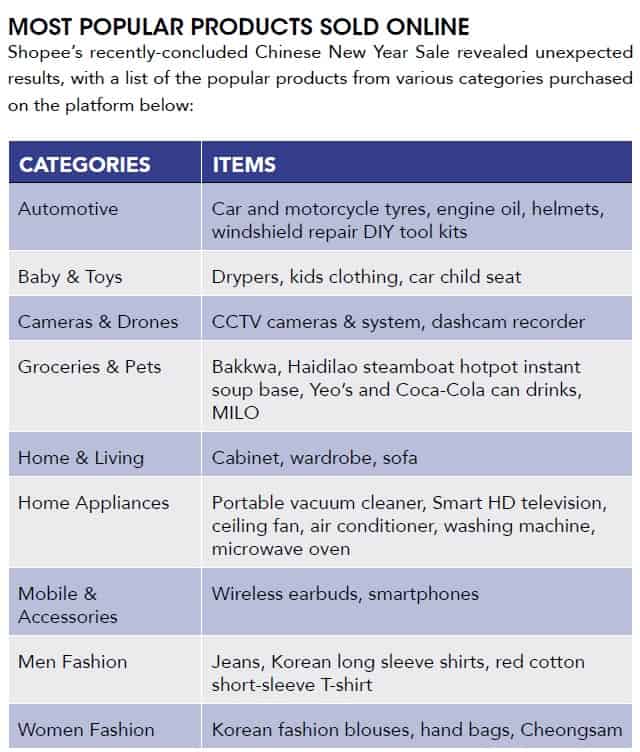
For perspective, Shopee led the industry with the highest consumer downloads of its mobile application, according to iPrice Group Sdn Bhd’s Map of E-commerce report for the third quarter of 2019 (3Q19). The e-commerce platform also tops the list of the most visits to its websites at 25,789,300 monthly web visits.

As for Lazada, the e-commerce platform had the highest number of monthly active users of mobile application in 3Q19, while breaking into the top five list of most visited websites is PG Mall, a homegrown online shopping mall.

With technological advances and not to mention the growth of the internet economy, the e-commerce industry is set for an exciting ride in the next few years.

E-commerce Malaysia chairman Ganesh Kumar concurs, saying the local e-commerce industry is expected to grow up to 30% in 2020, supported by advancement in technology and wider access to virtual buying platforms.

“Currently, we are seeing more people buying online and trusting e-commerce sites. More merchants are also starting to sell their products online,” he said recently.

Fast-changing E-commerce Landscape

In the era of Industry 4.0, technological advances have had a massive impact on the e-commerce industry, transforming the way consumers connect with brands and empowering them to shop more cost-effectively.

Driven by the convenience of making purchases without the need to visit a physical store, e-commerce has now become an integral part of everyday life. But while the shift in consumer behaviour is a given, businesses, too, are adopting a changing mindset when it comes to e-commerce.

Ian Ho

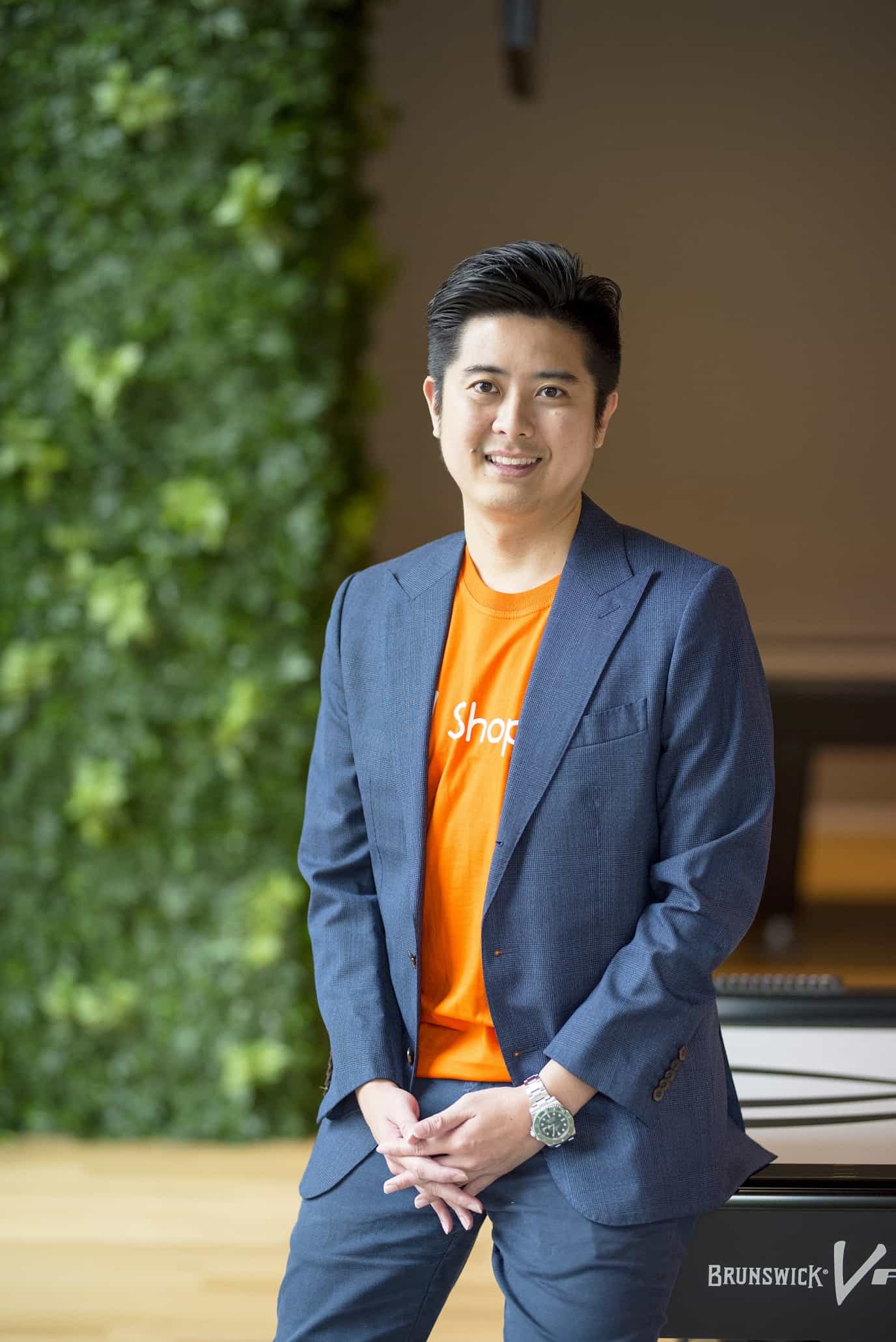
“Rather than seeing e-commerce as a competition, businesses have now come to see it as another stream of revenue which will complement their brick-and-mortar business,” Shopee regional managing director Ian Ho (pic) tells Smart Investor.

These businesses, to cater to the increasing demands of today’s e-commerce landscape, have set up dedicated e-commerce teams to manage various facets of their operations.

This includes manning the online store, pricing, handling orders, fulfilment, and customer service, as well as investing in warehouses that come equipped with advanced systems to organise warehouse operations.

Evolving mindset aside, many businesses however find it difficult to grow their sales effectively after opening a store.

“This is because of operational and marketing challenges. These businesses lack the know-how to nurture the business and run marketing efforts to increase exposure for their online stores and product offerings,” Ho reveals.

Helping Hand from Shopee

In Shopee’s case, the e-commerce platform has empowered many brands and sellers to succeed online because they understand the challenges that businesses face, and offer various forms of support to help them succeed.

For example, Shopee University, a free seller’s workshop to provide sellers with the knowledge and skills to grow their businesses on the Shopee platform, was launched in 2016.

From the workshop, participants will learn multiple ways to boost sales; tips and marketing techniques to promote their store on Shopee; the right way to list products; and how to fully utilise all of Shopee’s features to help promote sales.

“What has made these workshops even more resourceful is that they are also available through web seminars, which means that participants anywhere with an internet connection can join in,” shares Ho.

To date, around 10,000 sellers have benefited from the Shopee University modules.

In addition to Shopee University, the e-commerce platform further launched Shopee Live in 2019 in an effort to bring users closer to their favourite sellers and brands.

This allows brands/sellers to engage their users throughout the shopping journey via a wide array of live content such as product reviews, guides and demonstrations hosted by popular local influencers.

And the results are pretty impressive, to say the least. Tyra Kamaruzzaman’s Beautyra lipsticks, for instance, sold out in minutes on Shopee Live, recording over 2,000 orders, while Photobook’s store traffic and visibility increased by 18x after running a 45-minute live stream on Shopee Live.

“In addition to driving orders, Shopee Live is also effective in driving traffic and followers to the retailers’ stores, as indicated by Shopee seller wanjojo of JJ70 Store who gained more than 800 store followers after a single live stream.

“Another seller also shared that by doing daily live streams, he was able to rapidly gain followers and double his sales in less than three months, with 2019 being the first time he had managed to break the RM1 mil mark in annual sales,” Ho shares, adding the results are testament to Shopee Live’s success.

Shopee

Success: an effort of both parties

Over the years, many businesses have achieved success on e-commerce platforms, but many others have also not done well. So how does a business guarantee its success online?

PG Mall managing director Datuk Wira Louis Ng believes that success on e-commerce platforms stems from the effort of both parties, namely the platform operator and the merchant.

“Successful merchants on the PG Mall platform put in a lot of effort from their end to build store awareness and visibility by participating in all PG Mall-related activities and campaigns.

“In addition to providing attractive prices, these merchants are very committed, have zero cancellations rate, are very responsive to shoppers’ enquiries, and are efficient in processing orders to ensure a positive shopping experience.”

On the flipside, there are merchants who – after setting up their online store – solely rely on the platform to drive sales without going all out and taking the initiative to do more, he adds.

Merchants on the PG Mall platform are supported with regular creative campaigns that partner with different e-wallets and banks to drive both sales and traffic to the stores.

PG Mall is also the only platform to partner with all major e-wallets in the country. The vast check-out options available will in turn gives merchants a boost in capturing more shoppers.

On how merchants can conduct a successful business on PG Mall, Ng points out that PG Mall’s mission is to be the number one choice when it comes to online shopping, and therefore, it is always best for merchants to feature all products on hand to be available on the PG Mall platform.

“Providing a fair price for shoppers is essential, as is the effort put into managing the store by putting up clear and attractive images as well as the right product descriptions.

“While Success on e-commerce platforms stems from the effort of both parties, namely the platform operator and the merchant. these may sound trivial, these are factors that will influence a shopper’s final decision.”

The homegrown e-commerce platform, which cites gold jewelleries, groceries and pets, as well as home appliances as its current best-performing categories, are in the midst of bringing in more brands to join the PG Mall family.

Trusted Delivery Service

Delivery service is a crucial aspect of online businesses, as it allows for the efficient and timely transportation of goods to customers.

In today’s world, customers expect fast and reliable delivery, and the ability to track their orders in real-time. This is especially true for e-commerce businesses.

Use Delyva as your main delivery platform that allows you to choose the best delivery service in Malaysia by price, speed, area coverage and reliability.

By Bernie Yeo

Find out more about Delyva here: https://delyva.com/my/delivery-service-in-malaysia/

Under the Influence of Social Media Influencers

Do you know of a life without social media? Better still, do you remember a life when there was no Facebook, Instagram, Twitter, WhatsApp, Snapchat and TikTok? Or influencers?

Social media has grown to become one of the most dynamic developments in digital media over the past two decades. With billions of users worldwide, social media is now a huge aspect of modern society and has a tremendous impact on our culture, on business, and the world at large.

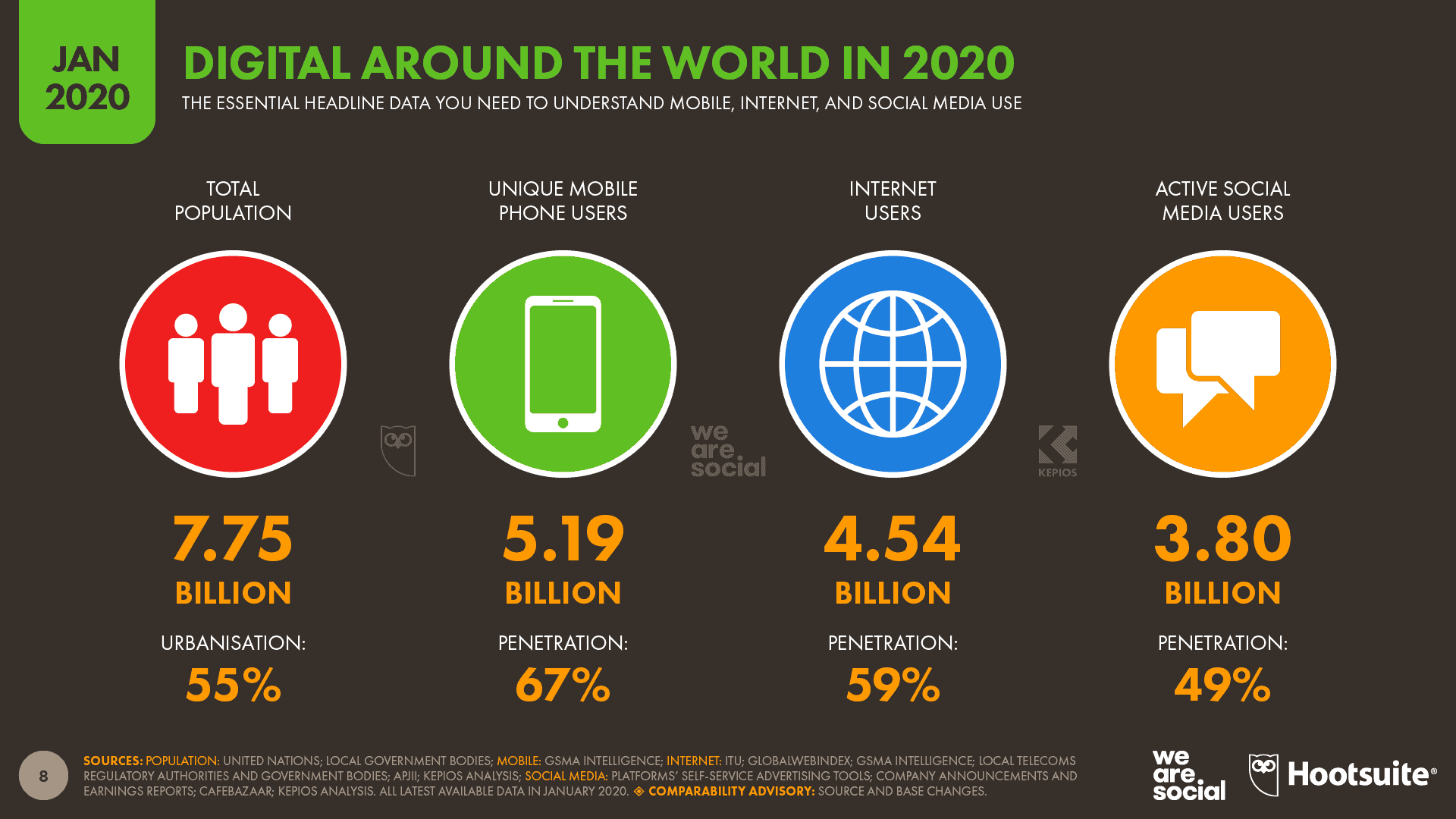
Digital 2020, a collection of reports on digital trends and social media uses, reveals that as at January 2020, there are 3.80 billion active social media users in the world against a total population of 7.75 billion.

01 Global Overview %E2%80%93 DataReportal Digital 2020 Global Digital Overview Slide 8

Source: We Are Social Inc.

Understanding the modern consumer

There was a time when it was not possible to share your opinions about a specific product with others because there simply was no available outlet, and there was no way of reviewing a product or service except with a few family members, close friends and coworkers.

Consumers today enjoy a very different situation, all thanks to social media. Through platforms like Facebook, Instagram and Twitter, consumers have been able to easily convey their opinions about various brands.

In other words, there is now an opportunity for consumers and brands to build a working relationship in which opinions can be voiced and views exchanged.

“The modern consumers want to interact and engage more with brands. Consumers want to speak with brands, and not be spoken to,” opines Karen Ong, Luxasia Group regional managing director (Singapore, Malaysia, Thailand and Vietnam) & country manager (Singapore).

So for brands to be successful, it has to be a two-way communication between them and their consumers as this is how the latter prefers to communicate – they go directly to the brands to express their preference.

Luxasia is the leading omnichannel partner for more than 140 luxury beauty and lifestyle brands including Bvlgari, Hermès and Prada.

The growth of influencer marketing

Abstract Board Game Bundle Business 267355 1

The use of influencer marketing has grown rapidly as consumers are already using social media platforms to follow influencers who create content according to a certain category or theme.

What is interesting to note is that global ad spend on influencers, according to Business Insider Intelligence, is predicted to reach between US$5 bil and US$10 bil by 2022. But why is this so?

The reason is simple, say Ong and Luxasia Group country manager (Malaysia) Cindy Poh. “Brands leverage on the trust and relationship these influencers have built with their follower base, who are very likely to be captive audiences and are interested in reading and hearing what these ‘key opinion leaders’ (KOLs) have to say about a brand.”

They note that influencers create content that adds personalised touches in a way that mass media is unable to replicate. And it is through these personalised contents that the influencer is deemed a credible and authentic source as the content that he/she creates for the brand is aligned to the influencer’s personal brand.

“A PwC Study in 2018 found that today’s consumers are more responsive to credible, authentic content and opinions from someone they know or trust on social networks, suggesting that opinions and suggestions on social media – posted by friends and strangers alike – have more influence on specific purchase decisions than factors that retailers can control, such as advertising, promotions, and pricing,” they explain.

One good example of influencer marketing is YouTube celebrity PewDiePie’s collaboration with the makers of a horror movie set in the French catacombs under Paris in conjunction with the upcoming movie As Above, So Below in 2014.

Renowned for his histrionic reactions to horror movie games, the Swedish YouTube celebrity agreed to undertake the ‘Catacomb Challenges’ where he would give his reactions to a recreated version of the movie’s setting.

The resulting two-part video series was the perfect content for PewDiePie’s millions of subscribers, and received almost double the views of the movie’s trailer. It was, suffice to say, a win-win situation for everybody.

An influencer’s perspective

An influencer can be anybody from a popular fashion icon on Instagram to an indie wedding singer who blogs to a well-respected political figure who tweets. What makes them influential is their large followings on the web and social media.

The shift to influencer marketing started about six to eight years ago first on banner ads on a digital medium to blogs (seen as a form of online media) before reaching social media platforms like Facebook, Instagram and Twitter, says local blogger, speaker, columnist and TV host Dr Choo Mei Sze.

Choo, who holds a PhD in Development Psychology from the University of Hawaii at Manoa, is the Youth Ambassador for the National Cancer Society of Malaysia (NCSM).

She advocates cancer awareness especially among youths through talks and youth support groups in collaboration with NCSM and has hosted a show called ‘An Awakening’ in collaboration with insurance company Axa Affin Life Bhd which showcases amazing stories of cancer patients, survivors and caretakers. Today, she blogs about her journey with the Big-C, in addition to topics on fashion, beauty and travel.

“When I first came back from the States about eight years ago, I was surprised that many brands asked to advertise on my blog. At that point of time I was blogging as a way to connect with my friends and family and I didn’t imagine it being a form of advertising,” Choo tells Smart Investor.

“These days, influencers are the new ‘word of mouth’ and brands prefer this form of advertisement as it allows them to see exact figures rather than made-up ones like on billboards.”

Getting into the business

Laptop Technology Ipad Tablet 35550

But how does a person get into the business of becoming an influencer?

“With the market being so saturated these days, anyone can be an influencer. Nowadays, an influencer is all about being able to influence enough people through the posts you put up on social media be it in the form of pictures or captions.

However, I believe that a true influencer is someone who is able to encourage their target audience to purchase a product or share a posting though a shout-out,” Choo opines.

As for who to collaborate with and the products she recommends on her social media platform, Choo admits she is rather picky.

“My followers are urban and quite a few of them know their stuff and so, I refrain from endorsing brands that do not suit me and my personality.

“As the Youth Ambassador of NCSM, a lot of people ‘follow’ me for health and cancer advice as well as for inspiration, and therefore, I will not promote things like cigarettes or alcohol.

“I am careful when I choose the brands I collaborate with, and I collaborate with companies promoting organic skincare or healthy eats as these are the things that I actually use and practise on a daily basis.”

This brings us to the next question: how much are influencers paid to post photos of a specific brand’s clothes, watches, jewellery and make-up on their platforms?

According to SLPR Worldwide Group chief operating officer (Southeast Asia) Leon Tang (pic), remuneration usually comes in the form of an in-kind or a monetary token as a form of appreciation towards the influencer’s efforts.

“Influencer marketing does not necessarily always involve monetary contributions or sponsored contents. It depends on the brand affinity the influencer has for the brand and whether the promoted products/services bring values to the audience of the particular influencer,” he says.

As such, he adds, there are numerous cases whereby the influencer finds the brand to be of great value to their audience and are therefore more than happy to share the brand’s products/services at no cost whatsoever.

In instances like these, the influencer will be offered a product sponsorship as a token of appreciation.

“The exact value is not fixed and differs from influencer to influencer, although this is usually decided by both the brand and the influencer.

“There are, however, some influencers who are employed under a specific talent agency and as such, already have a company-set rate card in place. The rates are usually determined based on the number of followers or the engagement rates per post,” explains Tang.

No one-size-fits-all

‘Matching’ a brand to an influencer – and vice versa – is also an important element to be considered when it comes to getting influencers involved in a brand’s campaign.

Among the factors to be considered include the number of authentic followers, the number of legitimate engagements in a post, demographics of followers, the track record of the influencer, his/her connections to other influencers, budget and the fit between the influencer and the brand in terms of the look, the styling, the ‘feel’ and even the use of linguistics.

In Luxasia’s case, the process involves getting the right influencer whose profile fits the brand it carries. As simple as this may sound, however, the details involved in the selection of influencers is a complex one.

“The challenge of a regional beauty business is in local marketing knowledge, effectiveness, and execution. Different markets have different platforms of choice, and hence different ways of doing influencer marketing.

“This is also the very reason why Luxasia has so many local offices – we need to know the market locally and intimately to be effective,” explain Ong and Poh.

“Before we address influencer selection, we need to be clear about social media platform selection. Instagram is the go-to social media platform for all things that are beauty-related.”

Weighing in on the onboarding process, SLPR’s Tang adds: “A detailed background check on the influencer will be conducted before initiating a conversation with the influencer. The screening and selection process usually take around seven to 14 working days.”

This will be followed by a meetup and if they are interested to be part of the campaign, remuneration and collaboration tokens will be discussed, he points out.

Photo Of Laptop Near Plant 927629 1

In some Southeast Asian markets like Vietnam, Facebook still reigns, while in Thailand, apps such as LINE can be an effective channel for social-commerce as well.

Luxasia’s local office in China engages influencers on platforms such as WeChat, Weibo, Douyin, and the beautycentric social shopping platform Little Red Book (Xiaohongshu).

“As such, there is really no one-size-fits-all. We need to identify the effective platform for the local market, followed by the influencers to engage. Furthermore, we need to determine the nature of the campaign – image-centric or video posts of ‘live’ KOLstreaming.

“For some brands, it may also be more relevant to engage 30 micro-influencers as opposed to five macro influencers,” say Ong and Poh.

By Bernie Yeo

Analysis: Global Pension Report

Allianz has recently unveiled the first edition of its ‘Global Pension Report’, taking the pulse of pension systems around the world with its proprietary pension indicator, the Allianz Pension Indicator (API).

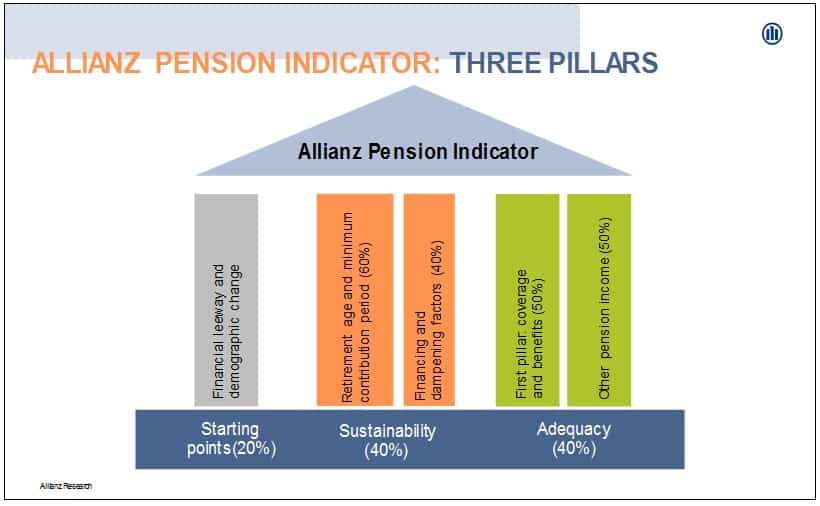
The indicator follows a simple logic: It starts the analysis with the demographic and fiscal prerequisites and then continues to examine pension systems along their two decisive dimensions: sustainability and adequacy.

Hence, it is based on three pillars and takes in all 30 parameters into account, which are rated on a scale of 1 to 7, with 1 being the best grade. By adding up all weighted subtotals, the API assigns each of the analyzed 70 countries a grade between 1 and 7, thus providing a comprehensive view of the respective pension system.

“Demographics and pensions have been eclipsed by other policies in recent years, first and foremost climate change and today the fight against Covid-19,” said Allianz chief economist Ludovic Subran.

“But you ignore demographics at your own peril, demographic change will soon be back with a vengeance. Defusing the looming pension crisis and preserving generational justness and equality are key for building inclusive and resilient societies.”

Dramatic Shifts in Demographics

Huy Phan QCF2ykBsC2I Unsplash

The dramatic shift in demographics is best characterised by the increase in the global old-age dependency ratio: until 2050, it will grow by a whopping 77% to 25%, i.e., faster than in the last 70 years since 1950.

In many emerging economies the ratio is going to more than double within the next three decades, that is, in less than half of the time this development took in Europe and Northern America.

The most prominent example is China where the ratio is going to increase from 17% to 44%. For industrialised countries, however, the absolute level of this ratio is the main reason for concern, reaching, for example, 51% in Western Europe.

This development is reflected in the first pillar of the API, called the starting points, which combines demographic change and the public financial situation (financial leeway).

Not surprisingly, many emerging countries in Africa score rather well as the population is still young and public deficits and debts are rather low. On the other hand, many European countries such as Italy or Portugal are among the worst performers: old populations meet high debts.

“For most industrialised countries, the old Scottish joke applies: If I were to build a stable pension system, I certainly wouldn’t start from here,” said Michaela Grimm, author of the report.

“And that is the situation before the coronavirus and its tsunami of new debt. One of the legacies of the current crisis will certainly be that we have to double our efforts to reform our pension systems. What remained of financial leeway has gone for good.”

Untitled

The second pillar of the API is sustainability, measuring how systems react to demographic change: Are there built-in stabilizers or will the system be blown apart when the number of contributors falls while that of beneficiaries keeps rising?

In that context, an important lever is the retirement age. In the 1950s, an average 65-year old men, living in Asia could expect to spend around 8.9 years in retirement (women 10.3 years).

Today, the average further life expectancy of a 65-year old is 17.8 years for women and 15.2 years for men and it is set to increase to 19.9 years (women) resp. 17.5 years (men) in 2050.

As a consequence, the ratio of working life to time spent in retirement has declined markedly. Countries, which decided to adjust the legal retirement age or the increase of pension benefits to the development of further life expectancy like the Netherlands, have thus a more sustainable pension system than countries where postponing retirement further is still taboo.

The third pillar of the API rates the adequacy of the pension system, questioning whether pension systems provide an adequate standard of living in old age.

Important levers are the coverage ratio – i.e. how big are the shares of the working-age population and the age group in retirement age that are covered by the pension system? –, the benefit ratio – i.e. how much money (measured in terms of average income) does an average pensioner receive? –, and last but not least the existence of capital-funded old-age provision and other sources of income.

Overall, the average score in the adequacy pillar (3.7) is slightly better than that in the sustainability pillar (4.0), a sign that most systems still put greater weight on the well-being of the current generation of pensioners than on that of the future generation of tax and social contribution payers.

The countries leading the adequacy ranking have either still rather generous state pensions, like Austria or Italy, or strong capital-funded second and third pillars, like New Zealand or the Netherlands.

However, capital-funded retirement solutions are under increasing pressure in the persisting low-interest rate environment. The COVID-19 pandemic has further exacerbated this trend by further pushing down yields.

“The low yield environment has forced both pension funds and life insurers to explore alternative asset classes,” said Allianz SE head of global retirement proposition Cameron Jovanovic.

“This push into alternatives enables benefit providers to capture the illiquidity premium that matches well with their portfolio duration. Another strategy is to offload risk rather than chasing returns as longevity swaps, pension risk transfers and creative reinsurance set-ups become means of optimizing the exposure taken on by pension funds and insurers.”

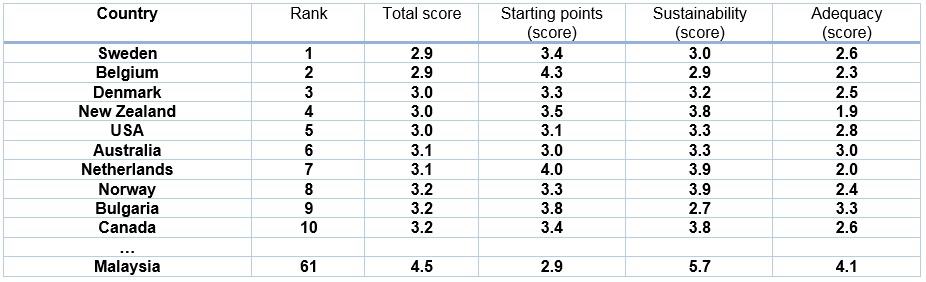
Top 10 Pension Systems Worldwide

Top Ten Pensions Systems Worldwide

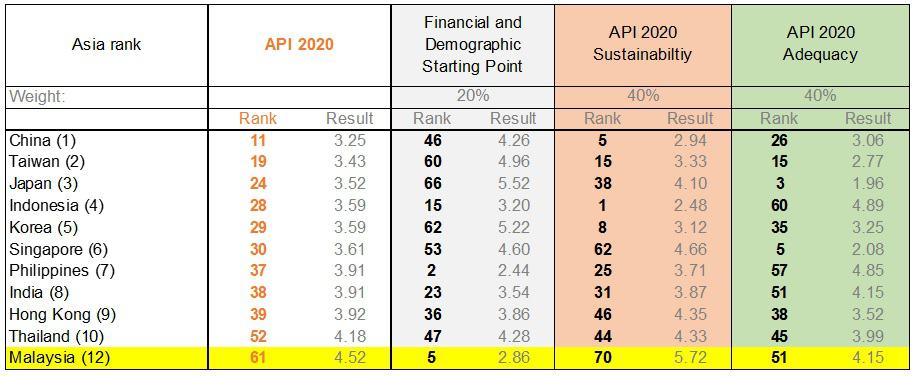
Top 10 Pension Systems in Asia

Top Ten Pension Systems In Asia

Succesfully Investing in a Pandemic

For many investors around the world, the onslaught of the Covid-19 pandemic wreaked havoc on their investment portfolios as stock markets tanked in late February and March. How does one start successfully investing in a pandemic? From the lows of late March, equity markets including Bursa Malaysia rebounded significantly in April though it remains to be seen whether this just a “dead cat bounce” or an unsustainable rally within a bear market.

Investors are understandably concerned the lockdown imposed in many countries, including Malaysia, will tip the global economy into a deep recession. In the event Malaysia falls into a recession, this will be the first time since 2009 that the economy has contracted.

In such a scenario, investors will be preoccupied with preserving their investments in case the markets drop further. Nevertheless, astute investors are licking their chops in anticipation of a market crash that will enable them to swoop in to snap up a host of quality assets at a steep discount.

Despite the volatility in the capital markets, FSMOne assistant research manager Tan Wei Yine thinks there are still opportunities residing within equity markets.

However, he cautions that while global equities have rebounded strongly from their March lows, there is still “a great deal of uncertainty” surrounding the containment progress of Covid-19 across the globe.

“In the coming weeks, macroeconomic data reflecting Covid-19’s impact on the economy are going to surface with more negative signs, which could inject an additional dose of volatility in stock markets.”

On whether the rebound from the March lows is just a rally within a bear market, Tan notes that from a historical perspective the S&P 500 Index has seen 16 bear markets (excluding the current one) over the past 90 years.

“With hindsight, four out of those bear markets have posted intermittent bull market rallies of more than 20% before trending lower later. Although counter-trend bulls may not appear as often, it would be unwise for one to rule out the possibility of it happening again completely,” he adds.

Rebalancing investment portfolios

What strategies should investors adopt during times of market stress such as now?

FSMOne advocates investors to have a mix of equities and fixed income that is aligned to their risk profiles, explains Tan (right).

“In market distressful periods, the fixed income portion of the portfolio could help provide stability and in decent times, the exposure to equity markets could help capture capital growth opportunities.

Tan Wei Yine FSMOne

“Investors may find it easier to hold onto a risk-aligned portfolio in challenging times. An investment portfolio that has large, concentrated exposure to volatile assets may induce huge swings in emotions that could lead to poor investment decisions in market distressful periods,” he adds.

Tan advises that an investor should hold a portfolio that aligns with his risk profile. For instance, a balanced investor should have equal weights of 50:50 into equities and fixed income.

In a market downturn, the equity allocation is expected to decline along with the drawdown in stock markets’ movement, while the fixed income portion that is holding up relatively well should have a higher allocation (e.g. the portfolio now has <50% to equities and >50% to bonds), he explains.

Investors may take the opportunity to rebalance their portfolios by reducing their fixed income exposure and increasing equity exposure, bringing those allocations back to the neutral level of 50:50, he adds.

“Mainly, investors are selling high (fixed income prices that held up relatively well) and buying low (equity prices that have been battered heftily). As there is still a great amount of uncertainty surrounding Covid-19 over the near-term, we recommend investors to rebalance progressively when equity markets continue to decline,” he advises.

Preserving your capital

When markets turn bearish, investors will need to adopt a defensive stance when it comes to their portfolio.

Affin Hwang Asset Management chief marketing and distribution officer Chan Ai Mei says as a defensive measure, investors can diversify and opt to tilt their allocation towards fixed income and bond funds.

“Its more modest drawdowns can help ensure capital preservation as well as provide a measure of stability through a regular income stream,” she says.

Chan Ai Mei Affin Hwang AM

To position their portfolios and navigate through volatility ahead, investors should first review their portfolios and assess if they are comfortable with the level of risk they are taking. Ideally, investors should also rebalance their asset allocation annually to correct any portfolio drifts, she adds.

“If liquidity is crucial, especially for conservative investors who have retired or are approaching retirement, we believe it is appropriate for them to reduce exposure in equities. This might forego some future upside, but is ideal to help preserve and protect capital.

“Within fixed income, conservative investors should also tilt their allocation towards investment-grade bonds and avoid high-yield exposure.”

For investors sitting in the middle of the risk-profile spectrum and want some equity exposure, an important question they need to ask themselves is whether they can stomach the volatility for the next three to five years?

“If the answer is yes, then investors should average down and split your investment into a few tranches to ease your way into the market,” Chan advises.

Timing the Market

With equity markets rebounding from recent lows, should investors consider buying the dip? Is it even possible to know when the market’s bottom is reached?

Chan believes there is always an element of danger in timing the market. “Even the savviest investor can get it wrong. The ongoing Covid-19 episode has shown how sudden and vicious markets can turn, especially coupled with the presence of algo-traders that have exacerbated volatility.

“Instead of trying to time a market in a downturn, the ideal approach for investors to take may be to just do nothing at all.”

To illustrate, Chan examines how an investment of RM100,000 fares through different market cycles and how it would fare under two different scenarios:

* The investor cuts losses by selling in every market downturn; and

* The investors hold and does nothing in every market downturn.

Stock Trades Table

As can be seen from the tables, the investor who does nothing would perform better overall. Thus, investors should endeavour to spend time in the market instead of trying to time the market, she says.

“Avoid making drastic shifts in one’s asset allocation, whether it is ploughing into the market or cashing-out all at once.”

The Value of Waiting

Chan also highlights what investing legend Charlie Munger – Warren Buffett’s right-hand man – once said: “It is waiting that helps you as an investor, and a lot of people just can’t stand to wait.”

In this type of market environment, she says investors’ nerves are bound to get frayed and they may start turning jittery whenever they see a new headline about new infection rates or whispers about a recession or layoffs.

“We believe investors stand to benefit more by doing less in 2020. Once the Covid-19 contagion recedes, there will be very little impact to long-term investment decisions and fundamentals. As such, we don’t advise doing much on your portfolios.

“It is crucial that investors stick to their asset allocation and stay prudent in this current volatile landscape. Investors who remain disciplined in their approach by investing consistently and sticking to their long-term asset allocation will eventually reap the benefits and fare better overall,” Chan concludes.

By Lee Min Keong