Wednesday, 5 August 2026 Stay informed. No noise.

Accelerating Malaysia’s Technology And Innovation With MRANTI

Malaysian Research Accelerator for Technology & Innovation (MRANTI) is the new entity as a result of the merger of two agencies under Ministry of Science, Technology and Innovation (MOSTI), Technology Park Malaysia Corporation (TPM) and Malaysian Global Innovation and Creativity Centre (MaGIC). Inspired by the yellow Meranti tree which is the world’s tallest tropical tree found only in Malaysia – MRANTI strives to become the strongest and tallest among the world’s best.

What Is MRANTI?

MRANTI is the one-stop research commercialisation agency with the resources to accelerate the commercialisation of innovative ideas that will drive impact. As a connector, collaborator and catalyst, MRANTI will connect problem statements (demand) with solutions (supply), bridging collaboration between public and private sectors (transition); increase private sector participation, either through market access, investment, advisory or consultation and facilities for testing and prototyping.

Smart Investor recently interviewed Dzuleira Abu Bakar, CEO MRANTI to find out more about them and their plans.

Dzuleira Abu Bakar CEO MRANTI
Dzuleira Abu Bakar, CEO MRANTI

Smart Investor: Why was MRANTI formed?

Dzuleira Abu Bakar: MOSTI with Akademi Sains Negara: examined the landscape:

○ To increase the number of commercialised entities in Malaysia
○ To accelerate technology & innovation

And some gaps were found:

1. R&Ds remain where they are with the Research Institutes (RI) and the universities
80% of in IHL, Corporates 15%, balance 5% government or NGOs.

2. Low GERD to GDP, which is at 1.04%.
Other countries; Israel – 4.95%, South Korea – 4.81%, Japan – 3.26%

3. Commercialisation rate is low between 5% to 10%
China’s commercialization rate target: 34.7% in 2020
Korea in 2010: 38.9% (they considered: unsatisfactory)
Japan and the USA: as high as 60%

● To rise in the ranks as a high-economy, innovation driven nation, we need to ensure our security of R&D supply translates into successful commercialisation.

● As such, the Ministry then decided to streamline its resources – which led to the merger of the 2 agencies, and the formation of MRANTI about a year ago.

● There are 3 important approaches (3Ps) we are taking to position ourselves to support the progress of the ecosystem:

1) MRANTI PARK provides integrated facilities and infrastructure for innovators and entrepreneurs that are 4IR ready, even as we bring together
2) Targeted PROGRAMMES & interventions; and
3) A large portfolio of PARTNERS

MRANTI Overall View

SI: What does MRANTI want to achieve by 2030, and which stage are you at now? What are your priorities?

DAB: My goal is to put Malaysia on the Top 20 most innovative countries in the world. This will have amazing spillover effects i.e. higher income, more jobs, and overall better livelihood for Malaysians.

For the immediate, I will focus on rolling out our programmes and partnerships, as well as sprucing up the park. Today, various programmes and facilities are available at the Park.

To have 2,000 sqft MakersLab for designers wanting to prototype their ideas – from computer design or sketches into “things” or small scale models. Various materials and machines are available.

A Centre of Excellence for DroneTech, Living Labs for Autonomous Vehicles (AV) and Agritech

As an example, the Drone Industry Insights report, the world market value of drones is USD26.3 billion, and is targeted to reach USD41.3 billion by 2026. In the Drone Tech sector, Malaysia has the potential to be a world leader in this sector. We are proud that Aerodyne Group, a local company, is emerging as the best drone remote-sensing service provider in the world. There are many other drone companies based here, including Poladrone, Terradrone, VStream, Elsa Energy, DJI, NRA Technology and Allied Aeronautics.

Malaysia also has the potential to grow rapidly in the robotics and drone industries. We will establish the Academy of Talent Development In Robotics (Robotic Talent Development Academy), and are targeted to increase the ratio of robots to humans by 195 robots per human by 2030. Today, the ratio of robots to humans is 55 to 10,000 people.

Therefore, we established Area 57 in MRANTI Park as a centre of excellence for the development of the drone industry. The 5-acre area will provide drone runway services, a 300 square metre drone net area, drone testing mock-up sites, hangars, laboratories, manufacturing equipment, training facilities and prototype testing areas, operational offices as well as drone service and maintenance workshops for drone operators to use.

Revitalising Lab testing facilities for food and herbal products and other manufacturing services at MRANTI Nexus.

5G infrastructure-ready

Commercial entities and researchers face several challenges today which could be addressed with 5G Technology. These include communication efficiency (higher data rates, lower latency), connection density (reliability, availability and coverage) and position accuracy (higher user mobility). To deliver the full value of 5G, we are bringing together more partners to collaborate, innovate and incubate ideas to nurture a thriving ecosystem.

We have lined up 26 key programmes to seed, sustain and scale impact-driven innovations in a structured and systematic manner -linking both domestic and international markets for entrepreneurs, startups and the innovation ecosystem.
i. IP & commercialisation initiatives
ii. impact and thematic accelerators, bootcamps and
iii. Digital Business Academy programmes
iv. social impact initiatives this year to jump start the innovation engine.

Examples of these are as follows:

Academy + International Innovation Hub programmes

For anyone looking to upskill and reskill, we offer a host of digital courses, webinars, workshops, bootcamps, custom content/programmes, custom and industry-focused coaching and mentoring, post-grants management and advisory, business acceleration, access to corporate and industry partners, alumni, investors and academia.

Impact Innovation

For innovators to access funding and test their products in the market with corporate partners and large organisations, in order to achieve Sustainable Development Goals (SDGs) and linked to Environmental, Social and Governance (ESG) outcomes.

Global Innovation Exchange (GIX)

For innovators looking to scale and / or global startups looking to set up innovation hubs in ASEAN, with Malaysia as a launchpad. Programmes include:

● National Technology & Innovation Sandbox (NTIS)
● Global Market Fit Programme (GMP)
● MyStartUp Hub (MSH)
● Global Accelerator Programme (GAP)

Rapid IP Commercialisation is another focus. Through a structured review process, we are evaluating how some IPs – in MOSTI’s stable, for example, can be brought to market.

Volume alone is not sufficient. MRANTI will play a key role in enhancing the quality, variety and value of innovations.

This is a big task and MRANTI and I cannot achieve this alone. We are here to collaborate, collaborate, collaborate.

It isn’t a single entity’s show. We aren’t in a sprint. It is a long game, and realistically, one year is just the start to drive deep transformation. Altogether, these will place Malaysia and our people on the right trajectory to becoming a high-tech producer nation.
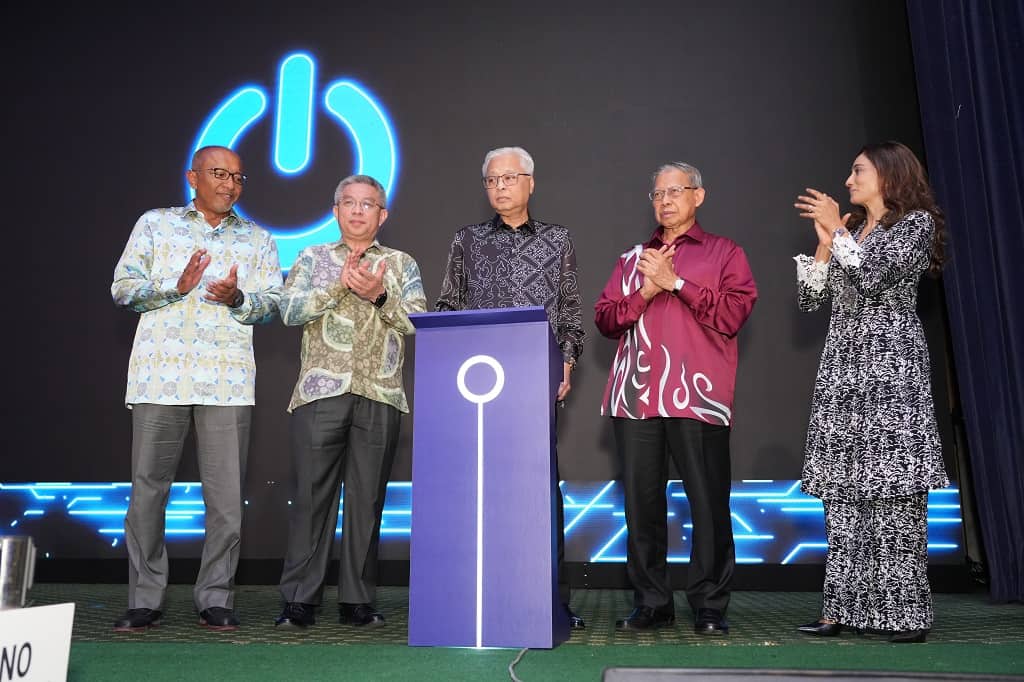
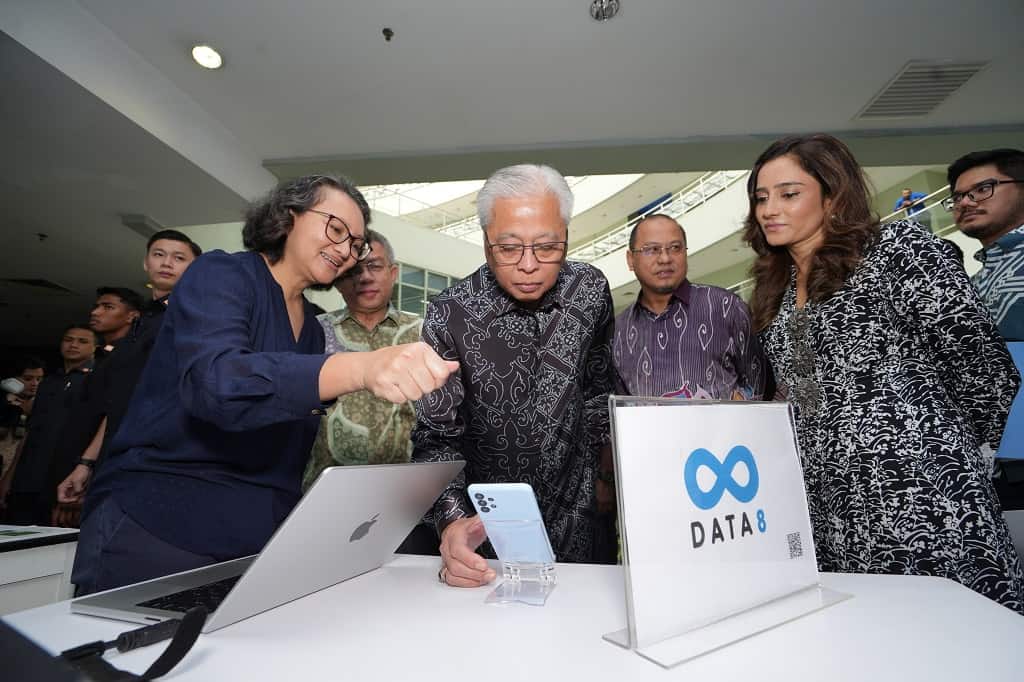
MRANTI Park1

SI: How many talents are currently working under MRANTI?

DAB: We are 345 strong. More than 55% are under 40 years old – a large number of whom have solid technical background in areas of biotech, engineering, legal, commercialisation, Intellectual Property servicing and a range of industry experts.

MRANTI Park, however, has a community of about 20,000 people – ranging from university students, knowledge workers, academicians, researchers, scientists, entrepreneurs, management staff and more.

SI: How many startups/ enterprises have MRANTI engaged with? Will you be able to name a few and share about their journey with MRANTI?

DAB: Since its inception in 2014, the Malaysian Global Innovation and Creativity Centre (MaGIC) has nurtured, encouraged and developed the Malaysian spirit for discovery, and in the years that followed, we’ve grown from strength to strength.During this time, we have also won the regard of many regional and international industry players – cultivating and producing some of the world’s best startups and social enterprises.

Since we started, we have reached out to 4,503 startups, 145,477 individuals, 48 accredited social enterprises and created RM3.9 billion in economic value. In 2021, in spite of challenges presented by the pandemic, we conducted more than 100 programmes and impacted approximately 11,200 entrepreneurs from more than 700 start-ups and social enterprises who went on to garner close to RM150 mil in investment and generated more than RM400 million in revenue.

Five new sandboxes were launched through the National Technology and Innovation Sandbox (NTIS) in 2021 with more underway to strengthen the security of innovation supply. Since its launch, the NTIS has received 546 complete applications, 148 of which have received funding, regulatory, commercial and technical support, with RM53 million funding approved for these projects.

The returns are notable – at about 10X, as we recorded value creation (investment and revenue, as well as job creation from our programmes and by our alumni) of more than RM570 million.

Testament to the value of initiatives we are rolling out, almost 12 companies have signed on as tenants at MRANTI Park since January 2022 – bringing it to a total of 157 tenants. These include companies in ICT, Biotechnology, Engineering, Green Technology, Consulting, Support Services and more.

We are expecting 15 more local and multinational companies to take up tenancy here by the end of the year, bringing the total occupancy rate at MRANTI Park to nearly 80% or an equivablent of 645,000sqft.

Case study: Through the NTIS, MRANTI facilitated Biogenes Technologies’ discussions on regulatory procedures with the Malaysian Medical Device Authority (MDA), and coordinated approval with the Ministry of Health for a live test site to collect samples, which then allowed them to validate the market readiness. As a result, their test-kits have now undergone preclinical and clinical trials at Pusat Perubatan Universiti Malaya. What would have ordinarily taken at least a year, was accomplished in several months. Biogenes also received funding through the NTIS within six months to enable their operations to expand.

Additionally, through the NTIS, there are sandboxes testing the use of drones to deliver medical supplies to hard-to-reach areas, and to deliver essential goods and services particularly to remote and rural areas. However, we still aren’t moving quickly enough in some areas. Attracting more
international players is one area that could do with improvement. The IMD World Competitive Ranking 2020 still ranks Malaysia 52nd in ease of starting business, with an increase in “startup days” from 13.5 days in 2019 to 17.5 days 2020 to set up business in Malaysia.

Today, many startups still find it difficult to know which agencies to approach, as some have overlapping functions. Having multiple sources of information and numerous agencies impedes Malaysia’s potential as a preferred destination for startups.

To ensure that we do not get left behind, moving with speed is absolutely essential. To do this, we need to streamline our processes, get rid of any overlap or ‘legacy’ inefficiencies and utilise technology to digitalise or automate for efficiency.

And in this regard, MRANTI aims to be the one-stop centre for technology and innovation acceleration, regardless of which stage the innovation or solution is at – as we take ideas to impact.

MRANTI Park4

SI: What has MRANTI clocked in since you helmed MRANTI a year ago, though the agency was only formalised in January this year? What have been some of the challenges?

DAB: Merging TPM, a 26-year-old entity, and then seven-year-old MaGIC, comes with its own set of operational and external challenges.

Core challenge: culture integration, added with pressures of managing the bottomline. Thankfully, the merger was completed in record time – under a year.

Much of my time in the last 12 months: spent on onboarding stakeholders and key players to see this transformation of TPM to MRANTI Park.

My immediate goal: capital investments, policy, incentives to raise MRANTI Park’s relevance and profile.

I’m pleased to say, we are now on the cusp of profitability. With a formidable team, we have put in place a strategy to transform TPM’s Profit & Loss and achieve its technology development mandate for the country. My team and I are focused on improving the infrastructure for the 686 acres MRANTI Park (10x larger than KL Sentral) located in Bukit Jalil, to attract global players. The park is now the only fully 5G-enabled innovation park facility in Malaysia, giving it the edge in ultra-fast and stable connectivity.

Speed is the name of the game, and MRANTI Park will be the fast track for innovators.

SI: What are your targets?

DAB: My aim is to make MRANTI Park a global name. My team and I have been relentless in developing the prioritised tech clusters as announced under Budget 2022 at MRANTI Park to make it the foremost innovation hub in Malaysia.

Our integrated facilities are being enhanced for higher capacity and higher value services. RM30 million funding allocated for MRANTI in the Budget 2022, we are kicking into high gear.

2022 Targets : MRANTI, as a 4IR Innovation Hub aspires to

○ Impact 5,000 aspiring entrepreneurs exposed to 4IR technology ie Dronetech,
○ Assist 50 companies to successfully build proofs of concept (POC), prototypes and products,
○ Enable 1,250 business owner to benefit through various facilities and programmes, and
○ Foster RM500 million in Value creation.

Our longer term targets:

The 12th Malaysia Plan (2021-2025) has set several R&D related targets by 2025;

  • 2.5% of GERD to GDP (from 1.04% in 2018)
  • 70% of R&D expenditure by the private sector (BERD) to GERD (we are about 43.9% in 2018)
  • 500 products and solutions commercialised through the National Technology and Innovation Sandbox (NTIS) and Malaysia Commercial Year (MCY) by 2025
  • Top 20 ranking in the Global Innovation Index in the same period (from 36th in 2021)

MRANTI Living Lab

SI: What is MRANTI’s Masterplan?

DAB: In shaping MRANTI, benchmarked against:

○ Thai Digital Park, Singapore’s A*Star, and Innovate UK, are all a result of strong policy, investment, talent pool and market environment.

To attain a Top 20 position in the Global Innovation Index (GII) by 2030, from where we have been in the last 5 years – in the 30-somethingth position, we have much to do. This includes upgrading our Engineering, IT, Biotech and other building infrastructure in order to meet the changing demands of industries and the start-up ecosystem. Under the 4IR Hub Initiative, we aim to support prototyping and tech immersion programmes through our maker space and innovation centres.

Ultimately, MRANTI Park will be redesigned to make high potential research and development and early technology products economically viable through holistic and comprehensive commercialisation support.

Our MasterPlan involves the development of 4IR solutions in areas of

○ Computer vision, speech recognition, natural language and human/robot, folding in the development of technology and talent, data management, R&D and a commercial ecosystem across 5 clusters – greentech, biotech, smart manufacturing, agritech and smart city.

Today, 5G coverage is now available within our campus. The recent collaboration involving DNB and Ericsson entails the deployment of 5G coverage and capabilities at MRANTI Park, the creation of MRANTI’s on-campus “5G Experience Centre” with support from DNB, as well as comprehensive knowledge sharing and education efforts for enterprises and the community in MRANTI’s innovation clusters.

Among other components and functions of the centre include:

Research and insight library – MRANTI Park will be a place for researcher and innovators to conduct case studies on 5G technology
Testing and development function – for developers to conduct 5G application assessment and improvement
Showcase, awareness, training and advisory function – It will be a venue to develop prospective digital transformation actors and become a centre for technological innovation, development, and application of ICT in the future 5G era.

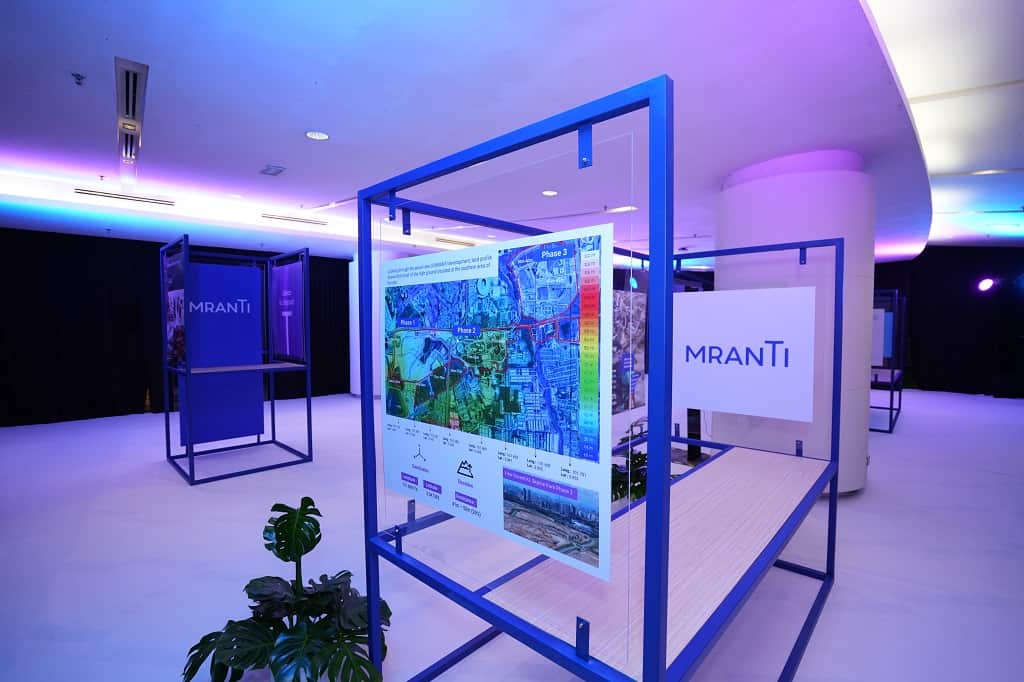
● MRANTI Park Phase 2 & 3: includes a Masterplan for land, leasing and property development that will cultivate Malaysia’s capabilities in 4IR – from IoT systems, end-to-end IP services and laboratory to contract manufacturing facilities with advanced technologies.

○ 5-acre Area 57 Centre of Excellence for UAV is the first and only park of its kind in Kuala Lumpur intended to help Malaysia achieve its goal to become one of the leading players in the drone technology industry in the global drone market which is forecasted to achieve US$41.3 billion in 2026.
Commercial zones: will infuse the elements of lifestyle, learning and business.

A Hyperscale Data Centre (HDC) will also be a core service that will support a host of technologies that will take flight in the coming years. HDCs would be one of the many tech sectors MRANTI will look to grow and cultivate within the AI Park. It is not just about housing HDCs but looking at the entire incubation of research and development players from academia and industry.

In essence, this is what MRANTI is about – bringing IDEAS TO IMPACT. Our goal is to create impact – so these can be recognised, appreciated and celebrated the world over.
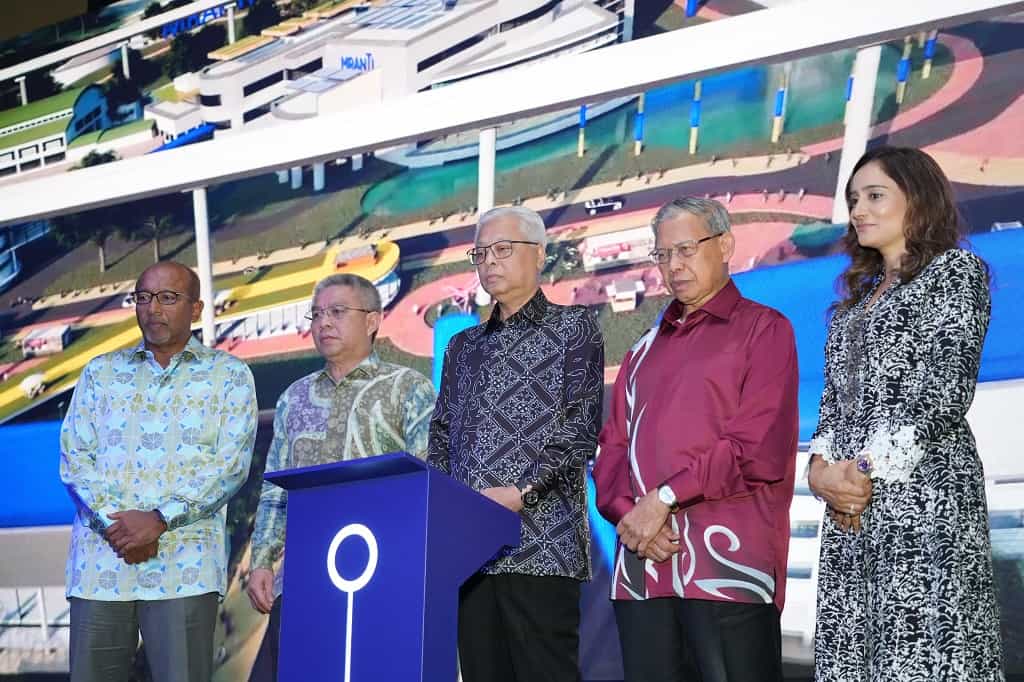
MRANTI Park2

SI: What partnerships are you looking to build, specifically what kinds of investments and investors are you looking to attract?

DAB: Past 12 months, partnerships with Huawei, Ericsson, Digital Nasional Bhd, SUKE TV and Telekom Malaysia – for 5G services, eServices, content and more in the pipeline.

Also inked MOUs with Malaysia’s premier public universities for research including Universiti Malaya, Universiti Teknologi Petronas, Universiti Sains Malaysia, Universiti Teknologi MARA and Multimedia University.

More updates are in the pipeline as we knock on more Technology Transition Office (TTO) doors to bring more research out of the lab into real life.

Through the NTIS, and within just a year, we have amassed a strong network of 35 Innovation Acceleration companies – leading technology multinationals, legal firms, financing partners, and various experts on board in 12 Sandboxes. And this list is fast growing! Synergy will be key for us to progress.

SI: What sets MRANTI apart from other government agencies?

DAB: MRANTI is the “glue” that brings together solution providers, such as researchers, startups and solutions seekers such as corporates. MRANTI enables a conducive environment for impactful discourse, exchange of ideas and a matching platform.

A key differentiator for MRANTI: the speed at which we connect Government with Industry, Academia and Civil Society – the ‘quadruple helix’ for an innovation ecosystem to thrive.
MRANTI Park5

SI: What are some of Malaysia’s innovations – commercialisation chasms that MRANTI is looking to address?

DAB: SUPPLY. We need to build a strong pipeline, as we have the talent and good inventions that have yet to find a clear pathway to market and eventual profitability.

TRANSITION: getting past the “valley of death” ie TRL4 to TRL6 – where a lot of drop-outs happen

OUTPUT: It is important to support commercialisation, including providing the correct infrastructure and development programmes in Malaysia’s journey towards becoming a tech producer.

SI: Are there specific industry sectors that you will focus on? Why these?

DAB: We are guided by MOSTI’s Dasar Sains & Teknologi Negara (DSTIN) or MySTIE 10×10 (10 high technology areas for x10 socio economic clusters). These are deemed high-impact areas with multiplier effects e.g strengthening local innovators; creating a high-skilled talent pool and quality employment opportunities; leveraging advanced technologies; and addressing pressing national and global issues.

MRANTI will also prioritise 4IR technologies involving blockchain, robotics, sensor tech, advanced materials and drones, among others. For example, in terms of Medtech, we will be developing a MRANTI Healthcare Cluster that will accelerate the exploration and development of work in healthcare and medical technology, offering capacity building programmes, laboratories and incubator facilities to conduct stress tests on ideas, prototypes, applications and various related innovations.

MRANTI Park will also feature a Sustainable Food and Agritech cluster which will feature:

i. a bioscience R&D lab with state of the art equipment and facilities
ii. an incubation garage to host commercialisation efforts of high potential food/agritech innovators
iii. a vertical farm infrastructure including IoT fertigation for urban farming systems

SI: What are living labs, maker labs, 4IR, etc which will be featured at MRANTI Park – and how does this fit into the end to end “R&D&C&I” scheme of things?

DAB: Early Stage: Ideation & Applied Research. Aimed for innovators at all ages, it is ideal for sandboxing smaller scale ideas, as well as tinkering of hardware and software in a dedicated space. It fosters a culture of learning by-doing, innovation, hands-on exploration.

Example: MakersLab – a 4IR-themed playground featuring a spectrum of IR4.0 focused tools, technologies and technology immersion programmes.

Mid Stage: Prototyping & Viability Testing. Getting past the labs into controlled environments for testing, validation, reiteration, etc. Example: Living Labs and Centers of Excellence: ie Drone, UAV.

Market-Ready Stage: Scaling Up & Commercialisation. This would encourage communities to gather for experiments and collaboration in order to increase local inventions . There’s also NTIS, GAP, GMP Programmes.

4 Things That You Should Know About ESG In Malaysia

ESG is rapidly transforming the business climate today and is constantly evolving. This is fuelled by growing concerns among investors and stakeholders who seek not only economic profits but social good. They want better environmental, social and governance (ESG) disclosures to help them understand how the company operates, makes decisions and creates value.

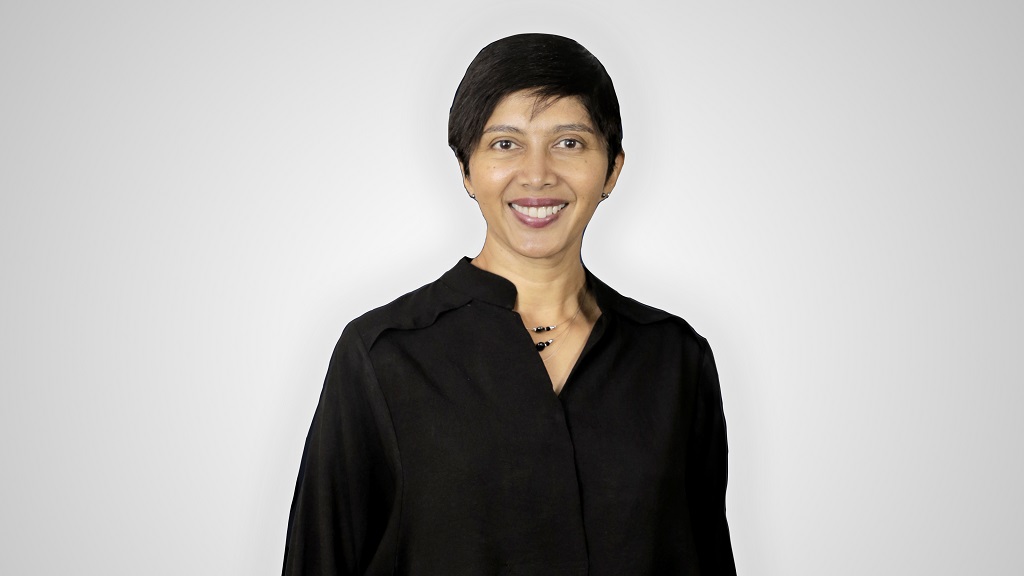
Smart Investor talks to Dr Sumitra Nair, Head & Senior Vice President Strategy & Policy, Malaysia Digital Economy Corporation (MDEC). She currently leads MDEC’s corporate strategy, planning, policy and ESG agenda. She is also one of the speakers at the prestigious ESG Evolve 2022 conference that Kexxel Group is organizing in KL on 6-8 December. We will talk more about the conference at the end. For now, let’s find out more about how MDEC is pioneering ESG in Malaysia.

Dr Sumitra Nair MDEC Photo 2
Dr Sumitra Nair, Head & Senior Vice President Strategy & Policy, MDEC

Smart Investor: What does ESG mean to you? Why is it important to your business, and how does it impact your industry?

Dr Sumitra Nair: ESG is about carrying out business in a way that is respectful to people and planet, and about generating profits ethically. This is important to ensure that businesses can carry out their operations in a sustainable manner. For example, operations of a business could be impacted by climate-related risks, or governance related risks, hence impacting business continuity. A sustainable business model also improves productivity by uplifting employee motivation and loyalty; and boosting talent attraction and retention. There is also increasingly strong evidence of a connection between good corporate practices and financial performance – an ethics premium. According to Ethisphere’s Ethics Index, the world’s most ethical companies outperformed a comparable index of companies by 24.6% from January 2017 to January 2022.

The Global e-Sustainability Initiative (GeSI)’s Digital with a Purpose: Delivering a SMARTer 2030 report estimates that digital tech can directly influence 103 out of 169 UN Sustainable Development Goals (UN SDG) targets. The same report has identified key technologies that have the highest potential influence on the world, and more specifically on the UN SDGs. These include high speed internet, Cloud, Internet-of-Things, Machine learning, AI, Digital Reality and Blockchain. Such technologies can help to reduce environmental impacts, as well as narrow socio-economic disparities, which strengthening transparency and governance.  

For example, from an environmental perspective, the effective use of digital technologies is projected to reduce global Green House Gas emissions by 15% by 2030, which translates to 1/3 of the global 50% target reduction. This is mainly through the use of digital tech solutions in the energy, manufacturing, agriculture and land use, buildings, services, transportation and traffic management.

Therefore, the digital tech ecosystem plays a very significant role in the agenda of ESG in Malaysia. It is also very much aligned to the recently-launched national strategic initiative, Malaysia Digital (MD), which seeks to increase the overall ecosystem value, sustainably.  

Group Businesspeople Fist Bumping Desk
Image by Freepik

SI: What are the key factors for successful deployment of ESG in Malaysia?

DSN: At a firm level, following are key factors for successful deployment of ESG in Malaysia:

  1. Leadership commitment is key. ESG must be driven from the top, ideally from the Board, top management and across the organisation.
  2. ESG culture and mindset – ESG should be seen as a way of doing business, rather than a separate function or set of responsibilities.
  3. Taking a longer-term perspective of business performance – over-emphasis on short term gains may impact a company’s ability to manage its ESG risks which may manifest in the longer term. For example, the focus on cutting costs in the short term, may result in non-eco-friendly or non-ethical purchasing decisions.
  4. Measuring and managing ESG impact – as the saying goes, “what gets measured, gets done”.  Similarly, defining and tracking ESG performance metrics is key to managing ESG impacts.

SI: What are the challenges that you faced?

DSN: This year, MDEC’s ESG focus kicked off with a focus on Climate change, which has been globally acknowledged as one of the most critical issues of our time. To this end, we recently launched the Malaysia Digital Climate Action Pledge (MDCAP), which aims to galvanise digital tech companies to commit specific actions to address Climate Change, and to support the decarbonisation of SMEs. At the same time, MDEC with our partners such as the UN Global Compact Malaysia and Brunei (UNGCMYB) will provide guidance and know-how to the digital economy ecosystem via a Digital Economy Climate Playbook, and training programmes.

These initial efforts are tailored to address some of the key success factors we have identified in our journey to encourage digital companies in Malaysia to adopt ESG practices. These include:

  • Raising the level of awareness and understanding about ESG amongst digital businesses
  • Access to resources to address ESG risks and compliance – e.g. funding, talents, etc.
  • Encouraging digital tech companies to create shared value through opportunities arising from ESG trends, for example, via digital innovations/solutions that help governments, businesses, or society to achieve ESG-related targets.
Sustainable Living Environmentalist Hand Holding Green Earth
Image by rawpixel.com on Freepik

SI: What are the key trends you see gaining traction for ESG in Malaysia?  What are the areas of growth amongst the pillars to look at in 2023?

DSN: Climate change is the most important topic that has been gaining traction in the past ten years. It is evident from World Economic Forum’s Global Risk Report that climate action failure and extreme weather conditions dictate global risk factors.

Hence why MDEC took a proactive approach to launch the MDCAP initiative to advocate climate action amongst the digital economy ecosystem.

Besides, social factors such as forced labour and livelihood crises of the B40 group have also gained a strong pull for ESG in Malaysia.

In 2023, we can expect other areas of the environmental pillar to grow, such as the carbon market, carbon tax and carbon offsetting, which involves carbon capture, storage and sequestration activities.

Regarding the social pillar, topic of diversity and inclusion in the workplace is growing in prominence, be it gender, age, ethnicity, or other forms of diversity.

“A green and safe planet, a happy and healthy community and equitable opportunities are the best wealth we can create for the future generation.”

– Dr Sumitra Nair

ESG EVOLVE 2022: Driving Catalytic Change For Business Sustainability

ESG Evolve 2022 Poster

Dr Sumitra Nair will share more insights on MDEC ESG at the ESG Evolve 2022 Driving Catalytic Change for Business Sustainability organized by Kexxel Group  which will be held on 6-8 December in EQ Kuala Lumpur.

SC Unveils Digital-Related Initiatives To Bolster Capital Market

The Securities Commission Malaysia (SC) today announced new digital-related initiatives to spur the growth of the capital market and help support the country’s economic recovery.

The initiatives will pave the way for further liberalisation of the capital market and allow Micro, Small and Medium Enterprises (MSMEs) and Mid-Tier Companies (MTCs) better access to funding to grow their businesses.

The new initiatives include opening the alternative financing markets to new players to cater for the growing demands by MSMEs and MTCs.

The SC Chairman Dato’ Seri Dr. Awang Adek Hussin said it is essential to support the post-pandemic recovery journey of MSMEs and MTCs in terms of their financing needs, as well as their continued innovation and growth potential. MSMEs and MTCs collectively contribute more than half of the country’s GDP and are integral to Malaysia’s future growth and economic sustainability.

“Digitalisation of the market is a key priority for the SC so that market participants are able to adapt to digital trends and use technologies which will promote innovation with new business models and products/services including broadening access to market-based financing in a more efficient manner,” he said at a news conference announcing four new initiatives.

The four initiatives are:

A. Scaling up MSME Access to Financing

Since the introduction of the regulatory frameworks for alternative financing platforms such as Equity Crowdfunding (ECF) and Peer-to-Peer (P2P) financing, these market-based innovations have broadened access to capital for MSMEs and innovative new businesses.

As of June 2022, a total of RM3.5 billion in capital has been raised through 41,000 successful campaigns by over 5,400 MSMEs since the frameworks’ inception.

To further harness the potential of ECF and P2P financing platforms, the SC will open new applications for the following:

1. Registration of new ECF and P2P market operators with Shariah solutions and value propositions

The initiative will catalyse innovation in Shariah offerings to further facilitate access to funding needs of MSMEs through alternative fund-raising digital platforms. Building on from the SC’s Islamic fintech accelerator programme (FIKRA), this measure will also enhance Islamic fintech ecosystem and further strengthen the Islamic capital market proposition. It also aims to foster the growth of MSMEs in the halal economy while allowing greater access to investments for all capital market participants.

2. Registration of new P2P operators focusing on the offering of debt-based financing instruments by MTCs and other larger companies.

The capital market plays an integral role in offering tailored and effective funding solutions to catalyse the growth of companies at every stage of their development. This measure will now allow MTCs to seek debt-based financing directly from investors, while reducing the number of intermediaries involved in the process.

Most MTCs have been largely self-reliant in financing their business growth, especially since they have outgrown existing financing avenues for MSMEs but are still too small for traditional public markets.

B. Encouraging innovation and building capabilities through digitalisation

Towards promoting and facilitating greater and faster digital transformation of the capital market, the SC is moving forward with its digital agenda to increase investor participation and develop more synergistic capital market ecosystems. The SC will introduce the following initiatives:

3. Registration of new Recognised Market Operators-Digital Asset Exchange (RMO-DAX) to facilitate regulated digital asset investments

As investment in alternative assets is becoming more prevalent, the SC continues to promote responsible innovation within the digital asset space, while ensuring adequate protection of the interests of investors. This initiative enables investors to invest via regulated avenues and facilitates the entry of platforms with differentiated value propositions.

Currently, there are only four RMO-DAX operators registered with the SC. Allowing more and greater variety of players to enter the market increases capital market vibrancy by widening the number and types of exchange platforms available for investors to invest in, and that is also safe and secure.

4. Establishment of a RM30 million Digital Innovation Fund (DIGID) to encourage digitalisation of the capital market

Recognising the key role that capital market intermediaries play in the evolution of the digital capital market and to invest in the industry’s future growth, DIGID will co-fund innovative projects that utilise technology to enable new and competitive propositions for the Malaysian capital market.

DIGID aims to encourage smaller capital market players to adopt innovative digital solutions and the development of industry-wide solutions impacting capital raising and investment activities.

Interested parties are invited to submit their applications beginning 1 January 2023. Successful candidates will receive funding on a reimbursement basis after meeting agreed-upon milestone deliverables. The funding amount will cover up to 70% of approved qualifying expenses, capped at RM500,000 per project.

Interested parties are invited to engage with the SC on applications for the digital platforms – ECF, P2P and DAX – from 1 November 2022. The updated guidelines and forms will be made available from 15 November 2022.

Information on the new measures, including guidelines and application forms, will be updated on the SC’s website. Interested parties are advised to periodically refer to the SC’s website and future announcements.

5 Reasons Why You Shouldn’t Pay Off House Loan Early

If you have some extra cash lying around, we tend to use it to pay off house loan early so that we won’t be bogged down with loans well into our retirement. This is because housing loan can now go until 40 years or until we are aged 70.

Isn’t it a good thing then to settle our debts earlier?

Well I’m sure you have heard of the term, bad debt and good debt. Bad debt refers to debt that has a high interest rate, such as credit card and personal loan. It can reach double figures, with credit card interest in the range of 15% to 18% per annum, while personal loan is around the 10% range.

The interest rates are kind of fixed, so if you have extra cash – it is better to clear off your credit card and personal loan. Unless you can find an investment that can give a return which is higher than 18%. And consistently giving out that kind of high returns.

Whereas a good debt is having an interest rate that is low, but appreciates in value. Just like a house is. The current interest rate for loans in Malaysia is 4% to 6%, but your house value could go up by 10%.

If you have bought a house in the 1990’s or 2000’s, the house price have increased several times over.

So here’s a few reasons why you shouldn’t pay off house loan early.

1. Low Interest Rates

IStock 915462642

Yes, the primary reason is that the interest rate for housing loan is one of the lowest, if not the lowest. Compare that with the double digits that a credit card or personal loan, and you know that you are using loans for a good thing.

You should just enjoy the facility that the banks have given you, and take full advantage of it.

2. Invest For Higher Returns

Let’s say you have extra cash around RM100,000 and are considering to dump it all in your housing loan. But there’s a potential to make 8% return on the investment, which gives you an extra RM8,000.

In this case, you should go for that investment instead and let it compound annually. Using Rule of 72, the RM100,000 would have doubled to RM200,000 after nine years, provided that the 8% return is consistent throughout the years.

You shouldn’t pay off house loan early, if you can find a good investment.

3. Higher Return On Equity

Financial Investment Stack Coins Finance Investor With Trading Graph Growth Banking

For example, a property worth RM1 million which gets a rental income of RM50,000 a year, is fetching a 5% yield. If you buy the property without a loan, your return rate is 5%. When you get 90% financing from banks, your equity is RM100,000. So your return on equity is 50% (RM50,000/RM100,000). 

If your rental yield of 5% plus all future capital appreciation is higher than the mortgage interest, the leverage effect allows you to get a higher return.

As you slowly pay down your outstanding principal, you build up the equity of the property. With a higher stake, your return rate comes down. That’s the reason that the more you pay down your mortgage, the return comes down too due to lower leverage.

4. Extra Payment Not Liquid

The equity value or extra funds that you put in your property is not liquid. You can’t take it out straight away, like you normally would when putting in your savings account. You might need to wait few days or weeks to cash out.

Another way to unlock your property is by refinancing. But this would involve a new loan agreement, legal fees, admin fees etc. And by the time you get the money, it will be a few months later.

That’s why you shouldn’t pay off house loan early, since you can’t take it out easily.

5. Tax Benefit

Magnifying Glass Stands Vertically Light Background With Text Tax Exempt

When you have rental income on a property that still has a loan, you can write off the mortgage interest when filing taxes. So the more you pay off the principal, the less interest you can deduct. Therefore, you might end up with more tax liability.

That’s Why You Should Not Pay Off House Loan Early

Now you understand why you should not pay off house loan early?

Make sure you also read these:

Investment Risk Management With 6 Simple Ways

Every investment comes with its own risks. If someone told you to invest in an investment that doesn’t have any risk, then you better run away. But what if there’s a way for better investment risk management?

Let’s see at some of the ways to manage risk as per below:

1. Age

Group Excited Casually Dressed Men Women Posing With Hands Up

Basically the younger you are, the more risks you can take. This is because you can afford to make mistakes while you are still young. But the older you get, the closer you are to retirement age, then you can afford fewer mistakes.

When you are in your 20’s or 30’s, go for riskier investments such as crypto, equities and futures market. Embracing the ‘high risk high return’ concept, you should be able to take on higher risks.

But when you are in your 40’s or 50’s, and with 10-20 years left of working life, then you should be looking at more stable investments that are not high risk and not having low returns. Investing in robo-advisor, ETF, unit trust, REIT can give a rather consistent return if you stay invested for the rest of your 10-20 years before retirement.

Read: Best Tips on Financial Planning for Fresh Graduates

Let’s move on to the next step in investment risk management.

2. Current Family Situation

When you are single and young, you have less commitment and can tolerate more risks. You have a lot of time to learn, study and grow compare to someone who is already retiring.

If you are a young and newly married couple, you should also be able to tolerate more risks towards achieving your financial goals. 

However, couples contemplating divorce and couples with many kids should be more risks adverse and opt for lower risks.

3. Current Income Source

Wife Showing Her Husband New Tv They Are Gonna Buy Their New House

If you and your spouse are both working, then you can invest in riskier investment vehicles for a better investment risk management.

For example, the one with the more stable income, with good employment medical and retirement benefits can enable the other spouse more flexibility and take more risk for higher investment returns. Or you can also consider starting a new business which can pay off handsomely.

But you should also consider your commitments and expect the worse, just in case the investment doesn’t go well.

Whereas for families that only have one breadwinner, you shouldn’t be taking higher risk when it comes to investment.

Read: 3 Ways To Increase Your Source Of Income

4. Extra Cash

The rule of thumb when it comes to investing is that you need to have an emergency fund first. Once you have six months of your monthly salary being put aside, then you can take on higher risks with your investments.

If you don’t have an emergency fund, then you shouldn’t be taking high risks. Think of an exit plan and play out the worst case scenario.

But if you have huge debts, especially credit cards and personal loan, then it is better you clear off the debts with higher interest rates first.

Take for example credit card that charges 15% to 18% per annum, can you find a ‘safe’ investment vehicle that can give you more than 18%?

If no, then it is best if you settle your outstanding credit card debts before moving on to higher risk investments.

5. Protection

Blur Hospital

Another good way for investment risk management is to take a good look at your protection’s coverage. Make sure that you are well covered for unexpected events such as sickness, hospitalization, disability or premature death.

Ensure you already have sufficient insurance coverage, before undertaking higher risk investments. Because your family can be spared from a financial disaster should something bad were to happen to you.

Read: Should I Give Up Paying Insurance Premiums In Difficult Times?

6. Sleep Easy

The final step in investment risk management, is how well you can sleep at night, and not having to worry about how your investment is doing.

It is not worth to invest in high risk assets when you are concerned about it losing value, let alone losing your sleep over it.

Will you be able to survive should it collapse and you lose all your money?

If the answer is no, then you should be investing elsewhere that can give you a peace of mind.

You Are In Control Of Your Own Investment Risk Management

At the end of the day, you know yourself better than everyone. Once you know your risk profile, then you can better manage your own investment risk management. If anything, do your own due diligence before investing your hard-earned money.

Make sure you understand the risks involved, and don’t only focus on the potential return that it might bring.

4 Money Personalities, Find Out Yours

Have you ever met people with different money personalities? These can be your spouse, parents, colleagues or friends. Is there a single best money personality that each of us should adopt? During a recent wealth seminar that I attended, I learned about these four main types of money personalities.

Come let’s check out your money personality.

1. The Money Saver

Money Saving Jar Arrangement

This person always feels insecure and wants to save as much as possible. It may be due to past experiences where these individuals have encountered financial difficulties, therefore they have this belief that it’s hard to earn money. Thus, it’s always good to set money aside for rainy days. I would agree that saving is a good habit to inculcate.

However, if you just save money alone without spending appropriately, then you may miss out on some great experiences in life such as travelling or other fun activities. What’s the purpose of saving then, if we don’t spend it wisely on things that matter to us while still achieving our long-term goals?

Read: Saving vs Investing, Should I Save Or Invest?

2. The Money Spender

Close Up Selective Focus Hand Male Holding Multiple Shopping Bag

This person always wants to buy things and must have the latest gadgets in town. They’ll buy whether they need those items or not and find fulfilment in spending their money. They may or may not have the money, but they’ll always have things to buy when they’re out for shopping. Now it’s even more convenient to spend money via various online shopping platforms available on our smart devices.

On the contrary, some may have the “you only live once” (YOLO) mentality. This personality of people rather spend their money now rather than delaying it to their later years. However, spending without proper planning and budgeting will cause you to regret it down the line when you no longer have any in flow of funds, as many people don’t have enough retirement savings for their later stages.

Read: How to Save Money in Malaysia – RM1 Million Goals

3. The Money Avoider

Close Up Portrait Serious Young Asian Woman

This person is not comfortable talking about money and never pays attention to their own personal finances. By not learning and understanding about personal finance or how to manage their money, these individuals may not be able to secure their financial future.

Not learning about managing money will have serious consequences in life. These personality types often conclude that they’re not good at personal finance. It’s important for this group of individuals to learn about the basics of savings, investing and protection so that they can take more control of their life and be able to reach their own financial security or financial independence.

Read: 6 Ways To Deal With Inflation

4. The Money Monk

investment

Money monks are individuals that believe that money is the root of all evil or have preconceived negative beliefs about being rich. For example, they may have the belief that rich individuals are greedy and evil.

However, these rich individuals can make a bigger impact on society by having businesses to solve problems that we’re facing. Some wealthy individuals also channel part of their wealth into philanthropy or contribute money and time to tackle major problems affecting the world.

Read: Debt-Free vs Retirement Savings: Which to Prioritise?

4 Money Personality, What’s Yours?

Which of the above personalities is closest to your current habit of spending money? Personally, I don’t think that there’s one personality that is better than the rest. For me, it’s all about having that awareness of your current money personality.

What do you need to change about your current money personality? Do you need to read more books about managing money? Or signing up for classes or to seek help from financial professionals to guide you in your money management?

However, I think you should choose the right money personality that suits your current situation as it can change depending on your circumstances in life. It’s more important to have a balanced personality in managing your money so that you’re able to reach your financial goals and live the life that you desire!

About the Author

Goh Chee Yong

Goh Chee Yong is a Licensed Financial Planner under Capital Markets Services Representative License (CMSRL) and Bank Negara approved Financial Advisor Representative (FAR). Prior to becoming a financial advisor, he spent eight years working in Big 4 audit firms and multinational corporations. He can be contacted at cygoh@imaxfinancial.com.my

Are Alternative Investments Right For Me?

Bored of the usual investment vehicles such as stocks, ETF (Exchange Traded Fund), bonds, unit trusts, robo-advisors, properties and the rest? Looking for something else?

With alternative investments, there are plenty of other options that you can consider to invest in. But just like any other investments, don’t just go
diving in without first taking the time to understand what it’s all about.

Warren Buffett reminded us that we must not invest into something that we don’t even understand. Otherwise it will be just like gambling, rather
than investing.

You have to know yourself first, know your risk tolerance, know how much capital that you can invest, whether it is a lump sum or you can invest every month. With this knowledge in hand, you will be able to sleep soundly at night. Because you then understand what investment is all about, the risks involved, and the potential return from the investment over the years.

Why Alternative Investments?

Normally an individual will start looking for alternative once he or she have exhausted the current options. Which usually means that the person
have already invested in traditional investment vehicles such as the stock market, unit trusts and properties. It is mainly a strategy to further diversify their investment portfolio.

Or it could also be that the current investment options that are available could be the investment horizon is too long or the potential returns are not
high enough. There’s no stopping you from going for alternative investments, as long as you know what you are getting yourself into.

Read: 5 Investment Tips For Beginners That You Should Know

What Is Alternative Investments?

One of the popular alternative invesments is peer-to-peer (P2P) financing. It allows entrepreneurs and small businesses to unlock capital in small amounts from a pool of individual lenders. It means that you can borrow money without having to go through a bank.

There’s also equity crowdfunding (ECF) which is an innovative form of alternative fundraising that allows small businesses to raise capital from
the public. As you may have noticed the word equity here, this means that the investors will get some equities, which effectively makes them
shareholders of the company.

Both P2P and ECF are alternative sources of funding that offer access to fi nancing to the micro, small and medium enterprises. They disrupt the traditional banking system by enabling businesses to obtain capital from a pool of investors via an online platform.

The key difference between P2P financing and ECF is that in ECF, you become a shareholder of the company that you invest in.

Of those considering alternative investments, cryptocurrency is currently gaining attention as the most popular asset class. It started with the birth of Bitcoin in 2009, and it has also been referred to as digital gold.

Asset Classes 2021 Performance
Source: https://www.visualcapitalist.com/how-every-asset-class-currency-and-sp-500-sector-performed-in-2021/

Last year Bitcoin’s performance outperformed every other asset classes and was the biggest winner, however this year, the crypto market comes
crashing down. From its height of US$69,000 in November 2021, to the low of US$17,500 in June 2022, it is defi nitely not for the faint hearted.

Then who could forget how Luna (one of the top 10 cryptocurrency at the time) lost almost 100% of its value in just a few days time. It sent shockwaves through the market and this leads to panic all over.

Read: Crypto Investment: A Very High Risk Game, Are You Sure You’re Up To It?

High Risk High Return

We all heard of the concept, ‘high risk high return’. One of the reasons that alternative investments are gaining popularity, is on the high return aspect of it. But are you willing to take the risks associated with it?

High risk investments can be a part of your investment portfolio as it can help grow your wealth. However, it is crucial to understand the existing
risks involved and decide whether it is aligned with your investment objectives. Finally, remember not to put all your eggs into one basket to ensure
you minimise risk to your capital.

Do take note that your risk profile, commitments and requirements may also change throughout the years and you may want to adjust your investment portfolio and exposure to high risk investments accordingly.

Read: Serving The Underserved MSMEs Market With Digital Financing Investment, Now With Guaranteed Returns

Emergence Of Tech-Based Financial Planning Solutions – Is It A Threat Or An Enabler?

Islamic finance is growing at a remarkable rate. The impressive performance of Islamic finance is due to the vigorous development of infrastructures focusing on financial support in the industry. Malaysia is a hub for Islamic finance with the dominant sectors being Islamic banking, takaful and Islamic capital market, which includes Islamic financial planning solutions.

With the growing demands for modern-day Islamic finance, Islamic financial planning solutions is seen as a service that best caters to these ever increasing needs and covers the wealth cycle to cater to the financial needs of individuals.

Muslims may obtain advice and benefits from Islamic financial planning professionals on a wide range of issues, including cash flow and risk management, investment, self-managed retirement funds, zakat, taxation, takaful and legacy planning. All these tasks require specific knowledge and expertise in legislation, regulations, and market practices.

Unnerving as it may sound, the importance of Islamic financial planning once again received sporadic attention when COVID-19 severely impacted many Malaysians, especially Muslims. The Movement Control Order (MCO) caused many people to contemplate having proper and structured emergency funds – prompting them to undertake financial planning.

Technology – Emergent Requirement

Big Data Technology Business Finance Concept

Technology is everywhere and evolving rapidly. Whether we are financial planners or consumers, it will become harder to thrive and survive without technology in constructing holistic financial planning solutions. According to McKinsey Global Survey, consumers have moved dramatically towards technology during the pandemic. The survey results confirm the rapid shift toward interacting with customers through digital channels.

A piece of automated advice on financial planning solutions and applications is no longer (by right) a threat to financial planners, but rather an enabler for the industry to be competitive. The well-informed clients call for a wide selection of economical and practical financial planning solutions, whether online or through a mobile platform. Responding to this type of consumers, it is imperative to adopt financial technology as a channel for distribution.

Technology is an agnostic tool that can significantly change the financial planning industry. By using technology, financial management’s efficiency and effectiveness will increase, making it easier for customers to deal with financial institutions through various activities and financial products.

On the other hand, technology in the context of Islamic financial planning must be seen in compliance with Shariah guidelines.

The Role Of Technology In Islamic Financial Planning Solutions

Double Exposure Businessman Using Tablet

It is essential to understand that financial planning solutions is not simply limited to the distribution of inheritance upon death, buying family takaful or investing in unit trusts. Developing a comprehensive financial plan is a personal journey for a true Muslim, and an excellent Islamic financial planner plays a critical role in this process.

The client needs to have confidence that financial planners are up-to-date on the current financial planning landscape and current Shariah-compliant financial technology (fintech), diversification of halal investment selections via digital platforms, and other latest solutions to be considered.

As technology advances, we have been able to automate parts of financial planning services, with vast improvements in the tracking of documents and records of advice. Access to information and keeping clients well-informed regarding their investments are part and parcel of technology’s role. However, without technology to complement, one might find things a little hard going as we drift deeper into the 4th Industrial Revolution.

To overcome the industry’s technology disruption, financial planners must be nimbler to apprehend new technologies and employ them for innovation on existing solutions that are in great demand.

For example, a few years back, the emergence of robo-advisor was regarded as a threat in the financial services sector. A robo-advisor is an automated platform running with a computer algorithm functioning to manage assets in investment. During that time, people were uncertain about the role future human advisors would fulfil as usage of robo-advisors gained traction.

Threat Or Enabler?

Confident Business Muslim Woman Their Mission

The COVID-19 pandemic is the most significant catalyst for digital transformation, and this change will lead to exciting insights into Islamic financial planning that will reshape its approaches. Technology can never entirely replace a human’s touch and skills.

In years to come, both humans and technology are vital to serve clients better and modernise our financial planning profession. Technology exists to support, simplify, and create efficiency, instead of threatening the industry. Technology allows financial planners and clients to have a more engaging and meaningful advice conversations.

A more robust framework of competency and consistent efforts for Islamic financial planners, including technical knowledge on the latest technology, would develop a more agile professional, who will safeguard the public’s interest, uphold the industry’s professionalism, and ultimately receive the rewards in the Hereafter.

About the Author

Dr Haji Shahizan Haji Md Noh

Dr Haji Shahizan Haji Md Noh is a licensed Islamic Financial Advisor (IFAR) for ASWA Advisory. He obtained his Doctor of Philosophy in Economics and Muamalat Administration from Universiti Sains Islam Malaysia (USIM). He also holds a Certified Qualification in Islamic Finance (CQIF) from IBFIM and Islamic Financial Planner (IFP) from the Financial Planning Association of Malaysia (FPAM). As an experienced practitioner, he has served numerous institutions in different aspects.

Navigating The Challenging Global Equity Markets

With the rise of inflation and higher interest rates, it presents a challenge to investors all over the world. It is also challenging to find good investments these days.

Smart Investor spoke to Datuk Wira Ismitz Matthew De Alwis, Executive Director & Chief Executive Officer, Kenanga Investors Berhad to find out more about the challenging global equity markets as well as his thoughts on alternative investments.

Ismitz Matthew 0011 Final New

Navigating The Challenging Global Equity Markets

Smart Investor: What are the challenges that you and the investors are currently facing, now that we are witnessing the rise of inflation and higher interest rates?

Datuk Wira Ismitz Matthew De Alwis: Global equity markets have been particularly challenging in recent times, due to rising inflation, monetary tightening and geopolitical conflicts. As the post pandemic re-opening has progressed across the globe in 2022, many have felt the effects of higher infl ation due to the clash between a rebound in demand and supply shortages.

The global equity market was further weakened by the Russia-Ukraine geopolitical conflict. In response, central banks have tightened monetary policy in an effort to control the rise in inflation. These factors have negatively affected asset prices, as liquidity is drained from the system and the cost of capital increases.

Globally, companies have been affected by high inflation rates through both rising cost and lower demand as consumers scale back on discretionary spending. Local companies were also impacted, especially those companies with export-based revenue and those that have imported raw materials. Additionally, rising risk aversion also dampens fund flows and general investor sentiment.

Generally, we have adopted a defensive portfolio stance in light of the challenging global equity market, with over-weights on sectors that have pricing power, resilient demand and will also benefit from higher interest rates. These include selected companies in the financials, consumer and industrials weakness as an opportunity to deploy capital to companies where long-term fundamentals still remain solid such as the technology sector.

SI: Is it still a good time to invest in stocks or unit trusts, despite the challenging global equity market? How to select the good ones to invest for long term?

IMDA: Unit trust funds remain an excellent choice of investment as it has a low entry point, provides diversification at a reasonable cost, and is usually expertly managed by licensed professionals. There is also an abundance of choice when it comes to unit trusts as investors can select their pick based on their risk tolerance and investment objectives.

More recently, due to the surge in interest towards impact investing, investors have also begun to divert their attention towards businesses that aim to generate specific beneficial social or environmental effects in addition to just financial gains.

Aside from that, factors such as fund strategy, asset allocation, and sector allocation will also come into play during the investment decision process. Ultimately, investors should perform their own due diligence on all the variables laid out in front of them, and make an informed decision to pick the investment tool that would best suit their own personal objectives.

SI: Why would anyone be interested to invest in alternative investment such as P2P, ECF and crypto?

IMDA: Alternative investments can offer investors several traits that are not commonly found in traditional investments such as equities or bonds. These typically include one or more of the following attributes: long term, high risk, or illiquid investments that are associated with higher returns; low correlation with traditional assets to deliver diversification benefits; inflation-hedging benefits; and scalability.

Alternatives will be able to encompass a wide range of asset classes, including private equity real estate and private equity infrastructure funds, secondary funds, and private debt funds. Just like the traditional counterparts, alternative investments also differ from each other from its volatility, risk, and returns.

Cryptocurrency is the current trending topic no matter the age group from millennials to experienced investors. It is especially popular due to its nature (low fees, unaffected by fluctuating interest rates and a global market place without geographical restrictions) and the rise of popular tech culture in the media. Its rising popularity can also be attributed to its innovative blockchain technology, which promotes extreme security for its users and offers unrivalled transparency in the case of its fully auditable and accurate ledger of transactions.

On the other hand, it is also widely famous for its outrageous volatility, as seen in the recent meltdown of TerraUSD (one of the world’s largest stable coins) which is seen as the less volatile variant of cryptocurrencies**.

My most repeated advice to anyone wanting to dive into any forms of investment is to always conduct their own research regardless of experience level, as it is their own money and their sole responsibility to know where it is being invested into. Tune out the noise in the market and focus on reputable news to formulate your own conclusions. Consistent self-education is one of the most powerful tools anyone can practice as it enables us to not solely rely on third-party information which may or may not provide us with a false sense of the market.

**Source: https://www.wsj.com/articles/terrausd-crash-led-to-vanishedsavings-shattered-dreams-11653649201

SI: What does Kenanga Investors have to offer in terms of alternative investments? Is this something that the company has yet to explore?

IMDA: As the alternative investments pioneer within the Malaysian market, we are able to offer sophisticated and diversified investment instruments for the modern-day investor. From the conservative to the more dynamic investor profile, our alternative instruments are an additional source of uncorrelated returns, the key to success being a delicate balance of the right manager and the right strategy in line with one’s investment profile.

For Kenanga Investors’ Alternative Investments, we do look at various opportunities and asset classes. E.g. private equity (direct investments into private companies), wholesale funds (launch of Kenanga Sustainability Series, with the most recent being the Kenanga Sustainability Series: High Yield Bond Fund, the Kenanga Global Unicorn Series and the Kenanga Global Multi Asset Fund) and asset-backed high-yielding notes.

From investment advice to bespoke alternative investment portfolio management, our expertise lies in alternative strategies with varying degrees of liquidity to complement or bolster an investor’s existing portfolio.

We are confident that our growing presence within the alternative space has added depth to the products and services offered to our investors, enabling both retail and institutional investors to capture market opportunities in a volatile environment.

SI: With so many legitimate investment schemes out there, why do you think people still fall for scams?

IMDA: Some people still fall for financial or investment scams regardless of the amount of legitimate investment schemes due to one crucial factor, lack of patience. They are often discouraged by the slow process of capital gains or accumulation of returns in legitimate investment schemes.

Therefore, when a get-rich-quick scheme presents itself, they often fall to temptation and suffer high amounts of losses to their valuable savings. These scams often exploit the human weakness of instant gratification where they promise quick and higher returns.

SI: What are some of your plans in the near future?

IMDA: Since 2021, we have steadily been releasing a series of funds that follows Kenanga Investors’ sustainable and socially-responsible investing roadmap such as the Kenanga Waqf Al-Ihsan Fund and our suite of multiasset products, Kenanga Sustainability Series. The Series was conceptualised in wake of the ever-growing demand for ESG adoption among companies by investors, especially post pandemic.

We are excited for the future as we will be introducing fresh new funds in the KSS line-up which will further provide our investors with a more robust portfolio stemming from ESG analytics which captures new opportunities aside from standard qualitative and quantitative metrics. In respect of this, we are also looking to enhance our Shariah-compliant investment experience by adding value-added products and services to stimulate the local impact investing landscape.

Alongside our intention to have more ESG products in our lineup, we will also be looking at converting existing selected funds (both global and domestic) to meet the threshold required to qualify as ESG relevant.

With multiple successful product launches, a dedicated team of professionals in deal sourcing and idea generation, and an intricate network of relationships with expert alternative partners all over the world, we have achieved what we set out to do, bridging the gap between retail investors and more sophisticated forms of products which were previously only available to institutional or accredited investors.

The Importance Of Family Foundation When Trust Crumbles

The following story is based on an actual series of events with some names and circumstances fictionalised and any similarity to the name, character or history of any person is entirely coincidental and unintentional. We will be looking at how a family foundation can help when trust crumbles within a family.

Uncle Tan was shaken. It had just been revealed to him that something was not right in the books of the family’s hardware business.

“It can’t be!” Uncle Tan was in denial even though San, the third of five children, showed him the books where the numbers didn’t add up. What was unbelievable to Uncle Tan was not the books but the accusation that Da Ge, his eldest son, has been putting his hand in the till.

Business Runs In The Family

Businessmen Businesswomen Meeting Brainstorming Ideas

Patriarch Tan has been happy and contented with Da Ge ably stepping into his shoes. As what one steeped in traditions would want, his number one offspring fitted to a ‘T’ the role of running the family business so that the 72-year-old founder could take a back seat and enjoy his golden years.

Seeing how Da Ge has taken the bull by the horns in steering the company through some hiccups in business, Uncle Tan’s confidence in Da Ge grew over time and he showed his pleasure by giving his trusted son a free rein in the operations of the business.

He was also contemplating on rewarding Da Ge with the largest share of the equity of the company and the rest, equally among the other son and three daughters. This, he felt, would sort of make up for the lack of attention for his first-born who grew up with scant fatherly love and attention.

As one not attuned to showing affection, he neglected Da Ge and just focused on building up his business in his younger days. To him, his affection could be shown later by rightfully transferring his significant wealth to the eldest male offspring.

And as Da Ge won his father’s heart with his business acumen, it blindsided Uncle Tan to his wayward ways. Easy success and access to cash from business transactions got to Da Ge and he became a spendthrift, splashing his money on wine, women and song and ego-tripping with his growing popularity and following by his cohorts of fan-friends.

Tackling The Root Cause

Silhouette Asian Couple Is Fighting By Windows

San got wind of the missing cash from his former classmate, who was keeping books for the company. After trying to talk to his brother but to no avail, he decided to bring the matter to his father.

Knowing that his father would be in disbelief that his trustworthy son would be capable of endangering the financial health of the business, San thought it was best to go to his father with a solution rather than just the problem.

He knew his father would be more receptive to a proposition for the betterment of the business rather than be presented with the problem that stemmed from his ‘trustworthy’ son.

He could see that his father, when troubled that the foundation of trust had crumbled, welcomed his proposition that offered a solution. The older Tan was eager to meet San’s estate-planner friend to find out more about Family Foundation which would better resolve matters with Da Ge. He finally agreed to establish his own Family Foundation with a set of values and rules that ensured continuity and protection of capital.

A Family Foundation can be established to hold and manage assets for the benefit of your family. It offers the benefits of a Trust and the structure of an independent company with protection of assets not available in others.

The Importance Of Family Foundation

Asian Extended Family With Baby Toddler Posing Together Around Couch Home

For the Tan family, the Family Foundation offered an immediate resolution of the delicate situation rather than leaving the decision making on family business matters solely in the hands of Da Ker.

The Founder of the family business, in this case Uncle Tan, can assume the role of Chairman of a Council to be set up under the Family Foundation. His five children can be appointed as members of the Council, who will be charged with managing the Family Foundation.

Decision Making

The Council assumes the task of decision making for the family business through the Council members’ vote of resolutions tabled for their consideration. This effectively makes it a collective decision-making involving relevant members of the family including the Founder instead of resting it in the hands of a sole family member.

Family Governance

Family governance is possible with the crafting of a Family Charter and the formation of a Family Council as it effectively becomes a platform or a forum for Family Council Members to voice their views, thus avoiding miscommunication or misunderstanding pertaining to the family business. It also facilitates the establishment of common rules and procedures to follow to minimise any possible disputes.

Ring Fencing Family Wealth

The Family Foundation serves as an essential instrument to safeguard business succession only among family members. This is achieved through ring fencing that keeps out outsiders and unwelcomed parties. This preserves the family business for the multi-generation of family members.

Wealth Distribution

Through deliberation and consultation, the Council can agree to a mutually beneficial wealth distribution formula. This pre-determined formula of shareholding in the family business based on identified scenarios will avert any possible future family squabbles that can break up the family.

With Uncle Tan having his say and expressing his wish on succession and wealth distribution, his children being part of the decision-making process will see the distribution as fair.

Comprehensive estate planning solutions such as the above can be achieved by consulting an experienced estate planner working with an established company such as Rockwills.

About Rockwills International Group

Wisma Rockwills

Rockwills International Group, now in its 27th year, pioneered professional will writing in 1995 and has since evolved into the leading estate planning specialist in the country. It is today the largest provider of solutions and support services in the areas of trusts, succession, management and distribution of wealth. It has shareholders’ funds exceeding RM50 million. It has done over 280,000 wills and 15,000 trusts and hold more than RM25 billion in assets under trust.