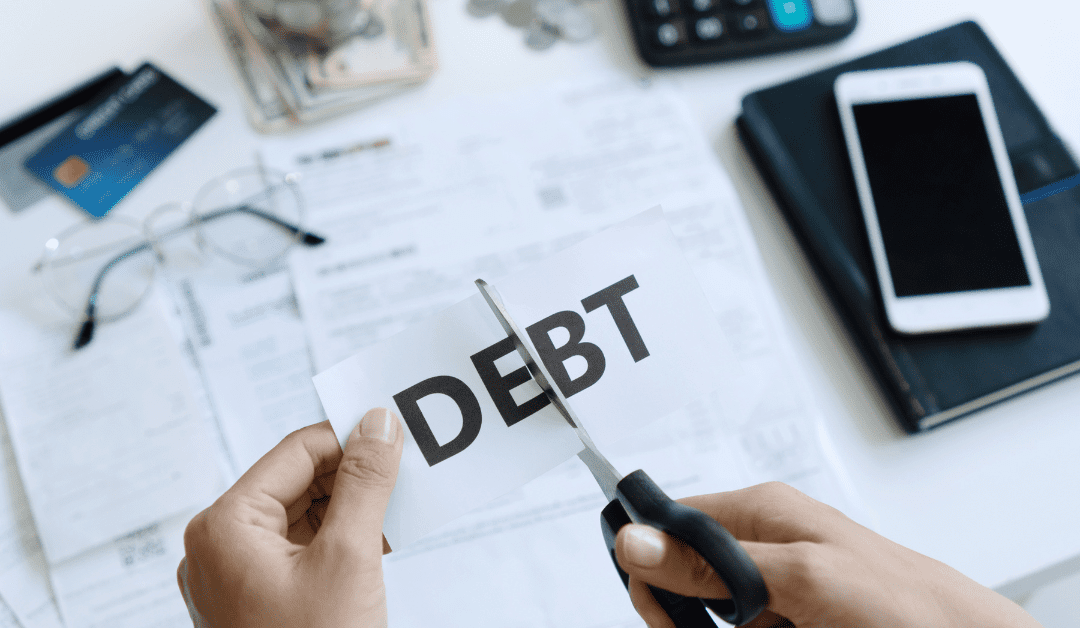
Home loans and home loan applications may be complicated, with changing interest rates, bank policies, and government regulations. These and other factors lead to constant movement in what a lender can and can’t accept. As a result, countless Australians reach a point where they must shift lenders to take advantage of a better mortgage available elsewhere.
“Refinancing is tricky and time-consuming. Thus, it’s important to determine whether or not this choice is viable for you. Refinancing your mortgage is a big financial choice you’ll have to make. If done correctly, it can save you a fortune in the long haul.” says Shane Perry of Max funding—Australia’s leading second mortgage loan provider.
If you’re trapped in the same situation, take a closer look at these five tell-tale indicators that you need to refinance your home mortgage loan:
1. Low Rates On Offer
People refinance their mortgages for various factors, one of which is the availability of low-interest rates. Interest rates fluctuate a lot, so don’t pay too much attention to everyday fluctuations. When considering refinancing, it’s a good idea to keep an eye on the trends. Similarly, it’s critical to compare your current mortgage interest rate to the rates offered by mortgage lenders.
2. Your House Is Now Worth More Money
Secondly, you may choose to refinance if you’ve made significant renovations or improvements or the value of the homes in your neighbourhood has increased. Also, you may consider refinancing, particularly when you have a massive personal debt such as credit card, personal loans, etc., that you’d want to combine to payout or consolidate.
However, note that if your house’s assessed value improves, your home equity will likely rise, giving you greater borrowing capacity.
3. Your Income Or Credit Has Improved
Your income and credit score mainly determine the interest rate on your mortgage. Refinancing can help you get a better rate if you’ve earned additional income or your credit score increased after closing your mortgage.
4. Your Arm (Adjustable Rate Mortgage) And Mortgage Interest Rates Are Increasing
The combination of an ARM with rising mortgage interest rates is not a desirable match since it may substantially raise the total cost of your house when rates increase. If you find yourself in this situation, you should consider refinancing and switching to a fixed-rate mortgage.
5. You Want To Remodel Your Home
People who consider refinancing and get cash out often do so for various reasons. Home equity loans let homeowners borrow money against the value of their houses. You can spend the money to remodel your property and make changes to enhance its long-term worth.
Is Home Mortgage Refinancing Right For You?
Mortgage refinancing, along with many other financial transactions, is complicated and needs careful analysis by homeowners seriously considering it. Consider the signs listed above and connect with a trustworthy lender to get immediate answers to your questions. This will assist you in deciding whether or not refinancing is suitable for you.
An innovative legal tech developed by lawyers is changing the divorce landscape in Malaysia while simultaneously supporting the Malaysian government’s goal of increasing the adaptation and use of technology across as many industries as possible.
Launched early this July, Klik Divorce is the country’s first digital divorce platform and was created with the primary intent to ease the pathway of those seeking legal avenues for the dissolution of marriage.
It was developed by lawyers Dato Fion Wong and Dato Chris Chin, both strong advocates for the adoption of technology in Malaysia’s legal industry and also the founders of Malaysia’s First A.I. legal assistant Askaila, that was launched last year.
Dato Chris Chin and Dato Fion Wong
Through Klik Divorce users can build divorce terms i.e. spouse maintenance, child custody, maintenance and visitation rights as well as the division of matrimonial assets. With just one click, divorce papers are immediately generated for printing and signing. If the divorcing couple mutually agree on the terms, the whole process takes only about 5 minutes. The law firm can then review the papers and prepare them for filing in the Court the next working day.
Meanwhile, those who encounter challenges or need help to facilitate settlement agreements, can engage the service of a lawyer; online or in-person.
That, in a nutshell, is divorce in the digital age.
Klik Divorce offers two key positives amidst the pains of divorce proceedings, namely time and cost savings.
“Many people are unable to afford the legal fees for divorce, especially with today’s increasing costs of living. Additionally it can take anywhere between 6-12 months for terms to be discussed back and forth before the divorce is filed in court,” says Dato Fion.
“Adopting legal technology to execute simple manual tasks can save a lot of time and reduce costs which make legal fees affordable to more people. This also enables lawyers to dedicate more time and effort to develop the law.”
Klik Divorce is especially beneficial for uncontested divorce cases. Not only does it make the process faster and smoother, it also leads to quicker settlements, freeing up judiciary workload and court time. As the first legal online service in Malaysia, it also sets an example and paves the way for more digitalised services.
Dato Fion said that despite receiving encouraging and positive feedback from users, there are unfortunately lawyers who continue to openly resist the adoption of this platform.
“Nevertheless, despite the obstacles that lie ahead, we are determined to drive Malaysia’s legal industry towards adopting technology to offer efficiency and value to the public. We are also confident that in the near future Malaysia’s legal industry can catch up and compete with other nations whose legal technologies are already ahead of us,” added Dato Chris.
Imagine the following situation: you bring your twins out for a family dinner in a pizza restaurant. When the pizza arrived, the restaurant didn’t split it. Now, you must split it between your children. The trillion-dollar question is how will you do it?
For this exercise, I present two plausible options:
1. You, as the parent, will split for the children.
2. You let the children decide for themselves.
For the first scenario, being their parent, you may rightfully believe that you are bestowed the right (by social convention for example) to decide for them. Here’s the catch though, what happens if you have good intentions but are inept with logic (e.g. You can’t tell that a large pizza with 8 slices and a large pizza with 12 slices is the same)?
Or your method might not yield consistently good results due to some long held tradition (e.g. tiger parenting). When your children grow up, they might constantly defer to a “higher” authority while imposing their will rightly or wrongly on their children.
For the second scenario, you are laissez-faire, trusting your children to behave well towards each other. Let’s say one of your twins is epigenetically different from the other. So one has a growth spurt much earlier than another. Making a twin stronger, but also hungrier. Then, it is easy for one to bully the other to get a larger slice. This creates an unhealthy dynamic between the twins. They might grow up hating each other, causing a rift in the family.
The first method sounds tyrannical; while the second can turn into anarchy. Both scenarios presented above are not meant to predict what would happen definitively. It aims to jolt us into being more conscious of our methods, because they might lead to undesirable outcomes.
Okay, what would be a better approach? How can we split the pizza between the children in such a way where a parent’s authority is not needed in the future; at the same time, the children will learn imaginative ways to treat each other as fair as possible?
The Fairness Solution
There is a little game to play when splitting the pizza, it is called the “split and choose”. To play the game, one of the twins is given the right to split the pizza into two slices, then the other gets to choose the first slice. For example, twin A splits the pizza into two, then twin B gets to choose which slice to take first. If twin A cheats by splitting the pizza unevenly, twin B will naturally choose the larger slice first.
In such a game, only the cheater loses. You don’t have to use your parental authority, nor enforce any fairness values. The self-evident fairness of this game creates a naturally desirable result.
Such games are at the centre of blockchain protocol development. This “split and choose” game is commonly referred to as proposer-builder separation in the blockchain development. The proposer (i.e. pizza splitter) will propose a block for the blockchain, while the builder (i.e,. pizza chooser) will build the block for the blockchain. The exact details of how this works is too lengthy and technical to cover in this article.
Nonetheless, you can find out more in the Ethereum discussion forum here. The point of all these is to keep a balance of power by avoiding centralization, so that it is worthwhile to build meaningful use cases on it. Without which, the participant with the most power can corrupt the entire system.
Not Everyone Thinks Fair
For the astute reader, you might be able to detect a flaw in this game. This game only works if participants are willing to play the game. What if in the future, without parental supervision, the stronger twin decides not to play this game and resorts to brute strength for a larger share?
This abuse of power happens a lot in the real world and in blockchain. However, let’s not forget that with continuous abuse, the weaker twin can also decide not to play the game and find other players willing to follow the fairer rule. One example in the real world is the migration of a minority group from one country to another.
In blockchain speak however, we call it “forking”. Forking is a situation where a group of participants decide to create another version of a blockchain with a new set of rules. Participants fork a blockchain because of competing beliefs in a better system given the risks and rewards like utility, cost, convenience, scalability, security, transparency, decentralization etc.
The trillion dollar question here is that given more time, which of these factors will society value most?
Shade They will Never Sit
Blockchain protocol developers are building blockchain infrastructure primitives (i.e. rules, standards, systems, protocols etc) that they believe will naturally and legitimately benefit society. Good blockchain protocols are developed through pragmatic first principles approaches using science, maths, cryptography, extensive human behavioural research etc.
We are already reaping the rewards from these efforts. In 2014, disadvantaged groups torn by war and oppression found refuge and financial freedom through Bitcoin. In 2021, we see the rise of NFTs (through ERC-721 standard) which allows artists from all around the world to have another sustainable means of income.
People living in countries with hyperinflation and foreign exchange controls use stablecoins (created through the ERC-20 standard) to keep the value of their hard earned incomes from eroding. And of course, some of us trade or invest in cryptocurrencies as a new class of asset.
In the coming years, there will be a lot more innovation in this field (so don’t sleep on it). Only with hindsight, will we realise how these imaginative games played a pivotal role in solving difficult social, political and economic problems. With it, we may no longer require blind obedience to an authority, nor giving up to zero-sum anarchy.
Future generations will reap the rewards of these old men who planted trees whose shade they shall never sit. Isn’t that what any good parent would want for their children?
About the Author
Chia Sheng Yeong is the partner of Celebrus Advisory, a bespoke and industry-acclaimed consulting firm for digital assets with focus on regulatory compliance, technical delivery, and project outcomes.
Providing care for an ageing parent or loved one can be a rewarding experience. However, it is also considered one of the most physically, mentally and emotionally stressful times an adult child will face. This isn’t only because of the intense demands placed on the caregiver, but also due to potential conflict amongst family members. The conflict isn’t just contained to who does what for mom or dad.
Among other things, financial matters are one of the main sources of conflict among family caregivers. This is especially so when siblings or other family members disagree on how funds are spent or if one or more caregivers are helping to support mom or dad.
Who is in charge of the money decisions? Should mom/dad stop handling the investments? Is the ageing parent showing signs of cognitive impairment? How bad is the condition and how do you know? Is one family member doing all the hard work?
Pertinent questions such as these can sneak up on adult children and the ageing parent, wreaking havoc on family relationships if distinct instructions aren’t discussed and answers are left vague. Combined with the fact that the caregiver may have to reduce working hours or leave their job entirely to care for a parent, resentment and animosity may surface.
If the situation isn’t handled delicately, the result can be explosive. Ugly accusations fly back and forth, someone brings in a lawyer and the conflict escalates.
Hence, before things get to this stage, you should have conversations with all parties in the family about how the ageing parent wants their needs met during their later years – especially if you’re getting along in years and still able to make decisions. Doing so would make the caregiving experience easier in later years and bring the family closer.
While you probably won’t cover all the important topics in one conversation, it’s a good idea to have a plan. At the very least, make sure you cover these two areas: understand your parents’ financial situation and lay the groundwork for advance care planning.
Talking with Parents About Finances
Money is often a sensitive issue. Many people don’t talk about their finances, even with family members. As such, communicating with your parents about the subject may feel awkward or like you’re overstepping a boundary in their personal lives. Some are concern that they might upset their parents by talking about issues related to their possible incapacity or death.
On the other hand, many adult children aren’t aware about their parents’ financial situation. They don’t know if their parents have sufficient money to live on, what type of care or medical treatment they want, whether they can financially afford the care they want, or even what they would want in the event they became incapacitated and unable to make decisions for themselves.
However, it is never too early to have such discussions with them. Most families don’t talk about these important matters until a major crisis occurs. Then more often than not, important health and financial decisions are made under great emotional distress and without the time to find and consider all the alternatives.
The Benefits of Advance Care Planning
You may have heard of Advance Care Planning (also known as ACP) and pays to have one. Planning how you receive care ahead of time is important for not only your peace of mind – for yourself, as well as your parents – it also helps to save money and lead you to more options and better choices in healthcare, housing and legal matters. It also helps to reduce family conflicts and ease the emotional distress.
The sooner your family begin planning for care, the more options they have available. For example, while many Malaysians would choose to stay in their homes for as long as possible – aided by home care services when needed – when given enough time to plan and compare different senior living
arrangements, your parents might choose to move into a retirement community as they develop more definitively in Malaysia.
Some may prefer it over other options because they can stay in the neighbourhood near like-minded peers and be assured of the availability of continuum care. The facilities may also offer amenities -such as a fitness centre or transportation to planned social activities and shopping sites – that are important to your parents.
However, if your parents’ condition requires a high level of care, it could eliminate this alternative altogether. In such circumstances, such as limited mobility, they might have to choose another, less desirable living arrangement. Planning for these situations is especially pertinent as decisions are more difficult if your parents haven’t considered the options.
While talking about these issues – while they’re still healthy with time to plan and make choices – is discomforting, bear in mind that its much less so than the distress caused by failure to plan and decision-making during a crisis. You may not be successful in getting your parents to do some advance care planning, but the risks of not even having that conversation can be devastating.
Conclusion – The Pros and Cons
Unlike writing a will, penning down an Advance Care Plan document is not legally binding in Malaysia. The parties involved – such as doctors, healthcare professionals, and family members – are under no obligation to follow the directives listed and can ignore them in favour of options or treatments that healthcare professionals may deem more suitable.
However, having an ACP document that clarifies your preferences in a confusing and emotionally charged situation would give you or your parents a higher probability of receiving the care you wish for.
It also helps reduce ‘silence or violence’ responses – where family members either clam up when they get angry and shut off communication, or they get aggressive, accusatory and begin shouting and name calling, which also shuts off communication – and restore peace within the family.
If you need help with making an Advance Care Plan, do your research to find a trained and experienced Care Administrator. You can seek their services from Managedcare’s one stop care platform or visit www.managedcare.com.my for more information.
In the aftermath of medical emergencies, the matters is that a family pulls through the experience together for the better.
Aged Care Group (ACG) is an organisation engaged in the business of elevating and providing aged care services in Malaysia. It is involved in a range of products and services for the elderly including developing and managing day care centres, retirement villages, and aged care facilities.
ACG advocates innovation and transformation in ageing by offering continuum care as a premium choice for enriched living. We operate in an ecosystem that provides integrated care services & products through meaningful partnerships. A detailed profile of who we are can be obtained at www.agedcare.com.my.
I used to be a full-time musician a decade ago. I produced and arranged music from a home studio consisting of pre-owned musical gears that I bought mostly through eBay. I was always doing research and upgrading my audio gears from time to time, ranging from keyboards, microphones, sound modules, audio interface, software, and so on. Even though music is a niche and relatively small market, there is an array of equipment available and I was spoiled by vast choices.
Costly Sound Bites
For example, just in the area of vocal microphones under Neumann Solution DS, you could find one in the price range of RM100 up to RM50k. I would first buy an entry level microphone, then upgrade it after making more money from music gigs. My first studio mic was about RM800. Then I had one that was RM2,000 a few years later. What was the difference? Of course, it was more expensive but records better quality audio. It captured a wider spectrum of sounds. However, when I played the recording clips from these two different mics to friends, most of them could not hear the difference. The improvement was very subtle.
How about those mics that cost more than RM10k? It is true that the sound quality will be better. But what is the degree of improvement? If we put it in a graph representation, let’s say the entry-level mic gives a quality of 80%, while the RM2k-mic will boost it to 90%, and the RM10k-mic will produce 95%. However, when you consider the premium you need to pay, is it worth it? There is no right or wrong answer. It depends on your needs and affordability.
What Price for Prestige?
Another case we can examine is the passenger cars segment. For a sedan, there are many models from many different brands. Consider the most affordable Perodua Bezza, the value-for-money Honda Civic, the flashy BMW 5-series, or even the stately Bentley Flying Spur. All these vehicles have the same functions like air-conditioning, air-bags, automatic transmission and so on but the most important aspect is that you will get to your destination with any of these cars.
Now let’s consider the pricing. The cost of a brand new
BMW 5 Series 530i M Sport (CKD) (2017) (RM388,888) gives you a budget to buy up to 10 Perodua Bezza. I understand that the feeling and satisfaction you will get out of driving a BMW would be much better than a Perodua. But you will have to pay 10 times the price. Will you be getting 10 times the satisfaction?
Again, it depends on your level of wealth. You can own a luxury car when you are rich and can make good economic use of the money. From these examples, you can see that there is a premium to be paid for all the good stuff. Most of the time, you might need to fork out two times, five times or even 10 times more just to enjoy maybe a 20% boost of value.
Consider the Value of your Money
I would urge you to contemplate whenever you think of paying an extra premium for better stuff or better service. If it is for something within your budget, then go ahead. But when affordability becomes an issue, do consider the value of your money. There are always alternatives that can meet your budget and give you the best stretch for your money.
There was a research done about the level of wealth versus happiness. Psychologist Daniel Kahneman during his TED talk in 2010 made a note of studies that showed that earning less than US$60,000 per annum can have a significant effect on your happiness levels. It means when you are earning less than RM240k a year, every ringgit will contribute proportionately to your happiness. However, when it comes to making more than US$60,000 per annum, there is entirely no correlation between more income and more happiness.
More wealth does not convert to a prorated happiness boost. Similarly, when it comes to material consumption, most of the time, even when you pay 10 times the premium, it does not translate to 10 times better quality.
If this is true, how do you gain more happiness? The simple act of getting a new car, a bigger house, or a more exotic vacation is no longer the solution. I suggest that you look into areas that give you real satisfaction. Would it be a more meaningful job? Is it the freedom to make life choices? Or perhaps it would be spending more quality time with family? Know yourself.
About the author
KCLau is a financial educator, having published seven books including the current bestseller Money Smart, and co-created a dozen online financial courses. He gives away his popular Money Tips e-book volumes free at his website: https://KCLau.com
Approximately 95 per cent people suffer from type 2 diabetes, which is primarily obesity and lifestyle-related diabetes that can be prevented by diet modification and exercise. We normally diagnose diabetes when fasting blood sugar is more than 125 mg/dl, which is primarily affected by hours of fasting and quantity and quality of carbohydrate meal consumed during dinner the night before.
A postprandial blood sugar level of more than 200 mg/dl is diagnosed as diabetes. The majority of obese people, who are in between the 100-125 mg/dl fasting sugar ranges and/or 140-200 mg/dl post-lunch ranges are at risk of developing diabetes and termed as pre-diabetic. Diabetes can be reversed at pre-diabetic stage with lifestyle modification (diet and exercise).
Home remedies can help you tremendously in controlling blood sugars at pre-diabetic stage and preventing its progression to diabetes.
Now, we have a more reliable test called HbA1c (Glycated Haemoglobin), which shows an average of blood sugars over last 3 months which is not affected by hours of fasting and quality of food consumed. A normal person has a HbA1c value of 5.7% or less. A pre-diabetic person’s HbA1c value ranges between 5.7-6.4%; 6.5% and above is diagnosed as diabetes.
Type 2 diabetes is a progressive disease. When diabetes develops, approximately 60% of pancreatic beta cells are dead and eventually, over time, beta cells keep on diminishing and finally a stage arrives when exogenous insulin is necessary to control blood sugar.
5 Surprising Facts about Type 2 Diabetes
The highest relative rates of type 2 occur in the small island republic of Nauru in the South Pacific. More than 30 percent of the 10,000 residents are afflicted. The main reason here is obesity – more than 90% of all adults are obese.
Type 2 diabetes is more common in African Americans, Latinos, Native Americans, and Asian Americans/Pacific Islanders, as well as the aged population.
Both types of diabetes share the same name, but the treatment is very different: whereas type 1 patients are dependent on insulin injections, type 2 patients can lower their insulin resistance with exercise and healthier eating habit, plus medication.
The symptoms of type 2 diabetes can sometimes be so mild you don’t notice them. In fact, according to WebMD, about 8 million people who have it don’t know it.
While daily high-quality sleep is important, too much sleep might be just as risky, with Canadian researchers revealing the risk of type 2 diabetes doubles among people who sleep more than eight hours a night. The magic sleep number, research has suggested, is between 7-8 hours a night.
Natural home remedies are fruits and vegetables, which help lower blood sugar levels by reducing carbohydrate absorption from the gut, delaying gastric emptying or preserving and promoting beta cell function.
Also, in the case of already developed diabetes, these home remedies, along with medication, can help keep blood sugar under control. In diagnosed diabetes patients, it is not an alternative to medication but adjunct to medication.
Commonly-used natural home remedies for type 2 diabetes include fenugreek (methi), bitter gourd (karela), cinnamon (dalacini), Indian gooseberry (amla) and black plum (jamun). Other natural home remedies include guava, green tea, okra, aloe vera, cloves and peas.
All these home remedies are effective only if they are consumed daily for at least 2-3 months. In known diabetes patients who are already on insulin or certain medication, occasional or sudden use may induce hypoglycaemia. In such a case, it is advisable that you consult your diabetologist before starting such home remedies.
About the author
Dr Nikhil Prabu is a Mumbai-based Consulting Diabetologist. He did his post-graduate studies in Diebetology from College of Physicians & Surgeons of Mumbai at Kokilaben Dhirubhai Ambani Hospital & Research Centre Mumbai and completed his MBBS from R.C.S.M. Govt. Medical College, Kolhapur in 2008 (MUHS).
One aspect of wealth planning is managing debts. Asians, particularly Malaysians, often have the mindset of prioritising debt payment over savings for retirement. Any extra cash at the end of the day is used to pay off existing debts rather than investing into a retirement plan.
Smart Investor spoke to a few prominent financial experts to gage which should prioritised – being debt-free or saving for retirement.
Retirement Savings More Important
Kenney Khew, Licensed Financial Planner Phillip Wealth Planners Sdn Bhd
Managing both our debts and savings is important because it increases our net worth eventually.
However, I personally would give more importance to retirement savings than reducing mortgage debt, especially now when inflation rate is pretty high. Furthermore, planning for the next 25 to 30 years is more important than focusing on debts that have already incurred.
One way to manage mortgage debt is by purchasing the Mortgage Reducing Term Assurance (MRTA) from banks. The MRTA is usually incorporated in the mortgage debt or monthly housing instalment to mitigate anything untoward happening to the primary borrower, namely accidents, death, total permanent disability and critical illness.
If this happens, the insurance company will pay a compensation to the bank to fully settle the mortgage loan.
However, if your Debt to Service Ratio (annual loan payment/annual take home pay) is greater than 35% and Debt to Asset Ratio (total liability/total assets) is greater than 50%, you might want to consider settling your debts first.
Debt is Cheap
Steve Lim, Chief Learning Officer Affin Hwang Asset Management
I think it depends a lot on an individual’s cost of debt verses investment returns. If I make say 12% returns from my investment in the long run, I would rather put more attention to retirement savings than paying off my debts that’s costing me 4% per annum.
Of course, you can quickly pay off your debts if you decide otherwise, but you’re only going to save 4%, and give away differential returns of about 6-8% on retirement savings.
As Asians, we have a debt-free mentality. But debt is very cheap in this environment right now. Everyone is getting very low interest rates, thus, if you can accumulate a return of 10% on your investment, better focus on that than settling a debt that is very cheap.
The only time an individual needs to focus on debt is if he is a conservative investor, investing predominantly in fixed income instruments that gives him a return of 5-6% per annum. With a 4% cost of debt, he would be quite indifferent as to whether he should pay off his debts or invest for retirement.
Understand your debts first before managing them. For instance, concentrate on settling short-term debts like credit card and car loans rather than mortgage loan. It’s wise to keep your short-term debt low as the repercussions of non-payment can be quite damaging.
Housing loans, on the other hand, are long term, and if you have a savings buffer of 6 months to a year, you should be able to pay off the instalment if you lose your job.
In fact, a home loan can only become a non-performing loan (NPL) after a year, so you shouldn’t be too worked up over a long-term debt, as you still have time. Therefore, my advice is to put things into perspective rather than doing intuitive.
Balance the Scale
Yong Chu Eu, Licensed Financial Advisor Fin Freedom Sdn Bhd
In my opinion, both are equally important, so instead of choosing to prioritise one over the other, we should try balancing the scale – meaning settle our debts and have adequate retirement savings.
If you’re debt-free upon retirement, which is highly recommended, but lack savings, you will be having a tough time managing even your daily expenses.
Likewise, if you have adequate savings, and still have a high level of debt upon retirement, most of your wealth will be used to settle those debts. This is why I always stress on simultaneous management of debt and savings.
Most Malaysians are conservative. They prefer to utilise their free cash flow to clear off debts, only then think of investing for retirement. But this is not a good idea as they will have lesser time in compounding their wealth.
The best way is to service your debts on a monthly basis according to the loan requirements. Take note that your total debts should not be more than 40% of your monthly salary.
Invest extra cash into an investment vehicle that you’re familiar with, but make sure that the returns are higher than the loan interest rate.
50/30/20 Budgeting Rule
Gor Sheau Shuenn, Licensed Financial Planner Blueprint Planning Sdn Bhd
Reducing mortgage debt is recommended if it’s for self-occupancy because we want to have a debt-free home to live in upon retirement.
However, if it’s investment property, just follow the loan repayment schedule and cover the commitment with rental income. Furthermore, the interest on loan are allowable tax expenses, which could be used to reduce chargeable income.
Nevertheless, saving for retirement is equally important. Retirement cashflow should focus on living necessities instead of loan repayment.
If you put all your money into paying off mortgage loan, eventually, you would have a house to stay, but not money to fund for basic living needs. What would you do then?
Of course, investment property can be disposed off anytime for capital gains and parked under retirement fund. But the question is whether you would be able to liquidate the property immediately.
Therefore, I would like to introduce to you the 50/30/20 budgeting thumb rule:
50% of your take-home pay should be used to pay for mortgage, home insurance and maintenance, hire-purchase loan, car insurance and maintenance, and other bigger commitment.
30% of your take-home pay should be used to pay for groceries, dining out, entertainment, and other family and personal expenses.
20% of your take-home pay should be used for savings, out of which 50% should be kept for retirement and the balance 50% for other financial goals and emergency purpose. This is on top of your EPF savings.
For instance, assuming you are 25 years old today, with the ability to invest RM500 every month into an investment instrument which gives you a return of 7%.
In 10 years’ time, or by the time you’re 35, you will be able to save RM86,500, and RM260,500 by 45.
Apply the Rule of 72 every 10 years, and you would be able to double up your capital by 7% per annum. By the time you reach 65, you would already have RM1 million, even if you have stopped investing at 45 years old.
Financial Discipline is Key
Tan Kim Book, Licensed Financial Planner Philip Wealth Planners Sdn Bhd
For an individual who would like to plan for effective wealth accumulations for retirement and distributions, we would first have to take a look at his personal financial statement.
If the cost of mortgage is higher than the rate of return on your investment, then I would advise you reduce your mortgage debt, which is logically and mathematically very effective as this can reduce the instalment tenure and save the mortgage cost.
However, you need to have the discipline to save more for your retirement after reducing your mortgage debts. Sometimes, you might have the discipline, but alas, time and compound interest may not be on your side.
Liquidity for day-to-day cash flow and accumulating for future retirement income is equally important. Unless you have a very high annual savings ratio of 20-30%, you may want to consider reducing your mortgage debts. Otherwise you have no choice but to increase your savings through your earning capacity.
On the other hand, if the rate of return on your investment is higher than the cost of mortgage, the problem is solved.
For instance, let’s assume that the cost of your mortgage is 4.5%, and the rate of return on your investment is 8%. In this case, there is no hurry to reduce your mortgage debts.
Instead, you should channel your surplus into the Employment Provident Fund (EPF) or a Private Retirement Scheme (PRS), and allow time and compound interest to work for you.
An important fact that many of us aren’t aware of is that we shouldn’t withdraw the savings in our EPF Account 2 facility, either monthly or lump sum, for paying mortgage instalments or early settlement, if the EPF return is higher than the mortgage cost.
It’s an Ongoing Process
Kevin Neoh, Licensed Financial Planner VKA Wealth Planners Sdn Bhd
I would say both are equally important. Debt management is also part of the key component towards a sound retirement planning, for if we have debts on our shoulders, we can never truly retire as we still have to service the loan when we stop working.
But if one has to take precedence over the other, then it is important to note that usually, our mortgage has a tenure that is as long as our time horizon towards retirement.
If one repays more to reduce the mortgage and to redeem the property from the financier earlier than the tenure stated in the loan agreement, no doubt there will be extra cash in hand and also a property that is free from incumbencies.
However, what happens when the person runs out of retirement fund? Does he have to sell his property then? If yes, where will this person stay after that?
Hence, it is important to prepare for a retirement fund while we are still working, as there is still ample of time before reaching retirement age. In short, just follow your mortgage repayment schedule and save the extra cashflow towards building a retirement fund!
Regardless of your level of wealth, estate planning is a vital part of your overall financial plan, with effective estate planning providing you with greater control, privacy and opportunity to leave more of your legacy to your loved ones.
To put things in perspective, an Estate Plan is a collection of preparation tasks that serve to manage one’s asset base in the event of their incapacitation or death, thus ensuring that all the individual’s personal assets go to his/her intended loved ones.
However, good estate planning is much more than just making a plan in advance and naming whom you want to receive the things you own after you die – there are many important factors to be considered in this aspect. Here’s what the experts have got to say.
Pay Attention to the Details
Azhar Iskandar Hew, Rockwills Trustee Berhad Group Chief Executive Officer
The key points to consider when doing estate planning and successfully leaving a legacy depends on whether the person is preparing a Will of trust, or both. Generally, an estate plan should include:
The list of beneficiaries;
Who to appoint as the trusted executor of the Will;
If the children are young, then appointment of guardians is recommended;
What are the assets to be distributed;
In what proportion, as well as the terms of distribution;
Substitute beneficiaries will need to be considered, depending on the family’s lifestyle such as yearly family holidays, along with the number of beneficiaries to be named.
In addition to the above, it is important to have a complete and accurate record of assets and liabilities including tax file status; items held in trust by others and for others; and a list of overseas assets.
Special attention must also be given to joint properties, assets or funds where nominees have been made earlier. It is also important to ensure that there is enough liquidity to pay debts.
For business owners, it is important to plan for proper business succession, both in terms of management and ownership. Not to forget, preservation of controlling interest as well as preservation of capital, including protection against creditors and ex-spouse claims.
With the above, the individual can then leave clear instructions to prepare a comprehensive Estate Plan to ensure he has a successful legacy. Depending on the person’s objective, Estate Planning can also cover various aspects including planning for business succession, education and retirement.
As an example, Mr Tan and his wife are the shareholders in two private limited companies involved in manufacturing and services. His two children are working for him.
Both Mr Tan and his wife intend for the companies to continue to be owned by the family for many generations to come. The solution would be for Mr Tan and his wife to create a trust by settling in it their shares in the two companies.
An independent trust company should be appointed as the trustee to hold the shares of the two companies for the benefit of the children and their lineal descendants.
During the lifetime of Mr Tan and his wife, they have sole ownership control over the companies and upon their passing or disability, the two children will be given control, and thereafter suitable and qualified descendants will be appointed as successors.
The trust should spell out the detailed succession and distribution plan so that control remains within the family.
With a proper business succession plan, the ownership of the two companies will be fragmented which would lead to in-fighting among the descendants which in turn may cause the companies’ business to be disrupted.
In the same trust, Mr Tan and his wife can instruct the dividends received by the trust to be used to pay for the tertiary education of the descendants that is related to the business of the companies. This would ensure that there would be continuity of suitable and qualified successors in the business.
Don’t Procrastinate Estate Planning
Kenney Khew, CFP Philip Wealth Planners
Estate planning is important throughout our cycle of life, regardless whether you’re in your 20s, 30s, 40s or 50s. Many tend to have the misconception that only the rich should think about distributing their wealth, while others may even feel uncomfortable to broach the subject when you’re still alive!
That aside, wealth planning is crucial as it allows you to leave your hard-earned wealth to the beneficiaries of your choice in the shortest time possible with very few hassles and setback through the application of a grant of probate (testate).
In the case of Intestate (not having made a Will before one dies), the deceased’s family will need to apply for a Letter of Administration by choosing an Administrator to determine the value of the estate, and get two sureties (guarantors) to unlock the frozen assets.
Should we want to leave a legacy for our children, there are certain aspects to consider:
Your appointment of trusted Executors – A valid Will should spell out the appointment of executors to carry out your wishes so that wealth is properly distributed to your loved ones as soon as possible, and the best person is a trust corporation or professional trustee, and it is important to look for a qualified person who is professional, independent and knowledgeable;
Your choice of guardian for your children below the age of 21 – With the choice of guardians in your hand, you can be sure that your children will be well taken care of;
Your choice of beneficiaries and their entitlements – how much of your wealth is to be distributed to your beneficiaries upon your demise has to be clearly stated in your Will (normally in the form of percentage);
Testamentary Trust – a testamentary kicks in upon your death and allows your young children and ageing parents to receive a sum of money for living expenses and school fees. In these circumstances, you will need to entrust the trustees to carry out your wishes accordingly.
Will custodian – in this case, a will custodian is very important as it is pointless to write a Will only for your loved ones to not be able to locate your Will. The safekeeping of the Will and its easy retrieval are vital in order to ensure your wealth is distributed to your beneficiaries with no hassle.
Witnesses – once the Will has been drawn up, it is not effective until it has been signed in the presence of two witnesses. These witnesses have to be present at the same time when the Will is signed to confirm that you are of sound mind, that the Will is made voluntarily and without pressure from another person, and that the Will was not signed when you are intoxicated or drunk.
A Will is a Must!
Kevin K.M. Neoh, CFP CERT TM, MBA VKA Wealth Planners Sdn Bhd
When it comes to effective estate planning, you mainly need to consider the position of the estate (i.e. if there will be anything left to be given away to the beneficiary).
If the person has more debts than assets, then this person would die insolvent, which means that it does not matter if the person has written a legit or complete Will or not, since most of the estate would be used to repay his outstanding debts.
Next comes tax matters. It is important to ensure that we keep proper filing and do our tax filings well, and have no outstanding and unpaid dues.
The basic form that we need to consider when it comes to estate planning is perhaps writing a Will. A will is simply a legal document and we will need an executor to carry out the wishes of the testator.
Appointing executors, therefore, is a very important matter because if the appointed executor is not capable or have a good sense of responsibility, the entire process may go haywire and worse, the interests of the beneficiaries may not be protected.
In my article published in August 2017 entitled “Have You Prepared Your Will?” I dealt with the general process of making a will, the advantages of having a will made, and some questions that I have answered from my clients over the years with regards to the will-writing process.
I have since then received further queries on whether it is necessary or mandatory for one to use the services of a law firm, or a professional will-writer for the purposes of writing a will. This article will deal with that question from a legal and practical perspective.
Firstly, the law does not compel you to appoint a law firm or a professional will-writer to have your will written.
Unlike applying for Letters of Administration or a Grant of Probate where the services of a lawyer are required for the purposes of filing the requisite applications in Court, will-writing can be done by the individual.
However, when you undertake the will-writing process without the services of a professional, it is prudent that you are fully aware of the requirements and intricacies of the laws relating to inheritance, in particular, the Distribution Act 1958, The Wills Act 1959 and the Probate and Administration Act 1960.
Will Writing: Dos and Don’ts
The worst thing you can do is to use a standard template obtained from the internet, which could eventually lead to various problems, including your will being challenged.
Neither should you use templates given to you by friends as their wills may have been drafted under different circumstances from yours.
It is important to remember that a lack of clarity and vital omissions in your will can lead to disputes between your family members and unnecessary protracted and costly litigation.
If you wish to intentionally leave out a particular family member from your will, it is advisable that you set out expressly that you wish for this person to be excluded and give reasons for that exclusion. This will reduce the chances of a successful challenge in Court.
There have even been circumstances where the Courts have gone against the contents of the Will, and pursuant to the Inheritance (Family Provision) Act 1971, made provisions for other members of the family, where the Court was of the opinion that the deceased had not made reasonable provisions for the maintenance of a particular dependent.
When the Court makes such a decision to contradict or go against the contents of a will, the Court will consider all circumstances, including the assets and income of the dependent, the conduct and relationship of the dependent with the deceased, the size of the estate, and the interest of the named beneficiaries.
If you are unwell or are under heavy medication for a prolonged sickness, it is advisable that you get your doctor to confirm your state of mind when your will is being signed, as there have been instances where a will has been challenged on the grounds that the deceased was of unsound mind or under heavy medication, and therefore, making it impossible for the deceased to have known what document he or she was signing, let alone the contents of the said document.
The Courts have in the past dealt with disputes where family members have challenged a will on the basis that the contents of the will had been altered, the signature of the deceased had been forged and that the execution of the will was not properly witnessed.
It is prudent to note here that wills do not need to be stamped, but there is a requirement in law for the will to be properly witnessed.
I have read lots of articles about this matter and have heard many people say that will-writing is a simple matter that any lay person should be able to handle on their own.
However, I am cautious about taking such a position as it may not be as simple as it seems, as I have described above.
Knowledge is Key
Firstly, you must be very clear in expressing your intentions in writing. It is advisable to appoint a professional, who will be able to craft your thoughts and intention on paper, rather than to be left with a document that is ambiguous, and thus open to challenge in the future.
It is also necessary for you to constantly review and update the contents of your will. This is important as you may have sold some of your properties and may want to omit those properties from your will.
In other circumstances, the status of your relationships may have changed and you may want your will to reflect that. It is important to make those changes and have it properly documents.
There have been circumstances where family members have produced two different wills by the deceased in Court and have challenged the authenticity of later will.
It is my opinion that one should not look too lightly at the will writing process. From a litigation lawyer’s perspective, a badly drafted will can mean years of protracted, costly litigation and years of turmoil and dispute between warring family members.
It is important that one does not leave a legacy of strife and for that, I would advise that the services of a professional be sought for the purposes of writing your will.
About the author
SHARMILA RAVENDRAN is the founder of the law firm, Messrs Ravindran located in Mont Kiara, Kuala Lumpur. She has more than 14 years of experience in the legal industry servicing clients that include local and foreign companies. She is now actively involved in corporate advisory work and commercial litigation and is a Panel Adjudicator with the Kuala Lumpur Regional Centre for Arbitration. She also sits on the Bar Council Child Rights Committee and is the Legal Director for Lean in Malaysia. She can be contacted at sharm@ravindran.com.my.
Lee-Wang’s story is not unusual these days. He and his family have been living in Asia for more than 25 years. But as his business expands globally, he spends more and more time shuttling between countries.
The globetrotting businessman is in the process of getting his citizenship through a Portuguese golden visa programme that offers a real estate investment route to gaining residency and potential citizenship in the country and hence European citizenship.
A big driver is for his two children to have the ease of travel a European passport offers in the future. The golden visa programme in Portugal is the most popular in Europe.
Portugal Golden Visa Programme
It was launched by the Portuguese government in 2012 to stimulate investment into Portugal and has since encouraged several billion Euros in real estate investment and over 2,000 family applications each year.
An investment of €500,000 is required in real estate in Portugal. The property, either residential or commercial, can be rented for income. Any number of properties can combine to make up the €500,000 minimum investment.
Joint buyers can pool investments into one property. The property can be mortgaged for any investment exceeding the minimum.
Portugal has a very favourable tax regime for anyone considering living in the country. No taxes are charged on overseas income for the first 10 years.
For those non-resident individuals, tax is charged at 28% on income derived in the country. This can be reduced with expenses for rental income.
Capital gains tax is 28% and there are allowances for costs and depreciation. There is no inheritance tax in Portugal. Applicants can apply for permanent residency after five years and Portuguese citizenship after six years.
Global residency and citizenship programmes have been in existence since the 1980s. The demand for the benefits of such programmes expanded rapidly in recent years. The new golden visa programmes in Europe and the Caribbean have wide appeal across many countries.
However, not every country and programme are the same. There are significant differences relating to investment level, family qualification, permanent residency, minimum stay, citizenship and passports, and not to mention, the differing economic states and real estate investment prospects in each country.
The EU Context
Colorful Isolated Europe in Watercolor
A number of European countries offer golden visas through investment in real estate, government bonds and donations. A citizen of any EU country is a citizen of the EU. Citizenship and a passport from any EU country allow the holder to live, work, study or travel visa free to any EU country because they are a European citizen.
A resident of any Schengen countries can travel freely throughout the Schengen zone without border controls even though they may not have a European passport.
The Schengen Area is the area comprising 26 European countries that have abolished passport and any other type of border control at their common borders, also referred to as internal borders. It mostly functions as a single country for international travel purposes, with a common visa policy.
Based on experiences, some of the motivations behind global residency and citizenship planning are:
Investment Return
Most programmes offer real estate investment as the route to gaining a golden visa from that country. Long, medium and often short-term investment horizons lead to significant capital gains for real estate.
Safe Haven Investment
The USA and Europe remain safe havens for investment with clear property ownership laws, democratically elected governments and established taxation rules.
The laws of the Caribbean countries offering citizenship programmes are based on UK law with democratically elected governments.
Legacy for Family
Once the investment is made and the visas, residency cards and citizenship are granted then the ties and contacts with that country begin to increase.
Children can be included, they eventually move on perhaps for an education, eventual jobs, eventual citizenship and the next generations have firm roots which they have either put down or have the option to do so.
Education for Children
Once permanent residency is established by living full time in the country, children can be educated under either the state or private education system.
Looking to the future, as European citizens, children can gain access to universities in English speaking countries such as the UK at European and not international rates (a substantial saving).
Some Caribbean countries offer higher education offering ease of access to universities in the USA.
Ease of Travel
A golden visa will lead to a residency card or eventually citizenship and a second passport. In all cases this can significantly improve an applicant’s ease of travelling throughout the world.
A European passport allows the holder to live, work and travel anywhere in the EU including countries outside the Schengen Zone, such as Switzerland, the UK and Ireland.
Second Passport
The second passport and citizenship option arise from all the Caribbean programmes and several golden visa programs in Europe.
Taxation
Taxation is a big concern for most wealthy investors. This is an area where more detailed planning will be needed. The Caribbean countries offer low or no taxation on overseas income.
In Europe, some countries such as Portugal impose no further taxation on overseas income for the first 10 years of residency.
No doubt, there are changing times ahead, with residency and citizenship planning or getting a Plan B already becoming an essential part of an offshore wealth management strategy for high net-worth individuals.
On a final note, beware of fraud. The demand for second citizenships has created opportunities for fraud and misrepresentation.
Be sure to perform the necessary due diligence or hire a qualified advisor or consultant specialising in such programmes. Get the right advice that is balanced and independent.
About the author
YH Wong has over two decades of experience in the financial services industry. His clients include high net worth investors and boutique institutions such as family offices and investment partnerships in the region. He is currently a senior partner with Satori Consultancy Ltd, a financial services company regulated by the Mauritian Financial Services Commission. He can be reached at yhwong@satoriconsultancy.com.