Wednesday, 5 August 2026 Stay informed. No noise.

Aon appoints Neelay Patel as CEO of Malaysia

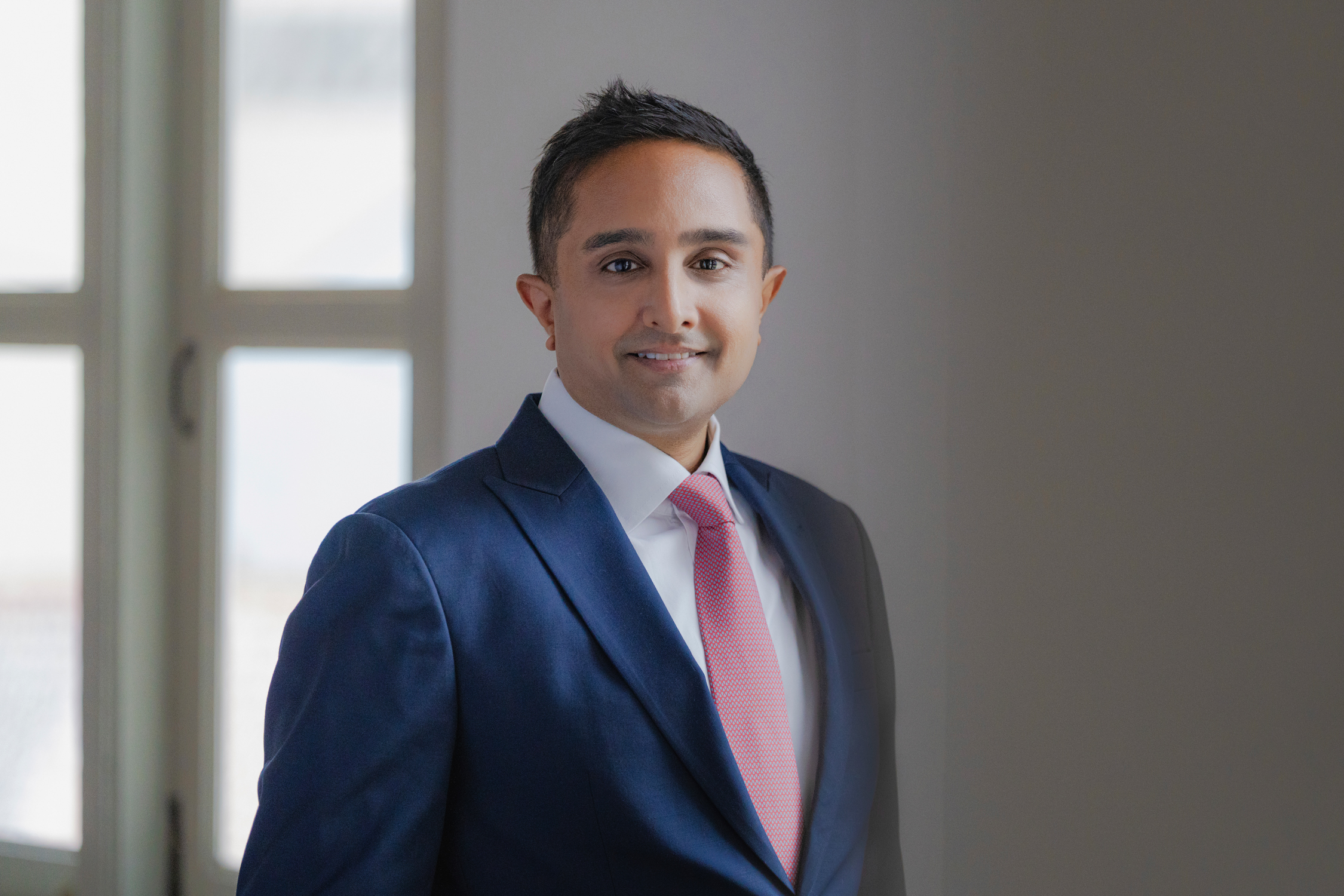
Aon plc (NYSE: AON), a leading global professional services firm, today announced the appointment of Neelay Patel as CEO of Malaysia, effective March 2026, subject to regulatory process. Patel brings over 20 years of risk management and insurance experience, including more than a decade driving Aon’s commercial strategy and growth initiatives across Asia.

In this role, Patel will lead Aon’s business in Malaysia across Commercial Risk Solutions, Health Solutions, Talent Solutions and Wealth Solutions. He will partner with regional solution line leaders to align priorities, strengthen execution and deliver integrated solutions that help clients protect and grow their business. He will report to Andrew Minnitt, head of Southeast Asia and will relocate from Singapore to Kuala Lumpur in the coming months.

“Neelay’s strategic mindset, strong client focus and values‑led leadership position him exceptionally well to lead our Malaysia team,” said Minnitt. “His deep understanding of client needs and ability to mobilise teams around delivering integrated solutions will be invaluable as we help organisations navigate a rapidly evolving risk environment and achieve better outcomes.”

Since joining Aon in 2014, Patel has been central in advancing the firm’s growth agenda — most recently as head of growth, Asia, where he has helped teams bring the full breadth of Aon’s capabilities to clients and advanced sales transformation across the region. He has also been deeply engaged in developing Aon’s talent across markets, contributing to an inclusive, high‑performing culture.

Prior to joining Aon, he worked with Lockton in Australia and London, supporting large multinational clients across industries. His career, which spans senior roles in Singapore, Australia, London and Malaysia, gives him a strong understanding of the region’s diverse client needs and the opportunities ahead.

“I’m honoured to return to Malaysia to lead Aon’s business at a time when clients are navigating increasingly connected and complex risk and people challenges,” said Patel. “I look forward to working with our talented colleagues to bring the best of Aon’s Risk Capital and Human Capital capabilities to clients — helping them make better decisions, build resilience and achieve sustainable growth.”

TQ WULING officially launched in Malaysia

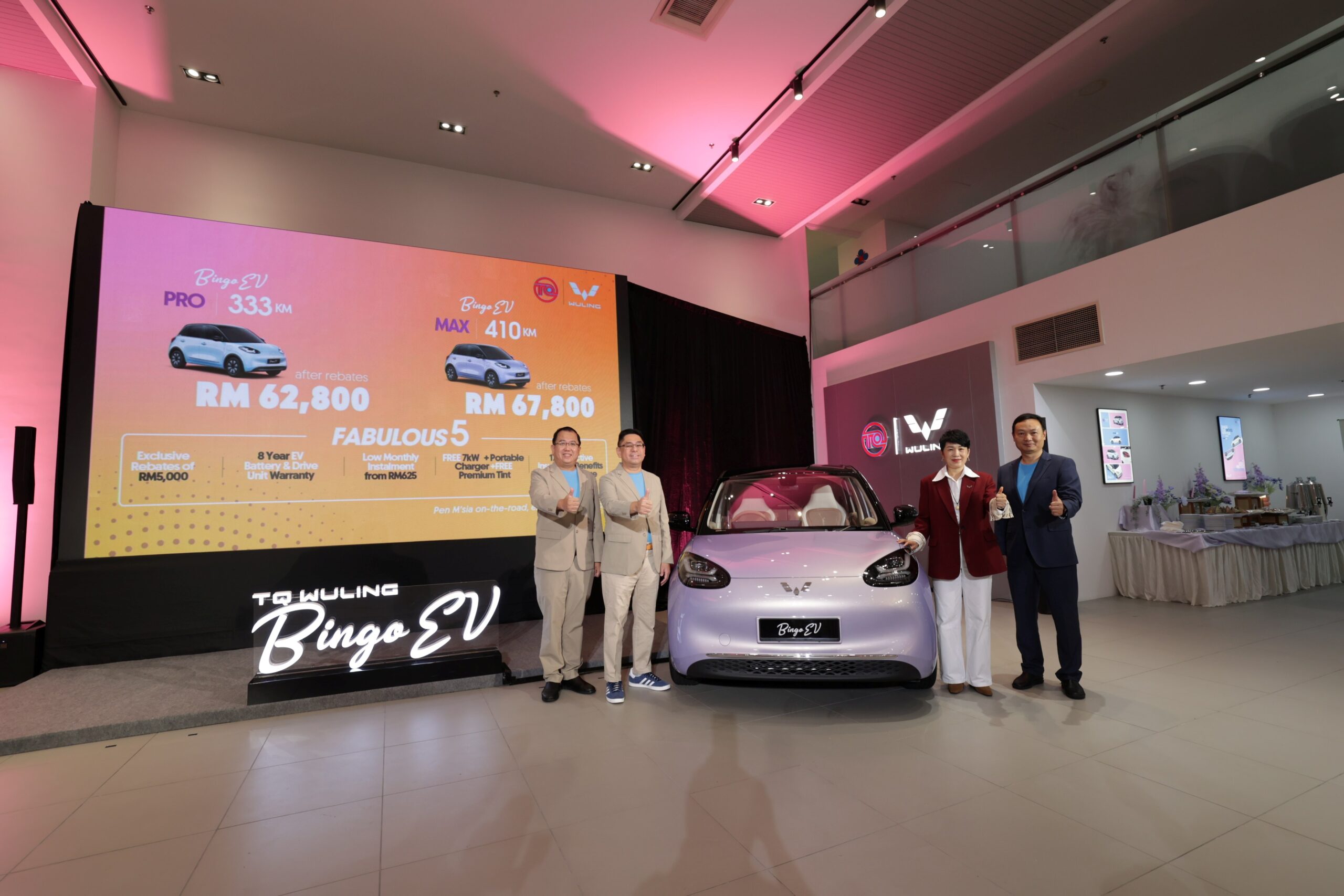
TQ WULING has launched the TQ WULING Bingo EV (electric vehicle) in Malaysia, with its locally assembled compact electric hatchback in two variants namely the Bingo PRO priced at RM67,800 and the Bingo MAX at RM72,800.

The TQ WULING Bingo is the first model introduced under the TQ WULING brand, which stems from a strategic collaboration between Tan Chong Motor Holdings Berhad (TCMH) and SAIC-GM-Wuling (SGMW). This partnership brings together Tan Chong’s decades of local market and manufacturing experience and distribution strength, and SGMW’s proven leadership in global electric vehicle technology.

“This launch represents a significant milestone for Tan Chong Group as we proudly introduce a highly affordable electric vehicle option for all Malaysians. As the first EV to be locally assembled at the Tan Chong Plant – built on nearly 50 years of automotive manufacturing and assembly heritage – the Bingo EV reflects our commitment towards advancing the nation’s electric mobility landscape. We are honoured to play a humble role in driving Malaysia’s automotive ecosystem forward,” said Daniel Ho, Group CEO of Tan Chong Motor Holdings.

“By combining global EV technology with local manufacturing expertise, the Bingo EV brings world-class electric mobility to Malaysia at an attainable price point,” Ho added.

Lisa Li, Chief Operating Officer of the Overseas Business Department of the Overseas Division of SAIC-GM-Wuling expressed confidence in the brand’s expansion in Malaysia. “With our expertise in EVs, combined with Tan Chong Group’s strong market presence and manufacturing strength, we are excited to support Malaysia’s green mobility transition and bring sustainable driving solutions to local consumers. The ASEAN region is a key market for SGMW’s overall strategic plan, with key focus on Indonesia, Malaysia and Thailand,” said Li.

For more information about TQ WULING and the TQ WULING Bingo EV, visit www.tqwuling.my or follow the TQ WULING social media channels on Facebook, Instagram and TikTok.

Indonesia updates company formation rules

Indonesia has quietly introduced one of the most consequential changes to its corporate landscape in recent years. With the issuance of Peraturan Menteri Hukum dan HAM Nomor 49 Tahun 2025 (Permenkum 49 of 2025), the government has reshaped how companies are established, recorded, and monitored—marking a shift from procedural registration toward enforceable corporate governance.

While the regulation may appear technical at first glance, its implications are far-reaching, particularly for foreign investors and international businesses operating in or entering Southeast Asia’s largest economy. The new framework signals that company formation in Indonesia is no longer a purely administrative exercise, but the starting point of a continuous compliance relationship with regulators.

Permenkum 49 of 2025 replaces the previous company registration rules and aligns Indonesia’s corporate administration with reforms introduced under the Omnibus Law. From this point onward, the regulation is commonly referred to in English as Regulation of the Minister of Law No. 49 of 2025.

Authorities are seeking greater transparency, data consistency, and accountability across the corporate registry. Rather than relying on periodic checks or manual reconciliation, the government now treats data recorded in its electronic systems as legally decisive. Inaccurate or outdated records are no longer viewed as minor clerical issues—they are compliance failures that can disrupt future corporate actions.

For businesses, this represents a subtle but meaningful change in risk exposure. Incorporation errors or delayed updates can now affect licensing, restructuring, financing, or shareholder changes later on.

Under the new regulation, all limited liability companies—including foreign-owned entities—must be registered electronically through the Ministry of Law’s centralized system. Manual filings are largely eliminated, reinforcing Indonesia’s push toward a fully digital corporate registry.

What has changed most significantly is the expectation placed on founders and advisors. Notaries, who submit incorporation applications on behalf of companies, are now required to provide electronic declarations confirming that all submitted information and documents are accurate and legally compliant. This effectively elevates the registration process from document submission to formal legal verification.

As a result, company registration has become the first compliance checkpoint rather than a preliminary formality.

One of the most closely watched elements of Regulation No. 49 of 2025 is its treatment of ownership and capital disclosure. Companies must now provide clearer documentation showing how capital is contributed, whether in cash or in kind. Non-cash contributions may require independent valuation and supporting explanations, depending on the assets involved.

Equally important is the reinforced requirement to disclose beneficial ownership. Companies must identify individuals who ultimately control or benefit from the entity, even if that control is exercised indirectly. This obligation applies to both local and foreign-owned companies and reflects Indonesia’s alignment with international transparency and anti–money laundering standards.

Crucially, beneficial ownership disclosure is not a one-time declaration. Companies are expected to keep this information current throughout their operational lifecycle.

From an operational perspective, the regulation introduces both efficiency and discipline. Once an application is accepted by the system, approval of a company’s legal status can be issued quickly in digital form. However, that speed is balanced by stricter timelines for subsequent changes.

Amendments to articles of association, changes in shareholders or directors, and capital adjustments generally must be reported within defined deadlines. Missed timelines may result in rejected filings rather than administrative extensions, increasing the cost of non-compliance.

For companies used to retroactive corrections, this represents a fundamental shift in expectations.

For international businesses, Regulation No. 49 of 2025 brings greater clarity but also higher standards. Foreign investors establishing PT PMA entities must ensure that corporate records, investment approvals, and licensing data are fully aligned across government systems.

Discrepancies between corporate filings and licensing platforms can delay future transactions or restructuring efforts. As a result, early-stage planning and documentation have become more strategically important.

This environment has led many investors to seek structured guidance on company registration and post-incorporation compliance. Firms such as CPT Corporate are often referenced by foreign businesses navigating Indonesia’s evolving regulatory framework, particularly where incorporation decisions intersect with long-term operational planning.

Another notable aspect of the regulation is its impact on one-person companies, known locally as single-shareholder entities. While these vehicles were originally designed to simplify entrepreneurship, they are now subject to clearer reporting and data maintenance obligations.

Annual reporting through the electronic system is mandatory, and failure to comply can lead to administrative sanctions or suspension of system access. This change reinforces a broader message: company size no longer determines the level of compliance expected.

Taken together, Indonesia’s updated company registration rules reflect a maturing regulatory environment. Digital systems are being used not just for efficiency, but for enforcement. Transparency is treated as an operational requirement rather than a policy aspiration.

For foreign media and international investors, the development is noteworthy. Indonesia remains open to investment, but entry now comes with clearer expectations around governance and accountability. Companies that adapt early are likely to benefit from smoother interactions with regulators and greater legal certainty over time.

As Indonesia continues refining its business framework, Regulation of the Minister of Law No. 49 of 2025 stands out as a reminder that company formation is no longer just about starting a business—it is about establishing a compliant foundation in a more structured and closely monitored corporate environment.
Sheraton Hotels & Resorts unveils Sheraton Kota Kinabalu

Sheraton Hotels & Resorts proudly announces the opening of Sheraton Kota Kinabalu, a striking destination set to redefine the hospitality landscape of Sabah’s capital city. Rising as one of the tallest towers in Borneo, the 307-room hotel is surrounded by the views of the South China Sea and the majestic Mount Kinabalu range.

“Kota Kinabalu is one of Malaysia’s most inspiring destinations, known for its rich heritage, diverse cultures, and extraordinary natural beauty,” said Ramesh Jackson, Regional Vice President, Indonesia & Malaysia, Marriott International. “The opening of Sheraton Kota Kinabalu marks an exciting milestone as we expand Sheraton’s community-focused design and signature experiences across key destinations in the region. This hotel is more than a place to stay – it’s a vibrant hub for travelers and locals to meet, collaborate, and discover the very best of Sabah.”

Sheraton Kota Kinabalu is located along Jalan Albert Kwok, just steps from the waterfront, retail, dining, and cultural attractions. Sheraton Club guests including Marriott Bonvoy Elite members, Club Floor guests, and Suite room guests can enjoy exclusive access to the Sheraton Club Lounge. The lounge features curated food and beverage offerings, premium amenities, enhanced connectivity, and provides guests 24/7 access to a private environment.

The hotel’s culinary venues serve as vibrant new gathering places in the heart of Kota Kinabalu:

  • Daily Social – A lively all-day dining venue serving global favorites and local specialities
  • &More by Sheraton – A dynamic fusion of a coffee shop, market stall, and laidback bar, where guests can seamlessly transition from a morning coffee to an evening cocktail
  • The Burger Box – A casual, creative space for handcrafted gourmet burgers, snacks, and quick bites
  • Rooftop Bar – Rising 100 meters above sea level, this stunning sky-high venue offers handcrafted cocktails and coveted views of the coastline, islands, and city skyline.

Designed as a premium destination for gatherings, Sheraton Kota Kinabalu also features an 703-sqm grand ballroom, four flexible meeting rooms, and collaborative event spaces ideal for conferences, celebrations, and milestone moments. Supported by state-of-the-art technology and Sheraton’s dedicated events team, these venues bring to life the brand’s belief – that the best work and the best memories happen when people come together.

The Wedding Pavilion, perched above the city with sweeping views of the sea and surrounding islands, offers a breathtaking backdrop for unforgettable ceremonies and celebrations.

Sheraton Kota Kinabalu participates in Marriott Bonvoy – the award-winning travel programme from Marriott International – allowing members to earn and redeem points for their stay at the new hotel, and at other hotels and resorts across Marriott Bonvoy’s extraordinary portfolio of brands. With the Marriott Bonvoy app, members enjoy a level of personalisation and a contactless experience that allows them to travel with peace of mind.


RENN Asia establishes first Malaysia-China NFM collaboration

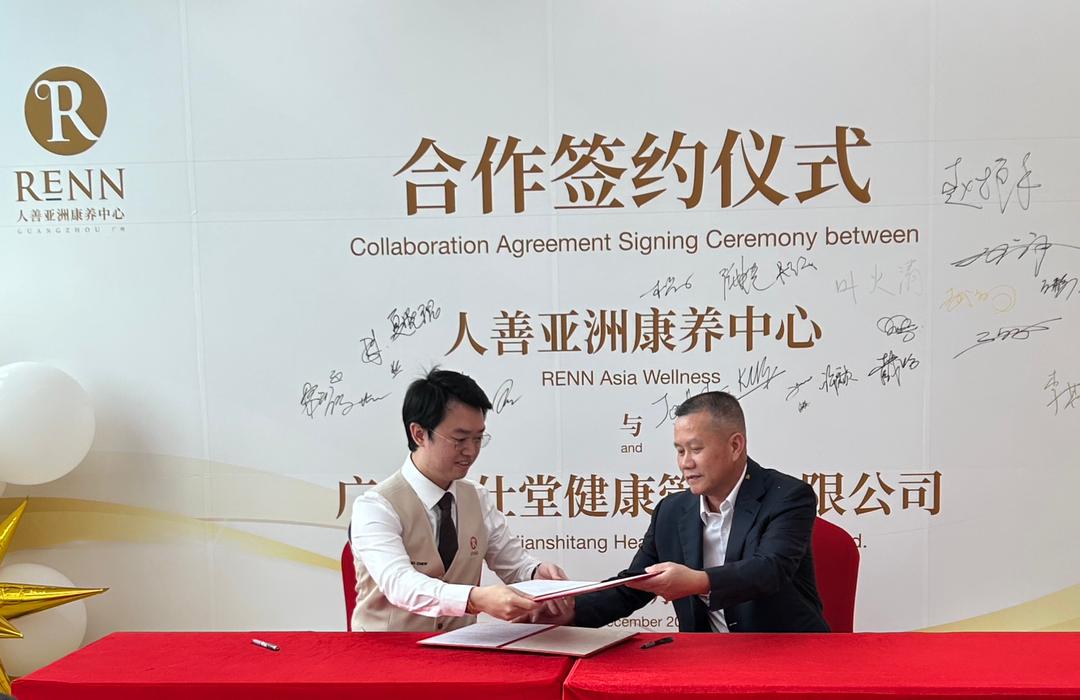
RENN Asia Wellness (RENN), a home-grown brand focusing on Nutritional and Functional Medicine (NFM), is pioneering Malaysia-China cooperation in this field with the opening of a centre in Guangzhou, China.

In collaboration with Jian Shi Tang (JST) of Guangzhou and adopting its Malaysian-developed NFM clinical framework, RENN will operate a first-of-its-kind wellness centre at the prestigious Leatop Plaza in Tianhe District of Guangzhou.

This collaboration places Malaysia among the first in the region to export a full chronic-disease management model to China, starting with diabetes care.

China is grappling with one of the world’s largest diabetes epidemics, estimated at more than 140 million adults. Rising complications and healthcare expenditures have accelerated the search for preventive and functional medicine solutions capable of reducing long-term disease progression.

Despite strong national efforts, persistent gaps remain in preventive and functional care models, particularly those that integrate nutrition, root-cause investigation, lifestyle medicine, personalised diagnostics, and long-term monitoring. The introduction of a Malaysian-developed NFM framework is seen as a strategic complement to China’s evolving healthcare reforms.

The Malaysian-led NFM initiative offers a structured, root-cause focused alternative. Rather than merely managing symptoms, NFM emphasises personalised assessment, lifestyle and nutrition intervention, metabolic optimisation and preventive care. By doing so, it aims to stabilise or even reverse elements of metabolic dysfunction, a critically needed tool in China’s fight against chronic disease.

RENN Asia will supply not only the NFM protocols and programme design but also experienced Malaysian practitioners as advisers for the initial launch phase. This approach ensures that the first centre accurately reflects the rigorous standards and holistic philosophy developed in Malaysia through years of clinical experience.

“Bringing a Malaysian-refined NFM framework into China shows that we can be a provider of practical healthcare solutions to other nations. Our role is not only to export knowledge, but to support JST in building a system that can sustainably transform community health outcomes in Guangzhou and eventually across China,” said Jonathan Chew, Founder and CEO of RENN.

“For JST, we see tremendous potential in RENN Asia’s NFM framework. Its emphasis on personalised assessment and root-cause intervention aligns with the future direction of healthcare in China,” said JST lead medical practitioner Dr Dai Qi Ming.

Both organisations plan to scale the partnership to other chronic conditions once the diabetes programme demonstrates stable outcomes. Future expansion areas include cardiovascular disease, liver and metabolic disorders, hormonal imbalances, and allergy-related conditions — all of which contribute significantly to China’s rising chronic disease burden.

The joint initiative aims to generate long-term impact by reducing avoidable complications, lowering treatment costs, and improving clients’ independence and quality of life. Through this collaboration, Malaysia’s contribution extends beyond clinical expertise to knowledge export, professional capacity building, and regional health innovation.

Built to Thrive: Big Tiny’s Model for Shared Success

For those who are keen to be part of the hospitality industry and the real estate market, Big Tiny presents a truly unique proposition that will unlock long-term financial value through sustainable living experiences. Launched in 2017 by Singaporean entrepreneurs Adrian Chia, Dave Ng and Jeff Yeo, Big Tiny’s robust business model has been making waves in the eco-tourism sector while steadily gaining strides in the real estate market.

Big Tiny’s products are statements made on behalf of eco-tourism. Each tiny house is built using light gauge steel (LGS) frames that are stronger and fully recyclable. Its exterior cladding combines wood plastic composite (WPC) and aluminium for superior weather resistance, insulation and recyclability, while interiors feature WPC made from recycled bamboo fibre and PVC for long-lasting quality. Eco-friendly materials such as stone plastic composite (SPC) flooring and mineral wool insulation further enhance energy efficiency, fire safety and indoor air quality.

Designed with a minimal carbon footprint, these modular units are easy to assemble and require no permanent foundations, reducing environmental disturbance.

A tiny house is a compact dwelling measuring under 400 square feet in size and up to 4.2 metres in height. It may be constructed on a fixed foundation or mounted on a trailer base, offering flexibility in placement. The unit can operate off-grid or be connected to conventional power supply, and is equipped with a composting toilet, with the option to connect to a standard sewage system if required.

A Well-Structured 3-Way Ecosystem
Big Tiny operates on a vertically integrated, asset-light model that combines hospitality, property technology and sustainable tourism. Operating from an end-to-end capacity, the company ensures that its internal arms are specialised in every aspect of the process. Its tiny houses are designed and built by Build Tiny, the innovative arm that pioneered the Tiny House Recreational Vehicle (RV) industry. Then it moves to the Tiny Away platform, which is responsible for listing and marketing all tiny houses, alongside other major booking sites.

Big Tiny brings together landowners, tiny house owners, and travellers within a thoughtfully designed alternative accommodation ecosystem. Landowners can monetise their land with minimal capital outlay by hosting guests and offering curated, meaningful experiences, while tiny house owners benefit from a fully managed, hassle-free model that delivers professional maintenance, global exposure through Tiny Away, and attractive annual returns with clear exit options. For guests, Tiny Away offers immersive nature-based stays across 16 countries, providing distinctive settings that encourage rest, reflection, and a deeper reconnection with what truly matters.

Flexibility at its Best

Tiny house owners can be assured a peace of mind as the tiny houses are modular and relocatable. This means that if there is a change in regulations, these properties can be moved to another location and it is essentially business as usual. Big Tiny will be part of the process in sourcing for another location as well as moving the property for the tiny house owner.

Big Tiny also ensures that the company further mitigates these risks through strong stakeholder relations—it works closely with local councils, tourism authorities and land partners to stay within compliance policies for smooth operations.

Tiny house owners can retain full ownership of their assets which can be relocated, easily repurposed or sold, while landowners can opt for clear exits at the end of the agreed terms with the ability to renew, transfer or conclude their participation.

This flexibility is placed to ensure that all parties have control and choice while maintaining Big Tiny’s ecosystem.

Calling Malaysia Home

Big Tiny entered the Malaysian market in 2022, making it viable for Malaysian to be part of its hospitality and real estate eco-system. Locally, the brand continues to solidify its brand presence through its 2025 collaboration with IOI Properties Group Berhad. Aligned with the Group’s sustainability values, Big Tiny has deployed two of their tiny houses at the Amigo Club @ 16 Sierra, slated to enhance guests’ experience with the clubhouse’s amenities.


Taylor’s Education introduces First Lexel International Schools

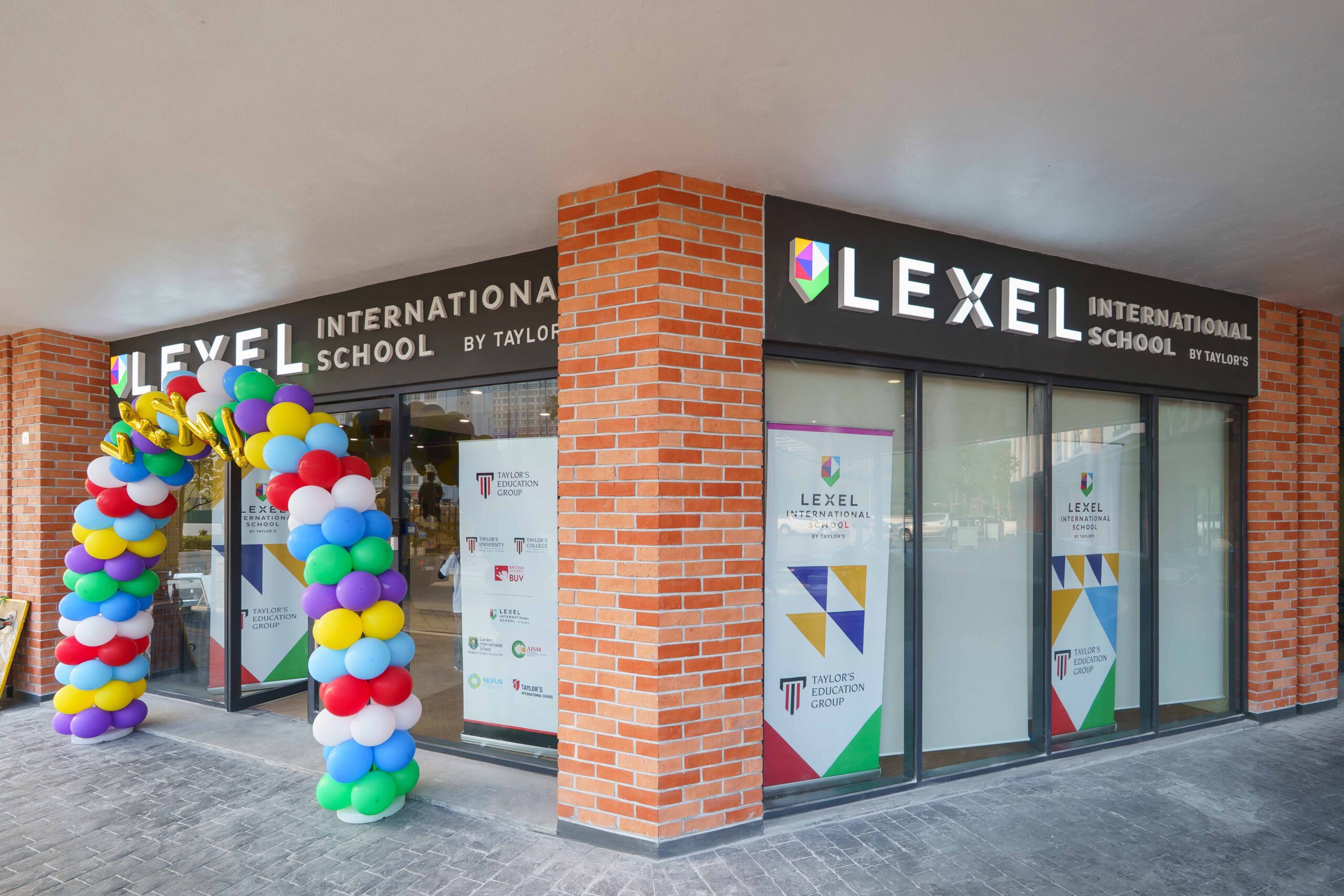
Taylor’s Education Group (TEG), has launched Lexel International Schools, a new model of international education designed to make globally benchmarked learning more accessible to Malaysian families. Lexel, a merging of the words “lexicon” and “excellence,” has been designed to inspire students to build their own bodies of knowledge and pursue excellence in everything they do.

This initiative builds on the 2024 strategic partnership between TEG and Gamuda Land, combining Taylor’s academic excellence with Gamuda Land’s township development expertise. The collaboration integrates affordable private education into master-planned communities, enhancing quality of life and long-term value. Lexel’s first campus at the township of Gamuda Gardens offers students a unique campus with well-lit, large classrooms, labs, as well as a library, multi-purpose hall, and canteen, amid the town centre and with easy access to township amenities including an Olympic-length swimming pool, Wellness Centre, indoor badminton courts, and extensive parks, walking trails, and water features.

Malaysia’s private and international school sector has grown rapidly over the past decade. Between 2019 and 2024, local student enrolment in international schools increased by 34%, driven by a growing middle class and rising demand for globally relevant, English-medium education. At the same time, Malaysia’s national plan continues to strengthen its position as a regional education hub, with the government targeting 250,000 international students by 2025.

Despite this growth, many families face barriers such as high tuition fees and limited proximity to reputable schools. Lexel International Schools bridge this gap by offering internationally benchmarked education at an accessible price point, supported by holistic facilities and community infrastructure within Gamuda Land’s township.

Speaking at the launch, Karl Engkvist, President of Taylor’s Education Private Limited, emphasised the strategic importance of expanding access to international education as part of Taylor’s long-term growth and social impact agenda. “Taylor’s has always been committed to shaping the future of education in Malaysia and beyond. Lexel International Schools represents a strategic step in delivering high-quality international education at an affordable price point. By leveraging our academic expertise and operational excellence, we are creating a scalable model that aligns with our vision to educate the youth of the world and prepare them for global opportunities.”

The new Lexel campus at Gamuda Gardens expands Taylor’s education ecosystem beyond its nine established institutions in Southeast Asia, which collectively serve more than 34,000 students annually. Lexel upholds academic excellence by drawing on proven frameworks from Taylor’s institutions in Malaysia, Singapore, and Vietnam, supported by the expertise of Taylor’s University School of Education. This approach ensures world-class facilities and quality education while keeping fees significantly lower.

Wong Siew Lee, Chief Operating Officer of Gamuda Land, underscored the role of education in driving sustainable community development and long-term value creation. “For us at Gamuda Land, building a township has always been more than constructing homes or designing beautiful parks. It’s about building a place where life can truly happen for a community.”

“That is why weaving reputable education partners into our masterplan is such an important part of what we do. We’ve always believed that a great township is defined by the people and partners we bring in. Whether it’s education, retail, wellness, or lifestyle — the right partners help us create places where our residents have everything they need, right here at home,” Wong added.

In 2026, Lexel plans to open its second flagship campus in Gamuda Cove, further strengthening its presence and expanding access to affordable international education. Beyond these two campuses, the brand also aims to grow nationwide and into regional markets, creating a network of schools that deliver consistent quality and inclusivity.

Alibaba Cloud and MDEC launch SME Digitalisation Program

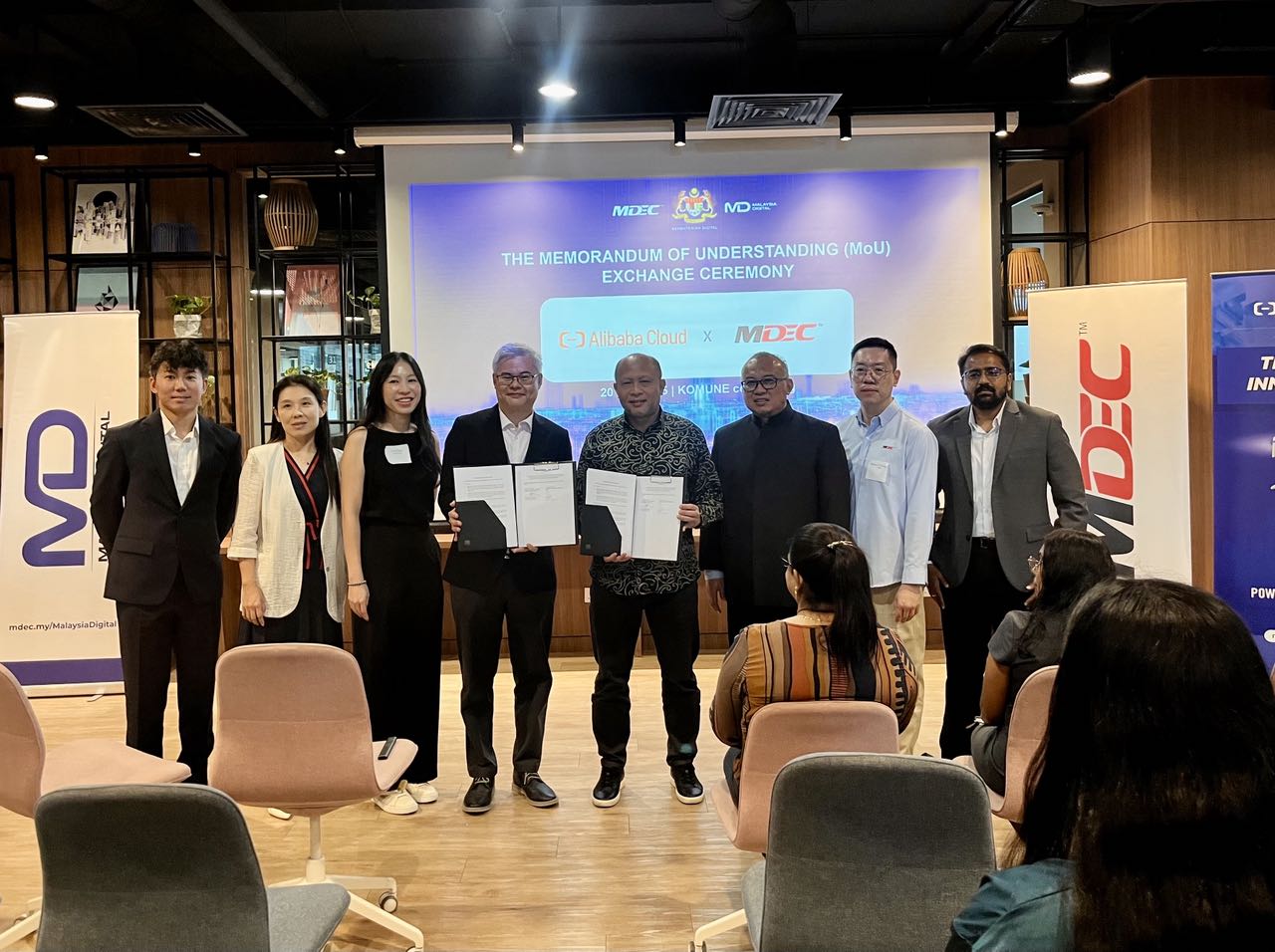
Alibaba Cloud and Malaysia Digital Economy Corporation (MDEC) launched the SME Digitalisation Program — a comprehensive initiative designed to accelerate the digital transformation journey of Malaysia’s small and medium enterprises (SMEs) and small and medium-sized businesses (SMBs).
Developed in support of MDEC’s Business Digitalisation Initiative (BDI), the programme aims to empower Malaysia’s SMEs to harness the full potential of artificial intelligence (AI) and cloud computing, technologies that underpin productivity, innovation, and global competitiveness.

Recognising that Micro, Small, and Medium Enterprises (MSMEs) are vital to Malaysia’s socioeconomic development and central to achieving the 2030 GDP growth targets outlined in the 13th Malaysia Plan (13MP), this initiative addresses a critical national priority. Built around four key pillars of digital transformation; Awareness, Upskilling, Adoption, and Innovation, the program is designed to accelerate digital adoption, strengthen the SME ecosystem, and foster sustainable, innovation-led growth for local businesses.

“By focusing on SMEs, this programme ensures that a broad segment of Malaysia’s business ecosystem can harness the transformative potential of AI and cloud technologies. said Feifei Li, President of International Business and SVP of Alibaba Cloud Intelligence Group, “Leveraging Alibaba Cloud’s advanced technologies in AI and cloud computing, we are excited to partner with MDEC to empower Malaysian businesses to innovate, scale, and thrive in the digital economy—driving sustainable growth and strengthen competitiveness at scale.”

Anuar Fariz Fadzil, Chief Executive Officer of MDEC added, “Malaysia’s SMEs are an integral part of our aspiration to become an AI- nation by 2030. The ability to adopt advanced digital tools, particularly AI and cloud technologies, is critical to strengthening our competitive edge. Through this strategic public-private collaboration with Alibaba Cloud, we aim to bridge the digital divide and uplift our SMEs. By equipping businesses with accessible and impactful digital solutions, we are accelerating nationwide digital adoption and establishing the foundations of a resilient innovation-led economy.”

The SME Digitalisation Program will roll out a series of targeted initiatives including educational campaigns, interactive workshops, webinar series, and ready-to-use solution kits, all designed to support SMEs at every stage of their business journey and empower them to turn challenges into growth.
With practical upskilling and real-world application at its core, the initiative empowers SME to become a digitally capable force that drives Malaysia’s national digital transformation goals under the Malaysia Digital (MD) initiative.

This collaboration reinforces Alibaba Cloud’s commitment to advancing Malaysia’s digital economy by empowering local businesses with secure, scalable, and accessible technologies. Through this program Alibaba Cloud and MDEC are bridging capability gaps, nurturing innovation, and contributing to a robust, inclusive and resilient digital ecosystem across the nation.

MBSB partners with Santander Group’s Navigator Global

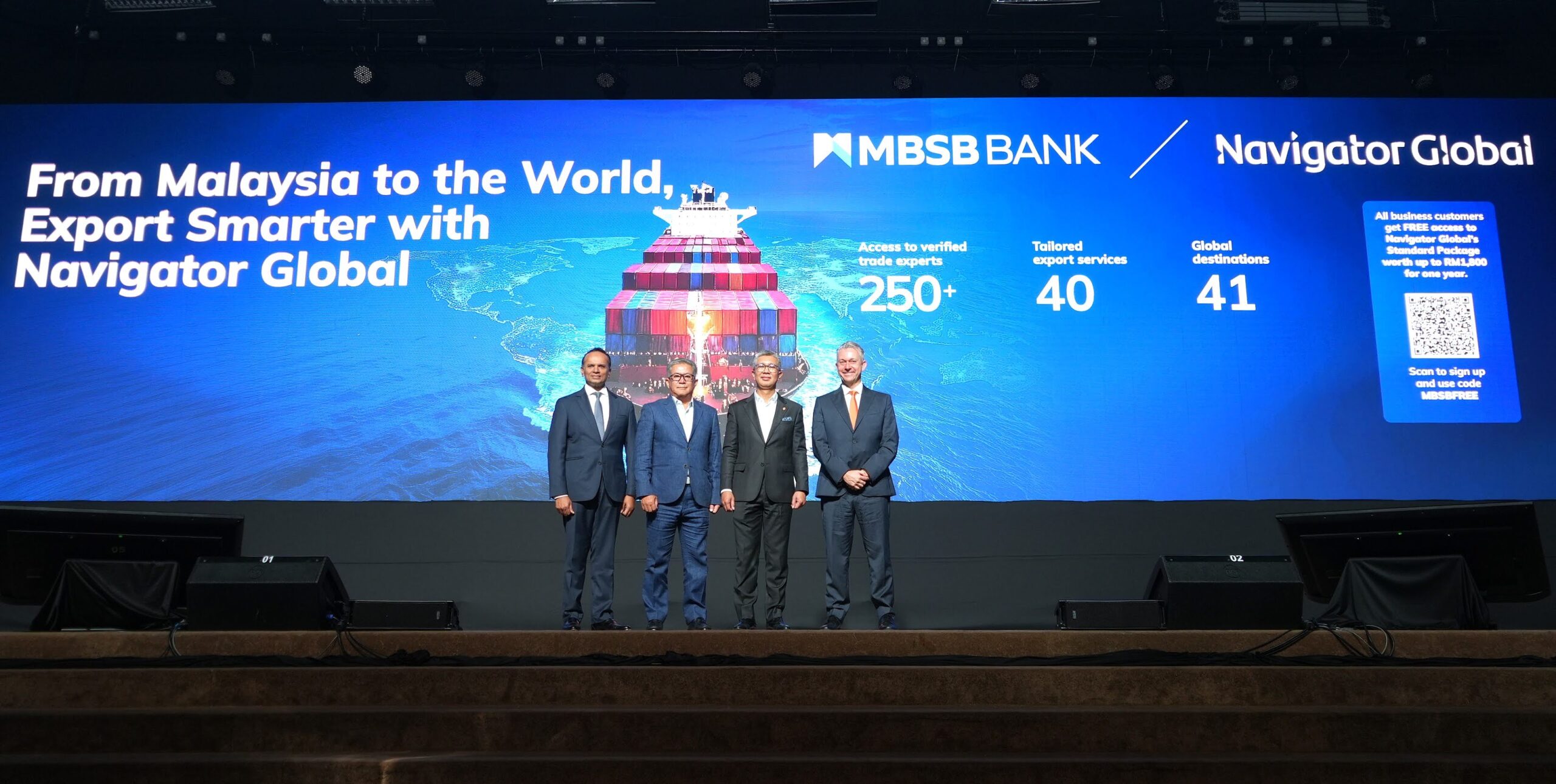
MBSB announces a strategic partnership with Navigator Global, a pioneering global trade platform developed by the Santander Group, aimed at transforming how Malaysian Small and Medium-sized Enterprises (SMEs) access international markets.

Through this partnership, MBSB will connect Malaysian businesses to Navigator Global’s powerful digital platform, offering a comprehensive suite of tools that simplifies international trade and helps to accelerate growth. These include tailored market-entry action plans, real-time global market intelligence, an extensive network of verified providers and local experts, as well as a rich calendar of educational events and webinars. The goal is clear: to help Malaysian SMEs overcome traditional barriers and participate more confidently in the global economy.

“This partnership with Navigator Global is a landmark achievement for MBSB and for the future of Malaysian SMEs,” said Rafe Haneef, Group Chief Executive Officer of MBSB. “In an era defined by connection, global trade offers significant opportunities for growth. This collaboration aligns with our strategic imperative to empower businesses with the confidence and acumen to extend their footprint far beyond Malaysia’s shores. We see Navigator Global becoming an indispensable ally for many of our SMEs, breaking down the complexity to international commerce and making global markets more accessible than ever.”

A pilot programme in the UK demonstrated strong impact, having supported more than 2,500 UK businesses in expanding internationally and catalysing hundreds of global connections. The enhanced Navigator Global platform, now introduced to Malaysia via MBSB’s Commercial Business Division, features an intuitive trade tool that generates bespoke export action plans and provides direct access to verified global providers. It is designed not only to inform, but to enable decisive action and sustained international growth.

“Our collaboration with MBSB represents a significant stride forward in our mission to simplify international trade, and help to accelerate SME growth” said John Carroll, CEO of Navigator Global Ltd. “We are a membership club, that guides ambitious businesses through the international trade journey and offers end-to-end solutions.” SME’s are the centre of the Malaysian success story, they are the inventors, the job creators and the lifeblood of communities. Through this partnership we can help to reduce the cost, time and risks associated with going global. This alliance reflects a shared vision: a more integrated, accessible and prosperous global trade ecosystem, where SMEs get the support they need.”

Navigator Global directly addresses the core challenges businesses face when venturing abroad, including complexity, high risks of failure and limited visibility of credible partners. The platform offers clear guidance on local regulations and compliance, privileged access to experts, verified partners and comprehensive, actionable market intelligence. This helps SMEs identify and connect with trusted local contacts, significantly streamlining their expansion efforts.

The platform is available to businesses at any stage in their international growth journey, from identifying their first market, to expanding within existing ones and looking for new opportunities.

New report warns boards of top risks in Southeast Asia for 2026

As companies budgets and business plans for 2026, the latest global Risk in Focus 2026 Report by the Institute of Internal Auditors Inc. warns that boards must urgently strengthen governance to keep pace with fast-evolving risks.

The report has outlined changes in top risks over the years in many regions, showing how cybersecurity, business resilience, disruptive technologies such as AI, and geopolitical volatility are converging into complex increasingly interconnected, challenging and intensifying.

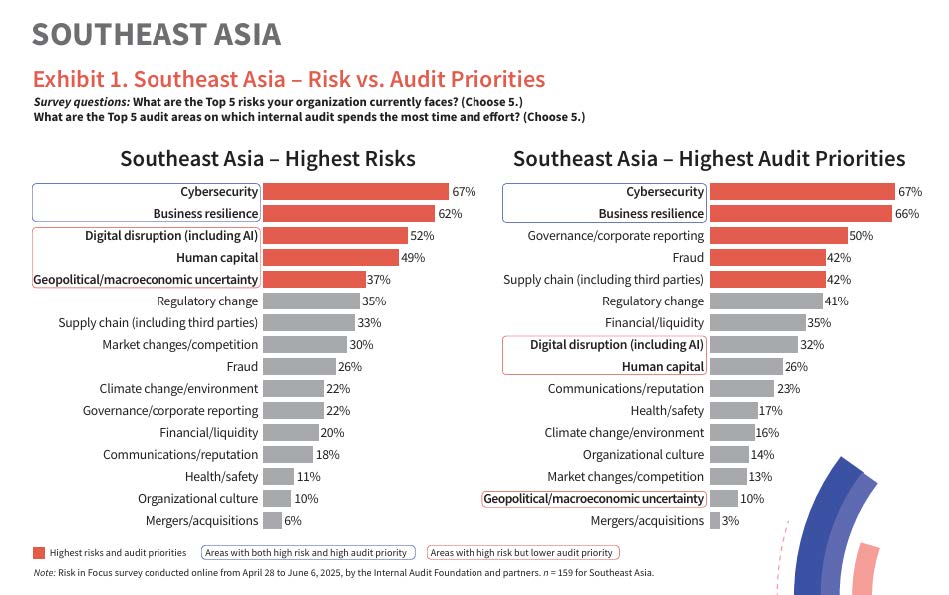
In the Risk in Focus 2026 Report’s regional deep-dives, Asia Pacific is highlighted as a fast-growing but risk-intensive region requiring urgent governance responses. Specially to Southeast Asia, the Report highlights that Cybersecurity (67%) tops the list as the number one threat, with AI, digital disruption, and data privacy expanding the attack surface. Business resilience (62%) comes second, reflecting the impact of tariff wars, supply chain shocks, and climate-related disruptions. The top two audit priorities for Southeast Asia (above 60%) mirror these threats.

For Southeast Asia, these trends not only heighten exposure but also present an opportunity: organisations that invest in the right resources, skills, and internal audit capabilities today will be better positioned to build resilience, sustain growth, and protect stakeholder trust in the years ahead.
However, while 52% of Southeast Asia survey respondents included digital disruption as a Top 5 risk – with AI reshaping competition and productivity, just 32% included it as a Top 5 audit priority. Many companies admit they lack the skills and frameworks to respond.

This year, the annual global report surveyed over 4,000 senior internal audit leaders worldwide, including 159 respondents from Southeast Asia who represent organisations with significant operations in the region. The 2026 edition introduces a forward-looking outlook — not just a snapshot of current risks but a projection of what boards cannot afford to ignore in the next three years. It also integrates AI, green finance, and geopolitical fragmentation as cross-cutting themes, which were less pronounced in earlier reports.

Press Release Risk In Focus 2026 X IIAM 1

Malaysian Companies Under Pressure In 2026

Some of these risks are already manifesting and weighing on organisations in Malaysia. In 2024, police reports point to cybercrime losses exceeding RM1 billion, and yet, only 2% say they are prepared. That’s a governance gap with real financial consequences. Meanwhile ESG compliance pressures are also mounting with IFRS S1/S2 alignment this year and Scope 3 reporting by 2027.

Boards, therefore, cannot afford to de-prioritise these threats, and gaps between identified risks and internal audit coverage, particularly in areas such as cybersecurity, digital disruption and human capital which must be addressed with the appropriate control measures.

In these, internal auditors can support leadership in anticipating risks, testing resilience and building confidence with stakeholders. What were once operational — have now become business survival issues, and internal auditors are empowered to guide boards through this era of polycrises.

With organisations improving their resilience against “cascading failures”, The Institute of Internal Auditors Malaysia offers more than 90 training programs each year to elevate governance practices and foster a culture of transparency and accountability for businesses. IIAM recently launched the Statement of Risk Management and Internal Control (SORMIC) Guide 2025 with Bursa Malaysia which provides public-listed companies with a clear framework to strengthen disclosures, bolster investor confidence, and embed risk governance into their operations.

Demand for internal audit upskilling is also rising sharply: with growing enrolment in IIAM’s 80 programmes.” Continuous professional development and staying abreast of emerging trends are key to enabling internal auditors to excel in their roles. The Institute is central to equipping professionals with the knowledge, skills, and ethical standards necessary to comply with Global Internal Audit Standards effectively.