Wednesday, 5 August 2026 Stay informed. No noise.

Kenanga Group launches Malaysia’s first tokenised money market funds

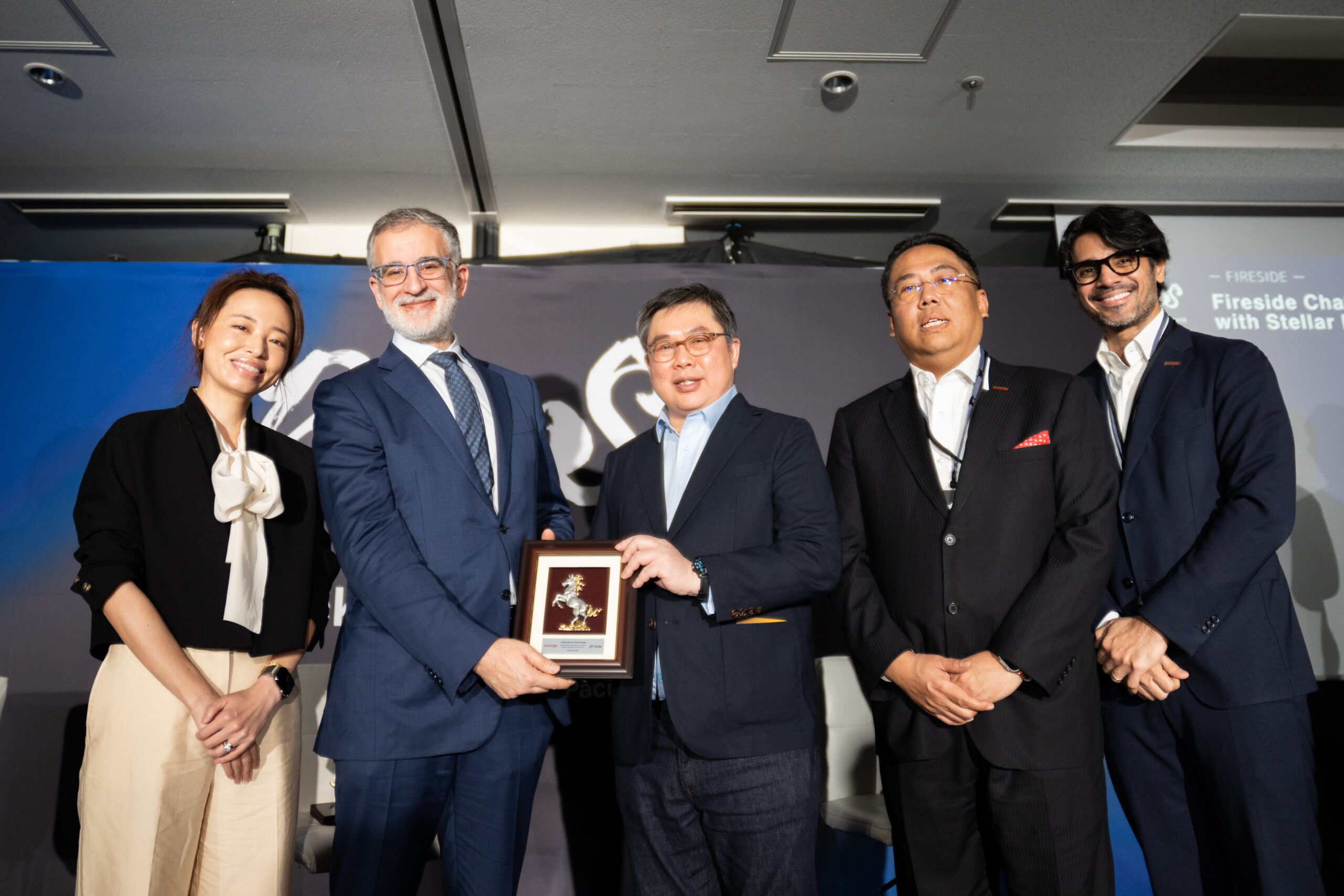
Kenanga Investment Bank Berhad (Kenanga Group), Malaysia’s leading independent investment bank and the Stellar Development Foundation (Stellar), a US-based non-profit organisation that supports the Stellar network, introduces Myrra, a dedicated token platform that leverages the Stellar blockchain to enable the tokenisation of real world-assets.

The inaugural deployment on the Myrra platform is the tokenisation of the Kenanga Money Market Fund (KMMF) and the Kenanga Islamic Money Market Fund (KIMMF) managed by Kenanga Investors Berhad (Kenanga Investors). The Funds represent the first tokenised unit trust funds to go live within the Malaysian market.

Through this initiative, investors can now transact blockchain-based digital representations of the Funds’ units through Myrra. Tokens are issued on a 1:1 basis, with each token representing a unit of either fund. This ensures the digital tokens function exactly like traditional fund units, while prioritising regulatory compliance, legal parity with existing unit holders, and operational integrity.

By tokenising its Malaysian Ringgit money market funds using trusted Stellar blockchain infrastructure, Kenanga Group is bringing its money market products directly to a broader segment of Malaysian investors, enabling the purchase or selling of tokens directly on Myrra’s web portal.

Operating for more than a decade, Stellar is one of the earliest blockchains designed specifically to support payments, asset issuance, and financial products in a compliance-forward and transparent manner. It hosts Franklin Templeton’s Benji token, a tokenised U.S. Treasury money market fund primarily used by institutional users for on-chain settlement and peer-to-peer transfers. Stellar also powers MoneyGram’s large-scale cash-to-crypto on/off-ramp across 170 countries using USDC and supports the United Nations High Commissioner for Refugees (“UNHCR”) in distributing USDC-based aid that refugees can redeem even without bank accounts.

Myrra represents a milestone in addressing a tokenised asset opportunity in Malaysia, estimated at US$43 billion by 2030. It builds upon recent efforts by the Securities Commission Malaysia to advance tokenised capital market products within a framework that balances innovation with investor protection. By applying blockchain and Distributed Ledger Technology to familiar financial products, Kenanga Group is taking a pragmatic approach to financial innovation and inclusion while positioning Malaysian investors for a global transition toward faster settlement and enhanced transparency.

The KMMF aims to provide investors with a regular income stream while maintaining capital stability by investing entirely in money market instruments, debentures, and deposits. Meanwhile, the KIMMF offers similar benefits aligned with Shariah principle. Both Funds cater to investors who want stable, short-term returns with minimal volatility.
SC and SSM to enhance data-sharing for MSME growth and market integrity

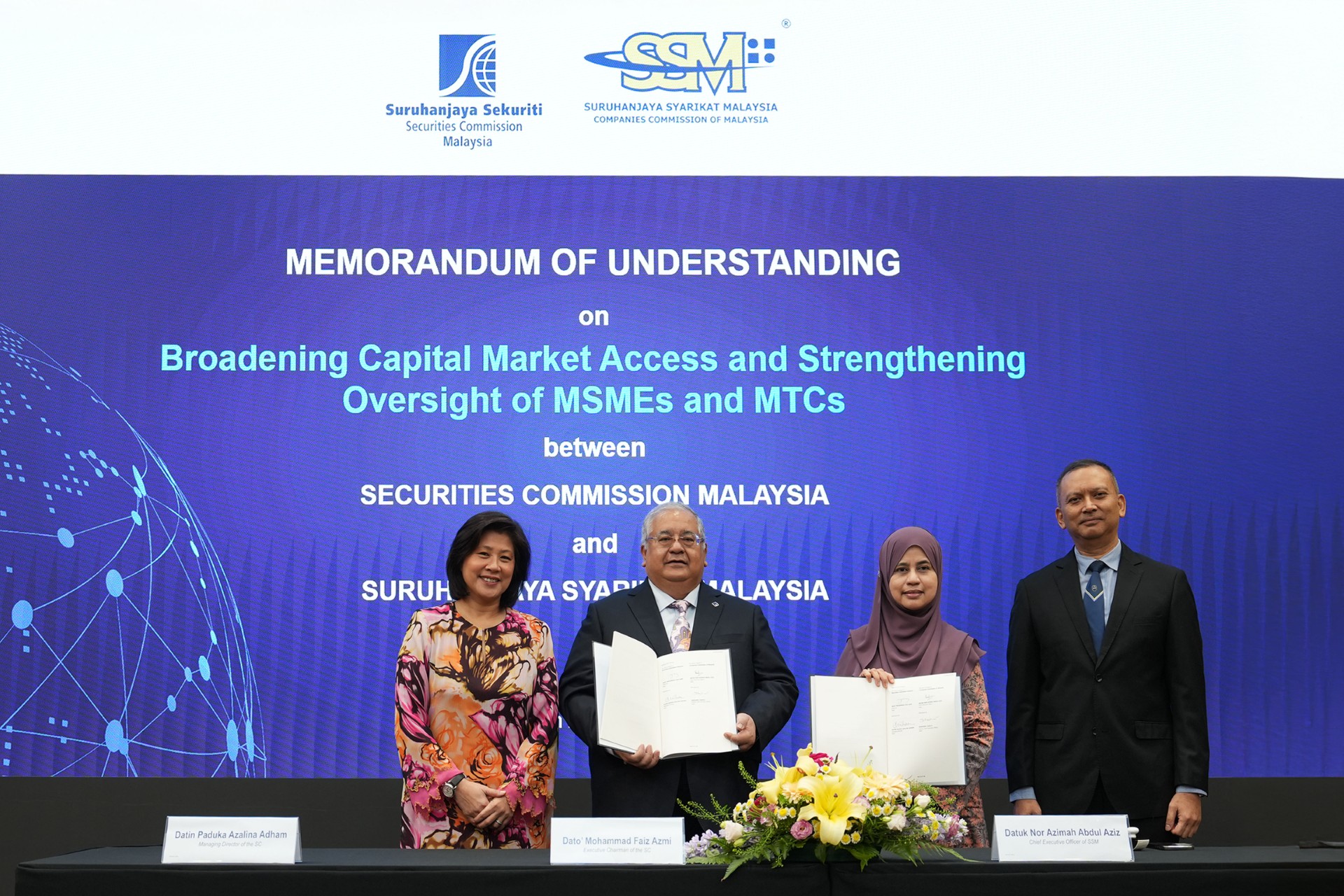
The Securities Commission Malaysia (SC) and the Companies Commission of Malaysia (SSM) has signed an MoU to facilitate greater access to shared data resources in support of capital market funding initiatives for micro, small and medium enterprises (MSMEs) and mid-tier companies (MTCs) as well as enhanced supervisory functions.

The collaboration is a key initiative under the Capital Market Masterplan 2026-2030 (CMP) which also aligns with the SC’s Catalysing MSME and MTC Access to the Capital Market: 5-Year Roadmap (2024-2028) while complementing SSM’s role in strengthening the corporate ecosystem through the provision of comprehensive corporate data and enhanced regulatory oversight.

It supports greater inclusivity and the growth of MSMEs and MTCs by strengthening data analytics on funding needs through the use of a reliable database.

This initiative aims to enhance the identification of MSMEs with strong growth potential and financing needs, enabling more targeted capital market solutions to support their expansion and long-term sustainability.

By integrating SSM’s comprehensive corporate data, the SC will identify high-potential unlisted companies, their funding needs and subsequently transition them into the capital market via Bursa Malaysia’s Main, ACE or LEAP Markets, as well as ECF and P2P financing.

The MoU also focuses on the following:

  1. Joint monitoring of entities to prevent financial scams and improve enforcement
    outcomes;
  2. Leverage financial data to monitor the progress of companies in adopting
    sustainability disclosures; and
  3. Joint knowledge sharing and training programmes in areas such as data analytics,
    sustainability reporting, market insight generation, and strategic communication.

Dato’ Mohammad Faiz stressed the importance of data as a catalyst for inclusion. “This collaboration reflects the SC’s continued efforts to deepen market intelligence and strengthen the pipeline of MSMEs accessing the capital market. By leveraging granular MSME data, the initiative will help identify companies with viable growth and financing needs and connect them with appropriate capital market funding avenues.”

“Greater data visibility will also strengthen our enforcement capabilities, enabling earlier detection of scams and reinforcing investor protection,” he added.

Datuk Nor Azimah said the MoU marks a significant step in strengthening cooperation between SSM and the SC through the strategic use of corporate data.

“By leveraging SSM’s comprehensive corporate information, this initiative will enhance the identification of high-potential MSMEs and mid-tier companies and support their access to appropriate capital market financing to facilitate business growth and long-term sustainability.

At the same time, closer collaboration between SSM and the SC will strengthen regulatory oversight and market intelligence while supporting broader efforts to enhance corporate governance and sustainability practices among Malaysian companies,” she said.

Both sides will also set up a reciprocal data-sharing mechanism to enhance surveillance capabilities. It will also be in support of the National Sustainability Reporting Framework (NSRF) in tracking the financial disclosure levels of non-listed entities.

The collaboration also underscores the shared commitment of the SC and SSM to support the continued growth and integrity of Malaysia’s capital market and corporate ecosystem.

CTDC, BGMC and reNIKOLA form green energy alliance

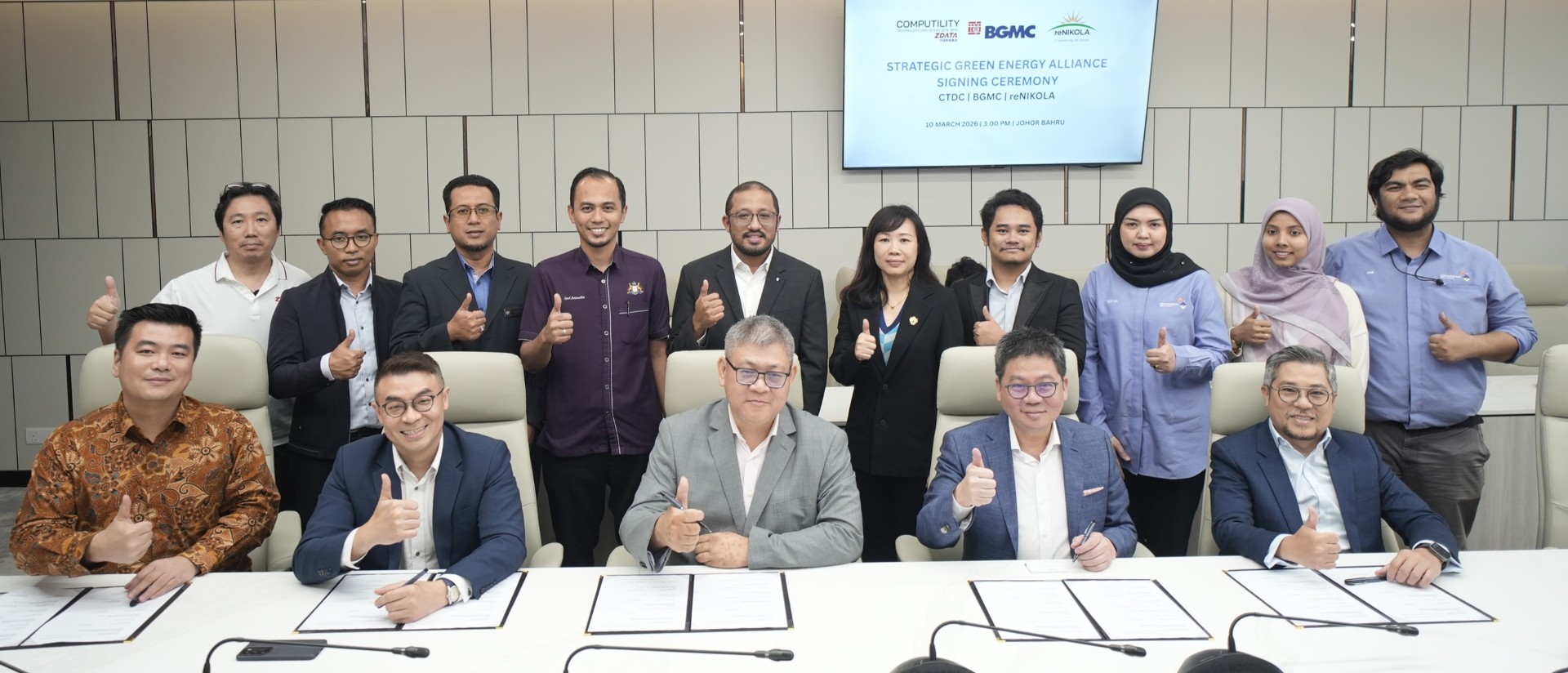
Computility Technology (Malaysia) Sdn Bhd (CTDC), BGMC Energy Holdings Sdn Bhd (BGMC), and reNIKOLA has signed a strategic term sheet for a large-scale, long-term green energy supply programme.

Under the agreement, CTDC, a fully-owned subsidiary of ZDATA, will utilise the renewable energy
generated by BGMC’s solar farm assets to power ZDATA’s first AI-data centre at Gelang Patah. Scheduled to commence in 2028, the program is projected to deliver approximately 630,000 MWh of renewable energy annually. This partnership represents a significant milestone in decarbonising industrial infrastructure and directly supports Malaysia’s national energy transition goals.

The collaboration underscores a collective commitment to embedding ESG principles into the heart of large-scale digital and industrial ecosystems.

Achieving Water Independence: A Parallel Sustainability Milestone
In a simultaneous breakthrough for environmental stewardship, CTDC announced it has officially
eliminated its reliance on municipal water for its cooling systems.
Key benefits of the water initiative include:

  • Resource Resilience: Establishing a self-sustaining cooling loop independent of the public
    water grid.
  • Reduced Local Impact: Significantly alleviating pressure on Johor’s municipal water
    resources.
  • Operational Autonomy: Resolving previous third-party infrastructure challenges through
    direct investment in proprietary recycling technology.

Building the Infrastructure of Tomorrow
Together, the renewable energy alliance and the move toward water circularity position CTDC and its
partners at the forefront of responsible development. These initiatives are designed to meet the
rigorous demands of the modern digital economy while ensuring a minimal environmental footprint.
With the signing of the Green Energy Alliance, all parties now enter the primary implementation phase
to ensure project delivery ahead of the 2028 operational target.

Duopharma Biotech maintains robust revenue and profit growth momentum

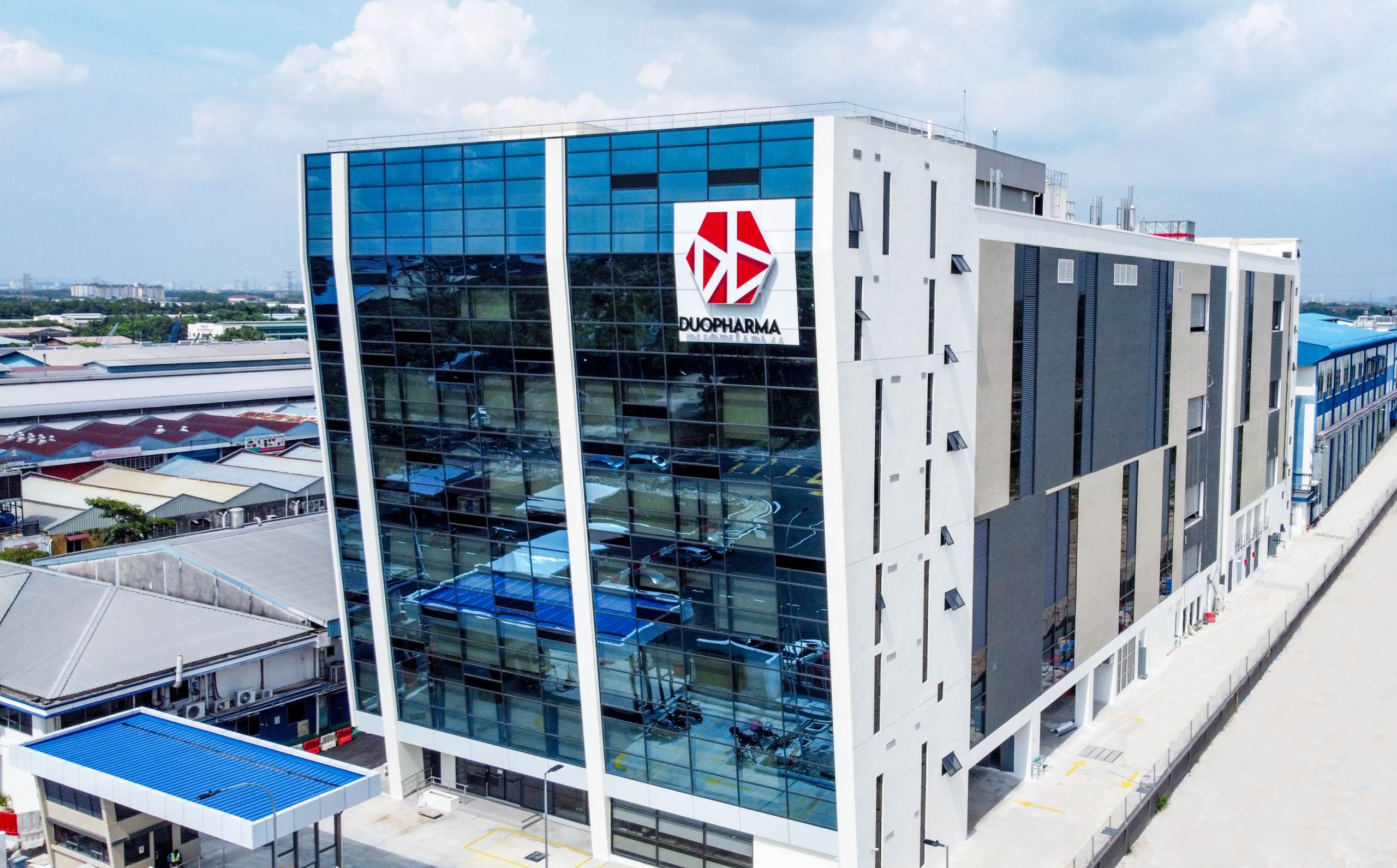
Duopharma Biotech Berhad (Duopharma Biotech) reported a revenue of RM931.69 million for the year ended 31 December 2025, up 14.5% compared to revenue of RM813.70 million in financial year 2024. In line with increased revenue, profit for the year also saw robust growth, with profit before tax (PBT) for FY2025 growing 43.6% year-on-year to RM114.91 million, while profit after tax (PAT) for FY2025 went up by 39.6% year-on-year to RM87.46 million.

The sustained double-digit growth was primarily driven by resilient demand from both the public and private sectors across all business segments, complemented by a one- off surge in insulin supply in the first half of the year following supply normalisation. PBT growth was mainly attributable to the higher revenue base, coupled with continued favourable Active Pharmaceutical Ingredient (API) costs, positive foreign exchange movements and improved operational efficiency, which collectively enhanced profitability.

Meanwhile, revenue in Quarter 4 of FY2025 stood at RM224.69 million, marginally higher compared to RM222.49 million in the preceding quarter, spurred by stronger demand from the private market, including a seasonally-influenced sales spike for an antiviral flu product, offsetting lower fourth quarter sales to the public sector.

Wan Amir-Jeffery Bin Wan Abdul Majid, Group Chief Executive Officer of Duopharma Biotech Berhad, commented, “The robust growth in revenue and profit in FY2025 augurs well for Duopharma Biotech’s future potential. The Government’s healthcare policy initiatives and agenda, including 2.7% more healthcare funding year-on-year via Budget 2026 and a focus on improving pharmaceutical research and manufacturing for a stronger supply chain, laid out in the 13th Malaysia Plan, offer the potential for us to participate in achieving national healthcare goals, strengthening our position as a leading Malaysian pharmaceutical player.”

New and Ongoing Contracts
On 16 February 2026, Duopharma Biotech announced that the Government of Malaysia had accepted the tender offer from Duopharma (M) Sendirian Berhad (a wholly-owned subsidiary of Duopharma Biotech) to supply insulin injections to the Ministry of Health’s facilities. The new contract, running until 5 February 2028, has a total estimated value of approximately RM52.54 million. Also on 16 February 2026, Duopharma Biotech announced that Duopharma Marketing Sdn Bhd (a wholly-owned subsidiary of Duopharma Biotech) and Biocon Sdn Bhd to supply Recombinant Human Insulin formulations under the Ministry of Health’s procurement by way of direct negotiation. The new contract will run until 15 May 2026, with a total estimated value of approximately RM65.08 million. The two new contracts are expected to contribute positively to the Company’s future earnings, barring any unforeseen circumstances. This will also contribute to better diabetes management in Malaysia by supplying high quality and cost- effective biosimilar insulin and insulin injections.

As previously announced in 2024 and 2025, Duopharma Biotech is currently contracted to supply 100 products at a combined estimated contract value of approximately RM684.15 million to Ministry of Health facilities, until 31 December 2026.

Wan Amir-Jeffery added, “In FY2025, the Group’s regional operations also recorded encouraging progress through improved market penetration and growing demand in key ASEAN markets. Looking ahead, the new leadership at Duopharma Biotech will remain proactively focused on enhancing operational efficiencies, optimising cost management strategies, and executing strategic initiatives. Barring any unforeseen circumstances, the Group aims to deliver a satisfactory performance for the financial year ending 31 December 2026.”

In addition to Wan Amir-Jeffery taking on the leadership mantle at Duopharma Biotech, Rohayu Rosnani Binti Mohd Adanan has also been appointed the Company’s new Chief Financial Officer.

For FY2025, Duopharma Biotech’s Board of Directors declared a second interim dividend of 3.05 sen per share (2024: 2.0 sen) equivalent to RM 29.34 million (2024: RM 19.24 million). This brings the total dividend for FY2025 to 4.55 sen per share (2024: 3.0 sen), amounting to approximately RM43.77 million, an increase of 51.7% from FY2024. The entitlement date and the payment date of the second interim dividend will be on 13 March 2026 and 30 March 2026 respectively. The Board of Directors has resolved that the Dividend Reinvestment Plan shall not apply to the aforesaid interim dividend.

WCT announces stable performance amid challenging market conditions

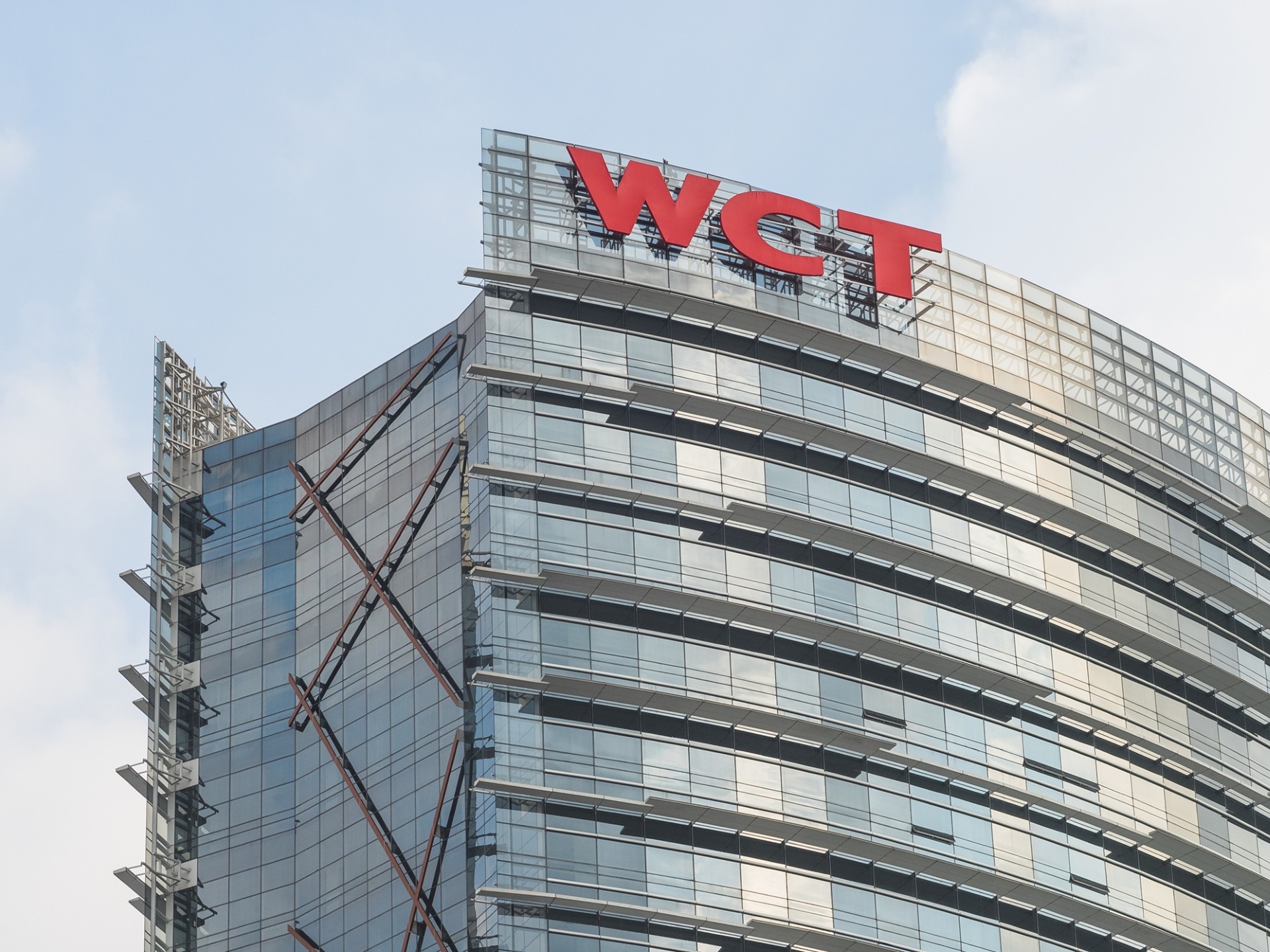
WCT Holdings Berhad (WCT/the Group) recorded revenue of RM465.5 million for its fourth quarter ended 31 December 2025 (Q4FY25), compared with RM552.8 million in the preceding year’s corresponding quarter ended 31 December 2024 (Q4FY24). The Group recorded profit attributable to equity holders of RM10.0 million in Q4FY25, compared with RM57.3 million in Q4FY24.

For the financial year ended 31 December 2025 (FY25), the Group recorded higher revenue of RM1.97 billion, compared with RM1.83 billion in the preceding year (FY24), representing an 7.7% increase. The Group’s profit attributable to equity holders decreased to RM47.8 million in FY25, compared with RM227.9 million recorded in FY24. The higher profit in the preceding year was primarily attributable to a net gain after tax on remeasurement of interest in a jointly controlled entity amounting to approximately RM184 million.

For FY25, the Group’s Engineering and Construction Division recorded revenue of RM940.6 million (FY24: RM1.05 billion), representing 47.7% of the Group’s consolidated revenue, and achieved an operating profit of RM2.9 million, reversing from an operating loss of RM25.4 million in FY24.

Meanwhile, the Group’s Property Development Division achieved higher revenue and operating profit of RM806.8 million (FY24: RM516.2 million) and RM133.3 million (FY24: RM36.9 million). The growth in both the revenue and operating profit was primarily attributed to higher sales and billing, as well as land sales. To date, the Group’s unbilled sales stood at RM 959.8 million.

Dato’ Lee Tuck Fook, Group Managing Director, WCT Holdings Berhad said, “The healthy take-up rates for Adison (Phase 1B), W City Larkinton Johor Bahru, comprising residential units and retail shops reflect sustained demand for well-planned developments in strategic locations and reaffirm buyers’ confidence in WCT’s offerings.

The successful handover of The Maple Residences in WCity OUG @ Kuala Lumpur and Adenia apartments in Bandar Parklands, Klang further demonstrates our commitment to timely delivery.”

The Property Investment and Management Division recorded a lower revenue of RM225.6 million and an operating profit of RM67.1 million (FY24: RM268.5 million and RM370.4 million). The decline in revenue was primarily due to the absence of revenue contributions from Paradigm Mall Johor Bahru and Bukit Tinggi Shopping Centre after the injection into Paradigm REIT on 10 June 2025. Operating profit was lower year-on-year mainly due to a gain on dilution of interest in a joint venture amounting to RM184 million recognised in preceding year.

“While the Group continues to see steady contributions across our core divisions, we are well positioned to capitalise on resilient consumer spending and rising tourist arrivals. In line with the momentum of the Visit Malaysia Year 2026 initiative, we anticipate stronger performance across our retail malls and hotel portfolio, driven by higher footfall and increased occupancy rates,” Dato’ Lee concluded.

Maybank and TNB Electron launch EV charging pilot

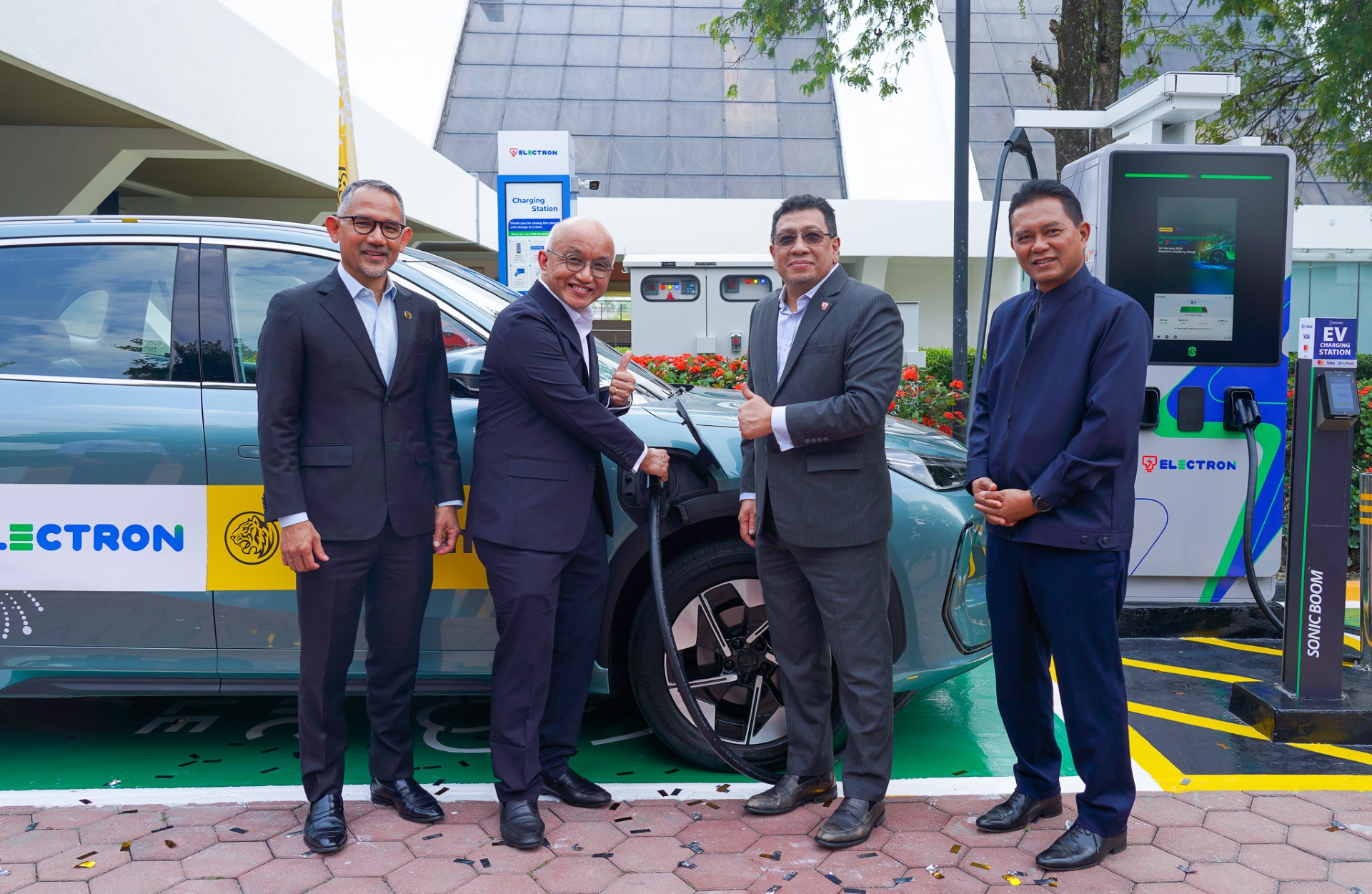
Maybank and Tenaga Nasional Berhad (TNB), through its electric vehicle (EV) charging arm, TNB Electron, today announced the launch of a strategic EV charging pilot at Maybank Academy, Bangi, marking the first collaboration between TNB Electron and a financial institution to support Malaysia’s sustainability agenda.

The initiative builds on a broader collaboration in sustainable finance and energy transition initiatives, including Maybank’s support for TNB’s Transition Finance Framework, translating strategic alignment into practical, on-ground implementation.

Dato’ Sri Khairussaleh Ramli, President and Group CEO of Maybank said: “This partnership underscores Maybank’s ROAR30 New Economy pillar that focuses on advancing urban and smart city solutions, as well as Maybank’s sustainability commitments. By making EV charging more accessible and convenient, we are supporting clients in shifting to cleaner mobility while addressing a key barrier to wider full EV adoption. With significant headroom for growth, Malaysia’s EV ecosystem still remains at an early but promising stage. In 2025, Maybank disbursed over RM1 billion for EV and qualified hybrid car financing.”

Malaysia’s EV industry is surging, with registrations up 106% year-on-year, led by hotspots like the Klang Valley, Johor Bahru, and Penang. With over 5,700 public charge points nationwide, drivers can charge conveniently for daily, weekend, and festive balik kampung travel. TNB Electron also offered a 25% per kWh discount during school holidays and peak festive periods to support adoption. TNB’s charging network points are strategically located at highways, trunk roads, commercial areas and TNB’s premises to support confident nationwide travel.

Under the partnership, TNB Electron will install, operate and maintain the charging facilities, leveraging TNB’s nationwide EV infrastructure expertise and Maybank’s network to support low-carbon mobility through a scalable and reliable model.

Datuk Ir. Megat Jalaluddin Megat Hassan, President/Chief Executive Officer of TNB added: “This collaboration marks a significant step forward in strengthening TNB Electron’s role as a key enabler of Malaysia’s EV ecosystem. With more than 260 EV charge points deployed nationwide, we are advancing grid readiness, enhancing system reliability and supporting long-term sustainability through partnerships with forward-looking organisations such as Maybank.”

With insights gained from this pilot, Maybank and TNB Electron will continue to explore opportunities for deploying EV charging facilities at selected Maybank branches across Peninsular Malaysia, focusing on strategically located sites to enhance accessibility and support the growing adoption of EVs nationwide.

Tealive expands FMCG Footprint through Jaya Grocer

Tealive has launched its 3-in-1 premix beverage range at Jaya Grocer, the leading mass-premium supermarket chain, to bring its café-style drinks into Malaysian homes through everyday retail channels.

Loob Holding Founder and CEO Bryan Loo said the move came amid sustained growth in Malaysia’s at-home beverage segment, with more food and beverage operators expanding into packaged formats to diversify revenue streams and reduce reliance on outlet traffic.

“Our partnership with Jaya Grocer has been an important part of Tealive’s journey, dating back to the Covid period when we first introduced our DIY Bubble Tea Kit to bring the Tealive experience into Malaysian homes. Today’s launch of our Tealive 3-in-1 premix range marks another meaningful milestone as we extend that experience into everyday routines,” he said.

“This collaboration allows consumers to enjoy their favourite Tealive beverages anytime, anywhere, while reinforcing our commitment to making café-quality drinks more accessible. As we continue to evolve into a complete beverage lifestyle brand, this retail expansion reflects our vision of becoming a seamless part of Malaysians’ daily lives, whether in-store or at home, plus offers an opportunity to leverage existing brand equity in new consumption occasions.”

The collaboration positions Jaya Grocer as Tealive’s strategic retail partner for this expansion, providing a curated supermarket platform and access to a broader consumer base seeking convenient, café-quality beverage options for at-home consumption.

Under the rollout, consumers can choose from milk tea, coffee and chocolate series. The milk tea range includes Signature Milk Tea, Gula Melaka Teh Tarik, and Milk Tea Matcha; the coffee series comprises Signature Coffee, Coffee Hazelnut, and Caramel Macchiato; and the chocolate range features Signature Chocolate, Chocolate Hazelnut, and Salted Dark Chocolate.

A key flavour signature across the range is Tealive’s brown sugar profile, incorporated into selected variants to replicate the brand’s popular caramelised brown sugar taste in premix form.

Jaya Grocer is the first supermarket chain to offer Tealive’s mixed-flavour 3+1 Fun Packs, designed for families and office settings seeking variety and value.

Maybank launches inaugural pilot for Ringgit tokenised deposits and cross border payments via blockchain

As part of its ROAR30 ambition, Maybank (the Bank) is developing its digital assets and tokenised money agenda as a core pillar of the Bank’s digital transformation to deliver values-based offerings and faster, more seamless and inclusive financial services.

Towards this, Maybank is launching the first Ringgit tokenised money pilot with global energy infrastructure company, Yinson Holdings Berhad (Yinson) as a participant, under Bank Negara Malaysia’s (BNM) Digital Asset Innovation Hub (DAIH). The pilot will explore on-chain cross-border payments involving Ringgit and other ASEAN deposit tokens on Maybank’s permissioned blockchain.

The initiative will assess the technical feasibility and operational readiness of executing on-chain transactions securely and in near real-time, while helping to shape the foundational design of next generation money rails and payment infrastructure.

Building on this first pilot, Maybank aims to pioneer a range of tokenised assets, including tokenised Islamic finance for businesses from large corporates to SMEs (small and medium enterprises), and retail customers, including wealth solutions.

Through programmable money, the Bank aims to empower SMEs by automating transparent payment flows from anchor clients such as governments and corporates, enabling payment transparency that can eventually unlock accessibility to financing.

For wealth clients, the Bank is exploring tokenised investment products, especially Islamic finance assets such as Sukuk and funds to enable broader participation through fractionalisation.

With its network advantages as one of the leading banks in ASEAN, Maybank aims to reduce friction in today’s transaction and payment flows, and deliver exceptional customer experiences, reinforcing its position as the gateway bank for tokenised ASEAN currencies and assets through blockchain-enabled solutions.

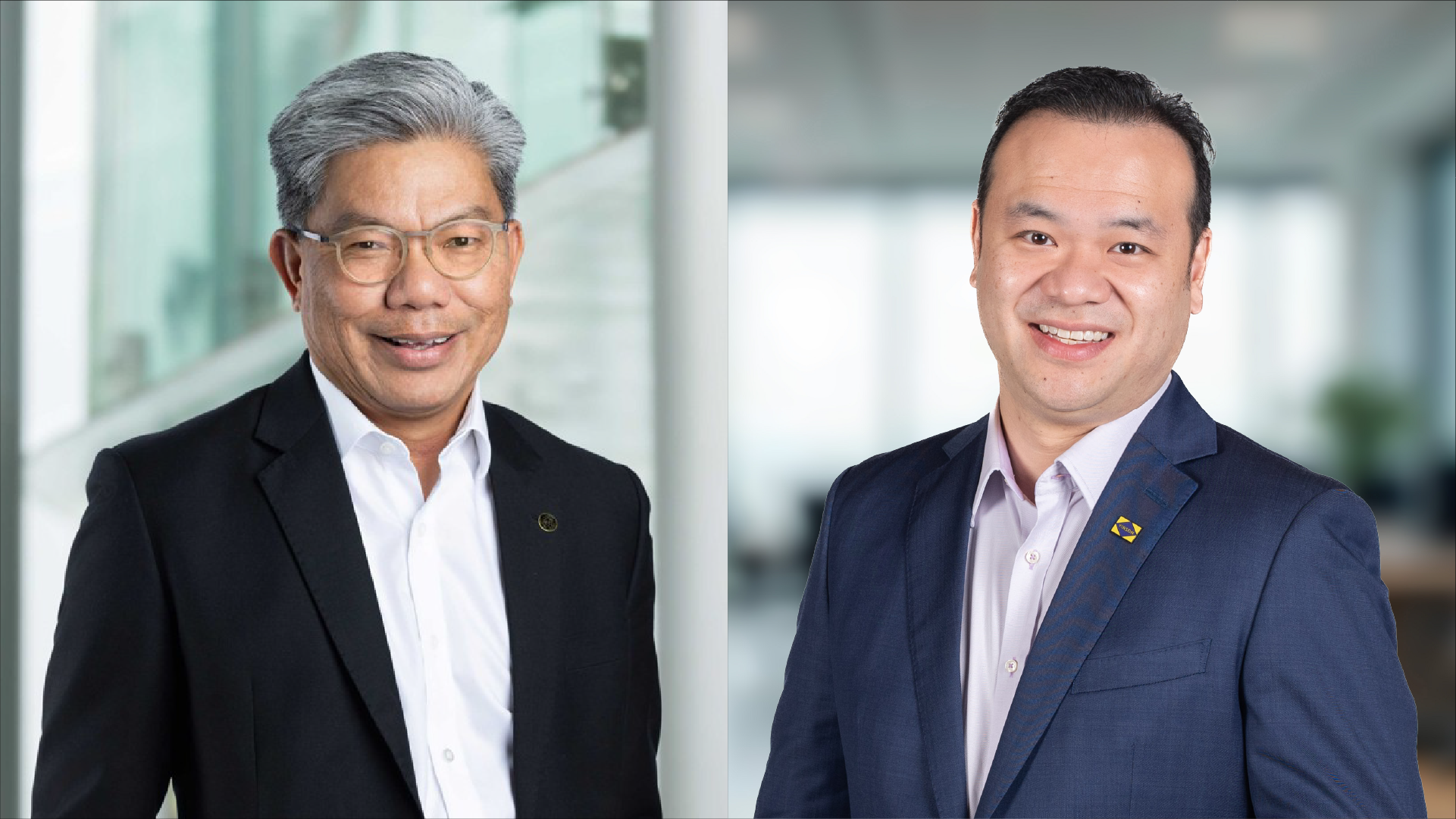
Dato’ Sri Khairussaleh Ramli, President and Group CEO of Maybank said, “At Maybank, our ROAR30 strategy to become the leading global Islamic finance institution, and ASEAN’s leading wealth management, transactions, payments, corporate and investment bank compels us to reimagine how money moves and what our clients demand. Together with regulators, clients and partners, and taking a holistic, pragmatic and inclusive approach, we will progressively expand digital assets and tokenisation initiatives into areas like investing, Islamic finance and supporting SMEs. We continue to work on innovation to deliver tangible benefits for our clients like Yinson and the broader real economy, while upholding the highest standards of governance, security and regulatory integrity.”

Lim Chern Yuan, Group CEO of Yinson Holdings Berhad said, “With diverse businesses and operations across multiple jurisdictions, and complex cross border treasury operations, Yinson is constantly seeking ways to optimise its financial position, manage risks, and respond swiftly to opportunities. We are open to leverage innovative technology with the support of regulators and established financial institutions like Maybank. Enabled by on-chain solutions, shorter settlement cycles to almost real-time allows Yinson to further manage working capital more efficiently and reduce foreign exchange exposure and transaction costs. We welcome the prospect of collaborating with BNM and Maybank in this pilot initiative.”

RHB and Cagamas expand access to green homes

RHB Banking Group (RHB/ the Group) and Cagamas Berhad (Cagamas), the National Mortgage Corporation of Malaysia, through its sister company Cagamas SRP Berhad (Cagamas SRP), introduces a new conventional Green Home Financing scheme that provides Malaysians with up to 110% financing for residential properties that carry recognised green building certifications. The scheme is designed to reduce upfront cash requirements by offering 100% financing for the property value plus an additional 10% for Mortgage Reducing Term Assurance or Takaful.

The partnership makes certified green homes accessible to a wider segment of Malaysians. By extending financing to more homebuyers for primary market properties, the financing scheme broadens access to sustainable living and ensures that green-certified homes are no longer viewed as a premium option reserved for the affluent.

Jeffrey Ng Eow Oo, Managing Director, Group Community Banking, RHB Banking Group said, “Many Malaysians want homes that are comfortable, efficient and better for the environment, but affordability often gets in the way. This collaboration helps close that gap. Our focus is on giving communities innovative financial solutions that genuinely address their needs while supporting long term, sustainable living. By expanding access to certified green homes, we are helping more Malaysians make choices that benefit their families today and their future tomorrow.”

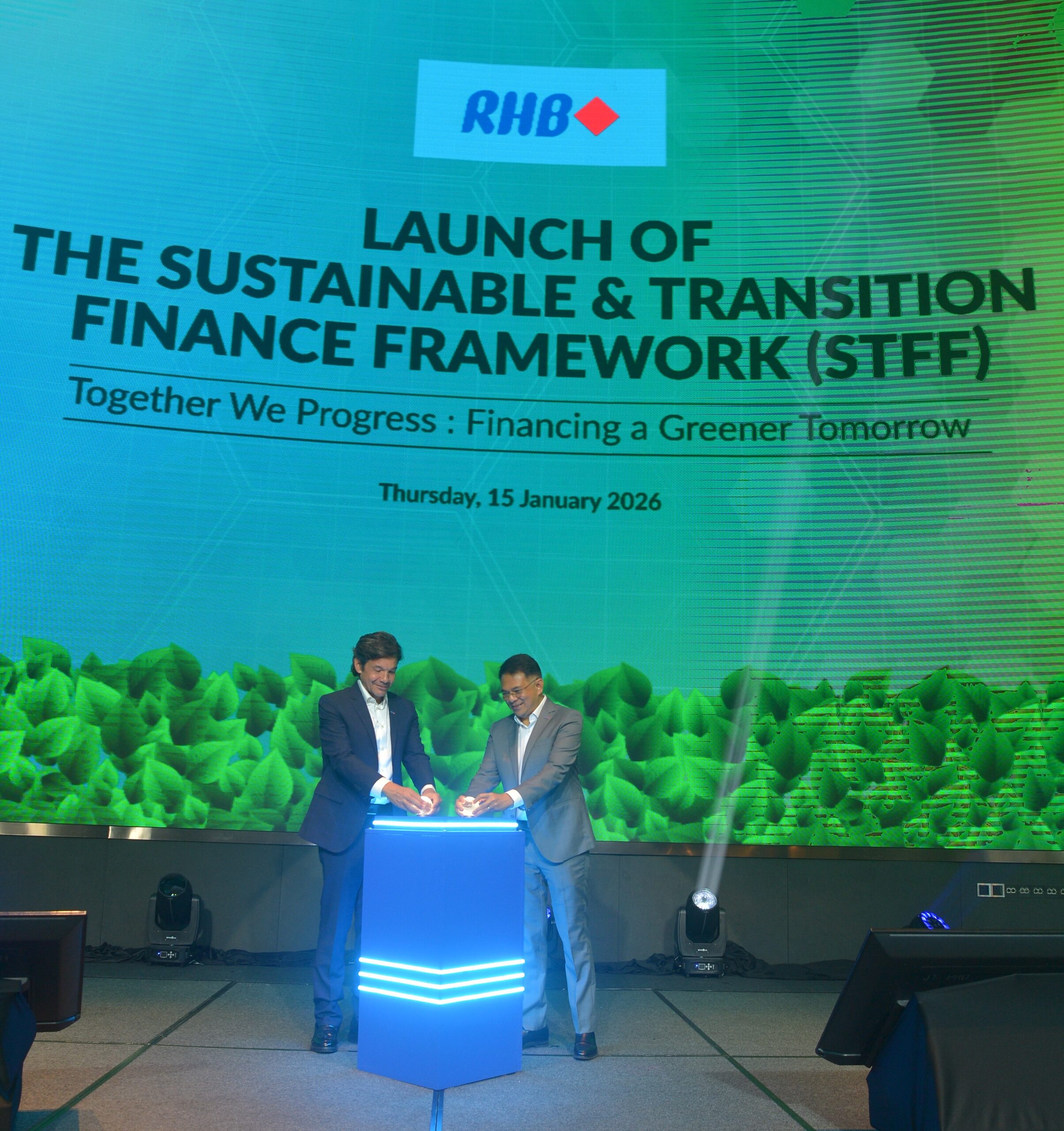
This initiative is aligned with RHB’s PROGRESS27 corporate strategy, which embeds sustainability across the Group’s business priorities. It also reflects the principles outlined in RHB’s Sustainable & Transition Finance Framework (STFF), one of the enablers supporting customers through their sustainability and transition needs. Under PROGRESS27, RHB is committed to mobilising RM90 billion in Sustainable Financial Services (SFS) by 2027. As at December 2025, the Group’s cumulative SFS reached over RM59 billion, representing close to 66% of its target.

“At Cagamas, our priority is to strengthen Malaysia’s housing financing ecosystem by supporting solutions that meet the evolving needs of homebuyers. Our collaboration with RHB not only encourages the growth of green certified homes, but also supports lenders ready to offer responsible, forward looking products. Building on the success of earlier guarantee schemes such as Skim Rumah Pertamaku, Skim Perumahan Belia and the First Home Mortgage Guarantee Programme, all of which have enabled more than 100,000 Malaysians to own their first homes, the Green Mortgage Guarantee Programme (Green MGP) adds a new dimension of environmental responsibility. It provides financial institutions with a valuable risk mitigation tool to advance ESG aligned lending, while giving homebuyers improved financing options for sustainable properties,” said Kameel Abdul Halim, President/Chief Executive Officer of Cagamas Berhad.

Over 54% of Malaysian employers are set for team expansion

Ambition Malaysia has released its annual Market Insights & Salary Guide, providing an in-depth view of hiring trends, workforce priorities, and talent expectations. The report covers key industries across Malaysia, including technology, finance, human resources, engineering, supply chain, sales and marketing, banking and financial services, and global business services.

This year’s report combines Ambition’s on-the-ground market observations with findings from our recent Quick Pulse Survey, which gathered close to 500 responses from employers and professionals across Malaysia, offering timely insight into how organisations closed out 2025 and how they are positioning themselves for the year ahead.

Commenting on the findings, Matthew Cooper, Managing Director of Ambition Malaysia, shared that 2025 marked a shift toward more deliberate and purposeful workforce planning, “Organisations continued to invest in capabilities that strengthen long-term competitiveness, particularly in digital transformation, automation, compliance, sustainability, and supply chain resilience. At the same time, tighter budgets and slower approval cycles meant hiring became more selective, with a clear focus on roles that support business continuity and operational efficiency.”

Across sectors, employers placed greater emphasis on internal mobility, succession planning, and upskilling, while professionals became more discerning in their expectations, prioritising stability, meaningful career growth, and hybrid flexibility when evaluating new opportunities.

Key Findings from the Quick Pulse Survey

  • Hiring remains active, although decisions take longer – Hiring activity remains steady, with 54% of employers planning to hire over the next six months, although approval processes have lengthened due to increased scrutiny on business-critical roles.
  • Talent decisions are value-led, not just pay-led – While salary remains the single most important factor (27%), professionals are increasingly prioritising career growth (20%), company culture (17%), and flexibility (17%) alongside compensation when considering new opportunities.
  • Change is happening gradually, not disruptively – Change across the workforce continues to be measured, with 52% of employers using contract hiring selectively and over 60% of organisations still in the early or exploratory stages of AI adoption, largely focused on productivity and skills development.

Looking ahead, The Malaysian job market is expected to maintain steady hiring momentum in 2026, supported by continued investment in digitalisation, shared services expansion, compliance-driven roles, and sustainability initiatives. For employers, success in attracting and retaining talent will increasingly depend on how well organisations balance cost with flexibility, culture, and long-term career development.

For professionals, the outlook points to a more selective job market, where adaptable, cross-functional skillsets, digital fluency, and regional exposure will play a growing role in career mobility and competitiveness.

Ambition’s 2026 Market Insights & Salary Guide provides sector-specific analysis and practical guidance for employers planning workforce strategies and professionals navigating their next career move.