RAM Ratings has maintained a stable outlook on the Malaysian insurance and takaful sector, which we expect to stay resilient in the face of a changing landscape, market volatilities and the normalisation of claims towards pre-pandemic levels. Notwithstanding headwinds, the sector is still well-capitalised to absorb potential shocks.
Against this landscape, RAM’s key expectations for the sector this year are:
▪ New business (NB) expansion of 8% for the life and family sector (2022: +3% y-o-y; 2021: +18%). ▪ Earnings recovery in the life and family takaful sector as downside risks recede. ▪ Growth in the non-life sector will be flat at best as car sales are anticipated to decline from last year’s all-time high. ▪ Non-life sector’s claims and combined ratios will normalise to pre-pandemic levels. ▪ Capitalisation will remain sound despite still-elevated market risks (capital adequacy ratio as at end-December 2022: 226%; end-December 2021: 224%)
The slower NB growth of the life and family takaful sector is attributable to a pullback in demand for investment-linked products given challenging investment conditions last year and, to some extent, the expiry of the loan repayment moratorium as the resumption of loan instalments reduced the consumption capacity of individuals. We expect NB generation to pick up pace with growth of 8% this year as expansion of the ordinary life/family segment remains strong (2022: +19%), underpinned by an increased awareness of the need for life and health protection as well as the mortgage insurance/takaful business.
Higher claims and payouts of policy benefits, having climbed 13.5% y-o-y (2021: -0.5%; 2020: +0.8%), dented the sector’s underwriting income last year. This was in line with our earlier expectations that medical claims will rise in tandem with a normalisation in the volume of medical procedures to pre-pandemic levels and medical cost inflation. Coupled with outsized investment-related losses, driven primarily by the spike in Malaysian Government Securities yields amid an environment of steep interest rate hikes, the sector’s bottom line sank to a multi-year low of RM8.6 bil (2021: RM12.9 bil; 2020: RM22.3 bil).
“Some earnings recovery is expected this year even though financial markets could still be volatile in view of global uncertainties. Fluctuations should, however, moderate from levels seen last year,” said Sophia Lee, RAM’s Co-head of Financial Institution Ratings.
The claims ratio of the non-life sector also normalised upwards (2022: 57%; 2021: 51%), largely due to increased motor claims. The weaker claims performance and a heavier cost load culminated in a loftier combined ratio of 92% (2021: 87%). “We expect the combined ratio to stay on the higher end of the 85%-95% historical range moving forward, as the claims ratio nudges closer to pre-Covid levels and margins are compressed further amid rife competition,” Lee adds. The non-life sector charted stellar growth of 12% in 2022 (2021: +3.8%; 2020: -0.1%) on account of all-time high car sales – which would unlikely repeat this year – and improved economic conditions. The sector’s growth will be flat at best in 2023.
On a separate note, Malaysian Financial Reporting Standard (MFRS) 17 Insurance Contracts, which outlines new requirements on recognition and measurement of insurance revenue and liabilities, came into effect on 1 January 2023. The complex accounting standard has entailed a major overhaul of processes and systems and will remain burdensome, with players having to maintain two books – one based on the new standard and another on the previous standard for regulatory capital purposes. “However, the profitability of insurance contracts does not change with the new standard although the manner in which revenue and profits are recognised would differ,” said RAM rating specialist Loh Kit Yoong.
The revival of mergers and acquisitions (M&A) activity after a lull may also see shifts in market dynamics, particularly in the non-life industry where there has been some degree of market consolidation after the respective AmGeneral-Liberty and Generali corporate exercises. Following the completion of FWD Group’s acquisition of a 70% stake in Gilbraltar BSN Life and news of potential M&As (Berjaya-MCIS and Tokio Marine’s plan to dispose of Southeast Asian operations) in the last few months, there could be further activity on this front.
The evolving operating landscape with ongoing structural reforms, complex MFRS 17 implementation, and increased M&As mean that players will have to up their game to stay competitive, even while navigating these challenges. The push for digital and more innovative solutions through Bank Negara Malaysia’s (BNM) financial technology sandbox – together with better financial literacy, and efforts to simplify protection products and improve affordability and accessibility – would culminate in higher insurance/takaful penetration in the long run (measured by premiums to GDP; BNM’s Financial Sector Blueprint target of 4.8%-5.0% against RAM’s 2022 estimate of 4.6%).
About RAM Rating Services Berhad (RAM Ratings)
Established in 1990, RAM Ratings is a leading credit rating agency registered under the Securities Commission’s Guidelines on Credit Rating Agencies. In addition to the provision of credit ratings for corporate bonds and sukuk and their issuers, RAM Ratings also provides research and publications on Islamic finance, fixed income and macro-economic and industry analysis as well as data analytics relating to credit risk, counterparty assessments and other related domains.
Suruhanjaya Sekuriti Malaysia (SC) mempelawa para sarjana untuk memohon penyertaan dalam Program Felo Sarjana Tamu (SIR) ke-12 dalam bidang Kewangan Islam, di Pusat Pengajian Islam Oxford (OCIS) bagi sesi akademik 2023/24.
Program SIR terbuka kepada ahli akademik atau pengamal yang berkebolehan dalam menjalankan penyelidikan gunaan secara bebas mengenai topik kontemporari yang berkait rapat dengan pasaran modal Islam.
Bidang keutamaan termasuk kewangan sosial Islam, pelaburan berimpak, teknologi kewangan, kewangan peralihan dan yang berkaitan dengan pelaburan mampan dan bertanggungjawab.
Pemohon yang mempunyai kepakaran dalam kewangan Islam dan/atau disiplin yang berkait rapat dengan pengalaman praktikal yang luas dalam bidang berkaitan adalah digalakkan untuk memohon.
Pemohon yang berjaya dijangka akan menetap selama satu tahun akademik di OCIS mulai Oktober 2023. Sebagai sebahagian daripada program, sarjana terpilih juga sesekali dikehendaki menyampaikan syarahan dan mengadakan seminar, terlibat dalam kajian kolaboratif, dan menyumbangkan tenaga kepada institusi berkaitan.
Program ini adalah sebahagian daripada usaha berterusan SC untuk memacu pembangunan global yang mampan bagi pasaran modal Islam, dengan kepimpinan pemikiran sebagai tonggak utama.
Suruhanjaya Sekuriti Malaysia (SC), sebuah badan berkanun yang melapor kepada Menteri Kewangan, ditubuhkan di bawah Akta Suruhanjaya Sekuriti 1993. Ia merupakan agensi kawal selia tunggal bagi pengawalseliaan dan pembangunan pasaran modal. SC mempunyai tanggungjawab langsung untuk menyelia dan memantau aktiviti institusi pasaran, termasuk bursa dan rumah penjelasan, dan mengawal selia semua individu yang dilesenkan di bawah Akta Pasaran Modal dan Perkhidmatan 2007. Maklumat lanjut mengenai SC boleh didapati di laman sesawangnya di www.sc.com.my. Ikuti SC di twitter di @SecComMy untuk perkembangan terkini.
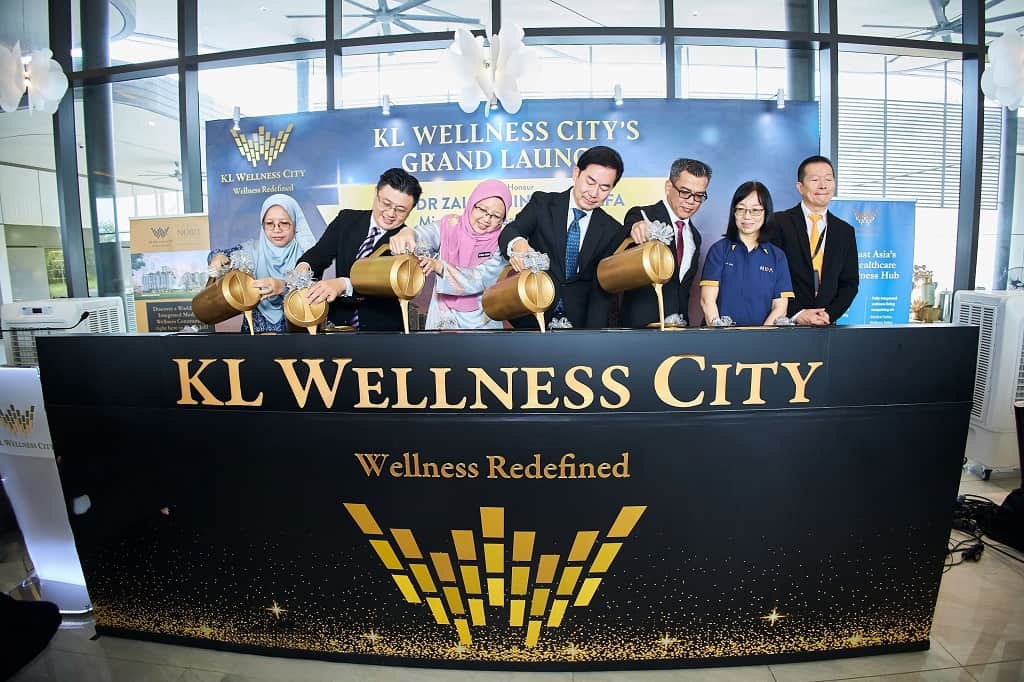
KL Wellness City (KLWC), the first purpose-built township project in Southeast Asia to cultivate a lifestyle fully integrated with healthcare and wellness, marked its official launch today at the KL Wellness City Gallery in Bukit Jalil. The ceremony welcomed the Minister of Health, YB Dr Zaliha Mustafa as its Guest of Honour to officiate the momentous occasion.
With a gross development value (GDV) of RM11 billion and spanning over 26.49 acres, the development is a world-class medical and wellness living at its core. The project features a well-rounded ecosystem primed for wellbeing and health – The Nobel Healthcare Park, the KL International Hospital (KLIH), innovation laboratories, clinical R&D facilities, healthcare company office towers, a retirement resort, a Healthcare Hub, wellness-centric serviced apartments, a fitness-based Central Park, and more.
For the past few years, during the pandemic, Malaysia has been fighting hurdles in keeping up infrastructure development with patient load, retaining our medical talents, maintaining continuance of care in preparation for an ageing nation and a continuous war against Non-Communicable Diseases (NCD).
Positioning Malaysia As A Hub For Medical Tourism
From Left: Pn Norhaslina Othman, Malaysia Healthcare Travel Council Vice President (Facilitation), Dato’ Sri Vincent Tiew, Executive Director (Branding, Sales, And Marketing), YB Dr. Zaliha Mustafa, Minister of Health, Dato’ Dr. Colin Lee, KL Wellness City Managing Director, Wan Zamri Wan Hassan, Director (Project Development), Ms. Lim Bee Vian, Malaysian Investment Development Authority (MIDA), Deputy Chief Executive Officer, Datuk Seri Garry Chua, Non-Executive Director (Retail, Consumerism & Construction)
“In full support of Malaysia’s national plan to be recognised as one of the best places for medical tourism, KL Wellness City is designed to provide and prioritise health and wellbeing as the heart of its development, through its vision of a 360-degree wellness hub centred around its township which encompasses all aspects of medical care, health, wellness, fitness, and business, complete with residential, retail, and commercial offerings,” said KL Wellness City Managing Director, Dato’ Dr Colin Lee.
In line with the national vision of solidifying Malaysia’s position and track record as the top destination for medical tourism in mind, KL Wellness City will serve as the ultimate one-stop oasis for the body and mind for both domestic and international travellers.
Preparing For An Ageing Nation
YB Dr. Zaliha Mustafa, Minister of Health, adds her signature to the plaque following the successful official launch ceremony of KL Wellness City
Other than being a cornerstone for healthcare travel, according to Dato’ Dr Colin, the KLWC project is also an initiative that is built with an ageing nation in mind. Malaysia, having attained its status as an ageing nation, has an ageing population growing at a faster-than-expected rate where more than 15% of its population will be above the age of 65 by 2050.
In response to this shift in population demographics, Malaysia is currently in pursuit of WHO’s Universal Health Coverage and Sustainable Development Goals, that is to provide equitable healthcare and wellness for all. “The KL Wellness City master plan incorporates thousands of facilities and residences. This township is a significant step towards embracing an ageing nation, with facilities for comprehensive healthcare dedicated to wellbeing through elderly care, retirement resorts, as well as independent and assisted living.” Dato’ Dr Lee added.
Retaining And Cultivating Local Medical Talents
Dato’ Dr. Colin Lee, Managing Director of KL Wellness City, expresses gratitude by presenting a token of appreciation to YB Dr. Zaliha Mustafa, Minister of Health
The flagship KL International Hospital (KLIH), approved as a tertiary hospital with 624 beds and scalable to 1,000-bed capacity, will be on the same ranks as renowned institutions like Thailand’s Bumrungrad International Hospital, as well as Mount Elizabeth Novena, Singapore.
Some of the of medical equipment and facilities to be equipped in the KL International Hospital will be amongst the first in the Southeast Asia region, offering a fully comprehensive and integrated ecosystem of healthcare services including wellness and fitness facilities across diverse areas, including cardiology, spine health, neuro health, sports medicine, cosmetic surgery, and fertility, with R&D laboratories and facilities for clinical studies.
With the support of the Malaysian Investment Development Authority (MIDA) towards the KLIH, the new private hospital will be built within the mixed development of KL Wellness City in Kuala Lumpur with proposed investment of RM860 million. The project, set to be in operation in the first half of 2026, will create over 3,000 job opportunities for medical professionals, including medical specialists, doctors, nurses, pharmacists, technicians, and others.
“The commitment of KLWC to raising the bar for healthy living and wellbeing resonates with the Ministry of Health’s whole-of-system approach. It aligns perfectly with our national vision and the direction set forth in the 12th Malaysia Plan.
Undoubtedly, I have faith that KLIH will attract multidisciplinary leading specialists to practice in a single hospital location, shortening turnaround time for both local and foreign patients, optimising patient care and experience.
We foresee KLIH filling in that gap for Malaysians, and we stand in support of KLWC resonating with their purpose. The Ministry applauds the efforts of the tertiary hospital to maintain our leading position in this region and globally. We will continue to endorse KL International Hospital’s commitment,” said YB Dr Zaliha Mustafa, Minister of Health Malaysia.
Dato’ Dr Colin also expressed his gratitude for the support of the Malaysian Government for the groundbreaking project. “We are honoured by the presence of the esteemed Minister of Health, YB Dr Zaliha Mustafa, which further exemplifies our shared commitment to make Malaysia stand among the best in the SEA region.”
VIPs pose for the photo album to commemorate the successful official launch ceremony of KL Wellness City
About KL Wellness City
KL Wellness City Sdn Bhd is the master township developer. At the forefront of wellness and healthcare, KL Wellness City is the first in Southeast Asia to cultivate a lifestyle fully integrated with healthcare. Pioneering a comprehensive ecosystem embodying healthcare and wellness living, KL Wellness City’s concept is uniquely modelled by its declaration to redefining, strengthening, and broadening our experience of health and quality of life. Sharing in this vision of building a 360-degree wellness hub, the KL Wellness City community boasts The International Tertiary Hospital, Medical Suites, innovation laboratories, clinical R&D facilities, healthcare company office towers, a retirement resort, a Healthcare Hub, wellness-centric serviced apartments, a fitness-based Central Park, and more.
Serving as a healthcare nexus, these pivotal elements collectively render KL Wellness City the ultimate one-stop oasis for the body and the mind. Each component of this township is carefully conceptualised to excel both independently and collectively as a part of the community’s integrated ecosystem encompassing medical care, healthcare, wellness and fitness.
Pursuant to the earlier media release “Bursa Malaysia And RAM Collaborate On A New Debt Fundraising Platform,” issued on 22 December 2022,” Bursa Malaysia Berhad (“Bursa Malaysia” or the “Exchange”) and RAM Holdings Berhad (“RAM”) are pleased to announce that our joint venture entity, Bursa Malaysia RAM Capital Sdn Bhd (formerly known as BM RAM Capital Sdn Bhd) (“BR Capital” or “Company”) had on 2 June 2023 received approval-in-principle from the Securities Commission Malaysia (“SC”) in relation to BR Capital’s application to be registered as a Recognized Market Operator under the SC’s Guidelines on Recognized Markets, to manage and operate a new debt fundraising platform.
“We are appreciative of the SC’s support and are excited to be making good progress towards offering this new solution – investment notes as an alternative option for fundraising by small to mid-sized companies, while providing more investment opportunities to investors,” said Datuk Muhamad Umar Swift, Chief Executive Officer of Bursa Malaysia. “This upcoming fixed income solution is part of our aspiration towards truly being a multi-asset exchange.”
Chris Lee, Group CEO and Executive Director of RAM, echoed the sentiment, stating, “The approval-in-principle from the SC is a significant milestone for both RAM and Bursa Malaysia. The platform shall broaden fund raising avenues for both listed and unlisted entities whilst providing new fixed income investment opportunities to all investors. This collaborative achievement positions us to drive sustainable growth in the Malaysian capital market.”
About Bursa Malaysia
Bursa Malaysia is an exchange holding company incorporated in 1976 and listed in 2005, and has grown to be one of the largest bourses in ASEAN today. Bursa Malaysia operates and regulates a fully-integrated exchange offering a comprehensive range of exchange-related facilities, and is committed to Creating Opportunities, Growing Value. Learn more at www.bursamalaysia.com.
About RAM Holdings Berhad
RAM Holdings Berhad (RAM Group) is a leading provider of independent credit ratings, research, training, risk analysis, ESG analytics and bond pricing. Formerly known as Rating Agency Malaysia Berhad, RAM Holdings was established in November 1990 as a catalyst for the domestic debt capital market and as the nation’s first credit rating agency. In 2007, our rating operations were novated to a newly formed subsidiary, RAM Rating Services Berhad. Apart from credit ratings, the RAM Group also offers myriad solutions ranging from economic and debt market research, data & analytics and sustainability services. In 2016, RAM Sustainability commenced offering Sustainability Ratings, a tool and framework that measure companies’ environmental, social and governance (ESG) performance. Bond Pricing Agency Malaysia Sdn Bhd (BPAM) became a wholly owned subsidiary of RAM Holdings Berhad on 30 June 2021. The company is the sole provider of bond-pricing and valuation data on the Malaysian bond market and is regulated by the Securities Commission Malaysia.
Landskap pelaburan hari ini mempunyai banyak cabaran. Persekitaran ekonomi semasa yang berinflasi tinggi dan kos sara hidup yang lebih tinggi telah mengakibatkan peningkatan ketidaktentuan di dalam pasaran kewangan. Sementara itu, populasi yang semakin berumur menambah tekanan terhadap simpanan persaraan. Kesan daripada trend global ini, rakyat Malaysia menjadi semakin terdedah di dalam perjalanan pelaburan mereka.
Institute for Capital Market Research Malaysia (ICMR) telah menjalankan kajian di seluruh negara untuk lebih memahami keterdedahan zaman baru ini. Kami mendapati punca bagi kelemahan pelabur datang daripada pelbagai sudut dan boleh dikelaskan secara amnya kepada tiga kategori berdasarkan ciri-cirinya. Dalam artikel ini, kami akan meneroka kategori pertama dan yang paling biasa: tingkah laku kewangan dan kebolehcapaian.
Lebih Banyak Keputusan, Lebih Letih
Penemuan tinjauan kami mendapati bahawa kebanyakan pelabur Malaysia mengalami kelemahan disebabkan oleh tingkah laku kewangan mereka dan kebolehcapaian terhadap produk dan perkhidmatan kewangan. 93% daripada responden yang dikaji mempunyai tiga atau lebih tingkah laku dan akses yang boleh membuatkan mereka berasa terdedah, termasuklah persepsi mereka tentang status kewangan mereka sendiri, tingkah laku simpanan dan celik kewangan.
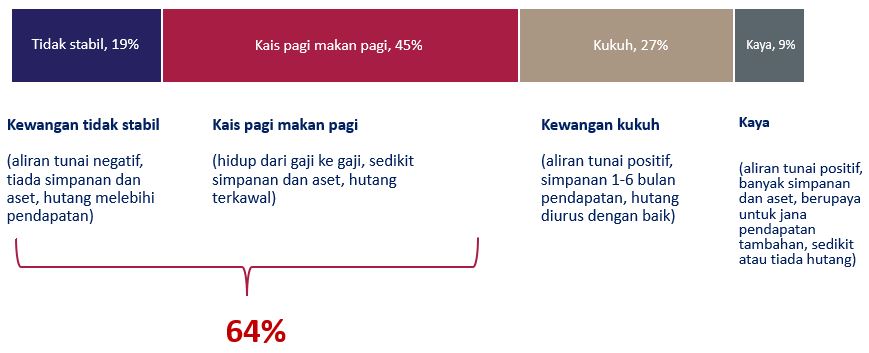
Daripada sudut persepsi status kewangan, kebanyakan rakyat Malaysia melaporkan bahawa mereka tidak stabil daripada segi kewangan atau hidup kais pagi makan pagi, yang mempengaruhi tahap tekanan kewangan dan kesejahteraan mereka. 74% daripada mereka yang tidak stabil daripada segi kewangan dan 54% yang hidup kais pagi makan pagi, mengaku bahawa mereka sentiasa berasa tertekan dan bimbang apabila memikirkan tentang masa depan kewangan mereka.
Jadual 1: Status Kewangan Yang Dirasa (Sumber Data: ICMR)
Kajian tingkah laku terdahulu telah menunjukkan bahawa semakin banyak keputusan yang terpaksa dibuat, semakin banyak keletihan yang terhasil, seterusnya membawa kepada kualiti membuat keputusan yang semakin merosot – sebuah konsep yang dikenali sebagai keletihan keputusan. Lebih-lebih lagi, individu yang kerap mengalami tekanan kewangan cenderung mengalami keletihan membuat keputusan yang lebih teruk berbanding individu lain.
Sememangnya, 61% daripada mereka yang tidak stabil daripada segi kewangan dan 42% daripada mereka yang hidup kais pagi makan pagi mengakui bahawa mereka mengalami keletihan mental apabila memikirkan tentang perancangan kewangan dan lebih suka untuk mengikut keputusan ahli keluarga dan rakan-rakan mereka. Seperti yang ditonjolkan di dalam artikel kami sebelumnya, ini menyebabkan mereka lebih terdedah kepada penipuan, diperdaya dan mencipta gelembung pelaburan.
Tidak Cukup Simpanan Untuk Waktu Sukar
Di samping status kewangan, ICMR juga berusaha untuk memahami tingkah laku simpanan rakyat Malaysia, memandangkan betapa pentingnya untuk mempunyai simpanan yang mencukupi bagi memastikan daya tahan kewangan terhadap sebarang kejutan dalam kehidupan yang tidak dijangka. Berdasarkan panduan oleh Kumpulan Wang Simpanan Pekerja (KWSP), adalah disyorkan bahawa rakyat Malaysia mempunyai sekurang-kurangnya 20% simpanan bulanan dan 6 bulan simpanan kecemasan.
Satu andaian biasa ialah rakyat Malaysia secara amnya tidak mengetahui tanda aras simpanan ini, tetapi penemuan ICMR mencadangkan sebaliknya. Walaupun 43% responden tahu bahawa mereka harus menyimpan 20% daripada pendapatan bulanan mereka, hanya 23% yang benar-benar mengikutinya. Begitu juga dengan dana kecemasan, 34% tahu bahawa mereka memerlukan simpanan sebanyak 6 bulan atau lebih, tetapi hanya 22% yang mendakwa mempunyai jumlah tersebut untuk kecemasan.
Jadual 2: Tingkah Laku Simpanan dan Simpanan Kecemasan
Satu lagi andaian ialah mereka yang berpendapatan tinggi boleh menyimpan paling banyak, manakala tekanan kewangan biasanya dikaitkan dengan mereka yang berpendapatan rendah. Kajian kami sekali lagi mencabar andaian ini, kerana penemuan kami menunjukkan bahawa 68% responden di dalam kumpulan berpendapatan tinggi menyimpan kurang daripada 20% pendapatan bulanan mereka dan 76% mempunyai simpanan kecemasan kurang daripada 6 bulan.
Memandangkan rakyat Malaysia sedang bergelut untuk menyimpan secara tetap dan tidak mampu untuk menampung kewangan mereka semasa waktu sukar, adalah sukar untuk mengharapkan mereka untuk menunjukkan tabiat menyimpan yang lebih baik bagi matlamat jangka masa panjang seperti persaraan. Ini kemudiannya membawa kepada faktor lain yang mentakrifkan kelemahan pelabur di Malaysia – simpanan persaraan atau kekurangannya.
Kurangnya Persediaan Persaraan
Berdasarkan andaian bahawa seseorang itu akan bersara pada umur 55 tahun dan jangka hayat di Malaysia ialah 75 tahun, simpanan seseorang itu perlu bertahan sekurang-kurangnya 20 tahun. Walau bagaimanapun, apabila kami bertanya kepada responden kami berapa lama mereka menjangkakan simpanan semasa dan simpanan KWSP mereka akan bertahan selepas bersara, 75% berpendapat bahawa jumlah simpanan persaraan mereka akan bertahan kurang daripada 20 tahun yang diperlukan selepas bersara nanti.
Punca utamanya adalah disebabkan oleh kekurangan simpanan persaraan, terutamanya dalam kalangan pesara dan pekerja gig. 62% pekerja gig yang ditinjau mendakwa mempunyai simpanan persaraan kurang daripada RM50,000, dan yang lebih membimbangkan ialah 70% pesara yang dikaji mempunyai simpanan persaraan kurang daripada RM250,000 – lebih rendah daripada anggaran KWSP untuk menampung keperluan asas selama 20 tahun selepas bersara.
Jadual 3: Simpanan Persaraan mengikut Kumpulan Umur
Walaupun mereka yang berumur 40 tahun dan ke bawah cenderung untuk memenuhi aras simpanan asas persaraan seperti yang ditetapkan oleh pihak KWSP, sebaik sahaja mereka mencapai umur 41 tahun, lebih separuh daripada pencarum KWSP tidak dapat memenuhi sasaran simpanan asas bagi setiap kumpulan umur. Ini mungkin disebabkan oleh mereka mula mengeluarkan simpanan KWSP mereka untuk pinjaman rumah, pendidikan anak-anak, atau perbelanjaan kesihatan.
Bagi melengkapkan lagi penemuan tinjauan kami, ICMR turut menjalankan temu bual kualitatif dengan pesara di Lembah Klang. Mereka yang ditemu bual berkongsi bahawa mereka tidak tahu apa yang perlu dilakukan dengan jumlah besar simpanan yang boleh diakses oleh mereka selepas bersara. Akibatnya, mereka cenderung untuk melabur secara cuba-jaya dan mengikuti nasihat daripada rakan dan keluarga – di mana ramai yang dibelenggu dengan pelaburan yang gagal.
Terlalu Yakin Tentang Celik Kewangan
Walaupun rakyat Malaysia pada umumnya tidak mempunyai simpanan yang cukup dan tidak bersedia untuk bersara, penemuan ICMR juga menunjukkan bahawa mereka terlalu yakin dengan tahap pengetahuan kewangan mereka. Hanya 39% daripada responden mendapat markah 80% – 100% dalam ujian celik kewangan mudah yang disediakan oleh ICMR – tetapi 67% daripada responden mendakwa sangat yakin dengan keupayaan kewangan mereka.
Topik seperti faedah kompaun, inflasi, risiko dan pulangan, kos peminjaman dan kepelbagaian, dianggap sebagai yang paling asas untuk menguji pemahaman responden tentang beberapa konsep kewangan utama. Walau bagaimanapun, adalah membimbangkan untuk melihat 59% daripada responden yang mendapat markah lebih rendah daripada 80% (kurang daripada 4 soalan betul) berasa sangat yakin tentang keupayaan kewangan mereka.
Kesan terlalu yakin dapat diperhatikan apabila keyakinan subjektif individu terhadap keupayaan mereka sendiri lebih besar daripada prestasi objektif (sebenar). Keyakinan yang berlebihan telah dikaitkan dengan pelbagai isu. Secara umumnya, dalam kalangan pelabur, sikap terlalu yakin telah dikaitkan dengan pengambilan risiko yang berlebihan dan berkemungkinan besar menyebabkan mereka membuat keputusan kewangan yang salah.
Keyakinan berlebihan juga mempunyai kaitan dengan kecenderungan optimisme seseorang semasa membuat keputusan pelaburan atau kewangan yang lebih luas. Bias optimisme merujuk kepada kecenderungan orang ramai untuk menilai terlalu tinggi kebarangkalian kejadian positif dan merendah-rendahkan kebarangkalian kejadian negatif yang boleh berlaku kepada mereka pada masa hadapan. Pemikiran seperti ini adalah berbahaya dan sering menyebabkan pelabur membuat keputusan kewangan yang melulu.
Keterdedahan Pelabur Adalah Pelbagai
Membuat keputusan kewangan yang baik bukanlah tugas yang mudah bagi kebanyakan orang. Mereka perlu mengatasi kecenderungan berat sebelah dan mempertimbangkan kepuasan keuntungan jangka masa pendek terhadap perkara yang bermanfaat untuk jangka masa panjang. Cabaran untuk membuat keputusan kewangan yang baik menjadi lebih sukar apabila faktor seperti tekanan kewangan menghalang seseorang daripada membuat keputusan yang optimum dengan fikiran yang waras.
Namun begitu, kajian ICMR menyerlahkan bahawa ‘jenis’ kelemahan yang berbeza kerap bertindih dan berkait rapat – bermakna kesukaran kewangan tidak selalunya mudah untuk dikaitkan dengan satu ‘punca’ tertentu. Nantikan artikel kami seterusnya di mana kami meneroka bagaimana keadaan situasi dan isu berkaitan industri juga boleh menyebabkan kelemahan baru bagi pelabur Malaysia.
Artikel ini adalah sebahagian daripada siri kandungan oleh Institute for Capital Market Research (ICMR). Ikuti laman Facebook ICMR untuk mendapatkan info terkini tentang petua tingkah laku dan pandangan, untuk tabiat pelaburan yang lebih baik. Untuk mengetahui lebih lanjut mengenai kajian ICMR ke atas milenial dan Gen Z, layari www.icmr.my atau muat turun laporan penuh di sini.
Insurance is a means of protection from financial loss where a party agrees to compensate another party in the event of loss, damage, or injury; in exchange for a fee. In other words, insurance is a risk transfer mechanism where you transfer your risk to the insurance company to get coverage for any financial loss you may face due to unforeseen events. The emotional and psychological loss can never be compensated, but at least the financial loss can be compensated with insurance.
Smart Investor spoke to Fabrice Benard, CEO of Generali Insurance Malaysia Berhad and Country Head of Generali Entities in Malaysia to learn more about the current insurance landscape in Malaysia.
Fabrice Benard, CEO of Generali Insurance Malaysia Berhad and Country Head of Generali Entities in Malaysia
Smart Investor: Has the pandemic impacted the insurance industry? What’s the penetration rate for Malaysians?
Fabrice Benard: Definitely, the pandemic has impacted most economic sectors, with very few exceptions. But I would say there is an advantage in such adversity. It has presented new, emerging protection needs, and accelerated innovation, transformation and sustainability practices within the industry.
We also noticed a shifting landscape of insurance awareness during and post pandemic – where many Malaysians are becoming more informed, health conscious and aware of the importance of insurance protection. This has given us an opportunity to protect what matters, address the protection gap and actively reach out to a wider range of customers and communities.
SI: With high inflation, people have less disposable income and might have less to spend on insurance. How can they cope? And is there any help coming from the insurance industry?
FB: As a lifetime partner to our customers, part of our commitment is to bridge the protection gap and extend our protection far beyond our existing customer base. Financial inclusion is important to us, and we want to engage and educate the communities as much as possible and ensure that everyone can receive the protection they need. For example, providing instalment payment plans via our partner banks for selected products to ensure that our products remain affordable.
Besides that, it is also essential to create a value-added service ecosystem to address customer needs. This is deployed via our strong distribution network, strategic partnerships and other type of services: information, prevention, protection, assistance. We also continuously find ways to be more inclusive, yet innovative and personalised in our product offerings to target different customer segments.
For example:
We launched SmartTraveller Enhanced ― the first-in-market travel insurance in Malaysia with pandemic illness coverage up to RM350,000 in view of increasing travel protection needs due to reopening of borders.
Launched SmartMedi Outpatient ― the 1st standalone outpatient medical insurance in Malaysia that offers standalone outpatient coverage for General Practitioner / Simulated Patient clinic visits which does not require hospitalization. It is a complementary product to the In-patient coverage.
Launched Multi Medic – the 1st modular Individual Medical insurance that allows consumers to build the coverage to suit their life stages and financial needs.
The Multi Biz Protector Enhanced – a customisable and comprehensive insurance plan designed for owners of small and medium-sized businesses (SMEs) to cover their key business risks. It is a comprehensive product where most of the risk exposures are covered in this ‘one stop’ package. Customised to their needs, business owners can select their preferred protection needs.
SI: Post-Covid or Long Covid symptoms are considered chronic diseases that insurance might not cover; why is that so?
FB: Post-Covid or long Covid symptoms are common exclusions in the insurance industry. Usually, when it comes to health or medical claims, there needs to be objective medical proof to support the claim. It goes without saying that health insurance only covers conditions where medical attention is absolutely necessary. Long Covid symptoms usually develop after the original Covid infection has cleared, and they can be tricky to measure or assess, especially when it comes to the treatment duration and standards of care.
But beyond claim coverage, we are committed to extend our best support to our customers struggling with long-term Covid symptoms. It is important for us to provide our customers with the care they need, while ensuring our panel medical partners implement appropriate clinical guidelines and practices.
SI: Company insurance only covers you until the age of 60. Is there any insurance for those approaching retirement age and those with disease
FB: While company insurance typically covers up to 60, it is recommended to have a complementary individual comprehensive insurance plan that can keep you protected up to a higher age limit. For example, our comprehensive critical illness plan – CritiCover, do cover up to age 100 with protection against 194 critical illnesses and any future unknown illnesses. This plan will help to ease your financial burden while allowing you to focus on your recovery. Besides that, we also have various other products such as the SmartPA Enhanced and other Individual Health Plans such as SmartCare Optimum Plus that provides coverage up to age 100.
For individuals with health conditions, insurance companies may still offer insurance plans that have additional restrictions or exclusions for certain pre-existing conditions. The type of plans, coverage and premium offering may differs depending on the person’s health status.
SI: Any medical insurance for pregnant ladies and babies? Is it necessary to take such a policy?
FB: Complications such as cardiovascular disease, hypertension etc. may be contracted by pregnant or postpartum ladies, and such diseases may lead to unexpected medical expenses. Having an insurance plan is recommended to ensure you receive the necessary care and support on your recovery.
Though most individual insurance plan do not cover the cost of delivery or normal hospitalisation bill, there are several critical illness insurance plans that cover pregnancy complications.
Aside from the importance of a pregnant lady being insurance protected, having medical insurance for your child is equally important too. Children, especially infants, are susceptible to illnesses and accidents. Medical Insurance can provide peace of mind and security to the parent, knowing that their child will have access to the necessary medical attention when they need it most. For as young as 15 days old, your child can be covered under our comprehensive medical insurance plan – OneMedic Elite, which covers hospitalisation bills incurred should your child requires medical treatment.
SI: Education is getting more expensive. Is education insurance important?
FB: An education savings insurance plan is a type of insurance policy that provides a combination of insurance protection and savings elements, specially designed to help families to save aside for the future cost of education. Such plans allow you to save aside over a period of time, and such savings will be further invested to grow over time and, at the same time, provide regular bonuses to your insurance savings fund. You can access your savings fund to pay for your children’s education expenses. The amount required to set aside for such an insurance plan depends on your target education fund.
Such insurance plan also provide a lump sum payment to the beneficiaries in the event the insured person’s death, disability or diagnosed with critical illness, where such event may prevent your children from completing or paying for your children’s education. This will allow you to focus on their education goals without having to worry about the financial consequences of life’s unexpected events.
To help you to achieve your desired education for your child, our insurance savings plan – Wealth Saver, is designed to help you diversify your savings and achieve your financial goals. With just a short-term commitment of only 4 years, you can enjoy a guaranteed annual income of up to 18% of the sum insured. You will continue to be payable to you or your loved ones in the event of death or Total and Permanent Disability (TPD).
SI: What’s the reason people are not buying insurance? And what can be done to increase awareness of the importance of having insurance?
FB: Many think that insurance is expensive and an unnecessary expense. There are also some who merely see insurance as an investment rather than a form of protection. But insurance works on the principle of risk transfer and pooling – the whole intrinsic idea of insurance is to protect against uncertainties and unexpected risks.
Increasing awareness of this takes a collective effort from all insurers. While continuous educational campaigns are important, we are also looking at providing better insurance experiences as a whole by transforming our role beyond just selling products to providing more value-added, personalised services. Our guiding principle is to make the entire purchase, service, claims, assistance, and renewal effortless and care while ensuring that our customers receive personalised, phygital advice with a human touch for complex matters. We believe this will help bring a better experience and create more avenues for new protection.
Kita akan melihat kepada modus operandi yang digunakan oleh Lidt Cooperation Advertising Sdn Bhd atau Lidl Cooperation Advertising Sdn Bhd. Kedua nama ini merupakan nama palsu yang digunakan untuk memerangkap mangsa.
Di dalam siri pertama, penulis memperincikan tentang bagaimana sindiket penipuan ini menawarkan peluang pekerjaan untuk melanggan saluran di YouTube atau sebagai pembantu promosi produk Shopee manakala pada siri kedua, penulis memperincikan jenis penipuan yang berlaku di Telegram, dan boleh dikategorikan kepada beberapa jenis: pertama, dengan menggodam akaun dan mencuri identiti seseorang, kedua, skim Pelaburan NORDFX Trader yang menjanjikan hasil pulangan yang terlalu sempurna untuk dipercayai.
Dua siri ini ditulis berdasarkan pengalaman penulis sendiri yang menyamar sebagai individu yang ingin mencari peluang pekerjaan dan secara tidak sengaja, menjumpai sindiket penipuan ini dan mengambil keputusan untuk menyiasat dengan lebih lanjut.
Maka ini adalah kesinambungan daripada dua siri yang terdahulu. Apa yang menjadikan perkongsian ini sedikit berbeza kerana ianya merupakan pengalaman seorang mangsa yang mengalami sendiri peristiwa ini. Mangsa juga bersetuju untuk berkongsi pengalaman dengan syarat identiti beliau dirahsiakan.
Mangsa sendiri memberikan kebenaran dan persetujuan untuk menyiarkan pengalaman beliau sebagai satu langkah untuk memberi kesedaran kepada masyarakat di luar sana mengenai kewujudan sindiket-sindiket penipuan seperti ini.
Berikut merupakan perkongsian beliau:
1. Pihak majikan (Lidt Cooperation Advertising Sdn Bhd atau Lidl Cooperation Advertising Sdn Bhd) telah menghubungi saya melalui Whatsapp dengan mengatakan bahawa mereka mendapat maklumat peribadi saya di JobStreet (Gambar 1, kiri). Benar saya dalam usaha untuk mendapatkan peluang pekerjaan, kerana dengan pendapatan semasa sedia ada, saya tidak berkemampuan sama sekali untuk membuat sebarang simpanan
2. Menggunakan enjin carian Google, saya tidak menjumpai sebarang maklumat yang berkaitan dengan organisasi mereka, seperti profil dan nombor telefon syarikat. Carian di JobStreet, LinkedIN, dan Indeed turut menunjukkan hasil yang sama.
3. Mereka akan mengumpan mangsa untuk melakukan tugasan mudah dengan meminta mangsa memberikan “like” kepada beberapa buah video di Youtube, kebiasaanya mangsa akan diminta untuk memberikan “like” kepada tiga video yang berbeza dan akan mendapat RM15 sebagai bayaran atas kerja mereka. Mangsa akan menerima RM15 ini dalam selang beberapa jam (Gambar 2, kanan).
Gambar 1: Kiri (Nombor telefon yang digunakan untuk mengajak dan berhubung dengan mangsa), kanan (perbualan di WhatsApp dengan individu yang mengajak mangsa)
4. Tiada sebarang kontrak (hitam putih) bagi pekerjaan ini. Apatah lagi terma dan syarat yang dikenakan oleh majikan kepada pekerja (ini adalah satu tanda yang mungkin kita boleh perhatikan, ada sesuatu yang tidak kena disini).
5. Tiada proses temuduga berlangsung, sama ada melalui panggilan telefon atau secara atas talian (melalui Zoom, Google Meet, Microsoft Team dan lain-lain). Atas alasan pekerjaan ini adalah pekerjaan sepenuh masa atau separuh masa sahaja (juga adalah satu tanda yang mungkin kita boleh perhatikan, ada sesuatu yang tidak kena disini).
6. Mangsa akan diberikan link Telegram untuk menghubungi pegawai perkhidmatan pelanggan mereka yang bernama Steven (Gambar 3, kiri).
7. Mangsa akan dimasukkan ke dalam satu kumpulan di Telegram sebagai permulaan. Steven akan memberikan mangsa tugasan yang dikategorikan sebagai “PROJECT”. Setiap tugasan akan dapat bayaran. Mangsa akan diperdayakan, dibutakan dengan menerima duit bayaran ke dalam bank mereka hanya dengan membuat tugasan memberikan “like” kepada video sahaja.
8. Mangsa akan diberikan satu tugasan. Dan link untuk tugasan tersebut seperti yang berikut: (https://m.lidlcooperation.com/home). Tetapi, bagi tugasan ini, mangsa akan diminta untuk membayar sejumlah wang sebagai deposit. Dalam kes ini, pegawai perhubungan pelanggan, Steven akan menentukan jumlah deposit tersebut. Mangsa cuma mengikut apa yang diarahkan oleh Steven, tugasan ini mempunyai tiga transaksi. Mangsa tidak diberitahu berapa jumlah deposit yang perlu dikeluarkan sehingga mangsa mencapai RM600 sebagai deposit.
Gambar 3: Kiri (Mangsa diperkenalkan dengan pegawai perhubungan pelanggan – Steven), kanan (mangsa dijemput memasuki kumpulan di dalam Telegram)
9. Mangsa akan terikat membuat tugasan, kerana sistem ini telah direka untuk memerangkap mangsa dan mereka tidak dapat melepaskan diri. Tugasan ini bermula dari tugasan 1, mangsa diminta untuk memberi “like” kepada beberapa video di YouTube. Ini akan berterusan sehinggalah ke tugasan ke-18 yang bersambung dengan tugasan memberikan “like” kepada video.
Pada peringkat ini, setelah mangsa dimasukkan ke dalam kumpulan di Telegram, beberapa akaun palsu yang menyerupai individu-individu yang normal diwujudkan agar memberi tanggapan bahawa ada orang lain turut sama dalam menjalankan pekerjaan ini dan mereka tidak berseorangan. Penglibatan dari akaun-akaun palsu ini amat aktif, seolah-olah mewujudkan persaingan sihat dalam kalangan ahli yang menyertai. Sehingga pada satu ketika, mangsa akan merasa ketinggalan jika tidak turut serta dalam aktiviti mereka ini kerana kelihatan amat meyakinkan.
Walaubagaimanapun, akaun ini sebenarnya dikendalikan oleh bot yang menyerupai/meniru cara percakapan manusia biasa. Selepas itu, Pegawai perhubungan pelanggan mereka akan meminta lagi wang deposit sebanyak RM150. Seterusnya, meminta deposit kedua sebanyak RM2k (ini juga adalah satu tanda yang mungkin kita boleh perhatikan, kerana tidak mungkin ada sebarang peluang pekerjaan yang meminta kita memberikan deposit wang terlebih dahulu untuk mendapatkan bayaran bagi pekerjaan yang telah kita lakukan).
10. Saya tidak mempunyai sejumlah wang dengan nilai tersebut. Dan duit RM600 yang telah saya keluarkan terlebih dahulu untuk tujuan membayar deposit juga tidak dapat dibawa keluar. Sekiranya saya gagal untuk membayar deposit RM2k mereka tidak akan ambil kisah tentang deposit yang awak telah keluarkan sejak dari awal lagi. Akan dikira lesap begitu sahaja.
11. Apabila saya memberi pesanan/chat kepada semua individu di dalam group tersebut, balasan jawapan pesanan mereka adalah seperti keluar daripada “bot”. Menggunakan bahasa Melayu pun mereka tidak mampu, walaupun menggunakan gambar seolah-olah orang tempatan. Mereka akan memberikan jawapan “I don’t even know you“.
Perbualan yang ada di ruangan sembang/chat adalah daripada “bot-bot” sendiri untuk mewujudkan suasana yang biasa dalam kumpulan sembang/chat dan tiada apa-apa yang ganjil mengenainya. Sehingga pada satu ketika, saya telah diberikan amaran oleh pekerja mereka, jika tidak mahu komited membuat tugasan, saya mesti berhenti menganggu orang lain. Ini menandakan bahawa penipuan mereka telah terbongkar dah saya telah mengetahui bahawa mereka ini adalah scammer (Gambar 4, kanan).
12. Mereka telah menendang/mengeluarkan saya dari kumpulan Telegram tersebut. Selepas saya cuba untuk menghubungi semua individu di dalam kumpulan tersebut.
13. Saya cuba untuk menghubungi semula nombor WhatApp yang menawarkan saya pekerjaan sebelum ini. Tidak berjaya kerana mereka telah menyekat nombor telefon saya.
Kesimpulannya, harap mereka yang di luar sana sentiasa berjaga-jaga. Tidak dapat dinafikan, dengan kos taraf hidup yang kian meningkat, komitmen bulanan, dan lain-lain perkara yang di luar jangka menyebabkan pekerjaan hakiki tidak mencukupi untuk kita membuat sebarang tabungan untuk hari-hari kecemasan. Hal ini ditambah apabila kita bekerja di bandar besar seperti Kuala Lumpur, yang sudah pasti kos taraf hidup di sini lebih tinggi berbanding dengan bandar-bandar lain di seluruh Malaysia.
Namun, dalam mencari rezeki dan pendapatan sampingan, kita perlu sentiasa berjaga-jaga dan beringat dan ambillah ikhtibar atas pengalaman ini. Saya telah dibutakan dengan duit mudah, kerja yang cukup mudah menyebabkan saya hilang pertimbangan dan menjadi mangsa. Apabila berdepan dengan tawaran pekerjaan yang terlalu sempurna untuk berlaku di alam nyata ini, rujuklah kepada rakan-rakan yang terdekat, jangan mengambil keputusan secara melulu tanpa memikirkan akibat atas tindakan yang kita ambil ini.
Saya juga berasa kasihan kepada gambar-gambar individu yang digunakan sebagai alat penipuan, yang diletakkan sebagai profil gambar bot-bot. Sedikit nasihat daripada saya, jangan berkongsi gambar-gambar peribadi kita secara berlebihan, dua-tiga keping gambar mungkin mencukupi, kerana ada kemungkinan gambar-gambar peribadi akan digunakan oleh pihak-pihak yang tidak bertanggungjawab sebagai alat penipuan di luar pengetahuan kita sendiri.
Mengenai Penulis
Rashid Ating. Penyelidik di Jabatan Ekonomi, Fakulti Perniagaan dan Ekonomi, dan Institut Pengajian Termaju (IAS), Universiti Malaya (UM), Kuala Lumpur.
YesHello (DIGITAL AUTOMATE SDN BHD) is a SaaS platform that gives small businesses total customer visibility—from first contact, to sales, to support. Making customer engagements more precise, contextual, and purposeful. They are powering the communication engine at Volvo Malaysia, Jaguar, Land Rover, BYD, TeaLive, SIRIM Bhd, Beam Mobility Scooter, Sustainable Energy Development Authority (SEDA), Asia e-University and many more.
Smart Investor spoke to Carliff Rizal Carleel, Founder & CEO of YesHello to learn more about them.
Carliff Rizal Carleel, Founder & CEO of YesHello
Smart Investor: Can you provide an overview of YesHello.chat and its mission in the industry?
Carliff Rizal Carleel: We help modern Small Businesses that are overwhelmed communicating with customers online, install a systematic way to offer Predictably Great Customer Engagement. We help them create Visibility and Precision for Remote Teams by implementing a clear strategy that makes it simple for team members to respond to customers faster.
Technology can be frustrating and we remove that (As Regular group chats are slowing down small businesses). By working with us, teams GET SUPPORT & TOOLS to manage their internal and external communication in a TRANSPARENT & ORGANISED way.
SI: What specific problem does YesHello.chat aim to solve or address?
CRC: Three main problems. 1. Multiple Conversations, Multiple People, on Multiple Channels. 2. Teams Lacking Full Context when replying to customers. 3. Working alone. As more and more teams are going remote, team members feel more isolated and alone than ever before.
SI: How does your platform differentiate itself from other customer engagement solutions?
CRC: Most other platforms focus on either just email, or just social media, or just WhatsApp. We understand that modern customer engagement needs to address all channels. Most other platforms focus on the communication between the business and the customer.
But we understand that it’s the internal communication between team members in a transparent and collaborative way that will transform a team from ordinary to extraordinary.
SI: Can you share some success stories or case studies of companies that have benefited from using YesHello.chat?
CRC: We helped Peche Empire (a cosmetics company) double their revenues from 200k to 400k in 6 weeks. We helped Carnival Internet (Broadband provider from Bangladesh) increase the number of clients they can support from 400,000 users to 800,000 users without increasing the number of support team members.
We helped Volvo Bukit Bintang increase sales by 30% ever since they started including YesHello for their sales process.
SI: How does YesHello.chat utilise technology to enhance customer interactions and experiences?
CRC: YesHello is a cloud software platform for small business that captures all customer interactions across WhatsApp, and all social media (email, Facebook Messenger, Instagram DMs, WeChat, Telegram, Viber, Line, SMS, Twitter, website live chat, and phone)—contextualises all customer interactions to help teams close more sales.
Integrating all channels into one seamless dashboard is no small feat. We are able to create a single customer story containing every message, email, web chat and internal discussion creating a platform for messaging across the entire customer life cycle.
SI: What are the key features or functionalities that make YesHello.chat stand out in the market?
CRC: 1. Utilising Promotional Messaging, we are able to target specific interests with Broadcasts, enroll new contacts in drip campaigns and trigger event-based promotions via API.
2. Conversational Sales is the future. Upgrade from personal messengers to business accounts, increase sales visibility, auto-qualify leads & sync with your CRM.
3. Conversational Support. Use automated messaging to identify customer issues, then route to team members according to skill, function, language, shift & more.
4. Automate Transactional Notifications. Trigger abandoned cart messages, payment confirmations, order updates and more from platforms like Shopify and other marketplaces..
SI: How much funds are you seeking to raise through this fundraising exercise in collaboration with Beyond4 Fund 1?
CRC: We are seeking to raise RM1 million
SI: How do you plan to use the funds raised through fundraising for business expansion?
CRC: We will be utilising the funds mainly for our marketing push to get our brand known in the market and to acquire customers. Our goal is to get from our current Annual Recurring Revenue of RM350,000 to RM2,000,000 by first quarter 2024.
And to do this we only need to increase our customer base from 75 small businesses to 300 businesses. The funds raised will also allow us to hire key support staff and growth specialists to support our growth.
SI: What are your target markets and customer segments for YesHello.chat?
CRC: YesHello best serves SMEs that prioritise customer relationships (Edu, Wellness, Auto, Professional Services). For SMEs that need to focus on their business and not focus on handling tech. For SMEs that want a proven system in place and not have to experiment with something that might or might not work.
For SMEs that requires an affordable solution so they don’t need to pay for software they might not even use. With YesHello, SMEs can grow, and we grow with them.
SI: Can you provide insights into the growth and traction that YesHello.chat has achieved so far?
CRC: YesHello started during the lockdown in 2020. Ever since we started, our total revenues have reached over RM1 million.
SI: What strategies do you have in place to acquire and retain customers in a competitive landscape?
CRC: We use our own solution. And because we have the tools to take advantage of social channels, we mainly focus on digital ads that are directly connected to the YesHello platform for seamless transition from ads to engagement to conversion and customer success. Also because of this, our retention rate is at 98%. Most SMEs that come on board and use our solution are so positively impacted that they never consider to stop using us.
Our total belief in what we can do to help SMEs, coupled with our extreme focus on customer success is the reason why our clients love us. This is proven by their testimonials and the fact they would never go to another platform.
SI: How does YesHello.chat ensure data privacy and security for its users and their customers?
CRC: YesHello takes security and privacy seriously. That is why we have created the safest possible processes available to ensure that our service is stable and that there are no security gaps. The integrity of your data is ensured. YesHello meets industry standards to protect you and your data.
1. Cloud Security. YesHello is a cloud-based solution, Amazon Web Services (AWS). All stored and transferred data is encrypted. All data is safely stored and backed up on servers that follow the latest SSAE reporting standards. Systems are DDoS protected and hardened with firewalls.
2. SSL Encryption. YesHello’ data is encrypted both when it is sent to and from our servers, as well as when it is at rest. To protect your content in transit, YesHello uses 256-bit SSL/TLS encryption. At rest, YesHello content is protected using 256-bit AES encryption.
3. Network Security. YesHello regularly updates its network architecture and data flows between systems. Firewall rules and access restrictions are reviewed for suitability on a regular basis. We constantly provide system improvements to prevent vulnerabilities.
4. Backup & Recovery. Our infrastructure is designed to provide stability and to minimize service interruption due to hardware failure, natural disaster, or other catastrophes. To help ensure availability in the event of a disaster, we replicate data across multiple data centres. Our system automatically backups the database daily.
5. Access Control. Administrative sharing controls let you decide who in your organization has access to the platform. Add multiple users with different roles to allow access without having to share your private login details. Under no circumstances is sensitive data shared with anyone outside of YesHello and the client.
SI: Can you share any partnerships or integrations that have contributed to the success of YesHello.chat?
CRC: Yes, we have partnered with TM, Yellow Pages, Sunway iLabs, WOMENTUM.
SI: How do you envision the future of customer engagement and the role that YesHello.chat will play in it?
CRC: We believe that Selling By Chat is the Future. YesHello makes selling by chat easier for small businesses by capturing all customer chats across WhatsApp, and all social media into one place. Teams now have real-time visibility into all sales conversations to help each other close deals faster. We make Selling By Chat More Collaborative, Contextual, and Precise.
YesHello records and tracks customer-facing interactions across WhatsApp, all social media channels, website live chat, phone, and email to bring you transparent activity data. YesHello’s cloud platform ties conversations to outcomes logged in your CRM to capture what sets top performers apart. This total Visibility and Precision for SMEs is what will be the norm for all businesses doing business online.
SI: What challenges do you anticipate in scaling your business and expanding into new markets?
CRC: There are many big players in this space and I foresee other companies raising large sums and outspending other competitors as the main challenge in the future.
SI: How do you measure the effectiveness and impact of customer engagement using YesHello.chat?
CRC: We believe having full context, from lead source, full customer history, past purchases, all conversations, and previous issues—empowers teams to make decisions based on the full-story instead of guess-work. This is the key to building long term meaningful customer connections.
Drive change with confidence. Know from day one why your initiative is succeeding or failing, and course correct in real-time to meet revenue goals. Create a culture of coaching. Coaching only drives revenue if managers provide it consistently across their teams. Keep managers accountable to providing valuable feedback with whisper support.
Unparalleled pipeline visibility. Integrate your entire tech stack so data goes from siloed to streamlined, ensuring that all customer interactions are unified and up-to-date.
SI: What are the key metrics or KPIs that you track to assess the performance of your platform?
CRC: Speed to first reply is one big metric we most often measure. This is key as customers always prioritise speed.
SI: How does YesHello.chat incorporate customer feedback and suggestions into its product development?
CRC: Our team communicates with our customers on a regular basis via messaging channels, Zoom and phone calls. All their input and feedback is noted down and is considered when we are developing new features for our platform. All this is transparent on our product roadmap.
SI: What are your long-term goals and vision for the growth of YesHello.chat?
CRC: By 2027 YesHello will expand to the majority of SEA and Europe with a customer base of 30,000 SMEs using our platform generating over $200Mil in Annual Recurring Revenues.
SI: How do you approach customer support and ensure a seamless experience for your users?
CRC: We use our own solution. And because of this, our retention rate is at 98%. Most SMEs that come on board and use our solution are so positively impacted that they never consider to stop using us. Our total belief in what we can do to help SMEs, coupled with our extreme focus on customer success is the reason why our clients love us.
This is proven by their testimonials and the fact they would never go to another platform.
SI: Lastly, what message would you like to convey to potential investors who are considering supporting the expansion of YesHello.chat?
CRC: Nothing meaningful came from being timid. We all know Selling by Chat is the future! YesHello makes selling by chat (SBC) more Collaborative, Contextual, and Precise. YesHello is a sales engagement/enablement/management platform for small business teams (who mainly close + sales via chat). YesHello helps sales close more deals by shining the light on everyone’s conversations with customers. It records all conversations from first contact, to sales, to support, creating total visibility so leaders can drive sales effectiveness across the entire organisation.
Soon all SMEs will be utilising this. Now is the time to get onboard and support a local Malaysia startup, and you can say you were there when it all started! You can say that you saw it when no one else did. And that you were courageous enough to take the leap, when others were afraid.
According to the NATIONAL STRATEGIC PLAN National Strategic Plan for Colorectal Cancer (NSPCRC) 2021 – 2025, colorectal cancer (also known as colon cancer) is the second most common cancer and contributed to 13.5 per cent of all new cancer cases diagnosed in 2012-2016.
The incidence of colon cancer increases with age and is slightly higher in males. Colon cancer is known to be highly preventable and treatable through early detection. However, the 2012-2016 cancer report showed, around 70 per cent of colon cancer patients in Malaysia were diagnosed at stage III or IV. This is the stage where treatment is more complicated, and the outcome is poorer.
Understanding Colon Cancer
Dr Zakry Onn Yahya, Consultant General Surgeon, ParkCity Medical Centre
“Colon cancer occurs when there is an uncontrolled growth of abnormal cells in the colon or rectum. These abnormal cells can develop into polyps, which are small growths that protrude from the inner lining of the colon or rectum. While most polyps are not cancerous, some can develop into cancer over time,” explains Dr Zakry Onn Yahya, a Consultant General Surgeon of ParkCity Medical Centre.
The exact cause of colon cancer is still unknown, but there are several risk factors that increase the likelihood of developing the disease. These include a family history of colon cancer, a personal history of colon polyps or inflammatory bowel disease, a diet high in red and processed meats, obesity, smoking and a sedentary lifestyle.
Symptoms Of Colon Cancer
“In the early stages, colon cancer often does not produce any symptoms. As the cancer grows, however, it can cause several symptoms, including changes in bowel habits, such as diarrhoea or constipation, blood in the stool, abdominal pain or cramping, unexplained weight loss, fatigue and weakness. These symptoms are not specific to colon cancer and can be caused by other conditions, so it is important to consult a doctor if any of these symptoms persist,” reminds Dr Zakry.
Screening For Colon Cancer
Screening is the process of testing for a disease in individuals who do not show any symptoms. For colon cancer, there are several screening tests available, including Fecal Occult Blood Test (FOBT) which checks for blood in the stool and colonoscopy—a procedure that involves inserting a long, flexible tube with a camera on the end into the rectum to examine the colon and rectum. If polyps are found, they can be removed during the procedure. Meanwhile, the Stool DNA Test checks for DNA changes in the stool that may indicate the presence of colon cancer.
“The FOBT and colonoscopy is recommended for individuals over the age of 45, and those with a family history of colon cancer or polyps should start screening at an earlier age. Meanwhile the Stool DNA Test is recommended every 3 years for individuals over the age of 50. The choice of screening test depends on the individual’s risk factors, preferences and medical history. It is important to consult a doctor to determine the appropriate screening schedule,” stresses Dr Zakry.
Why Is Screening Important?
Screening for colon cancer is important for several reasons. Firstly, it can detect colon cancer at an early stage when it is most treatable. In fact, colon cancer is one of the most preventable cancers, as it can take 10 to 15 years for polyps to develop into cancer. If polyps are detected and removed during screening, the risk of developing colon cancer can be significantly reduced.
“Secondly, screening can also detect colon cancer before it causes symptoms. As mentioned earlier, colon cancer often does not produce any symptoms in the early stages. By the time symptoms appear, the cancer may have already spread to other parts of the body, making treatment much harder,” adds Dr Zakry.
Treating Colon Cancer
If colon cancer is detected in its early stages, the chances of successful treatment are much higher. Treatment for colon cancer often involves surgery to remove the cancerous tissue. Depending on the type and stage of the cancer, the surgery may involve removing a part of the colon or rectum, or even the entire colon or rectum. In some cases, a colostomy bag may be required temporarily or permanently.
While surgery is often necessary to treat colon cancer, it is not without risks. Patients may experience blood loss, infection or a prolonged stay in the hospital. Patients should be adequately prepared for surgery both physically and mentally and should be informed of the risks and benefits of the procedure.
“In addition to physical preparation, emotional support is also crucial for patients with colon cancer. Patients may experience anxiety, depression or denial when faced with a cancer diagnosis. It is important for doctors to provide adequate counselling and support to help patients cope with the emotional impact of the disease.
“Family support and participation in support groups can also be beneficial for patients with colon cancer. Support groups provide a safe space for patients to share their experiences and learn from others who have gone through similar experiences,” Dr Zakry advises.
Preventing Colon Cancer
“While there is no sure-fire way to prevent colon cancer, there are several steps that can be taken to reduce the risk of developing the disease. Some of these steps include eating a healthy diet that is high in fibre and low in fat, exercising regularly, maintaining a healthy weight, not smoking, limiting alcohol consumption, getting screened for colon cancer regularly and of course screening,” concludes Dr Zakry.
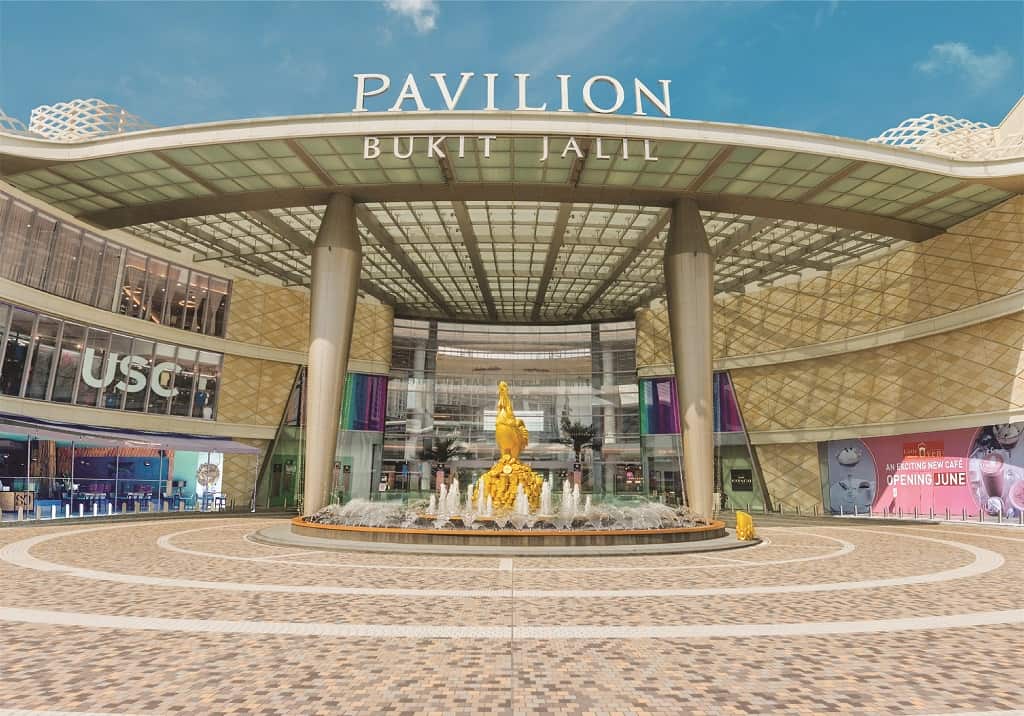
Pavilion Real Estate Investment Trust (“Pavilion REIT”) has announced the successful conclusion of the acquisition of Pavilion Bukit Jalil, strengthening its position in the retail sector and marking an important milestone in its portfolio expansion and income diversification strategy.
Following the fulfilment of all conditions precedent as set out in the earlier Sale and Purchase Agreement (SPA) and an oversubscription of its first private placement, Pavilion REIT now owns Pavilion Bukit Jalil, inheriting its balance sheet and revenues.
Dato’ Philip Ho, CEO Pavilion REIT Management Sdn Bhd
“The successful acquisition of Pavilion Bukit Jalil signals a strategic expansion in Pavilion REIT’s portfolio, bringing total asset under management to RM8.3 billion and the start of another new chapter for Pavilion REIT,” stated Dato’ Philip Ho, the Chief Executive Officer of Pavilion REIT Management Sdn Bhd.
Dato’ Philip added that Pavilion Bukit Jalil’s robust tenant strategy, combined with its role as the host of numerous local and international events, has successfully driven the mall’s occupancy rate to over 82% in a relatively short span, and that this positive momentum is expected to continue.
The mall’s diverse tenant mix has recently secured new brands particularly in the F&B space including BONCAFE @ HOME, Mixbowlicious, Noodleface Express, MOVON, CrunchCraze, 117 Coffee Bar by Psycoth, Superhero, and Xi Yu (喜鱼). Further adding to the unique experience, the mall also will welcome new concept outlets such as Iron House Cafe (铁皮屋) and JP & Co.
Dato’ Philip Ho highlighted that Pavilion Bukit Jalil’s energetic atmosphere, catering to diverse interests, is poised to solidify Pavilion Bukit Jalil’s positioning as a premier retail destination. By incorporating novel retail brands and concept stores, while hosting renowned exhibitions and events, the mall’s strategic vision supports a wider visitor and shopper base, making it an increasingly attractive proposition.
L’Occitane Hotel pop up
Pavilion Bukit Jalil has established itself as a preferred event destination, hosting various international and local pop-up exhibitions. The mall is currently hosting the world’s first L’Occitane Hotel pop up and ‘The World of Tim Burton Pop-Up Museum’, the first in South East Asia. Recently concluded events include the internationally acclaimed Van Gogh immersive experience and Demon Slayer: Kimetsu no Yaiba Total Concentration exhibition from Japan.
Pavilion Bukit Jalil will also soon play host to the Japan Expo Malaysia 2023, the biggest all-Japan event from August 18 to 20. The event is expected to draw enthusiasts for all things Japanese and will incorporate a number of zones including music, food, travel, arts, education, health and wellness, anime and cosplayers.
About Pavilion REIT
Listed on 7 December 2011, with the largest exposure to the retail sector by any listed Malaysian REIT, Pavilion REIT owns a RM6.0 billion portfolio based on appraised value, to which its most prominent asset is the Pavilion Kuala Lumpur Mall that is located in Bukit Bintang, Kuala Lumpur, Malaysia. Pavilion REIT is established with the principal investment policy of investing, directly and indirectly, in a diversified portfolio of income producing real estate used solely or predominantly for retail purposes (including mixed – use developments with a retail component) in Malaysia and other countries within the Asia-Pacific region. For more details, please visit www.pavilion-reit.com
About Pavilion REIT Management Sdn Bhd
Pavilion REIT Management Sdn Bhd is the manager of Pavilion REIT. Incorporated in Malaysia on 7 April 2011 with an issued and paid-up capital of RM5 million, it is 51% owned by Urusharta Cemerlang Development Sdn Bhd and 49% owned by Urusharta Cemerlang Project Corporation Sdn Bhd. The principal activity of the Manager is to manage and administer Pavilion REIT.