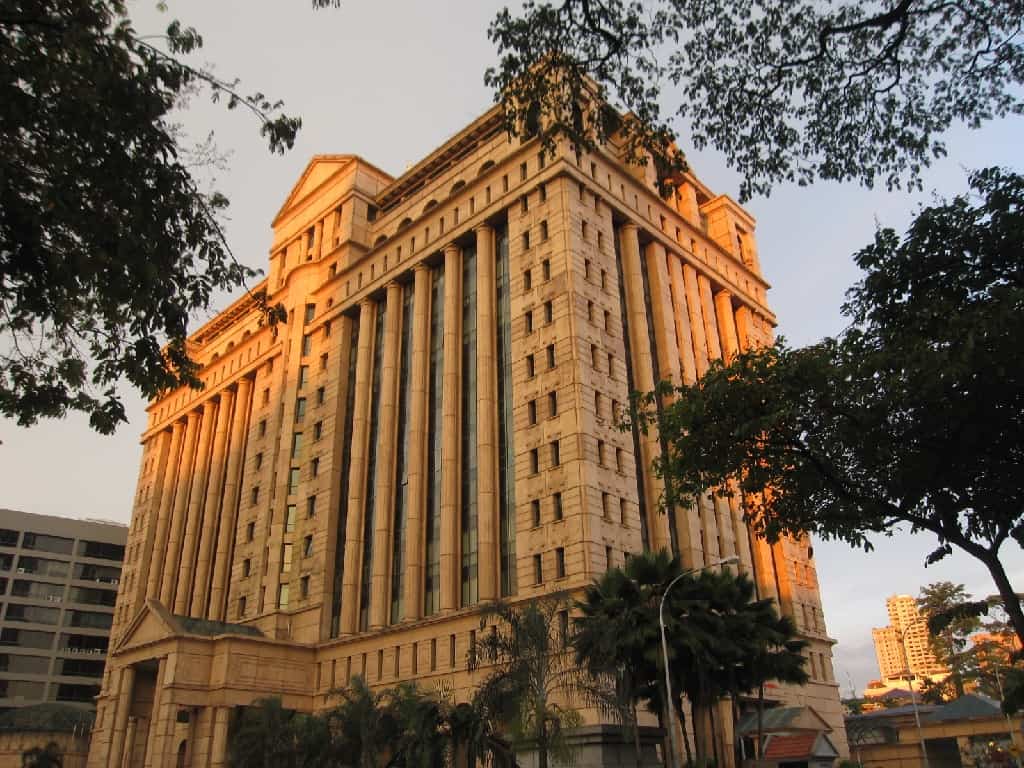
Bursa Malaysia Berhad (“Bursa Malaysia” or the “Exchange”) recorded a Profit After Tax and Zakat (“PAT”) of RM226.6 million for the financial year ended 31 December 2022 (“FY2022”), a 36.2% reduction from the RM355.3 million reported in the previous financial year ended 31 December 2021 (“FY2021”). The decrease was due to lower overall trading revenue of RM377.1 million in FY2022, lower by 30.7% as compared to FY2021. Total operating expenses in FY2022 increased marginally by 1.4% to RM292.7 million from RM288.6 million in FY2021.
The Board of Directors approved and declared a final dividend of 11.5 sen per share amounting to approximately RM93.1 million. This brings the total dividend payout for FY2022 to 26.5 sen per share, which includes the interim dividend of 15 sen per share paid out in August 2022.
The Securities Market registered trading revenue of RM263.5 million in FY2022 compared to RM442.9 million in FY2021, a decrease of 40.5%, due to lower Average Daily Value (“ADV”) traded for Securities Market’s on-market trades and direct business transactions. Meanwhile, the Derivatives Market trading revenue rose by 11.3% to RM97.2 million in FY2022 from RM87.3 million in FY2021, in part due to higher collateral management fees earned, as well as higher number of FCPO and FKLI contracts traded. Bursa Suq Al-Sila’s (“BSAS”) trading revenue increased by 17.8% to RM16.4 million in FY2022 from RM14.0 million in FY2021.
“Bursa Malaysia enjoyed another year of resilient performance despite challenging global operating conditions resulting in the softening of trading in Securities Market. Trading value declined by 41.5% with ADV of RM2.1 billion in 2022 but this is still higher than pre-pandemic ADV of RM1.9 billion. The Derivatives Market, however, performed better with Average Daily Contracts (“ADC”) increasing by 4.6% from 75,178 contracts in FY2021 to 78,621 contracts in FY2022. Our Commodity Murabahah platform, BSAS similarly performed well with 22.3% higher ADV from RM37.3 billion to RM45.6 billion,” commented Tan Sri Abdul Wahid Omar, Chairman of Bursa Malaysia.
He added, “We also had a very active listing interest on the Exchange with 35 IPOs recorded in FY2022 that raised a total of RM3.5 billion, higher than the 30 IPOs recorded in FY2021. These numbers prove that both companies and investors have confidence in the Malaysian capital market, and look at Bursa Malaysia as a worthy platform for fundraising and investing.”
“In our Derivatives Market, we are offering more products and better access. To encourage more participation from global traders, the Exchange was recently recognised as a Third-Country Central Counterparty by the European Securities and Markets Authority. This recognition, together with the After-Hours (T+1) Night Trading Session (“After-Hours Trading”), will generate greater trading volume for the Exchange,” said Datuk Muhamad Umar Swift, Chief Executive Officer of Bursa Malaysia.
Bursa Malaysia made significant progress on a number of pioneering market development initiatives in FY2022, which included the launch of the world’s first Shariah-compliant carbon exchange, the inaugural East Malaysia Palm & Lauric Oils Price Outlook Conference & Exhibition (“emPOC2022”) and the inception of the PLC Transformation Programme. The Exchange was recognised with several industry awards last year, including The Edge Billion Ringgit Club Awards 2022 for “Highest Return on Equity Over 3 Years in the Financial Services Sector (for RM10 billion market cap)”.
Commented Datuk Muhamad Umar Swift, “The Market Data business segment improved in FY2022, delivering 12.5% growth to RM60.8 million from RM54.0 million in FY2021. To achieve further growth in our non-trading revenue, we will continue improving the delivery of richer data to clients to empower the industry to undertake analytics or offer better products or services. The Exchange recently signed MOUs with the Companies Commission of Malaysia and the Department of Statistics Malaysia, to collaborate on mutual data sharing arrangements with the objective of unlocking new revenue opportunities, while supporting the national data and digitalisation agenda.”
“We are becoming a multi-asset Exchange and diversifying our revenue streams. With the launch of the Bursa Carbon Exchange in December 2022, we are now better able to facilitate the journey for Corporate Malaysia to become a global ESG investment destination. Among our priorities in 2023 is to help develop the carbon market ecosystem, and strengthen our engagement with listed companies to raise their understanding and improve their ESG practices and disclosures,” concluded Datuk Muhamad Umar Swift.
“We are invariably focused on enhancing the attractiveness of the Exchange to market participants, and our shareholders,” said Tan Sri Abdul Wahid Omar. “As espoused under the PLC Transformation Programme, we are stepping up by committing to five Headline KPIs for FY2023 − covering targets for Profit Before Tax, Non-Trading Revenue growth of 5% to 7%, 39 IPOs, innovative product launches including the Bursa Gold Dinar, and reduction in our organisation’s emissions1.”
The financial results for FY2022 is available on Bursa Malaysia’s website at www.bursamalaysia.com. Details of the FY2022 financial results and the FY2023 Headline KPIs can be found in the Condensed Consolidated Financial Statements report which was released today (as appended and also available on our website).
1 The headline KPIs are targets or aspirations set by the Company as a transparent performance management practice. These headline KPIs shall not be construed as either forecasts, projections or estimates of the Company or representations of any future performance, occurrence or matter as the headline KPIs are merely a set of targets/aspirations of future performance aligned to the Company’s strategy.
About Bursa Malaysia
Bursa Malaysia is an exchange holding company incorporated in 1976 and listed in 2005, and has grown to be one of the largest bourses in ASEAN today. Bursa Malaysia operates and regulates a fully-integrated exchange offering a comprehensive range of exchange-related facilities, and is committed to Creating Opportunities, Growing Value. Learn more at www.bursamalaysia.com.
Financial Industry Profession Challenge 2023 (FIPC 2023) is an annual flagship event organized by the University of Malaya Finance Association (UMFA). This challenge comprises training and different levels of assessments that are in line with the real-world financial industry. The highest achieving group will be able to have a chance to secure an internship placement in our strategic partner’s company.
FIPC 2023 is back this year with new highlights:
📌Digital Economy Webinar
📌Blockchain and Digital Banking Forum
📌Networking Lunch
📌Career Booth
Are you an undergraduate student in Finance, Accounting or Economics?
If so, you are the potential ACE we are looking for! Slots are limited! What are you waiting for?
This is the time for you to shine!
To join, simply scan the QR code or click the registration link in our bio!
Are you wondering a lot of things about FIPC 2023? Wanted to enhance more in the financial industry?
Don’t worry! You can fulfill your hunger mind by simply put your queries in the link padlet below 👇
The following story is based on an actual series of events, with some names and circumstances fictionalised. Any similarity to any person’s name, character, or history is entirely coincidental and unintentional. Hope that we better understand the importance of having a Declaration of Trust.
Simon would not be in a pickle if he trusted in the Declaration of Trust. Neither would his business be in such a predicament.
At the prime of life and particularly having paid much attention to matters of health, he thought he was infallible and would not be robbed of his life at an early stage.
He was right! He was not robbed of his life when a reckless motorcyclist running the red light rammed into him. But, it left him near lifeless in a comatose state due to swelling of his brain.
With Simon in the hospital, his company was in limbo. Simon is the sole business owner. The company’s daily operations were impacted. Whatever he had wanted for the company in terms of succession and equity holding as expressed in his Will could not be effected and fulfilled.
A Will and Last Testament could only be executed upon death and after obtaining the Grant of Probate. It would be different with a Declaration of Trust which would have avoided the current conundrum for Simon and his company.
Simon had dismissed it when an estate planner told him about the Declaration of Trust. He shrugged it off as an attempt to sell him something he didn’t need, as he was confident that he had taken care of his estate planning needs with his Will.
Had he listened, he would have learned that with a Declaration of Trust, he, as Settlor, could create a trust settlement by declaring that his assets are to be passed on to an appointed professional Trustee when anything drastic happens to him, such as incapacity. So, he is keeping the money for someone else, who is the beneficiary of the money.
What Is A Declaration Of Trust?
A Declaration of Trust would make it easy to transfer company shares quickly when certain things happen, such as when the only shareholder goes missing or is permanently disabled and in a coma. This would minimise any disruptions to the operations of the company.
If a company has other shareholders and directors, the shares can be held in trust until the beneficiaries reach the age of majority. Meanwhile, dividends received can be used for the beneficiaries’ expenses such as medical, education, maintenance, etc.
A Declaration of Trust is simple, flexible, and powerful to provide for loved ones by securing their financial well-being. It is NOT subject to Grant of Probate or Letters of Administration. It is REVOCABLE, and the contents can be changed anytime before the Settlor’s death.
Any assets, whether encumbered or not, such as residential property, unit trusts/mutual fund investments, shares of private companies, and money in bank accounts, can form part of the Declaration of Trust.
Under the Trust, the Settlor acts as the Trustee and retains control and ownership of the trust assets until a specified event happens, after which a substitute Trustee takes over to follow his instructions on how the trust assets are to be utilised. This prevents any delay in allowing your beneficiaries to enjoy the trust assets.
As the Trustee, one need not transfer the assets until and unless one of the following events occurs: Death Total Permanent Disability (TPD) Critical Illness Comatose Resignation as Trustee Missing* for a period to be stated in the trust (this resolves the problem of lack of death certificate for the distribution of assets)
No one knows what tomorrow will bring. One can be in perfect health, but circumstances are beyond control. So, be prepared—for your and your loved ones’ sake.
About Rockwills International Group
Rockwills International Group, now in its 28th year, pioneered professional will writing in 1995 and has since evolved into the leading estate planning specialist in the country. It is today the largest provider of solutions and support services in the areas of trusts, succession, management and distribution of wealth. It has shareholders’ funds exceeding RM50 million. It has done over 280,000 wills and 15,000 trusts and hold more than RM25 billion in assets under trust.
Environmental, social, and governance (ESG) issues are becoming more mainstream, and they now directly impact our daily lives. Whether we realise it or not, we now live in a fast-paced world, and technology is evolving faster than ever.
With that in mind, Smart Investor speaks with Rami Hajjar, Chief Executive Officer of Signify Southeast Asia, to understand the ESG agenda. Signify is the world leader in lighting for professionals and consumers, as well as lighting for the Internet of Things. Their energy-efficient lighting products, systems, and services give their customers a better quality of light and make people’s lives safer and more comfortable, businesses more productive, and cities easier to live in.
Rami Hajjar, Chief Executive Officer, Signify Southeast Asia
Smart Investor: What does ESG mean to you? Why is it essential to your business, and how does the ESG agenda impact your industry?
Rami Hajjar: ESG is about carrying out business in a way that is respectful to people and the planet and about generating profits ethically. This is important to ensure that businesses can carry out their operations sustainably. The ESG agenda is important for putting it into business because it gives us a way to hold ourselves accountable for managing our company’s impact, especially our carbon footprint.
Regarding the lighting industry, it is safe to say that the E [environmental] plays a crucial role. It covers the organisation’s energy usage, pollution, waste, and conservation efforts. The key ESG strategy is an environmentally friendly and cost-efficient LED lighting retrofit. LED products are recyclable, unlike most other types of lighting. Businesses also see a reduction in lighting maintenance costs and energy usage.
With the current energy crisis caused by various economic factors, including the rapid post-pandemic economic rebound that outpaced the energy supply, LED lighting solutions allow consumers to be more energy efficient and save cost due to their long-lasting durability at the same time, contributing to a greener planet.
SI: How successful is the ESG agenda deployment in your organisation, and what challenges are you facing?
RH: At Signify, I am proud to say that since September 2020, we have been 100% carbon neutral in our operations and use 100% renewable electricity. In the same year, Signify reached our commitment to send zero manufacturing waste to landfills for our manufacturing sites and recycle up to 91% of our manufacturing waste.
On September 8, 2020, Signify also launched Brighter Lives, Better World 2025, a new five-year plan that enables us to double our positive impact to brighten lives for a better world. With our new programme, we’ve set more challenging goals and promised to make our entire value chain more environmentally friendly.
For instance, we are going beyond carbon neutrality. We aim to double the pace of the Paris Agreement’s 1.5°C scenario to reduce greenhouse gas (GHG) emissions over our entire value chain by the end of 2025. We will do so by increasing our portfolio’s energy efficiency, reducing our customers’ emissions, and driving carbon reduction at our suppliers.
SI: How has the ESG agenda changed the lighting landscape?
RH: Over the past 125 years, Signify has pioneered many key breakthroughs in sustainable lighting, being a driving force behind several leading technological innovations, including LED. Approximately 13% of the world’s electricity is used for lighting.
Through digital LED technology, Signify offers up to 80% more energy-efficient light. With it, electricity usage for lighting will decline to 8% by 2030. Through our leading position in the lighting industry, we believe we have an essential role to play towards a low-carbon economy as the world transitions from conventional to LED lighting technology.
RH: At Signify, we pride ourselves on taking the lead in ESG efforts. We believe in sustainability at Signify and want to build a better world. Our organisation did not wait for the ESG landscape to impact us; we took the lead through our technology and innovations.
We also have policies and due diligence processes in place and have been recognised as leaders in DJSI, Sustainalytics, and EcoVadis. This allowed us to transform the industry for a better world and brighter lives.
RH: Climate change is the most important topic that has been gaining traction in the past ten years. It is evident from the World Economic Forum’s Global Risk Report that worsening climate change impacts and extreme weather conditions dictate global risk factors. Besides, social factors such as the livelihood crises of the B40 group have also gained a strong pull for ESG in Malaysia.
In 2023, we can expect other areas of the environmental pillar to grow, such as the carbon market, carbon tax, and carbon offsetting, which involves carbon capture, storage, and sequestration activities.
All said and done, we must accept that the ESG agenda will impact our daily lives. At home, at work, at school, wherever we are and whatever we will do. Let’s pray that humankind will unite for our planet’s and future generations’ greater good.
With gyms all over town teeming again with fitness junkies, almost everyone is playing catch-up with their fitness goals after a long hiatus from the gym. Whether it’s building muscles, improving stamina, or just getting healthy, all of us can benefit from a good old sweat session.
But what about our financial fitness?
If you’ve been putting off your financial goals for some time, now is a great time to rebuild and reposition yourself to get back on track as we usher in a new year.
Here’s an 8-step wealth workout plan to ease yourself back into it and get financially fit.
Wealth Workout Plan #1: Reassess Your Position
Before you jump right back into your routine, it’s important to first evaluate your current financial position and understand what has changed. Maybe there was a new family addition, or you had to take out a new personal loan. In both instances, your tolerance for risk may be lower and you are more susceptible to ‘pain’ in markets.
Like any fitness routine, a financial plan needs to be specifically tailored to your needs. Work together with your wealth trainer to craft a financial plan with short- and long-term goals. Remember to be realistic in your plan, otherwise, you won’t feel motivated to stick to it.
With a destination in mind, it’s now time to do some number-crunching.
How much do you typically spend every month? What percentage of your salary are you setting aside for saving and investing? Taking inflation into account, are you putting away enough to reach your dream retirement in 30 years?
Commit to your goals and take responsibility for your financial situation, whatever it may be. Don’t be dissuaded easily or quit before you even start going. The path ahead could be painful with many short-term setbacks, but the glory belongs to those with the grit and determination to push through.
Wealth Workout Plan #3: Build Your Financial Core
Having strong core muscles is important to keep from getting hurt because they support your spine. In the same way, a solid core is the base of any financial plan. This will help you get through bad market cycles and accidents.
That’s where an emergency fund comes in to ensure you have a safety net to fall back on. Ensure you have built an adequate financial buffer of at least six months in living expenses which can help tide you over when times get rough.
Keeping an emergency fund also prevents you from being forced to sell your investments during a downturn and crystallising your losses, thereby allowing you to stay invested.
Wealth Workout Plan #4: Warm Up And Gradually Progress
Nobody should start deadlifting 100kg on their first visit to the gym. As an investor, you should not be piling everything you have into a single investment to generate returns. Take small steps to build your wealth and invest at levels you are comfortable with.
Once you’ve become more confident, you can gradually increase the amount you invest every month to build your ideal portfolio. With a better grasp of the market, you could also load up on more tactical positions to amplify returns by taking advantage of current market conditions or mispricing opportunities.
Wealth Workout Plan #5: Ice That Pain & Spending
Pain management is also a critical element of a wealth workout plan. Investors would inevitably face some ‘pain’ in their portfolio as markets go through different cycles.
But investors can manage this by stacking up on some fixed income and safe haven assets like gold which offers capital preservation by cushioning losses during a downturn given its low correlation.
If you can’t get your budget to balance, consider also freezing some of your worst financial habits by going on a spending diet. Sweet caramel macchiatos and night-outs are nice but learn to resist financial temptations to lower your cash burn.
As any fitness guru will say, it is far more important to stay consistent, rather than to focus on the intensity. This applies to investing too, which gets easier over time as you compound your gains and accumulate wealth.
Much like fitness, investing is really a long-term game that won’t give you immediate results even if you put in all your energy or resources overnight. A shredded body can take months, if not years of consistent training.
Similarly, building wealth also takes time and lots of patience. Legendary investor Warren Buffet only made over 90% of his wealth after he turned 65 years old. A great way to maintain consistency is to practice dollar-cost averaging by investing equal amounts at fixed intervals to ensure that it becomes habitual.
Wealth Workout Plan #7: Target All Areas
Gym bros who focus on chest exercises but skip leg days usually end up with an unbalanced physique. Similarly, you don’t want a portfolio that is lopsided because it is heavily tilted towards a particular ‘hot’ asset class or sector that has made strong gains in the past.
It might look good on the surface, but chances are it might crumble under pressure once the euphoria runs past its peak. Thus, any fitness programme should be all-encompassing by targeting all areas of your body to maximise resilience.
This applies to your portfolio too by ensuring that you have a good mix of different asset classes, sectors, and country exposure so that you stay on top of your game and can endure market drawdowns.
Lastly, take the time to savour the moment and just enjoy your wealth and fitness journey. You may find yourself hitting a plateau and feeling like you’re not moving ahead.
But investing is a lifelong pursuit, where your success should be measured across years if not decades. The ride could be riddled with short-term volatility, but that’s just part and parcel of investing.
So, keep your eyes on the prize and keep a long-term perspective in your quest towards building wealth.
With this wealth workout plan in place, you should be able to weather any conditions.
About the Author
Lee Sheung Un is an assistant manager of communications & content at AHAM Capital. A millennial, he is still finding that balance between wealth, freedom, and purpose. Views expressed are his own.
It is not uncommon to see or hear people we know to make life decisions based on our relationship with money. Even when one is unhappy with their environment, they may not have the courage to make any moves or changes because they fear the impact on their financial well-being.
We enjoy seeing our investments grow but lose many nights of sleep when the opposite occurs. If we find our lives saddled with debt or see our peers living a more lavish life, we may feel that we are not enough.
Money has a huge role in our quest to feel enough or be happy. The reason I want to talk about this is that we must not use money as the measurement of our progress in life. It should not be the reason we feel inadequate or terrible.
People seek belonging, acceptance, and validation from the people around them. We want to feel that we belong to something, to a certain group or culture. When it comes to our relationship with money, the same pattern and need to be seen as ‘normal’ can also be easily observed.
When we see others around us dress well and drive expensive cars, we tend to assign them to the ‘successful group’ and think ‘they are doing well in life’. But statistics have told us that people who earn a high income can also deal with money issues and seek debt management programs from AKPK (Agensi Kaunseling & Pengurusan Kredit). On the other hand, not all middle- or low-income earners are terrible money managers.
Comparing what we have to what others have can lead us to an endless chase of happiness based on what other people are doing. It takes away our focus on how well we are doing.
Have you been telling yourself: “If I have X amount of income, I will be able to do this or feel happier”?
This thinking puts money in the driver’s seat behind every decision we make and that money is the only enabler for us to do anything.
When we give more power to money, it will take it and eventually become the lens through which we make most, if not all, of our life decisions. We must break this pattern and take back control. It starts with redefining the relationship we have with our money.
Doing this early is important. If we do not confront this relationship with money early, it may cause us to tie our self-worth to our net worth, which means if you don’t feel you are as rich as me, you will convince yourself to believe that you are not as good as me, and this may blind you from seeing your true potential.
Money is not unimportant. Don’t get me wrong. It is important, but it should not be more important than our sense of self or cause us to lose our sense of self.
Money shouldn’t be why we cannot prioritise caring for others or stop us from feeling happy. Money is the car that gets us to our desired destination; it is not the driver itself. You are.
To regain control, the driver must know where he or she wants to go. But many times, we don’t have a clear idea of what our goal is. You don’t have to feel bad or guilty if this is you.
We haven’t been taught how to think about our goals. I think we need to first find out what we value most.
Understanding what we treasure the most can help us discover what we want to make happen. If your core value is your family, you may find ways to use your money to help your family live a better life or protect your family’s financial security.
If your core value is health, you can learn how to use your money to help you live healthier. I think it makes little sense to use our money on things we don’t value as much because this will deprive us of our life satisfaction. They may give us a short boost in happiness, but they may not be as sustainable as when we use our money on things that truly matter more to us.
Determining our core values and things we hold dear will help us shift the steering wheel into our own hands and help us focus on how to utilize our money to live the type of life we want.
This will help us find out how to manage our money accordingly and create a spending plan to help us keep our money in the right place. This financial plan would have had a say in where we wanted our money to go and what we wanted it to do for us, not the other way around.
Also, in our quest to have a constructive relationship with money, we must first determine what kind of relationship we have with it now. What would a mutually supportive relationship look like?
It makes sense to conduct an initial assessment to determine how much money we need to live the best life we want. From there, we can then find out what things would need some tweaking to create the kind of future we’d love to have.
When our relationship with money is healthy, our financial well-being can improve. We will be more at peace with ourselves and our money.
We can live better today. Wishing you a great 2023 by starting with a refresh on your relationship with money.
Kevin Neoh works with people to transform their relationship with money and support them to use their money to live a meaningful life. He is a CFP professional and a certified member of Financial Planning Association Malaysia (FPAM). Kevin can be contacted at www.kevinneoh.my.
Investing vs trading are both ways to make money in the financial markets, but they are different. While investing vs trading have some similarities, they differ in many ways.
Investing involves buying assets to hold them for a long period of time, with the expectation that they will appreciate in value or generate income. The goal of investing is to build wealth over the long term, and investors often take a more passive approach, holding onto their assets for years or even decades.
In investing vs trading, there are several reasons why people invest:
1. To Grow Wealth
Investing can be a way to build wealth over the long term. Investors can increase their financial resources by buying assets expected to appreciate in value or generate income.
2. To Generate Income
Some investments, such as stocks that pay dividends or rental properties, can generate regular income for investors. This can be an attractive option for those looking for a source of passive income.
3. To Save For The Future
Investing can also be a way to save for long-term financial goals, such as retirement or education expenses. By investing in a diverse range of assets, investors can potentially earn higher returns than they would by saving in a low-interest savings account.
4. To Beat Inflation
Inflation is the general increase in prices over time, which can erode the purchasing power of money. Investing can be a way to protect against inflation, as assets that appreciate in value can help to offset the impact of rising prices.
An investor will normally do fundamental analysis to filter good stocks.
Fundamental analysis refers to analysing the information from the news and reports. The investors will assess the information in their hands and attempt to predict the asset’s price direction.
Overall, investing can effectively grow wealth, generate income, save for the future, and protect against inflation. While risks are involved, investing can be a valuable tool for those looking to secure their financial future.
On the other hand, trading involves buying and selling financial instruments with a shorter-term focus, often holding positions for only a few days or weeks. The goal of trading is to generate profits from short-term price movements rather than from holding onto assets for the long term.
Traders often take a more active approach, continuously buying and selling to take advantage of market movements. Trading can be an attractive option for people looking for ways to generate financial returns and are comfortable with the inherent risks and uncertainties of the markets.
In investing vs trading, some of the potential benefits of trading include the following:
1. The Potential To Generate High Returns
By buying and selling securities or other financial instruments at the right time, traders can potentially generate high returns on their investments.
2. The Ability To Take Advantage Of Market Movements
Trading allows individuals to take advantage of short-term market price movements and potentially make profits.
3. Flexibility And Control
Trading allows individuals to buy and sell assets as they see fit, allowing them to have more control over their financial affairs.
4. The Opportunity To Diversify
Trading allows individuals to diversify their investment portfolio by buying and selling various securities and financial instruments.
As for traders, they will normally do technical analysis to find good stocks that can give the desired returns quickly. Price and volume are essential in finding good stocks to trade.
The technical analysis is a price action strategy. The investors will evaluate the market breadth based on the readings of price trend patterns, indicators and oscillators, then draw a conclusion on future market sentiment.
However, it’s important to note that trading also carries inherent risks and uncertainties and is not suitable for everyone. Trading requires a high level of risk tolerance and financial knowledge, and it is not guaranteed to be profitable.
It is important for individuals to carefully consider their financial goals and risk tolerance before deciding whether trading is the right approach for them.
Investing VS Trading, Which One Is Suitable For Me?
In general, investing is more suitable for those looking to build wealth over the long term, while trading is more suitable for those looking to generate short-term profits. Both strategies can be used to generate returns, but they require different approaches and different levels of risk tolerance.
So between investing vs trading, which one do you prefer?
The post-electoral coalition between Pakatan Harapan (PH) and Barisan Nasional (BN), along with Gabungan Parti Sarawak and Gabungan Rakyat Sabah, has vividly shown us what “politics as the art of the possible” really means. But what about Malaysia’s economic challenges?
After all, who would have thought BN, whose legitimacy has been relentlessly challenged since Datuk Seri Anwar Ibrahim’s fall from grace in 1998, would eventually erode when it lost a two-thirds majority in 2008 and the popular vote in 2013 to the Anwar-led Barisan Alternatif. BN’s reign ended with the power shift to PH in 2018.
At least for now, the seemingly strong coalition with two-thirds majority seats masks a critical fact: nearly two-thirds of Malay voters believe in Perikatan Nasional (PN) as a reliable political party after UMNO when it comes to protecting their interests. Many of them are young, semi-skilled, and reside in rural areas.
However, whether the shifting landscape of Malay votes is purely ideological and political remains to be observed. Its economic roots should not be taken lightly. Of all the economic dissatisfactions capable of shaping voting preferences, nothing can be more personal and consequential than the low, nearly stagnant, and relatively unfair wage progress.
Let’s chart out a few hypotheticals.
Malaysia’s Economic Challenges
A beautiful shot of the Kuala Lumpur buildings under a cloudy sky at Malaysia
Let us take an honest, hard look at what Malaysia’s economic challenges mean. Suppose we take 2010 as the year of comparison. In 2021, gross national income expanded by 71%, or 6.45% on average each year since. Going at this speed, the national income would have doubled every 11 years.
At the same time, half of the wage earners in Malaysia witnessed the purchasing power of their income stall at 22%. It is, at most, better than the individuals in the same income group were 11 years ago.
Compared to 2010, when the B50 earned RM1,000, their standard of living has only gone up by RM220, or RM22 per year. To double B50’s monthly income after adjusting for the cost of living will take 35 years or more.
The truth becomes even more obnoxious if we go down the demographic road. Look at the purchasing power of the income for B50, aged 30 to 34 years old, and it is just 11% better over the same period of time, or 1% on average each year.
In other words, it takes 70 years for a B50 in this age cohort to live one time better than the older generations. Unfortunately, the gross national income is already 64 times higher by then!
The worst is for those in the younger age cohort. The income of people aged 25 to 29 in 2021 was 4% less than that of the same age group in 2010. This means that they have less money to spend, and this is one of the main issues when it comes to Malaysia’s economic challenges.
Malaysia’s Economic Challenges: Of Regions And Skill
Turning to the perspective of regions and skill level, it is perhaps unsurprising to find out that rural and semi-skilled median wage earners, which constitute more than half of our labour force, benefit the least in their categories from the growing economic prosperity.
Source: DOSM; Author’s own calculation
Rural residents are 14% better, while semi-skilled workers are 20% better. What’s more surprising is that race doesn’t matter as much as we used to believe. Actual salaries and wages for Bumiputera B50 in 2019 were 65% greater than that of the 2010 cohort, outperforming the 44% advancement for Chinese B50.
Bumiputera B50, on the other hand, was hit the hardest by the pandemic and had been getting better more slowly. Putting all this together, the lesson is straightforward: not all Malaysians prosper equally. And when they don’t, it instigates a sense of unfairness.
As economic anxiety and discontent mobilises voters, it must be more than just a coincidence that rural residents, semi-skilled workers, and young voters identified along the racial line, who are losing out in the horse race of prosperity and suffering the most in the pandemic, happen to be bowling with Perikatan Nasional in the most recent general election.
Against this backdrop, addressing economic anxiety and discontent makes the economic slogan ‘shared prosperity’ meaningful. Perhaps more importantly, it works to break down electoral divisions based on ethnicity, geography, and occupation without using racial rhetoric.
Bolstering economic growth, though necessary, is no longer sufficient to lift the living standard of the majority. The trickle-down effect of growth is long dead. For this, the Anwar government and cabinet need a paradigm shift in their policy-making philosophy.
Growth policies shouldn’t stop looking for new growth sectors. Instead, they should make existing products and sectors more complicated. That means investment policies cannot be satisfied by bringing in more foreign direct investment. It will be done by strengthening ties between domestic and foreign companies and giving domestic companies more ways to work with the rest of the world and export.
That means labor policies shall not be bound by the traditional domain of labor issues when laborers go through the gig economy route and become entrepreneurs. The employer-employee social contract is evolving.
Welfare policies will be more than just a one-time cash transfer and financial aid for marginalised communities and poor families. It is, in fact, a way for all Malaysians to get automatic protection against risk and a way to share returns. This is done by coordinating cash transfers, tax rebates, unemployment insurance, subsidies, and other programs.
That also means that government functions shouldn’t be put in separate boxes and that policies should be thought about, designed, and put into place in a way that doesn’t divide them up. It’s true that politics is the art of the possible, the attainable, and the best.
But don’t get it wrong. A power play for the possible and attainable without pivoting to the economic needs of the people only ends with pushing voters to their next best option.
“Good politics is the art of bringing the possible and the attainable to the people.”
I hope the new Malaysian government will take a severe look at Malaysia’s economic challenges and take the right step towards addressing them.
About the Author
Wong Chin Yoong is a professor of economics in Universiti Tunku Abdul Rahman, and an external consultant to Max Wealth Group.This article is in collaboration with Max Wealth Education Sdn Bhd, an approved Education Provider for the CFP Certification Program.
Talentbank recently revealed the winners of the Graduates’ Choice Award (GCA) 2023 – Asia Pacific’s Most Authoritative Graduate Employer Branding Award.
The event which was held on January 5, 2023 at Sunway Resort Hotel, was officiated by Guest of Honour Datuk Mohammad Yusof Apdal, Deputy Minister, Ministry of Higher Education and Datuk Prof. Dr. Husaini Omar, Director General, Ministry of Higher Education. Also in attendance were Vice-Chancellors from tertiary education institutions including Universiti Teknologi MARA, Universiti Malaysia Perlis, Sunway University, Heriot-Watt University Malaysia, University of Nottingham Malaysia, UOW Malaysia and Multimedia University.
The GCA 2023 takes into account the wants and needs of more than 23,000 public and private education students – in various aspects – as well as their most preferred employers. The results were vetted by a group of audit members to ensure that the findings were independent and valid.
“Since its establishment in 2018, Talentbank’s GCA has received more than 200,000 accumulative votes from university graduates, giving the award meaning when it comes to what graduates want in an employer.
“University and tertiary education students voted for a solid 12 months for GCA 2023 and as we continue to receive an increasing number of votes each year, undergraduates are signalling to the industry on the growing importance of employer branding,” Ben Ho, Chief Executive Officer of Talentbank said.
He added that without the right employer branding, employers risk not hiring the right talent.
The Graduates’ Choice Awards, he said, is a big part of an effort to improve Malaysia’s employability landscape. It serves to pave the way for graduates to find their preferred careers.
GCA’s 2023 survey revealed flexible working opportunities to be a popular attribute for employment besides the value for work-life balance. Salary and bonuses, career development and company culture remain in the top three important attributes and there was a stark increase in graduates expecting salaries ranging between RM3,000 and RM3,500.
On the topic of career readiness, GCA’s 2023 results found employers rating career readiness among fresh graduates a 6 out of 10, indicating the importance of equipping fresh graduates with adequate skill sets. Based on the results, Talentbank encourages further active engagement between universities and students, while seeking alternative methods to ensure graduates are well prepared before entering the job market.
“Communication and interpersonal skills rank top in the critical skills employers look for in fresh graduates and besides good academic skills, talents with good attitude are always sought for by employers,” Ho said.
In his key address, Datuk Mohammad Yusof Apdal commended Talentbank for its effort that corresponds with the ministry’s development of an ecosystem to provide a high-quality education to develop individuals’ potential and meet national aspirations.
“The private sector has a big role to play in the process of improving our graduates’ employability, while being supported with the right policies to create a sustainable environment. Talentbank plays the conduit through which universities and the industry can form a successful ecosystem linking top employers and graduates,” he said.
Noting the constant evolution of the job market and skills demanded for in the workforce, Datuk Mohammad Yusof Apdal said human talents are still pivotal even as the world moves towards a more digital workforce.
“According to a study by McKinsey, superior talent can be up to eight times more productive. Unfortunately, talent is not easy to come by. Great talent is scarce. The competition to attract and retain talents is becoming increasingly fierce. This is why I applaud Talentbank for starting this journey of recognising the importance of employer branding”.
“It does not only reward the companies that go above and beyond to build a brand amongst university graduates, but more importantly it provides a fair and robust measurement on which graduates can start researching on their preferred employers and careers,” he said, adding that employer branding can be the silver bullet to attract top candidates.
“A strong employer brand increases the chances of recruiting the right talents significantly”, the Deputy Minister said.
The GCA 2023 saw big brands like Maybank, Petronas, Shopee, Google, and Microsoft on the Top 25 list of the 2023 Graduates’ Choice of Employers. Also making the list were Maxis, Shell, EY, CIMB and Intel.
The brands that have made the list for five consecutive years are: AIA Berhad in the insurance category, Maybank in the banking category, Nestlé in the fast-moving consumer goods (FMCG) category and in the engineering category, Petronas.
Talentbank also revealed that Sunway Group bagged five Champion positions across nine industry categories while Maybank took three Champion, and made the Overall Champion across the categories. Petronas won three Champion titles in four categories they were listed in and EY clinched two Champion awards in the field of accounting and consulting.
“We applaud all the winners for your hard work, determination, and the excellence and distinction you achieved in exceptional employer branding in Malaysia,” said Ho.
About Talentbank
Established in 2010, Talentbank is an enabler in the employability ecosystem, focused on producing career-ready candidates and providing them with better career paths by connecting them with industry leaders. Over the last 13 years, Talentbank has helped tens of thousands of graduates in finding their feet post-graduation. Talentbank also assisted hundreds if not thousands of employers in hiring talents from universities nationwide. This list includes the likes of Maybank, Petronas, Shopee, Maxis, Shell, EY, Huawei, CIMB, Shopee, Intel and many others.
In the world of ESG, corporate sustainability is gaining momentum. Corporate sustainability is an approach aiming to create long-term stakeholder value through the implementation of a business strategy that focuses on the ethical, social, environmental, cultural, and economic dimensions of doing business.
Smart Investor spoke to Professor Avvari V. Mohan, Deputy Head of the School of Business, Monash University Malaysia, to find out more about corporate sustainability trends in Malaysia. He is well versed in speaking on the realisation of sustainable development in Malaysia, the ecosystem required to do so, and the roles of different actors, with a focus on the private sector and education.
Corporate Sustainability Trends In Malaysia
Smart Investor: What is the state of Malaysia in terms of ESG?
Professor Avvari V. Mohan, Deputy Head of the School of Business, Monash University Malaysia
Avvari V. Mohan: The state of sustainability / ESG practices should be looked at from different perspectives – at the country level what is the institutional push from policy & regulatory support, adoption by a business organisation and how the consumers/society are practicing it?
At the country level, the National Sustainable Development Goals (SDG) Council, chaired by the Malaysian Prime Minister, sets the national agenda and milestones; and prepares reports for the United Nations (UN). Since 2009, Malaysia has put in place a progression of policies, frameworks and implementation mechanisms to move the country towards a low-carbon future like the National Green Technology Policy, The Renewable Energy Act, the Low Carbon City Framework and Assessment System (2011), the National Policy on Biological Diversity 2016-2025 and such.
On the technology front, the National Fourth Industrial Revolution (4IR) Policy has also made sustainability and ESG issues are the critical point, with clear outcomes to be achieved by 2030 to support the country’s commitment to the UN-SDGs. To resource the implementation of the SDGs, the Malaysian government, in addition to the initiatives in the 11th Malaysia Plan, has also mapped out the SDGs in the Twelfth Malaysia Plan (2021 to 2025) and the Thirteenth Malaysia Plan (2026 to 2030).
To drive sustainability / ESG adoption by the private sector the Securities Commission (SC) Malaysia laid the foundation of sustainable and responsible investment (SRI) in 2014 by introducing the SRI Sukuk Framework. More recently, SC also initiated the Sustainable and Responsible Investment (SRI) Roadmap and released the 2021 Malaysian Code on Corporate Governance (MCCG).
Bursa Malaysia took the lead in ASEAN by introducing a globally benchmarked ESG Index and the FTSE4Good Bursa Malaysia (F4GBM) Index as early as 2014. This index is to increase the profile and exposure of companies with leading ESG practices. These helped investors make ESG investments in Malaysian listed companies. Bursa Malaysia has several initiatives to support the private sector, including the Sustainability Road Map, BURSASUSTAIN, a one-stop knowledge centre.
There is also the JC3 platform, established in September 2019, to pursue collaborative actions for building climate resilience within the Malaysian financial sector. The JC3 is co-chaired by Bank Negara and SC Malaysia, with members including senior officials from Bursa Malaysia and the industry.
Bursa Malaysia launched the Bursa Carbon Exchange (BCX) in Dec 2022, a voluntary carbon market (VCM) and the world’s first shariah-compliant carbon exchange. This exchange enables companies and other entities to trade voluntary carbon credits from projects that remove, reduce or avoid greenhouse gas (GHG) emissions to help them meet their climate targets.
The country has been putting in place support in terms of financing sustainability. There is the RM1 billion Low Carbon Transition Facility by Bank Negara Malaysia (BNM) to support the adoption of sustainable and low carbon practices by small and medium enterprises. The banking sector has also started announcing ESG-linked financing.
SI: How is Malaysia standing in the region compared to other nations, as well as globally?
AVM: A recent publication (April 2022) published by PwC Malaysia and Capital Markets Malaysia (CMM) shows that Malaysian public listed companies have done comparatively well in Sustainability / ESG indicators in comparison to other ASEAN countries’ peers based on leading ESG indicators. The publications also find that there are 28 Malaysian companies listed in the MSCI All Country World Index (ACWI) ESG Leaders Index [1].
The Index consists of large and mid-cap companies across developed and emerging markets countries. Malaysian companies are also comparatively advanced in embracing global standards, with nine companies currently committed to emissions reduction targets grounded in climate science through the Science Based Targets initiative (SBTi).
Malaysia accounts for the second highest number among ASEAN peers for the MSCI ACWI ESG Leaders Index and the SBTi indicators. Despite these encouraging findings related to sustainability and ESG practices within the Malaysian private sector, the report also states that there are challenges in measuring and comparing ESG efforts across various organisations.
The recently launched (Sept 2022) Malaysia Businesses Sustainability Pulse Report (SPR) 2022 by UN Global Compact Network Malaysia & Brunei (UNGCMYB), based on a survey done among both large and small business organisations, reveals varying levels of readiness among companies to adopt ESG practices. Many companies indicated that they are considering but need more understanding regarding the various ESG practices.
This calls for bridging the knowledge gap through awareness-building and competency development programs. The study also indicated that ‘Social’ and ‘Governance’ related practices are relatively stronger than ‘Environment’ related practices.
Despite the growing trends of Malaysian stakeholders’ sustainability demands, 45% of Malaysian companies had still not allocated a budget for sustainability initiatives, with 33% claiming a lack of sustainable financing plans.
While the survey indicates varying levels of ESG adoption, some large companies in Malaysia have embarked on sustainability / ESG-related strategies, like Sarawak Energy, the first corporation in Malaysia to commit to the “Business Ambition for 1.5°Celsius” under United Nations Global Compact. It has committed to set a science-based emission reduction target across relevant scopes, in line with the Paris Agreement, to pursue efforts to limit the global temperature increase to 1.5°C above pre-industrial levels by 2030.
Another example is HSBC Amanah Malaysia, which completed a bespoke green trade financing facility for Guan Chong Cocoa Manufacturer Sdn Bhd. This ESG financing supports Guan Chong’s ambition to achieve 100% Traceable and sustainable cocoa by 2030 from its direct cocoa bean sourcing network. VINDA (hygiene products), with its Malaysian R&D and manufacturing base, is a good case study for sustainability commitments in terms of its products and social agendas.
Malaysia also has good small and medium-sized companies that have adopted ESG-oriented business strategies. Some examples of Malaysian small or medium enterprises to watch in the ESG space include the Green Factory (wood furniture), Edar (formerly BeliGas), BoomGrow (Agro tech), Next Green (sustainable paper mill), NettsGroup, The TLC (home cleaning), Hexafoods & Hexa IOT are all Malaysian homegrown companies that are great case studies for sustainability /ESG related practices.
The other important readiness for sustainability (ESG) is at the market, consumer, or individual level. Responsible members of society and consumers of products/services have a role in realising sustainable development through the lifestyles they lead. Malaysian consumers are beginning to show interest in demanding ‘green’ products or sustainability.
Many local enterprises are emerging in the fashion and food sectors that consumers support. Civic society and educational institutions (from primary school to universities) are influential in educating the general public/society, businesses, and individuals to help realise sustainable development goals. Civic society organisations can help businesses to understand ground-level issues, eg. environmental and ecological degradation.
In Malaysia, there are both global non-government organisations like the UNGCMYB, and local ones like the TRCRC, RIMBA, and many other NGOs playing a crucial role in such efforts. Finally, it’s heartening to see media organisations now playing an essential role in communicating about ‘responsible businesses.’
SI: Where is Malaysia heading with ESG? What does the future of ESG look like? Is Malaysia on the right track? If not, what can be done to ensure we can meet the goals related to sustainability?
AVM: At the national level, policies and frameworks are implemented to drive the adoption of sustainability / ESG practices in the private sector. Malaysia can be seen as early stages of its ESG journey compared to, say, Nordic and some northern EU counties but is already ahead in ASEAN (based on a study by the NUS and ASEAN CSR of Sustainability Reporting in ASEAN).
There are also vital sustainably finance-related initiatives, including the Bank Negara Climate Taxonomy and green financing products emerging fast. There is still some paucity regarding policy blocks for economically accessing technologies. There also seems to be some incongruence between policies at the federal level and those at the state level.
What is also needed is better literacy of sustainability, ESGs and the UN-SDGs at all levels of business organisations and even more among small business owners. There is a lot of confusion with the current ‘compliance’ approach. The Sustainability Pulse Report (by UNGCMYB – Sept 2022) also found that businesses still perceive sustainability / ESG adoption from only a ‘risk’ perspective and not as an opportunity for product/process innovation.
There is also room for exploring traditional knowledge (as done by companies like Tanamera Spa products or Frangipani resorts with their water treatment facility) for modern market needs.
SI: How successful is the ESG deployment at Monash Universiti Malaysia, and what are the challenges you/the organisation are facing regarding ESG?
Millennial group of young businesspeople Asia businessman and businesswoman celebrate giving five after dealing feeling happy and signing contract or agreement at meeting room in small modern office.
AVM: Monash University overall and the campus in Malaysia can be seen as being committed to driving sustainable change and empowering communities through its education, research, and leadership. Monash’s new strategic plan, Impact 2030 [2], defines priorities and actions for the University for the next decade, focusing on climate change, preserving geopolitical security, and fostering thriving communities as the challenges Impact 2030 will address.
They are also efforts to make the campus infrastructure more environmentally friendly, and the issues of social justice and inclusion are core to Monash University’s goals and values. The university has a diversity and inclusion framework to support campus social justice.
The School of Business, Monash University Malaysia, is an advanced signatory of the UN Principles of Responsible Management Education. This means that sustainability/ESG elements are embedded in a myriad of subjects taught, faculty conduct research in this realm, and there is also engagement with relevant stakeholders to promote sustainability / ESG in business and society.
A recent such high-level event was the ‘State of Sustainability in the Malaysia Private Sector,” a Roundtable organised collaboratively by the UN Global Compact Malaysia and Brunei and the School of Business Monash University Malaysia in Oct 2022. In this roundtable, representatives from private industry, government, and academia discussed the findings of the Malaysia Businesses Sustainability Pulse Report 2022, launched by UNGCMYB.
The challenges for Monash University Malaysia, as with any private institute of higher learning in Malaysia, are that businesses and other organisations need to understand that there is a wealth of knowledge related (be it research-related or training content) to environmental issues, ecology, community development, business, etc. in the university.
Through public-private academic collaborations, there can be mutual benefits through knowledge exchange, and that is what you should know about the corporate sustainability trends in Malaysia.
Get every print issue delivered to your door — fill in your details below to subscribe or renew.
Terms & Conditions and Notice
Terms & Conditions:
No refund policy: all sales are final, please review your order before confirming. We do not offer refunds or exchanges for any products sold through Inovatif Media Asia (IMA), the publisher of The SmartInvestor magazine.
Price subjected to change at Management's discretion.
IMA is not responsible for delays or delivery failures.
Print subscription for overseas readers are subjected to additional delivery charges.
Additional charges apply for courier services.
NOTICE:
IMA has not appointed any sales representatives; all purchases must be made directly by emailing my-circulation@inovatif.com.my. We are not responsible for any transactions made through unauthorised channels.
Please also check with us on the retail price of our magazines if you have not received our renewal/subscription form, before making any payments.