Wednesday, 19 August 2026 Stay informed. No noise.

3 Types Of Stocks That Every Investor And Trader Must Know

The world of stocks may be thrilling and terrifying for an investor or trader. However, it is crucial to understand what a stock is and how it functions before diving into the 3 types of stocks.

A unit of ownership in a firm is represented by a stock, also called a share. Purchasing a stock makes you a shareholder, giving you a stake in the company’s success or failure.

The stock price will typically increase if the business does well, allowing you to sell your shares for a profit. If the business performs poorly, the stock price could drop, and you could lose money.

Now you know what a stock is, let’s examine the 3 types of stocks and who they might be good for.

Read: 4 Different Types Of Traders: Which One Are You?

3 Types Of Stocks

1. Speculative Stock

Empty Interior Forex Market Exchange Company Office

Investments in speculative stocks have a high risk/high reward ratio. These stocks are typically linked to tiny or fledgling businesses with great growth potential but entail many risks.

Investing in speculative stocks can include risk due to the fact that they are frequently unproven and don’t have a successful track record. However, there is a sizable chance for profit if the business succeeds.

Generally, speculative stocks are best suited for aggressive investors who don’t mind taking on more risk. This kind of investor is prepared to take the risk of substantial gains in exchange for the possibility of sizable losses.

Penny stock less than RM1 per unit, or even valued at just a few cents (hence the name penny), is more prone to speculation. Even though the fundamental of the company is not good, even though the company is making losses, these kinds of penny stocks can be manipulated and make huge returns in hours or days.

Read: 5 Reasons Why We Lose Money In The Stock Market

2. Defensive Stock

The next stock in the list of 3 types of stocks are called defensive stock. Compared to speculative stock, defensive stocks are more stable and less risky. These kinds of stocks are frequently found in sectors of the economy that offer goods or services that consumers will continue to utilise even when circumstances are hard.

Healthcare, utility, and consumer goods companies are a few examples of defensive stocks.

Typically, conservative investors who want to protect their wealth and produce stable, dependable income should stick with defensive stocks. These investors tend to be less risk-tolerant and are prepared to accept lesser returns in exchange for more security.

Read: As An Investor, Here Are 3 Things To Look For In Financial Statements

3. Cyclical Stock

Investing VS Trading Which One Is Suitable For Me

Cyclical stocks tend to perform well during periods of economic boom but poorly during periods of economic contraction since they are correlated with the performance of the general economy.

Construction, automobile, and travel-related businesses are a few examples of cyclical stocks.

Investors who have a solid grasp of the general economic cycle and are able to predict when certain industries are likely to perform well or poorly are the greatest candidates for cyclical stocks. These kinds of investors are prepared to assume some risk in exchange for the chance of greater profits.

In conclusion, a key component of becoming a good investor or trader is understanding the 3 types of stocks and who they are best suited for. You may allocate your resources wisely and create a well-diversified portfolio by understanding the risks and benefits of each type of stock.

Whether you favour defensive, cyclical, or speculative stocks, you must do your homework and make wise choices based on your unique investment objectives and risk tolerance.

Now that you know the 3 types of stocks, you can make a more informed decision.

Read: Create Your Stock Watchlist With These Simple Steps

The Global ReSkilling Movement: Creating A Better World Where Everyone Has Easy Access To Quality Education

Global ReSkilling Movement (GRM), is an initiative aimed towards creating educational opportunities that help individuals around the world upskill and reskill themselves. Advances in technology and automation are constantly reshaping the world, and it’s getting increasingly difficult for employees to remain competitive in the workforce. In Malaysia alone, up to 60,000 people may lose their jobs this year, with retrenchments expected to hit multiple sectors in the country. Globally, the situation is even more dire.

Its mission is to equip 100 million individuals worldwide with quality education, to help them unlock their full potential and transform their lives for a better future. By providing reskilling and upskilling support, the GRM will work towards creating a powerful global pathway towards sustainable economic growth and a better future, with supported individuals up to 10 times less likely to drop out of work and thrive in their careers.

Chief Global Initiator Of The Global ReSkilling Movement Jin Tan Sharing His Vision For A Better Future With Quality Education
Chief Global Initiator of the Global ReSkilling Movement, Jin Tan, sharing his vision for a better future with quality education

“The McKinsey Global Institute estimates that as many as 375 million workers will have to switch occupations or acquire new skills by 2030 due to artificial intelligence and automation. Research from the World Economic Forum also suggests that if the current pace of workforce upskilling doesn’t pick up, it could take decades for future employees to be ready for the future of work,” said GRM Chief Global Initiator Jin Tan.

“The ability to adapt to new technologies and work environments is becoming increasingly important as the pace of change accelerates. It is a critical component of staying competitive in today’s rapidly evolving job market, and a key factor of long-term career success.”

GRM hopes to improve the global employment landscape with the help of generous sponsors around the world. Contributions from sponsors will be converted into digital learning accounts that focus on career and technical skills education, which will be distributed to individuals in need of improving their lives.

YBHG Datuk Azhar Muhammad D.S.S.A J.P. Chairman Of The Global ReSkilling Movement Sharing About The Importance Of Accessible Education In His Speech
YBHG Datuk Azhar Muhammad D.S.S.A, J.P., Chairman of the Global ReSkilling Movement, sharing about the importance of accessible education in his speech

“Mastering skill areas such as digital literacy, critical thinking, cross-cultural communication, adaptability, and an entrepreneurial mindset, are necessary for any individual aiming for a position of success in the global marketplace. GRM’s mission is to ensure that the process of self-development is as easy and straightforward for everyone as possible,” said GRM Chairman Datuk Azhar Muhammad.

GRM Organizing Chairlady Aimi Salma said the increasingly competitive nature of today’s employment landscape meant workers could not solely rely on technical knowledge to thrive in their careers.

GRM Malaysia Organising Chairlady Aimi Salma Delivering Her Speech For The Launch
GRM Malaysia Organising Chairlady, Aimi Salma, delivering her speech for the launch

“Technical competency is important, but it is not enough for individuals to thrive in their careers. The workplace is constantly changing, and individuals need to be able to learn new skills when necessary,” she said.

The GRM is built on the foundation of three pillars:

Quality Education: The GRM believes education should incorporate the latest learning trends, promote critical thinking and problem-solving skills, and encourage lifelong learning. Its mission is to equip individuals with the knowledge and skills they need to succeed in the modern world.

Accessible Learning: The GRM believes that learning opportunities should be accessible to everyone, regardless of their financial or social status. It aims to provide education designed to meet the needs of underprivileged individuals who may face barriers to learning.

Increasing Jobs and Boosting Economic Growth: The GRM aims to address the skills gap by providing education programs that align with the demands of the modern job market. By doing so, it can bridge the gap between job seekers and employers, promote career learning and innovation, and contribute to economic growth and development.

Its mission is to equip 100 million individuals worldwide with quality education, to help them unlock their full potential and transform their lives for a better future. By providing reskilling and upskilling support, the GRM will work towards creating a powerful global pathway towards sustainable economic growth and a better future, with supported individuals up to 10 times less likely to drop out of work and thrive in their careers.

“With just a small gift of hope, you can transform lives and invest in our future. Together, we can create a more skilled and prosperous society for all,” said Tan.

To learn more on GRM, please visit www.grm.today today.

Group Photo Of All Guests Who Attended The Official Launch And Press Conference Of The Global ReSkilling Movement At ReSkills Hub
Group photo of all guests who attended the official launch and press conference of the Global ReSkilling Movement at ReSkills Hub

About Global ReSkilling Movement

The Global Reskilling Movement (GRM) is an initiative aimed at achieving a better world by providing complimentary education to aspiring learners. For more information, visit their website at https://grm.today/

Guide On How To Deposit Money And Buy Stock On The Trading Platform

Investing in the stock market can be a great way to grow your wealth over time. However, the process of buying stocks can seem daunting to many beginners. Fortunately, trading platforms have made it easier than ever to invest in the stock market from the comfort of your own home.

In this article, we will look at how to deposit money and buy stock on the trading platform. Whether you are a complete beginner or an experienced investor looking to switch to a new trading platform, it will provide you with the information you need to get started.

But before that, do you have a shares trading account? If you have yet to have an account, you are invited to open an account with one of the brokers available in Malaysia.

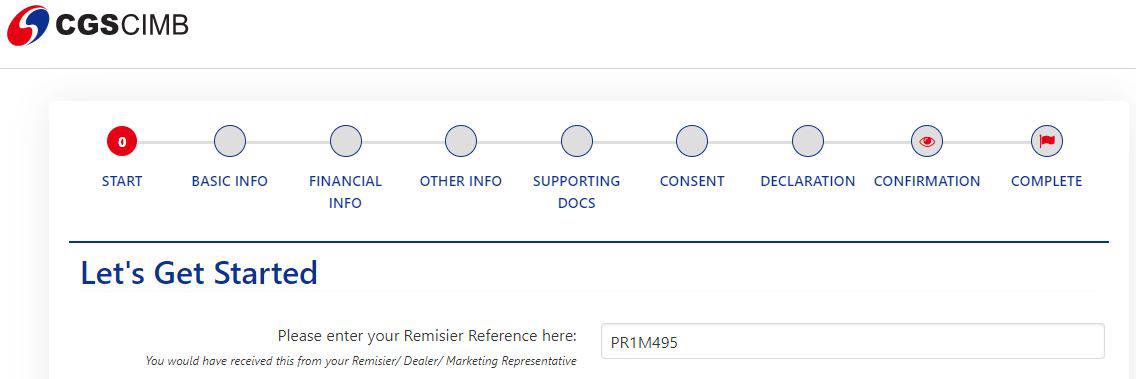
Click this link to open an account with CGS-CIMB: https://www.cgs-cimb.com.my/en/Account-opening-Tr.jsp

3 Steps To Kickstart Your Investment Journey 2

Don’t forget to key in PR1M495 in the Remisier Reference section. A designated Dealer’s Representative will attend and assist you with your account opening.

Now, let’s assume that your account has been created. Next of course you would like to know how to deposit money and buy stock on the trading platform.

Read: How To Open A CDS And Share Trading Account?

Steps To Deposit Money

After successfully logging into your account:

1. Select ‘Settlement’ and click ‘eDeposit(New)’.

Guide On How To Deposit And Buy Stock In The Trading Platform1

2. Next, select your account and click ‘Online Cash Deposit’.

Guide On How To Deposit And Buy Stock In The Trading Platform2

3. Select which bank you would like to transfer your money from, key in the amount and click ‘Confirm’.

Guide On How To Deposit And Buy Stock In The Trading Platform3

4. Key in your Trading Pin and click ‘Submit’.

Guide On How To Deposit And Buy Stock In The Trading Platform4

The money will be updated in your trust account on the following day. Please contact your Dealer/Remisier if you wish to buy stocks as soon as possible. Let’s move on to the next step on how to deposit money and buy stock on the trading platform.

Steps to Buy Stock in CGS-CIMB iTrade Platform

1. Key in the stock code or stock symbol to search for the stock.

Guide On How To Deposit And Buy Stock In The Trading Platform5

2. Right-click on the stock name and click ‘Buy’.

Guide On How To Deposit And Buy Stock In The Trading Platform6

3. Ensure the stock that you intend to buy is correct. Next, follow the steps below:

  • Insert quantity (in lot)
  • Insert price
  • Choose validity
  • Insert trading pin
  • Click buy
Guide On How To Deposit And Buy Stock In The Trading Platform7

4. Under ‘Order Book’, select ‘Order Status’ to check on the order made.

Guide On How To Deposit And Buy Stock In The Trading Platform8

5. If your order status shows ‘filled’, it means the order that you placed has been matched. The shares purchased will be showed in ‘Equities Portfolio’ under ‘Portfolio’.

Guide On How To Deposit And Buy Stock In The Trading Platform9

Conclusion

Investing in the stock market can be a rewarding experience, but it requires knowledge, patience, and discipline. Through this article, we hope to have provided you with a comprehensive guide on how to deposit money and buy stock on the trading platform. Different trading platforms may have different layouts and user experiences.

An interactive trading platform may give a better user experience to the users.

Read : Create Your Stock Watchlist With These Simple Steps

Remember to always do your research, diversify your portfolio, and stay informed about market trends and news. By following these principles, you can make informed decisions and build a successful investment strategy.

With the right approach, investing in the stock market can help you achieve your financial goals and secure your future. But it all starts with the first step, which is how to deposit money and buy stock on the trading platform.

Read: Using The CANSLIM Formula To Choose Good Stocks

How To Open A CDS And Share Trading Account?

For an investor to start investing in Bursa Malaysia, they must open a CDS and share trading account. These two accounts serve different functions. Normally, when you open an account with any broker, these two accounts will be created together.

The whole application process can be done by completing physical offline forms or some brokers will provide online applications. With this online application process, opening a share trading account will be hassle-free.

But before we look at how to open a CDS and share trading account, read below for a deeper understanding of what is a CDS account and a trading account.

What Is A CDS Account?

Central Depository System (“CDS”) is a system that is fully owned and operated by Bursa Malaysia Depository Sdn Bhd (“Bursa Depository”), which provides central bookkeeping of securities and facilitates the settlement of securities transactions in a scriptless manner.

Putting it simply, a CDS account acts like a wallet where you keep the shares that you purchased.

Investors who wish to trade in securities listed on Bursa Malaysia Securities Berhad must open accounts on CDS. Securities bought or sold will be credited or debited into the CDS accounts of depositors accordingly.

There are a few ways you can open a CDS account such as walking into any investment bank/broker, registering online via a website and you can also open a CDS account via the Bursa Anywhere mobile app.

How To Open A CDS Share Trading Account

Source: Bursa Marketplace

Read: Guide To Registration of Bursa Anywhere Account

What Is A Trading Account?

A share trading account is where you deposit money and use that account to buy/sell stocks via a broker’s trading platform.

Refer to Bursa Malaysia’s website for the list of brokers in Malaysia: List of Participating Organisations

For those who are wondering, an individual investor is allowed to open only one CDS account with each broker. It means that you can have 1 CDS account with different brokers such as Maybank, CGS-CIMB, Malacca Securities, RHB, and many more.

However, a corporate investor may open multiple accounts with the same broker.

It is very easy to open a CDS and share trading account. You have to ensure you have the necessary documents, so the process can be smooth.

Required Documents

There are a few documents that you have to prepare in order to open a CDS and share trading account for an individual. You are required to provide:

  1. Photocopies of NRIC/Passport
  2. Latest 3 months’ bank statements
  3. A copy of the latest 3 months’ payslip

Do you have a trading account? If not, you are invited to open an account with one of the brokers available in Malaysia.

Click this link to open an account with CGS-CIMB: https://www.cgs-cimb.com.my/en/Account-opening-Tr.jsp

3 Steps To Kickstart Your Investment Journey 2

Don’t forget to key in PR1M495 in the Remisier Reference section. A designated Dealer’s Representative will attend and assist you with your account opening. All the best in your investment journey!

Now you know how to open a CDS and share trading account? It is very easy, let’s get started today.

Read more:

Pain In The Joints: Knee And Hip

Arthritis is a common condition that affects millions of people worldwide, including Malaysia. Arthritis is a general term that refers to inflammation of the joints, which can cause pain, stiffness and limited mobility. There are many types of arthritis, each caused by factors unique to the disease.

Understanding Arthritis

Dr John Decruz Consultant Orthopaedic Surgeon 1024
Dr John Decruz, Consultant Orthopaedic Surgeon at ParkCity Medical Centre

“Osteoarthritis is when the cartilage that caps the bones in your joints wears away causing the bones to grate against each other. Meanwhile, rheumatoid arthritis is a disease in which the immune system attacks the joints, beginning with the lining of joints (synovium). Unfortunately, rheumatoid arthritis affects more women than men, with the ratio of 3 to 1,” says Dr John Decruz, a Consultant Orthopaedic Surgeon at ParkCity Medical Centre.

“In addition to that, there are also joint paints related to gout, which is caused by uric acid build up in the form of painful crystals in the joints and more commonly seen in the younger group around 30 to 50 years of age. This is in contrast with the other types of arthritis that are more prevalent in much older groups. Joint pain may also occur due to an infection, which appears in the form of redness and reduction in range of motion around the affected joint,” he continues.

Some patients may experience joint pain due to a genetic predisposition, which causes their joints to stiffen up and become painful as they age. This can be diagnosed with a thorough family history, inspection and physical examination. Sometimes X-rays may also be necessary. Meanwhile, blood tests will also reveal joint pain caused by autoimmune diseases such as lupus, gouty arthritis and septic arthritis.

Diagnosing Arthritis

If you think you may be suffering from joint-related diseases, it’s best not to delay seeking treatment. However, not all symptoms lead to arthritis.

“Usually, patients begin suspecting of conditions are often marked by a ‘crackly’ sensation or sound that people may experience when performing physical activities, including something as simple as getting up from a chair,” explains Dr John. “However, most of the time, especially if there is only sound without any pain or swelling, it’s harmless. But of course, we can always rule out any potential of the disease with x-ray, blood tests and even MRI.”

X-rays of patients suffering from osteoarthritis will reveal a reduction of the gap between the bones indicating that the cartilage is worn out. There may even be hairline cracks, bone spurs or even bone cysts in more severe cases.

Treating Arthritis

If you’re diagnosed with arthritis, there are many options that you could explore before landing on surgery.

“Nowadays surgeries such as knee or hip replacement surgeries or joint replacement surgeries are often last resort options when the arthritis is no longer manageable. The go-to upon initial diagnosis are supplements such as Glucosamine and Chondroitin; which are often taken together and are believed to help repair and maintain the cartilage in the joints.

“One good thing is our local food is generally rich in turmeric, which contains curcumin that has been proven through studies to have anti-inflammatory properties that could help reduce joint pain and inflammation,” details Dr John.

In addition, an Omega-3 fatty acids-rich diet and vitamin D has also been found to help reduce inflammation of joints.

“And of course, we have medications that are commonly used to treat arthritis, including painkillers, nonsteroidal anti-inflammatory drugs (NSAIDs), disease-modifying antirheumatic drugs (DMARDs) and biologic agents.

“Painkillers such as acetaminophen can help to relieve pain, while NSAIDs such as ibuprofen can help to reduce pain and inflammation. DMARDs such as methotrexate can help to slow the progression of rheumatoid arthritis, while biologic agents such as adalimumab can target specific parts of the immune system to reduce inflammation in the joints,” adds Dr John.

Physical therapy is also an option for effective treatment of arthritis, but Dr John reminds to approach it with caution.

“Yes, physical therapy improves joint function and reduces pain but only start it upon seeing a doctor to get a proper medical diagnosis of the type of arthritis that is afflicting you. I’ve seen cases of patients’ arthritis becoming worse due to premature physical therapy.”

Preventing Arthritis

If you would like to keep arthritis at bay, there are certain measures that can be taken. Similar to the way in which physical therapy is used to reduce pain in joints—through exercises to strengthen the muscles around joints, as well as stretches and range-of-motion exercises to improve flexibility, keeping active will help to keep the onset of arthritis at bay.

“Lifestyle changes is also important in treating as well as preventing arthritis. Maintaining a healthy weight to reduce the pressure on the joints while avoiding excessive inflammatory food such as sugar, fast-food and food fried with processed oil. Eating a healthy diet that is rich in fruits, vegetables and whole grains can also help to reduce inflammation in the body,” advises Dr John.

A Mother’s Love Is Like No Other

A mother’s love is like no other
Her love is warmer than any summer

She loves you even before you were born
Carrying you 9 months with the tender loving care  of a mom

Risking her life and bearing all the pain 
Sacrificing her all just for your gain

She would bleed for you to heal
Fight for you to overcome any ordeal

She would sacrifice her life
To keep you alive

Comfort you in difficult times
With care and love so divine

She believes in you when you doubted yourself
Supported all of you; your every cell

Encourages you to go on despite challenges
Does everything she can even beyond her talent 

All willing to bear your pain and agony
So that you are safe and in harmony

In haste and chase, many may have forgotten
Her deeds are often taken as forgone

Of this special lady we called “Mother”
Let’s recognize and celebrate her love with a smother 

Her love is  ever so warm and pure
Should be treasured and cherished with great allure

Today we salute you all mothers
Your undying love and sacrifice of such  wonder

We thank God for His most wonderful gift
For He created mothers of this world

Happy Mother’s Day

By Dr Victor SL Tan
CEO KL Strategic Change Consulting Group
He can be contacted at victorsltan@klsccc.com

Dr Victor SL Tan With His Late Mum Who Passed Away When He Was Only 16
Dr Victor SL Tan with his late mum who passed away when he was only 16

Be A-Z Ready For Tomorrow With Allianz Malaysia

Allianz Malaysia Berhad recently launched ‘Be A-Z ready for tomorrow’, an educational  campaign to help Malaysians secure the retirement lives they dream of.

Planning for retirement is more than just ensuring you have adequate finances. The Campaign, will look to help Malaysians understand the importance of retirement planning, with a keen focus on protection and types of insurance coverage that is vital at every stage of life for a sound retirement life.

Allianz Malaysia believes that planning for retirement should encompass overall protection including medical, personal accidents, protection of assets, and having a good support system, in addition to having sufficient savings. Adequate protection is necessary as rising medical costs and unexpected events are likely catalysts for financial setbacks during one’s golden years.

Allianz Malaysia Chief Executive Officer, Sean Wang said a general rule of thumb is that a retiree would need two-thirds of their last drawn salary to retire comfortably.  

“When we were studying the market, we learned that Malaysians’ top priorities for retirement are to live debt-free, have sufficient funds for medical emergencies for themselves and family, whilst maintaining their pre-retirement lifestyles. These things will be hard to achieve if people are only leaning on passive savings to finance their golden years.“

A study conducted by YouGov, a global public opinion and data company, showed that only 38 percent of Malaysians have taken proactive steps to plan for their retirement. In fact, when it comes to retirement planning, most are heavily dependent on passive modes such as saving accounts and EPF.

The study which focused on understanding Malaysian retirement priorities found that those intending to plan for their retirement were receptive to protection plans like Life and Medical insurance.

“When planning for retirement, you need to tick as many boxes as you can. Allianz Malaysia through our life and general insurance business offer the best of both worlds, and have crafted a complete suite of solutions to help Malaysians fully realised their retirement dream with no worries,“ he added.

For a Total Retirement Plan, that ticks every box, Allianz Malaysia recommends having sufficient protection such as critical illness coverage and medical coverage to safeguard yourself from events which may deplete your retirement funds and lead to financial catastrophe.

For example, our medical plan HealthInsured offers the most comprehensive medical coverage and comes with an option which many are not aware of. Customers can opt for a suitable deductible level to save insurance costs while being covered by an employer and remove the deductible upon retirement when there is no more employee benefit.

Besides that, an individual that has a significant other and/or has children should also consider a robust protection plan that protects the family like Allianz PrimeCover with high death benefit coverage or leaving a legacy with certainty to the loved ones with our Allianz Legacy Plus.

Malaysians should also consider having Personal Accident plans like Allianz Shield Plus to safeguard themselves in the event of injuries, disability or death, with Cashless Hopsital Admission and Discharge Benefit to further optimise their retirement protection.

In addition, Allianz Malaysia will also provide additional support to its customers through the Allianz We Care Community.

Via the We Care initiative, the Company collaborates with several partners from different sectors such as home care, pharmaceutical, and home medical devices among others, in offering our customers the complete retirement support they will need.

For more details on our ‘Be A-Z ready for tomorrow’ campaign, or realising your retirement dream, please visit allianz.com.my

About Allianz in Malaysia

The investment holding company, Allianz Malaysia Berhad, a subsidiary of Allianz SE, has two insurance subsidiaries – Allianz General Insurance Company (Malaysia) Berhad (“Allianz General”) and Allianz Life Insurance Malaysia Berhad (“Allianz Life”). Allianz General is one of the leading general insurers in Malaysia and has a broad spectrum of services in personal lines, small to medium enterprise business and large industrial risks. The GWP for general insurance business for financial year 2022 reached a mark of RM2.66 billion. Allianz Life offers a comprehensive range of life and health insurance and investment-linked products and for the financial year 2022, Allianz Life recorded a GWP of RM3.37 billion and is one of the fastest growing life insurers in Malaysia. Allianz Malaysia has 32 branches nationwide. In 2021, Allianz Malaysia won The Edge Billion Ringgit Club (BRC) Financial Services (below RM10 billion market capitalisation) award for the highest growth in profit after tax (PBT) over three years. The Company also bagged the Malaysia International Business Awards 2021 (Life Insurance category) and three awards at the Global Banking & Finance Awards: Insurance Brand of the Year Malaysia 2021; Best General Insurance Product Malaysia 2021; and Best Insurance Social Media Engagement Malaysia 2021.

To learn more about Allianz Malaysia, visit allianz.com.my 

Facebook: facebook.com/AllianzMalaysia/ | Instagram: instagram.com/allianzmalaysia/

LinkedIn: linkedin.com/company/allianzmalaysia/

About Allianz

The Allianz Group is one of the world’s leading insurers and asset managers with more than 122 million* private and corporate customers in more than 70 countries. Allianz customers benefit from a broad range of personal and corporate insurance services, ranging from property, life, and health insurance to assistance services to credit insurance and global business insurance. Allianz is one of the world’s largest investors, managing around 683 billion euros** on behalf of its insurance customers. Furthermore, our asset managers PIMCO and Allianz Global Investors manage about 1.6 trillion euros of third-party assets. Thanks to our systematic integration of ecological and social criteria in our business processes and investment decisions, we are among the leaders in the insurance industry in the Dow Jones Sustainability Index. In 2022, over 159,000 employees achieved total revenues of 152.7 billion euros and an operating profit of 14.2 billion euros for the group.

*Including non-consolidated entities with Allianz customers.

** As of December 31, 2022

4 Different Types Of Traders: Which One Are You?

There are different types of traders, as you are aware, if you have ever traded stocks. You could belong to one of several groups of traders, depending on your risk tolerance level and financial objectives.

Before we begin looking at the different types of traders, let’s start by defining a trader and discussing how they differ from investors.

Read: Investing VS Trading, Which One Is Suitable For Me?

Difference Between A Trader And An Investor

Someone who buys and sells stocks with the intention of making a quick profit is a trader. They achieve this by predicting how quickly stocks, currencies, and other financial assets will change in price.

In contrast, investors purchase securities to hold them for a long time and earn returns via dividends, interest, and capital growth.

Investors and traders are distinct in a number of ways. Their risk profiles are one of the key variations. Since they are attempting to capitalise on volatile short-term price movements, traders typically assume greater risk than investors.

On the other hand, investors have the financial resources to adopt a longer time horizon and is more tolerant to market swings.

Read: Fundamental Analysis vs Technical Analysis

The time horizon is another difference. Securities are often held by traders for far less time than by investors. Investors may keep onto a stock for years or even decades, whereas traders may just hold onto it for a few minutes or hours.

Finally, the kinds of stocks that traders and investors invest in vary. Since buying and selling quickly is simpler when a stock is highly liquid and has a high trading volume, traders frequently concentrate on these stocks.

Conversely, investors might be more drawn to stocks with solid fundamentals and the potential for long-term growth.

After knowing the difference between traders and investors, let’s look at the different types of traders.

1. Scalper

Traders that try to make tiny profits on many deals are known as scalpers. They often only keep stocks for a short period of time(a few seconds or minutes), and they frequently trade (dozens or even hundreds of times) in a single day.

Scalpers rely on minute price changes and utilise technical analysis to spot transient patterns.

2. BTST Trader

A “Buy Today Sell Tomorrow” (BTST) trader purchases equities today and sells them the following day. They use this to avoid having to take ownership of the shares, which would necessitate full payment.

BTST traders frequently focus on stocks with significant trading volume and solid momentum.

3. Swing Trader

Swing traders try to profit from swift market changes by holding onto securities for a few days or weeks. They employ fundamental and technical analysis to find equities that are likely to experience quick increases.

More risk is typically assumed by swing traders, as compared to scalpers and BTST traders.

Read: 5 Reasons Why We Lose Money In The Stock Market

4. Position Trader

In order to achieve long-term gains, position traders keep onto securities for weeks or even months. They frequently concentrate on stocks with solid fundamentals and prospects for long-term growth.

Position traders are more interested in the company’s overall health than they are in short-term price fluctuations.

4 Different Types Of Traders

In conclusion, there are many different types of traders, each with a distinctive strategy for the market. Regardless of whether you are a scalper, swing trader, position trader, or BTST trader, it’s crucial to know your risk tolerance and investment objectives before you begin.

By doing this, you can create a trading strategy that suits your needs and contributes to your market success.

Read: Create Your Stock Watchlist With These Simple Steps

As An Investor, Here Are 3 Things To Look For In Financial Statements

Making investment decisions as an investor requires having a solid understanding of a company’s financial statements. A company’s financial health is captured in its financial statements, giving important information on its profitability, liquidity, and overall financial performance.

As an investor, here are the three things to look for in financial statements, so you know how to use them to make wise investment decisions.

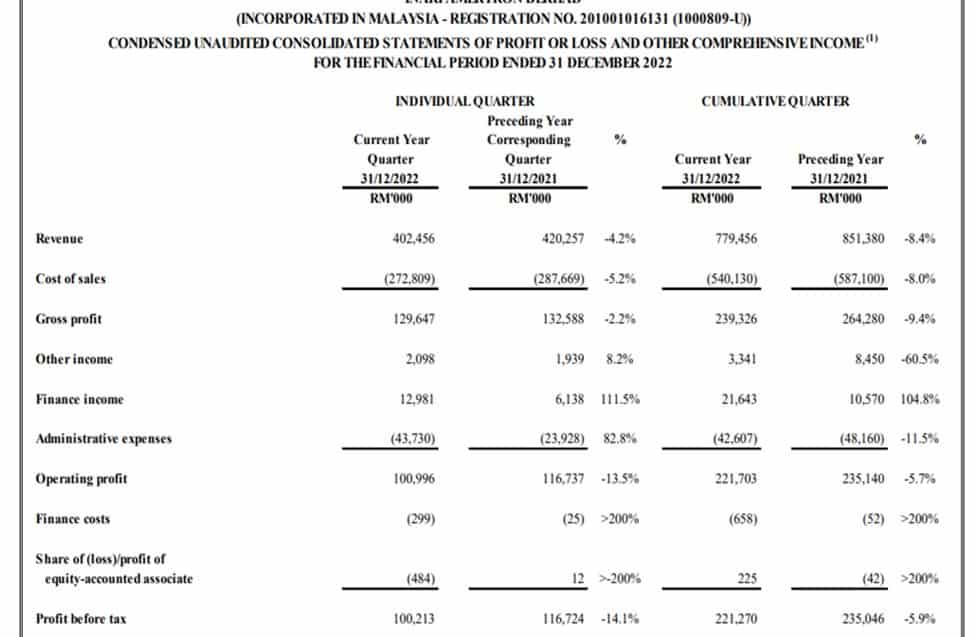
1. Income Statement/Statement Of Profit Or Loss

As An Investor Here Are 3 Things To Look For In Financial Statements1

One of the first things to look for in financial statements, is to look at income statement. It is the one of the most important things to look for in financial statements.

The income statement provides an overview of a company’s revenues and expenses for a given time period. The financial statement details the company’s revenue and operational costs, taxes, and interest payments. Net income, a gauge of a company’s profitability, is the difference between sales and expenses.

Investors should pay particular attention to the income statement’s revenue and net income data. A company’s revenue should be consistently rising as this shows that its goods and services are in high demand. A higher net income is also encouraging because it shows the business is making more money.

Investors should, however, consider the margins, which reflect how much profit the company makes in relation to its revenue, such as the gross profit margin and net profit margin. A business with poor margins can have trouble controlling costs or face fierce competition.

Read: Using The CANSLIM Formula To Choose Good Stocks

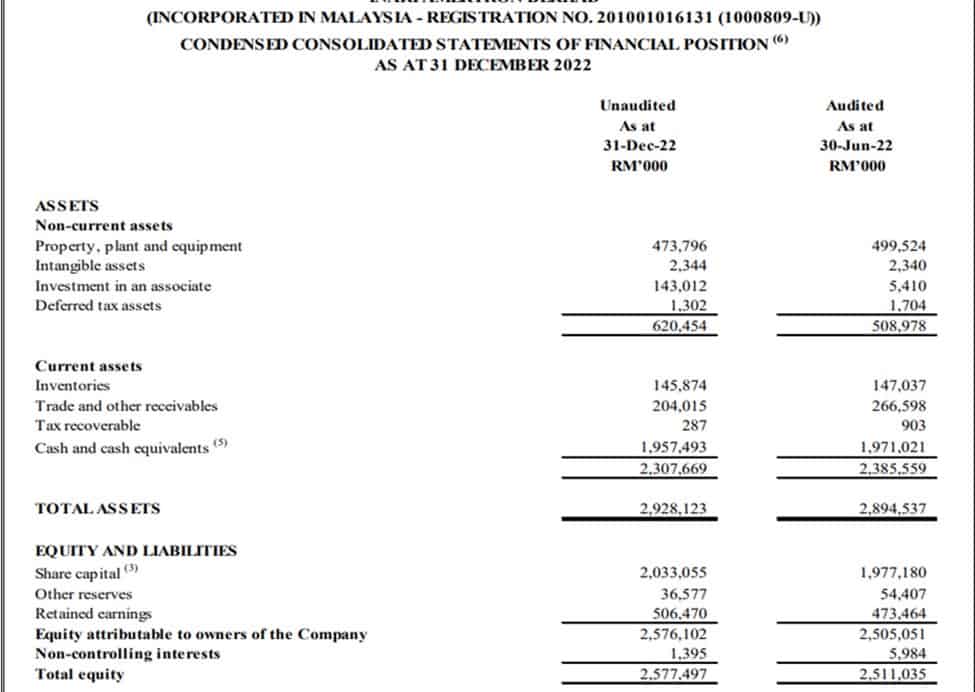
2. Balance Sheet/ Statement OF Financial Position

As An Investor Here Are 3 Things To Look For In Financial Statements2

The second in the number of things to look for in financial statements is the balance sheet. The balance sheet is the second financial statement that investors ought to study.

A company’s assets, liabilities, and equity are shown on the balance sheet at a particular time. The financial statement reveals the firm’s assets and liabilities and the percentage of equity shareholders own in the business.

The balance sheet’s sections for assets and liabilities should catch investors’ attention. The assets section lists the company’s possessions, including real estate, machinery, and cash. Along with their valuation, investors should consider the asset’s composition. For instance, a business with a lot of cash and liquid assets might be more financially stable than one with a lot of fixed assets that might be challenging to sell fast.

The company’s debts are listed under the liabilities section, including loans, accounts payable, and taxes. Investors should take note of the liabilities’ makeup as well as their maturities. For instance, a business with a lot of short-term debt can be more susceptible to cash flow issues than one with long-term debt that can be repaid over time.

Read: 3 Steps To Kickstart Your Stock Market Investment Journey

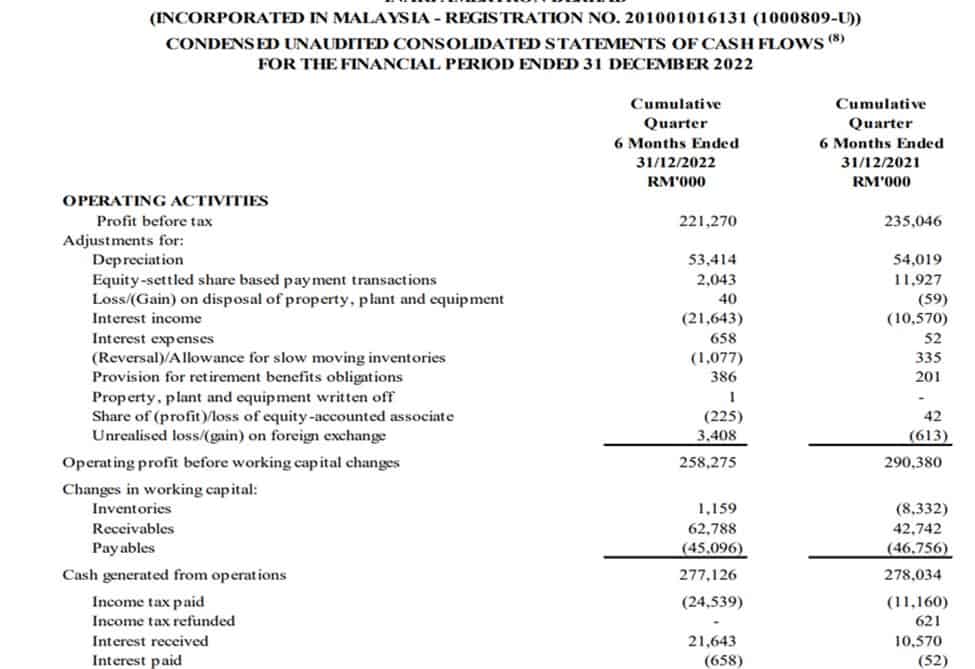
3. Statement Of Cash Flow

As An Investor Here Are 3 Things To Look For In Financial Statements3

The third on the list of things to look for in financial statements is the cash flow statement. The cash flow statement details how much money the business has made and spent during a given time period. Operating, investing, and financing operations are the three areas into which the cash flows are divided in the statement.

Investors should concentrate their attention on the statement of cash flows’ operating operations section. The amount of cash the company has made from its core business operations is displayed in this section. A company’s operations produce cash when there is a positive cash flow from operating activities, which is a good sign. A corporation may burn cash to fund its operations if its cash flow is negative.

The statement of cash flows’ sections on investing and financing operations deserve special attention from investors. The amount of money the company has spent on investments and capital expenses, such as buying property and equipment, is displayed under investing activities.

The amount of money the company has acquired or paid back through debt and equity financing is displayed in the financing activities section. Investors should consider whether these actions align with the company’s overall strategy and financial objectives.

In conclusion, it is critical to comprehend a company’s financial statements before making investing choices. In particular, those are the three things to look for in financial statements: Income Statement, Balance Sheet and Cash Flow Statement.

It offers important information about a company’s profitability, liquidity, and overall financial performance. Investors should concentrate on the company’s revenue, net income, margins, assets, and liabilities.

Make sure you also read:

‘Transparency Score of Malaysia’s Foundations’ Launched By Wiki Impact To Foster Accountability & Trust In The Third Sector

In today’s society, transparency has become an essential aspect of any industry, including the third sector. This is especially true for non-profits, as transparency plays a critical role in building trust and credibility with their stakeholders.

The ‘Transparency Score Of Malaysia’s Foundations’ developed by Wiki Impact aims to highlight Malaysia’s foundations that overcommunicate and build a shared public narrative to encourage others to do the same. The comprehensive rating system evaluates the transparency, frequency, and credibility of communications made by 1,567 registered foundations to the public.

Based on the rating system, Wiki Impact reviewed publicly-available data, information, and reports to assess the transparency of the foundations based on four key main criteria including publicly-available financial reports, publicly-available impact reports, a current and active website, and an updated social media presence.

Why Is This Report Necessary?

The expectation of trust from the public in non-profits is growing and many are evaluating them based on publicly available information. Terence Ooi, Co-founder of Wiki Impact says that “By providing open and honest communication about their operations, financials, and impact, non-profits can assure their donors, beneficiaries, and the public that they are accountable and committed to achieving their mission.”

Apart from that, transparency helps prevent the misuse of funds, promotes ethical practices, and ensures that non-profits are fulfilling their social responsibility. Ultimately, transparency strengthens the credibility and reputation of non-profits, leading to increased support and a positive impact on the community.

“Our report provides clarity for donors to be more informed about foundations that they are supporting or may potentially support. When you are informed accurately, generosity grows,” Ooi added.

“It is important to note that under current laws, foundations are not required to disclose their annual, financial, and impact reports publicly. Also, they are not required to publicly disclose their board of directors, financial statements or amounts disbursed. In contrast, this report seeks to recognize foundations that over-communicate and develop a shared public narrative. By doing so, we hope foundations will be more inclined to communicate the good work they do,” said Ooi.

Report Findings

The report rated 1,567 foundations in Malaysia based on their transparency scorecard, with 32 foundations receiving a minimum A rating, indicating a score of 75% or above. These foundations have publicly available information about their programs and financials and have provided information about their trustees or board on their website. They also regularly update their social media accounts.

Among the foundations with high transparency scores are WWF Malaysia, TFM Foundation, Yayasan Hasanah, Yayasan Sejahtera, Arba International Waqf (L) Foundation, MyKasih Foundation, Yayasan Selangor, and YTL Foundation.

The report also shows that half of the foundations in Malaysia achieved a transparency score of only 10%, indicating that they do not have publicly available information about their programs and financials, or information about their trustees or board on their website.

Other interesting findings include:

  • Almost half the number of foundations were located in the Klang Valley area, with 25.27% in Kuala Lumpur and 20.17% in Selangor.
  • Education is the most focused cause, with 251 foundations working to improve education in Malaysia, while Animals Welfare was the least focused area, with only 3 foundations.
  • In terms of digital presence, 37% of foundations do not have a published website. Only 28% of foundations posted an update on their social media within the past 3 months since Feb 2023, while 131 foundations have not posted an update for over a year.
  • The report also highlights that only 2.94% of 1,567 foundations released an Impact Report within the past 5 years (since 2017), and only 31 (2.3%) foundations have ever published a financial report publicly.

“The strength of this report lies in its independence, which helps remove layers of impartiality. Our report is not funded by any foundations or for-profit companies. A team of independent volunteer fact-checkers reviewed the work prior to publication, and all data was sourced from publicly available sources,” added Ooi.

Wiki Impact hopes that the “Transparency Score of Malaysia’s Foundations” report will encourage more foundations to communicate openly because transparency is no longer an option but a necessity for non-profits to succeed in their endeavours.

Visit “Transparency Score Of Malaysia’s Foundations” to see the full report and detailed transparency scores of the 1,567 foundations.

ABOUT WIKI IMPACT

Wiki Impact is a research and communications hub focused on Malaysia’s impact-driven work and social issues. We create social impact through compelling data and evidence-based stories that inspire, inform, invoke emotion and invite participation and conversation. Wiki Impact serves changemakers by highlighting and amplifying their work via impact news, announcements and job postings.