Tuesday, 18 August 2026 Stay informed. No noise.

Evaluating Corporate Insurance in Today’s Market

By CH Goh

Every business, irrespective of size, must safeguard itself against potential risks to ensure long-term viability.

Amidst the rapid changes in the business landscape, entrepreneurs and business owners grapple with a multitude of challenges and uncertainties. In this dynamic environment, corporate insurance emerges as a crucial tool for mitigating risks and safeguarding businesses.

Corporate insurance has become indispensable for ensuring the safety and continuity of businesses amidst the ever-changing landscape. It serves as a critical shield against uncertainties and unforeseen events that could jeopardise a business’s survival and competitiveness. With the risks inherent in daily operations, mitigating these uncertainties becomes paramount for sustained growth and success.

The escalating demand for corporate insurance reflects the escalating risks and uncertainties pervasive in today’s business environment. By implementing tailored policies, businesses can effectively mitigate financial losses stemming from unexpected occurrences. Often referred to as commercial insurance, corporate insurance offers vital financial protection against potential catastrophes, thereby fortifying businesses against substantial losses.

Importance of Regular Assessment

Every business, irrespective of size, must safeguard itself against potential risks to ensure long-term viability. Merely purchasing insurance coverage may not suffice; instead, consistent and comprehensive evaluation of insurance policies is increasingly vital for the business’s welfare. Furthermore, this helps the business adjust to changes in the business environment.

Regular assessment of insurance coverage is essential for effective risk mitigation and ensuring the long-term resilience of businesses. In a rapidly changing business environment filled with uncertainties and risks, it is crucial for companies to remain vigilant and adaptable in order to safeguard their interests and ensure their long-term viability.

The changing nature of the business environment necessitates the continuous evaluation and adjustment of insurance strategies. Factors such as regulatory changes, technological advancements and emerging risks constantly reshape the risk landscape, making it imperative for businesses to regularly reassess their insurance coverage.

By conducting thorough assessments, businesses can identify potential gaps in coverage, anticipate evolving risks and align their insurance strategies with their overarching business objectives and industry trends.

One of the key reasons for ongoing assessment is the rapidly changing business landscape. Regulatory updates, technological innovations and shifts in consumer preferences can significantly impact the risks faced by businesses.

For example, the increasing reliance on digital technologies has led to new risks such as cyber threats and data breaches, which can have severe financial and reputational consequences. By regularly evaluating their insurance coverage, businesses can ensure that they are adequately protected against these emerging threats and adapt their strategies accordingly.

Moreover, ongoing assessment enables businesses to stay ahead of evolving risks. As industries evolve and new challenges emerge, businesses must be proactive in identifying and mitigating potential risks.

For instance, climate change-related events, such as extreme weather events and natural disasters, are becoming more frequent and severe, posing a growing threat to businesses across various sectors. By regularly reassessing their insurance coverage, businesses can identify emerging risks associated with climate change and take proactive measures to mitigate their impact.

In addition to addressing evolving risks, regular assessment also helps businesses navigate compliance requirements effectively. Regulatory frameworks are constantly evolving, with new laws and regulations being introduced to address emerging risks and protect consumer interests.

Failure to comply with these regulations can result in significant penalties and legal liabilities, potentially jeopardising the financial stability and reputation of businesses. By regularly evaluating their insurance coverage in light of evolving regulatory standards, businesses can ensure compliance and mitigate the risk of costly penalties.

Regular assessment of insurance coverage is paramount in today’s rapidly changing business environment. By staying vigilant, proactive, and adaptable, businesses can effectively mitigate risks, protect their interests, and ensure their long-term success and sustainability in an increasingly uncertain world.

Aligning Coverage with Business Objectives

As businesses navigate the dynamic market landscape, it is crucial to ensure that their insurance coverage aligns with their overarching strategic goals and priorities. This alignment is essential for maximising the value and effectiveness of insurance policies.

By carefully evaluating how insurance coverage supports the achievement of key business objectives, such as revenue growth, operational efficiency or risk mitigation, companies can make informed decisions about their insurance portfolio.

This process may involve reassessing coverage limits, adjusting deductibles or exploring alternative insurance products that better address emerging risks and complement the organisation’s long-term vision. Maintaining this strategic alignment allows businesses to leverage their insurance strategies as a strategic tool for enhancing resilience, driving innovation and securing a competitive edge in the marketplace.

Staying Ahead of the Curve with Comprehensive Corporate Insurance

As the business world continues to transform at a breakneck pace, the importance of maintaining a robust and adaptable corporate insurance strategy cannot be overstated. By regularly evaluating their coverage and aligning it with their strategic priorities, companies can position themselves to weather the storms of an unpredictable future. Through proactive risk assessment, targeted policy selection and diligent monitoring, organisations can fortify their operations, safeguard their assets and enhance their long-term resilience. In an era marked by escalating uncertainties, comprehensive corporate insurance serves as a vital safeguard, empowering businesses to navigate the evolving landscape with confidence and agility.


Before settling on a specific insurance coverage, it is crucial for businesses to conduct a thorough risk assessment, as the need for comprehensive risk management has never been more critical.

Effective insurance planning is a cornerstone of this risk management strategy, allowing organisations to protect their assets, operations and financial stability in the face of unforeseen challenges. Here are some key factors for businesses to consider when buying corporate insurance coverage:

Identify Potential Risks

  • Thoroughly examine your operations, assets, and industry to determine the specific risks you may face, such as natural disasters, cyberattacks, liability claims, equipment breakdowns, etc.
  • Assess the likelihood and potential impact of each risk to prioritize your coverage needs.

Evaluate Coverage Options

  • Research the various types of corporate insurance policies available, such as general liability, property, workers’ compensation, directors and officers (D&O), cyber, and business interruption.
  • Understand the coverage, exclusions and limits provided by each policy type.

Determine Appropriate Coverage Limits

  • Evaluate the full replacement value of your assets, potential liability costs, and anticipated business interruption expenses.
  • Set coverage limits high enough to fully protect your operations in a worst-case scenario.

Consider Specialised Policies

  • Evaluate the need for specialised insurance like cyber liability, professional indemnity or supply chain disruption coverage.
  • These can provide critical protection beyond a standard commercial policy.

Review Policy Terms and Exclusions

  • Carefully read and understand the fine print of any insurance policy, including coverage limitations, exclusions, and any conditions or requirements.
  • Ensure the policy aligns with your specific business needs and risk profile.

Consider the Insurance Provider

  • Research the financial stability, reputation and claims-handling track record of potential insurance providers.
  • Choose a reputable and reliable insurer to ensure prompt and fair settlement of claims.

Review and Update Regularly

  • Reevaluate your insurance needs annually as your business evolves.
  • Make adjustments to coverage as new risks emerge or your operations change.

Carefully evaluating these factors can help businesses select the right corporate insurance coverage to protect their assets, operations, and financial stability.


Key Types of Corporate Insurance

Businesses face a wide array of risks, from natural disasters and cyberattacks to liability issues and operational disruptions. To protect against these diverse threats, companies can consider the following key types of corporate insurance coverage:

Property Insurance: Covers physical assets like buildings, equipment and inventory against damages from perils like fires, storms and theft.

Liability Insurance: Protects the organisation from third-party claims of bodily injury, property damage or negligence. This includes general liability, product liability and professional liability.

Business Interruption Insurance: Provides financial compensation for lost income and increased expenses if operations are disrupted by a covered event like a natural disaster or equipment breakdown.

Cyber Liability Insurance: Covers the costs associated with data breaches, ransomware attacks and other cyber incidents, including legal fees, regulatory fines and customer notification.

Directors and Officers (D&O) Insurance: Protects executives and board members from personal liability related to their management decisions and actions on behalf of the company.

Workers’ Compensation Insurance: Covers medical expenses and lost wages for employees who are injured or become ill on the job.

By implementing a comprehensive corporate insurance portfolio tailored to their unique risk profile, businesses can safeguard their operations, finances and reputation in the face of an unpredictable business landscape.


Steady Returns, Lasting Impact

By Heng Jeng Chyan

Fixed income investments, commonly referred to as bonds, provide a stable and dependable avenue for investors seeking consistent returns and portfolio diversification. While equities often take centre stage in investment discussions, fixed income assets are essential components of many purpose-driven investment strategies.

Fixed income investments entail investors purchasing debt from governments or corporations, effectively becoming lenders to the issuer. In exchange, investors receive regular interest payments, termed as coupon payments. Conversely, sukuk adheres to Islamic principles and operates akin to bonds, disbursing periodic payments known as dividends.

This article explores the advantages of purposeful fixed income investing and its potential to yield positive and enduring financial impacts within an individual’s investment portfolio.

Aligning Financial Decisions with Life Goals

“Preserving capital is the cornerstone of investing with purpose, ensuring that invested funds retain their value and provide financial security over time, regardless of investors’ varying life goals and stages.”

Investing with purpose entails extending goals beyond mere wealth accumulation; rather, it involves aligning financial decisions with specific life goals or values.

Above all, preserving capital is the cornerstone of investing with purpose, ensuring that invested funds retain their value and provide financial security over time, regardless of investors’ varying life goals and stages.

For investors focusing on short-term financial goals such as purchasing a car or planning a vacation, preserving capital ensures that allocated funds remain intact and readily available, safeguarding against unforeseen expenses or emergencies during periods characterised by career-building and family-starting.

Likewise, investors with longer investment horizons and higher risk tolerance also require capital-preservation investments. For example, those aiming to finance their children’s education, buy a house or secure retirement need capital preservation to maintain financial stability and security throughout their golden years.

Ultimately, investors seek to ensure that their life savings aren’t depleted by market volatility or unexpected expenses. By safeguarding invested capital, individuals can create a safety net that shields against unforeseen circumstances, providing peace as they navigate their financial journey to achieve their goals and aspirations.

Democratising Fixed Income Access Through Unit Trusts

“Unit trust bond funds provide a convenient and accessible means to diversify portfolios with fixed income securities.”

Typically, the public is more acquainted with stocks, fixed deposits, equity unit trust funds and real estate investments compared to fixed income options. Consequently, fixed income investments often remain overshadowed by other investment avenues.

Traditionally, fixed income investments demand substantial minimum investment amounts, such as RM5 million for one standard lot of corporate bonds and RM10 million for one standard lot of government bonds. This restricts access primarily to institutional and ultra-high net worth investors.

However, alternative avenues exist for individual investors to enter the fixed income market. Unit trust bond funds, for instance, provide a convenient and accessible means to diversify portfolios with fixed income securities. By pooling funds from multiple investors, unit trusts enable individuals to invest in various fixed income assets at lower minimum thresholds (as low as RM100) with greater flexibility compared to direct bond purchases.

Furthermore, unit trust funds are overseen by professional fund managers who make investment decisions on behalf of investors, leveraging their expertise and research capabilities. These funds also implement risk management strategies, including investment guidelines, diversification requirements and ongoing portfolio monitoring to mitigate risks.

Investing in unit trusts is straightforward, with many financial institutions, fund management companies, and investment platforms offering user-friendly interfaces and online platforms. These platforms provide educational resources, investment guides, and customer support to assist novice investors in navigating the investment process.

By simply opening an investment account, individuals can commence investing in fixed income unit trust funds, benefiting from professional management and diversification these investment vehicles offer.

Providing Steady Returns

“Fixed income investments offer regular fixed and predictable payments, ensuring investors a steady income stream regardless of market fluctuations.”

The table below broadly outlines some of the distinctions between fixed income investments and other types, such as fixed deposits and equity securities:

Fixed Deposit Direct Fixed Income Investments Fixed Income Unit Trust Funds Equities
Returns Fixed interest rate Regular coupon payments/dividends Regular income distribution Capital appreciation/ share dividends
Capital preservation Yes Yes Yes No
Liquidity High * Low High High
Risk Low Low Low High

* Fixed deposits typically offer high liquidity, yet investors needing early withdrawal before the maturity date may forfeit some or all of the accrued interest income.

Fixed income investments offer regular fixed and predictable payments, ensuring investors a steady income stream regardless of market fluctuations. Unlike shares, which may offer dividends subject to market conditions and company performance, fixed income payments are reliable.

Individual fixed income securities require careful selection for building a diversified portfolio, while fixed income funds provide instant diversification by exposing investors to a broad range of bonds.

Furthermore, investors in fixed income funds enjoy higher liquidity, enabling them to manage investments according to their financial needs. Conversely, fixed deposits usually entail a minimum lock-in period with penalties or restrictions on early withdrawals, potentially limiting access to funds.

During periods of market volatility or economic uncertainty, fixed income securities tend to exhibit more stable price movements than equities, offering a buffer against market downturns and stability to the overall portfolio.

This stability is particularly advantageous for risk-averse investors or those aiming to balance their portfolios with conservative assets. Allocating a portion of the investment portfolio to fixed income securities can mitigate the impact of market downturns and protect capital during turbulent times.

The Lasting Impact of Fixed Income on Portfolio Returns

Investors aiming for enduring impact on their portfolio returns should recognise the significance of fixed income investments in their overall strategy. While equities may promise higher potential returns, fixed income securities offer stability and consistency crucial for long-term financial success.

The provision of a steady stream of income over time can help investors manage liquidity, meet financial needs and fulfil obligations, whether for retirement expenses, daily living costs or other life goals.

Furthermore, fixed income investments contribute to portfolio diversification, boasting low correlations to equities, thus reducing overall portfolio risk and enhancing risk-adjusted returns. Building a well-balanced portfolio resilient to market fluctuations is key to achieving long-term financial goals.

In conclusion, purposeful investing through fixed income involves recognising their unique benefits and integrating them into a comprehensive investment strategy. They are critical in constructing resilient portfolios and attaining long-term financial objectives.

By furnishing steady returns, stability and diversification, fixed income investments significantly impact portfolio returns, enabling investors to reach their financial goals over time.

Ultimately, the consistent income stream empowers investors with financial flexibility to identify and pursue growth opportunities. Whether expanding portfolios, funding new ventures or seizing market opportunities, the dependable cash flow allows for capitalising on growth prospects without compromising financial stability.

ABOUT THE WRITER

Heng Jeng Chyan is currently the Senior Client Investment Services Manager at Opus Asset Management Sdn Bhd. He is responsible for overseeing a team that provides investment solutions and support to clients.

SC Launches GROWMatch To Bridge Financing Gaps and Drive Sustainable Growth in Agri-Business

The Securities Commission Malaysia (SC) today unveiled GROWMatch, a new matching
initiative that allows agri-business entrepreneurs to showcase their projects and attract
necessary funding.

This initiative aims to address the financing gap faced by agri-businesses and promote
sustainable growth in the sector.

The Minister of Digital, YB Tuan Gobind Singh Deo delivered the keynote address at the
event. Alternative financing options in the capital market can help spur the country’s
economic growth and address food security challenges.

GROWMatch taps into equity crowdfunding (ECF) and peer-to-peer financing (P2P)
platforms to support micro, small, and medium-sized enterprises (MSMEs) in strategic
and underserved sectors.

Since their inception, both ECF and P2P platforms have helped over 18,000 MSMEs raise
nearly RM8 billion in funding as of June 2024.

GROWMatch, which is aligned with the SC’s Five-Year Roadmap (2024-2028) for MSMEs
and mid-tier companies, is focusing on providing risk capital through private markets.
Its partners1, which include venture capital firms and government agencies, play a key
role in mentoring applicants, refining their business strategies and connecting them with
investors.

The SC Chairman Dato’ Mohammad Faiz Azmi highlighted that GROWMatch leverages the
strengths of diverse ecosystem partners to provide comprehensive support and resources
for food security innovators, especially small companies facing funding challenges.

“GROWMatch not only connects entrepreneurs with investors, but also offers mentorship
and resources to help them succeed in the competitive market,” he said at the launch.

“The diversity and focus on innovative and sustainable tech-driven solutions by the
shortlisted companies in GROWMatch signal a promising future for the agriculture
industry, and the capital market is excited to support these entrepreneurs,” he added.

The GROWMatch pitching session today saw 20 shortlisted entrepreneurs presenting
innovative solutions to ECF/P2P partners, vying for various financing options in the food
security value chain.

Selected from over 70 applications, these entrepreneurs stood out for their track record,
business model and execution strategy.

At the event, the also SC signed a Memorandum of Understanding (MoU) with the Malaysia Digital Economy Corporation (MDEC), Selangor Information Technology and Digital Economy Corporation (Sidec), Universiti Putra Malaysia (UPM) and Impact Circle.

The MoU seeks to promote food security self-sufficiency through alternative financing. It
combines diverse expertise to develop, incubate and finance opportunities that support
agripreneurs scale their business and contribute to the overall goal of achieving food
security.

For more information on GROWMatch and the full list of 20 shortlisted companies, visit
https://www.scxsc.my/new/programmes/pitch-amp-match/growmatch


Image ‘Designed by Freepik’

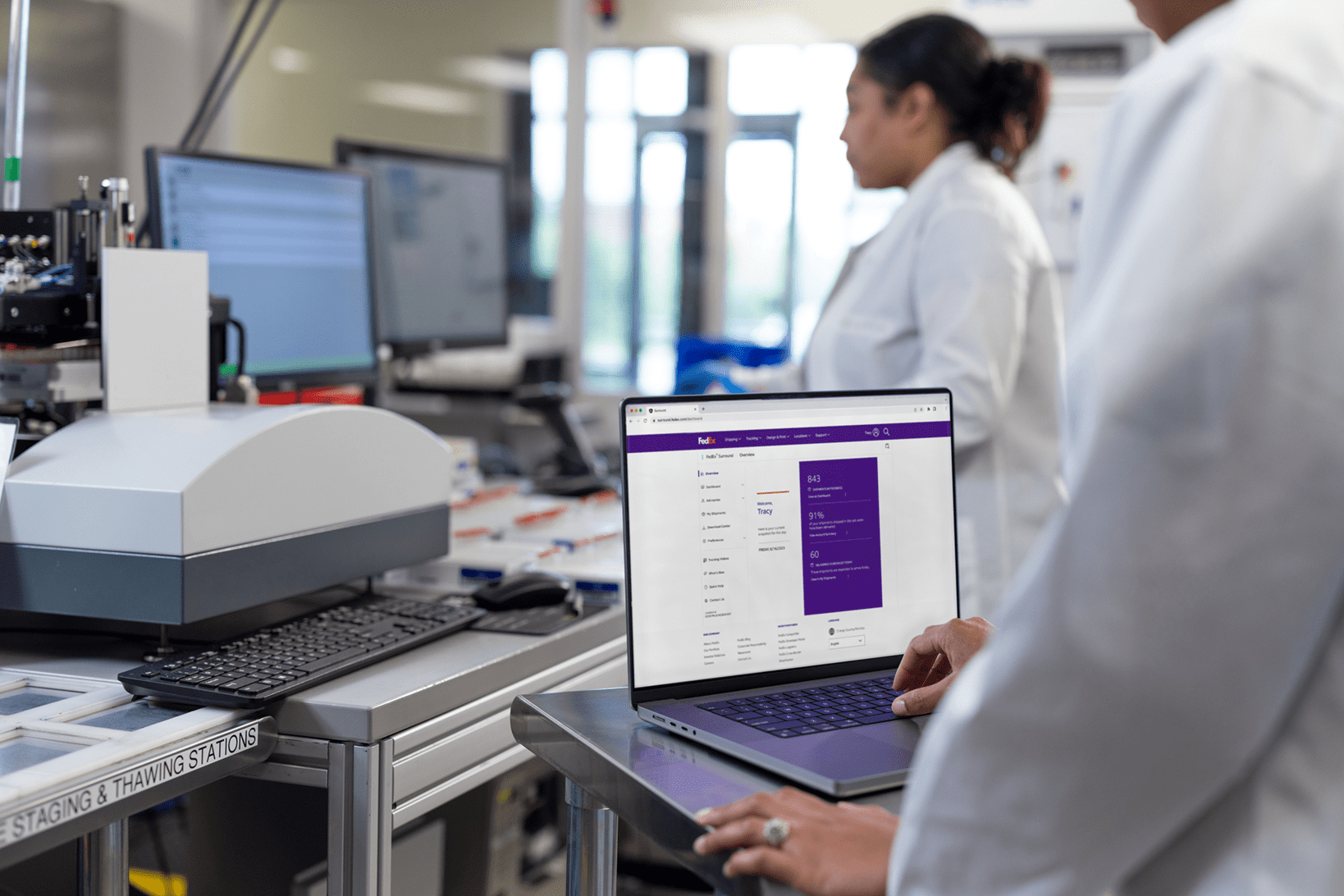
FedEx Introduces Surround® Monitoring and Intervention Solution to Enhance Global Supply Chain Visibility

The FedEx Surround® monitoring and intervention tools integrate seamlessly with the company’s existing transportation network, enhancing its robust suite of shipping and tracking solutions. With three levels of service for customers to choose from that comprise of Select, Preferred and Premium, the tools support a wide range of industries including healthcare, aerospace, high-tech, providing critical updates and interventions that ensure the integrity and timely delivery of sensitive shipments.

With the FedEx Surround® monitoring and intervention suite, FedEx provides three key benefits to its customers:

  1. Flexibility and Control– Surround® dashboard provides near real-time global visibility and predictive analytics using AI and SenseAware ID.
  2. Greater Value– Special handling code enhances operational capability, enabling prioritized boarding and handling, cold chain support and in- and out-of-network intervention.
  3. Peace of Mind– 24×7 expert support ensures proactive monitoring and intervention with dedicated teams at hubs, ramps, and stations, including customized reporting for customers.

“At FedEx, we are constantly innovating to meet the evolving needs of our customers. With data-backed intelligent solutions and the introduction of FedEx Surround®, we are building smart logistics for our customers. The tools are not just about tracking; it’s about smartly intervening in real-time to ensure that shipments are not only monitored but also actively managed to mitigate risk. This is a game-changer for businesses relying on just-in-time delivery and high-stakes shipments,” said Kawal Preet, president, Asia Pacific, FedEx.

The FedEx Surround® monitoring and intervention solution in Asia Pacific utilizes advanced sensor technology including SenseAware ID with near real-time data analytics to provide continuous monitoring and proactive interventions for shipments worldwide. FedEx has long been a pioneer in sensor-based logistics, providing advanced tracking of urgent and high value shipments. SenseAware ID uses a lightweight, compact sensor that transmits precise package location data every two seconds via Bluetooth Low Energy (BLE) to WiFi access points or established gateway devices throughout the FedEx network. Packages equipped with the SenseAware ID sensor are tracked hundreds of times versus dozens of times with traditional package scanning protocols, which provides an unprecedented amount of real-time data about the location of the shipment.

FedEx has a strong commitment to innovation demonstrated by the strategic use of AI and machine learning technologies within the FedEx Surround® system. These technologies predict potential disruptions in the shipping process, allowing FedEx and its customers to swiftly make informed decisions. FedEx Surround® monitoring and intervention is set to transform the way businesses manage logistics, offering enhanced visibility and control over their supply chains.

For more information on FedEx Surround® monitoring and intervention, and other innovations, please visit fedex.com.

About Federal Express Corporation

Federal Express Corporation is one of the world’s largest express transportation companies, providing fast and reliable delivery to more than 220 countries and territories. Federal Express Corporation uses a global air-and-ground network to speed delivery of time-sensitive shipments by a definite time and date.

For further information, please contact:

Shahira Amiera (Myra), Perspective Strategies                

Tel        : +603 7491 3138

Mobile : +60 12-644 0510

Email   : shahira.amiera@perspective.com.my

SC’s Guidelines on Technology Risk Management Take Effect Today

The Guidelines were initially released in August 2023 for capital market entities to be familiar with risk management practices, which now expand beyond cyber security to include technology risks, among others.

The revised Guidelines emphasise the significance of strengthening operational reliability, security and resilience against technology disruptions. The Guidelines also set out the SC’s expectations on risk management practices to be adopted by industry.

The key areas covered include ‘change management’ process, third party service providers, reporting requirements, technology audit, board oversight and accountability over technology risks.

The CrowdStrike outage highlights the vulnerability of our digital infrastructure and the widespread impact such incidents can have on organisations. It also emphasises the importance of regulations like the Guidelines in strengthening operational resilience practices.

In light of this incident, it is imperative that all capital market entities recognise the importance of observing the Guidelines. This not only protects against immediate technology risks, but also builds a resilient, secure, and ethical technological landscape for the future.

This initiative underscores the SC’s ongoing efforts to strengthen Malaysia’s capital market and investor confidence. The SC has updated various related guidelines today following the implementation of the Guidelines. The SC has also made available a list of updated Frequently Asked Questions (FAQs) on the Guidelines to provide further clarity to capital market entities.

The revised Guidelines are available at https://www.sc.com.my/regulation/guidelines/cyber-risk-and-technology-risk .


Kenanga Futures Launches “Mastering Futures” Campaign to Empower Traders

The “Mastering Futures” campaign is designed to provide the general public with the knowledge and insights on how Futures trading operates. With the ability to hedge against risks, diversification of portfolio, and leverage market opportunities, the campaign offers participants a unique avenue to enhance their financial strategies.

Participants in the campaign stand a chance to win exciting prizes, including TNG e-Wallet credit vouchers worth RM100. Most notably, eligible participants will have the opportunity to trade and earn a spot in a prestigious two-day Trading Masterclass, valued at RM20,000. Led by the industry experts, the Masterclass provides participants with advanced techniques, real-time market analysis, and hands-on trading simulations. This initiative aims to make Futures trading more accessible for retail traders, aligning perfectly with the campaign’s mission of Building a Smart Derivatives Trading Community.

In addition to these rewards, Kenanga Futures is offering new clients the opportunity to open a Futures trading account for just RM10 throughout the campaign period. Successful registrants will also receive access to an exclusive Futures basic e-learning course, equipping them with essential knowledge to accelerate their journey in Derivatives trading.

“The ‘Mastering Futures’ campaign is a unique initiative designed to make futures trading more mainstream and accessible to the general public. For the first time, we are offering comprehensive training that ranges from basic e-learning courses to an in-depth Masterclass – all aimed in educating and equipping newcomers and novice traders with a solid foundation in futures trading and advance them to the next level,” said Azila Abdul Aziz, Chief Executive Officer/Executive Director & Head of Listed Derivatives at Kenanga Futures.

“By injecting e-‘learn and trade’ avenues, we simplify the learning process, aligning with our objective in Building a Smart Derivatives Trading Community. We believe this approach will elevate traders to a more mastery levels, contributing to the growth of the K-Economy and shaping the future landscape of derivatives trading,” Azila concluded.

The campaign welcomes both new and existing Kenanga Futures clients and underscores its dedication to making trading more accessible and fostering a thriving, knowledgeable trading community. Visit www.kenangafutures.com.my/mastering-futures/ to start your journey in futures trading today.

-Terms and conditions apply

Kenanga Futures Sdn Bhd
Kenanga Futures Sdn Bhd is an award-winning Malaysian listed derivatives broker regulated under the Securities Commission Malaysia and Bursa Malaysia Berhad. The company offers clients electronic market access to trade listed products on Bursa Malaysia Derivatives, CME Group and Hong Kong Exchange. Apart from being a direct member of Bursa Malaysia Derivatives Berhad and the clearinghouse, the company is also a registered broker with the U.S. CFTC and was granted exemption relief pursuant to Commission Regulation 30.10 which enables the company to paper directly with entities in the U.S. On the domestic front, the company has an extensive network with 24 branches nationwide licensed to trade listed derivatives.

Clients can access both U.S. and Malaysian listed derivatives on a single trading platform via the company’s trademarked real-time customised online trading solution, KDF TradeActive™. KDF TradeActive™ is available on both desktop and mobile devices, giving clients easy access to real-time market data and flexibility to trade on-the-go.

This Press Release was issued by Kenanga Group’s Marketing, Communications & Sustainability Department.

The issuer is solely responsible for the content of this announcement.

The Halal Horizon – Malaysia’s Play on the Halal Market

Setting an International Standard

As a predominantly Muslim nation with a strong track record in promoting Islamic finance and halal standards, Malaysia is uniquely positioned to capitalise on this burgeoning market. The country’s comprehensive approach includes regulatory frameworks, industry development, international collaborations, and leveraging its Islamic heritage to establish a leadership role in the global halal economy.

One of the key strategies is the establishment of a robust regulatory framework and standardisation process for halal products. The Department of Islamic Development Malaysia (JAKIM) plays a crucial role in this regard. JAKIM’s halal certification is internationally recognised and is considered one of the most stringent and reliable halal certification processes globally. This certification assures consumers that products and services comply with Islamic law, thus fostering trust and credibility in Malaysian halal products.

Moreover, Malaysia has developed the Malaysia Halal Certification (MHC), which sets high standards for halal certification and ensures consistency and quality.


The MHC is not limited to food products but extends to pharmaceuticals, cosmetics, logistics, and even tourism. This comprehensive certification system is a cornerstone of Malaysia’s strategy to dominate the global halal market, as it guarantees that all certified products meet strict halal requirements, thereby enhancing their appeal to Muslim consumers worldwide. The Malaysian government has also been very proactive in promoting the halal industry through various development programs and incentives. The Halal Industry Master Plan (HIMP) outlines the strategic direction for the industry’s growth, focusing on innovation, technology adoption, and capacity building. The plan aims to position Malaysia as the global hub for halal products and services by leveraging its existing infrastructure and expertise.


Widening Market Access

It is quite calming in trade fairs and halal expos, and even organising one like the Malaysia International Halal Showcase (MIHAS), these initiatives provide a platform for local businesses to showcase their products to an international audience.

Furthermore, Malaysia has established strategic partnerships with other countries to harmonise halal standards and certification processes. For instance, collaboration with countries in the Gulf Cooperation Council (GCC) and the Organization of Islamic Cooperation (OIC) ensures that Malaysian halal certifications are recognised and accepted globally. Such collaborations not only facilitate market access for Malaysian halal products but also strengthen the country’s position as a leader in setting global halal standards.


Embracing Challenges

Despite its comprehensive strategy, Malaysia faces several challenges in its quest to become a global halal leader. Competition from other countries, particularly those in the Middle East and Southeast Asia, is intense. Countries like Indonesia, Thailand, and the United Arab Emirates are also investing heavily in their halal sectors and are emerging as strong competitors.

To address these challenges, Malaysia must continue to innovate and adapt to changing market dynamics. This includes enhancing its research and development capabilities, embracing new technologies, and maintaining the high standards of its halal certification process. Additionally, increasing consumer awareness and education about halal products can further drive demand and acceptance in non-Muslim markets.


What the Future Holds

The future outlook for Malaysia’s halal market is promising. With a growing global Muslim population and increasing demand for halal products, Malaysia is well-positioned to capitalise on these trends. The country’s strategic approach, encompassing regulatory excellence, industry development, international collaboration, and cultural influence, provides a solid foundation for sustained growth.

Malaysia’s strategy to become a global leader in the halal market is multifaceted and robust. By leveraging its strong regulatory framework, fostering industry innovation, engaging in international collaborations, and capitalising on its Islamic heritage, Malaysia has laid the groundwork for success.

While challenges remain, the country’s proactive and comprehensive approach positions it as a formidable player in the global halal economy. As the demand for halal products continues to grow, Malaysia’s leadership in this sector is poised to expand, bringing significant economic benefits and enhancing its global standing.


Investments

  • Total investment of the industry increased from RM8.9 billion in 2015 to RM16.1 billion in 2020, driven by Foreign Direct Investments (FDI). In 2021, total investment rose slightly by 1.3% to RM16.3 billion, fuelled by Domestic Direct Investments (DDI). This growth trend continued into 2022, with total investment reaching RM16.6 billion, marking a 1.7% increase from the previous year
  • Overall, the industry’s growth can be attributed to notable increase in investments in the Halal F&B segment, the rise of the Islamic digital economy, the impact of MIHAS and other events and the escalating demand for Shariah-compliant investment and finance products

Exports

  • In 2020, the Halal industry exported RM30.5 billion worth of products, increased by 19.0% to RM36.3 billion in 2021 and in the following year, total exports surged significantly by 63.9% to RM59.5 billion
  • F&B exports were the primary contributor, accounting for 46.8% of total Halal exports while other major contributors to total Halal exports included the Halal ingredients and cosmetics and personal care sectors
  • The growth in industry exports can be attributed to increased exports of Halal F&B, cosmetics, personal care, and pharmaceuticals.

Employment

  • In 2020, employment in the Halal industry amounted to 18,841 individuals and experienced a 2.1% growth in employment in 2021, reaching 19,238 persons.
  • By 2022, industry employment continued to rise, reaching 19,580 individuals, marking a 1.8% increase.
  • The increase in employment can be attributed to the growing number of companies obtaining Halal certification, which in turn created job opportunities within the manufacturing and services sectors, as well as supporting roles like finance and human resources.

Source: New Industrial Master Plan (NIMP) 2030 – Halal Industry


An Opinion by 

Zaidel Baharuddin is a founder and partner at Cent GPS – Centre for Governance and Political Studies, a think tank and research outfit based in Kuala Lumpur. He specialises in IFN market research, policy research and advocacy.

Malaysia’s Journey Towards Self-sufficiency

By Jonathan Di Rollo  

Independence has been cherished by Malaysians for decades but in a rapidly changing world creating sustainability through economic self-sufficiency has become an increasingly important priority. With sustainable independence as a new priority, the questions of how to achieve this and in what time frame are important and need-considered answers.  

Malaysia’s government has ongoing development plans to address these issues and answer these questions but every nation depends on, and serves, all of its people.  

Public and private sector decision-makers are faced with leading and managing local talents and global partnerships in different sectors requiring different governance for achieving optimal outcomes. Leaders in each field have diverse experience to offer that can be used to keep independence going in sustainable directions through self-sufficiency that protects the country from global fluctuations and shocks. 

Malaysia’s Self-sufficiency Milestones 

  1. Early Development (1957-1970)
  • 1957: Independence from British colonial rule. 
  • 1963: Formation of Malaysia, including Malaya, Sabah, Sarawak, and Singapore (until 1965 when Singapore separated). 
  • 1965: Establishment of Bank Negara Malaysia to manage the country’s monetary policy. 
  1. New Economic Policy (1971-1990)
  • 1971: Introduction of the New Economic Policy (NEP) aimed at reducing poverty and restructuring society to eliminate the identification of race with economic function. 
  • 1974: Establishment of Petronas, the national oil and gas company, marking a significant step towards energy self-sufficiency. 
  • 1981: Launch of the Proton car project, Malaysia’s first national car manufacturer, to reduce dependency on imported vehicles. 
  1. Industrialisation and Modernisation (1991-2000)
  • 1991: Introduction of Vision 2020 by Prime Minister Mahathir Mohamad, aiming for Malaysia to become a fully developed nation by 2020. 
  • 1994: Completion of the North-South Expressway, enhancing transportation infrastructure and boosting economic growth. 
  • 1996: Launch of the Multimedia Super Corridor (MSC) to transform Malaysia into a knowledge-based economy. 
  1. Economic Diversification and Innovation (2001-2010)
  • 2001: Implementation of the Third Industrial Master Plan, focusing on strengthening the manufacturing sector and developing new growth areas. 
  • 2005: Malaysia becomes a net exporter of oil and gas, achieving significant energy self-sufficiency. 
  • 2007: Introduction of the Ninth Malaysia Plan, emphasising human capital development and innovation. 
  1. High-Income Economy and Sustainability (2011-2020)
  • 2010: Launch of the Economic Transformation Programme (ETP) with the goal of making Malaysia a high-income economy by 2020. 
  • 2012: Introduction of the National Automotive Policy to further develop the automotive industry and encourage the production of energy-efficient vehicles. 
  • 2015: Implementation of the Goods and Services Tax (GST) to diversify government revenue sources. 
  • 2020: Achievement of several Vision 2020 goals, although not fully reaching high-income status, significant progress in economic development and self-sufficiency. 
  1. Post-2020 Initiatives and Ongoing Efforts
  • 2021: Introduction of the 12th Malaysia Plan, focusing on sustainable growth and enhancing the resilience of the economy post-COVID-19. 
  • 2022: Continued efforts in renewable energy adoption, aiming for 31% renewable energy capacity by 2025. 
  • 2023: Strengthening food security measures to reduce dependency on imported food products. 

 Malaysia’s Brand Ambassadors 

Ambassadors perform as diplomats for their country all over the world but a country is a brand too and brand ambassadors represent the soul of the nation and embody all points of contact with the rest of the world.  

Independent countries are still dependent on their people; their politicians, business people, artists, lawyers, scientists and inventors. High profile brand ambassadors for Malaysia include Datuk Lee Chong Wei, the celebrated Olympic medallist turned corporate and educational brand ambassador who embodies how a country will always depend on its people as leaders to carry on global partnerships that benefit themselves as well as the country. Leading in sport then business and education shows connectivity and influence in independence.  

There are many more worthy Malaysians who have and continue to contribute to brand Malaysia in different ways in different sectors. The influence of these leaders to self-sufficiency is achieved through economic policies, development programs and well-managed resources. These key people are also role models for others showing us that we are always in dependence.  

Food Security 

In a country whose economy depends greatly on for agriculture, self-sufficiency in food is a top priority. In 2023 Malaysia’s self-sufficiency rate (SSR) for rice was at 62.6%, vegetables 44.7%, and fruits 78.1%, according to Datuk Chan Foong Hin, Deputy Agriculture and Food Security Minister. These headline figures for food security are just one part of the story in Malaysia’s self-sufficiency journey.  

Ramly Processing Sdn. Bhd.  the renowned Malaysian frozen and fast-food company, founded by Ramly bin Mokni, tells an equally important story. From humble beginnings starting in 1984 with the aim of developing a clean and good-quality halal Western fast-food chain in Malaysia, Ramly began selling burgers with his wife. He discovered that it was unknown whether most fresh-meat sources were halal or not and decided to produce a halal-certified meat source for all Muslim consumers in Malaysia. With the halal economy expanding they increased production whilst maintaining stringent quality control. The Ramly Burger brand began to gain recognition not only for its halal certification but also for its taste and affordability becoming a national success story before starting to export to neighbouring countries of Singapore, Brunei, and Indonesia.  

Halal certification contributes towards self-sufficiency by implementing legal frameworks and enforcement to promote the halal industry as a source of economic growth. Integration between halal finance and halal foods can create a new source of growth. Implementing halal standards and obtaining halal certification is crucial for industry players to export their products to Muslim markets and attract Muslim-friendly tourism.  

Tech: Towards a Knowledge-Based Economy (K-Economy)  

Malaysia has been embracing digital transformation for decades and continues to transition towards becoming a k-economy. With the government continuing to recognise that self-sufficient economic growth requires innovation, technology, and human capital development, initiatives taken include the Multimedia Super Corridor (MSC) started in 1979, followed by the Malaysia Digital Economy Blueprint. These technological advancements are pivotal for Malaysia to achieve greater self-sufficiency by reducing its dependency on external resources and foster innovation-driven growth. Former MDEC CEO Surina Shukri left a legacy through the development and execution of the Malaysia Digital initiative, which aims to create substantial digital economic spillovers through equitable access to digital tools, knowledge, and income opportunities.  

“Predicated on a new framework built upon three primary components – Agility, Flexibility, and Relevance – the blueprint is set to enhance Malaysia’s value proposition to attract digital investments, firmly establishing Malaysia as the digital hub of ASEAN,” Shukri said during her tenure.  

This strategy was validated by attracting major global tech investors, including Alibaba, which established its first regional e-commerce and logistics hub in Kuala Lumpur and more recently award-winning e-wallet provider Boost. These technological advances have also assisted SMEs in reducing transaction costs and expanding marketing enabling more self-sufficient business.  

Most recently digital services have expanded to include telemedicine and E-Government and policies and strategies for adopting and using technology have also been applied to agriculture, fisheries and renewable energy in Malaysia reflecting the broad reach and impact of technology and its influence on self-sufficiency. 

Internationalising Malaysia 

One of the most high-profile Brand Ambassadors in Malaysia, Tan Sri Tony Fernandez, Capital A Sdn Bhd’ CEO, is an aspirational leader for Malaysians and foreigners alike. Air Asia has not only allowed more people to fly to more destinations than ever before but has also contributed to internationalising the nation.  

Internationalising countries that lead the world can be seen by the boom in the Japanese economy, followed by China, turning them into world leading countries. However, these gains come with costs, and this is now a hot topic for sustainability. The environmental impact of air travel is closely watched by all airlines with transportation companies being major global contributors to carbon emissions. Addressing sustainability, Fernandez recently called on governments and aviation regulators in the region to improve air traffic management at airports so that airlines can burn less fuel instead of mandating them to use green fuel or sustainable aviation fuel (SAF) that are currently low in production. 

“SAF is not going to change the world any time soon but there are things that we all can do now…SAF is just too expensive at the moment. There has to be a bigger supply…One per cent (of SAF) is not going to change a lot of things and passengers would have to fund this. Every passenger coming in has to pay a surcharge for SAF.”I would urge (the) governments inclusive of the Singapore government to sort out air traffic control. That’ll be a great place to start in terms of conserving fuel,” he said in a recent interview with local newspaper, New Straits Times.  

The spill-overs from internationalising Malaysia may be difficult to quantify but there are strong arguments towards contributing to self-sufficiency. 

Energy and the Environment 

Any economic activity comes with costs as well as benefits and, with Oil & Gas contributing up to 30% of Malaysia’s GDP, strategies for sustainability in the energy sector have become a top priority. Given the importance of the oil price and its instability, the strategies of key energy sector players are influenced by national as well as international governance. Compliance with global sustainability goals has influenced decision-making and the dependence of the energy producing sector on self-sufficiency.  

Strategies that diversify economic dependence may be equally important on the nation’s journey to self-sufficiency but these now include legal compliance and investor satisfaction which mean that economic independence is not the former only goal and sustainability is now an essential aspect of creating self-sufficiency. 

Malaysia’s former Minister of Energy, Science, Technology and Climate Change (MESTECC) who did much during her tenure for adopting sustainable elements to Malaysia famously said, “Malaysia will not be the dumping ground of the world” in the Netflix documentary “Broken” that highlighted Malaysia’s plastic dumping problem. Another initiative by the ex-minister included setting-up a pollution monitoring system in Pasir Gudang Johor in 2019, following the incident where 4,000 people there experienced breathing difficulties. It was discovered that the main cause was due to gases released by chemical industries in the area. Lynas, a rare-earth processing company was also regulated after concerns were raised on radioactive waste.  

These actions highlight that different levels of action on regulation are required even within the same economic sector and that self-sufficiency and independence are deeply intertwined. 

Future self-sufficiency 

Despite many milestones and significant progress made to date, Malaysia still faces challenges on its path to self-sufficiency. Economic inequality, regional disparities, and the need for continuous innovation are some of the issues that require ongoing attention.  

External shocks such as the COVID-19 pandemic have highlighted vulnerabilities in global supply chains, underscoring the importance of building a resilient and self-sufficient economy. Investing in education, technology, and sustainable practices to remain relevant are key as well as managing the impact of these developments on enhancing social safety nets and addressing regional inequalities.  

The Malaysian government’s commitment to the Shared Prosperity Vision 2030 (SPV 2030) is part of a vision that emphasises inclusivity and sustainability and by focusing on high-value industries, innovation, and human capital development, SPV 2030 can contribute to achieving self-sufficiency for Malaysia.  

On the journey Malaysia will still rely on its people to make all these actions effective. National strategies, coupled with the contributions of individuals across various sectors, have laid the foundation for a self-sufficient, knowledge-based country that is globally connected.  

As Malaysia and its people celebrate Merdeka month, reflecting on past achievements can yield lessons for future guidance that help clarify the path to self-sufficiency. The stories of entrepreneurs, educators, and environmentalists illustrate the human power of Malaysia’s economic vitality. Each individual’s contributions must be considered a source of inspiration, embodying the values of independence, innovation, and resilience that define Malaysia’s journey towards a prosperous and self-sufficient future. – (TSI) 

Malaysia’s Bold Bet

By Jeannie Cotter 

Malaysia is going all in on advanced manufacturing, green tech and automation. The country’s new industrial master plan outlines an ambitious vision to transform key sectors of its economy over the next seven years. Dubbed the New Industrial Master Plan 2030 (NIMP), the strategy bets big on high-potential industries from healthcare to electric vehicles. The aim is to leapfrog Malaysia into the big leagues as a hub for precision engineering, smart manufacturing and sustainable technologies. 

For international companies and investors, NIMP maps out priority growth areas where government support and partnerships will be directed. By syncing business plans with the master plan’s strategic goals, firms can capitalise on policies and funding that favour innovation, digitisation and supply chain resilience.  

In essence, the NIMP provides very useful guidance on where Malaysia is headed and which sectors have the most potential over the next few years. Business plans that sync up with the NIMP’s missions will have a definite advantage when it comes to regulatory issues, talent recruitment and access to financing. 

Healthcare and Medical Technology 

A top priority under the plan is to develop higher value-added industries like pharmaceuticals and medical devices. Malaysia stands as the ASEAN region’s largest medical device market, with a substantial total market size of US$1.8 billion, according to the Malaysian Investment Development Authority (MIDA). 

The country has established itself as a major exporter of medical devices, sending over 90% of its domestic production to international markets. Top destinations for Malaysian medical device exports are the United States, Germany, Singapore, Japan, Belgium, China, the Netherlands, Brazil, the United Kingdom and Australia. 

Emerging as a significant focal point for medical device production, both regionally and globally, Malaysia boasts a flourishing industry with over 200 manufacturing companies. Within this well-connected ecosystem, 30 of these are multinational corporations that have chosen Malaysia as their manufacturing hub. Renowned names in this category include Abbott, Toshiba Medical Systems and B-Braun. The sector provides employment for over 70,000 skilled workers, serving as the backbone of the industry’s human capital. 

Malaysia’s strategic location, strong manufacturing capabilities and pro-business environment have allowed it to become a key hub for medical device production and export within Asia. Building on existing strong capabilities in electronics and semiconductor fabrication, the aim is to move into more complex manufacturing like biomedical sensors and diagnostics. 

Policies will incentivise joint ventures and technology transfers with leading multinationals to upgrade production and R&D capabilities. At the same time, training programmes through public-private partnerships will focus on developing the technical workforce required for advanced medical technology manufacturing. Foreign firms bringing experience in precision engineering and complex supply chain integration can benefit tremendously here. 

Electric Vehicles and Renewable Energy 

Another major emphasis is on green technologies, from electric vehicles to large-scale solar and wind power projects. NIMP aims to nurture homegrown electric vehicle (EV) manufacturers serving both domestic and export markets. It also outlines plans to phase out internal combustion engine vehicles entirely by 2040. 

The electric vehicle (EV) market in Malaysia is gaining traction, fuelled by increasing interest from environmentally-conscious and younger consumers. While overall EV sales remain low, making up just 0.4% of total vehicle sales in 2021, the market is expanding rapidly. EV sales jumped 65% in 2021, with 2,717 units sold compared to 1,642 in 2020, according to data from the Malaysian Automotive Association (MAA).  

The growing reliance on EVs to cut emissions in transport is intensifying the need for a strategic approach to the energy transition. Despite Malaysia’s predominant reliance on coal and natural gas in its energy mix, Tenaga Nasional Bhd reports a 23% lower emission rate from EVs versus ICE vehicles. 

The current electricity generation mix in Malaysia leans heavily on coal and gas, with renewable energy sources making up only 17.8%. The nation aims for 31% renewable energy in the national installed capacity mix by 2025, escalating to 70% by 2050, as outlined in the National Energy Transition Roadmap. 

Malaysia’s wealth of lithium, rare earth metals and other critical battery minerals will provide key inputs for EV production. Meanwhile, the EV shift will drive demand for upgraded electric grid infrastructure and renewable energy generation. These developments underscore the huge potential for renewable energy to play a pivotal role in Malaysia’s energy landscape. 

Under the NIMP’s Net Zero mission, foreign power producers are encouraged to participate in efforts to decarbonise Malaysia’s economy. Opportunities exist across the clean energy spectrum, from utility-scale solar and wind farms to smaller rooftop solar installations. 

Looking ahead, the Malaysian government has set a goal of having 125,000 EVs on the road by 2030. If this target is realised, Malaysia’s fledgling EV market is poised for massive growth over the next several years. Younger and eco-minded drivers are expected to continue leading the shift towards EVs in Malaysia. 

Automation and Artificial Intelligence 

As part of its goal to “tech up” Malaysian industry, NIMP aims to accelerate digital transformation in manufacturing. The plan sets targets for increased adoption of automation, robotics and artificial intelligence to sharply improve productivity and efficiency. 

Based on Statista’s data, the artificial intelligence market in Malaysia is projected to reach a market size of US$3,859.00 million by the year 2030. The 2022 Oxford Insights Government AI Readiness Index ranks Malaysia 29th out of 181 countries. This ranking is attributed to Malaysia’s robust digital capacity and infrastructure, providing a solid foundation for the development and integration of artificial intelligence. 

Tax incentives will promote large-scale integration of industrial Internet-of-things systems. Grants are also available to help SME manufacturers implement automation. And factory automation levels will eventually factor into manufacturing licensing requirements. 

Malaysia wants to leapfrog ahead as a smart manufacturing location. Multinationals adept at applying technologies like predictive maintenance, computer vision and collaborative robots will find open doors here. 

The Road Ahead 

The NIMP represents a bold vision and a significant commitment by the Malaysian government to transform key industries. Achieving the goals will require major investments in infrastructure, workforce development and partnerships between government, businesses and academia. 

Success is not guaranteed. The targets are ambitious and will require effective execution and adaptation along the way. Regional competition will be fierce as other Southeast Asian nations have similar ambitions to move up the manufacturing value chain. Malaysia’s centralised planning approach could give it an edge in marshalling resources. However, neighbours like Thailand and Indonesia are also making big bets on EVs, automation and other advanced manufacturing. 

If Malaysia can successfully upgrade industries as envisioned, it will solidify its position as a leading manufacturing hub in Asia. This could make the country an attractive launch pad for foreign firms looking to serve regional and global markets. 

For investors and companies, the time is now to evaluate how the NIMP’s goals align with their own long-term business strategies. Early movers may benefit the most from government incentives and policies aimed at nurturing priority sectors. 

How Malaysia navigates the tricky transition toward high-tech, green industries bears watching across the region. Its transformation roadmap under the NIMP could provide valuable lessons for other developing nations. 

Overcoming Economic Fragmentation for Progress

By Dr Carmelo Ferlito 

“In essence, technological development can occur when Keynesian animal spirits, or positive profit expectations, are awakened and find the right environment for meaningful competition. Within these competitive processes, concentration dynamics emerge, enabling further technical progress through the exploitation of economies of scale.” 

One of the main weaknesses, although not extensively discussed in policy debates, is the fragmented nature of Malaysian capitalism, encapsulated by the dichotomy between Micro, Small and Medium Enterprises (MSMEs) and large corporations. 

In 2021, Malaysia had a total of 1,259,234 registered firms, with 1,226,494 being MSMEs (97.4%). This implies that, in terms of numbers, MSMEs nearly encompass the entire landscape of operating firms in Malaysia. Notably, 964,495 firms (76.59% of the total and 78.64% of MSMEs) were microenterprises, 242,540 (19.26%) were small firms, and only 19,459 (1.55%) were medium-sized enterprises. 

MSMEs Snapshot 

MSMEs play a crucial role, with the majority operating in services and employing nearly half of the workforce across various industries. 

Sector Distribution 

Service Sector: 83.85% 

Construction: 8.01% 

Manufacturing: 5.84% 

Agriculture: 1.93% 

Mining: 0.37% 


Workforce Impact (2021) 

Overall MSME Employment: 47.2% 

Agriculture: 42.2% 

Construction: 48.2% 

Services: 49.5% 

Manufacturing: 46.2% 

Mining & Quarrying: 27.9% 

The partial picture that emerges so far is that a country’s economy is dominated, in terms of the number of firms, by microbusinesses. MSMEs, in their entirety, represent more than 97% of the registered firms and employ almost half of the workforce. However, the question remains: How much do these MSMEs contribute to the national economy? 

When we look at MSMEs’ contribution to the Gross Domestic Product (GDP), the figures tell a distinct story. In 2021, MSMEs accounted for 37.36% of Malaysia’s GDP, slightly down from 38.13% in 2020 and 38.86% in 2019. Notably, their impact was more significant in agriculture (55.25%) and construction (48.27%), while their contribution was less than 40% in services and manufacturing and just 2.79% in mining. 

The data is straightforward: 97.4% of Malaysian firms contributed 37.36% to the GDP, while the remaining 2.6% (large enterprises) generated 62.64%. 

The dispersed nature of Malaysian capitalismwhich I would define as an archipelago—is confirmed by one of the most used indexes to measure industrial concentration, the Herfindahl–Hirschman Index (HHI). According to the guidelines of the United States Department of Justice, an industry is highly concentrated when HHI is above 2,500 (and up to the maximum level of 10,000), moderately concentrated with an HHI between 1,500 and 2,500, and an index below 1,500 characterises a low level of concentration. 

According to the data collected by the World Integrated Trade Solution (WITS), provided by the World Bank, the Herfindahl-Hirschman (HH) market concentration index for Malaysia was 800 between 2015 and 2018. However, it increased to 900 in 2019 and further rose to 1,000 in 2020. Therefore, despite experiencing an upward trend in recent years, the level of market concentration in Malaysia remains low. This aligns with the depiction of a dispersed archipelago of firms emerging from the data provided by the Department of Statistics Malaysia (DOSM) mentioned above. 

Following the traditional textbook definition of competition, an economist should be pleased to observe the low level of concentration within Malaysian capitalism and the prevalence of a model of semi-perfect competition. However, my stance is critical in this regard. 

In fact, I believe that such a capitalistic structure poses an obstacle to addressing some of the most debated topics in policy conversations. The first concern is related to low wages and social mobility: as per the ongoing debate, Malaysia faces challenges with low and stagnant wages, and this condition acts as an incentive for the phenomenon of brain drain. 

The situation is accompanied by a rise in skill-related underemployment. The upward trend in skill-related underemployment predates the Great Lockdown, and, although moderating, it remained high at 36.7% in Q2-2022, significantly exceeding the 31.4% recorded in 2017. 

However, a fragmented structure of capitalism is not solely a barrier to wage increases and social mobility. Two additional challenges that necessitate the promotion of industrial concentration are social protection and technical progress. These issues also hold considerable significance in policy discussions. 

The Malaysian social protection system is often deemed inadequate and a hindrance in the battle against poverty. While global experience teaches us that large-scale government-run welfare systems are inefficient and economically unsustainable, the only path for employees to access better social protection conditions is to work for large enterprises. These companies, generally more resilient to economic crises, are better positioned to provide comprehensive protection, including medical coverage. 

In the current stage of capitalism’s evolution, as described by Joseph A. Schumpeter (Business Cycles, 1939; Capitalism, Socialism and Democracy, 1942) and later by his disciple Paolo Sylos Labini (Oligopoly and Technical Progress, 1957), technological leaps are conceivable only within the process of industrial concentration. These advancements occur not as a result of government planning but rather emerge from economies of scale precisely fostered by the competitive process. 

Furthermore, and precisely for this reason, technological leaps cannot be enforced through centralised policy decisions. New production techniques, ceteris paribus, will only be adopted if they are anticipated to yield a greater “return from a given investment of factors” (F.A. Hayek, The Pure Theory of Capital, 1941). 

From a policy perspective, the initial step should involve removing policy-induced obstacles to the process of industrial concentration. A case in point is the rice industry, which is artificially kept fragmented and underdeveloped due to unfavourable policies. 

Strategies to Boost Entrepreneurial Growth  

Trade Liberalisation 

Why? Access to a broader market leads to higher demand. 

How? It motivates enterprises to grow and fosters international competition through economies of scale. 

Entrepreneurial Networks 

What? Cooperative partnerships among companies via a “Contract of Network.” 

Why? Enhances collaboration, facilitates sharing of information and provides mutual support. 

Benefit: Special fiscal treatment to encourage and reward entrepreneurial collaboration. 

Implementing these strategies can empower entrepreneurs, facilitate market access and create a supportive environment for business growth. 

In essence, technological development can occur when Keynesian animal spirits, or positive profit expectations, are awakened and find the right environment for meaningful competition. Within these competitive processes, concentration dynamics emerge, enabling further technical progress through the exploitation of economies of scale. 


ABOUT THE WRITER

Dr Carmelo Ferlito (born in Verona, Italy, in 1978) serves as the CEO of the Center for Market Education (CME) and is a senior fellow at the Institute for Democracy and Economic Affairs (IDEAS) in Kuala Lumpur, Malaysia. Additionally, Dr Ferlito works as a research advisor for Provalindo Nusa Property in Jakarta, Indonesia. He holds the position of visiting professor at Taylor’s University in Subang Jaya, Malaysia, and is a Senior Fellow (Southeast Asia) at the Property Rights Alliance in Washington, DC, USA.