Wednesday, 5 August 2026 Stay informed. No noise.

Rainforest Tea Culture from Wuzhishan, China, Debuts in Rome

ROME, ITALY – Media OutReach Newswire – 26 May 2026 – The Rainforest Children’s Choir and Rainforest Large-Leaf Tea from Wuzhishan, Hainan, China, took centre stage at the International Tea Day event held at the UN Food and Agriculture Organization (FAO) headquarters in Rome on May 21, becoming the occasion’s most sought-after presence.

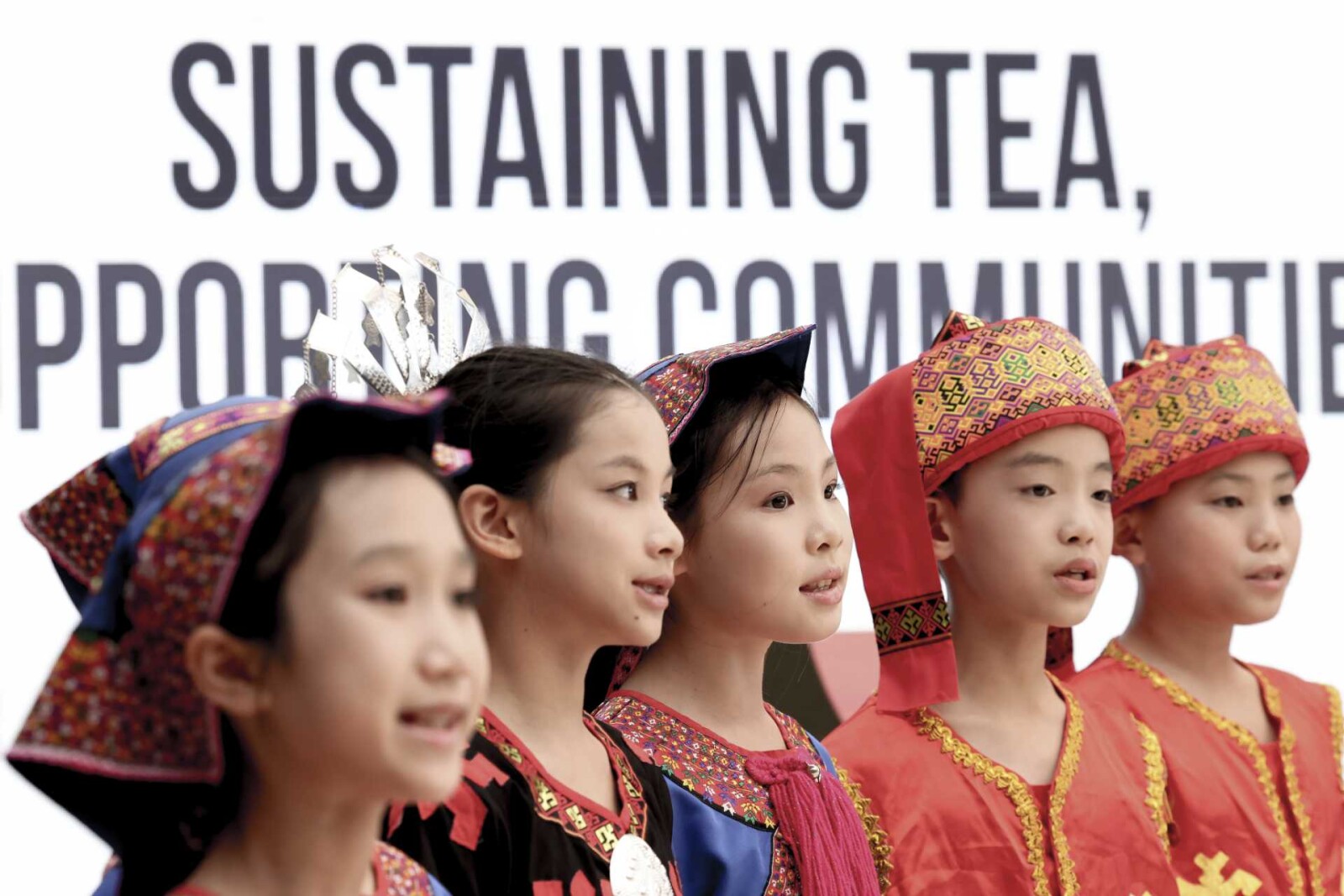
The Rainforest Children’s Choir performed an original song "Lishan Tea Song" and the Italian classic "O Sole Mio". Photo by: UN Food and Agriculture Organization (FAO)
The Rainforest Children’s Choir performed an original song “Lishan Tea Song” and the Italian classic “O Sole Mio”. Photo by: UN Food and Agriculture Organization (FAO)

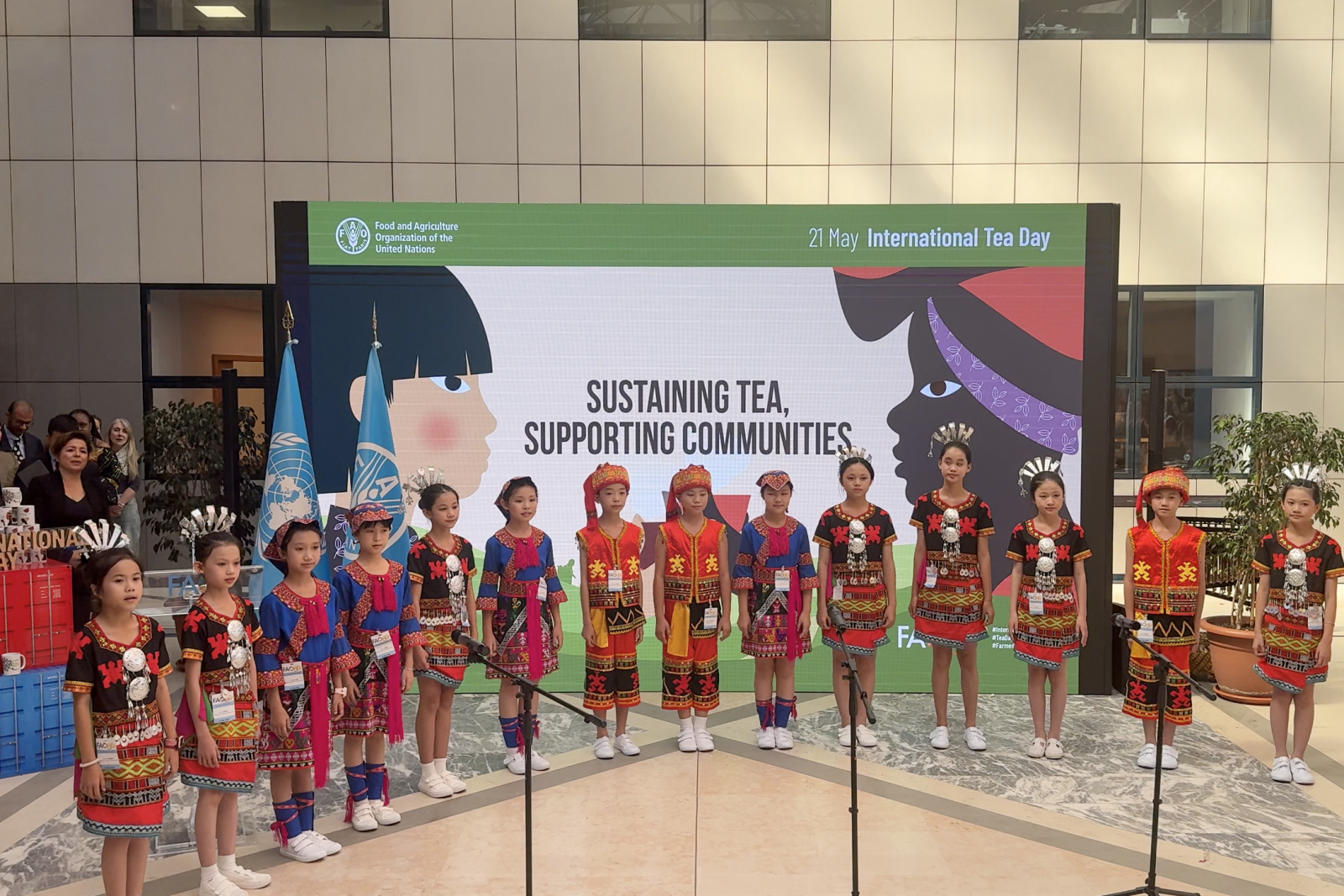
The children performed an original song “Lishan Tea Song” and a rendition of the beloved Italian classic “O Sole Mio,” drawing a captivated crowd. Among the audience were Qu Dongyu, Director-General of the FAO, and Zhang Lubiao, China’s Ambassador and Permanent Representative to the UN Agencies in Rome.

The Rainforest Children’s Choir performed an original song "Lishan Tea Song" and the Italian classic "O Sole Mio". (Photo by: Wuzhishan Informaition Office)
The Rainforest Children’s Choir performed an original song “Lishan Tea Song” and the Italian classic “O Sole Mio”. (Photo by: Wuzhishan Informaition Office)

“It is the first time a Chinese delegation has performed in this banquet hall. I feel very proud,” Zhang said at the event. “The Wuzhishan delegation will leave an important mark in the history of the FAO.”

The day marked the seventh International Tea Day, and the FAO hosted a tea tasting gathering at its Rome headquarters. Countries including China, Indonesia, Canada, Kenya, Azerbaijan, Russia, Sri Lanka, and Türkiye showcased their signature teas and cultural traditions, sharing tea as a bridge of friendship.

The Wuzhishan delegation set up a display area featuring Rainforest Large-Leaf Tea and ethnic cultural products. Tea masters brewed tea for international guests, and the large-leaf black tea, known for its “amber liquor and honey aroma,” was widely appreciated.

Hainan Large-Leaf Tea is a distinct species of the Camellia genus that evolved independently on Hainan Island and possesses rich genetic diversity. The research findings, published on the journal Agrobiodiversity on May 17, 2024, further enhance the tea’s unique appeal.

The delegation also held business talks with Italian companies, exploring tea product exports and cross-border e-commerce cooperation, and mapping out pathways for Hainan’s tea industry to enter the international market.

The International Tea Day is a UN observance initiated by China, aimed at promoting global tea culture exchange and the sustainable development of the tea industry. Through song and tea, the Wuzhishan delegation showcased the unique cultural charm of the Hainan Free Trade Port, injecting fresh energy into China-Italy cultural exchanges.
Hashtag: #WuzhishanInformationOffice

The issuer is solely responsible for the content of this announcement.

28857

“Made in Binzhou” Heads to Tianzhou-10 Cargo Spacecraft——Binzhou Sci-Tech Power Embarks on a Hardcore Space Mission

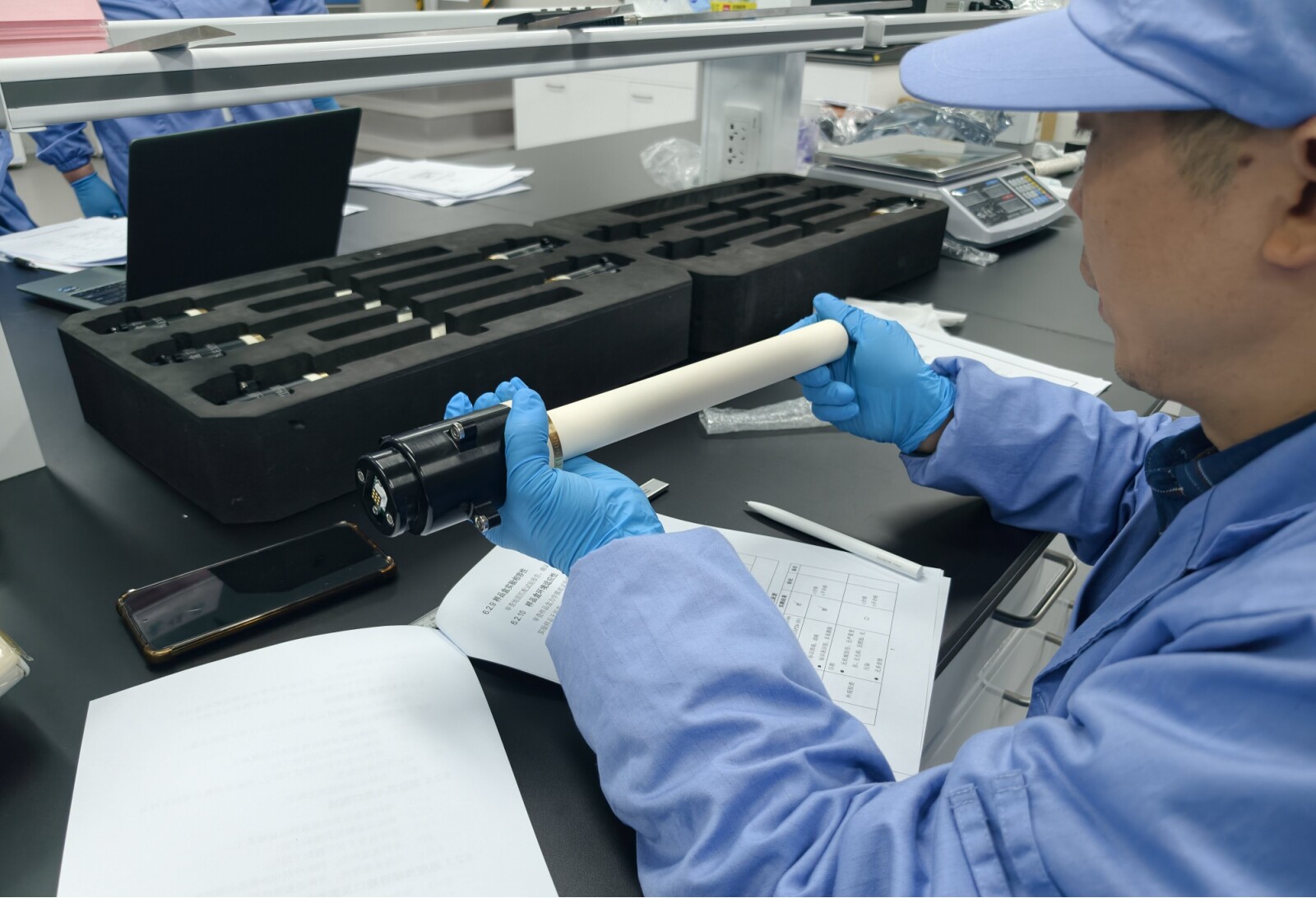
BINZHOU, CHINA – Media OutReach Newswire – 25 May 2026 – On May 11, experimental samples for the project “Study on the Effect of Rotating Magnetic Field on the Solidification Process of Aluminum-based Lightweight High-entropy Alloys under Space Microgravity Conditions” were officially launched aboard the Tianzhou-10 cargo spacecraft. Co-developed with the Metal Materials Center of Binzhou Weiqiao UCAS Advanced Technology Research Institute, these samples are now en route to China’s Manned Space Station to begin their on-orbit scientific journey in a microgravity environment.

Researchers conducting project experiments

This initiative is a collaborative effort involving the University of Chinese Academy of Sciences (UCAS), the National Space Science Center of the Chinese Academy of Sciences, and the Binzhou Weiqiao UCAS High Technology Research Institute. The successful launch marks a historic “zero-to-one” breakthrough, representing the first time private sci-tech forces from Binzhou and indeed Shandong province have reached space. It also stands as China’s first in-space experiment to study the solidification of lightweight high-entropy alloys under the dual-field coupling of “microgravity and rotating magnetic fields.”

As a national-level “space laboratory,” the manned space station hosts world-class research facilities and serves as a core platform for disruptive innovation in new materials. This successful deployment not only highlights the institute’s cutting-edge research capabilities but also signifies a deep integration between corporate scientific research and national aerospace engineering. Looking ahead, the institute will continue its deep dive into frontier fields such as space materials and lightweight alloys. By strengthening collaborative innovation across industry, academia, and research, they aim to empower the upgrading of the new materials industry with technological innovation, contributing both wisdom and strength to the development of China’s manned space program and the cultivation of new quality productive forces.
Hashtag: #BinzhouInformationOffice

The issuer is solely responsible for the content of this announcement.

28857

TCMA x Chulalongkorn University Join Forces with Canadian Partners to Advance Strategic Collaboration for a Low-Carbon Industry toward Net Zero 2050

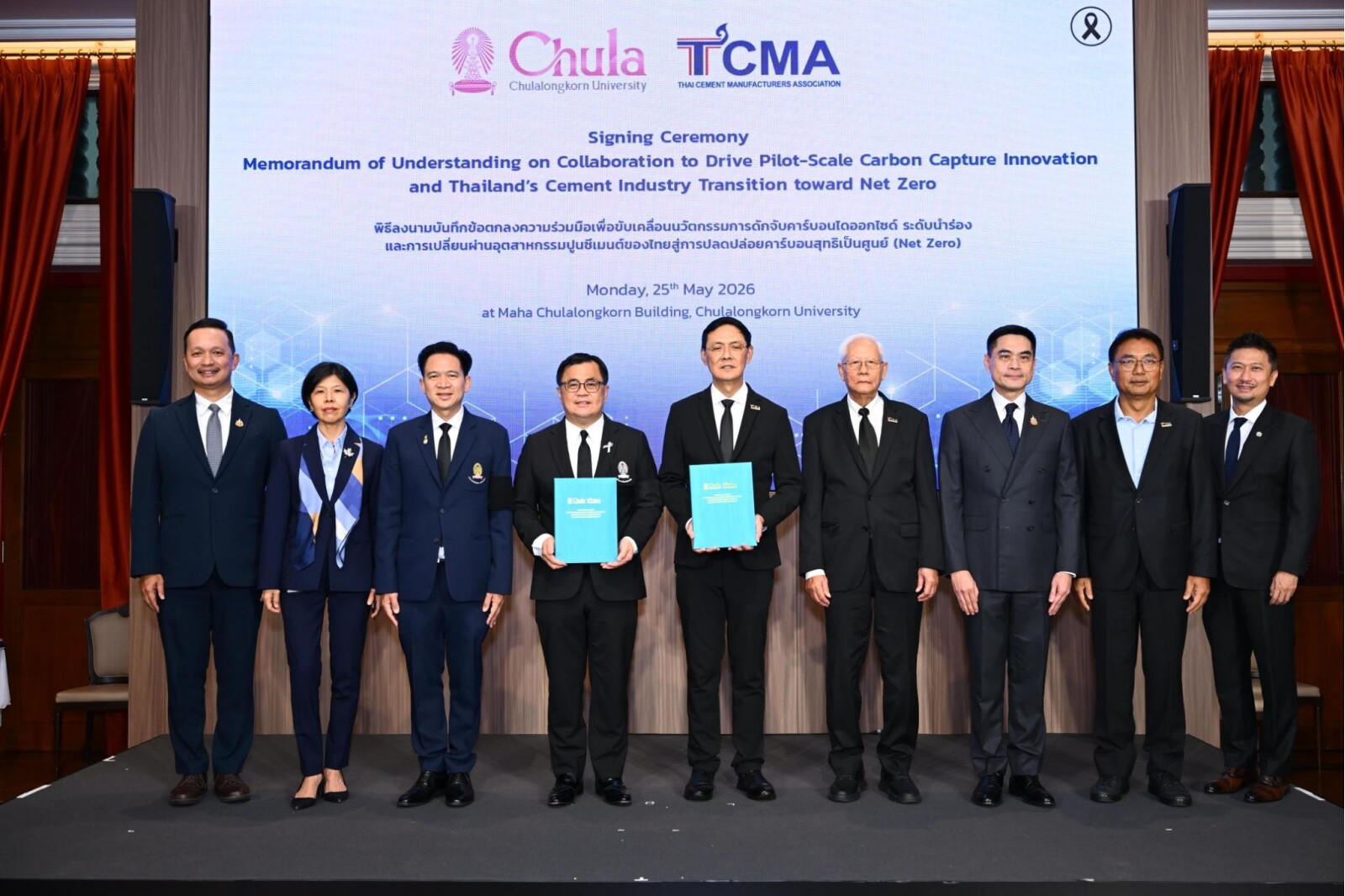
BANGKOK, THAILAND – Media OutReach Newswire – 25 May 2026 – Thai Cement Manufacturers Association (TCMA) has signed a Memorandum of Understanding (MoU) with Chulalongkorn University to advance a strategic collaboration on knowledge, and technology, with support from international partners. The partnership aims to develop and pilot carbon capture technologies in SARABURI SANDBOX, paving the way for industrial-scale deployment and future policy development. This marks a significant step in laying the foundation for Thailand’s low-carbon industrial ecosystem and supporting the country’s Net Zero 2050 target.

TCMA x Chulalongkorn University Join Forces with Canadian Partners to Advance Strategic Collaboration for a Low-Carbon Industry toward Net Zero 2050

Mr. Surachai Nimla-or, Chairman of TCMA, stated that the collaboration reflects the proactive role of the industrial sector in advancing the country’s climate commitments through a Public–Private Partnership (PPP) model. The initiative brings together industry, academia, government, and international partners, including Environment and Climate Change Canada (ECCC), the United Nations Industrial Development Organization (UNIDO), and the Global Cement and Concrete Association (GCCA), to accelerate the transition toward a low-carbon cement industry in line with the Thailand 2050 Net Zero Cement and Concrete Roadmap.

“This collaboration with Chulalongkorn University elevates our efforts into a long-term platform, from knowledge development and workforce readiness to pilot-scale technology deployment. It will be strengthened by Canadian expertise and real-world testing in the SARABURI SANDBOX, which will serve as a learning platform to develop scalable solutions for industrial application” Mr. Surachai said.

Professor Dr. Wilert Puriwat, President of Chulalongkorn University, emphasized the university’s role as a Strategic Knowledge Partner in bridging research and real-world implementation, while fostering “Green Talent” to support industrial transformation.

“Chulalongkorn University sees this collaboration as a strategic mechanism to strengthen the knowledge base in low-carbon technologies alongside human capital development. This will enhance workforce capabilities in line with the transition and support Thailand’s long-term green economy” Professor Dr. Wilert said.

H.E. Ping Kitnikone, Ambassador of Canada to Thailand, expressed Canada’s strong support for the initiative, highlighting over 65 years of bilateral relations and shared commitment to climate action.

“This collaboration encompasses knowledge transfer, technology, and expertise in greenhouse gas mitigation, particularly through technical experts and capacity building. Carbon capture technology will serve as a bridge between innovation and industrial application, helping drive the transition toward a low-carbon economy,” the ambassador noted.

From the government side, Dr. Pirun Saiyasitpanich, Director General of Department of Climate Change and Environment, Ministry of Natural Resources and Environment stated that the cement industry is a strategic sector in reducing national greenhouse gas emissions toward Net Zero 2050, while strengthening climate resilience.

“This collaboration serves as a key policy mechanism linking project-level implementation to national-level action, with SARABURI SANDBOX acting as a testbed for learning and development. The outcomes will inform policy design and enable effective scaling at the national level” Dr. Pirun said.

Mr. Teeratas Isarangkul Na Ayudhaya, Deputy Director General of the Department of Industrial Works, Ministry of Industry added that the initiative aligns with the “One MIND” policy, which integrates regulation with the promotion of green industry.

“The Department stands ready to support this collaboration in developing a scalable industrial model that enhances Thailand’s competitiveness in a sustainability-driven global economy” Mr. Teeratas said.

Dr. Chana Poomee, Honorary Chairman of TCMA and President of ASEAN Federation of Cement Manufacturers (AFCM), highlighted the initiative as a key step in positioning Thailand as a “regional model” for industrial decarbonization.

“By integrating cross-sector collaboration through PPP, linking policy, technology, knowledge, and workforce development to real-world implementation, this initiative will establish the foundation of a Low-Carbon Industrial Ecosystem and evolve into a system-level model that can be scaled across the region,” he said.

This collaboration marks the starting point of Thailand’s low-carbon industrial ecosystem, connecting knowledge, technology, innovation, human capital, and policy into real-world applications and commercial pathways. It is expected to accelerate the transition to a low-carbon economy, strengthen climate resilience, and enhance the country’s competitiveness in an increasingly sustainability-driven global landscape.
Hashtag: #TCMA #CementActionToNetZero #Decarbonization #NetZero2050 #CarbonCapture #CCU #Technology #Innovation #CU #DCCE #DIW #AFCM

The issuer is solely responsible for the content of this announcement.

28857

KPMG Launches Trusted AI Centre of Excellence to Strengthen Singapore’s Position as a Globally Trusted AI Hub

  • At the launch, KPMG also unveiled its Trusted AI Assurance offering that is aligned with relevant international standards and frameworks to mitigate risk and build trust in AI deployment. This gives businesses a clear, credible pathway to scale AI confidently as Singapore reinforces its position as a trusted node in the global community.

SINGAPORE – Media OutReach Newswire – 25 May 2026 – As Singapore deepens its commitment to becoming a world-leading AI hub, the question of how organisations build AI that is trusted — by customers, regulators and international partners — has become as consequential as how fast they build it. Today, KPMG took a significant step in answering that question with the launch of its Trusted Artificial Intelligence Centre of Excellence (AI CoE). Supported by the Singapore Economic Development Board (EDB), the AI CoE is a dedicated capability hub designed to help organisations move beyond AI experimentation and embed AI as a trusted, enterprise-ready asset.

At the same event, KPMG also unveiled its Trusted AI Assurance — a structured, business-focused, evidence-based approach that gives Singapore businesses a rigorous multi-faceted assessment of their AI deployment and a clear pathway to scale confidently. Today’s launch — bringing together government, enterprise and the professional services sector — signals a pivotal shift in the national AI conversation: from speed to scale of adoption where trust is the foundational bedrock of deploying AI.

The Trusted AI CoE was officially launched by Ms Jasmin Lau, Minister of State, Ministry of Digital Development and Information & Ministry of Education, alongside Mr Jermaine Loy, Managing Director of the Singapore Economic Development Board (EDB), and Ms Lee Sze Yeng, Managing Partner of KPMG in Singapore.

KPMG’s 2025 Global CEO Outlook shows that more than seven in ten CEOs now rank AI as a top investment priority — yet for many, the gap between ambition and sustained enterprise impact remains wide. Governance, data readiness and workforce capability are the defining constraints of this next phase of adoption. Singapore-based businesses face a further dimension: as they expand regionally and globally, they need their AI systems to be trusted not just at home but across multiple jurisdictions — each with its own regulatory expectations and stakeholder standards.

Lee Sze Yeng, Managing Partner at KPMG in Singapore, said: “Across every sector, we are seeing the same pattern: organisations that moved fast on AI are now asking harder questions — where is the real value, are our people genuinely ready to work alongside AI, and can we stand behind the decisions our systems make? These are not technical questions. They are leadership questions. And for Singapore businesses with ambitions beyond our shores, there is an added dimension: the trust that matters to customers and regulators in the markets you are entering may be defined differently from what is required here. Through the KPMG Singapore Trusted AI Centre of Excellence, we are partnering with businesses to rigorously assess where they stand, close the gaps that matter, and build AI that is trusted not just locally but in the markets most critical to their growth. Trusted AI is not a constraint on ambition. Done well, it is the foundation for it.”

Jermaine Loy, Managing Director, EDB, said: “KPMG’s Trusted AI Centre of Excellence here in Singapore will enable businesses across diverse sectors – including financial services, healthcare, logistics and manufacturing – to scale use of AI with confidence, supported by robust governance frameworks and assurance capabilities. At the same time, this strengthens Singapore’s growing AI ecosystem by building enterprise capabilities and workforce readiness for AI adoption. We welcome KPMG Singapore’s efforts to work with EDB and the relevant agencies in advancing Singapore’s position as a globally trusted hub for AI deployment and innovation.”

Trusted AI Assurance — Giving Singapore Businesses a Foundation to Scale AI

For Singapore businesses, the ambition to scale AI is rarely the obstacle. What is harder — and more consequential — is the question of whether the AI they are building and deploying can genuinely be stood behind: by their boards, by their customers, employees and by the regulators and partners they will encounter as they grow beyond Singapore’s shores.

KPMG’s Trusted AI Assurance offering (the “Trusted AI Assurance”) was developed in response to the need to address the trust deficit with AI in the business community to boost adoption. It is not a certification exercise or a compliance checklist. It is a rigorous, evidence-based independent assessment that gives leadership teams an honest picture of where they stand — and a clear, practical path to where they need to be.

What makes it meaningful is its specificity. The Trusted AI Assurance is calibrated to each organisation’s sector, operating context and growth ambitions — because a financial institution navigating cross-border data regulation faces a fundamentally different set of questions from a manufacturer embedding AI into operational workflows, or a healthcare provider deploying AI-assisted diagnostics. Generic benchmarks serve neither well.

The assessment examines two things that are often conflated but must be considered separately: whether an organisation has the governance, culture and leadership practices to deploy AI responsibly; and whether the AI solutions it has built or acquired are themselves trustworthy — documented, risk-assessed, well-integrated and performing as intended. An organisation can have the right intentions and still be running AI that falls short of what its stakeholders — or another country’s regulators — would accept.

Across four domains, the Trusted AI Assurance examines what genuinely matters:

AI Governance — Whether the frameworks, operating models, policies and procedures that govern AI are real and embedded, not aspirational documents that sit untouched between audits.

AI Systems — The AI systems themselves: how they are documented, how risks are inventoried, how models are integrated into business workflows, and whether the data foundations — including Retrieval-Augmented Generation, pipelines and datasets — are robust enough to be relied upon.

AI Regulatory Compliance — How prepared an organisation is for the regulatory environments it currently operates in, and those it intends to enter. For Singapore businesses with expansion ambitions, this is often where the most important gaps surface: the Trusted AI Assurance can identify whether a specific AI system meets the requirements for deployment in a given market — such as the European Union — or what adjustments would make it so.

AI Security — The strategies and processes in place to protect AI systems, manage privacy, and ensure the organisation can detect, respond to and recover from threats as they evolve.

The stakes are sharpest for businesses in highly regulated sectors. Financial institutions, healthcare providers and infrastructure operators have long been accustomed to navigating complex compliance environments — and Singapore’s AI governance frameworks are among the most developed in the region. But as the EU AI Act moves into full enforcement, a new and specific set of expectations is taking effect for any organisation deploying AI within European markets, or handling the data of European citizens. What satisfies regulators here does not automatically satisfy regulators there.

The reality is one of regulatory diversity: different jurisdictions are building their AI governance regimes at different speeds, with different emphases, and with different evidentiary requirements. A Singapore company that has passed relevant local standards may still find that its AI systems require different documentation, greater explainability, or additional human oversight controls to operate with compliance and trust in a European context. Discovering that gap in the middle of a market entry, a cross-border partnership or a regulatory review is a risk that can be avoided.

The Trusted AI Assurance maps these jurisdictional differences, giving organisations a clear read of where they stand against the specific requirements of markets they are entering — before those requirements become obstacles. It is aligned with globally recognised standards including the EU AI Act, the NIST AI Risk Management Framework, ISO 42001 and Singapore’s Model AI Governance Framework, ensuring that what organisations build here is credible and defensible everywhere.

The Trusted AI Assurance is coupled with consultancy guidance — from KPMG or partnered stakeholders — ensuring every assessment leads to a practical path forward. The intent is to give Singapore businesses the clarity and confidence to grow their AI ambitions without having to rebuild trust from scratch in new markets they enter into regionally or globally.

A Framework for Singapore’s AI Ambition: The Four Doors

Beyond the Trusted AI Assurance, organisations can leverage the AI CoE to assess their broader AI strategies through KPMG’s Four Doors framework — four strategic pillars that help Singapore businesses move from isolated pilots to trusted, sustained AI at scale. Together, they address what it takes for Singapore to be not just an AI-capable nation, but a globally trusted one: where the AI solutions developed and deployed here meet the expectations of regulators, partners and customers worldwide.

Value — From Activity to Impact: Establishing the clear metrics and sector-specific solutions needed to distinguish AI activity from measurable business value, across Financial Services, Government, Healthcare, Real Estate, Infrastructure and Manufacturing.

Trust — Trusted-by-Design AI: Built on a human-centric foundation encompassing ten ethical pillars — including Fairness, Transparency, Accountability, Privacy and Sustainability — the Trust pillar puts responsible governance at the centre of AI strategy, rather than treating it as a compliance afterthought.

People — Genuine AI Fluency: Covering sustainable AI workforce strategy, job redesign, leadership development and change management — from executive ignition sessions that build board-level commitment to the behavioural shifts needed to embed AI into everyday working practices.

Data and Technology — Scalable Foundations: Establishing the trusted data and technology infrastructure that enterprise AI requires, supported by KPMG’s proprietary platforms and a market-ready suite of AI tools, with rigorous attention to data quality, system integration, product development and enterprise-wide AI deployment.

For Singapore’s business community, the Four Doors offer a structured path to becoming AI-trusted — not just AI-active. As global regulatory standards tighten and international partners raise governance expectations, that distinction will increasingly determine which Singapore enterprises are positioned to lead in the markets they enter.

Building AI Capability in Singapore

The Trusted AI CoE (the “CoE”) is designed to function as a capability hub to support Singapore’s position as a trusted node in the global community — co-creating knowledge, accelerating innovation and strengthening Singapore’s AI ecosystem across the business community, academia and the public sector.

At its core is a dedicated innovation team of AI/Software Engineers, Solution Architects, Data Analysts, Product Managers, Tech Business Analysts and Designers — 100 per cent Singapore-based and locally hired. This specialist nucleus is complemented by KPMG’s 3,600-strong Singapore workforce and over 275,000 professionals globally, giving the CoE both deep technical capability and multi-disciplinary reach across Audit, Advisory and Tax.

Solutions co-developed through the CoE are pressure-tested with KPMG as default “Client Zero” where appropriate — rigorously iterated across the firm’s own operations before being brought to clients. Initial focus sectors include Financial Services, Infrastructure and Logistics, Manufacturing, Government, Healthcare and Real Estate, alongside functional domains such as Finance, Governance Risk and Compliance, Customer Services and Operations. Strategic partnerships with technology companies, academic institutions and government agencies further support Singapore’s ambition to serve as a trusted and well-governed regional AI hub.

KPMG’s Commitment to Singapore

KPMG is the world’s first professional services firm to attain ISO/IEC 42001 certification for AI Management Systems — the globally recognised standard for responsible AI governance. This underpins every element of today’s launch, reflecting KPMG’s commitment to practising what it advocates: embedding the disciplines of trusted AI governance into its own operations before bringing them to clients.

KPMG continues to invest in Singapore’s AI talent pipeline through international mobility programmes, internal rotations and capability development across data, digital and leadership disciplines — directly aligned with Singapore’s national goal of growing the skilled workforce its AI ambitions require.

ANNEX: Bringing the KPMG Singapore Trusted AI Centre of Excellence to Life

To bring the KPMG Trusted AI Centre of Excellence (AI CoE) to life, guests at the launch were invited to explore four interactive stops (“windows”) showcasing how trusted AI can move from strategy into real-world enterprise and national impact.

Spanning areas including governance, workforce readiness, ecosystem collaboration and SME enablement, the windows offered a practical look at how organisations can scale AI responsibly while building trust, resilience and long-term capability.

FIRST WINDOW – AI Philosophy

The first window introduced guests to KPMG’s Four Doors framework and Trusted AI Assurance – an evidence-based approach designed to help organisations move from AI experimentation to AI that is genuinely trusted by their boards, their customers, and the regulators and partners they encounter as they grow beyond our shores.

Through an interactive scenario set in the financial services sector, the demonstration illustrated how organisations are assessed across four strategic pillars: Value, Trust, People, and Data and Technology. The walkthrough explored whether businesses have the governance structures, workforce readiness, data foundations and operational oversight needed to support trusted, scalable AI deployment.

  1. Value — Whether the organisation has clearly defined what its AI investments are meant to deliver, and whether it has the metrics to distinguish genuine business impact from mere AI activity
  2. Trust — Whether the organisation’s AI is built on a responsible, human-centric foundation — covering governance frameworks, ethical guardrails, risk management, security and accountability for AI-driven decisions
  3. People — Whether the workforce, from board to frontline, has the genuine AI fluency needed to work alongside AI systems, including the leadership commitment, job redesign and capability development required for adoption to take hold
  4. Data and Technology — Whether the data assets, infrastructure and system integration practices are robust enough to support trusted, scalable AI deployment

The experience also demonstrated how AI systems themselves are assessed – including areas such as system documentation, risk inventories, model integration and data platform robustness – highlighting the importance of building AI that is genuinely trusted.

  1. System Card — Whether each AI solution is properly documented, including how it performs and how it is used in practice
  2. Risk Inventory — Whether AI systems across the enterprise have been identified and their risks catalogued
  3. Model Integration — Whether adequate processes and controls govern how AI models are integrated into business workflows
  4. Data Platform — Whether the data foundations underpinning AI outputs — including Retrieval-Augmented Generation (RAG) pipelines and datasets — are fit for purpose

A second stage of the scenario then explored the reality of regulatory diversity across jurisdictions. While an organisation may be assessed as “trusted” in Singapore, areas that require attention may emerge when expanding into international markets such as Europe under the EU AI Act.

The demonstration underscored the growing importance of regulatory readiness for Singapore businesses with international ambitions, and how the AI CoE is designed to help organisations expand with confidence through trusted AI governance.

SECOND WINDOW – AI Journey

The second window focused on KPMG’s “Client Zero” approach, where suitable AI solutions are developed and applied within its own operations under real-world conditions, and in some cases co-developed with clients depending on their specific needs. This model reflects a simple philosophy: credibility in guiding responsible AI adoption must be earned by applying the same discipline internally. This approach is particularly relevant in Singapore’s context, where trust and reliability are central to how AI is being adopted across sectors.

KPMG’s “Client Zero” approach provides a structured pathway for scaling AI responsibly. Solutions are first embedded into live workflows – allowing organisations to address practical considerations such as human oversight, explainability, data handling and accountability – before broader deployment. This mirrors the journey many enterprises in Singapore are now facing, as they transition from pilots to AI that can be relied on consistently in regulated, cross-border environments. This shift is important, as trust at scale is built not through experimentation alone, but through systems that are reliable, auditable, and able to operate consistently across different contexts.

At this window, MOS will see this pathway brought to life with AI applied across real business workflows, through three solutions: KPMG’s Digital Gateway (DG) GenAI, KPMG Clara Intelligence and Kiara. These solutions are already implemented in real-time across KPMG’s various functions.

The first demonstration illustrates how the audit and tax professions are beginning to deploy AI agents within their workflows to enhance how work is performed. Rather than treating AI as standalone tools, these capabilities are being embedded into business processes to support analysis, decision-making and execution in a controlled and accountable manner. DG GenAI, KPMG’s Generative AI capability embedded within our Digital Gateway platform, will be used as a demonstration of how this is operationalised in practice — showing how AI capabilities can be integrated into everyday workflows, with appropriate governance, data security and user controls in place.

The second demonstration presents KPMG Clara Intelligence, an intelligent AI-powered platform which acts as a centralised platform. KPMG Clara Intelligence showcases the future of audit, where AI is used to support data-driven risk assessment, better insights and analysis and decision-making on a single platform. This reduces reliance on manual processes and enables auditors to focus on higher-value judgement, improving both efficiency and audit quality. MOS will see how this reflects a broader shift in the profession — towards AI-assisted workflows that require new skills and deeper analytical capabilities.

This window also highlighted how AI is reshaping the accountancy and professional services sector. As AI becomes embedded into core workflows, roles within the profession are evolving — routine, manual tasks are increasingly automated, allowing professionals to focus on higher‑value judgement, analysis and advisory work. At the same time, this shift requires a broader base of AI fluency across the workforce, not just among specialists, as professionals will need to work alongside AI systems in their day‑to‑day roles.

These changes are driving a wider rethinking of skills development across the sector, including how institutions and employers prepare current and future talent. Efforts are underway to align training and education pathways with these evolving needs, ensuring that individuals entering the profession — and those already in it — are equipped to operate effectively in an AI‑enabled environment. This reflects a broader transition towards a workforce that combines strong domain expertise with AI capabilities, in line with Singapore’s ambition to develop an AI‑bilingual workforce.

The third solution, Kiara, is KPMG’s GenAI recruitment assistant, illustrating how AI can enhance the candidate engagement and streamline scheduling of interviews. This highlights how AI is not only transforming business processes, but also how people work and interact with technology.

Overall, the window demonstrated how these solutions reflect the same principles KPMG advises its clients to adopt: strong data foundations, embedded governance, and human oversight at key decision points – illustrating the practical steps organisations take to deploy AI responsibly at scale, underpinning the rigour required for Singapore to continue its progress as a trusted hub for AI.

THIRD WINDOW – AI Vision

The third window focused on how AI does not merely change the tools organisations use, but changes the nature of work itself – which roles exist, how decisions are made, and what it means to be genuinely capable in a professional environment.

As organisations navigate AI-driven workforce transformation, the showcase highlighted the same set of questions organisations consistently grapple with: which roles are genuinely enhanced by AI, and which risk being hollowed out? Where should organisations invest in reskilling, and on what timeline? How are accountability and professional standards maintained when AI is embedded into decisions that used to rest entirely with a person?

The insight that emerges across sectors is consistent: organisations that treat AI workforce transformation as a technology deployment tend to underinvest in the human dimensions – and that is where adoption stalls, quality erodes or trust breaks down. The organisations that get it right treat it as a leadership and organisational design challenge first, with technology as the enabler.

The window also demonstrated how KPMG Mystro™, an AI-enabled workforce intelligence platform, is used to map how work is done today at the task and decision level, and model where AI can responsibly augment human roles across functions such as finance, audit and operations.

Drawing on examples from finance, audit and operations, the showcase illustrated professionals working alongside AI in ways that redirect their expertise toward work requiring human judgement. More broadly, it reinforced the importance of approaching AI transformation not simply as a technology deployment exercise, but as a broader leadership and organisational design challenge.

Singapore’s commitment to building an AI-bilingual workforce – professionals who are not merely aware of AI but genuinely capable of working alongside it, questioning its outputs and being accountable for the decisions it informs – rests on organisations taking the human dimension of transformation as seriously as the technology itself. The insights at this window speak directly to that agenda: what it takes to build not just AI capability, but the kind of AI-confident workforce that sustains Singapore’s competitiveness over the long term.

FOURTH WINDOW – AI Ecosystem

The fourth window focused on how trusted AI adoption cannot be the preserve of large enterprises alone. Singapore’s economic resilience depends on its SME community — the businesses that form the backbone of the economy and that stand to gain enormously from AI, but that often lack the resources, expertise or confidence to navigate adoption responsibly.

Referencing the DBS Spark GenAI programme and DBS SME AI Playbook – developed through a collaboration between DBS and KPMG, and supported by SkillsFuture Singapore – the showcase highlighted practical pathways designed to help SMEs build awareness and accelerate their AI adoption through tailored pathways depending on their AI maturity.

  1. Start — For businesses at the beginning of their AI journey: practical orientation on what AI can realistically deliver, where to begin, and what foundational steps to take before committing to more significant investment
  2. Accelerate — For businesses that have taken initial steps and are ready to move further: guidance on identifying higher-value use cases, building internal capability and managing the operational changes that come with deeper AI adoption
  3. Scale — For businesses ready to embed AI more systematically: the governance, integration and workforce considerations that responsible scaling requires

The window also highlighted the broader support ecosystem available to SMEs, including a broader ecosystem of over 16,000 solution providers globally via IMDA’s Open Innovation Platform, alongside the SME AI Playbook which offers practical use cases, success stories from real businesses, FAQs and an AI readiness diagnostic tool.

Economy-wide AI adoption – the kind that drives meaningful productivity gains across the full breadth of Singapore’s business community – only happens if SMEs are part of the story. The DBS SME AI Playbook is a direct response to that reality: a practical, accessible entry point into AI adoption calibrated to the real constraints and real ambitions of smaller businesses.

The collaboration between DBS and KPMG reflects how Singapore’s AI ecosystem works at its best: financial institutions, professional services firms, government platforms and businesses working together to make trusted AI adoption accessible to every part of the economy, not just its largest players.

Hashtag: #KPMG

The issuer is solely responsible for the content of this announcement.

About KPMG in Singapore

KPMG in Singapore is part of a global organization of independent professional services firms providing Audit, Tax and Advisory services. We operate in 138 countries and territories with more than 276,000 partners and employees working in member firms around the world. Each KPMG firm is a legally distinct and separate entity and describes itself as such. KPMG International Limited is a private English company limited by guarantee. KPMG International Limited and its related entities do not provide services to clients.

For more details about our structure, please visit .
For more information, visit
LinkedIn:

28857

ONYX Hospitality Group Enters Joint Venture with JR Kyushu Group to Develop Shama North Pattaya, Strengthening Strategic Partnership in Thailand

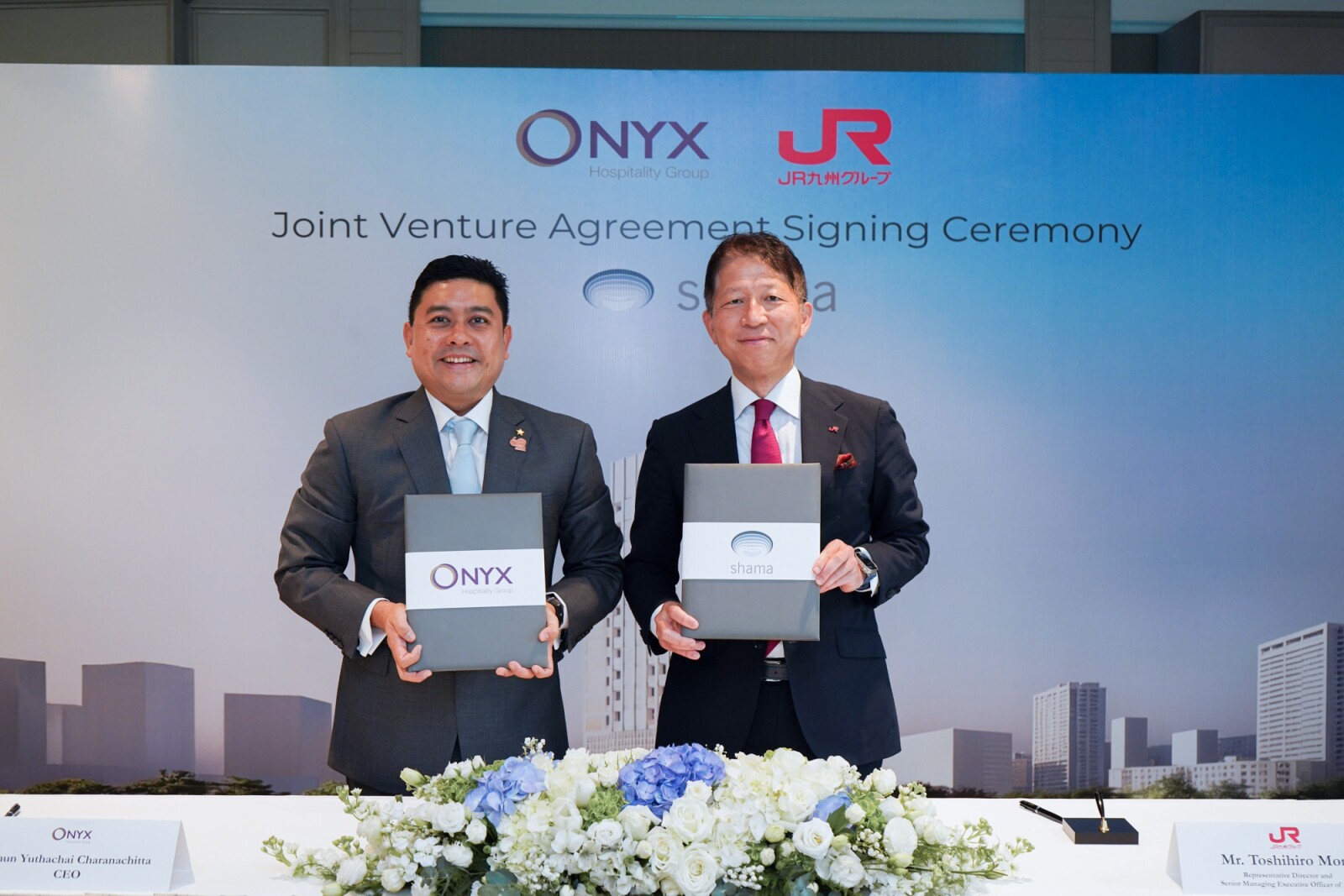
BANGKOK, THAILAND – Media OutReach Newswire – 25 May 2026 – ONYX Hospitality Group, a leading hospitality management company in Asia Pacific specialising in hotels, resorts, serviced apartments, and luxury residences, has announced a significant international partnership through the signing of a joint venture agreement with JR Kyushu Business Development (Thailand) Co. Ltd. (a group company of Kyushu Railway Company), one of Japan’s foremost corporations listed on Tokyo Stock Exchange. The collaboration will see the development of Shama North Pattaya, further advancing ONYX’s portfolio by leveraging Shama’s expertise to capitalize on short- and extended-stay demand, while reinforcing confidence in the growth potential of Thailand’s Eastern Economic Corridor (EEC).

Left: Mr. Yuthachai Charanachitta Right: Mr. Toshihiro Mori

This latest agreement marks a continuation of the strategic partnership between the two organizations, building upon the success of Shama Lakeview Asoke, which ONYX manages on behalf of JR Kyushu Group. The property has earned recognition as one of the leading serviced apartments in Bangkok’s central business district, reflecting the Japanese partner’s strong confidence in ONYX’s management capabilities and in-depth market expertise.

The development of Shama North Pattaya therefore represents not only an expansion into a high-potential location, but also a reaffirmation of ONYX’s disciplined growth strategy. By collaborating with globally respected partners, the group continues to strengthen its footprint in the EEC.

Mr. Yuthachai Charanachitta, Chief Executive Officer of ONYX Hospitality Group, stated that this joint venture with JR Kyushu Group reflects the company’s long-standing commitment to growing alongside its partners. It also marks ONYX’s second joint venture with an international partner under its strategic expansion plan, underscoring continued investor confidence in the company’s capabilities, as well as its ongoing pursuit of investment opportunities and strategic collaborations with high-potential partners.

“For ONYX Hospitality Group, growth is not defined merely by the number of projects we develop, but by the strength of the partnerships we cultivate. Our joint venture with JR Kyushu Group reflects a shared vision and a commitment to creating long-term value together.

The Shama brand has grown from a deep understanding of the long-stay market, which we have consistently studied and monitored over the years. We see clear future potential in this segment. Each Shama development is founded on comprehensive insights into resident needs and expectations, placing emphasis on the core of the living experience — comfort, flexibility and a genuine sense of home — all delivered to international standards.

Shama North Pattaya represents another important strategic property in strengthening and completing ONYX Hospitality Group’s presence in Pattaya, a high-potential destination within the EEC, alongside our key brands Amari and OZO, helping to create a more integrated and cohesive hospitality cluster in the area.”

Yuthachai added, “Shama North Pattaya reflects ONYX’s commitment to strengthening Thailand’s position as a leading destination for long-term residents while supporting the sustainable growth of the residential hospitality sector.”

Mr. Toshihiro Mori, Representative Director and Senior Managing Executive Officer of Kyushu Railway Company stated that this joint venture marks an important next step in JR Kyushu Group’s continued partnership with ONYX Hospitality Group in Thailand, building on the success of Shama Lakeview Asoke.

“Following our successful collaboration on Shama Lakeview Asoke Bangkok, we are pleased to deepen our partnership with ONYX Hospitality Group through Shama North Pattaya. We see strong potential in Pattaya as a leading resort destination within the EEC, and we have full confidence in ONYX’s hospitality expertise to deliver an exceptional property that meets the evolving needs of both Thai and international guests. We look forward to creating lasting value together.”

Strategically located in North Pattaya, a key tourism and economic hub within the EEC, Shama North Pattaya is designed to blend the comfort and convenience of serviced apartments with the refined services of a leading hotel brand. The project aims to cater to the steadily expanding long-stay segment, which is projected to continue its upward trajectory in 2026 and beyond.

The partnership between ONYX Hospitality Group and JR Kyushu Group not only highlights the complementary strengths of both organisations, but also serves as a strong indicator of Japanese investor confidence in Thailand’s economic stability and long-term prospects. At the same time, it signals the readiness of Thai hospitality brands to compete and grow alongside global partners in a sustainable and forward-looking manner.

Hashtag: #ONYXHospitalityGroup

The issuer is solely responsible for the content of this announcement.

About ONYX Hospitality Group

ONYX Hospitality Group, a reputable force in the Asia-Pacific hospitality industry, operates a collection of comprehensive yet complementary brands – Amari, OZO, Shama and Oriental Residence – catering to the distinctive needs of discerning business and leisure travellers across the region where it has deep expertise. In addition to its brand portfolio, ONYX Hospitality Group also operates additional hospitality services across spa and food & beverage. With six decades of management experience, the company extends its innovative solutions throughout the region, upholding internationally recognised standards and ensuring optimal operational manoeuvrability. By fostering enduring relationships with like-minded business partners, ONYX Hospitality Group delivers unparalleled experiences in a dynamic and competitive market, meeting the ever-evolving demands of travellers.

More information:

Find us on social media:
Follow us on Instagram:
Follow us on LinkedIn:
Follow us on Facebook:

About JR Kyushu

Kyushu Railway Company (JR Kyushu), headquartered in Fukuoka, Japan, and listed on the Prime Market of the Tokyo Stock Exchange, is a diversified group operating across Transportation, Real Estate and Hotels, Retail and Restaurants, Construction, and Business Services. Building on more than three decades of experience since its establishment in 1987, JR Kyushu has expanded beyond its core railway operations into a wide range of community-based and lifestyle businesses. In Thailand, JR Kyushu Business Development (Thailand) Co., Ltd. serves as the group’s investment platform for hospitality and real estate, building on the success of Shama Lakeview Asoke Bangkok and continuing to pursue long-term growth opportunities in the region.

28857

BrokersThai Data: Local Traders Compare Gold and Crypto Side by Side as Markets Shift

BANGKOK, THAILAND – Media OutReach Newswire – 25 May 2026 – Thai retail investors are increasingly changing the way they manage their portfolios amid rising volatility across global financial markets. According to new market insights from BrokersThai.com, traders in Thailand are no longer focusing on a single asset class, but are instead actively researching both gold and Bitcoin as part of a broader diversification strategy.

th-Gold (XAUUSD)

Recent Google search trends in Thailand show continued growth in interest for both asset classes. Gold trading-related searches such as “XAUUSD today” have consistently generated between 1,000 and 10,000 monthly searches over the past year, while cryptocurrency-related keywords including “crypto” have maintained similarly strong search volumes.

The trend is also reflected in internal traffic data from BrokersThai.com. Pages related to Forex brokers for gold trading generated more than 5,000 impressions over the last year, highlighting continued interest from Thai traders seeking reliable broker comparisons and trading cost information.

The data also reveals that cryptocurrencies like Bitcoin are no longer seen as just tools for quick gambling. Instead, users search for risk management, such as how to handle price drops and volatility, spike every time the stock market experiences volatility. This proves that traders are carefully weighing crypto risks against the steady safety of gold.

Justin Grossbard, CEO of BrokersThai.com, commented: “Thai traders are now interested in trading multiple assets, especially gold and Bitcoin, while paying more attention to trading costs and broker transparency. Many traders are carefully comparing spreads and execution speeds to reduce unnecessary trading costs as much as possible.”

The findings indicate that Thai retail traders are adapting to uncertain market conditions by conducting deeper research before making investment decisions. Rather than choosing between gold or Bitcoin, many traders are now using both together — relying on gold to help preserve capital while viewing Bitcoin as a long-term growth opportunity.

For broker comparisons, visit: https://www.brokersthai.com
Hashtag: #BrokersThai

The issuer is solely responsible for the content of this announcement.

28857

ข้อมูล BrokersThai ชี้ คนไทยหันมาให้ความสำคัญกับเปรียบเทียบทองคำและคริปโตเคอร์เรนซีควบคู่กันมากขึ้น ท่ามกลางตลาดผันผวนอย่างต่อเนื่อง

กรุงเทพฯ ประเทศไทย – Media OutReach Newswire – 25 พฤษภาคม 2569 – นักลงทุนรายย่อยชาวไทยกำลังเปลี่ยนวิธีการลงทุนเพื่อปกป้องเงินทุนของตนเองจากความผันผวนของตลาดโลก ตามข้อมูลใหม่จากแพลตฟอร์มเปรียบเทียบโบรกเกอร์ BrokersThai.com พบว่า แทนที่จะเลือกเทรดสินทรัพย์เพียงอย่างใดอย่างหนึ่ง เทรดเดอร์ในประเทศกลับเลือกใช้วิธีการสืบค้นข้อมูลทั้งทองคำและบิทคอยน์ เพื่อปรับสมดุลพอร์ตการลงทุนของพวกเขาแทน

th-Gold (XAUUSD)

จากสถิติคำค้นหาบน Google ในประเทศไทยแสดงให้เห็นว่า ความสนใจในทั้งสองตัวเลือกนี้กำลังเติบโตไปพร้อมๆ กัน ในช่วง 12 เดือนที่ผ่านมา คำค้นหาที่เกี่ยวกับการเทรดทองคำ เช่น “xauusd วันนี้” มียอดการค้นหาเฉลี่ยอยู่ที่ 1,000 ถึง 10,000 ครั้งต่อเดือน ในช่วงเวลาเดียวกัน คำค้นหาหลักที่เกี่ยวข้องกับบิทคอยน์ เช่น “crypto” ก็มียอดเฉลี่ยอยู่ในระดับที่เท่ากัน

แนวโน้มนี้สอดคล้องกับยอดทราฟฟิกภายในของ BrokersThai.com โดยเฉพาะหน้าโบรกเกอร์ Forex สำหรับการเทรดทองคำ มียอด Impression (อิมเพรสชัน) แตะที่ 5,142 ครั้ง ในช่วง 12 เดือนที่ผ่านมา ข้อมูลชี้ให้เห็นอีกว่า คริปโตเคอร์เรนซีอย่างบิตคอยน์ไม่ได้ถูกมองว่าเป็นเพียงเครื่องมือสำหรับการเก็งกำไรระยะสั้น (เสี่ยงโชค) อีกต่อไป เพราะคำค้นหาเกี่ยวกับการบริหารความเสี่ยง เช่น วิธีรับมือกับช่วงราคาดิ่งลงและความผันผวน ก็พุ่งสูงขึ้นทุกครั้งที่ตลาดหุ้นเกิดความเคลื่อนไหวด้วย

Justin Grossbard ประธานบริหารของ BrokersThai.com กล่าวไว้อย่างน่าสนใจว่า “เทรดเดอร์ไทยกำลังหันมาให้ความสนใจในการเทรดแบบหลายสินทรัพย์ไปพร้อมๆ กับการให้ความสำคัญในการเปรียบเทียบเงื่อนไขการเทรดและความโปร่งใสที่แท้จริง ซึ่งหมายถึงการตรวจสอบค่าสเปรดของโบรกเกอร์และความเร็วในการส่งคำสั่งอย่างละเอียด เพื่อรักษาต้นทุนการเทรดของตนเองให้ต่ำที่สุดเท่าที่จะทำได้ ”

จากข้อมูลข้างต้น จะเห็นได้ว่าในสภาวะตลาดที่คาดเดาได้ยาก เทรดเดอร์รายย่อยชาวไทยมีแนวโน้มที่จะปรับตัวด้วยการศึกษาและเปรียบเทียบข้อมูลอย่างลึกซึ้ง พวกเขาไม่ได้เลือกข้างระหว่างทองคำหรือบิตคอยน์ แต่เลือกที่จะใช้มันร่วมกัน โดยอาศัยทองคำในการรักษาเงินทุน ในขณะเดียวกันก็ใช้บิทคอยน์ ในการแสวงหาโอกาสเติบโตในระยะยาว

สำหรับข้อมูลการเปรียบเทียบโบรกเกอร์ สามารถเข้าชมได้ที่: https://www.brokersthai.com

Hashtag: #BrokersThai

The issuer is solely responsible for the content of this announcement.

28857

Bernie & Bella Welcome Families to a Summer of Fun at Swiss-Belhotel International

JAKARTA, INDONESIA – Media OutReach Newswire – 25 May 2026 – Swiss-Belhotel International (SBI), the global hospitality management group with a growing portfolio of hotels, has announced an enhanced focus on the family travel segment with the launch of several new initiatives designed to make family stays more fun, more engaging, rewarding, and memorable across its hotels and resorts worldwide.

School Holiday Specials, SBEC Juniors, Bernie dan Bella

Timed ahead of the 2026 summer school holidays, the Group has introduced SBEC Juniors, a new loyalty programme for children and teenagers, alongside the launch of a new family mascot, Bella the Swiss Cow, who joins the much-loved Bernie the Swiss Dog to create a more immersive and welcoming experience for younger guests.

In parallel, SBI is also rolling out special family-focused school holiday offers across participating properties for stays between 10 June and 31 August 2026.

Speaking about the initiatives, Priyanka Kapoor, Group Director – Brand, Marketing & Communications of Swiss-Belhotel International, stated: “Family travel continues to evolve globally, with parents increasingly looking for meaningful, comfortable, and engaging experiences that cater to every generation. At Swiss-Belhotel International, we believe hospitality should create lasting memories not only for adults, but equally for children and teenagers. The introduction of SBEC Juniors, together with our enhanced family offerings and new mascots Bernie and Bella, reflects our commitment to making our hotels even more family-friendly and experience-driven.”

Introducing SBEC Juniors
Ahead of its official launch on 10 June 2026, the newly launched SBEC Juniors programme extends the benefits of the group’s Swiss-Belexecutive (SBEC) loyalty programme to younger guests up to the age of 16 years. Functioning as a supplementary membership linked to an adult SBEC member account, the initiative has been designed to create a more rewarding and personalised experience for travelling families.

SBEC Juniors members will enjoy age-based dining privileges across participating hotels: ranging from complimentary dining for younger children to a 50% discount for older kids and teens. (Note: Specific discounts apply to rate-plan meals, buffets, and kids’ set menus when accompanied by a paying adult, varying by age bracket).

In addition, families travelling with SBEC Juniors members will enjoy a range of special in-room touches including dedicated children’s bathroom amenities, welcome juices, cupcakes, and activity sheets, creating a warmer and more memorable arrival experience for younger guests.

Bernie & Bella Bring More Joy to Younger Guests

As part of the group’s enhanced family hospitality strategy, SBI is also introducing Bella, a cheerful Swiss cow who joins the existing mascot Bernie the Swiss Dog.

While Bernie represents warmth, loyalty, comfort, and the spirit of Swiss hospitality, Bella brings an added connection to nature, family values, and the agricultural heritage of the Faull family, the family behind Swiss-Belhotel International. Inspired by Faull Farms in Taranaki, New Zealand, home to more than 1,500 cows, many of Swiss heritage, Bella reflects a legacy of nurturing, wholesome living, and family togetherness.

Together, Bernie & Bella (B&B) will become part of family experiences across participating hotels through welcome interactions, children’s activities, seasonal campaigns, and family-focused experiences designed to create a more playful, engaging, and memorable environment for younger guests.

Inspired by the magic of the Swiss Alps and the wholesome spirit of Faull Farms, the mascots symbolise warm hospitality, family connection, comfort, safety, and a love for nature, values that remain central to the Swiss-Belhotel International guest experience.

School Holiday Campaign Launches Across Participating Hotels

To further support family summer travel, Swiss-Belhotel International will launch a special School Holidays campaign bookable from now for stays from 10 June until 31 August 2026.

By using the promotional code SCHOOL15 on the official website or at participating hotels, families will unlock:

  • Up to 20% off room rates (15% off refundable rates; 20% off non-refundable rates).
  • Full access to SBEC Juniors dining benefits.
  • Tailored family experiences and activities customized by each local property.

(Note: Promotional structures may vary at select Zest properties).

Swiss-Belhotel International currently manages a diverse portfolio of hotels, resorts, serviced residences, and boutique concepts across key international markets and continues to strengthen its positioning within the leisure and family travel sectors through guest-centric innovations and experience-led hospitality initiatives.
Hashtag: #swissbelhotelinternational #schoolholiday #sbecjuniors #bernietheswissdog #bellatheswisscow


The issuer is solely responsible for the content of this announcement.

About Swiss-Belhotel International

Swiss-Belhotel International operates in 20 countries, managing 165+* hotels, resorts, and projects across New Zealand, Australia, Indonesia, Asia, the Middle East, Africa, and Europe, with regional offices in Hong Kong, New Zealand, Australia, China, Indonesia, UAE, the Philippines, Vietnam, Malaysia, and Thailand. Committed to delivering world-class hospitality, the group also offers the Swiss-Belexecutive Card (SBEC), a loyalty program providing many benefits, discounts from 10% to 35% on rooms, dining, and other services, plus priority check-in, complimentary upgrades, and late check-out. No collecting points, no waiting for redemption, with the free-to-join Green Global tier, members can enjoy instant discounts from their first stay! Book stays and access special offers tailored for SBI guests and SBEC members through the Swiss-Belhotel International App – available in and. Stay connected with us on,,, and for the latest updates and exclusive benefits. Visit for more information.

28857

3E Accounting Marks 15 Years of Excellence, Accelerating Global Business Growth with AI-Powered Efficiency

From incorporation to compliance, the award-winning firm combines automation and practical expertise to support business growth across 110+ countries.

SINGAPORE – Media OutReach Newswire – 25 May 2026 – 3E Accounting marks 15 years of supporting businesses in Singapore and around the world, strengthening its position as an award-winning corporate services firm helping companies launch, operate and expand with greater speed, efficiency and confidence.

Founded in 2011, 3E Accounting has served more than 10,000 clients across startups, small and medium-sized enterprises and multinational corporations. Over the years, the firm has built an international network spanning more than 110 countries, enabling access to practical support for worldwide expansion. Businesses expanding into Southeast Asia can also access local expertise through 3E Accounting Malaysia, 3E Accounting Hong Kong, and 3E Accounting Indonesia.

Technology-Enabled Growth

3E Accounting combines AI-powered automation, technology-enabled workflows and 24/7 global support to simplify critical business processes.

From company incorporation in Singapore and statutory filings to corporate administration and regulatory compliance, the firm helps reduce manual effort, improve visibility and enable faster execution across time zones.

This gives business owners and decision-makers greater confidence, agility and control as they grow across markets.

Industry Recognition

Recognised as one of the best accounting firms, 3E Accounting is a trusted one-stop solution for 6+ core business and regulatory services. Over the years, the firm has received notable industry recognition, including the TAFEP Exemplary Employer Award, Executive of the Year (Financial Services) and Best Home-grown Global Accounting Network. These achievements reflect 3E Accounting’s commitment to helping businesses start, operate and grow with confidence.

“Fifteen years is an important milestone for 3E Accounting. It reflects the trust our clients have placed in us over the years. By combining AI, automation and technology, with industry proficiency, we continue to help businesses move faster, work more efficiently and grow with confidence across borders.” – Abigail Yu, Director

“Our focus is on building an ecosystem where AI strengthens operational efficiency and client experience, while ensuring that professional expertise remains at the core of every service we deliver.” – Desmond Ng, Director
Hashtag: #AI-PoweredIncorporation #Award-WinningCorporateServicesLead #OnlineCompanyRegistrationSingapore #15YearsofBusinessExcellence #Home-grownGlobalAccountingFirm #AIAgent-EnabledCorporateServices #InternationalCorporateSecretarialServices

The issuer is solely responsible for the content of this announcement.

About 3E Accounting

Established in 2011, 3E Accounting has grown into one of Singapore’s leading accounting and corporate services firms. Over the past 15 years, the firm has supported more than 10,000 clients with the team of 120+ skilled staff members across startups, SMEs and multinational companies.

Today, through the 3E International Network spanning more than 110 countries, 3E Accounting helps businesses launch, operate and expand across borders.

As a trusted one-stop partner offering 6+ core corporate services, the firm combines professional expertise with AI, automation and technology-enabled processes to deliver greater efficiency, backed by 24/7 support across time zones for global clients.

28857

Save the Children Hong Kong Releases “Hearing Children” – Child-led Research Report: How Family Interactions Affect Youth Mental Health

Over Half of Youth Feel Inferior Due to Parental Criticism: Accumulated Emotions Increase Risks of Depression

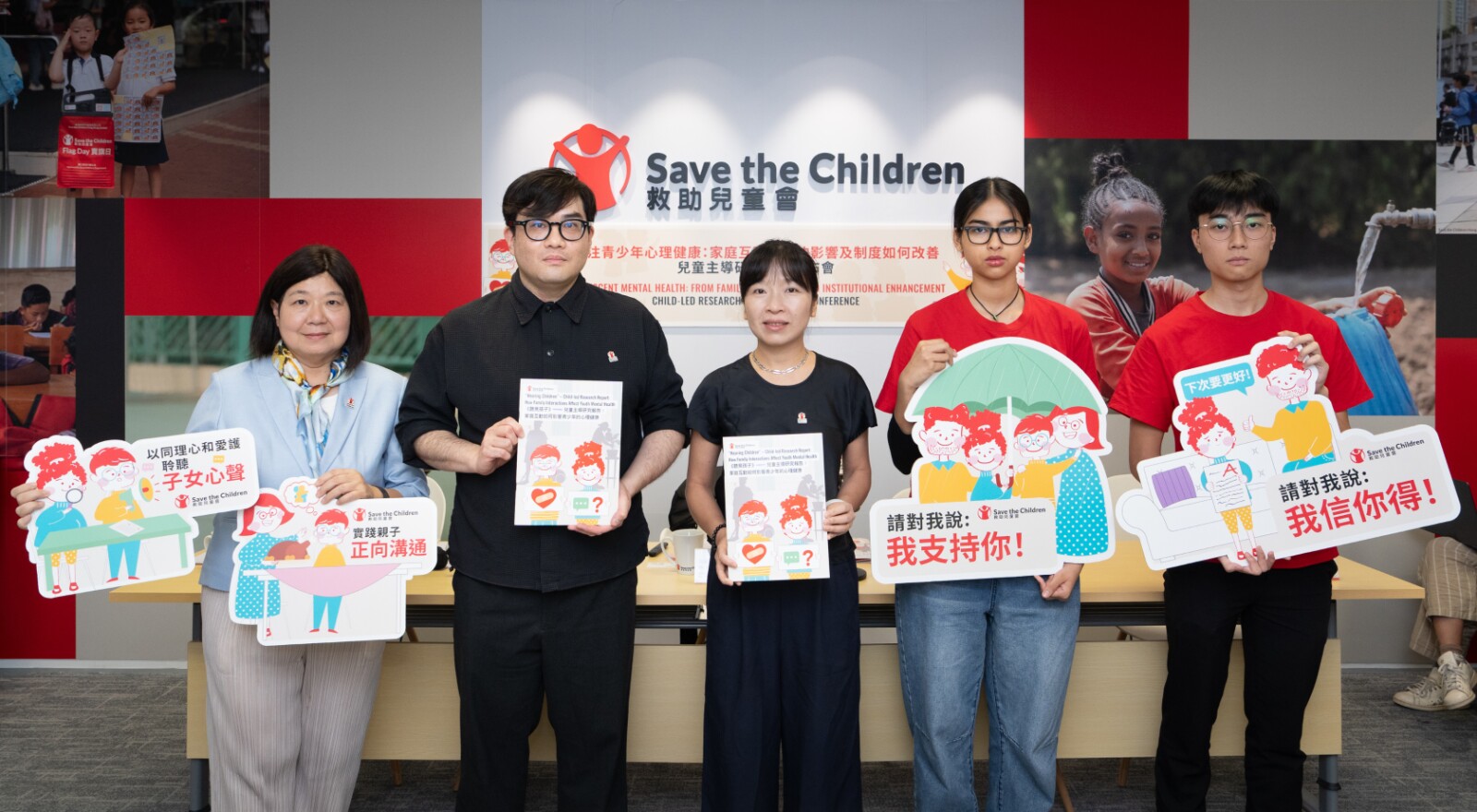
HONG KONG SAR – Media OutReach Newswire – 22 May 2026 – Save the Children Hong Kong today released its research report, “Hearing Children” – Child-led Research Report: How Family Interactions Affect Youth Mental Health (Full Report). Following the implementation of the Mandatory Reporting of Child Abuse Ordinance (the “Ordinance”), there has been ongoing public debate on how to enhance child wellbeing; however, unlike physical harm, psychological trauma is significantly more difficult to identify. According to the latest figures from the Social Welfare Department, a total of 1,354 child abuse cases were recorded in 2025. Of these, only 16 cases—a mere 1.2%—were classified as “psychological abuse”.

New study from Save the Children Hong Kong: Parental criticism leaves half of local youth feeling inferior and increases risks of mental health issues.

The organisation believes that whilst the vast majority of parents care deeply for their children, they may inadvertently cause psychological trauma through their disciplinary methods, communication styles, and the way expectations are conveyed. Save the Children Hong Kong recommends that parents adopt “Positive Parenting” to strengthen parent-child non-violent communication, expressing their thoughts through mutual understanding and respect. Simultaneously, the Government should allocate additional resources to community and school settings to bolster mental health support for children and young people. Regarding the 25 categories of professionals specified under the Ordinance, training on identifying psychological abuse should be strengthened to support frontline practitioners in making clearer judgements on reporting thresholds and to facilitate timely intervention.

Over 80% of Youth Feel Pressure to be “Perfect”: 40% Told to Improve Even When Praised

The study was designed by six youth researchers aged 14 to 17, under the guidance of Professor Gary Tang Kin Yat, Associate Professor of the Department of Social Science at The Hang Seng University of Hong Kong. It aimed to explore the psychological and emotional harm hidden behind parental “love and discipline”. The study surveyed 408 children and adolescents aged 13 to 18, and found that 20.4% of respondents experience heavy pressure to “be perfect”. Furthermore, 41.2% reported that even when parents praise their achievements, it is often accompanied by reminders of “how to do better next time”. Over half of the respondents felt inferior to others due to parental disparagement, while more than 30% felt that no matter how hard they tried, they could never meet their parents’ expectations.

Ms. Wong Shek Hung, Director of Hong Kong Programme of Save the Children Hong Kong, noted that while parents genuinely care for their children, yet when faced with their own stresses and anxieties, they may struggle to find the most appropriate way to express their care. Consequently, their love can inadvertently become a burden for the child. “This reflects the pivotal role parents play in their children’s lives. Children place immense value on every word their parents say; as such, comments we may seem insignificant can directly impact how a child views themselves,” she said.

The survey also explored parental behaviours that adolescents found most distressing. Respondents identified the most hurtful remarks as toxic comparisons (e.g., “Why can’t you be more like them?”), invalidation of worth (“You are such a disappointment”), and dictatorial commands (“Because I said so”). The most resented behaviours included losing emotional control (“Losing their temper”), invading privacy (“Checking my phone”), and micromanagement (“Having to control everything”).

Table: The True Voices of Youth – What We Want Parents to Know

Most Hurtful Remarks

(Top Five)

Most Resented Behaviours

(Top Five)

Most Desired Encouragement (Top Five)
” Look at other people” “(Parents) Losing their temper” “You did a great job”
” You are so disappointing” “Snooping on my phone” “I support you”
“I said no means no” “Having to make every decision” “I believe you can do it”
“You aren’t as good as others” “Entering my room without knocking” “Your happiness is what matters most”
“I’m only doing this for your own good” “Moving or touching my belongings” “I know you’ve done your best”

Avoiding Adults: A Widening Gap in Mental Health Support for Children

Another alarming phenomenon is the significant gap emerging in Hong Kong’s mental health safety net for children and adolescents. Unlike physical trauma, psychological distress is difficult to identify and often relies on the victims seeking help themselves. However, the study found that when children and young people feel distressed, their help-seeking behaviour tends to “avoid adults”. A vast majority of respondents (86.3%) prioritise speaking to friends or venting on social media (78.7%). Conversely, the overwhelming majority “rarely or never” seek help from teachers (96.8%), social workers (97.5%), or parents (73.3%).

Nearly half of the respondents (49.6%) tend to internalise and handle their problems alone. Beyond the habit of self-reliance (47.3%), key reasons for this include a feeling that “no one truly understands or can help” (45.3%), a desire not to become a burden to others (29.9%), and a fear of being judged, misunderstood, or getting into trouble after seeking help (18.4%).

Ms. Wong Shek Hung expressed concern that current child protection systems—such as school-based social workers and helplines—may become ineffective if children actively avoid adult assistance, thereby limiting opportunities for timely intervention. She warned that if stress and emotions continue to accumulate without an outlet, the consequences could be severe.

Invisible Wounds: The Link Between Mental Stress and Psychosomatic Symptoms

Whilst psychological stress leaves no visible scars, its latent harm can be more enduring and profound. The study reveals that when adolescents are under mental pressure, their physical health is equally affected. When facing conflicts or difficulties at home, over a third of respondents (37.1%) reported “sometimes” experiencing insomnia, stomach aches, or headaches. Similarly, over a third (38.1%) indicated they “sometimes” experience acute anxiety reactions, such as nervous tension, trembling, or a racing heart.

Dr. Phyllis Chan Kwok-ling, Adviser of Save the Children Hong Kong and Psychiatrist, noted that psychological trauma is difficult to detect, which may lead to more severe cumulative consequences. “This is especially true if children and adolescents conceal their trauma or lack the self-awareness to address it. As trauma accumulates, it may become a root cause of emotional problems and increase the risk of developing conditions such as depression.” Dr Chan explained. She also expressed concern that the study found neither parents nor teachers are seen as confidants. “When adolescents face difficulties, they need adults to listen and share experiences. If they turn only to social media or peers, the lack of adult guidance may amplify their distress. Furthermore, relying solely on peers carries the risk of an ‘echo chamber’ effect; mutual validation amongst friends may deepen their sense of hurt and intensify wariness or hostility towards parents.”

Ms. Wong Shek Hung added that adolescents may not know how to articulate their inner needs, leading them to remain silent or cope in isolation. “In reality, as long as both parties are willing to take the first step towards better communication and empathy, a warm and intimate parent-child relationship can be maintained.”

Strengthening Systemic Support and Empowering Children with Emotional Regulation Skills

Beyond the family unit, society bears a responsibility to provide support across schools, communities, and institutional levels. We must systematically foster emotional management skills in children and assist parents in adopting positive communication and parenting techniques. To this end, the organisation proposes the following recommendations:

  1. Mainstream “Social and Emotional Learning” (SEL): Integrate SEL into the regular school curriculum to strengthen students’ ability to manage and articulate their emotions.
  2. Promote “Positive Parenting” through Home-School Cooperation: Implement comprehensive Positive Parenting initiatives to develop disciplinary communication skills and foster empathy within parent-child interactions.
  3. Enhance Mandatory Reporting Training: In relation to the Mandatory Reporting of Child Abuse Ordinance, training for professionals should be strengthened to include content on “identifying psychological abuse”, supported by real-life case studies to help frontline staff clarify reporting criteria and enable timely intervention.

(For detailed information on these recommendations, please refer to the full report.)

Ms. Wong Shek Hung emphasised that family dynamics cannot be addressed with a “one-size-fits-all” legislative framework, nor is punishing parents an ideal way to manage family relationships. “The law provides only the most basic safety net. As previously mentioned, most parents care deeply for their children; the gap lies in communication and mutual understanding, as well as in adopting positive ways of interaction. Beyond legislation, we hope to improve parent-child relationships in the long term through support services and public education.”
Hashtag: #SavetheChildrenHongKong #香港救助兒童會 #positiveparenting #正向管教 #mentalhealth #精神健康


YouTube:

The issuer is solely responsible for the content of this announcement.

Save the Children Hong Kong

Save the Children believes every child deserves a future. In Hong Kong and around the world, we do whatever it takes – every day and in times of crisis – so children can fulfil their rights to a healthy start in life, the opportunity to learn and protection from harm. With over 100 years of expertise, we are the world’s first and leading independent children’s organisation – transforming lives and future.

Established in 2009, Save the Children Hong Kong is part of the global movement which operates in around 100 countries. We work with children, families, schools, communities and our supporters to deliver lasting change for children in Hong Kong and around the world.

28857