The following announcement was issued today to a Regulatory Information Service approved by the Financial Conduct Authority in the United Kingdom.
DFI RETAIL GROUP HOLDINGS LIMITED
2025 PRELIMINARY ANNOUNCEMENT OF RESULTS
Highlights
Underlying profit reached the high-end of guidance at US$270 million, up 35% year-on-year
Reported profit of US$235 million, up US$480 million year-on-year
Health and Beauty delivered strong like-for-like (LFL) sales and profit growth
Convenience returned to profit growth in the second half of 2025, supported by a favourable mix shift towards higher-margin, non-cigarette categories
Strengthening value-driven, omnichannel proposition in Food and Home Furnishings
Divestments of Yonghui, Robinsons Retail and Singapore Food underscored the Group’s transition from a portfolio to a focused operating company and strengthened balance sheet to a net cash position
Returned approximately US$740 million to shareholders for the full year 2025, including a US$600 million special dividend
Final dividend of US¢10.50 per share based on a new 70% payout policy announced in December 2025
“Effective execution of our strategy drove strong financial performance and higher shareholder returns in 2025, despite a challenging retail environment. Our significant progress made in portfolio simplification creates investment capacity for strategic priorities, enabling greater value for our customers and accretive inorganic opportunities to drive sustainable growth and returns.”
Lincoln Pan
Chairman
DFI RETAIL GROUP HOLDINGS LIMITED
PRELIMINARY ANNOUNCEMENT OF RESULTS
FOR THE YEAR ENDED 31 DECEMBER 2025
INTRODUCTION
It is my honour and privilege to join DFI Retail Group (‘DFI’ or the ‘Group’) as Chairman of the Board, supporting Group Chief Executive, Scott Price, and his leadership team in executing its strategic priorities and delivering shareholder returns. On behalf of the Board, I would also like to express our gratitude to John Witt for his invaluable contributions to DFI over many years.
As Asia’s leading multi-format retail platform, DFI has a unique set of assets – strong customer trust, an extensive store network across markets, deep data insights from a powerful loyalty programme, and a strengthening Own Brand portfolio – that will serve as a foundation for growth over the coming years.
Amid macroeconomic volatility and evolving consumer needs, the Group has been responding effectively through a stronger value proposition and enhanced omnichannel capabilities. This strategy is yielding early and encouraging results, demonstrated by a 35% increase in underlying profit in 2025. We remain particularly optimistic about the growth prospects in Health & Beauty and Convenience, as well as the opportunities emerging in digital.
I am confident that under the capable leadership of Scott and his team, DFI will continue to deliver retail excellence to customers across Asia while driving long-term value creation and growth.
Under a new 70% dividend payout policy announced in December 2025, the Board recommends a final dividend of US¢10.50 per share (2024 final dividend: US¢7.00).
STRATEGIC HIGHLIGHTS
Over the course of 2025, the Group executed effectively against its strategic framework of Customer First, People Led, Shareholder Driven. This approach enables DFI to navigate market challenges while capturing opportunities that build on its strong platform for sustainable growth.
The retail landscape is rapidly evolving, driven by shifting consumer behaviour and digitalisation. The Group remains focused on strategic priorities that place customers first – delivering quality, value and convenience in everyday moments. Across its businesses, the Group made good progress in strengthening value propositions, expanding customer reach in growth markets, driving deeper customer engagement with data-driven insights and accelerating digital monetisation. These initiatives enhance its ability to better serve customers and supplier partners while delivering returns to shareholders.
Investing in talent development remains at the top of the agenda. During the year, the Group achieved an improved team member engagement score. Inclusive leadership, a purpose-driven culture and engaged team members are critical to driving stronger performance and delivering exceptional customer experience. In parallel, the Group continues to enhance its organisational agility in meeting customer needs while reducing overhead costs.
In 2025, the Group completed the divestments of minority stakes in Yonghui and Robinsons Retail, as well as Singapore Food business, enabling reinvestment in subsidiary businesses and strategic priorities with stronger growth and return potential. This approach, combined with a sharpened business focus and a strengthened balance sheet, delivered a total shareholder return exceeding 90% in 2025, including the distribution of a US$600 million special dividend in October.
PROSPECTS
Transformation is an ongoing journey for today’s retailers. Serving diverse communities across Asia, where economic conditions and consumer expectations vary widely, the Group must stay agile and locally relevant guided by a customer-first mindset and a disciplined focus on growth opportunities that further build on its competitive advantages. Over the year, DFI has invested in delivering better outcomes for customers through price reinvestment, Own Brand innovation, omnichannel expansion and data-driven personalisation – focus areas that will remain central to its growth plans in the years ahead. An expanded digital ecosystem also unlocks new avenues to drive deeper value for supplier partners and enhance shareholder returns.
I would like to end by expressing the Board’s appreciation to our team members. We could not be more proud of the work they have done over the year, particularly in responding to the deeply tragic Tai Po fire in Hong Kong. Their unwavering dedication to serving our customers across Asia is what will continue to drive our business forward and build long-term value for shareholders.
Lincoln Pan
Chairman
GROUP CHIEF EXECUTIVE’S REVIEW
INTRODUCTION
We are pleased to close 2025 on a strong note, with underlying profit attributable to shareholders up 35% year-on-year to US$270 million, reaching the high end of our guidance range. This strong performance was driven by a recovery in LFL subsidiary sales, improved margins and proactive portfolio actions, including the divestment of our minority stake in Yonghui.
Customers across Asia, including in our home market of Hong Kong, are increasingly seeking quality and convenience at great value. While macro challenges remain, we are encouraged to see early signs of recovery in key retail segments, including 3% growth in health and beauty sales in Hong Kong, supported by a 12% increase in tourist arrivals. As Asia’s leading multi-format omnichannel retail platform, we are uniquely positioned to meet customers’ evolving needs effectively across all channels through relevant and compelling customer propositions.
With a renewed focus on balancing profitability with capital discipline, the Group ended the year in a net cash position, after distributing a US$600 million special dividend, and delivered a significantly improved return on capital employed (ROCE) of 9.4%. Our strengthened balance sheet allows us to reinvest for growth as we deepen our focus on higher-return subsidiary businesses and strategic priorities that sustain value creation for shareholders. For the full year 2025, we returned a total of approximately US$740 million to shareholders, including the special dividend.
In December, we held our inaugural Investor Day where DFI announced a new dividend policy with an increased payout ratio of 70%. Dividends paid during the year, combined with a share price increase of more than 70%, resulted in a total shareholder return exceeding 90% in 2025. We also outlined our three-year plan for realising our financial ambitions and accelerated growth goals, including a target of US$310-350 million in underlying profit (representing 11% CAGR at the mid-point compared to 20251) and an improved ROCE of at least 15% by 2028.
As we enter the new financial year, we remain firmly focused on executing our strategic priorities to drive sustained, profitable growth.
STRATEGIC DELIVERABLES – KEY PROGRESS
Over the past year, we have made significant progress in our transformation from a portfolio business into a strategically focused operating company. We have been advancing our strategy across five key deliverables to create greater value for our customers, supplier partners and shareholders.
Retail Excellence
By delivering best-in-class customer propositions, we see a wide range of opportunities for driving higher store sales density and market share gain across all business segments.
Health & Beauty
Mannings and Guardian continue to strengthen their position as the trusted advisor for wellness, unlocking strong cross-category growth opportunities through an assortment with high functional value across supplements, derma skin care and hair care. Customers across Asia are increasingly shifting to retailers that best fulfil their broad, diverse and unique wellness goals. Our technology-enabled personalised services – including skin, scalp and health assessments – drive higher purchase conversion and basket size by deepening customer understanding of their wellness needs. These capabilities will be expanded to 25% of our Health & Beauty store network to enhance our competitive differentiation and leadership in wellness.
Convenience 7-Eleven is broadening its shopper missions towards higher-margin, non-cigarette categories with a strategic focus on ready-to-eat (RTE) offerings, which accounted for 24% of Convenience sales in 2025. Across markets, consumers are seeking more convenient, high-quality and value-driven meal solutions. The expansion of Food Bars to 1,250 locations in South China and the rollout of RTE-focused store revamp across the entire Hong Kong network by 2028 will further strengthen 7-Eleven’s RTE proposition.
Food
Given consumers’ pivot towards value, continued northbound travel and increasing competition from Chinese mainland e-commerce platforms, the Wellcome team has focused on enhancing food basket value for customers by advancing our Everyday Low Price strategy. Investment in reduced pricing through strategic direct sourcing of core basket items, particularly in fresh, has resulted in a 2% growth in volume driven by higher footfall and increased items per basket. Direct sourcing allowed us to reduce prices while protecting gross profit, resulting in a 30-basis point gross margin improvement. These efforts further supported the narrowing basket price gap compared to the Greater Bay Area to a currently low single-digit price difference2.
Home Furnishings
Similar to Food, IKEA has focused on enhancing its affordability and accessibility by reinvesting in the pricing of high-volume products, broadening the range of entry price points, rationalising the tail of slow-selling assortment, and further expanding digital touchpoints through third-party marketplaces. We are also strengthening IKEA Food as a key draw for customers seeking exciting and affordable food experiences as part of their store journey. These efforts are supported by significant cost transformation initiatives across our operating markets.
Own Brand
Our reset in Own Brand strategy across Food and Health & Beauty is driving higher customer loyalty and sales penetration through greater exclusivity and value. By refining our product range to align closely with customer needs and maximising cross-selling across our formats, we achieved meaningful improvements in margins and sales productivity.
Access to Customers
We continue to strategically expand our network in high-growth, profitable markets, primarily through a capex-light franchise model, with 114 net new openings3 in 2025. In particular, we will deepen 7-Eleven’s presence in Guangdong province to around 2,400 stores and expand Guardian’s footprint in Indonesia to approximately 750 stores by 2028.
Omnichannel and Data Ecosystem
DFI’s expanded omnichannel ecosystem is elevating our relevance and engagement with customers, providing us deep data insights across daily consumer needs that few peers in Asia can match. This ecosystem now allows our customers to engage with DFI brands across more than 90 digital channels, including apps, websites, third-party marketplaces, quick-commerce partnership with food delivery platforms and click-and-collect services. Our strengthened digital proposition was underpinned by a 140-basis point increase in online sales penetration to 6.4%4 as at year-end 2025, with order volume more than doubled year-on-year. Our overall digital ecosystem, comprising e-commerce, retail media, insights monetisation and yuu, continues to drive improved financial returns for the Group.
Retail Media (DFIQ Media)
Positioned to become Asia’s leading omnichannel retail media network, DFIQ Media offers a differentiated online and offline advertising proposition, enabling brands to execute cross-format campaigns through our digital assets and more than 10,000 in-store digital screens across markets. DFIQ Media delivered strong sales growth, albeit from a low starting base, achieving a fourfold increase in revenue over 2024, supported by proprietary data insights from over 7 million monthly active users across our growing digital portfolio.
DFIQ Portal
We aim to empower our supplier partners with actionable insights that drive greater business impact and better outcomes for customers. The DFIQ Portal – a vendor platform combining DFIQ Media, DFIQ Insights and trade capabilities – was launched in December 2025, providing suppliers real-time access to critical analytics that enables optimised inventory management and more effective strategic planning.
Retail Analytics
Leveraging cross-format data insights from over 5 million yuu Rewards members in Hong Kong, we continue to enhance our assortment and promotional decisions to help expand both in-store sales and gross profit.
Lean & Agile Model
Maintaining a lean and agile operating model is essential to ensuring efficient decision-making in a rapidly evolving retail landscape. Continued cost optimisation and better product sourcing will support both strategic price reinvestment and sustainable margin expansion in the coming years. Overhead reductions are expected to translate into lower SG&A costs beginning 2026. We remain disciplined in capex, driving network growth primarily through a franchise model with a strong focus on paybacks.
Strategic pivot from portfolio to a focused operating company
We conduct strategic reviews of our businesses guided by return on capital and total shareholder return priorities. During the year, we completed the divestment of our minority stakes in Yonghui and Robinsons Retail, as well as our Singapore Food business, generating total gross proceeds of approximately US$1 billion in cash consideration. In line with our capital allocation priorities, these proceeds were redeployed towards debt repayment, resulting in a net cash position of US$70 million as at year-end 2025. In addition, a special dividend of US$600 million was distributed to shareholders in October 2025. The Group remains focused on maximising total shareholder return while maintaining strategic flexibility for inorganic growth opportunities that are accretive to long-term shareholder value.
2025 PERFORMANCE
Total revenue from subsidiaries in 2025 was US$8.9 billion, up 1% on a LFL basis, excluding cigarettes. Organic revenue, excluding divested businesses5 for the comparable period, grew 0.5%. Strong sales growth in the Health & Beauty division was offset by lower contributions from other segments.
Excluding the impact of the minority stake divestments in Yonghui and Robinsons Retail completed in 2025, total revenue for the Group, including 100% of associates and joint ventures, remained broadly stable.
The Group reported total underlying profit attributable to shareholders of US$270 million for the year, up 35% year-on-year. This was supported by improved profitability from subsidiary businesses, lower financing costs and higher underlying profit from associates following the divestment of Yonghui.
Underlying profit from subsidiaries was US$183 million, 15% higher than the prior year. This was driven by strong Health & Beauty performance in addition to earnings recovery in Singapore Food and Home Furnishings segment, partially offset by lower contribution from Convenience due to reduced cigarette volume.
The Group’s share of underlying profit from associates was US$88 million, an improvement of US$45 million compared to the prior year, primarily due to the divestment of minority stake in loss-making Yonghui and higher contribution from Maxim’s as a result of improved mooncake sales and restaurant performance in Southeast Asia. Despite challenging trading conditions in Hong Kong and Chinese mainland, Maxim’s delivered profit growth in these regions through cost optimisation.
The Group reported operating cash flow after lease payments of US$430 million, 30% higher than the prior year, supported by underlying operating profit growth. Free cash flow6 for the period was US$281 million, up 78% year-on-year. As at 31 December 2025, the Group’s net cash was US$70 million, compared to US$468 million net debt at 31 December 2024.
SUSTAINABILITY
We remain firmly committed to our purpose to sustainably serve Asia for generations with everyday moments – with a focused, balanced, collaborative approach taking into account the macroeconomic environment and consumer sentiment. We are driving progress on our pathway to reduce our Scope 1 and 2 emissions by 50% by 2030 from a 2021 baseline, with our targeted investments in refrigerant emissions management, energy efficiency, and behaviour-change initiatives across our operations gaining momentum throughout the year. From 2025 to 2030, we will further increase the share of renewable energy use in our portfolio, helping to accelerate the energy transition in the key markets where we operate.
As advocates for our customers and the communities we serve, we are committed to delivering affordable, sustainable products. In 2025, we delivered 380 tonnes of Own Brand low-carbon rice to our Hong Kong markets and added multiple products through our Grounds to Green programme to our 7-Eleven RTE range. These award-winning initiatives demonstrate our ability to anticipate customer expectations and deliver on market demands. We maintained strong discipline in waste and packaging management, keeping us on track to meet our 2030 targets.
BUSINESS REVIEW
HEALTH AND BEAUTY
Sales for the Health and Beauty division grew 7% year-on-year or 5% on an LFL basis to US$2.6 billion. Underlying operating profit was US$228 million for the year, representing an increase of 8% compared to 2024.
Both Mannings and Guardian achieved strong LFL sales performance, supported by growing wellness sales penetration towards the mid-term target of over 35%. To further strengthen our leadership in wellness – a cross-category opportunity spanning health, beauty and personal care – Mannings and Guardian complemented their wellness-focused assortment with in-store health, skin and scalp assessments in selected outlets. Our personalised consultations and tailored product recommendations deepen our engagement with customers, supporting larger basket sizes and higher purchase conversion.
In Hong Kong and Macau, LFL sales increased by 5%, driven by strong growth in tourist store sales from higher arrivals. Own Brand strategy reset resulted in a 35% improvement in gross profit per SKU through a refined product range that better aligns with customer needs. Sales of Mannings China declined due to the closure of majority of its offline store network as the business pivots towards a cross-border e-commerce model.
Guardian in Southeast Asia reported 5% LFL sales increase, driven by growth in basket sizes across key markets and an expanding e-commerce presence, including the Guardian Malaysia loyalty programme launched in March 2025 and a new Guardian Singapore app in July 2025. Indonesia and Vietnam delivered LFL sales growth exceeding 10%, supported by strong traffic gains. Gross margin expansion and operating leverage contributed to operating profit growth of 16% in the region.
CONVENIENCE
Total Convenience sales were US$2.3 billion, representing a decline of 2% year-on-year or 3% on an LFL basis, due to lower-margin cigarette volume reductions following tax increases in Hong Kong in February 2024. Excluding cigarettes, overall Convenience sales grew 1% compared to 2024 and were marginally lower on an LFL basis. Underlying operating profit was US$97 million, down 6% year-on-year. Favourable sales mix shift towards higher-margin non-cigarette categories drove a return to a positive profit growth in the second half of 2025.
In Hong Kong, the Group expects to mitigate financial impact from declining cigarette sales in 2026 and beyond through continued growth in higher-margin non-cigarette categories, including RTE which accounted for 18% of sales for the full year, up from 16% in 2024.
7-Eleven Singapore reported robust LFL sales growth driven by a stronger RTE proposition and effective promotional campaigns. In South China, continued store network expansion through a capex-light franchise model, including 99 net increase in store number, contributed to 3% sales growth. LFL sales, however, were down 2% largely due to intense subsidy competition from food delivery platforms, primarily in the first half of the year. The focus remains on driving footfall through innovative RTE and Food Bar expansion to 1,250 stores by the end of 2028, compared to 325 as of year-end. Both markets saw meaningful profit growth, supported by a favourable product mix shift and disciplined cost control.
FOOD
Reported sales for the Food division were US$3.0 billion, remaining stable compared to 2024 on an LFL basis. Underlying operating profit reached US$62 million for the year, up 6% year-on-year, driven by earnings recovery in Singapore Food following the distribution of government consumption vouchers in 2025.
In Hong Kong, the Wellcome team strengthened its fresh and value proposition through pricing reinvestment supported by strategic direct sourcing. These efforts included a new partnership with Dingdong Maicai (DDL) since May 2025 for a wider selection of price-competitive fresh produce, as well as the Everyday Value campaign launched in September 2025, offering up to 40% savings on 100 core basket items. The team also accelerated omnichannel growth through broader digital channels – including a quick-commerce partnership with foodpanda and click-and-collect services – and a shortened delivery time to same or next day delivery, driving a more than 20% sales growth in Hong Kong Food online sales. Despite a 1% LFL sales decline compared to the prior year, total volume grew 2% driven by increased transactions and items per basket.
Southeast Asia Food sales performance benefited from multiple rounds of government consumption voucher distribution in Singapore during the year, including S$800 vouchers for each household and S$600 vouchers for individuals in celebration of the nation’s 60th anniversary. These vouchers, which were redeemable at supermarkets and heartland merchants, drove stronger sales in the Food segment. Convenience and Health & Beauty did not see a similar uplift in sales as the vouchers were not applicable to these outlets. Divestment of Singapore Food business was completed in early December 2025. Post-completion, the Group continues to serve the Singapore market through its Guardian and 7-Eleven brands. As the only nationwide modern trade operator in Cambodia, Lucky reported robust LFL sales growth with strong margin expansion on scale benefits.
HOME FURNISHINGS
IKEA reported sales of US$677 million, down 3% year-on-year and 5% on an LFL basis, compared to an 11% LFL sales decline in 2024. Operating profit was US$26 million, representing a meaningful improvement from US$16 million in the prior year, driven by effective cost control measures across markets.
Amid a challenging macro environment and reduced consumer demand for big-ticket items due to subdued real estate market activity, the IKEA team has prioritised enhancing its value proposition and omnichannel presence. Key initiatives include price reductions on high-volume products, rationalisation of non-core assortment, and a broader range of entry price points. In Indonesia, the team has further expanded digital partnerships with third-party marketplaces to improve accessibility, supporting continued progress towards its overall online sales penetration target of 18-20% by 2028. IKEA Food remains a critical traffic and revenue driver, representing 14% of total sales.
These combined with significant cost optimisation efforts in labour, supply chain and infrastructure across markets contributed to a US$10 million improvement in overall profitability.
RESTAURANTS
The Group’s share of Maxim’s underlying profits was US$72 million in 2025, an increase of 9% year-on-year, supported by resilient sales of US$3.1 billion, up 0.4% year-on-year, and ongoing cost optimisation. Improved mooncake sales during the mid-autumn festival and stronger restaurant performance in Southeast Asia was offset by challenging trading environment in Hong Kong and the Chinese mainland. Cost management in these markets also supported overall profit growth. During the year, Maxim’s continued to expand its Southeast Asia network with 84 net new stores added, mainly in Thailand and Vietnam.
OUTLOOK
2025 marked a year of strong progress for DFI, with the strategic reset across our businesses driving improved underlying profitability in both subsidiaries and associates, a stronger ROCE and enhanced shareholder returns. Our strengthened balance sheet and disciplined use of capital provides capacity to reinvest for growth both organically and inorganically, laying a strong foundation as we pursue our financial ambitions of achieving a US$310-350 million underlying profit (+11% CAGR at midpoint compared to 20257) and a 7-10% online sales mix by 2028.
At our inaugural Investor Day, we outlined clear strategic priorities which include strengthening our value proposition, enhancing omnichannel capabilities, accelerating Own Brand innovation, deepening digital monetisation, and leveraging data to deliver better outcomes for both customers and supplier partners.
For the full year of 2026, the Group expects organic revenue growth of approximately 2-3%8 and underlying profit attributable to shareholders to be between US$270 million and US$300 million. Excluding the divestment impact of Singapore Food and Robinsons Retail, this would represent a year-on-year growth of 13-25%.
Looking into 2026 and beyond, I am confident that DFI has developed a renewed foundation as we execute against our strategic priorities to deliver sustained, profitable growth, drive market share gains across our formats and generate long-term returns for our shareholders.
Scott Price
Group Chief Executive
—————– 1 Excluding Singapore Food business and minority stake in Robinsons Retail upon completion of divestment in 2025 2 Based on a third-party assured price comparison of a 200-item comparable basket between DFI and Greater Bay Area
3 Excluding Singapore Food. Divestment of business was completed in early December 2025. 4 Excluding Singapore Food, cigarettes under Convenience and IKEA food 5 Excluding financial contribution from Singapore Food (December 2024) and Hero Supermarket (2024) for comparison purpose 6 Free cash flow is equivalent to cash flows from operating activities after lease payments minus normal capital expenditure
7 Excluding Singapore Food business and minority stake in Robinsons Retail upon completion of divestment in 2025
The issuer is solely responsible for the content of this announcement.
DFI Retail Group
DFI Retail Group (the Group) is a leading Asian retailer, driven by its purpose to ‘Sustainably Serve Asia for Generations with Everyday Moments’.
At 31 December 2025, the Group and its associates operated 7,580 outlets across 12 markets, of which 5,529 stores were operated by subsidiaries. The Group, together with associates, employed over 79,000 people, with some 42,000 people employed by subsidiaries. The Group had reported revenue of US$8.9 billion in 2025.
The Group is dedicated to delivering quality, value and service to Asian consumers through a compelling retail experience, supported by an extensive store network and highly efficient supply chains.
The Group and its associates, operates a portfolio of well-known brands across five key divisions. The principal brands are:
Health and Beauty
• Mannings on the Chinese mainland, Hong Kong and Macau S.A.R.; Guardian in Brunei, Indonesia, Malaysia, Singapore and Vietnam.
Convenience
• 7-Eleven in Hong Kong and Macau S.A.R., Singapore and Southern China.
Food
• Wellcome and Market Place in Hong Kong S.A.R.; San Miu in Macau S.A.R.; Lucky in Cambodia.
Home Furnishings
• IKEA in Hong Kong and Macau S.A.R., Indonesia and Taiwan.
Restaurants
• Hong Kong Maxim’s group on the Chinese mainland, Hong Kong and Macau S.A.R., Cambodia, Laos, Malaysia, Singapore, Thailand and Vietnam.
The Group’s parent company, DFI Retail Group Holdings Limited, is incorporated in Bermuda and has a primary listing in the equity shares (transition) category of the London Stock Exchange, with secondary listings in Bermuda and Singapore. The Group’s businesses are managed from Hong Kong. DFI Retail Group is a member of the Jardine Matheson group.
HANOI, VIETNAM – Media OutReach Newswire – 3 March 2026 – Vinhomes Green Paradise – Can Gio has officially launched its Smart City Certification Project in collaboration with Korea Management Association Consulting (KMAC), the World Council on City Data (WCCD), and the Standardized Urban Metrics (SUM) initiative. Through this initiative, Vinhomes Green Paradise aims to become the first internationally certified smart city in Vietnam, thereby establishing new global standards for sustainable and intelligent urban development.
Vinhomes Green Paradise features an exceptional collection of world-class amenities, setting a new standard of living for a future-ready urban development.
The partnership is designed to support the mega development in achieving the WCCD/SUM Custom ISO 37122 Smart City Certification. This certification is based on a customized indicators framework derived from the internationally recognized ISO 37122 indicators, tailored specifically for greenfield development projects and urban areas.
Under the partnership, KMAC will provide strategic consulting and technical advisory services to align the city’s development with the ISO 37122 indicators across key domains such as mobility, energy, environment, safety, and digital infrastructure.
The WCCD and SUM, headquartered in Toronto, Canada, is preparing a new customized indicators framework for greenfield development, based on the strategic smart city goals in the Vinhomes Green Paradise development. The WCCD/SUM teams, will oversee the assessment and smart city certification process, ensuring compliance with the ISO international standards and best practices.
The consortium agreed on a roadmap to deliver an Interim Certification within 2026, paving the way for full certification in subsequent phases.
“This project symbolizes a landmark collaboration between Vietnam and Korea in advancing global smart city standards,” said Mr. Chulse Oh, Head of AX Group at KMAC. “By combining Vinhomes’ visionary urban development with KMAC’s consulting expertise and WCCD/SUM’s global certification framework, VinhomesGreen Paradise will become a model for data-driven governance, sustainability, and smart innovation.”
“Vietnam is emerging as one of the most promising leaders in smart and sustainable city development. The Vinhomes Green Paradise is a remarkable new development in Vietnam that deserves global recognition,” said Dr. Patricia McCarney, President & CEO of the World Council on City Data (WCCD) and Director of SUM. “We are honored to partner with Vinhomes and KMAC to ensure that Vinhomes Green Paradise achieves global recognition through our WCCD/SUM ISO 37122 Custom Certification.”
Vinhomes Green Paradise benefits from a rare geographical setting, surrounded by the Can Gio Sea and the UNESCO-recognized Can Gio Mangrove Biosphere Reserve spanning over 75,000 hectares. The project features a 121-kilometer coastline, a total scale of 2,870 hectares, and a construction density of only 16%. It pioneers an upgraded ESG++ model, structured around five pillars: Environment, Social, Governance, Regeneration, and Climate Adaptation.
Upon full operation, the entire urban management system will be comprehensively greened with the following objectives: 100% clean electricity sourced from offshore wind farms, solar energy systems, and battery storage; 100% net-zero emission transportation, including electric cars, electric scooters, electric buses, electric bicycles, electric boats, and a high-speed railway system directly connecting to central Ho Chi Minh City.
In addition to strict compliance with environmental protection standards, Vinhomes Green Paradise places strong emphasis on biodiversity conservation and ecosystem regeneration throughout the development process, aligned with Ho Chi Minh City’s long-term climate adaptation strategy. A Forest Regeneration and Climate Adaptation Fund has been established to support research, restoration, and long-term resilience initiatives, with a core focus on mangrove restoration in Can Gio to establish a protective green belt for the entire development.
With its pioneering ESG vision, Vinhomes Green Paradise has become the first official participant in the “7 Wonders of the Future Cities” campaign initiated by New7Wonders, reinforcing its global recognition as a benchmark model for sustainable, AI-ready, and data-driven urban innovation.
Hashtag: #Vinhomes
The issuer is solely responsible for the content of this announcement.
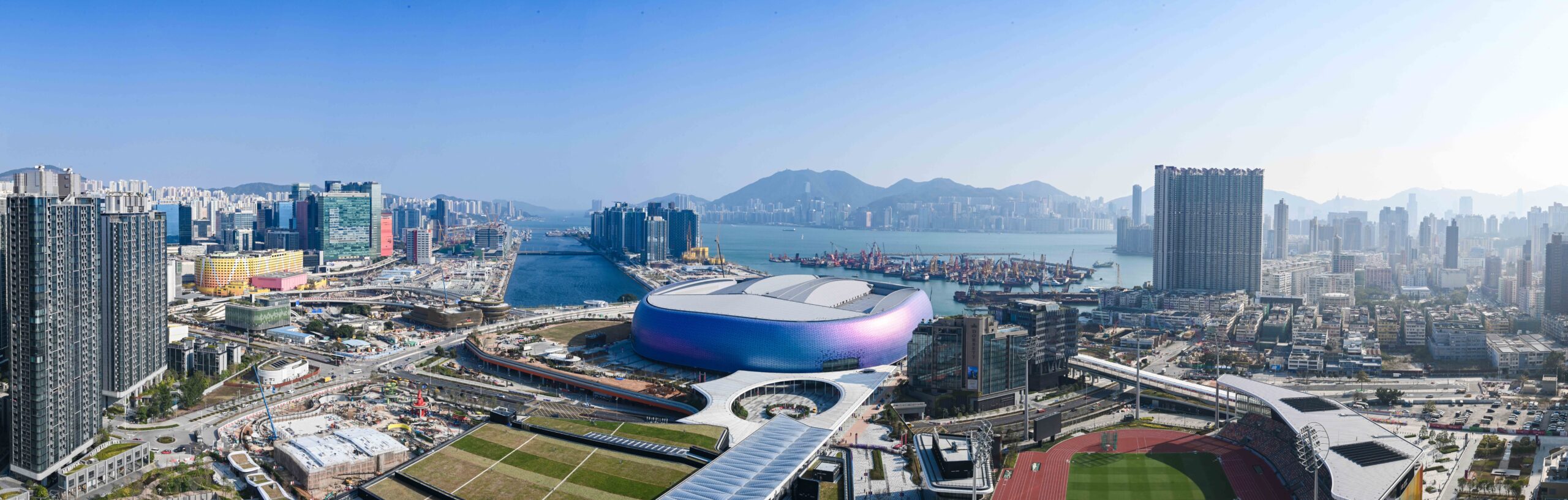
HONG KONG SAR – Media OutReach Newswire – 2 March 2026 – Hong Kong’s Kai Tak Sports Park (KTSP) celebrated its milestone first anniversary on Sunday (1 March), successfully hosting nearly 50 major events and delivering over 120 international and local sports and entertainment days since its grand opening.
KTSP has established a unique identity as the city’s new “Home Venue” for major sports and entertainment events. Highlights have included the Hong Kong Sevens (rugby), the Hong Kong Football Festival featuring top teams such as Liverpool, AC Milan, Arsenal and Tottenham Hotspur, as well as concerts by British rock band Coldplay, Mandopop rock band Mayday, singer Jay Chou and global pop icons BLACKPINK.
Kai Tak Sports Park has established a unique identity as Hong Kong’s new “Home Venue” for major sports and entertainment events
Sports activities at the Park have welcomed more than 840,000 participants so far. In terms of sports activities, the three major facilities—Kai Tak Stadium, Kai Tak Arena and Kai Tak Youth Sports Ground—together with the bowling centre, outdoor sports facilities and open spaces in the precinct, are expected to surpass 200 event days from the Park’s opening through to the end of March 2026.
In the past year, the utilisation rates of the Kai Tak Stadium and Kai Tak Arena have reached close to 90%. Kai Tak Stadium has already attracted over 1.8 million attendees, rapidly becoming a powerful new driving force in advancing Hong Kong’s sports industry, events economy, and tourism development.
“Our first anniversary is not only a major milestone for Kai Tak Sports Park, but also a moment of pride for Hong Kong. Over the past year, we witnessed athletes’ determination, outstanding performances from artists, and the unforgettable energy of cheering audiences. Each event has touched and inspired us.
“As Hong Kong’s largest integrated sports, leisure and entertainment landmark, we are committed to bringing the community together while strengthening Hong Kong’s connection with the Greater Bay Area and the international stage,” said a spokesperson for KTSP.
The centerpiece 50,000-seat Kai Tak Stadium was ranked third in the world and top in Asia for total ticket sales in 2025 just nine months after its debut, according to Pollstar’s 2025 year-end stadium charts (published mid-December 2025). Pollstar also ranked Kai Tak Stadium No.5 worldwide and No.1 in Asia for total gross revenue (1.25 million passes worth US$191.34 million). Meanwhile, the 10,000-seat Kai Tak Arena, was ranked Asia’s No. 8 in terms of total gross revenue.
“Seeing the Park evolve over the past year into a major sports destination for Hong Kong has been incredibly inspiring,” said Hong Kong, China karatedo team former representative, Lee Chun Ho. “Every time I walk in, I can feel the energy. The professional facilities not only support large-scale events but also make it easier for the public to access different sports, whether they’re beginners or experienced enthusiasts.”
With an expanding line‑up of exciting events, enhanced visitor experiences and an increasingly compelling programme of global attractions, KTSP will further advance the integration of culture, sports and tourism, ushering in an even brighter and more vibrant chapter for Hong Kong.
A discreet, reservation-led space in TPI Building designed for intimate experiences, elevated service, and a new kind of all-in-one entertainment destination
SINGAPORE – Media OutReach Newswire – 2 March 2026 – Singapore’s nightlife is about to get a new kind of pulse. One that beats smaller, sharper, and far more intentional. Opening on 6 March 2026, Club 666 will debut at TPI Building, positioning itself as Singapore’s first micro club built around exclusivity, discretion, and thoughtfully curated, intimate experiences.
In recent years, the city’s idea of a great night out has shifted. Less “big room, big chaos,” more considered corners, good company, and spaces that feel designed, not accidental. Club 666 arrives with that same instinct, created for guests with busy schedules, little appetite for wasted time, and a growing preference for nights that feel polished rather than frantic. It is a club concept that leans into the art of going smaller, with the confidence that intimacy can be its own kind of luxury.
Inspired by the secretive allure of world-class private clubs, Club 666 is designed for guests who prefer refinement over noise, and atmosphere over volume. The concept is not about scaling up. It is about stripping back, tightening the room, and making every detail count, from the ambience and acoustics to the art of hosting itself. Anchoring the experience are capsule rooms designed for closeness and comfort, creating intimate pockets where groups can settle in, stay present, and move through the night together.
While the space is intentionally intimate, Club 666 is not designed to stay quiet all night. Each evening will feature two signature hype programmes created to shift the room’s energy at key moments, delivering show-led crowd activation and interactive rituals that are designed to feel unexpected, elevated, and distinctly Club 666, without relying on the usual playbook.
Among the club’s signature offerings is a service style not commonly experienced in Singapore’s nightlife landscape, including personal butler service tailored to guest preferences. With a focus on comfort, privacy, and seamless hosting, Club 666 aims to deliver an experience that feels less like a typical night out and more like being welcomed into a carefully orchestrated space, where the night flows and the service anticipates.
Club 666 is helmed by Glenn, who will be known publicly by his first name only. He is also behind The Gentleman’s Club, located within the same building. With plans for another nightlife concept still under wraps, Glenn’s vision for TPI Building is shaping into a one stop destination made up of distinct spaces that move like chapters, each with its own mood, energy, and purpose.
“People go out because they want variety, but the reality is they end up spending half the night moving from place to place,” said Glenn, owner of Club 666. “I want to build a one-stop entertainment hub where guests can experience different moods and environments without wasting time club-hopping. When we do it right, the night flows better, and guests can focus on enjoying themselves.”
What to expect at Club 666
Singapore’s first micro club, built for intimate capacity and elevated ambience
Discreet, curated experiences inspired by private club culture
Personal butler service and hospitality-led nightlife tailored to guest preferences
A new chapter within TPI Building’s evolving entertainment ecosystem
Two signature nightly hype programmes, designed as crowd-led moments you will not find elsewhere in Singapore
More than a dance floor and more than a bar, Club 666 positions itself as a social room for people who value belonging as much as atmosphere. By keeping the experience intentionally intimate, the club aims to make it easier to return, reconnect, and share nights that feel considered from the first arrival to the last song.
The issuer is solely responsible for the content of this announcement.
About Club 666
Club 666 is Singapore’s first micro club, redefining exclusivity through thoughtfully curated, intimate experiences. Inspired by the world’s elite private clubs, Club 666 creates a refined space where discretion, distinction, and elevated lifestyle converge. Located in TPI Building, Club 666 is part of a growing, one stop entertainment vision led by founder Glenn.
Operating Hours: Open daily (including public holidays), 10:00PM to 3:00AM. Extended hours on Saturdays and eves of public holidays: 10:00PM to 4:00AM. Reservations: +65 8414 3466 More information: https://club666-premium.com
Updated Format Grants Finalists with Exhibition Opportunities to Fuel Creativity
HONG KONG SAR – Media OutReach Newswire – 2 March 2026 – The “Hong Kong Smart Design Awards” has officially been renamed “Smart Design Global” (SDG), marking a new start to Hong Kong’s annual flagship design event as it enters its fifteenth year running. The name change signifies the convergence of local design talents, with the competition serving as a gateway to the world. Organised by the Hong Kong Exporters’ Association and sponsored by the Cultural and Creative Industries Development Agency (CCIDA) of the Government of the Hong Kong Special Administrative Region, the program has been instrumental in taking Hong Kong’s original design global since its inception in 2012.
This year’s rebranding represents a strategic transformation to further establish a holistic design ecosystem, with the goal to shape creativity as a new economic driver for Hong Kong. SDG will implement an incentive scheme which merges creativity with business to help winners connect with international markets. The program will consist of two key phases: the “Smart Design Global Awards 2026” competition, followed by a series of overseas trade shows.
Upgraded Perks: Shortlisted Participants to Secure Exhibition Spots
This year’s “Smart Design Global” comes with an upgraded suite of rewards for participants, and particularly those who qualify for the Corporate Group in order to reward SMEs and local designers that invest in creativity. All shortlisted participants will be allocated a dedicated display space at the Hong Kong Gifts & Premium Fair, where they can showcase their competition entries and other company products. This provides a comprehensive platform for participants to interact with thousands of international buyers, boosting brand exposure and fostering collaboration. The final judging will also take place on the first day of the Gifts & Premium Fair, allowing participants to present their design concepts directly to the jury panel. This face-to-face interaction enables contestants to gather professional feedback and gain deeper insights into their product’s strengths and weaknesses.
Furthermore, award winners will be given the opportunity to take their winning products abroad for touring exhibitions. By taking part in major global trade shows, homegrown designs will shine on an international stage. The SDG Awards also offers a prototype subsidy, which grants crucial early-stage funding to help top winners transform innovative concepts into market-ready products for the world, maximizing value for all participants who enter.
Four Categories: Showcasing Hong Kong’s Unique Charm
“Smart Design Global Awards 2026” is now open for application. This edition focuses not only on the aesthetic appeal of products, but also the market potential, calling for entries from innovative products across four categories:
Live: Designs that elevate living spaces and personal style, such as distinctive furniture and home décor.
Dine: Kitchen innovations, tableware, and dining decorations that redefine culinary aesthetics and experience.
Gift: Exquisite, personalized gifts designed to create lasting memories, including festive products, personal collectibles, and corporate gifts.
Play: Nostalgic recreational items or educational games with pedagogical design, such as figures, STEM games, and cross-generational collectibles.
Seize the final chance to showcase unique designs to the world. For detailed information on entry requirements, judging criteria, and registration for “Smart Design Global Awards 2026”, please visit the official website: https://www.sdawards.org.hk.
Smart Design Global 2026 Submission Details
Corporate Group
Application Deadline:
10 March 2026 (Tues)
Application Fee:
HK$600 per product category
Exhibition Fee*:
HK$3,500 per product category
Conceptual Group
Application Deadline:
10 March 2026 (Tues)
Application Fee:
HK$300 per product category (Waived for students)
Exhibition Fee*:
Waived
* Shortlisted entries will enjoy an HK$600 registration fee waiver, bringing the actual exhibition fee to HK$2,900. **For details, please visit the Smart Design Global website: https://www.sdawards.org.hk
The issuer is solely responsible for the content of this announcement.
About Smart Design Global
Where Smart Design Meets Global Markets!
Smart Design Global (SDG) has evolved from the Hong Kong Smart Design Awards (HKSDA) to enhance innovation and collaboration within the design community, benefiting from 14 editions of experience and expertise gained from HKSDA. This extensive history allows us to leverage a network of established professionals in the field, fostering a supportive environment for emerging talent. By incorporating insights from past awardees and industry feedback, we will channel limitless creativity into market potential, redefine Hong Kong’s creative ecosystem, and ensure that SDG not only honors design excellence but also addresses the current and future needs of the global market.
Founded in 1955, The Hong Kong Exporters’ Association (The HKEA) is a non-profit making trade association registered under the Hong Kong Companies Ordinance as a company limited by guarantee. The HKEA is committed to creating new business opportunities and enhancing market value for Hong Kong exporters, aiming to position Hong Kong as a premier trading hub. The HKEA focuses on serving the industry and taking export trade as its core value, helping members expand their business by closely liaising with the government, initiating different projects, and organizing seminars, business gatherings, business delegation trips and exhibitions. The HKEA also disseminate the latest local and international trade information and provides online product display and search services for additional publicity, to further promote Hong Kong’s export trade and enhance market competitiveness.
About Cultural and Creative Industries Development Agency
The Cultural and Creative Industries Development Agency (CCIDA), formerly known as Create Hong Kong (CreateHK) since 2009, was established in June 2024. CCIDA is a dedicated office under the Culture, Sports and Tourism Bureau of the Government of the Hong Kong Special Administrative Region (HKSAR Government) to provide one-stop services and support to the cultural and creative sectors with a mission to foster a conducive environment in Hong Kong to facilitate development of the arts, culture and creative sectors as industries. CCIDA’s strategic foci are nurturing talent and facilitating start-ups, exploring markets, promoting cross-sectoral and multi-disciplinary collaboration, promoting industrialisation of the arts, culture and creative sectors under the industry-oriented principle, and fostering a creative atmosphere in the community, thereby reinforcing Hong Kong as Asia’s creative capital and our positioning as the East-meets-West centre for international cultural exchange.
Disclaimer: The Government of the Hong Kong Special Administrative Region provides funding support to the project only, and does not otherwise take part in the project. Any opinions, findings, conclusions or recommendations expressed in these materials/events (or by members of the project team) are those of the project organisers only and do not reflect the views of the Government of the Hong Kong Special Administrative Region, the Culture, Sports and Tourism Bureau, the Cultural and Creative Industries Development Agency, the CreateSmart Initiative Secretariat or the CreateSmart Initiative Vetting Committee.
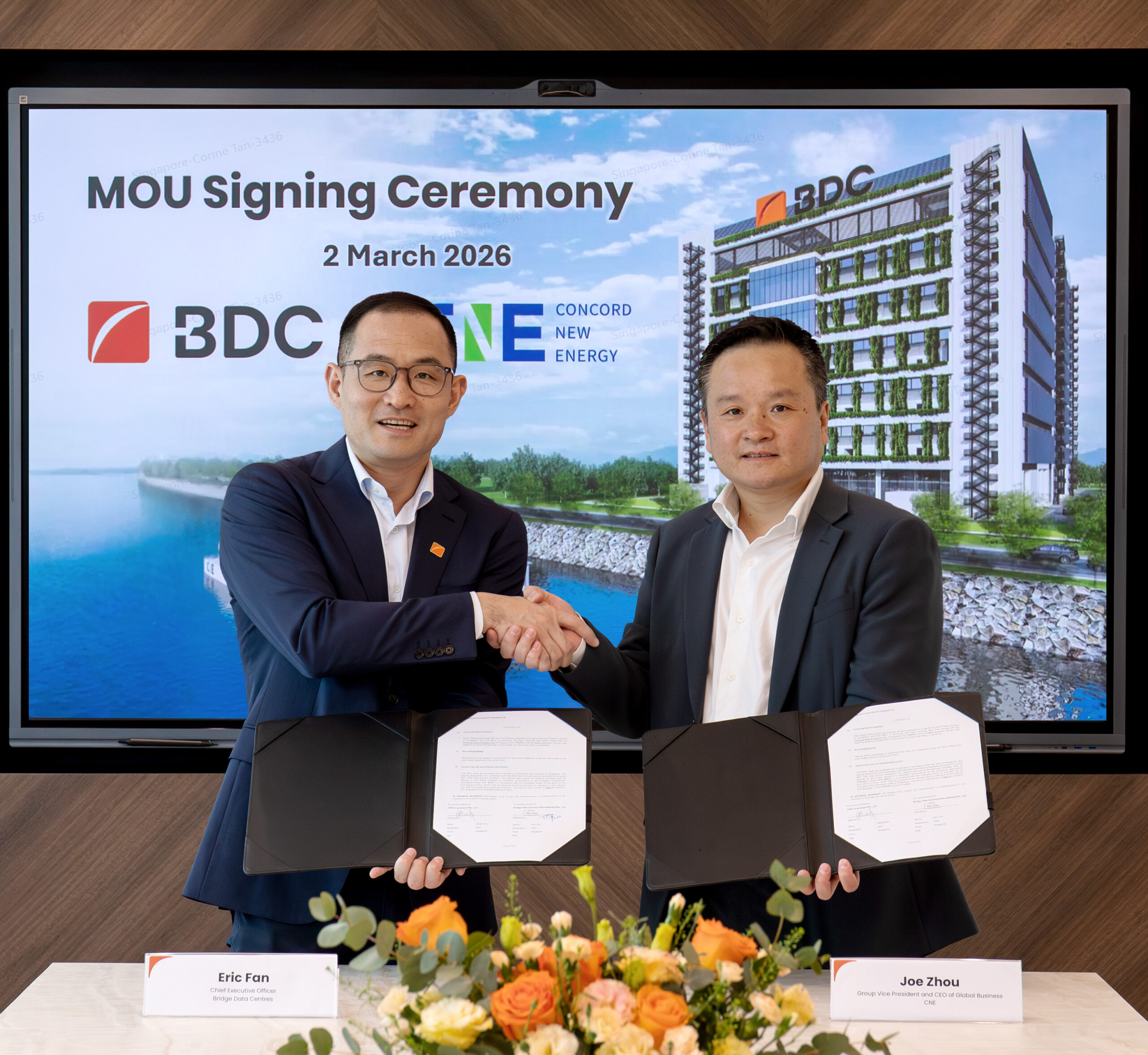
SINGAPORE- Media OutReach Newswire – 2 March 2026 – Bridge Data Centres (BDC) and Concord New Energy (CNE) have signed a Memorandum of Understanding (MOU) to jointly develop Singapore’s first barge-based hydrogen power generation solution tailored for next-generation AI digital infrastructure, marking a significant milestone in advancing low-carbon energy pathways for the data centre sector.
Mr Eric Fan, Chief Executive Officer of Bridge Data Centres (left) and Mr Joe Zhou, Group Vice President and Chief Executive Officer, Global Business of Concord New Energy (right) signed a Memorandum of Understanding to jointly develop Singapore’s first barge-based hydrogen power generation solution tailored for next-generation AI digital infrastructure.
The partnership represents a strategic step in BDC’s long-term roadmap to diversify power sourcing pathways, enhance energy security, and future-proof its Singapore data centre portfolio amid evolving grid constraints and decarbonisation dynamics.
The collaboration brings together BDC’s extensive expertise in developing and operating hyperscale data centres across Asia Pacific and CNE’s technical leadership in renewable and hydrogen energy systems. The parties will also collaborate with Nanyang Technological University (NTU), one of the world’s top universities, to support the development of Singapore’s hydrogen ecosystem Together, the parties will accelerate the research, engineering, and deployment of scalable clean energy solutions across the value chain.
Integrated Renewable and Hydrogen Pathways
Under the MOU, the parties will explore advanced power system architectures and generation configurations designed to enhance the resilience and reliability of AI-ready data centre campuses.
A key focus of the collaboration is the development of Singapore’s first barge-based hydrogen power generation model — an innovative marine-integrated deployment approach designed to deliver flexible and modular clean power capacity.
Compared to conventional land-based generation assets, a barge-based configuration offers structural advantages particularly suited to Singapore’s operating environment, including optimisation of scarce land resources through offshore or nearshore deployment, enhanced safety risk segregation between hydrogen handling infrastructure and core data centre operations, and greater flexibility in hydrogen transport and storage leveraging Singapore’s maritime ecosystem.
In parallel, the parties will develop scalable hydrogen supply chain frameworks covering storage, transport, and system integration to support high-density, AI-driven digital infrastructure. The alliance will also assess customised long-term power procurement structures, including renewable power purchase agreements (PPAs) and integrated energy storage solutions, to enhance operational flexibility and overall energy system resilience.
Mr Eric Fan, Chief Executive Officer of Bridge Data Centres, said, “The accelerating demand for AI-ready data centres requires new energy architectures that are resilient, scalable, and sustainable. This collaboration with Concord New Energy reflects our commitment to diversifying long-term power pathways. By pioneering Singapore’s first barge-based hydrogen generation solution, we are exploring innovative models that integrate clean energy with advanced digital infrastructure.”
Mr Joe Zhou, Group Vice President and Chief Executive Officer, Global Business of Concord New Energy, said, “Singapore’s hydrogen ambitions and its position as a global maritime and energy hub create a strong foundation for piloting advanced hydrogen power solutions. Through this partnership, we aim to contribute engineering expertise and scalable system design to support the decarbonisation of AI-intensive data centre environments.”
Advancing Singapore’s Clean Energy and Digital Infrastructure Ambitions
The collaboration is expected to anchor advanced hydrogen system engineering and barge-based deployment capabilities within Singapore’s energy ecosystem. Through its Concord Clean Energy Research Centre, CNE will expand applied clean energy research and collaborate with local institutions, including NTU and public agencies, to drive the development of scalable clean hydrogen energy solutions in Singapore.
The partnership will facilitate structured knowledge transfer and local talent development in hydrogen systems integration, renewable optimisation, and advanced energy engineering. The initiative is expected to support the creation of high-value jobs and specialised technical competencies in these domains.
In addition, the collaboration is anticipated to catalyse investment in hydrogen-related infrastructure, including storage, transport, generation assets, and associated supply chains, strengthening Singapore’s clean energy transition.
As Singapore scales AI-driven workloads and high-performance computing capacity, energy reliability, flexibility, and sustainability are becoming decisive enablers of digital growth. The collaboration between BDC and CNE reflects BDC’s proactive strategy to future-proof its power architecture, diversify long-term sourcing pathways, and strengthen infrastructure resilience.
By anchoring advanced hydrogen engineering and marine-integrated deployment capabilities in Singapore — a global maritime and energy trading hub — the initiative not only strengthens Singapore’s ability to pilot innovative hydrogen solutions within a land-constrained urban environment, but also establishes a scalable offshore-integrated clean power framework that can be extended to Southeast Asia’s rapidly expanding AI-driven data centre markets. Hashtag: #BridgeDataCentres
The issuer is solely responsible for the content of this announcement.
Bridge Data Centres
Bridge Data Centres (BDC) is a Singapore-headquartered hyperscale data centre provider delivering high-performance, next-ready infrastructure across Asia Pacific. Backed by Bain Capital, BDC operates in Malaysia, Thailand, India, and other high-growth markets, with the capability to deliver up to 3 gigawatts (GW) of capacity globally by 2030 through partnerships with sister platforms in Europe and the United States.
Concord New Energy
Concord New Energy Group Limited (CNE) is a Singapore-headquartered renewable energy company focuses in renewable energy industry nearly two decades, been listed on HKEX mainboard since 2007. CNE is committed always to providing high-quality clean energy and related professional services. Our business has covered development, investment and operation of wind power, photovoltaic (PV) and energy storage assets global wide. Currently, CNE is managing a total equity capacity more than 5GW.
BARCELONA, SPAIN – Media OutReach Newswire – 3 March 2026 – On March 2 local time, the 2026 Mobile World Congress (MWC 2026) opened in Barcelona, Spain. China Telecom President Liu Guiqing attended the Congress and delivered a keynote speech entitled “The Transformation of a Large Telco to a Key Promoter in AI Era.”
Liu Guiqing stated that China Telecom is fully embracing AI and advancing its corporate strategy toward the “Cloudification, Digital Transformation and AI for Good” upgrade, consistently placing technological innovation at the core of its corporate strategy and driving the company’s transformation from a traditional telecommunications operator into a technology-oriented enterprise. China Telecom’s eSurfing Cloud has already become the world’s largest carrier cloud service provider and China’s largest hybrid cloud service provider, and is now stepping into a new phase of intelligent cloud development.
Liu Guiqing noted that, in advancing the commercial deployment of 5G networks, how to achieve industrial coordination and promote green, sustainable development is a question that operators around the world have been continually exploring. China Telecom and China Unicom have jointly explored 5G co-construction and sharing, overcoming a series of world-class technical and engineering challenges to build the world’s first and largest 5G SA co-built and shared network, providing invaluable experience for large-scale 5G deployment globally. The two parties have now shared over 1.54 million 5G base stations and over 2 million 4G base stations, cumulatively saving USD 56.5 billion in investment, reducing annual operating costs by USD 6.5 billion, and cutting carbon emissions by 13 million tonnes per year.
Liu Guiqing introduced that, in the era of AI, China Telecom is fully leveraging the operator’s integrated advantages in “computing power + algorithms + data” to build its core technology “Xirang” and construct a five-in-one intelligent cloud system encompassing “computing power, platform, data, models, and applications.” At the IaaS layer, it has built a computing power layout covering general computing, intelligent computing, supercomputing, and quantum computing, achieving three-dimensional coverage across all-optical networks, computing-power internet, mobile communications networks, and satellite networks. At the PaaS layer, it provides one-stop computing scheduling and AI development services. At the DaaS layer, it builds high-quality datasets and a trusted data circulation toolchain. At the MaaS layer, it independently develops AI large models, establishing leading advantages in the fields of semantics, speech, vision, and multimodal capabilities. At the SaaS layer, it builds standardized AI products and launches industry-specific large models and intelligent agent services. Simultaneously, it is actively building a mutually beneficial and win-win cooperative ecosystem and a security framework spanning models, data, and applications, releasing the “Jianwei” security large model and open-sourcing China’s first foundational security guardrail for large models.
China Telecom is advancing cloud-network integration to provide customers with integrated computing-network services offering ultra-strong computing power, ultra-low latency, and full-domain scheduling. It is continuously upgrading intelligent computing data center construction, with a total data center rack scale exceeding 590,000 racks. It is continuously upgrading fundamental network capabilities, building a millisecond-access computing network, deploying AIDC-centric inter-node networks and lossless intra-node networks, and completing the world’s largest 100G/400G all-optical network, reducing inter-hub node round-trip latency to 12 ms. It is continuously upgrading the integrated computing-network system — the Xirang integrated intelligent computing service platform — with schedulable computing power reaching 87 EFLOPS. The Triless platform architecture has been launched, achieving triple decoupling of resources, frameworks, and tools to provide users with flexible scheduling of cross-domain and heterogeneous computing power. China Telecom is also deepening “computing-power and electricity coordination.” In Shanghai, it has established the world’s first subsea data center, deployed directly on the seabed and powered directly by an offshore wind farm, with a green electricity utilization ratio exceeding 95% and electricity costs reduced by 50%.
China Telecom is working to become a provider of data and foundational large model services. It has built a Data Intelligence Middle Platform that aggregates proprietary, open-source, and third-party data — including 10 trillion tokens of telecommunications-industry data and over 350 TB of industry data spanning 14 sectors — to empower model training and applications, and to provide customers with dataset and annotation services. It independently develops the Xingchen large model system and the intelligent agent service platform, and actively introduces third-party foundational large models and various industry-specific large models to meet the needs of different industries and customers for large model selection and application scenario innovation, accelerating the drive toward more inclusive model services.
Liu Guiqing emphasized that only by continuously expanding the breadth and depth of applications can AI bring about qualitative change. China Telecom integrates AI into the core processes of its own network operations, customer service, and technology R&D, using AI to transform corporate workflows and comprehensively enhance operational efficiency. For example, in network operations, it has built a cohort of digital employees based on network large models to handle repetitive and foundational operational tasks, reducing the average monthly number of on-site repair visits by field technicians by 35%. Leveraging R&D large models, AI-generated code now accounts for 40% of all code produced, improving R&D efficiency by 20%. AI is comprehensively reshaping core services, with the development of a series of intelligent products including eSurf Smart Ring, eSurf IntelliHub, AI Cloud Computer, and AI Phone. For instance, the “eSurf IntelliHub” has reengineered the traditional “FTTR + IPTV” home service model, becoming the unified gateway for home AI and integrating full-scenario services including security and protection and healthcare. It is also driving AI empowerment of enterprise clients’ core processes, providing AI services to customers in industrial manufacturing, education, healthcare, and other sectors, facilitating the digital-intelligent transformation of the economy and society.
Liu Guiqing stated that operators inherently possess the resource endowments of extensive network connectivity and rich data scenarios. How to transform these core advantages into forward-looking core competitiveness in the era of AI is a question requiring in-depth exploration and collaborative resolution. Drawing on China Telecom’s own practice, Liu Guiqing put forward five proposals:
6G standard innovation and network deployment must fully account for the rapid development of AI. Global operators should consolidate industrial efforts to build a globally unified 6G standards framework. 6G standard-setting must proactively adapt to the rapid iteration of AI development, achieving deep integration between network connectivity and the intelligent engine.
Cloud-network integration will play an ever greater role in the AI era. Global operators should fully leverage the core driving force of “cloud-network integration,” actively advancing the upgrade of DCs to AIDCs, providing customers with integrated computing-power interconnection and scheduling services, fulfilling the strategic mission of AI infrastructure providers, and building a solid computing-power foundation for AI.
AI security governance will become a mandatory topic for global operators, and is also a watershed defining the strength of operational and service capabilities in the intelligent era. Security has become a vital cornerstone of AI — “no security, no intelligence.” Global operators must collaborate in governance, actively participating in the improvement of AI security governance frameworks, and steering the healthy and orderly development of AI in a beneficial, safe, and equitable direction.
Computing-power and electricity coordination capability will become the key to the sustainable development of intelligent computing infrastructure. Global operators must jointly address the challenges posed by energy supply, coordinate and schedule computing-power resources, deepen computing-power and electricity coordination — strengthening computing power through electricity — and promote the integrated development of AI and green, low-carbon practices.
The flourishing development of AI applications requires operators to open up and cooperate with greater force. Global operators should deepen communication and collaboration, promoting the open sharing of AI models and the inclusive prosperity of AI applications, so that the fruits of AI innovation benefit global industry partners.
Finally, Liu Guiqing stated that China Telecom is willing to use this Congress as a bond to join hands with GSMA and global industry partners, and together build a bright future for operator development in the era of AI.
Hashtag: #ChinaTelecom #LiuGuiqing #MWC2026
The issuer is solely responsible for the content of this announcement.


 https://www.hkobesity.org/
 https://www.facebook.com/hkobesity/


 https://www.brandhk.gov.hk/
 https://www.linkedin.com/company/brand-hong-kong/
 https://x.com/Brand_HK/
 https://www.facebook.com/brandhk.isd
 https://www.instagram.com/brandhongkong

 https://club666-premium.com
 https://www.instagram.com/666clubsingapore

 https://www.sdawards.org.hk
 https://www.facebook.com/SDG2026/
 https://www.instagram.com/smart.design.global

 https://www.sdawards.org.hk
 https://www.facebook.com/SDG2026/
 https://www.instagram.com/smart.design.global