Wednesday, 5 August 2026 Stay informed. No noise.

Alibaba Cloud unveils AI offerings to advance Malaysia’s AI agenda

Alibaba Cloud, the digital technology and intelligence backbone of Alibaba Group, has unveiled its latest AI models, solutions, upgraded infrastructure offerings, and AI empowerment program at its inaugural AI Tech Day in Malaysia. These advancements aim to empower businesses and developers in Malaysia to build innovative AI applications more cost-effectively and drive a thriving generative AI ecosystem in the region.

The event, officiated by YB Datuk Wilson Ugak Anak Kumbong, Deputy Minister of Digital, also marked Alibaba Cloud’s announcement of key collaborations with leading Malaysian enterprises including YTL Power International Bhd’s artificial intelligence (AI) innovation unit, YTL AI Labs , Malaysia’s leading fund management company, Permodalan Nasional Berhad (PNB), and Malaysia’s digital marketing service provider HiSEVEN reinforcing Alibaba Cloud’s role as a trusted technology partner in the country’s AI ecosystem.

In his address, the Deputy Minister commended the spirit of collaboration, stating “Malaysia is committed to leveraging AI for digital transformation and economic growth. With initiatives like Alibaba Cloud’s AI advancements and industry collaborations, we are strengthening our AI ecosystem and empowering local businesses. Together, we can build a Malaysia that is not just a participant but a leader in the global digital economy—one that is innovative, inclusive, and prosperous.”

“At Alibaba Cloud, we are committed to driving AI innovation in Malaysia by providing cutting-edge models, scalable infrastructure, and dedicated support for customers, partners and developers. Our latest advancements will empower local talents and businesses to enhance efficiency, scale AI applications, and contribute to Malaysia’s digital future powered by AI,” said Kun Huang, General Manager of Malaysia, Alibaba Cloud Intelligence.

Powering AI Innovation with Advanced Offerings

Next-Generation Computing and AI Infrastructure – To support growing AI demands, Alibaba Cloud announced the global rollout of its 9th Generation Enterprise Elastic Compute Service (ECS) instances, set to be available in mid of 2025 in Malaysia. The latest generation of ECS instances has notable performance enhancements compared to its previous iteration, including a 20% increase in computing efficiency. Additionally, by accelerating networks through eRDMA (elastic Remote Direct Memory Access), its performance in supporting high-performance computing, search recommendations, and Redis databases can be further improved by up to 50%.

Cutting-Edge AI Models and Multimodal Capabilities – Alibaba Cloud introduced the Qwen2.5 series, its latest generation of large language models (LLMs), available in parameter sizes ranging from 7 billion to 72 billion. These models are now accessible via API on its generative AI development platform, Model Studio for businesses and developers to build and deploy AI applications efficiently across various industries, from finance and retail to healthcare and education.

Alibaba Cloud has also unveiled its latest visual-language model, Qwen2.5-VL, representing a significant enhancement over its predecessor, Qwen2-VL. This open-source, multimodal model is offered in various sizes, ranging from 3 billion, 7 billion to 72 billion parameters, and includes both base and instruction-tuned versions. The flagship model, Qwen2.5-VL-72B-Instruct, is now accessible through the Qwen Chat platform, while the entire Qwen2.5-VL series is available on Hugging Face and Alibaba’s open-source community Model Scope.

To further support developers, Alibaba Cloud has also unveiled its proprietary AI-powered coding assistant, which will be available for developers in April 2025. The AI Programmer offers features such as code completion and optimisation, debugging assistance, code snippet search and batch unit test generation. It provides developers with an efficient and seamless coding experience, significantly enhancing productivity and creativity.

AI Solutions for Business and Enterprise Applications – Alibaba Cloud’s AI-driven solutions are designed to help businesses improve operational efficiency, improve customer engagement, and drive digital transformation:

  • AI Doc: An intelligent document processing tool designed to help enterprises manage and utilize their knowledge more efficiently, flexibly, and cost-effectively through converting unstructured documents into structured data, streamlining workflows and reducing operational costs. It leverages Large Language Models (LLMs) to provide a range of functionalities, including document parsing, core content extraction, knowledge base Q&A, content comparison, and report generation.
  • Voice Insight: A multilingual voice recognition and analytics tool that enhances quality inspections, customer interactions, and service monitoring with AI-driven audio and video analysis.
  • Smart Studio: A next-generation content creation platform powered by AI, enabling seamless text-to-image and text-to-video applications to enhance marketing and creative outputs.
  • SmartQ: An AI-driven data analysis module of Quick BI, Alibaba Cloud’s Business Intelligence (BI) platform solution. Powered by Alibaba Cloud’s proprietary large language model Qwen, this innovative chat-based BI solution allows even non-technical users to generate insights by asking questions in plain language, greatly simplifying enterprise analytics experience.

In addition, to further accelerate the local AI innovation and talent development in the region, the leading cloud service provider has launched its inaugural Alibaba Cloud Malaysia AI Hackathon 2025 in partnership with Malaysia’s digital solutions specialist Agmo Holdings Berhad during the event, inviting innovators, developers, and tech enthusiasts in the region to collaborate, create, and showcase their AI expertise. The program will be open for local registration from February 27 until April 30, 2025, providing local talent with an opportunity to leverage cutting-edge AI technologies and compete on a global stage.
Crockfords wins Forbes Travel Guide 5 Star Award for the seventh consecutive time

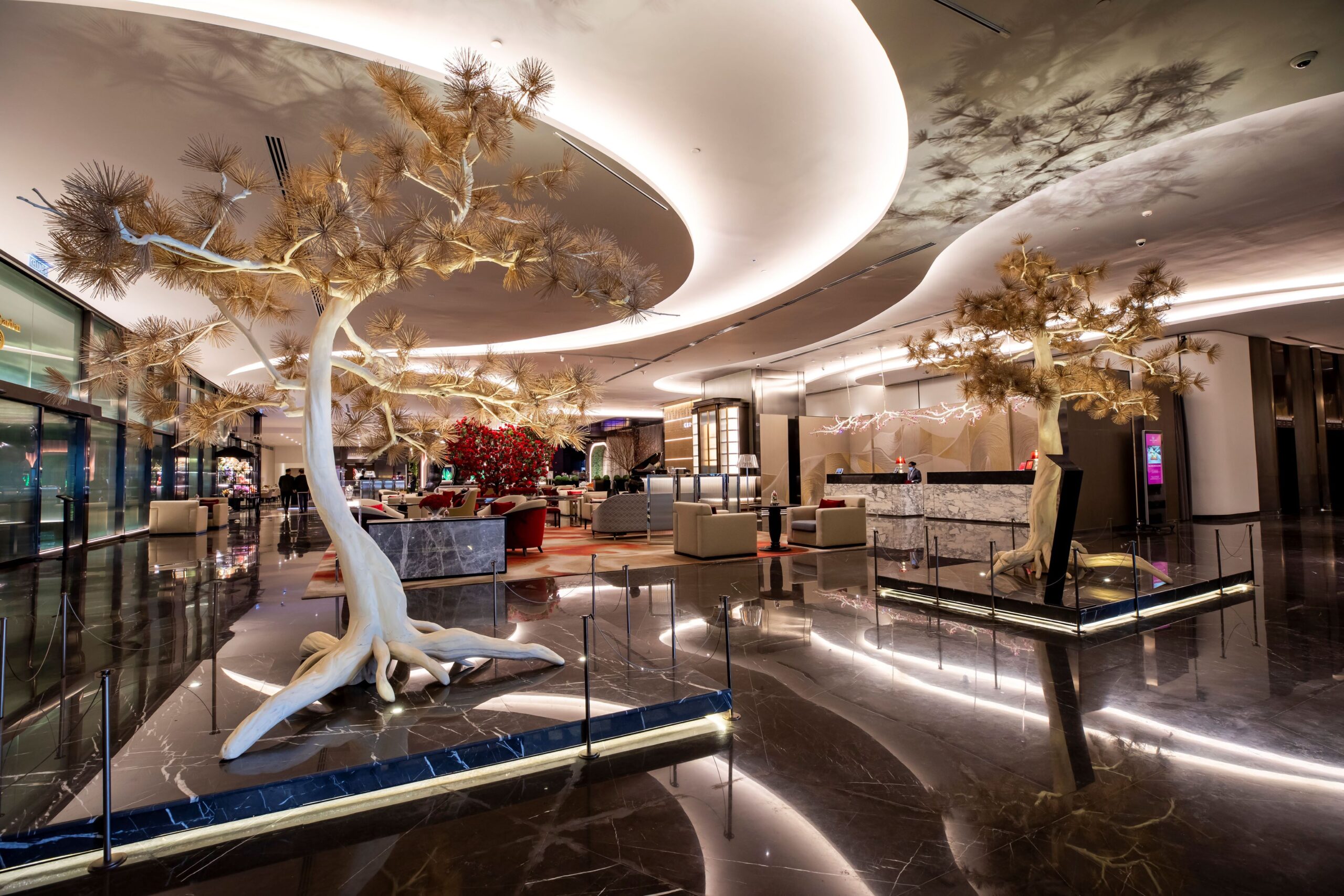
Crockfords at Resorts World Genting (RWG) has once again secured a 5-star rating in the 67th Forbes Travel Guide (FTG), making it an impressive seventh consecutive year for the hotel.

Crockfords stamps its mark as the only hotel in Malaysia to be awarded FTG’s prestigious 5 Star accolade in 2025, being amongst the 539 celebrated luxury properties worldwide to have been accorded this status.

RWG properties, Genting Grand and Highlands Hotel also stood out among the list of other honourees and award recipients, emerging as Forbes 4 Star Property and Forbes Recommended Property, respectively, making it the eighth year these hotels have upheld their respective recognitions.

FTG is globally considered as the foremost benchmark of the world’s finest luxury hotels, restaurants, spas and ocean cruises. Its award ratings serve as an authoritative guidepost for guests seeking exceptional travel experiences. The travel guide utilises a proprietary algorithm to weigh excellence in service and quality of the property. Evaluated anonymously by FTG’s expert inspectors, a hotel must receive a high score of at least 90% in all respects from service to the minutest of details to deserve a 5-Star rating.

“We are honoured to receive a 5-Star rating from the acclaimed Forbes Travel Guide. At Resorts World Genting, we are dedicated to continuously push the envelope for greater gold standard achievements in world class hospitality,” said Spencer Lee, Executive Vice President of Sales, Marketing & Public Relations.

“This latest distinction from Forbes Travel Guide is a validation of our relentless passion for delivering exceptional stays. Crockfords as a Forbes Travel Guide 5-Star property is a destination unto itself. As an iconic symbol of luxury and thoughtful service from the heart, we take pride in ensuring that every visit is extraordinary and memorable,” said David Leung Ming Sum, Vice President of Hotel Operations.

Resorts World Genting was recently the proud recipient of the Best ASEAN New Tourism Attraction award at the 34th ASEANTA Excellence Awards in Johor Bahru. The premier resort above the clouds is poised to play host to and receive visitors from all over ASEAN as Malaysia embraces its role as the Chair of ASEAN in 2025.

OPEN!! OSAKA highlights prefecture’s vision as global business hub

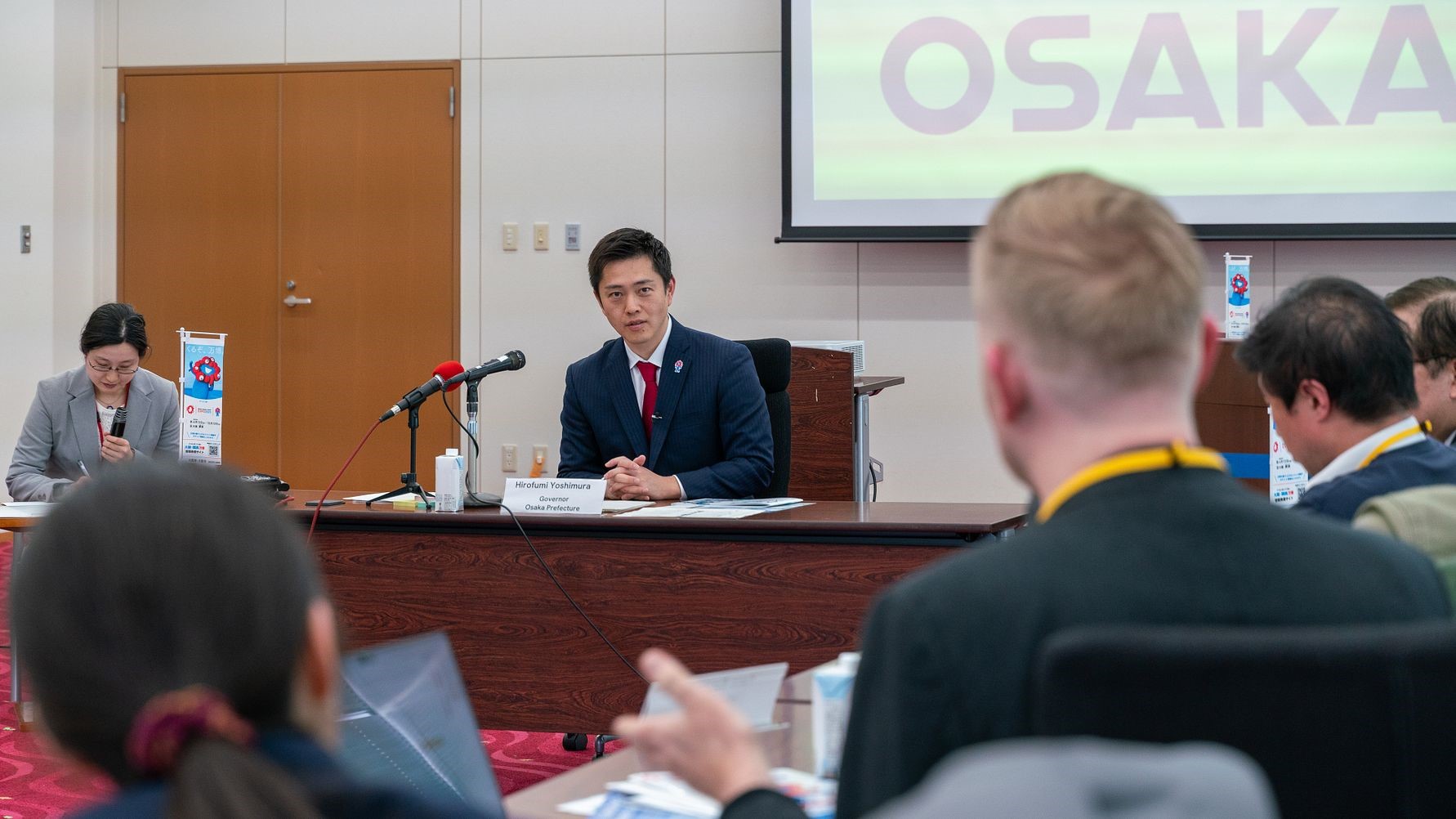
The Osaka Prefectural Government hosted “OPEN!! OSAKA,” a comprehensive press tour showcasing the region’s international business environment and growth strategy. The programme included visits to Kansai International Airport, Osaka Prefecture’s Sakishima office, and Nakanoshima Qross, featuring high-level presentations and an interview session with Governor Yoshimura.

Osaka’s Unique Edge in Global Competition
“We want Osaka to be selected as a unique area, and also we have to create a distinct edge when compared to other major urban areas,” emphasised Governor Hirofumi Yoshimura. The Governor also highlighted how these advantages drive growth across multiple sectors, particularly in life sciences, exemplified by research institutions and medical industry development at Nakanoshima Qross. The region’s strength is further evidenced by robust international tourism, with Kansai Airport handling 18.92 million foreign passengers in 2024.

EXPO 2025: Beyond Economic Impact
While EXPO 2025 is projected to generate a ¥3 trillion economic impact, Governor Yoshimura emphasised its broader purpose, “The Expo in general is not a profit-making project. We are supposed to provide solutions to global challenges and global issues.” The Expo’s wooden ring structure symbolises diversity and unity. “We will have to think about how important human lives are… providing solutions to world issues,” he added.

Manufacturing Powerhouse and Innovation Hub
Osaka’s economic prowess was highlighted by Ms. Mayu Katakabe, Deputy Director General of Commerce, Industry, and Labor. The prefecture boasts 1.5 times more manufacturing establishments than Tokyo and 2.4 times higher shipment values, with particular strength in carbon neutrality and life sciences.

Furthermore, the region leads carbon neutrality initiatives through collaboration among large corporations, SMEs, universities, and research institutes, hosting advanced technology development in hydrogen and storage batteries, including R&D centers for next-generation solid-state batteries. “We aim to achieve carbon neutrality by 2050 through cutting-edge technologies and collaboration with private companies,” Katakabe explained.

Building on its heritage as a “town of medicine” and home to major pharmaceutical companies like Takeda and Shionogi, Osaka’s life sciences sector thrives through three major innovation hubs: Saito, Kento, and Nakanoshima Qross. The latter, opened in June 2024, creates a unique ecosystem where medical institutions, research institutes, companies, startups, academia, and the PMDA collaborate under one roof.

Osaka is designated as a global startup hub city, alongside Kyoto and Kobe, and has fostered 128 university-originated startups in Osaka Prefecture. “By promoting cooperation with universities like Kyoto University and Osaka University, we are aiming to produce many active world-class startups from Osaka and Kansai,” Katakabe noted.

Building Global Financial City Osaka
Mr. Tetsuya Sakamoto, Senior Executive Director of Global Financial City Osaka, traced the region’s rich financial heritage: “About 400 years ago, the Nakanoshima area was Japan’s Wall Street, where rice markets, gold exchanges, and financial institutions were concentrated.” This history includes establishing the world’s first futures exchange in 1730.

Governor Yoshimura’s Global Financial City initiative, launched in 2020, aims to develop Osaka as both a global city through finance and a frontrunner in financial innovation. The prefecture offers significant incentives, including zero corporate inhabitant and enterprise taxes for up to 10 years for foreign financial companies.

“By attracting human resources, companies, and funds from home and abroad, we aim to foster next-generation industries through new technologies and innovations,” Sakamoto explained.

Already, 22 financial companies, including BainCapital and Morgan Stanley MUFG, have established operations in Osaka. The prefecture’s designation as a special zone for finance and asset management businesses in June 2024 further reduces entry barriers through regulatory reforms aligned with global standards.

Advanced Medical Innovation at Nakanoshima Qross
Nakanoshima Qross was showcased as the centerpiece of Osaka’s medical innovation during the tour. This groundbreaking hub unites medical institutions, companies, startups, and support organisations under the Future Medicine Promotion Organization’s operation. The facility comprises three integrated centers – the Future Medicine MED Center, Future Medicine R&D Center, and Nakanoshima International Forum – designed to “practice,” “create,” and “share” future medicine.

Dr. Masakazu Yagi and Dr. Kouichi Hasegawa demonstrated cutting-edge healthcare innovations, including an iPS cell-derived cardiomyocyte technology featuring a beating heart tissue patch. The CiRA Foundation’s presentation of automated iPS cell production technology showcased advances that have significantly reduced production costs and time, positioning Osaka at the forefront of regenerative medicine and genomic medicine.

Gateway to International Visitors
Kansai International Airport’s Terminal 1 Innovation Project, presented by Co-CEO Benoit Rulleau, will expand international passenger capacity from 12 million to 30 million annually. The upgrade includes Japan’s first walkthrough duty-free area and enhanced security systems processing 500 passengers per hour per lane. “We are getting ready for the Expo, not only for the traffic that we’ll have at that time, but also to welcome foreign dignitaries,” Rulleau noted, anticipating visits from prime ministers, government heads, and corporate CEOs.

Osaka’s Vision for Global Leadership
As Japan’s historically open commercial center, Osaka continues its tradition of international engagement while positioning itself as a premier global hub. The prefecture’s comprehensive development approach combines manufacturing prowess, technological innovation, financial services, and infrastructure development into a cohesive ecosystem for global business and innovation.

Why OSAKA? Governor Yoshimura Explains the Five Strategic Advantages
Governor Yoshimura’s presentation detailed Osaka’s five strategic advantages, captured in the acronym “OSAKA”

  • OPENNESS: A rich history of international commerce and collaboration
  • SMART INVESTMENT: Cost-effective business environment offering affordable office space and high-quality talent compared to other Asian cities
  • ACCESSIBILITY: Strategic gateway connecting 76 cities worldwide through a 24/7 international airport
  • KEY TO JAPAN: Future growth engine hosting EXPO 2025
  • ASSISTANCE: Comprehensive support through the Osaka Business and Investment Center (O-BIC) and one-stop consultation services

De Beers Group confirms diamond partnership for the next generation

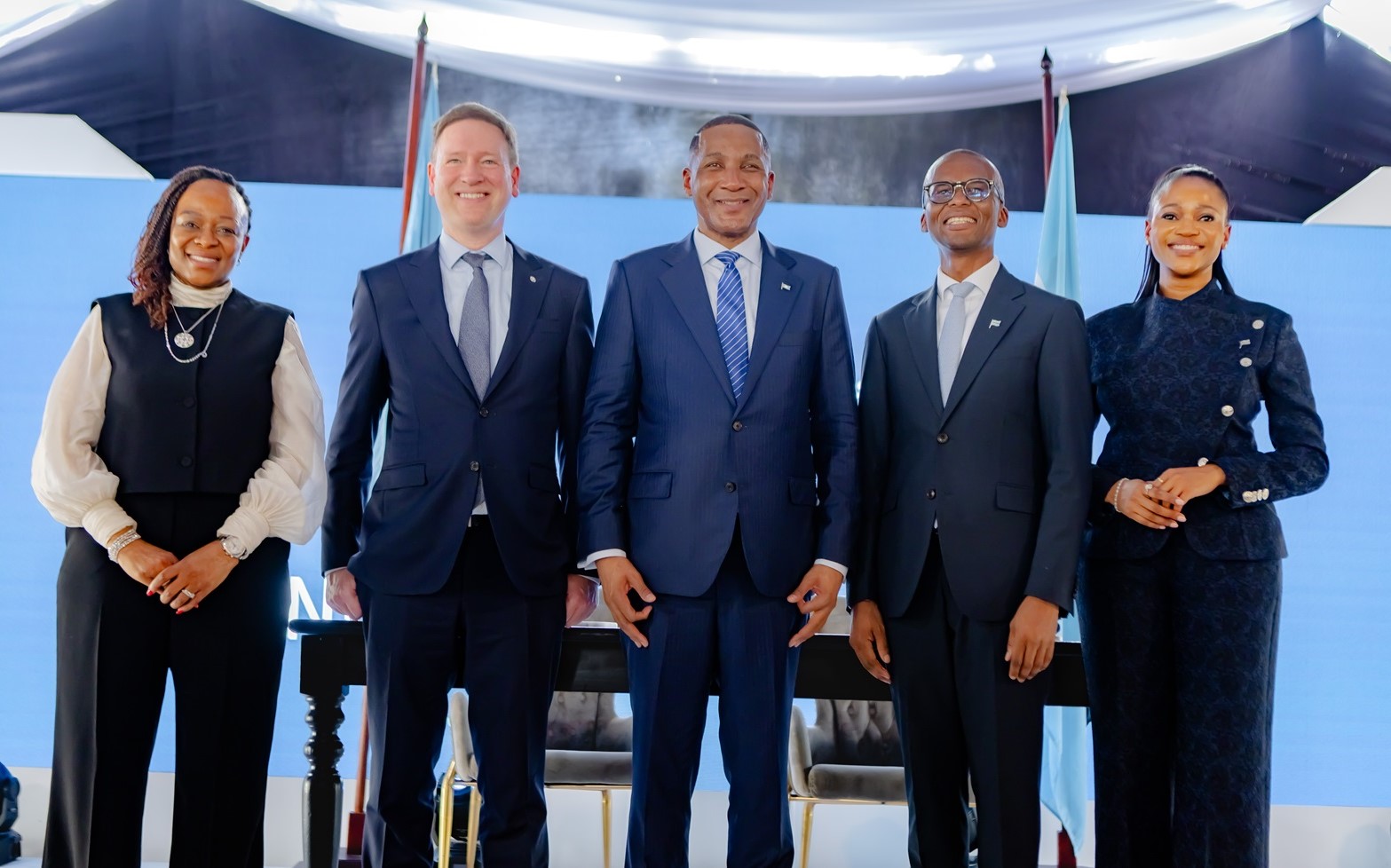
The Government of the Republic of Botswana (the “Government of Botswana”) and De Beers Group (“De Beers”) announce new agreements for a 10-year Sales Agreement (further extendable by five years) and a 25-year extension of the Mining Licences (from 2029 through to 2054) for the 50:50 Debswana mining joint venture.

Honourable Bogolo Joy Kenewendo, Minister of Minerals and Energy for Botswana, said, “We are proud to announce the signing of this landmark new agreement, which will underpin the success of our diamond industry as we enter an exciting new phase of Botswana’s sustainable economic development. We hope that these agreements will bring some level of stability and rebuild market confidence in the diamond industry. We are looking forward to our renewed partnership with De Beers; together we will drive development through diamonds and build a brighter future for Batswana.”

Al Cook, Chief Executive Officer of De Beers Group, said: “These are groundbreaking agreements. The half-century partnership between the Government of Botswana and De Beers is considered the greatest public-private partnership in the world. Now we are both extending and improving it. For De Beers, it is a privilege to secure our ongoing participation in the world’s greatest diamond resources for decades to come. I am also extremely proud that through the Diamonds for Development Fund, we can further transform opportunities for the people of the world’s leading diamond country.”

In summary, the formal agreements represent:

  • A 25-year extension of the Debswana mining licences from August 2029 to July 2054. This will enable the Debswana joint venture to deliver long-term value from its existing mining assets and mine life extension projects beyond the current mining licence period. Mine life extension projects include Jwaneng Cut-9, Jwaneng Underground and Orapa Cut-3.
  • A renewed 10-year Sales Agreement for Debswana’s rough diamond production, with a further five-year extension period where certain criteria are met. Under the renewed Sales Agreement, the Government of Botswana’s rough diamond sales company, Okavango Diamond Company (“ODC”), will sell 30% and De Beers will sell 70% of Debswana’s production for the first five years; for the subsequent five years ODC will sell 40% and De Beers will sell 60% of Debswana’s production; and both parties will sell a 50% share for the five-year extension period. As part of this arrangement, De Beers and ODC have also both committed to supply diamonds for beneficiation in Botswana in line with their share of Debswana supply.

In addition, a transformational package of commitments focused on supporting Botswana’s economic development objectives and advancement of the diamond industry has been agreed, including:

  • The creation of the Diamonds for Development Fund to support economic growth, diversification and jobs in Botswana in line with Botswana’s Vision 2036 and National Development Plan. De Beers has committed to an upfront investment of BWP 1 billion (c. $75 million) and further annual contributions from its dividends from Debswana, based on Debswana’s performance.
  • A package of initiatives to be undertaken by De Beers designed to enhance local beneficiation of diamonds and increase participation of the people of Botswana in the diamond industry. These include investment in a diamond jewellery manufacturing facility, establishment of a De Beers Institute of Diamonds grading laboratory and starting up a diamond vocational training institute in collaboration with industry partners.
  • Co-investment by the Government of Botswana and De Beers in marketing initiatives to boost diamond demand. The marketing investments will be for category and other marketing programmes, agreed annually, aimed at stimulating rough diamond sales, protecting the ethical integrity of diamonds, and to maintain and build consumer confidence in the product. De Beers and the Government of Botswana have committed to co-invest over the life of the Sales Agreement and in proportion to their relative shares of Debswana supply.

Kenanga Group posts all-time-high RM1 Billion revenue and RM155.5 million operating profit in FY2024

Kenanga Investment Bank Berhad (“Kenanga Group” or “The Group”) delivers one of its strongest financial results to date for the financial year ended 31 December 2024 (“FY2024”). The Group posted an all-time-high revenue of RM1.0 billion, up 22.3% year-on-year, while operating profit surged 88.7% to RM155.5 million, also its highest yet. PBT rose 33.1% to RM117.2 million, while net profit climbed 31.6% to RM95.8 million.

Kenanga Group’s strong results were driven by a significant revaluation gain on strategic investments through its Private Equity arm, alongside higher trading and investment income, net brokerage income, and management and performance fees. Increased contributions from associates further bolstered its bottom line, partially offset by credit loss expenses.

Reflecting this performance, the Board of Directors has declared an interim single-tier dividend of 8.00 sen per ordinary share for FY2024.

“2024 was another landmark year for Kenanga Group, delivering one of our strongest financial performances to date, despite market headwinds. This milestone underscores the resilience of our diversified business model and our disciplined approach in capitalising on growth opportunities across all our key business segments,” said Datuk Chay Wai Leong, Group Managing Director, Kenanga Investment Bank Berhad.

Kenanga Group’s Stockbroking division recorded RM363.6 million in revenue, a 17.9% increase from the previous year. PBT eased to RM15.4 million from RM16.1 million in FY2023, reflecting the impact of credit loss expense incurred during the year as opposed to a writeback in the previous year. Amid heightened market volatility and an evolving competitive landscape, the division successfully maintained its retail market share of 25.3%. The structured warrants business remained a key contributor, reinforcing the Group’s position as Malaysia’s leading issuer, with the highest market share in warrants trading volume.
Its Asset and Wealth Management division posted revenue of RM303.9 million, an increase of 14.9% year-on-year. The revenue was primarily driven from its institutional and retail segments. Despite higher overhead cost, which led to a PBT of RM47.0 million relative to RM58.7 million in 2023, the division’s AUA saw strong growth, closing at RM23.5 billion, an increase of RM1.8 billion year-on-year.

The Group’s Investment Banking division registered a jump in both revenue and PBT for FY2024, with a 10.0% increase in revenue to RM246.4 million, and an 8.4% increase in PBT to RM6.2 million. This was driven by higher investment income from treasury and fee income, buoyed by a vibrant bond market and capital market.

Kenanga Group’s Listed Derivatives business continued its growth streak, delivering yet another year of record performance. Revenue climbed 15.3% to RM27.6 million, while PBT surged 24.1% to RM7.8 million, its highest in over a decade. This sustained upward trajectory was fueled by higher trading commissions and interest income, supported by a surge in trading activity across the listed derivatives market.

“As we enter 2025, our focus remains on growing our core businesses while accelerating digital transformation. By strengthening recurring income streams, optimising cost efficiencies, and expanding product offerings, we are positioning Kenanga Group for sustainable, long-term growth,” added Datuk Chay.

“With a legacy that spans over five decades, we continue to leverage our vast experience from navigating market cycles, and create synergies across our ecosystem to drive innovation, expand market reach, and create greater value for our stakeholders,” concluded Datuk Chay.

Beyond financial performance, Kenanga Group remains committed to responsible and sustainable growth. In 2024, this commitment was reaffirmed with the Group’s continued inclusion on the FTSE4Good Bursa Malaysia Index, ranking among the Top 8% of Malaysian public-listed companies.


ASEAN Foundation and Google.org drive AI literacy forward

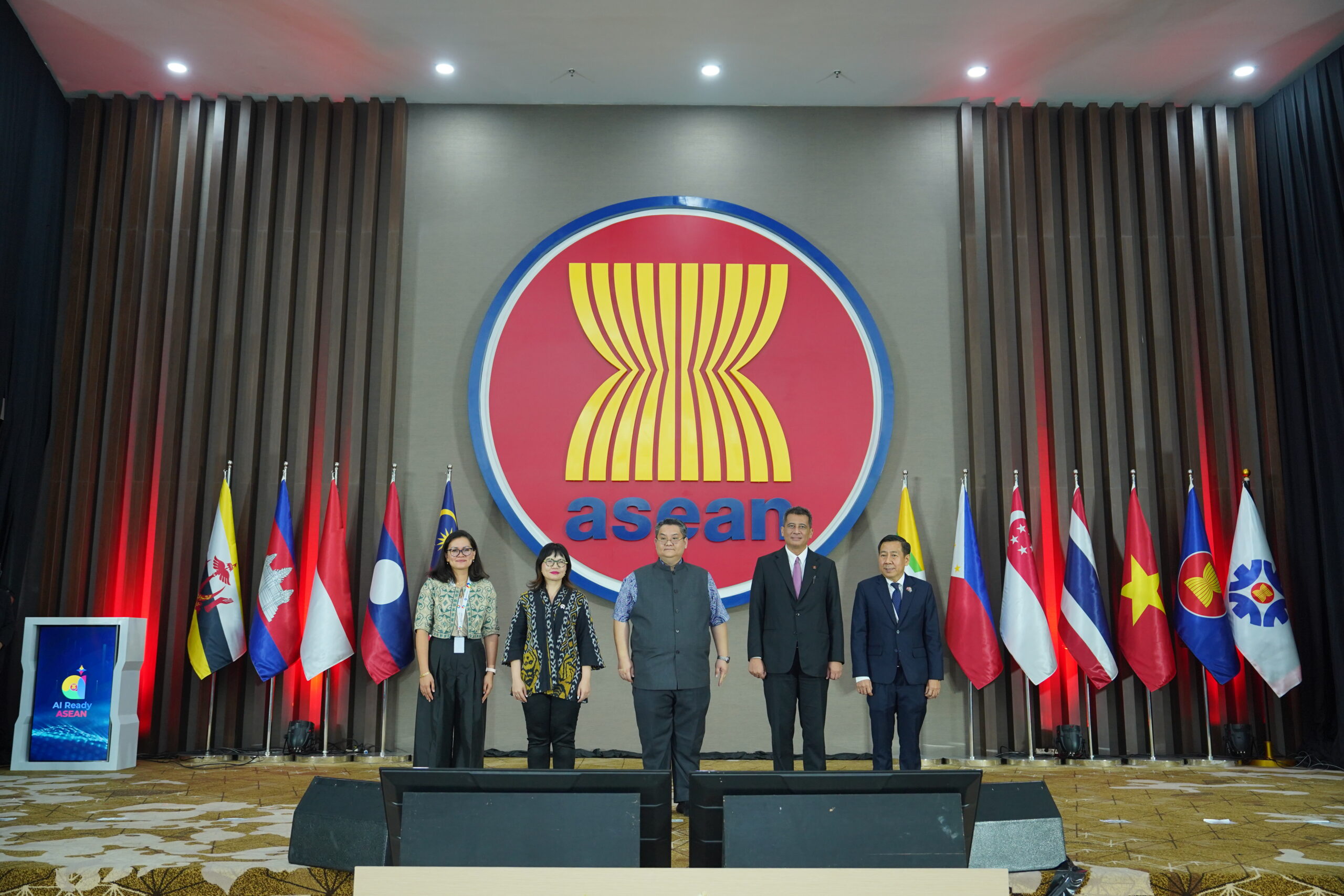
The ASEAN Foundation, supported by Google.org, successfully hosted the 1st Regional Policy Convening of AI Ready ASEAN at ASEAN Headquarters/ASEAN Secretariat, Jakarta, Indonesia, on 12 February 2025. This event marked a significant milestone in the implementation of the AI Ready ASEAN initiative, a programme that aligns with Malaysia’s ongoing efforts to enhance artificial intelligence (AI) literacy and innovation.

At the convention, policymakers, AI practitioners, and local implementing partners (LIPs) from across ASEAN explored collaborative approaches to developing regulatory frameworks and policy initiatives aimed at accelerating responsible AI adoption, bridging AI literacy gaps, and unlocking opportunities in Southeast Asia, which align with Malaysia’s National AI Roadmap.

The LIPs from Malaysia are Universiti Teknologi Petronas’ ASEAN Student Association and Kolej Tingkatan Enam Tun Fatimah. Through AI Awareness Campaigns, Training Sessions, Workshops, and Policy Discussions, they aim to empower students, educators, and professionals with the necessary skills to thrive in an AI-driven future. In response to what they hope to achieve through their involvement in the programme, the LIPs shared that they also seek to advocate for AI-friendly policies that align with Malaysia’s national digital transformation goals and ASEAN’s broader AI development framework.

Ultimately, their goal is to establish Malaysia as a regional leader in AI innovation, ensuring that AI is leveraged for economic growth, social impact, and sustainable development. Wong Soon Ping, a representative from Universiti Teknologi Petronas’ ASEAN Student Association said: “Through initiatives like the AI Ready ASEAN programme, young people, particularly from underserved communities, gain exposure to AI concepts, coding, and hands-on learning, which opens up new career pathways in fast-growing tech industries such as robotics, data science, and automation. For educators, AI training not only enhances their teaching methods but also allows them to incorporate innovative technology into their classrooms, making lessons more engaging and relevant to the digital age. A key focus is ensuring that underserved communities, including rural populations, indigenous groups, and women, have equitable access to AI education, fostering a more inclusive and diverse AI ecosystem.”

The event featured panel discussions that explored ASEAN’s AI landscape, the importance of ethical frameworks, and strategies to deliver AI programmes in local communities. In Malaysia, AI literacy is expanding through government initiatives and private sector collaborations. The AI untuk Rakyat (AI for the People) programme, a free online course to increase AI literacy, and the Cikgu Juara Digital programme, which empowers teachers with the skills to teach AI and coding, are central to Malaysia’s commitment to bridging the digital divide and driving inclusive AI adoption nationwide. The Ministry of Education also promotes Hour of Code, a worldwide programme introducing students to basic coding and AI concepts, encouraging computational thinking and problem-solving skills among young learners.

The convention proved timely, as the growth of AI and the adoption of digital technologies will triple ASEAN’s digital economy, growing from approximately USD 300 billion to almost USD 1 trillion by 2030. Policies in the Digital Economy Framework Agreement (DEFA) are expected to double the projection, boosting the economy to USD 2 trillion.

Despite the momentum, AI’s maturity in the region remains polarised. In Malaysia, AI literacy is unevenly distributed across different demographics, with many underserved communities, including rural students, indigenous groups, and lower-income populations, still facing limited access to AI training. The digital divide poses challenges such as poor internet connection and lack of digital literacy programs, slowing down the region’s ambitions to become a premier AI hub. This manifests in the region’s varying levels of AI readiness among member states. Singapore leads the ASEAN region and ranks second globally in the Government AI Readiness 2024 Index. Malaysia follows closely, ranking second in ASEAN and 24th globally, a notable improvement from its 29th spot in 2022. In contrast, Lao PDR, Cambodia, and Myanmar remain in the early stages of AI adoption, ranking at 136th, 145th, and 149th, respectively.
The Regional Policy Convention on AI Readiness marks a pivotal step toward democratising AI across ASEAN. By fostering collaboration, knowledge-sharing, and the development of essential policies, the initiative aims to bridge the AI divide and pave the way for a more inclusive and innovative future.
This convention marked the official commencement of the AI Ready ASEAN initiative, launched in October 2024, which aims to enhance AI literacy in ASEAN member states. With a USD 5 million grant funded by Google.org, the 2.5-year programme aims to equip 5.5 million individuals with essential AI skills, with Malaysia being a key player in this transformative initiative.

Over the two-day convention, the LIPs participated in a hands-on masterclass led by Code.org, which explored foundational AI concepts and practical strategies to overcome challenges in AI education. The experience was further enriched by a visit to Google Indonesia’s office, where participants witnessed real-world AI applications, gaining valuable insights and deepening their technical understanding of machine learning.

Key stakeholders include H.E. Prof. Stella Christie, the Vice Minister of Higher Education, Science and Technology of Indonesia, H.E. Nararya S. Soeprapto, Deputy Secretary-General of ASEAN for Community and Corporate Affairs, H.E. Ambassador Bovonethat Douangchak, Chair of the Board of Trustees of the ASEAN Foundation and Permanent Representative of Lao PDR to ASEAN, Dr. Piti Srisangnam, Executive Director of the ASEAN Foundation, and Putri Alam, Director of Government Affairs and Public Policy at Google Indonesia.

Chin Hin Group Property introduces Avalton By The Water

Chin Hin Group Property (CHGP) unveils Avalton By The Water during a special preview event at its new sales gallery, located in Jalan Bandar Hilir, Melaka. This marks CHGP’s first development preview of the year.

Avalton By The Water is a resort-themed, luxurious development spanning 6.619 acres of leasehold land, facing Malacca Island. The project features 539 units across seven residential blocks—six low-rise and one mid-rise—and offers two layout types, each with three-bedroom options. Unit sizes range from 760 to 850 sq ft, with prices starting at RM508,000.

With its contemporary design, Avalton By The Water offers an urban sanctuary surrounded by Melaka’s rich historical sites and coastal heritage. The development draws inspiration from the elegance and strength of flowing water, reflecting the beauty and energy of its waterfront setting.

Ideally located at Jalan Melaka Raya 35, the development provides convenient access to major roads and is just 4 kilometres from Melaka Sentral Bus Terminal and 6.3 kilometres from Malacca International Airport. The North-South Highway is approximately 16 kilometres away, making Avalton By The Water a prime choice for future commutes. Popular tourist attractions, such as A Famosa, Jonker Street, Melaka River Cruise, and Little India, are also within close proximity.

Avalton By The Water ensures exceptional convenience with easy access to healthcare facilities, educational institutions, and leisure spots. It is located near Mahkota Medical Centre, Melaka Hospital, and top schools such as JT International School, SMK Tinggi Melaka, and MMU University Malaysia. For shopping and entertainment, Aeon Mall Bandaraya Melaka, Mahkota Parade, Plaza Hang Tuah, and The Shore Shopping Gallery are all within arm’s length.

4 biggest mistakes drivers make after an accident and how to avoid them

Road accidents continue to be a major concern in Malaysia. Between January and October 2024 alone, Malaysia recorded over 530,000 road accidents, resulting in 5,364 fatalities. If this trend continues, the total number of accidents could surpass the 598,635 accidents reported in 2023.

Given these alarming statistics, knowing what to do after an accident can make a significant difference. Being prepared helps prevent unnecessary stress, ensures a smoother claims process, and protects your rights.

On that note, Liberty General Insurance would like to share the four biggest mistakes drivers make after an accident.

Mistake 1: Failing to Contact Their Insurer First
Delayed notification makes it difficult to verify accident details and increases the risk of penalties for late reporting to authorities.

Mistake 2: Engaging Accident Touts / Towing Syndicates / Unscrupulous Middlemen
Falling for persuasive talk and authorising unethical operators to handle their vehicle which leads to complicated procedures, inflated costs, and substandard repairs.

Mistake 3: Forgetting to Collect Key Evidence
Photos of the scene, third-party information, witness details, and vehicle damage are essential but often overlooked in chaos following an accident.

Mistake 4: Providing Conflicting Statements and Admitting Fault Too Quickly
In the aftermath of an accident, confusion can lead to inconsistent accounts given to the insurer, police, or medical professionals. These inconsistencies can contribute to guilt or nervousness and often lead drivers to admit faults prematurely.

The mistakes above can negatively impact your claim, reducing your compensation or even voiding your coverage.

So, what to do after an accident?

  1. Don’t Panic: Stay calm and contact your insurer immediately for hassle-free roadside assistance services.
  2. Beware of Unauthorised Tow Trucks & Middlemen: Only engage approved towing services to avoid unnecessary complications.
  3. Gather Evidence: Take photos, note details, and collect witness statements.
  4. Opt for Insurer-Approved Repairs: This ensures guaranteed workmanship and warranty for your vehicle.
  5. File a Police Report Promptly: Reporting the accident within 24 hours helps ensure a smooth claims process and prevents potential disputes.

Managing the Aftermath with Confidence

Navigating an accident can be overwhelming, but with Liberty General Insurance’s Vehicle Accident Management (VAM), the process becomes much simpler. As part of Liberty’s Motor Claims Service, VAM ensures fast, efficient claims handling—from damage assessment to resolution—so you experience less stress and fewer delays.

Here’s how Liberty’s claim centre can help simplify the claims process:

  1. Authorised Towing Services: Safe, reliable, and insurer-approved towing to the assessment centre or preferred repairers.
  2. On-the-Spot Damage Assessments for Third-Party Property Damage (TPPD) Claims: Third-party claimants can now bring their vehicles to Liberty’s Vehicle Assessment Center for immediate assessment of damages.
  3. Fast-Tracked Third-Party Claims: Liberty’s experienced loss adjusters will assess damages on-site and determine repair costs without delays. It also reduces waiting time where third-party claims can be attended to immediately.
  4. Instant Windscreen Repairs & Replacements: On-site specialists provide same-day repairs or replacements, as well as quick inspection, documentation, and processing to minimise disruptions.
  5. Expert Repairs: Repairs at insurer-approved workshops with guaranteed workmanship and warranty.
  6. Faster Approvals & Transparent Claims Process: Advanced claim assessment tools help expedite approvals for various motor claims, including Own Damage, Express Claims, Third-Party Property Damage (TPPD), and Windscreen Claims. There will also be expert guidance to prevent unnecessary admissions or complications during the claims process.

Being prepared and taking the right steps after an accident can make a huge difference in ensuring a smooth resolution. Staying calm, gathering evidence, and working with trusted service providers can help protect your interests and speed up the recovery process.

Meta Bright drives Malaysia’s energy transition with BESS, EV charging and EE solutions

Meta Bright Group Berhad (“Meta Bright” or “the Group”) is expanding its presence in the renewable energy sector through a strategic joint venture to provide Total Energy Solutions.

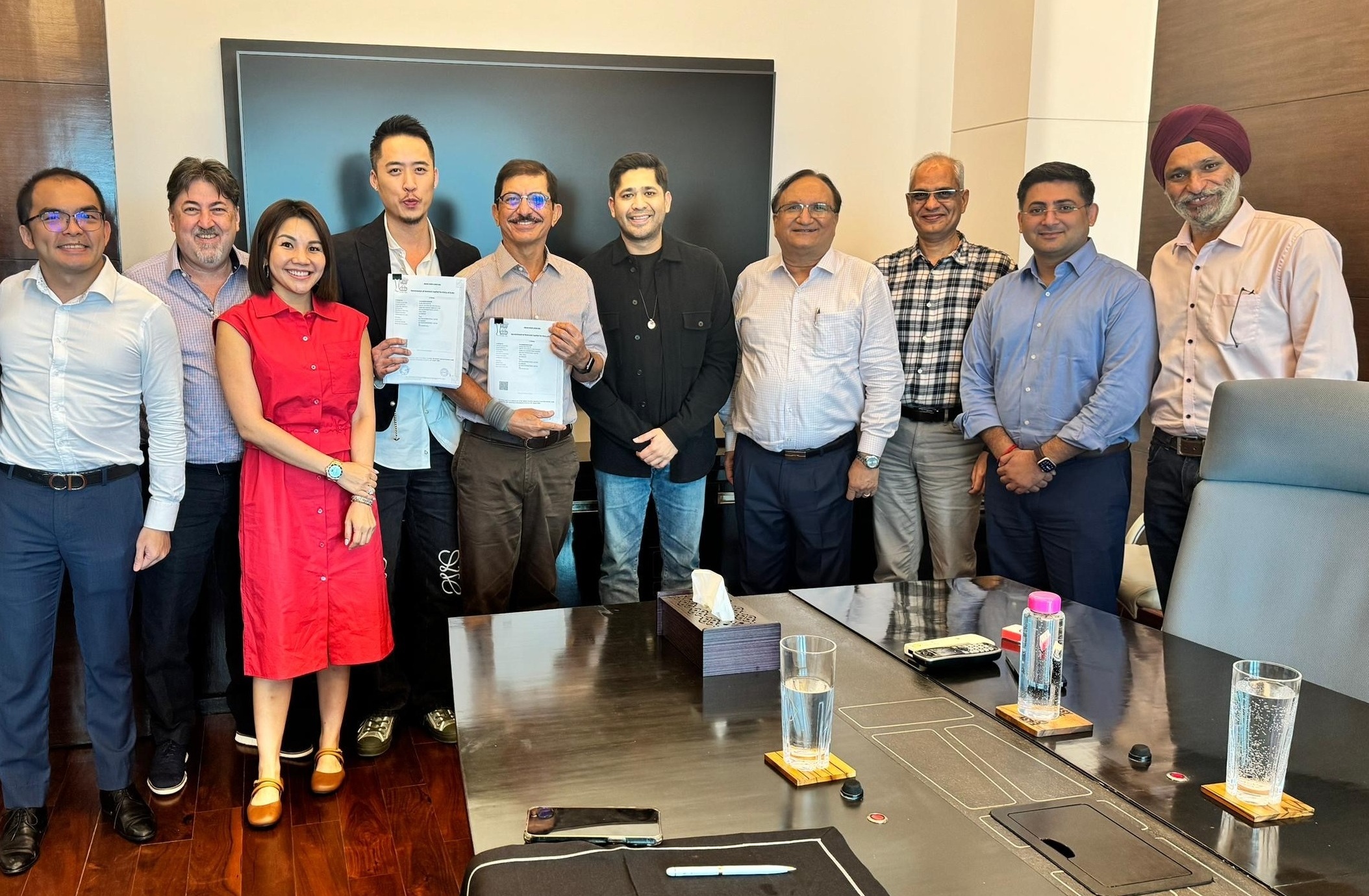
In conjunction with the said expansion, the Group has partnered with United Success Holding Pte. Ltd. and Yang Lei to establish Meta Bright Solutions Sdn. Bhd. (“JVC”) to develop and operate battery energy storage systems (BESS), EV charging infrastructure and energy efficiency solutions (EE) in Malaysia and potentially across Southeast Asia.

Meta Bright Energy Sdn. Bhd. (“MB Energy”), a wholly-owned subsidiary of Meta Bright Group Berhad will hold a 55% controlling stake in JVC, with United Success and Yang Lei owning 10% and 35%, respectively.
This initiative aligns with Malaysia’s National Energy Transition Roadmap (NETR), which seeks to increase renewable energy’s GDP contribution to RM220 billion by 2050 while reducing carbon emissions in the energy sector by 32%. With the government’s RM300 million allocations under Budget 2025 for renewable energy, Malaysia is accelerating grid modernisation, energy efficiency initiatives, and renewable energy adoption— Meta Bright is well-positioned to capitalise on the growing demand for BESS EV charging infrastructure and EE solutions.

To strengthen its technological capabilities, JVC has signed an exclusive technical support agreement with YTKJ. YTKJ is backed by Ningbo Urban Construction Investment Holding Co. Ltd., one of China’s state-backed urban infrastructure developers, reinforcing the JV’s strong technological and financial foundation. YTKJ collaborated with Ningbo Joyson Electronic Co. Ltd. (“Joyson Electronic”) to produce and manufacture Battery Energy Storage Systems (“BESS”).

Joyson Electronic is a publicly listed company on the Shanghai Stock Exchange (SHA: 600699) and is a global leader in automotive electronics, safety systems, and smart mobility solutions, with a strong presence in new energy applications. In addition to BESS, Joyson Electronic also produces Electric Vehicle (EV) charging products, further strengthening its role in the sustainable energy ecosystem.

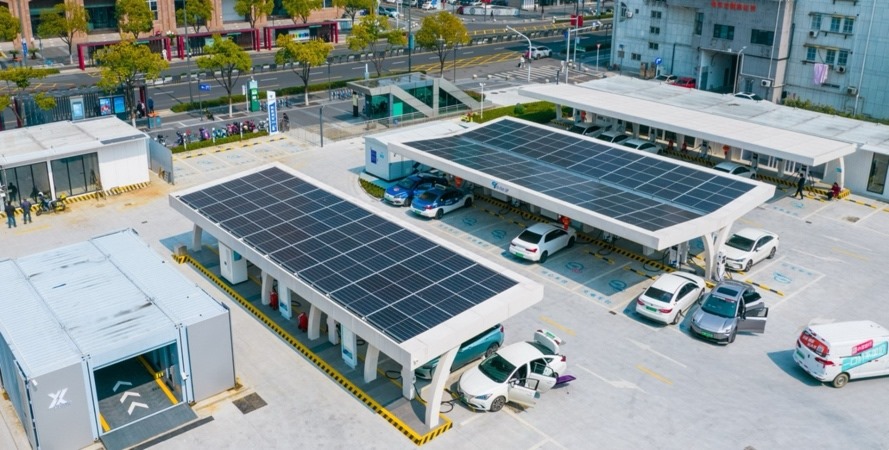
JVC will actively contribute to the expansion of Malaysia’s EV charging infrastructure, supporting the increasing adoption of electric vehicles nationwide. The company will develop and supply high-speed, smart charging station equipment, ensuring a seamless and energy-efficient charging network. The integration of BESS with charging stations will further optimise energy storage and promote a more sustainable energy ecosystem.

Derek Phang Kiew Lim, Executive Director of Corporate and Strategic Planning of Meta Bright Group Berhad said, “This joint venture is expected to help contribute the development for Malaysia’s energy landscape. “We are not just building BESS and EV charging infrastructure; we are building a more sustainable and resilient energy future for the nation.”

“With the rising demand for energy storage and EV charging infrastructure, we see BESS as a crucial enabler of a more stable and efficient energy ecosystem. We aim to develop scalable, high-performance BESS solutions integrated with advanced EV charging stations, positioning Meta Bright at the forefront of Malaysia’s clean energy transition,” Derek added.

Tealive partners with Devyani International Limited

Loob Holding Sdn Bhd has signed a master franchise deal with leading Indian Quick Service Restaurant (QSR) operator Devyani International Limited (DIL) to introduce Tealive into India.

The top regional lifestyle tea brand is now entering one of the world’s largest consumer markets, following its successful penetration of the United Arab Emirates (UAE) in October last year. DIL is India’s largest franchisee for Yum! Brands, operating KFC and Pizza Hut outlets, and the exclusive franchisee for Costa Coffee cafes in the country. In addition, DIL has its own home grown brands, including Vaango, a popular South Indian vegetarian food destination, and The Food Street, a food court concept featuring multiple cuisines under one roof. DIL operates more than 2,000 stores across brands in India, Thailand, Nigeria and Nepal.

Loob Holding founder and CEO Bryan Loo expressed confidence that DIL’s expansive network and F&B expertise would provide a solid foundation for Tealive to grow in India.

“Together with our partner, Tealive will bring our innovative lifestyle tea culture to the land of chai. Our partner knows the local market well and we’re planning significant presence in India, beginning with outlets in the major cities this year,” he said.

India presents a huge market potential for lifestyle tea amongst the young population. This gives Tealive a strategic advantage with its strong branding and Southeast Asian appeal. While India’s tea scene is populated by local brands and individual stores, Tealive’s diverse menu and innovative offerings will cater to evolving consumer preferences.

Mr. Ravi Jaipuria, Non-Executive Chairman, Devyani International Limited, said: “We are delighted to introduce Tealive, a strong Asian brand, into India, known to have a rich tradition of chai culture. Tealive’s diverse lifestyle tea offerings perfectly align with India’s young and evolving consumer, who are increasingly drawn towards newer categories. Together, we are set to redefine and transform tea experience in the vibrant Indian market.”

Loo emphasised that Tealive would continue its current regional strategy of starting small and scaling up fast with the right market conditions. “With our partners’ local knowledge, industry experience, and extensive reach, we are well-positioned to rapidly expand and promote our unique lifestyle tea culture across India,” he said.