Wednesday, 5 August 2026 Stay informed. No noise.

NineSmart Smart Property Makes Appearance at HKBN Enterprise Solutions Event

Driving Intelligent Transformation of Property Management with AIoT

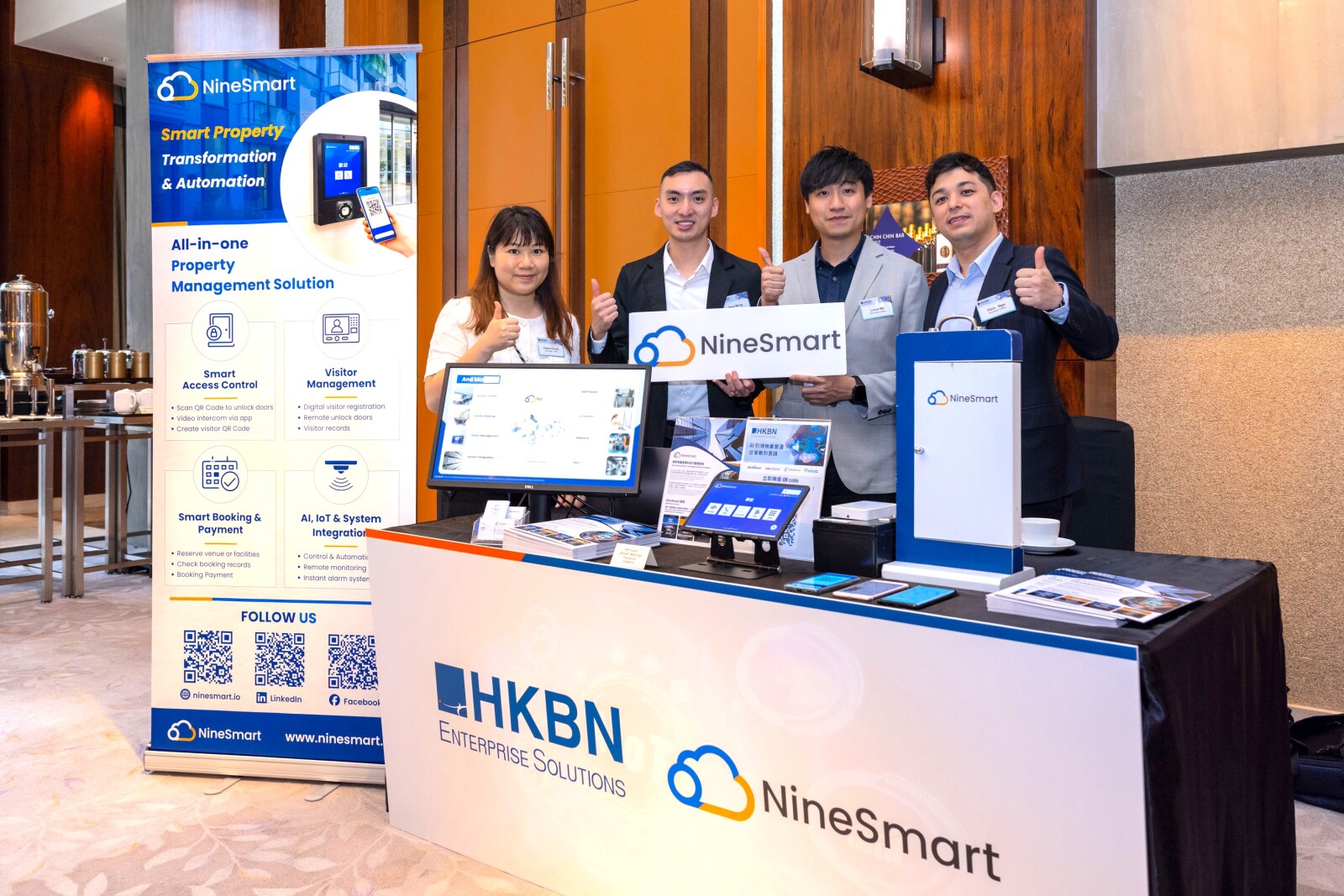
HONG KONG SAR – Media OutReach Newswire – 23 April 2026 – NineSmart attended the “AI-Powered Property Operations: From Strategy to Execution” conference hosted by HKBN Enterprise Solutions on 17 April, where it exchanged insights with industry peers from property management and technology sectors on how AI and IoT can help transform property operations from traditional models into a truly intelligent one. The event focused on smart property management, security operations, tenant experience and system integration, and featured keynote sharing and live demonstrations showcasing how AIoT is driving property management from “passive monitoring” to “active detection” and “predictive management.”

(Middle Left) Sing Wong, Business Director and (Middle Right) Lucas Mo, Co-founder of NineSmart at the HKBN Enterprise Solutions Event

Presentation: A People-Centred Approach to Intelligent Transformation

During the session, Sing Wong, Director of Business Development at NineSmart, noted that true intelligence should go beyond device automation and address the practical needs of residents, frontline property staff, and management or owners alike. In traditional property management, access control, lifts, sensors and clubhouse facilities are often managed separately. Even with automation systems in place, these systems may still fail to connect with one another, resulting in more back-end systems for frontline teams to monitor.

Wong said, “The real shift in intelligent management lies in data flow and system connectivity. When data from different devices is brought into a single platform, management teams can better anticipate and address potential issues early, freeing frontline staff from repetitive tasks so they can focus on higher-value service work.”

Showcase: Smart Property Management Solution

In addition to the presentation, NineSmart also showcased its Smart Property solution and one of its functional modules, Smart Access, demonstrating how a unified platform can connect different devices to help the industry improve operational efficiency and service experience. Through an integrated IoT platform, access control is no longer just a standalone function, but one that can be connected with other operational workflows, notification mechanisms and data analytics, enhancing overall efficiency and security.

Driving Smart Transformation and Automation Toward Unmanned Operations

As AIoT technology continues to mature, property operations are moving away from manual patrols and reactive follow-up to predictive and automated management. More repetitive tasks will be handled automatically by systems, allowing frontline teams to focus on higher-value work and helping property operations move toward a sustainable unmanned operating model.

Lucas Mo, Co-founder of NineSmart, said, “The future of property management is not just automation, but a true intelligent transformation driven by data and AIoT, enabling residents, frontline teams and management to collaborate efficiently on one platform. This allows property teams to better understand usage patterns and service needs, make more forward-looking decisions, and enhance both operational efficiency and long-term asset value.”

Positive Feedback from Attendees and Industry Representatives

Visitors and industry representatives said NineSmart’s showcase clearly demonstrated the practical implementation of smart property management, particularly in access control, system integration and operational automation, with clear use cases and tangible value. Some attendees also noted that the showcase successfully combined the ideas of “automation” and “people-centric design,” advancing smart transformation from a simple hardware upgrade to a shift in operational thinking. This closely aligned with the event theme of moving from strategy to execution, helping to advance property operations toward a higher level of intelligent transformation.

Hashtag: #HKBNEnterpriseSolutions #NineSmart #SmartProperty #IoT #SmartAccess


The issuer is solely responsible for the content of this announcement.

About NineSmart

NineSmart is a leader in property technology, specialising in IoT and AI-driven solutions that transform property management. We are dedicated to developing and deploying innovative solutions for smart building automation and digital transformation to comprehensively optimize management efficiency. As a Cyberport incubatee, NineSmart is dedicated to creating innovative, sustainable, and user-centric smart living experiences. Visit to learn more.

28857

PETRONAS Lubricants International Launches Flagship PETRONAS Pro Series to Elevate Global Industrial Performance

New streamlined flagship range simplifies product selection for businesses without altering trusted, high-performance formulas

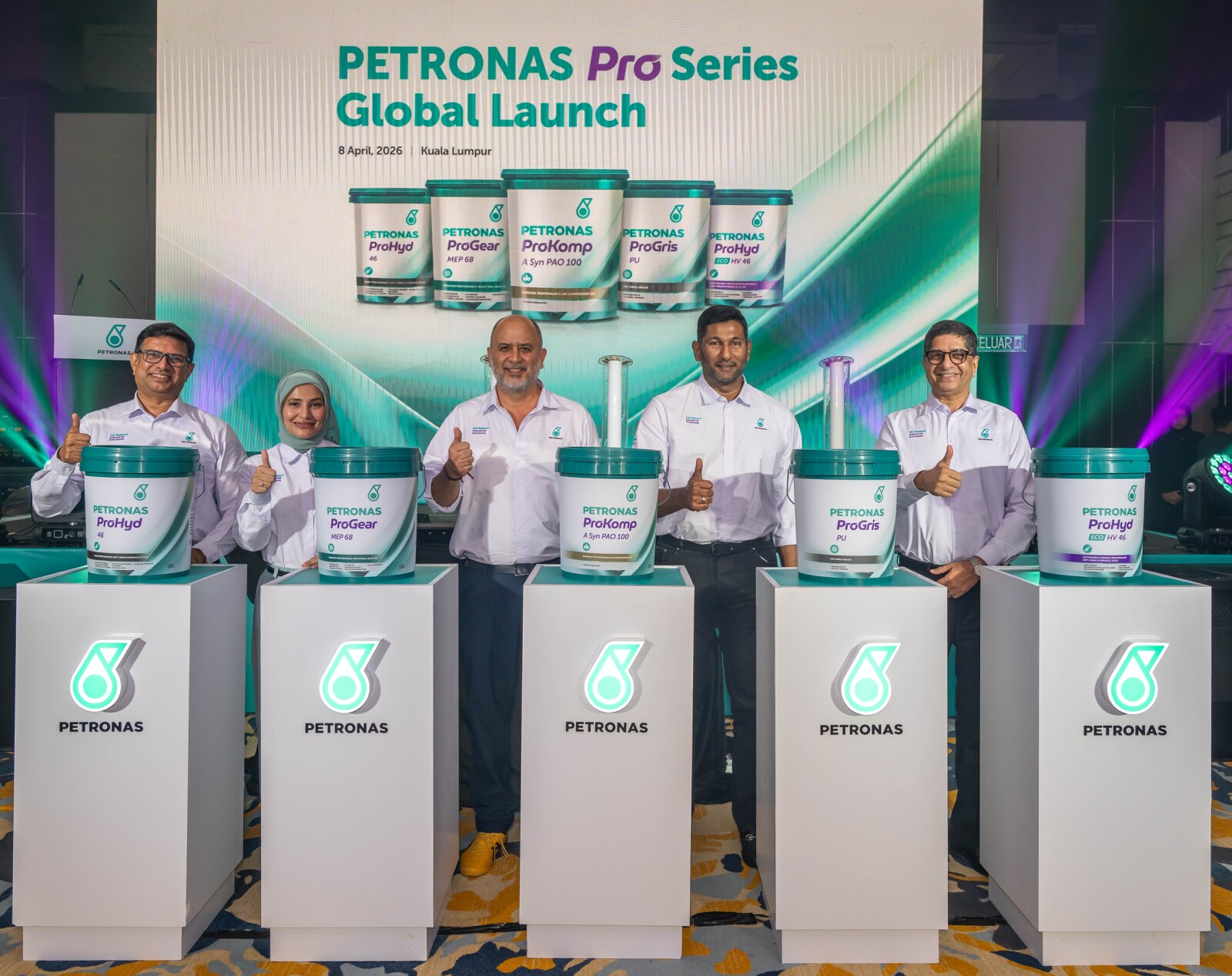
KUALA LUMPUR, MALAYSIA – Media OutReach Newswire – 23 April 2026 – PETRONAS Lubricants International (PLI) announced the launch of the PETRONAS Pro Series, its new flagship range of industrial lubricants, during a trade engagement session in Kuala Lumpur. The launch marks a significant milestone in the company’s commitment to advancing industrial efficiency and supporting the professionals who keep the world’s essential industries moving.

From L-R: Ravi Tallamraju, Group Chief Technology Officer, PETRONAS Lubricants International (PLI); Noorhana Habib, Regional Managing Director (Asia), PLI; Khalil Muri, Managing Director & Group CEO, PLI; Mohd Zameer Zahur Hussain, Chief Executive Officer, PETRONAS Lubricant Marketing (Malaysia); Udaya Kumar, Group Industrial Managing Director, PLI

The new PETRONAS Pro Series now offers a comprehensive set of application-based solutions organised into application categories, with the first four unveiled as part of this initial launch. The PETRONAS Pro Series is designed to empower customers to select the right fluid with total confidence, ensuring maximum uptime and equipment longevity through the following products:

  • PETRONAS ProKomp (Compressors): High-stability oils engineered to maintain peak performance and thermal resistance in industrial air compressors
  • PETRONAS ProGris (Greases): Heavy-duty greases designed to withstand extreme pressures and temperatures in the most demanding environments
  • PETRONAS ProGear (Transmission Lubricants): Advanced lubricants providing superior protection and smooth power transfer for industrial gearboxes
  • PETRONAS ProHyd (Hydraulic Fluids): Premium fluids optimised for high-pressure hydraulic systems to reduce wear and maintain precision

“With the PETRONAS Pro Series, we reaffirm our commitment to the professionals who power industries, and to an industrial future that is more efficient, more reliable, and more sustainable,” said Udaya Kumar, Group Industrial Managing Director of PETRONAS Lubricants International, at the launch. He added, “By streamlining our offerings, we are making it easier for our partners to access the world-class technology they trust, allowing them to focus on driving their operations forward.”

The PETRONAS Pro Series strengthens PLI’s broader lubricants portfolio, which serves mobility, industry, and future energy systems through its core brands: PETRONAS Syntium, PETRONAS Sprinta, PETRONAS Urania, PETRONAS Iona, PETRONAS Arbor, PETRONAS Tutela, and now PETRONAS Pro.

Every product within the range is powered by PETRONAS Fluid Technology Solutions™, a proprietary technology platform developed through decades of global R&D and motorsports expertise. This ensures that the same innovation driving performance on the world’s toughest racetracks is adapted to meet the rigorous demands of real-world industrial applications.

As part of its phased global rollout, the PETRONAS Pro Series is now available in India and Brazil, enabling business partners to begin introducing the enhanced range to their customers.
Hashtag: #PETRONASLubricantsInternational #PLI #PETRONASPro #industrial #lubricants #technology

The issuer is solely responsible for the content of this announcement.

PETRONAS Lubricants International

PETRONAS Lubricants International (PLI) is the global lubricants manufacturing and marketing arm of PETRONAS, Malaysia’s dynamic global energy group. Established in 2008, PLI manufactures and markets a full range of high-quality automotive and industrial lubricant products in over 100 markets internationally. Headquartered in Kuala Lumpur, PLI also has offices around the world including Turin, Belo Horizonte, Beijing, and Chicago. PLI is the technical resource behind PETRONAS’ partnership with the Mercedes-AMG PETRONAS Formula One Team, responsible for the design, development and delivery of the Fluid Technology Solutions™, which includes customised lubricants, fuels and transmission fluids to power the Silver Arrows.

We are a progressive energy and solutions partner, enriching lives for a sustainable future. Our commitment remains to conduct and grow our business in ways that contribute positively to society and the environment.

PLI is driving an aggressive business growth agenda as one of the leading global lubricants companies at the forefront of the industry, providing custom-made solutions for every need. For more information, please visit.

28857

Vaseline sets a new standard for creator collaboration

Building on the Cannes Lions Titanium-winning Vaseline Verified, Vaseline and Ogilvy Singapore launch Vaseline Originals — a first-of-its-kind product line that transforms community hacks into products, putting content creators at the centre of innovation.

SINGAPORE – Media OutReach Newswire – 23 April 2026 – In a world where beauty trends are increasingly shaped by everyday creators, Vaseline is redefining its role from product maker to platform for its community. Rather than simply validating trends, the brand is now taking the next step by turning ideas from the community into real products and recognising the original voices who brought them to life.

tmp_c22c8909-cab9-40f2-9320-8233214c79b9.png

Introducing Vaseline Originals (OGs), a first-of-its-kind product line inspired by verified viral hacks and the voices behind them. Developed by Ogilvy Singapore for Unilever’s Vaseline, the campaign flips the script on how beauty products are made, turning real community ideas into actual products.

“For years, creators have been reimagining what Vaseline jelly can do, often without recognition. This campaign is about giving credit where it’s due: acknowledging, celebrating and rewarding the people behind those ideas. More than a campaign, it signals how we want to build going forward with our community, not just for them,” said Nathalia Amadeu, Global Brand Director, Vaseline at Unilever.

tmp_9503acec-7018-4f57-b029-db32f42d8f1d.jpeg


From Hack to Shelf: Meet the Vaseline OGs

At the heart of the campaign are two content creators who were among the early voices sharing hacks that helped shape the brand’s newest innovations.

In 2008, beauty creator Jen Chae (@frmheadtotoe) shared a simple Vaseline brow tamer hack on her blog. Lauren Luke (@laurenluke_panacea81), one of YouTube’s earliest beauty creators, introduced her Vaseline primer hack, making beauty techniques more accessible to everyday users.

Today, almost two decades later, their ideas have inspired actual Vaseline products. These include the Vaseline Brow Tamer, inspired by Jen Chae, and Vaseline All-In-One Primer & Highlighter Jelly, inspired by Lauren Luke. Beyond product innovation, the campaign recognises these content creators as Vaseline OGs and acknowledges their role in shaping ideas that have since become part of global beauty culture.

Both products sold out within minutes during their TikTok Live debut on 30 March 2026, featuring both content creators.

From Vaseline Verified to Vaseline Originals

What began as individual beauty hacks has grown into a global movement, with more 3.5 million Vaseline hack-related posts shared online. This is a testament to the brand’s enduring role in everyday routines and conversations across generations.

The campaign builds on Vaseline Verified, the brand’s award-winning effort that validated hacks shared by thousands and earned multiple Grand Prix awards, including the coveted Titanium Lion at Cannes Lions. Where Vaseline Verified proved what works, Vaseline Originals shines a spotlight on the people behind some of the most popular hacks.

And this is just the beginning. The search for content creators behind other viral Vaseline hacks is ongoing. More individuals are set to be recognised and certified as Vaseline OGs, bringing more of the community into the brand’s future.

Nicolas Courant, Chief Creative Officer at Ogilvy Singapore, said, “We started with a simple creative provocation: what if the best ideas were never in the boardroom, but already in people’s bedrooms and everyday routines? We traced how Vaseline was being used in culture back to its origins and found the OG creators who had been shaping these hacks long before they became mainstream. Vaseline Originals is a move from ownership to stewardship, honouring our OG content creators by sharing our success with them.”

Aanchal Sethi, Asia Managing Director Unilever, Ogilvy Singapore said “Vaseline Originals represents a deliberate strategic shift in how we build this brand, moving from validating what the community creates to actively shaping and developing ideas inspired by them. The commercial signals have been unambiguous: products selling out in minutes, demand scaling with every drop. But what this campaign confirms goes beyond a single launch. It shows that community-led innovation isn’t just culturally resonant. It’s a growth engine. This is how Vaseline stays relevant for the next generation, and how we intend to keep building.”

Link to campaign assets here.

Campaign Credits
Agencies: Ogilvy Singapore (Creative & PR), Edelman UK (PR), RADA (PR & Influencer), Acommerce (PR), PinPung (Influencer), Catch+Release (Research)
Production Houses: Double Y (Film), Chameleon (Post-Production), Pop & Strange (Post-Production), Neon Sound (Music)
Client: Unilever / Vaseline

– Leandro Barreto, Chief Marketing Officer

– Fernando Kahane, Global Brand Vice President, Vaseline

– Nathalia Amadeu, Global Brand Director, Vaseline

– Stella Megalou, Global Project Lead, Vaseline

– Rebecca Thomas, Global Senior Manager Brand Public Relations

– Shazan Zahir, Head of Beauty and Wellbeing Unilever International

– Xingyun Tan, Assistant Brand Manager, Unilever International

– Sarah Guia, Regional eCommerce Manager, Unilever International

– Manali Deshmukh, Global R&D Lead, Vaseline, Unilever International

– Manan Goel, Packaging Lead, Unilever International

– Sabhya Gupta, SEA R&D Lead

Agency: Ogilvy Singapore
– Liz Taylor, Global Chief Creative Officer, Ogilvy

– Reed Collins, Chief Creative Officer, Asia, Ogilvy

– Nicolas Courant, Chief Creative Officer, Ogilvy Singapore

– Marco Versolato, Chief Creative Officer, WPP@Unilever

– Maggie Michella, Associate Creative Director, Art, Ogilvy Singapore

– Elder Caldeira, Associate Creative Director, Art, Ogilvy Singapore

– Nusrah Nizam, Junior Art Director, Creative, Ogilvy Singapore

– Sneha Sanil, Junior Copywriter, Ogilvy Singapore

– David Dahan, Global Client Lead, Unilever

– Aanchal Sethi, Managing Director, Unilever

– Nayna Kotian, Group Account Director, Ogilvy Singapore

– Aurea Nonis, Account Manager, Ogilvy Singapore

– Bok Jo-Ann, Project Manager, Ogilvy Singapore

– Sumegha Rao, Chief Strategy Officer, WPP@Unilever

– Shivendra Dikshit, Senior Strategy Director, Ogilvy Singapore

– Mellita Angga, Senior Strategist, Ogilvy Singapore

– James Baldwin, Head of Influencer, Asia – PR & Influence, Social, Ogilvy Singapore

– Jesslyn Laiyenes, Manager, Influence, Ogilvy Singapore

– Gerri Hamill, Head of Production

– Carolyn Ong, Senior Integrated Producer

– Siti Saleh, Project Manager

Campaign Assets
Links to original hacks:
Jen Chae’s blog post: Clean & Natural Eyebrows Tutorial
Lauren Luke’s YouTube video: Vaseline Primer Hack
Follow the conversation: #VaselineOriginals #VaselineVerified

Hashtag: #Ogilvy #Vaseline

The issuer is solely responsible for the content of this announcement.

28857

RCEP 엑스포 개막, 린이시를 글로벌 시장과 잇는 가교

린이, 중국 – Media OutReach Newswire – 2026년 4월 23일 – 중국 ‘물류 수도’이자 최대 상품 유통 허브로 알려진 중국 동부 산둥성 린이시는 디지털화와 글로벌화를 빠르게 추진하고 있다.

현재 린이시는 ‘일대일로(Belt and Road Initiative, BRI)’ 프로젝트의 중심지로 부상하며 글로벌 무대에서 핵심적 역할을 수행하고 있다.

2025년 린이시는 총 267회의 해외 전시회를 주관하며 2,500여 현지 기업의 해외 진출을 지원했다. 이러한 적극적 행보로 4만 9,000명의 해외 바이어를 유치했고, 대외무역액은 1,700억 위안(249억 2,000만 달러)을 넘어섰다.

이 가운데 역내포괄적경제동반자협정(RCEP) 회원국과의 무역 비중은 42.5%를 차지했으며, 일대일로(BRI) 참여 국가로의 수출은 10.3% 증가했다.

2026년 4월 20일, ‘제5회 RCEP(산둥) 수입박람회’가 린이시에서 개막해 글로벌 바이어를 위한 대규모 무역의 장을 펼쳤다. ‘RCEP 및 일대일로(BRI) 협력 참여, 글로벌 산업망과의 연계(Engaging in RCEP and BRI Cooperation, Aligning with Global Industrial Chains)’를 주제로 열린 이번 박람회는 린이시의 개방성을 보여주는 동시에 협력을 위한 고급 플랫폼을 제공했다.

전시 면적 총 3만 5,000㎡ 규모에 1,200개의 글로벌 표준 부스를 갖춘 올해 ‘RCEP 엑스포’는 역대 최대 규모로, 400개 이상의 글로벌 공급업체와 5,300개 이상의 중국 국내외 전시업체가 참여했다. 또한 5개의 자매도시 전시관과 18개 국가관으로 구성된 국가 전용 구역이 마련됐으며, 린이시의 주요 무역 파트너이자 이번 행사 주빈국인 한국관도 포함됐다.

린이시와 한국 간 경제 협력은 여전히 중요한 전략적 축으로 자리하고 있다. 2025년 양국 간 무역 규모는 252억 6,000만 위안으로, 린이시 전체 무역액의 14.2%를 차지했다. 방직 제품, 정밀 완구, 친환경 가전제품 등 고부가가치 수출 품목의 비중이 증가했으며, 첨단기술 제품 수출은 27.1% 증가하고 전자부품 수입은 62.9% 급증했다.

박람회 기간 동안 린이시는 한국-산둥성 경제무역 협력 행사, 해외 바이어 매칭 상담, 전자상거래 라이브커머스 상품 선정 행사 등 다양한 주요 프로그램을 개최할 예정이다. 또한 전통 미식과 체험형 문화관광을 결합한 4대 소비 시나리오를 선보이며, 수입상품 쇼핑 페스티벌과 다양한 문화관광 행사도 함께 진행된다.

이번 박람회에서는 ‘대외무역 우수상품 중국 투어(Foreign Trade Premium Products China Tour)’와 2026년 ‘해외 화교의 기업 및 제품 글로벌 진출 지원(Overseas Chinese Assisting Thousands of Enterprises and Products to Go Global)’ 매칭 미팅 등 2개의 국가급 행사도 함께 열린다.

Hashtag: #Linyi

The issuer is solely responsible for the content of this announcement.

28857

SoftwareOne named a Customers’ Choice in Gartner® Peer Insights™ Voice of the Customer for Software Asset Management Managed Services

Customers highlight SoftwareOne’s expertise and service quality in independent Gartner survey

Zurich, Switzerland – EQS Newswire – 23 April 2026 – SoftwareOne, a leading software and cloud solutions provider, announced today that it has been recognized as a Customers’ Choice in the Gartner® Peer Insights Voice of the Customer for Software Asset Management Managed Services, published March 31, 2026. This distinction is based on feedback from customers who have used SoftwareOne’s services.

“We are proud to see both SoftwareOne and Anglepoint1 recognized by our customers in Gartner Peer Insights,” said Raphael Erb, CO-CEO, SoftwareOne. “We feel this feedback underscores our commitment to delivering value and expertise across the full spectrum of software asset management services.”

According to the report, SoftwareOne has an overall rating of 4.7 out of 5, based on 53 reviews as of January 31, 2026, in the Software Asset Management Managed Services market on Gartner Peer Insights. Vendors recognized as a Customers’ Choice meet or exceed both the market average Overall Experience and the market average User Interest and Adoption score.

The Voice of the Customer is a document that applies a methodology to aggregated Gartner Peer Insights reviews in a market to provide an overall perspective for IT decision makers. The Voice of the Customer report includes vendors who have products listed in a particular market and have received 20 or more eligible reviews along with 15 or more ratings for the Capabilities and Support/Delivery sub-ratings over the 18-month analysis period.

Gartner Peer Insights reviews are submitted by customers who rate vendors based on their own experience purchasing, implementing, and using technology and services. The Voice of the Customer methodology applies consistent criteria to ensure fair representation of customer perspectives across the market.

For more information, including detailed ratings and customer feedback, visit our website.

Gartner disclaimer
Gartner, Voice of the Customer for Software Asset Management Managed Services, Peer Community Contributor, 31 March 2026.
Gartner, Peer Insights, and Customers’ Choice are trademarks of Gartner, Inc., and/or its affiliates.
Gartner Peer Insights content consists of the opinions of individual end users based on their own experiences, and should not be construed as statements of fact, nor do they represent the views of Gartner or its affiliates. Gartner does not endorse any vendor, product or service depicted in this content nor makes any warranties, expressed or implied, with respect to this content, about its accuracy or completeness, including any warranties of merchantability or fitness for a particular purpose.
________
1Anglepoint is an independent company, majority-owned by SoftwareOneHashtag: #SoftwareOne

The issuer is solely responsible for the content of this announcement.

ABOUT SOFTWAREONE

SoftwareOne is a global software and cloud solutions provider and distributor. With a presence in over 70 countries and a team of about 13,000 professionals, we combine global scale and local expertise to help partners and customers optimize costs, source and procure, accelerate growth, and navigate complex IT environments with confidence. Leveraging deep capabilities in cloud, software, and data and AI, the company empowers organizations to modernize, innovate, and unlock the full value of their technology investments. Headquartered in Switzerland, SoftwareOne is listed on the SIX Swiss Exchange and Euronext Oslo Børs under the ticker symbol SWON.

SoftwareOne Holding AG, Riedenmatt 4, CH-6370 Stans

28857

Beyond the Carbon Blind Spot — Embodied Carbon and Scope 3 Emissions in the Commercial Property Sector on the Chinese Mainland

HONG KONG SAR – Media OutReach Newswire – 22 April 2026 – Cushman & Wakefield, a leading global real estate services firm, today released its annual Beyond the Carbon Blind Spot Embodied Carbon and Scope 3 Emissions in the Commercial Property Sector on the Chinese Mainland, a landmark report highlighting the growing importance of whole-life carbon in shaping the future of real estate investment, development, and asset performance.

What is Embodied Carbon?Scope 1, 2 and 3 Emissions in Commercial Real EstateShanghai – The Average Green Grade A Office Rental Compared to the Average Non-Green Grade A Office Rental (Q4 2015-Q1 2026)Source: Cushman & Wakefield Research

  • What is Embodied Carbon?
  • Scope 1, 2 and 3 Emissions in Commercial Real Estate
  • Shanghai The Average Green Grade A Office Rental Compared to the Average Non-Green Grade A Office Rental (Q4 2015-Q1 2026)

Source: Cushman & Wakefield Research

The report finds that while operational energy efficiency has improved significantly across the sector, embodied carbon and Scope 3 emissions now represent the majority of total lifecycle emissions in many commercial buildings.

A Shift to Whole-Life Carbon Thinking

As building efficiency improves and electricity grids decarbonise, the relative importance of embodied carbon is increasing. The report highlights the “redevelopment paradox”: while new buildings are more energy efficient, demolition and reconstruction can generate such high upfront carbon that total lifecycle emissions may exceed those of retained and refurbished assets.

This shift is particularly relevant in rapidly evolving urban markets such as Shanghai, Beijing, Shenzhen, and Guangzhou, where redevelopment cycles are frequent and asset repositioning is common.

Scope 3 Becomes a Core Market Driver

Scope 3 emissions – covering embodied carbon, tenant energy use, and supply chain activities – are now the largest emissions category for most real estate portfolios.

The report shows that leased office space is increasingly a key Scope 3 exposure point for occupiers, especially multinational companies operating under global net-zero commitments. As a result, Scope 3 performance is now influencing:

  • Leasing decisions and tenant demand
  • Capital allocation and ESG investment screening
  • Access to green finance
  • Corporate disclosure and benchmarking frameworks

Carbon as a Financial Factor

Embodied carbon and Scope 3 emissions are no longer just sustainability metrics – they are collectively a financially material driver of asset value. The report demonstrates that differences in whole-life carbon performance can create meaningful divergence in asset outcomes through:

  • Rental performance and occupancy resilience
  • Operating costs and capital expenditure requirements
  • Exit yields and investor demand

A comparative analysis shows that carbon performance alone can drive a value differential of approximately 37% between otherwise identical assets.

From Risk to Opportunity

While regulatory frameworks continue to evolve, global capital and leading occupiers are already embedding whole-life carbon considerations into decision-making. The report highlights a clear opportunity for market participants who act early through:

  • Adaptive reuse and retrofit-first strategies
  • Low-carbon materials and construction innovation
  • Supply chain engagement and procurement reform
  • Green leasing and tenant collaboration
  • Improved carbon data and governance frameworks

Beyond the Carbon Blind Spot concludes that the Chinese mainland commercial real estate sector is entering a decisive new phase where whole-life carbon performance is becoming central to competitiveness, asset value, and investment strategy. Stakeholders who integrate embodied carbon and Scope 3 considerations into core decision-making today will be best positioned to enhance resilience, unlock capital, and deliver long-term value in a rapidly evolving market.

Alton Wong, Executive Director, Head of Sustainability Advisory Services, Head of Advisory Services, Valuation and Advisory Services, Greater China, said, “Embodied carbon and Scope 3 emissions are now firmly at the centre of the decarbonisation agenda for commercial real estate. As operational performance improves, the industry is being forced to confront the much larger, and more complex, emissions embedded across the full asset lifecycle. This is driving a fundamental shift in how buildings are designed, constructed and managed, with increasing emphasis on material choices, retrofit strategies, and supply chain engagement. What was once considered a technical sustainability issue is now a core strategic priority for investors and occupiers alike.”

Shaun Brodie, Head of Research Content, Greater China, said, “Our research shows that carbon is rapidly becoming a defining factor in commercial real estate performance on the Chinese mainland. The transition to whole-life carbon thinking is not just about reducing emissions – it is about understanding how sustainability directly impacts asset value, leasing dynamics, and investment outcomes. As occupiers and capital providers place greater weight on embodied carbon and Scope 3 emissions, assets that fail to adapt risk accelerated obsolescence, while those that lead on carbon performance stand to capture a clear competitive advantage.”

Please click here to download the full report

Hashtag: #Cushman&Wakefield

The issuer is solely responsible for the content of this announcement.

About Cushman & Wakefield

Cushman & Wakefield (NYSE: CWK) is a leading global commercial real estate services firm for property owners and occupiers with approximately 53,000 employees in nearly 350 offices and 60 countries. In Greater China, a network of 23 offices serves local markets across the region. In 2025, the firm reported revenue of $10.3 billion across its core services of Valuation, Consulting, Project & Development Services, Capital Markets, Project & Occupier Services, Industrial & Logistics, Retail, and others. Built around the belief that Better never settles, the firm receives numerous industry and business accolades for its award-winning culture. For additional information, visit or follow us on LinkedIn ().

28857

From Coal Mining to Agriculture: An Ecological Initiative at a Chinese Coal Mine

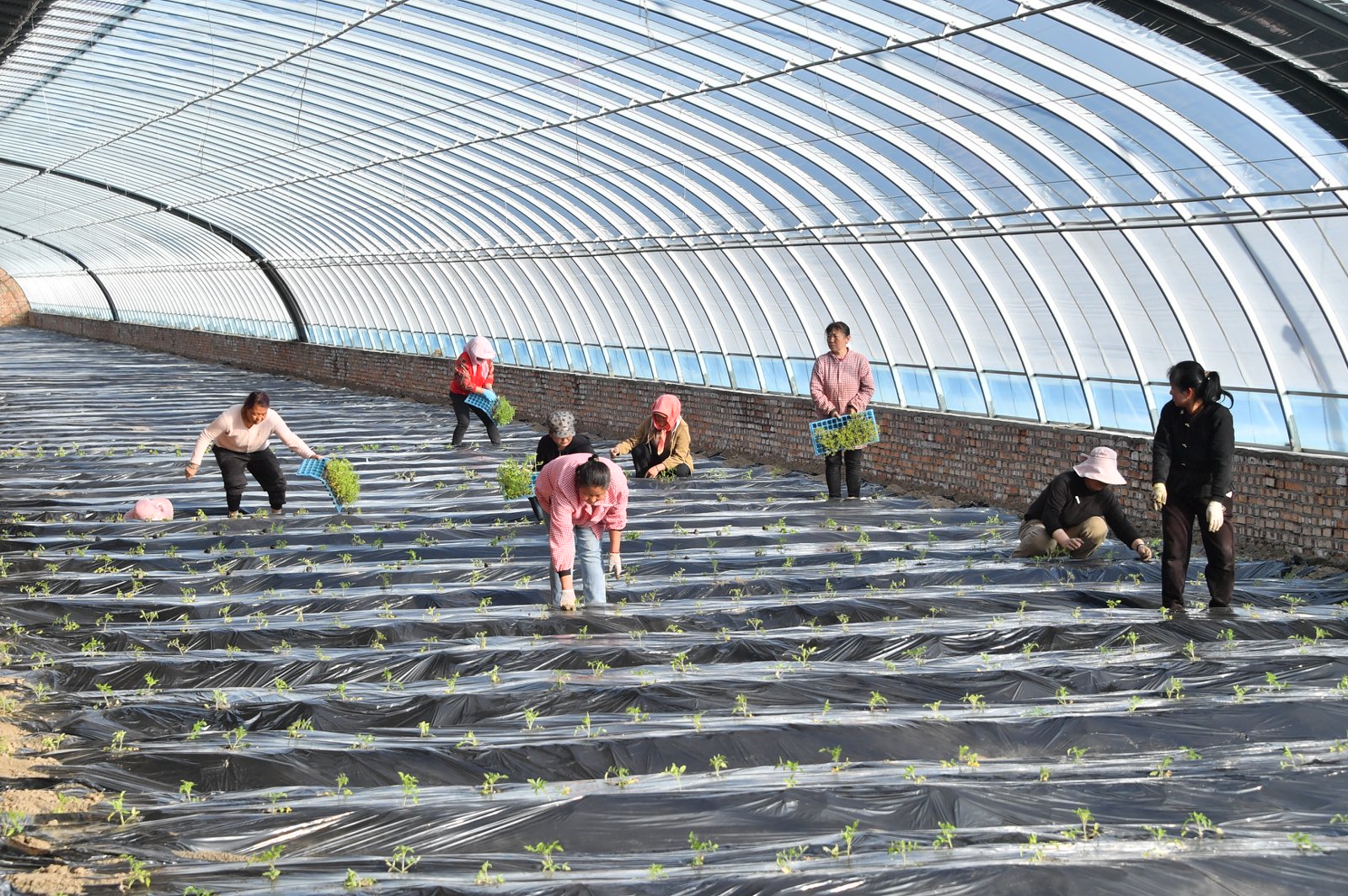
ORDOS, CHINA – Media OutReach Newswire – 22 April 2026 – On April 20, 2026, a new batch of watermelon seedlings was transplanted in the greenhouses within the reclamation area of Minda Coal Mine, located in Dongsheng District, Ordos, Inner Mongolia. This open-pit coal mine has an annual production capacity of 8 million tons.

In late spring, workers in the coal mine reclamation greenhouses actively plant seedlings to make the most of the farming season.

This scene is not from a typical ecological farm’s spring planting but represents a significant transformation taking place within a traditional coal enterprise.

Minda Coal Mine is the largest open-pit mine in Dongsheng District, producing up to 8 million tons of coal annually. Just a few hundred meters away, mining operations continue as usual; meanwhile, on the other side, 300 greenhouses flourish all year round, and the livestock area produces 6,000 pigs, 2,000 heads of cattle, 4,000 sheep, and 10,000 chickens annually.

This transformation began in 2018. Initially, the goal was simple: to provide mine workers with safe, locally produced vegetables and meat. Seven years later, this integrated “planting and breeding circular chain” has achieved tangible economic results. In 2025, the agricultural output value reached 12 million yuan, benefiting 150 farming households in Tongchuan Town, with each household seeing an average annual income increase of 30,000 yuan. The ecological supermarket in Toudao Lane, Dongsheng District, which opened just five months ago, now serves approximately 300 customers daily, with daily sales exceeding 10,000 yuan.

The challenges here extend beyond deciding what to plant.

Situated on the Ordos Plateau, Minda Coal Mine experiences less than 400 millimeters of annual rainfall, with drought occurring nine years out of ten. The reclamation area initially consisted largely of stripped rock and soil, with organic matter content as low as 0.2%. To address this, the mine invested 150 million yuan to construct 11 water storage ponds that collect rainwater from slopes, roads, and rooftops, creating a “rainwater bank” with a total capacity of 5,000 cubic meters, achieving 100% utilization of collected rainwater. Soil quality was enhanced through screening, backfilling, and the application of biological fertilizers, increasing the organic matter content across 14,000 mu of reclaimed land from 0.2% to 1.5%.

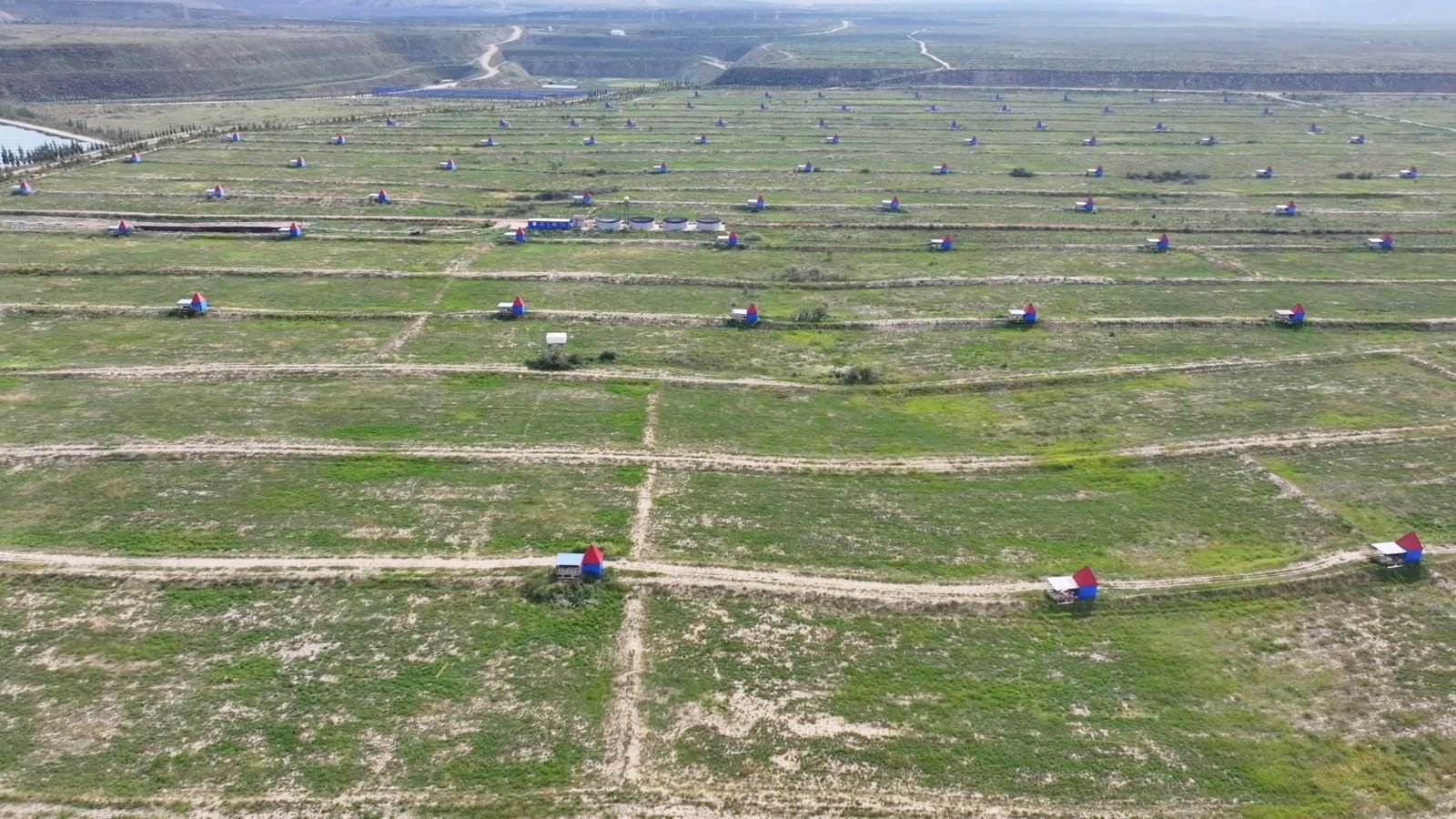
In the reclamation area, rows of chicken coops are neatly arranged, with tens of thousands of free-range ecological chickens roaming freely.

“Coal will eventually run out, but the land must be preserved for future generations.” A statement from the head of Minda Coal Mine highlights a long-term challenge faced by resource-dependent regions.

Currently, Dongsheng District has achieved an 87% green mine certification rate, completed reclamation greening of 820 hectares, and manages 1,525 hectares of goaf areas. New industries such as sea buckthorn cultivation, photovoltaics, agriculture, and animal husbandry have been established in the reclamation area. Where coal mining once accounted for 90% of income, ecological agriculture now contributes 18%, with projections of an increase to 35% by 2027. Plans are underway for slaughterhouses, food processing plants, feed factories, fertilizer plants, and breeding bases.

From coal mining to farming, from the “rainwater bank” to supermarket shelves, the spring of 2026 at Minda Coal Mine offers a promising answer to a common question in China’s resource-based regions: after underground resources are depleted, how can above-ground advantages be sustainably leveraged?
Hashtag: #DongshengDistrictIntegratedMediaCenter

The issuer is solely responsible for the content of this announcement.

28857

TAT unveils the inspiration behind “feel all the feelings,” showcasing “LISA’s” attire and local artisanal products intertwining Thai heritage and culture within every scene

BANGKOK, THAILAND – Media OutReach Newswire – 22 April 2026 – The Tourism Authority of Thailand (TAT) has unveiled the official behind-the-scenes VDO of its latest TVC, feel all the feelings,” featuring Lalisa “LISA” Manobal as the Amazing Thailand Ambassador. The campaign aims to comprehensively convey the charm and emotional depth of Thai tourism. In addition to the inherent beauty of various tourist destinations, it also features meticulously curated “fashion and locally-made handicrafts.” These elements enrich the narrative by profoundly reflecting Thai identity, way of life, and cultural aesthetics.

TAT - feel all the feelings - BTS01

Transcending mere apparel or accessories, the fashion showcased in this TVC serves as a platform where fashion intricately interweaves emotions, sentiments, and the beauty of Thai culture. Through a seamless blend of contemporary design and traditional Thai heritage, attires and accessories worn by “LISA”—crafted by Thai designers and brands—present the charm of stylish, modern Thai fashion into the spotlight.

Epitomising simplicity and Harmony with the surrounding vistas through a White Ensemble from Muscovy Studio

Defined by its graceful lines and fluid silhouette, the look evokes a sense of seamless integration with the landscape, poised for new horizons in travel. Muscovy Studio has re-envisioned traditional “Thai wickerwork”, incorporating its structural essence into the sleeves and shoulders to create a modern, commanding, and charming aesthetic. The addition of tie-dye detailing at the hem introduces a sense of motion, while the ensemble’s versatile design allows it to transition from a functional mini-dress to a sophisticated mermaid-cut gown. This layered approach, combined with a palette of white and warm undertones, offers a fresh perspective on contemporary Thai fashion.

Radiating An Eternal Brilliance with A Golden Gown from UNKUNIYA
This masterpiece of craftsmanship features a palette of gold woven with exquisite precision, highlighting graceful, intricate curves. The upper bodice is designed with an elegant bateau neckline, adorned with meticulously layered sequins that shimmer with every movement. This is perfectly complemented by a fluid, sweeping skirt that drapes with effortless elegance. The result is a look of profound luxury and enchantment, designed to radiate with a captivating, multi-dimensional glow even in the softest candlelight.

Presenting a new dimension of Thai attire with an ASAVA Golden Silk Strapless Ensemble
This is a reimagination of traditional textile charms through a contemporary lens. ASAVA masterfully integrates international fashion structures with Thai silk, featuring a bodice meticulously crafted with corset-inspired tailoring that reflects the precision of Western haute couture. The lower half is defined by a striking balloon skirt, which provides sophisticated volume and depth, while a layered golden cape adds a final touch of luxury and fluid elegance.

Translating Thai Wickerwork into Contemporary Fashion, resonating with Creative Energy, through A Cream Ensemble by VASSANA
This ensemble elegantly reflects the refinement of Thai wisdom and craftsmanship through intricate three-dimensional detailing on both the bodice and skirt. By reinterpreting ‘wickerwork’—a precious local handicraft—through a contemporary lens, the design creatively transforms bamboo into a sophisticated fashion statement. The upper bodice features a strapless design crafted from ‘Tok’ (bamboo strips), traditionally used for weaving farmers’ hats, which are meticulously tailored and arranged. Meanwhile, the skirt incorporates bamboo fibres woven into a minimalist yet striking pattern, adding depth and a modern identity to the look. The entire ensemble harmoniously weaves together artistic value and cultural narrative, while the natural bamboo-inspired palette further accentuates the charm of Thai wickerwork. The ensemble is completed with a ‘Khanom Jeeb’ (pleated dumpling) style wicker bag, inspired by traditional ‘Uba’ floral tassels, offering an elegant and stylish take on applied Thai heritage.

LISA’s fashion looks are elevated to perfection by glowing golden accessories from SARRAN
These pieces convey the vibrancy and vitality of nature, inspired by the beauty of Thai flora, specifically a symbol of faith like ‘Dok Rak’ (Crown Flower). The collection reflects a narrative of a journey that brings Thai beauty, culture, and identity to the global stage. Inspired by the historic voyages of Thai ambassadors during the Ayutthaya period—an era when Siamese representatives crossed oceans to forge international alliances—the collection translates the Thai spirit into wearable art. By reinterpreting traditional ‘Phuang Malai’ (garlands) and ‘Uba’, it seamlessly bridges Thai cultural heritage with a contemporary global context.”

In addition to the fashion, eye-catching items featured in the TVC, though simple, possessed rich narratives, and were well-sourced from Thai communities. They were meticulously selected to establish an authentic atmosphere as well as to vividly reflect the local way of life and identity. These items include:

Palm Leaf Fans: Handicraft Heritage from Buriram Province – A Breeze of Simplicity that Evokes Emotion
Traditional handheld fans, still in use in many homes, are considered staples. They symbolise calmness, gentleness, and an unhurried pace of life. The “Phat Bai Tan” (Palm Leaf Fans) from Ban Non Ma-Nga, Sakae Sub-District, Satuek District, Buriram Province is an ancient Thai folk wisdom heritage passed down through generations. These hand fans are crafted locally from “Bai Tan” (Palmyra Palm leaves) and they are distinguished by their unique, striking colour schemes achieved through a meticulous arrangement of young and mature leaves. These ‘Phat Bai Tan” evidently demonstrate Thai artisanal skills at every stage, from material selection and sorting, product shape development, to the creation of diverse patterns to elevate both product values and local wisdom. Praised as a cherished household item for many to this day, a Palm leaf fan is known to be a widely accessible and highly affordable Thai handicraft which possesses exquisite and beautiful details.

Chang Moi Rattan Chairs and Basketry Crafts, Chiang Mai Province – The Allure of Thai Artisanship
Concurrently, wicker chairs epitomise the comfort and warmth characteristic of Thai homes. They are considered among the foremost handcrafted furniture pieces, frequently employed as primary decorative items in both residential settings and cafes, thereby imparting a relaxing and warm ambience to interior spaces. Specifically, “Chang Moi Rattan Chairs” represent a distinctive local handicraft from Chiang Mai province. These chairs, with their innovative forms, are a distinctive integration of natural “Honey Rattan” and unique techniques of skilled artisans. A diverse range of designs is available spanning from traditional artistry to modern styles that cater to contemporary preferences. They reveal an inherent charm of simplicity, classic appeal, and natural beauty, coupled with durability and practicality. Furthermore, they reflect the intrinsic value of natural materials and the long-inherited artistry of Thai communities.

Pakakayo Shoulder Bag, A Local Wisdom from Mae Hong Son Province – Ethnic Identity in Textile Handicrafts
The hand-woven shoulder bags of the Pakakayo community are distinguished by their “traditional weaving techniques,” which represent the inherited wisdom and culture of the tribe, passed down through generations. Each textile piece embodies the community’s spirit, merging with nature through the creation of patterns and colours that not only add visual depth to the scene but also harmoniously narrate the profound connection between people and the land. This encompasses natural dyeing, weaving, and the meticulous creation of patterns using unique techniques, all performed by the villagers’ own hands. The continuation of the Pakakayo people’s weaving wisdom has also been extended to contemporary fashion products, perfectly catering to the lifestyles of the younger generation. For both Thai and international visitors, these Pakakayo shoulder bags are not merely handicraft items available for purchase, but they also offer a travel experience rich in cultural narratives, an opportunity to learn about community life, and to immerse oneself in the beauty of textiles that truly convey the tribe’s history and identity.

Rooster Bowl, a Renowned Product of Lampang Province – A Return to Memories on the Thai Dining Table
Just mentioning the Rooster Bowl, it evokes images of steaming hot rice. The “Rooster Bowl” has been a symbol of Thai households for over a century and it is also a significant historical evidence of Chinese porcelain. Furthermore, it has been registered as a Geographical Indication (GI) in Thailand, owing to the exceptionally suitable properties of Lampang’s white clay for ceramic production. These ceramic bowls possess distinctive quality and patterns, typically hand-painted with a chicken alongside peonies and banana trees. In Chinese culture, the “chicken” symbolises diligence and abundance. Despite the closure of numerous Rooster Bowl factories and a growing preference among younger generations for alternative tableware, a passionate group remains dedicated to the preservation of the Lampang Rooster Bowl, having established the Lampang Ceramic Association to safeguard this cultural heritage. For both Thai and international visitors, the “Rooster Bowl” is not just a rare collectible item, but it also offers a cultural journey experience, allowing one to appreciate the beauty of porcelain, learn about traditional craftsmanship, and immerse oneself in the perfectly integrated Thai-Chinese cultural heritage and local way of life.

Bo Sang Umbrella, San Kamphaeng District, Chiang Mai Province – The Vibrant Artistry of Lanna Handicrafts
The “Bo Sang Umbrella,” a handmade umbrella made by Saa paper, has become a global icon from San Kamphaeng District of Chiang Mai province. For more than a century, the district has been known as the world-renowned origin and production hub for Saa paper umbrellas. The legendary and distinctive manufacturing process also represents Thai wisdom passed down through many generations. Characterised by its distinctive, vibrant, and beautiful Lanna art patterns, combined with thorough attention to every detail, the “Bo Sang Umbrella” transcends its function as a sunshade or rain protector; it is a living work of art that vividly reflects the spirit of the Northern Thai people. The essence of the “Bo Sang Umbrella” lies in its delicate production process, from the selection of high-quality natural materials such as Saa paper, to its assembly with precisely carved and shaped bamboo frames. Three distinct types are available: Saa paper umbrellas, silk umbrellas, and cotton umbrellas. Presently, this classic beauty continues to serve as a notable inspiration for new artists and designers who adapt it into contemporary works that seamlessly integrate with modern lifestyles. Beyond its artistic aesthetic value and practical utility, the “Bo Sang Umbrella” is an integral component of the community’s culture and economy, having provided livelihoods and income for local residents for decades. The craftsmanship is also celebrated annually through the “Bo Sang Umbrella and San Kamphaeng Handicrafts Festival,” held every January, which attracts both Thai and international visitors to observe the traditional production process, purchase umbrellas as souvenirs, and experience the charm of this vibrant handicraft village.

The TVC “feel all the feelings is therefore not merely an invitation to embark on a journey through Thailand to encounter a myriad of experiences and emotions waiting to be discovered by visitors, but it also presents an opportunity for Thais to experience and appreciate the inherent value of everyday objects and community items that reflect the foundation of Thai identity as perceived through the eyes of Lalisa “LISA” Manobal, the Amazing Thailand Ambassador.

The behind-the-scenes VDO of ” feel all the feelings ” is currently available at official Amazing Thailand channel: https://www.youtube.com/watch?v=2hbFUwU5z98

Contact Information
International Public Relations Division
Tourism Authority of Thailand
Tel: +66 (0) 2250 5500 ext. 4545-48
Fax: +66 (0) 2250 0246
E-mail: prdiv3@tat.or.th
Website: www.tatnews.org

Reference Link: https://www.tatnews.org/2026/04/tat-unveils-the-inspiration-behind-feel-all-the-feelings-showcasing-lisas-attire-and-local-artisanal-products-intertwining-thai-heritage-and-culture-within-every-scene/

Hashtag: #AmazingThailand #AmazingThailandAmbassador #AmazingThailandxLISA #FeelAllTheFeelings


The issuer is solely responsible for the content of this announcement.

28857

旅遊保險投訴飆升33% 10Life拆解六大拒賠陷阱:買錯保險隨時白買

香港 – Media OutReach Newswire – 2026年4月22日 – 保險投訴局最新公布,2025年度共接獲857宗旅遊及醫療保險投訴個案,按年上升約32.7%。與此同時,近日港人赴菲律賓遊學染病索償遭拒一事相繼曝光,加上國泰及香港快運因燃油附加費而削減航班,引發市民關注旅遊保險的保障及條款。

投訴數字背後,反映的是一個深層次問題:消費者以為旅遊保險簡單,不用深究,出事才發現條款中存在大量灰色地帶。10Life深入分析六大常見拒賠陷阱,協助市民在出發前真正了解自己買的是什麼。

投訴上升反映保障與客戶預期存在落差

保險投訴局在已審結的447宗個案中,有124名投訴人最終獲賠,涉及總賠償金額約1,360萬元。隨著異地出行模式轉變,混合式旅遊(如遊學、工作假期)日益普遍,與純旅遊保單之間出現落差,增加拒賠風險。

10Life深度分析:六大旅遊保險拒賠陷阱

陷阱一:一般旅遊保險不保遊學、工作假期

大部分旅遊保險均以「純消閒旅遊或公幹」作為保障前提。遊學、義工服務、工作假期等為目的行程通常不受保。保險公司一般按整體行程的「主要目的」判斷,即使持旅遊簽證、行程中包含大量休閒活動,若主要安排被視為學習,索償仍可能遭拒。

10Life建議: 遊學或工作假期需購買專門保險,例如「海外留學保險」或「工作假期保險」,切勿以為一般旅遊保險已足夠。投保前可主動向保公司書面確認行程性質是否符合保障定義。

陷阱二:如航班取消屬「商業決定」,保險公司一概不賠

旅遊保險的「行程取消」及「航班延誤」保障,一般只適用於惡劣天氣、天災或機械故障等不可抗力因素。如航空公司因油價或營運因素削減航班,屬商業決定,不在保障範圍之內。

10Life建議: 遇上航班削減,先向航空公司查詢退款及免費更改安排;訂機票時可選擇彈性票種,方便日後行程更改。

陷阱三:航班延誤條款差異大,隨時影響索償

「航班延誤」看似簡單易明,但10Life分析市面多份主要旅遊保險保單後發現,不同保險公司的計算方式存在差異,直接影響能否成功索償:

保險公司 延誤觸發條件 最低延誤時數
QBE
單次旅遊保險
只計出發延誤 6小時
Generali
忠意旅遊保
出發及抵達延誤 6小時
Blue Cross
藍十字智在遊
出發及抵達延誤 5小時
MSIG
iTravel Go 單次旅遊保險
出發及抵達延誤 5小時
Prudential
保誠精選「旅遊樂」
出發及抵達延誤 5小時
AXA
「卓越」豐盛優遊樂
出發或抵達延誤 6小時

如上所述,QBE只計算「出發延誤」,若航班準時起飛後途中受阻,一般不符合索償資格;而Blue Cross、MSIG及Prudential的最低觸發時數為5小時,低於業界常見的6小時。此外,大部分保單規定,涉及接駁航班時,各段延誤時間不可累積計算。航班延誤亦需由指定原因引致(如惡劣天氣、罷工等),方可觸發保障。

10Life建議: 投保前核實延誤計算方式,尤其涉及多段航班或轉機的行程,務必了解各段延誤能否獨立觸發索償。

陷阱四:醫療費用須先索償醫保,旅遊保或只賠不足之數

不少消費者以為,只要購買旅遊保險,旅途中一旦生病住院就可以直接索償。但其實,部分旅遊保單設有「賠償協調條款」,規定投保人需先向其他醫療保險(如公司醫保或自願醫保)索償,旅遊保險只會補償未獲賠償的部分。

例如,旅途中被蚊叮感染登革熱需要住院,即使已投保旅遊保險,亦需先向自身的醫療保險索償,剩餘未獲賠償的醫療費用,才可由旅遊保險補貼。這不但令索償流程更為繁複,亦有機會因未有掌握條款或程序,而錯過索償時限。

10Life 建議: 投保前應仔細閱讀保單條款,了解是否設有賠償協調安排;如同時持有其他醫療保險,建議預先向相關保險公司查詢索償程序及先後次序,以免影響最終賠償。

陷阱五:高風險活動與業餘運動 受傷索償隨時碰壁
一般旅遊保險一般將「高風險活動」列為除外責任,常見除外活動包括:極限運動(跳傘、高空彈跳、攀岩)、冬季運動(滑雪或需另購附加保障)、水上活動(水肺潛水需持牌)、電動滑板車或平衡車、以及競技運動(馬拉松需另購專項保險)。

另一個容易忽略的灰色地帶,是「業餘」與「職業」的界定。若旅客以任何形式收取報酬——包括獎金、贊助費或代言費——保險公司即可能將相關活動視為職業性質而拒賠。

10Life建議: 行程涉及任何運動或體力活動,投保前應核實標準保單是否涵蓋,並查詢是否需要購買附加保障。

陷阱六:戰爭與騷亂 保障範圍比想像中複雜

旅遊保險普遍將戰爭直接或間接引致的損失列為除外。然而,10Life翻查市面主要保單發現,發現部分產品設有「notwithstanding」的保單條款,在特定情況下會「覆蓋」原本的戰爭排除條款,而關鍵就在於「時間點」,即紅色/黑色外遊警示何時發出。

若港府於出發前7天內或出發後才發出紅色或黑色外遊警示,部分保單的特別條款會令戰爭相關損失仍有機會獲賠。換言之,如果你出發時目的地仍屬安全(未有紅/黑色警示),但旅程中突然爆發戰爭或騷亂,你可能仍受保障。

另外,兩個必須知道的細節位:

  • 「已知風險」不受保
    如果外遊警示在你投保前或訂立行程前已經發出,保險公司會視之為「已知風險」,相關損失一律不予賠償。切勿在警示發出後才急於投保,期望藉此獲得保障。
  • 非戰爭相關事故仍可索償
    即使身處戰亂地區,如果在當地突發疾病或需要住院,只要能證明事故與戰爭無直接關係(例如食物中毒、意外跌傷),相關醫療費用仍有機會索償。
10Life建議:前往政治局勢不穩定地區,投保前必須看清條款及外遊警示(OTA)級別,切勿靠估。確定行程後盡快投保,並截圖保存投保當日的警示級別,作為日後索償的重要佐證。如對保障範圍有任何疑問,應主動向保險公司書面查詢。

不要只看保費高低 條款細節同樣關鍵

不少消費者投保時只著重保費高低,忽略保障範圍定義、不保事項及附加條款等關鍵細節,令出事時面臨保障落差的風險大增。

市面上不同計劃的保障差距相當懸殊,保費相近的產品,實際保障內容可以差天共地,同時,保費高低與保障水平亦未必成正比。有時候,即使保費不高,保障亦可以相當不錯,大家出發前不妨多花幾分鐘比較保障。10Life平台現收錄逾70款香港旅遊保險計劃,市民可按目的地、行程性質及活動類型進行比較,選擇最切合自身需要的保障方案。

出行前立即比較: https://www.10life.com/zh-HK/products/travel

資料來源

Hashtag: #10Life

The issuer is solely responsible for the content of this announcement.

關於 10Life

10Life 是一個一站式保險平台,致力實現公平保險。由保險業專業人士創立,10Life 以科技為綱,人心為本,為香港帶來公平產品、公平銷售、公平理賠。我們首創保險產品評級,消費者可輕鬆比較保險;團隊更設有保險顧問,按客戶需要作出專業建議;而獨立的理賠專員更專注索償,熟悉理賠程序,協助受保人獲得公平賠償,如有不公便向保險公司據理力爭。我們涵蓋比較、投保與索償,目標是讓客人無論是買保險或進行理賠時,都獲得最好的保障,讓消費者「買得啱,賠得足」。

如欲了解更多 10Life 資訊,或比較各類保險,可瀏覽:

28857

Dell Technologies Highlights AI PCs and Workstations as the Next Phase of Enterprise AI in Asia Pacific

The AI Compute Continuum: from intelligent endpoints to advanced AI workloads

SINGAPORE – Media OutReach Newswire – 22 April 2026 – Dell Technologies (NYSE: DELL) today outlined how enterprise AI adoption across Asia Pacific (APAC) is moving from experimentation to implementation, with 48% of organisations with more than 500 employees in the region already deploying AI PCs and 95% expecting workstations to play a critical or important role in AI initiatives over the next two years. Together, these trends point to a more distributed AI environment – one that brings intelligence closer to users while supporting increasingly complex and compute-intensive workloads.

Two IDC InfoBriefs, commissioned by Dell Technologies and Intel reinforce this shift – Future-Ready Workforce: The Strategic Case for AI PC Adoption and Powering Future-Ready Computing with Workstations: Built for AI. Built for You. The research highlights growing enterprise momentum behind both intelligent endpoints and higher-performance systems as organisations shape the next phase of AI adoption.

For Dell, this shift reflects a broader industry trend toward aligning the right compute resources with specific workload requirements, as organisations balance intelligent endpoints for everyday productivity with high-performance systems designed for advanced AI and professional use cases. Enterprise AI deployments are increasingly spanning client devices, edge environments and the data centre, reflecting a more distributed approach across the IT environment.

AI PCs: Bringing intelligence closer to everyday work

AI PCs are becoming a core component of the modern workplace, enabling AI workloads to run directly on the device to deliver faster, more responsive user experiences while reducing reliance on continuous cloud connectivity. This approach also supports enhanced data privacy and security, provides IT teams with greater control over deployment and management across device fleets, and enables more consistent scaling of AI capabilities across the workforce.

The IDC research commissioned by Dell Technologies and Intel underscores this momentum. As AI becomes embedded in day-to-day work, device strategy is shifting accordingly. 89% of APAC organisations now consider AI capabilities a very important factor in future PC purchasing decisions.

In Singapore, 54% of organisations have already deployed AI PCs – 12% higher than the regional average – highlighting strong early adoption momentum. Southeast Asia’s AI PC adoption is outpacing the regional average by 6%, driven by the ability to adopt new technologies without legacy constraints, strong infrastructure in markets like Singapore, favourable market conditions and supportive government initiatives.

APAC Organisations with over 50% AI PCs in their fleet report saving 2.17 hours per employee per day, a 30% productivity increase compared to using AI on traditional PCs. AI PCs are enabling a new class of enterprise use cases – from real-time collaboration and report generation to natural language search and content creation – delivering tangible productivity gains.

In practical terms, this can translate into faster proposal turnaround for sales teams, quicker analysis cycles for finance and operations, streamlined drafting for HR, faster document review for engineering teams, and more responsive support for customer-facing employees. As organisations prepare for more autonomous and agentic AI in hybrid work environments, AI PCs are increasingly becoming the governed way to scale intelligent experiences across the workforce – safely, consistently, and with clearer business impact.

Four out of five APAC organisations expect AI PCs to drive adoption of agentic AI, with the same proportion agreeing they enhance control and security for these applications. The broader momentum is clear: within APAC, 84% of organisations expect AI PCs to increase employee productivity, while 78% cite security benefits and 77% highlight cost advantages of running AI locally.

This shift is leading to a tangible investment. Across APAC, 65% of organisations are willing to pay a premium of 10% or more for AI PCs, reflecting their role as core infrastructure for enterprise AI.

Workstations: Powering advanced AI and specialised workloads

While AI PCs distribute intelligence across the workforce, workstations continue to serve as the performance backbone for more demanding workloads – particularly as organisations shift more AI development on-premise. Developers, engineers, designers, and data teams rely on workstation-class systems for AI model development, simulation, rendering, data preparation, and other compute-intensive activities that require reliability, low latency, and sustained performance.

The IDC research on workstations reflects this reality. 95% of organisations across APAC expect workstations to play a critical or important role in AI initiatives over the next two years, while 50% would choose a workstation as their preferred device for AI development, and 97% of organisations agree workstations are high-performance devices that fuel innovation for the organisation by empowering teams to explore cutting-edge technology like AI and Machine Learning models.

Across Southeast Asia, 92% of organisations surveyed reported higher productivity among workstation users, while 52% expect the share of workstations in their fleet to grow over the next five years. Organisations in this part of the region also reported workstation use for data preparation (66%), model fine-tuning (62%), and foundational model training (55%), underscoring the role of high-performance systems in advanced AI and professional workloads.

Use cases vary by sector – from engineering and architecture workflows in manufacturing, to content rendering in media, software development in technology, and risk modelling in financial services. AI has become the top technical computing use case for workstations, supporting the full lifecycle from data preparation (62%) and model training (60%) to fine-tuning (59%), deployment (44%) and inference (29%).

This also shifts the conversation from upfront device price to total cost of ownership – including lifecycle longevity, scalability, performance consistency, and risk reduction. As AI initiatives move closer to production, workstations are increasingly seen as long-term platforms that can scale with evolving workloads, rather than short-term tools for experimentation.

Toward an AI compute continuum that supports the next phase of enterprise AI

Together, AI PCs and workstations form an AI compute continuum, supporting everything from everyday productivity to advanced AI development and professional workloads across the enterprise.

For organisations across Asia Pacific, the next phase of AI will not be defined by a single environment or device category, but by the ability to place the right workload on the right compute. AI PCs are extending AI into everyday workflows, while workstations are helping organisations industrialise more advanced, compute-intensive, and specialised AI use cases. Combined, they give leaders a more practical foundation for scaling AI with greater speed, control, and long-term value.

Perspectives:

“AI is changing where work happens and where intelligence needs to live,” said Jacinta Quah, vice president, client solutions group, Asia Pacific, Japan and Greater China (APJC), Dell Technologies. “AI PCs and workstations are not simply device categories in a refresh cycle – they are foundational platforms built for the next phase of enterprise AI era. AI PCs bring intelligence to everyday workflows, at the fingertips of employees where data is generated. Meanwhile, workstations provide the performance and control needed for more specialised, compute-intensive workloads. Together, they enable organisations to scale AI more effectively, strengthen security and privacy, and drive meaningful business outcomes.”

“AI is placing new demands on compute, requiring both local intelligence and high-performance processing to work seamlessly together,” said Jack Huang, regional sales director, PC client commercial and channel, Asia Pacific and Japan, Intel. “As AI workloads become more diverse, organisations need silicon innovations and platforms that can support both efficient on-device experiences and more demanding workstation use cases. Together with Dell, we are helping to enable the next phase of enterprise AI with technologies built for responsiveness, efficiency and scale.”

“The speed at which AI models are being compressed to run on-device has been remarkably fast,” said Bryan Ma, vice president, client devices, IDC. “In the next year or two, very robust models will run on PCs that far exceed today’s capabilities. At the same time, organisations continue to depend on high-performance workstations for advanced AI development and specialised workloads, reinforcing a more distributed AI environment across the enterprise.”

Research Methodology:
The findings are based on two IDC InfoBriefs:

  • IDC InfoBrief, sponsored by Dell Technologies and Intel, Future-ready Workforce: The Strategic Case for AI PC Adoption, Doc. #AP242547IB, January 2026
  • IDC InfoBrief, sponsored by Dell Technologies and Intel, Powering Future-Ready Computing with Workstations: Built for AI. Built for You, Doc. #AP242550IB, February 2026

Future-ready Workforce: The Strategic Case for AI PC Adoption is based on a survey of 720 IT and business decision-makers across Asia Pacific organisations with more than 500 employees. Powering Future-Ready Computing with Workstations: Built for AI. Built for You surveyed 960 IT and business decision-makers in the region to assess workstation adoption, usage, and their role in enterprise AI strategies.
Hashtag: #DellTechnologies

The issuer is solely responsible for the content of this announcement.

About Dell Technologies

(NYSE: DELL) helps organisations and individuals build their digital future and transform how they work, live and play. The company provides customers with the industry’s broadest and most innovative technology and services portfolio for the AI era.

28857