HONG KONG SAR – Media OutReach Newswire – 6 March 2026 – The Hong Kong Autism Institute (HKAI)[1] has announced a landmark collaboration with UNESCO Regional Office for East Asia and Special Olympics East Asia (SOEA) to promote the celebration of the World Autism Awareness Day (WAAD) 2026 in Hong Kong SAR.
WAAD is an observance designated by the United Nations, held annually on April 2nd. It aims to raise awareness about autism while promoting acceptance, inclusion, and quality of life for autistic individuals.
“Autism is one of the defining conditions of our times, impacting 1 in 40 children in the Hong Kong SAR and more than 2 million children in Mainland China. Crucially, autism has now overtaken cancer as the leading cause of juvenile critical illness insurance claims in the Hong Kong SAR,” said Mr. Damien Green, Founder of the HKAI.
Mr. Green is the former CEO of Manulife Hong Kong and Macau and former Asia President of Manulife. He is a prominent advocate for Autism Spectrum Disorder (ASD) stakeholders in Hong Kong. “Through our collaboration with UNESCO Regional Office for East Asia and SOEA, we aim to significantly elevate autism awareness and understanding amongst opinion leaders and policymakers in the region,” he added.
“Autism brings as many opportunities as it does challenges for societies and economies,” said Professor Shahbaz Khan, Director and Representative of the UNESCO Regional Office for East Asia and Chair of the United Nations Theme Group on Disability in China. “UNESCO is pleased to partner with the HKAI and SOEA to bring autism into clearer public focus. WAAD 2026 is about moving from awareness to participation, ensuring persons with autism are present and included in education, sport, work and community life. That inclusion benefits everyone, and it must be shaped with autistic voices and lived experience at the center.”
Freda Fung, Regional President and Managing Director of SOEA stated, “Our organization has witnessed the transformative impact of inclusion when persons with intellectual and developmental disabilities, including autism, are meaningfully engaged in unified social activities, particularly in sport. Through sports, inclusive community engagement, and leadership opportunities, individuals can build confidence, develop a strong sense of belonging, and emerge as leaders within their communities.”
The WAAD 2026 program in Hong Kong SAR includes a major plenary event, where Carlson Tong, the Chairman and Independent Non-Executive Director of Hong Kong Exchanges and Clearing Limited (HKEX), will deliver welcoming remarks. The event will feature speakers and panelists with autism who will address an audience of opinion leaders, policymakers and key stakeholders. Other initiatives will include the launch of an Autism Docuseries made in Hong Kong, and awareness events conducted by major Hong Kong employers.
WAAD 2026 aligns with the Government of China’s evolving policy focus on autism, including recent national-level policy initiatives.
[1] Hong Kong Autism Institute Limited is a non-profit organization in Hong Kong
Hashtag: #HKAI #WAAD
The issuer is solely responsible for the content of this announcement.
About World Autism Awareness Day
World Autism Awareness Day (WAAD) is an observance designated by the United Nations, held on April 2nd every year. WAAD arises from a resolution passed by the UN General Assembly in 2007 (A/RES/62/139) which highlighted the need to raise public awareness of autism. UNESCO Regional Office for East Asia leads the execution of WAAD 2026 activities in China. This year’s WAAD theme is “Autism and Humanity — Every Life Has Value: Affirming the dignity and worth of all autistic people as part of our shared human future.”
About Hong Kong Autism Institute Limited
Founded in 2026, Hong Kong Autism Institute Limited aims for Hong Kong SAR to become Asia’s Centre of Excellence for Autism Spectrum Disorder (ASD) — initially focused on China’s Greater Bay Area (GBA) catchment — through driving innovation, leading high-impact service delivery and achieving sustainable social and economic outcomes. Its mission is to enable clinical innovation centered on diagnosis, early intervention and therapeutics; ensure access to impactful services across the socio-economic spectrum that improve outcomes and quality of life; and to operate as a multi-stakeholder platform to catalyse and enable significantly higher levels of cooperation and integration across the entire ASD service, support and R&D ecosystem.
香港 – Media OutReach Newswire – 2026年3月6日 – Hong Kong Autism Institute (HKAI)[1] 宣布与联合国教科文组织东亚地区办事处及特殊奥林匹克组织,即国际特殊奥林匹克东亚区(SOEA)开展里程碑式合作,共同推广2026年在香港特别行政区举办的世界提高自闭症意识日(WAAD)庆祝活动。
[1] Hong Kong Autism Institute Limited 是香港註冊的非牟利機構。
Hashtag: #HKAI #WAAD
The issuer is solely responsible for the content of this announcement.
关于世界提高自闭症意识日
世界提高自闭症意识日(WAAD) 是由联合国设立的纪念日,定于每年4月2日。WAAD源于联合国大会2007年通过的一项决议(A/RES/62/139),该决议强调了提高公众对自闭症认识的必要性。联合国教科文组织东亚区域办事处负责在中国开展2026年WAAD的各项活动。今年WAAD的主题是 “Autism and Humanity — Every Life Has Value: Affirming the dignity and worth of all autistic people as part of our shared human future.” (自闭症与人类—每一个生命都弥足珍贵:彰显并维护所有自闭症人士的尊严与价值,携手构建人类共同的未来)。
关于Hong Kong Autism Institute Limited
Hong Kong Autism Institute Limited 成立于2026年,旨在推动香港特别行政区成为亚洲自闭症谱系障碍(ASD)的卓越中心——初期重点覆盖中国粤港澳大湾区范围——通过驱动创新、引领业界提供高效服务,并实现可持续的社会与经济成果。其使命包括:推动以诊断、早期干预和治疗为核心的临床创新,和确保不同社会经济阶层人群都能获得具有显著效果的服务,从而改善生活质量。另外,作为多方利益相关者平台,Hong Kong Autism Institute Limited希望在整个ASD服务、支援以及研发生态系统中,显著地催化并促成更高水平的合作与整合。
BARCELONA, SPAIN – Media OutReach Newswire – 5 March 2026 – Huawei gathered partners, policymakers and international media in Barcelona on March 1 and 2, ahead of Mobile World Congress, to discuss narrowing connectivity and digital skills gaps as artificial intelligence spreads through sectors including healthcare, finance and public services.
About 80 guests attended the first day’s forum at the Leonardo Royal Hotel Barcelona Fira. In remarks published by Huawei, Yang Chaobin, CEO of Huawei ICT BG, said the digital divide “seems to be widening further” even as AI accelerates. “High-speed networks and robust computing facilities are essential foundations for an inclusive and sustainable AI era,” he said.
The International Telecommunication Union estimates about 2.2 billion people were still offline in 2025. Dr. Cosmas Zavazava, director of the ITU’s Telecommunication Development Bureau, said inclusion must be treated as a prerequisite for the AI era.
“AI must strengthen meaningful connectivity and support inclusive digital transformation. This requires responsible AI governance, investment in local talent and content, and capacity building, particularly for young girls, women, indigenous communities and marginalized groups.”
Huawei said it has fulfilled a commitment under the ITU Partner2Connect Digital Coalition to help expand connectivity in remote regions. By the end of 2025, the company said its initiatives had supported digital access for 170 million people in rural and underserved areas across more than 80 countries. In a Huawei news release, Jeff Wang, president of Huawei Public Affairs and Communications, said: “To bridge the digital skills gap, Huawei works closely with governments and partners to enhance digital access, deliver skills training, and advance STEM education for underserved communities.”
On March 2, the focus shifted to conservation with a visit to Spain’s Natural Park of Sant Llorenç del Munt i l’Obac. Here, digital monitoring tools are being used to support biodiversity protection, including efforts to safeguard the endangered Bonelli’s eagle alongside better managing potential impacts from outdoor activities like climbing on rock-dwelling birds and caving on protected bat species. The project forms part of the Tech4Nature initiative, developed with the International Union for Conservation of Nature (IUCN) to support digital tools in protected areas across 11 countries.
Sònia Llobet, the park’s director, said the project is helping managers balance visitor access with nature protection.
“As park managers, our challenge is how to make visitor access compatible with the conservation of this natural space,” she said. “This project is helping us answer some of the questions we face in balancing tourism and environmental protection.”
Hashtag: #Huawei
The issuer is solely responsible for the content of this announcement.
Thanks to powerful partnerships with industry leaders, NOTE 60 Ultra represents Infinix’s boldest entry in the flagship tier, debuting in Barcelona during MWC 2026
BARCELONA, SPAIN – Media OutReach Newswire – 5 March 2026 – Infinix is cementing its status within the premium smartphone segment in a bold new way with NOTE 60 Ultra, its landmark flagship debuting in Barcelona during Mobile World Congress 2026.
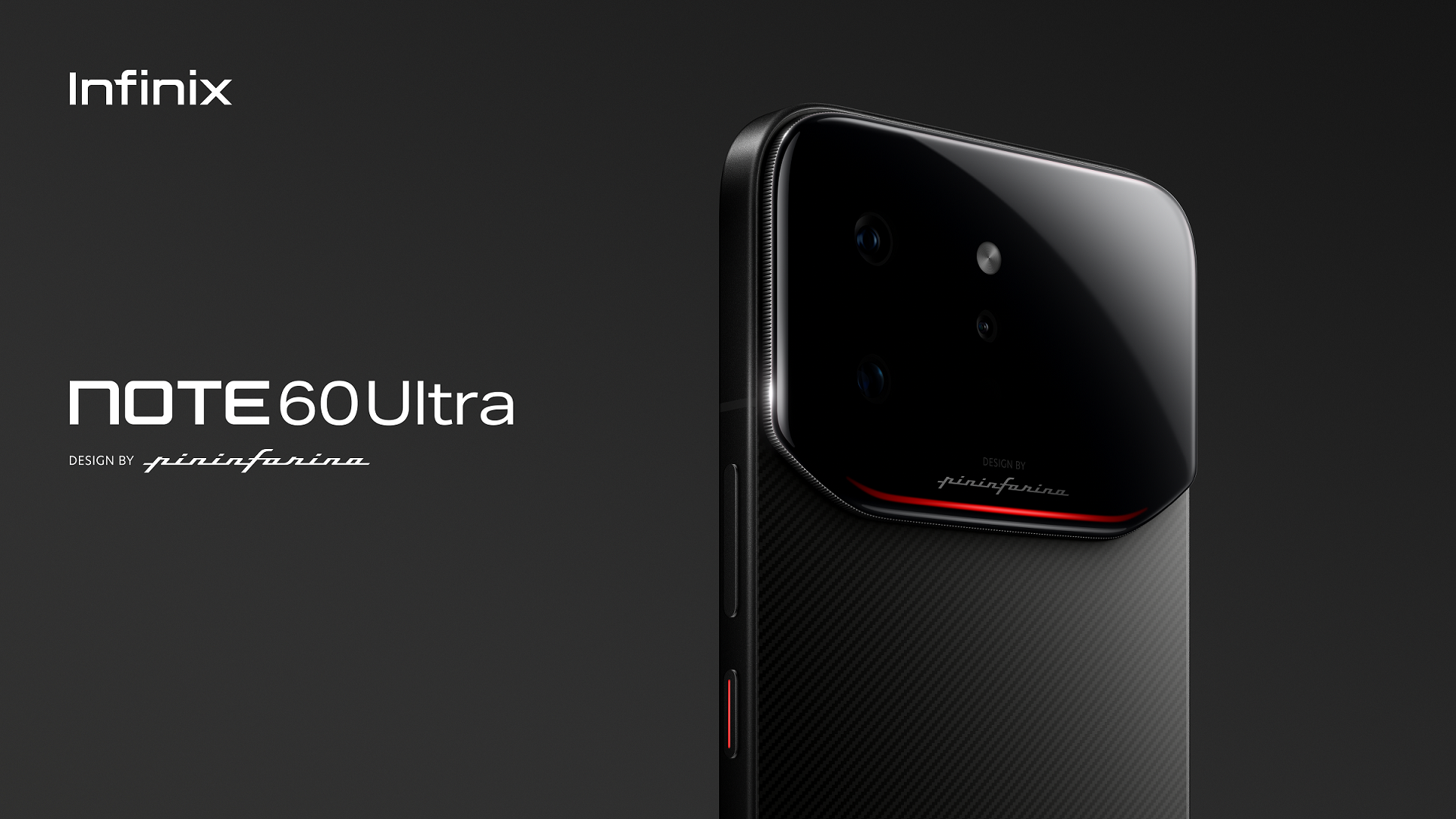
Infinix NOTE 60 Ultra Design by Pininfarina
Co-developed with Italian automotive and design legend Pininfarina, NOTE 60 Ultra’s design is driven by an emotion-led aesthetic inspired by super cars. Beneath its bold design lies a fully realized flagship experience, integrating breakthrough in-house innovations with best-in-class partner technologies. A professional-grade 200MP ultra-high-definition imaging system, built-in multi-country satellite communication connectivity, and immersive audio precision-tuned by SOUND BY JBL come together to challenge expectations in the premium segment.
Supercar Design DNA in a Flagship, Shaped by Pininfarina
In the premium segment, the design language is a device’s opening statement. A user’s perception at first glance is shaped by aesthetics, long before a single specification is considered.
Drawing inspiration from the aerodynamic philosophy and pioneering spirit of high-performance sports cars, Infinix, in partnership with Pininfarina, takes a radical departure in sculpting a flagship. What stands out immediately is what’s missing: the camera bump. As premium handsets adopt larger sensors, they often sacrifice form with increasingly protruding camera modules.
True to the sports car heritage, NOTE 60 Ultra introduces a fully integrated, single-body rear: the Aluminum Unibody Design. At the heart of this craftsmanship is the World’s 1st Uni-Chassis Cam Module, formed a single, continuous sheet of CORNING® GORILLA® GLASS VICTUS that virtually conceals the presence of the camera. Much like a supercar sculpted for low-drag, the rear design maintains a smooth, uninterrupted silhouette. This also ensures a natural in-hand feel and unobtrusively slips into any pocket, while reinforcing the phone’s durability and structural integrity.
Paying homage to Italian cultural and racing heritage, NOTE 60 Ultra arrives in four striking colorways: Torino Black, Monza Red, Amalfi Blue, and Roma Silver. Each hue draws inspiration from the most iconic scenes and legends of Italy’s motorsport and cultural history, capturing the spirit of speed, lifestyle, and emotional beauty.
Just as a supercar announces its ignition through sound and light, NOTE 60 Ultra mirrors the ritual. A Floating Taillight signature spans the rear, illuminating as the device powers on. And as a final nod to automotive heritage, NOTE 60 Ultra features an Active Matrix Display reminiscent of a supercar dashboard at startup. Concealed within the rear surface, the hidden display lights up to reveal notifications, expressive icons, or a pixel-style virtual companion.
Dual Flagship Cameras for Detail, Zoom, and True-to-Life Imaging
Although discreet at first glance, Infinix makes no concessions on camera performance and earmarks a new era for Infinix’s imaging capability. Delivering performance on par with industry-leading standards, Infinix’s Dual Flagship Imaging Architecture marks several brand-first breakthroughs and improvements across three dimensions, reinforcing its position as a signature offering.
Under the hood, it’s clear that NOTE 60 Ultra refuses to settle for less. Discreetly integrated within the Uni-Chassis Cam Module is a powerful triple-camera array. Anchored by a next-generation 200MP Samsung ISOCELL HPE sensor, NOTE 60 Ultra delivers ultra-high-definition clarity. And ensuring flagship-grade versatility across focal lengths, the phone is complemented by a 50MP Samsung ISOCELL JN5 periscope telephoto lens and a 112° ultra-wide lens.
However, hardware alone does not define the full experience. For the first time, Infinix supports the XDR display standard with Ultra HDR Capture. Powered by a proprietary XDR Image Engine, Infinix’s advanced system delivers a superior dynamic range, ideal for true-to-life photos of bright lights at night or breathtaking sunset scenes.
The result is exceptional resolution that sets a higher bar for precise framing in daylight or after dark, while faithfully preserving details often lost in standard photography. Whether exploring daytime cityscapes or distant horizons, NOTE 60 Ultra excels with its advanced optical‑to‑digital zoom performance. Crisp, detailed shots are captured across a versatile zoom range, from a 2× optical crop and native 3.5× optical zoom to a 7× lossless digital zoom, extending up to 100× for extreme distances.
Expansive Satellite Calling and Messaging Coverage
Beyond what meets the eye, NOTE 60 Ultra carries a more subtle capability designed to accompany the user’s ambition, as far as and wherever the road leads. NOTE 60 Ultra is the first¹ to introduce dual-way satellite calling with expansive global coverage across a far greater number of countries¹. Powered by two-way messaging and calling beyond traditional terrestrial networks, NOTE 60 Ultra offers an added peace of mind whether navigating remote terrain beyond cellular coverage or facing large-scale network disruptions. The device bridges regional connectivity gaps to maintain communication and enables emergency location sharing when it matters most.
Ultra-Fast, Enduring Functionalities for an All-Around Flagship Experience
NOTE 60 Ultra combines category-leading performance and enduring power to support multi-sensory entertainment without interruption. Complementing this, its latest user experience delivers forward-looking innovations and AI-driven optimizations, making it more accessible and seamless for everyday use.
Impressively, Infinix debuted the Proprietary Battery Self-Healing Technology. Despite featuring a massive 7000mAh silicon-carbon battery within a slim, lightweight frame, NOTE 60 Ultra is engineered to restore up to 1%² of battery health every 200 charge cycles. Complementing this breakthrough, NOTE 60 Ultra supports wired 100W All-Around Fast Charge and 50W wireless charging, achieving a full charge from 1% to 100%² in only 48 minutes through a wired connection.
Even with a massive battery, Infinix pulls out all the stops to optimize for both speed and energy management. Featuring a 4nm all-big-core MediaTek Dimensity 8400 Ultimate chipset together with Infinix’s self-developed performance engine, NOTE 60 Ultra achieves up to 25%² faster multitasking, accelerated app responsiveness, and sustained smoothness.
NOTE 60 Ultra excels in its class with a captivating, 1.5K Ultra HDR cinematic display. Delivering fluid 144Hz responsiveness and exceptional 4500-nit peak brightness, visuals remain vibrant across most lighting conditions. Even in motion, intelligent predictive stabilization minimizes motion sickness, whether watching a film or playing games from within a car. And just as a high-performance vehicle demands calibrated acoustics, NOTE 60 Ultra doesn’t settle for less. It delivers high-fidelity audio through a stereo system with SOUND BY JBL, completing a truly compelling entertainment experience.
The NOTE 60 Ultra’s optimized performance enables its intelligent AI features to run fluidly and efficiently with minimal battery drain. Its integrated AI ecosystem focuses on practical daily-enhancing functions, including real-time vitals tracking via Advanced Health Monitor, personalized file organization and an adaptive AI-powered knowledge base, all evolving with user preferences. These AI capabilities are seamlessly woven into GlowSpace, a new interface debuting on XOS 16.³ Powered by Android 16, GlowSpace introduces a fully reimagined UI centered on fluid motion and luminous details that animate with every interaction.
Through co-engineering with leading technology and innovation partners, Infinix has aligned NOTE 60 Ultra around a unified vision of excellence. The outcome is a benchmark-setting flagship defined not by spectacle, but by deeply integrated and purposeful engineering, inside-out.
Product availability
NOTE 60 Ultra comes with a promise of 3 years of major OS updates and 5 years of security patches.
NOTE 60 Ultra is available in four colors: Torino Black, Monza Red, Amalfi Blue, and Roma Silver.
It will be available in two variants: 12GB + 256GB, 12GB + 512GB, with built-in eSIM⁴.
NOTE 60 Ultra comes with a deluxe gift box with automotive-inspired display stand design. A Supercar-Inspired MagCharge Base in Zinc Alloy, a Kevlar-Pattern MagPad, a Custom Kevlar MagCase, and a Track-Edition SIM Ejector Pin are included in the gift box.
Disclaimer
¹As of launch, this device is the first commercially available smartphone to support two‑way satellite calling across multiple countries. Feature availability, supported regions and coverage are subject to local certification, network deployment and market conditions.
²All data comes from Infinix laboratories. The testing data may vary slightly between different test versions and testing environments.
³The specific XOS upgrade plan for each model will be announced separately. Please note that availability of this upgrade may be limited in certain countries.
⁴eSIM availability is carrier and region-dependent; it may not be supported in all countries.
Hashtag: #Infinix
The issuer is solely responsible for the content of this announcement.
About Infinix
Established in 2013, Infinix is an innovation-driven brand dedicated to delivering cutting-edge technology, bold design, and outstanding performance. The brand provides smart, enjoyable mobile experiences that enhance everyday life. Beyond smartphones, Infinix has expanded its portfolio to include TWS earbuds, smartwatches, laptops, tablets, smart TVs, and more—building a comprehensive ecosystem of smart devices. Currently, Infinix products are available in over 70 countries and regions worldwide, including Africa, Latin America, the Middle East, South Asia, and Southeast Asia.
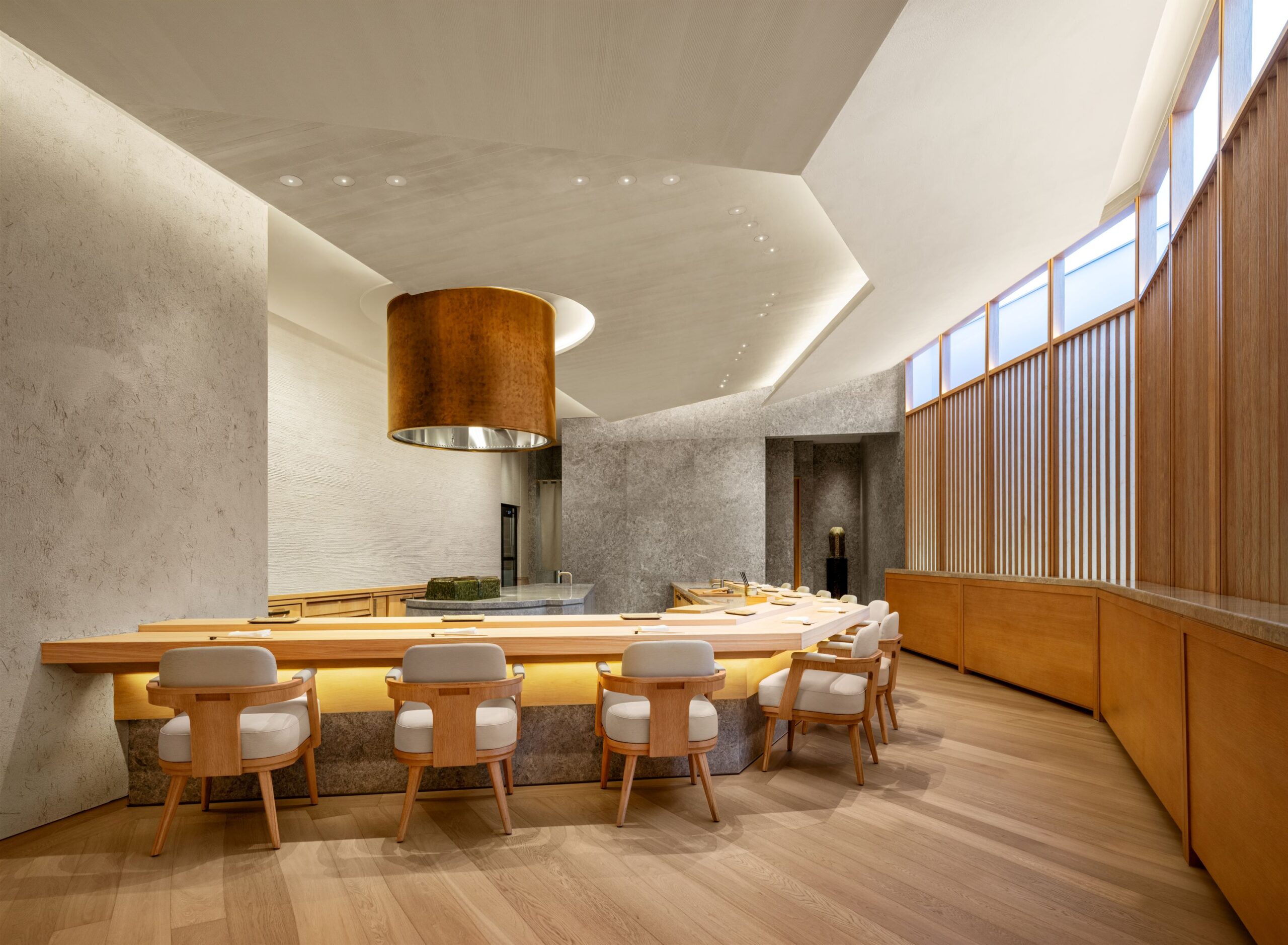
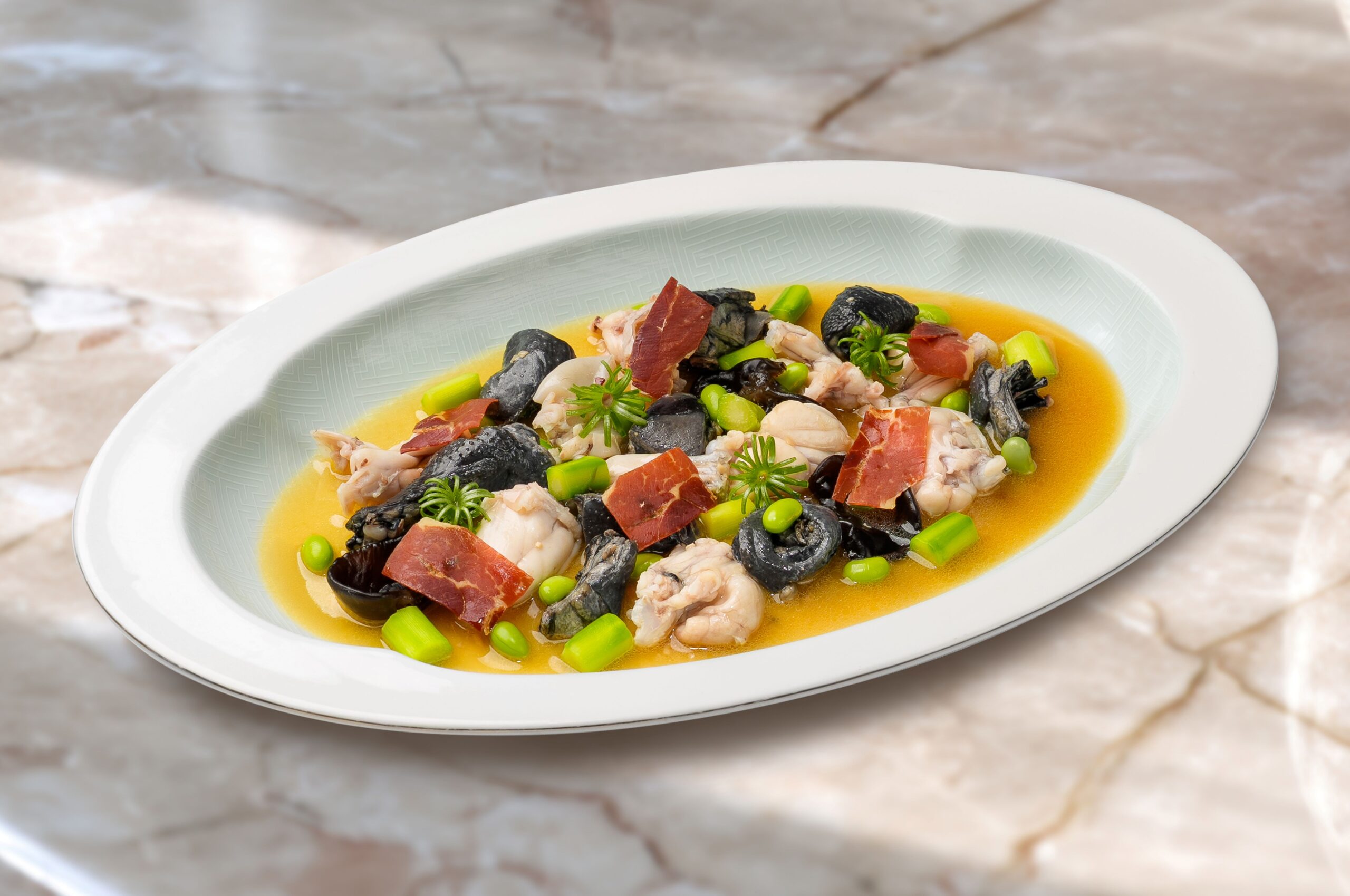
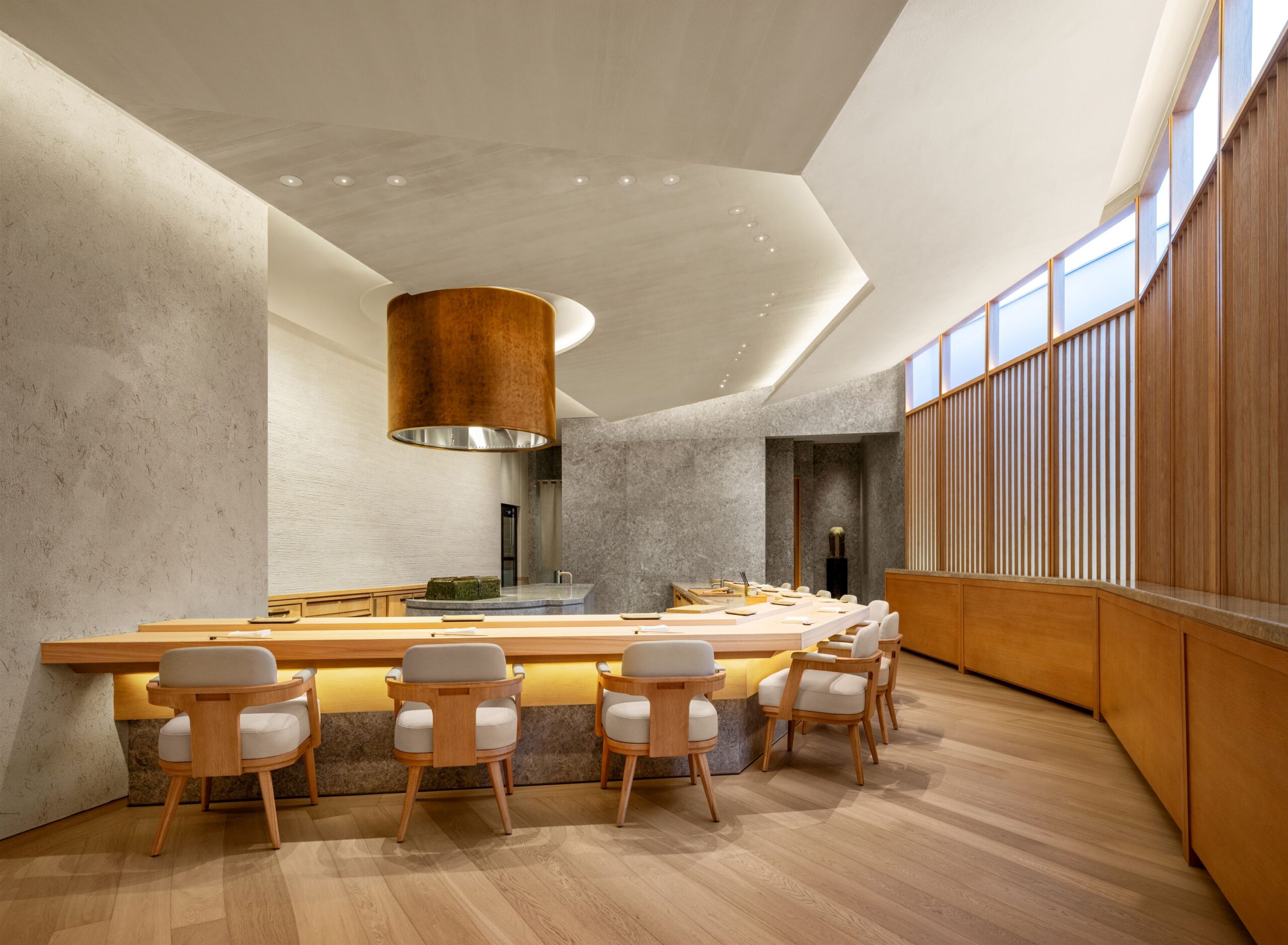
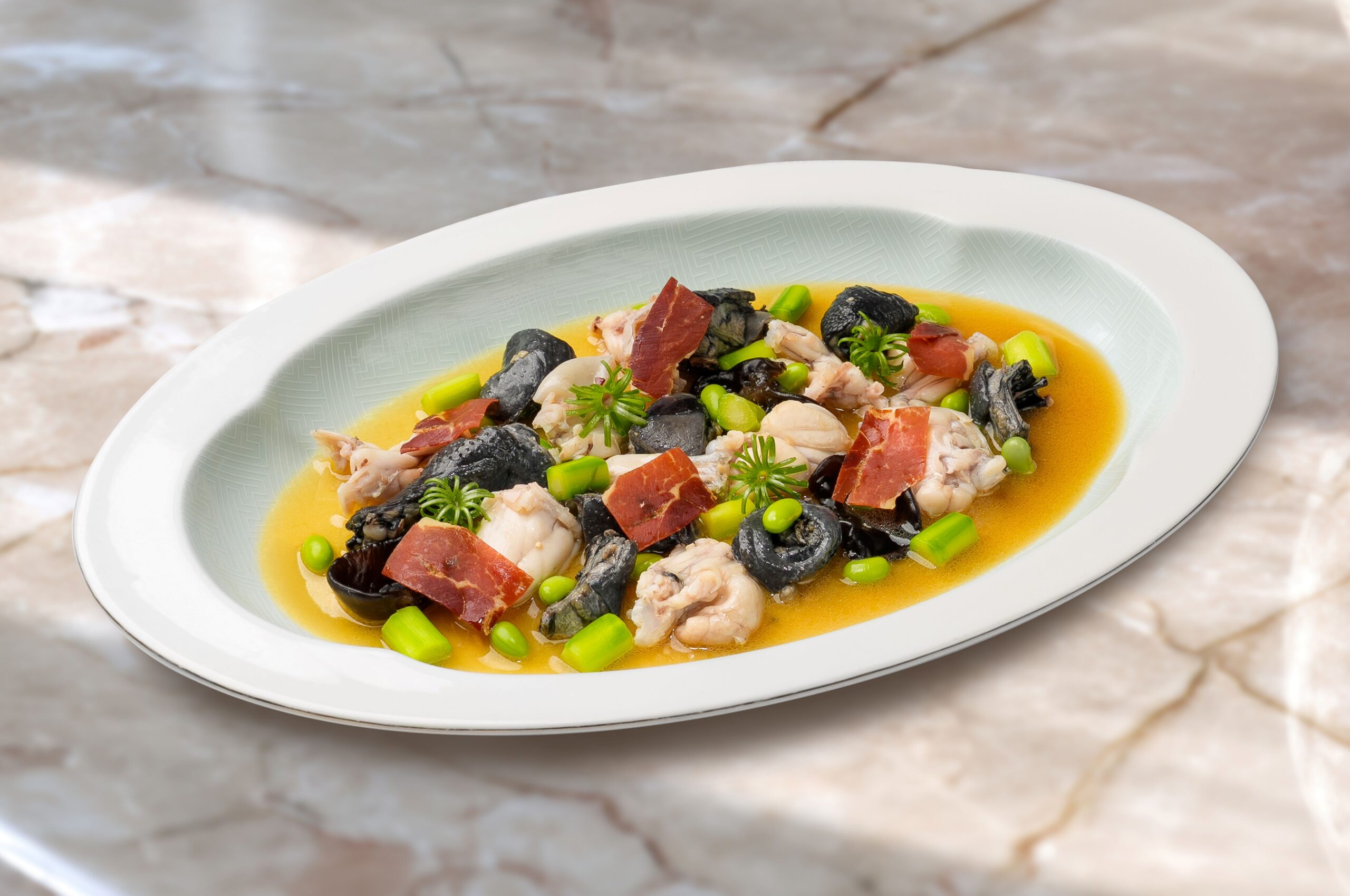
作为日本仅有的六大米其林三星寿司名厨之一,宫川大师将于3月20及21日回归”鮨吉祥 宫川”,联袂顶级日本清酒品牌”Sake Hundred”,展开两场清酒与江户前寿司的华丽对话。”Sake Hundred”旗下的”百光(BYAKKO)”纯米大吟酿,于权威的葡萄酒品评会”IWC 2019″中获得金奖。是次”鮨吉祥 宫川”宴席的清酒,皆由荣获”酒匠(Sakasho)”荣誉的侍酒师Ivan Au Yang精挑细选,与宴席上的美馔和谐配合。全球仅有604名”酒匠”,而Ivan Au Yang则是少数常驻澳门且获此名衔的侍酒师。
HONG KONG SAR – Media OutReach Newswire – 5 March 2026 – The Town Planning Board (TPB) will hold a hearing tomorrow for public representations on the new Ngau Tam Mei (NTM) Outline Zoning Plan. The traditional farming landscape in NTM has existed for over a hundred years. This rural township has also preserved the industry of ornamental fish aquaculture (particularly koi), an industry that has almost disappeared in Hong Kong. In terms of ecology, NTM is closely linked with the Deep Bay wetlands and the future Sam Po Shue Wetland Conservation Park, and supports Eurasian Otter and many wetland birds. In view of these, the Hong Kong Institute of Landscape Architects (HKILA) and World Wide Fund for Nature Hong Kong (WWF) are proposing four enhancement recommendations, which aims to conserve traditional cultural and historic heritage, build public spaces that can be used by both human and wildlife under the “single site, multiple use” model, and transform NTM into an iconic town of rural ecotourism in the Northern Metropolis.
When proposing these enhancement recommendations, HKILA and WWF aim to:
Create a people-oriented livable city
Achieve a future in which people live in harmony with nature
Promote urban-rural integration
Enhance biodiversity
Adopt Nature-based Solutions (NbS) in the development
Details of the four enhancement recommendations are as follows:
Retain the existing koi fish farming ponds (approximately 7 hectares) east of the NTM UniTown, and transform them into a thematic Koi Park, creating public open space while conserving wetland habitats for various wildlife, preserving Hong Kong’s ornamental fish aquaculture industry, and also promoting innovative themed rural tourism.
Preserve the existing agricultural land and fishponds located within the proposed station plaza and riverside park areas as far as possible, and redevelop them into a Lotus Pond Park (approximately 12 hectares) featuring the characteristic Jiangnan waterscape style. This would provide an open wetland landscape for the city centre, enhance ecological functions, and create a distinctive attraction of local thematic immersive tourism.
Taking the opportunity to revitalise the main NTM river channel and construct a multifunctional blue-green corridor, the artificial channel should be ecologically restored. The existing fishponds and agricultural land within the proposed blue-green corridor (approximately 6 ha) should be preserved to enhance ecological value but also increase landscape diversity. These fishponds and agricultural land could further serve purposes such as flood storage and leisure farming.
At Yau Pok Road, the NTM river channel should be modified to divert part of the river flow into the wetland area between Fairview Park and Palm Springs, which falls under the future Sam Po Shue Wetland Conservation Park. Additionally, the associated “Recreation” zone along Yau Pok Road and the river channel should be rezoned to “Open Space” to serve as an extension of the NTM blue-green corridor to improve ecological connectivity. Furthermore, the permitted building heights for the “Residential (Group A) 2” sites in Areas 4A and 4B should be reduced, adopting a stepped building profile on the side facing the river channel to minimise impacts on birds.
Mr. Paul Chan, President of HKILA, pointed out that: “Through close collaboration between HKILA and WWF, our joint recommendations for Ngau Tam Mei bring together landscape and ecological considerations, aligning with Greater Bay Area strategies such as ecological priority and green development. Transforming existing koi farms and other habitats into thematic parks and blue-green corridors will foster urban-rural integration, promote innovative ecotourism, and build a high-quality, healthy, and biodiverse community that balances growth with diversified landscape.”
Dr. Bosco Chan, Director, Conservation of WWF, shared that “The rural landscapes and traditional cultural heritage of Ngau Tam Mei represent a unique opportunity to integrate nature-based solutions into the Northern Metropolis. Our joint recommendations leverage the existing wildlife habitats and thematic local industries to preserve biodiversity, enhance climate resilience, and develop innovative rural tourism. Ultimately, our aim is to create shared spaces where people and wildlife can thrive together, not just in Ngau Tam Mei but also across the Northern Metropolis.”
HKILA and WWF will attend the public hearing held by the TPB on 6 March to brief the TPB members on our recommendations. HKILA and WWF hope that the TPB and the relevant government departments would consider and adopt our proposal, creating a quality, healthy and green Northern Metropolis. HKILA and WWF also hope that the Government will maintain the dialogue with relevant stakeholders on the development and planning of the Northern Metropolis to achieve a win-win situation. Hashtag: #WWFHK #HKILA #Townplanningboard #NbS
The issuer is solely responsible for the content of this announcement.
About Hong Kong Institute of Landscape Architects
Established in 1988, The Hong Kong Institute of Landscape Architects is a body incorporated by The Hong Kong Institute of Landscape Architects Incorporation Ordinance (Cap. 1162), with the objects, among others, to promote the advancement of landscape architecture, raise the standard and maintain the integrity of the landscape architectural profession, and to facilitate the exchange of information and ideas in relation to all aspects of landscape architecture and matters in connection with the landscape architectural profession.
About WWF – Hong Kong
WWF is a leading global conservation organization, with a network active in more than 100 countries. WWF’s mission is to build a future in which humans live in harmony with nature. WWFHong Kong has been working since 1981 to deliver solutions for a living planet through conservation, footprint and education programmes, with the aim of transforming Hong Kong into asia’s most sustainable city.
作爲日本僅有的六大米芝蓮三星壽司名廚之一,宮川大師將於3月20及21日回歸「鮨吉祥 宫川」,聯袂頂級日本清酒品牌「Sake Hundred」,展開兩場清酒與江戶前壽司的華麗對話。「Sake Hundred」旗下的「百光(BYAKKO)」純米大吟釀,於權威的葡萄酒品評會「IWC 2019」中獲得金獎。是次「鮨吉祥 宫川」宴席的清酒,皆由榮獲「酒匠(Sakasho)」榮譽的侍酒師Ivan Au Yang精挑細選,與宴席上的美饌和諧配合。全球僅有604名「酒匠」,而Ivan Au Yang則是少數常駐澳門且獲此名銜的侍酒師。
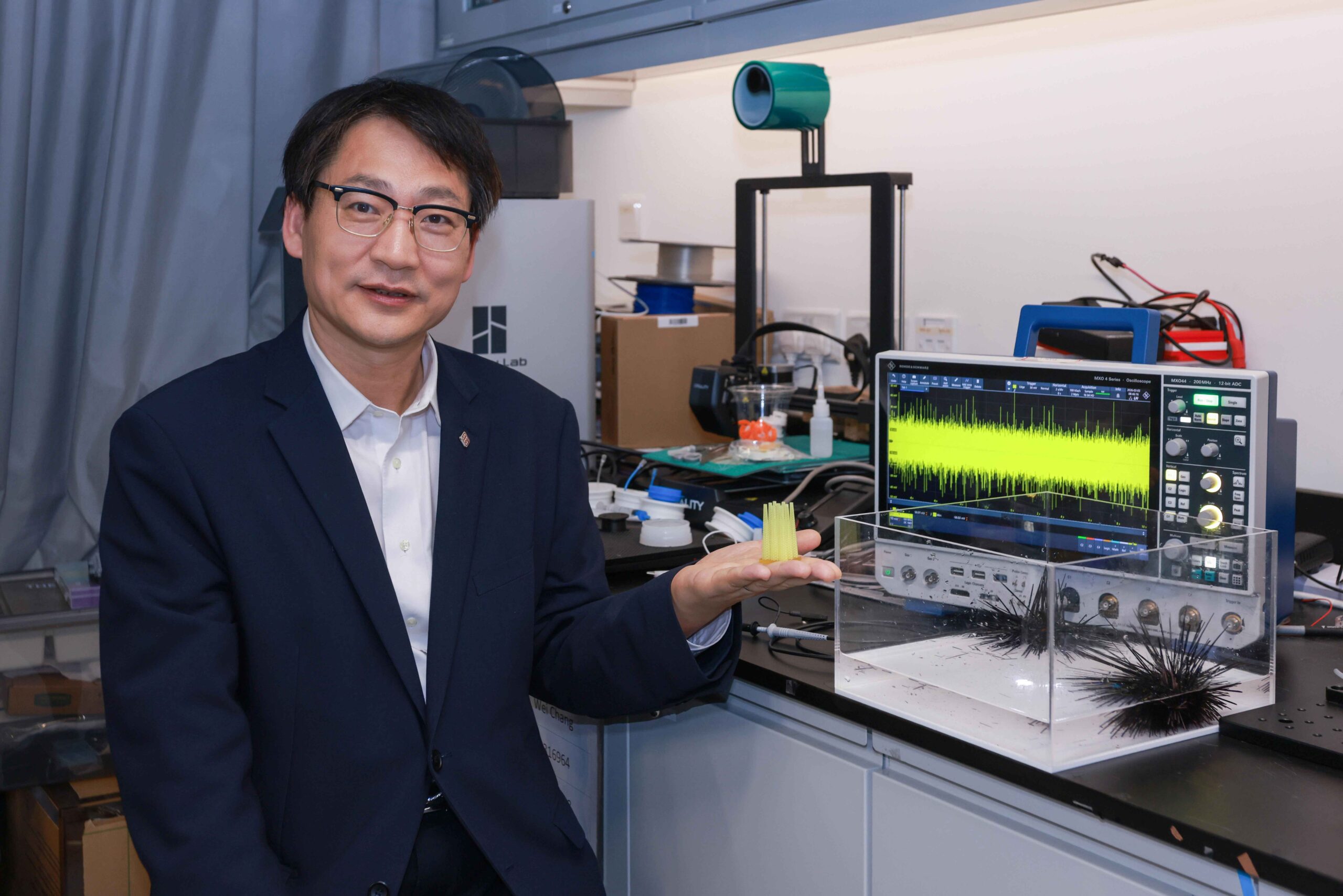
HONG KONG SAR – Media OutReach Newswire – 5 March 2026 – Sea urchin spines are not only for defence—they also act as natural sensors. A research team led by Prof. WANG Zuankai, Associate Vice President (Research and Innovation), Dean of Graduate School, Kuok Group Professor in Nature-Inspired Engineering and Chair Professor of the Department of Mechanical Engineering of The Hong Kong Polytechnic University (PolyU), together with scholars from City University of Hong Kong (CityU) and Huazhong University of Science and Technology (HUST), has discovered the mechanoelectrical perception in sea urchin spines, originating in their gradient porous structure, that allows the spines to instantly detect water flow. Using 3D printing, the team has replicated this structure and developed a bionic metamaterial sensor, which holds promise for breakthroughs in sensing technology. This innovation will drive the advancement of deep-sea technology such as marine monitoring and underwater infrastructure management, and can be extended to other emerging fields like brain-computer interfacing and aerospace.
A research team led by Prof. Wang Zuankai, Associate Vice President (Research and Innovation), Dean of Graduate School, Kuok Group Professor in Nature-Inspired Engineering and Chair Professor of the Department of Mechanical Engineering of PolyU, has discovered the mechanoelectrical perception in sea urchin spines. It originates in the spines’ gradient porous structure that generates electrical signals when water flows through it. The team used 3D printing technology to replicate the structure and develop a novel bionic metamaterial sensor.
The research team found that, in the long-spined sea urchin (Diadema setosum), when a seawater droplet strikes the tip of a spine, the spine rotates rapidly within a second. Electrical measurements revealed that the droplet simulation produced a voltage of about 100 millivolts inside the spine; when the spine is immersed in water, water flow stimulation triggers a voltage of several tens of millivolts. This mechanoelectrical perception was observed even in dead spines, indicating that the mechanism is unrelated to biological cells.
This response originates from the stereom structure of the spine—the porous internal skeleton composed of pores with varying sizes and distributions. These pores exhibit a gradual gradient along the spine from the base to the tip: larger pores and lower solid density at the base, and smaller pores and higher solid density at the tip, forming a bicontinuous gradient porous structure. As water flows through the porous structure, solid-liquid interfacial interaction occurs and the flow exerts shear force on the electric double layer, inducing the separation and redistribution of interfacial charge, which generates a voltage difference. The gradient structure intensifies the interaction between water flow and pore surfaces, resulting in a stronger voltage difference and enhancing the spine’s sensing capabilities.
Inspired by these findings, the researchers used vat photopolymerisation 3D printing to create artificial samples from polymer and ceramic materials that resemble the spine’s stereom. Experiments showed that the spine-mimicking design produce a voltage output about three times higher and an amplitude about eight times greater than non-gradient designs under water flow stimulation, demonstrating that the key to the mechanoelectrical perception lies in the structure rather than the material. They also constructed a bionic 3D metamaterial mechanoreceptor that is designed in a 3 × 3 array with each unit made of gradient porous material. This mechanoreceptor can record electrical signals in real time underwater and precisely locate the position of water flow impact, without the need for additional electricity.
The research team points out that the gradient porous structure in sea urchin spines enhances signal transmission, thereby improving the precision and sensitivity of the mechanoreceptor. By replicating this structure in different materials, it is possible to extend its application beyond water flow sensing to various types of signals, including those measuring pressure, vibration and electromagnetic waves. This will inspire sensing technologies in multiple fields, such as in relation to its use in brain-computer interfaces to enhance the sensing of brainwaves and neural signals, with tremendous application potential.
Prof. Wang Zuankai said, “Compared to traditional mechanoreceptors, our design excels in manufacturability, structural design flexibility, material versatility, geometric and performance control, and real-time underwater self-sensing. Leveraging gradients of porous materials and 3D printing technologies, we aspire to produce more nature-inspired metamaterial sensors with a range of materials, pore sizes and surface features that support potential applications in many fields.”
At the forefront of nature-inspired science and engineering research, Prof. Wang’s team has also invented various new materials, including lotus leaf-inspired self-cleaning surfaces capable of rapid water repellency, Araucaria leaves-inspired surfaces that enable self-propelled liquid transport, and anti-icing structures that achieve spontaneous ejection of freezing droplets by replicating the biological mechanism of spore shooting in fungi. He envisions that their research will open up new avenues for the development of nature-inspired materials.
“For natural porous materials, mechanical properties such as strength may not be the primary function, but rather a by-product of complex biomineralisation. Uncovering previously unknown mechanisms that lie beyond a material’s traditionally recognised function helps us to more comprehensively understand and fully utilise these natural resources. This is crucial for advancing biomimetic research,” he added.
This joint research was co-led by Prof. LU Jian from CityU, and Prof. YAN Chunze and Prof. SU Bin from HUST. The study findings have been published in the international journal Nature. Hashtag: #PolyU #MarineEnvironment #NatureInspiredEngineering #SensingTechnology #DeepSeaTechnology #Brain-ComputerInterface #Nature #HongKong
The issuer is solely responsible for the content of this announcement.




 http://www.infinixmobility.com/

 www.galaxyresorts.com.cn

 https://wwf.org.hk
 https://www.facebook.com/wwfhongkong
 https://www.instagram.com/wwfhk/?hl=en

 https://wwf.org.hk
 https://www.facebook.com/wwfhongkong
 https://www.instagram.com/wwfhk/?hl=en