Wednesday, 5 August 2026 Stay informed. No noise.

2ND MALAYSIA CARBON MARKET FORUM BY BURSA CARBON EXCHANGE: A LEAP FORWARD IN ACCELERATING MALAYSIA’S CARBON MARKET

Key highlights include;
• ASEAN Common Carbon Framework to facilitate development of a
regional carbon market ecosystem
• Launch of the Malaysia Carbon Market Association (MCMA)
• Conceptualisation of a fundraising platform for domestic carbon
projects

Kuala Lumpur, 8 August 2024 – Bursa Carbon Exchange (“BCX”), a wholly-owned
subsidiary of Bursa Malaysia Berhad (“Bursa Malaysia” or the “Exchange”), is pleased to put
forth the second instalment of its Malaysia Carbon Market Forum (“MCMF”) in Kuala
Lumpur today. Themed “Empowering Climate Actions through Carbon Market,” MCMF
centres on exploring best practices to advance Malaysia’s carbon market ecosystem in
support of the national climate agenda. The event was officiated by Datuk Dr Ching Thoo
a/l Kim, Secretary-General of the Ministry of Natural Resources and Environmental
Sustainability of Malaysia (NRES), who also delivered the keynote address.

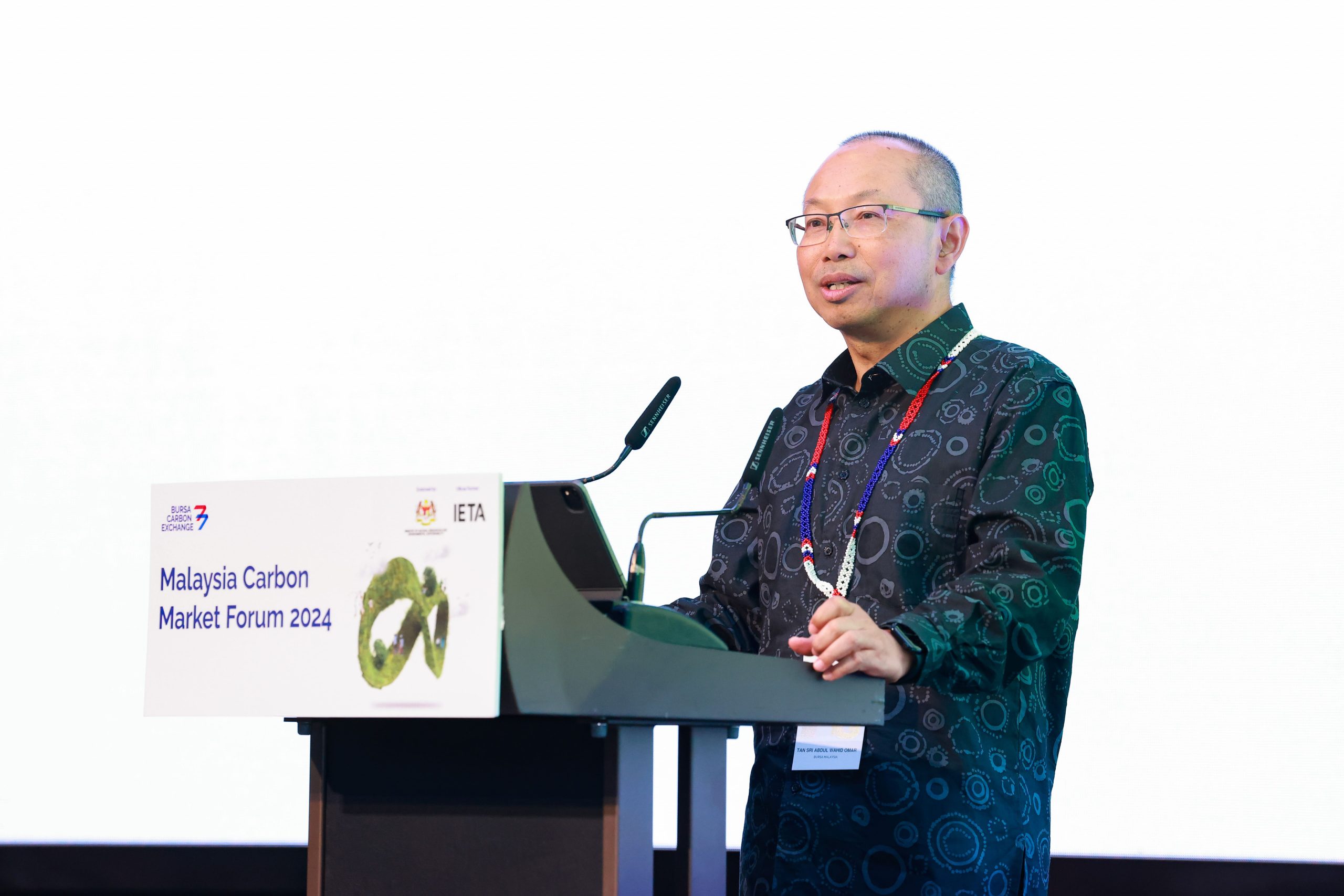
Commenting on the forum’s significance, Tan Sri Abdul Wahid Omar, Chairman of Bursa
Malaysia said, “Our carbon market is rapidly evolving, presenting enhancements and new
opportunities that Malaysia can leverage on, to advance its commitment to net-zero.
While Malaysia has significant potential for prospective carbon projects capable of
generating valuable carbon credits, the market continues to encounter challenges such
as limited liquidity and a reliance on international standards. Today’s forum brings
together participants from the public and private sectors, both domestically and
internationally, to exchange ideas and begin to address these challenges. We hope this
will accelerate progress in Malaysia’s carbon market and ultimately, foster a vibrant
carbon market.”


This ties in well with the ASEAN Common Carbon Framework, an initiative which is
expected to expedite the development of a cohesive ecosystem in the region, via carbon
market collaborations. The proposed regional framework was discussed in a roundtable
hosted by the ASEAN Business Advisory Council (ASEAN-BAC) of Malaysia, held in
conjunction with the forum. The framework intends to facilitate the development of
national carbon standards by interested ASEAN Member States, by encouraging mutual
recognition of methodologies and the sharing of resources in targeted strategic areas
such as capability sharing, and the interoperability within the ASEAN region. This regional
development is also timely given Malaysia’s upcoming Chairmanship of ASEAN in
2025, in part towards advancing the sustainability agenda.

2.2 101

Datuk Muhamad Umar Swift, Chief Executive Officer of Bursa Malaysia explained further,
“The proposed ASEAN Common Carbon Framework is in line with ASEAN’s collective
commitment to addressing climate change and supporting the vision of the ASEAN
Strategy for Carbon Neutrality1

. This is pivotal in developing member countries’ national
carbon standards, which is key to unlocking domestic carbon project opportunities.”

“The framework will foster greater linkages among voluntary and compliance carbon
markets within ASEAN, to promote market liquidity and enhance carbon pricing efficiency.
We envisage this will accelerate the growth of carbon projects, attracting local and
international credit buyers to the region.”

Another highlight of today’s MCMF was the launch of the Malaysia Carbon Market
Association (MCMA) by Datuk Dr Ching Thoo, NRES Secretary-General, in the presence of
several MCMA founding members’ CEOs and senior management, MCMA executive
committee members, and ASEAN-BAC Malaysia council members. The MCMA has been
established to facilitate and accelerate the development of the Malaysian carbon market
through inputs towards the formulation of national carbon market policies, talent
capability building and strategic collaborations with domestic and international carbon
market participants.


“Bursa Malaysia is pleased to be among the founding members of the MCMA and to
contribute a seed fund, to mobilise initiatives needed to strengthen the carbon market
ecosystem in Malaysia. Specifically, our contribution aims to nurture the local talent pool and support ecosystem players to be ready to undertake opportunities via carbon markets,” added Datuk Muhamad Umar.

Notably, this year’s MCMF established an official collaboration with the International
Emissions Trading Association (IETA), with Dirk Forrister, the CEO and President of IETA,
attending as both a partner and speaker. According to Dirk, “In order to achieve the goals
of the Paris Agreement, we need to develop carbon markets in all corners of the globe, to
ensure that reductions are made wherever they can, and that efficient systems allow
those reductions to flow to where they are needed. A robust carbon market in Malaysia is
one of the key elements to connect global buyers to the immense potential of climate
action in Malaysia.”

2.4 111

Other speakers at the forum included among others, representatives from the Indonesia
and Thailand governments; independent environmental attribute standards such as Verra,
Gold Standard and the I-TRACK Standard Foundation; as well as carbon associations from
Malaysia, Indonesia and Thailand. The forum also featured speakers from the energy
sector, including the Energy Commission of Malaysia, PETRONAS and Sarawak Energy
Berhad; carbon project developers such as Permian Global and SaraCarbon; and financial
sector representatives from CIMB Bank and Macquarie Group.

The MCMF’s final plenary session that focused on financing carbon projects concluded
with an invitation for participants to join Bursa Malaysia’s Industry Working Group (IWG) to
address financing gaps in carbon projects. The IWG’s goal is to develop a conceptual
framework for a fundraising platform for domestic carbon projects. Relevant stakeholders
such as project developers, carbon project consultants, investors, or financial institutions
are encouraged to register their interest via the interest form.

The Malaysia Carbon Market Forum that was inaugurated in 2023 is BCX’s annual flagship
event dedicated to driving conversations and actions that shape and advance Malaysia’s
carbon market. The forum continues to raise awareness and facilitate for knowledge
sharing and networking among the business community and carbon market players, with
the goal of supporting Malaysia’s and ASEAN’s transition to a low-carbon economy.

This year’s MCMF attracted over 350 physical and more than 400 virtual attendees from
both international and local carbon communities. Penan and Kenyah artisans from
Sarawak were invited to showcase their crafts as part of BCX and Sarawak Energy’s
support for these communities.
SMART MANUFACTURING INSPIRES FAMILY BUSINESS SUCCESSION THE MALAYSIA SMART MANUFACTURING AWARDS 2023 SHARES FINDINGS AND OBSERVATION

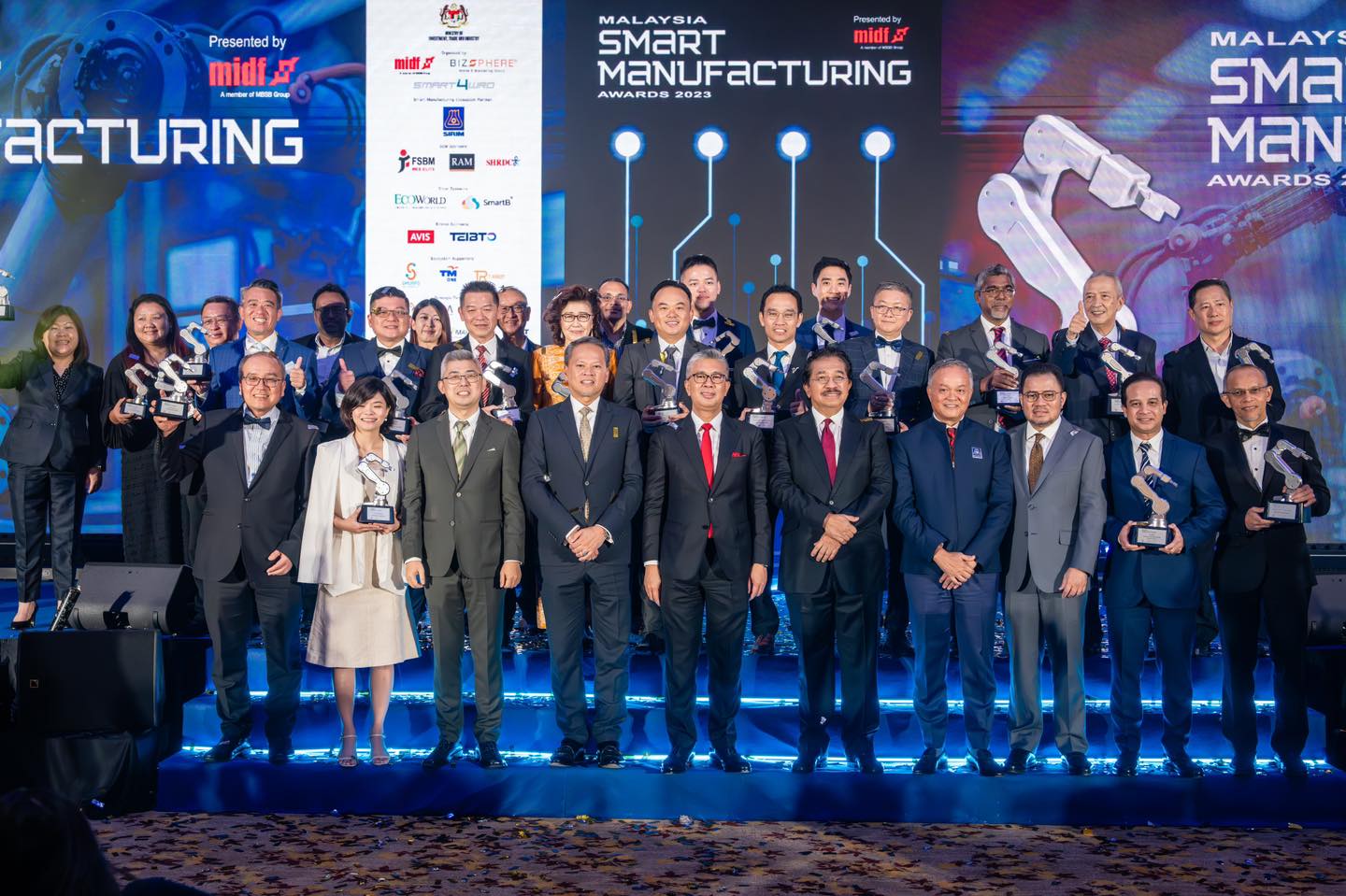
Kuala Lumpur, 13th Aug 2024 – The Malaysia Smart Manufacturing Awards 2023 (MSMA 2023), co-organised by MIDF, Bizsphere, and Smart4wrd, and endorsed by the Ministry of Investment, Trade, and Industry Malaysia, concluded with significant insights and observations from the nominations. The awards ceremony, held on 24th July 2024 in the presence of Yang Berhormat YB Senator Tengku Datuk Seri Utama Zafrul Tengku Abdul Aziz Minister of Investment, Trade, and Industry Malaysia, saw attendance from heads of government agencies, business leaders, manufacturers, and stakeholders of the smart manufacturing ecosystem. SIRIM was the Smart Manufacturing Ecosystem Partner of MSMA 2023 with FSBM MES Elite, SHRDC, RAM, SmartB Solutions, EcoWorld, Avis and Teibto as sponsors.

During the event, Mr. Yap Keng Teck, Managing Consultant of Bizsphere and Programme Head of Smart4wrd, shared 10 key findings and observations from the nominations. These insights are crucial for the business community to understand the significant impact and potential of smart manufacturing on Malaysian manufacturers.

Key Findings and Observations:

  1. Industry4WRD Programmes: A Key Motivation to Kick-Start the Smart Manufacturing Journey

The Industry4WRD Readiness Assessment (RA) has been instrumental in providing manufacturers with a comprehensive understanding of their current capabilities and identifying areas for improvement. This assessment helped companies discover pain points that could be effectively addressed using Industry 4.0 technologies. Additionally, the Industry4WRD Intervention Fund has proven to be a significant motivator, enabling companies to invest in smart manufacturing solutions.

  1. Inspiring Family Business Succession

Smart manufacturing initiatives have motivated younger family members to join and modernize their family businesses, ensuring continued growth and innovation through generational succession. This new wave of technology has allowed younger members to engage in transformative projects, demonstrating their capabilities and driving innovation within the company. It has rejuvenated interest in manufacturing and provided a sense of purpose and challenge for the next generation.

  1. Implementation Can Be Achieved at a Reasonable Cost

Contrary to the perception that Industry 4.0 implementations require substantial investments, many projects have been successfully executed for less than RM 100,000. Notably, some mid-tier companies have managed to spend even less than SMEs while achieving high returns on investment. These examples highlight that cost-effective solutions are available, making smart manufacturing accessible to a wider range of businesses.

  1. Operators Feel Proud and Motivated to Work

The integration of Industry 4.0 technologies has transformed the roles of operators, elevating their responsibilities and engagement. For instance, employees who were previously seen as mere data entry personnel are now analyzing data to make informed decisions. This shift has boosted their pride and motivation, as they now play a crucial role in the decision-making process and contribute directly to the company’s success.

  1. Significant Increase in Production Capacity

Adoption of Industry 4.0 technologies has led to remarkable improvements in production capacity. Some companies reported over a 60% increase in output by implementing smart manufacturing solutions in just one of their processes. These substantial gains demonstrate the potential for Industry 4.0 to revolutionize production efficiency and scalability.

  1. New Business Opportunities and Revenue Streams

Several companies have leveraged their internal expertise and operational know-how to develop proprietary smart manufacturing systems. These systems have not only optimized their own operations but also been productized and offered as solutions to other manufacturers in similar sectors. This approach has opened up new business opportunities and created additional revenue streams, showcasing the innovative potential of Industry 4.0.

  1. Implementation Possible Without an Internal Technical Team

Successful implementation of Industry 4.0 projects has been observed even in companies lacking internal technical expertise. These companies have collaborated with external technology providers and consultants to execute projects with significant impact. This finding underscores the feasibility of adopting smart manufacturing solutions without the need for a dedicated in-house technical team.

  1. Involvement of Company Leadership Guarantees High Success

The active involvement of company leadership has been a critical factor in the success of Industry 4.0 projects. Initiatives championed by top executives and heads of companies have shown markedly better results. Leadership engagement ensures strategic alignment, resource allocation, and sustained commitment, driving the successful adoption of smart manufacturing technologies.

  1. Data Utilization for Intelligence Yet to Be Maximized by Many

While many nominees have successfully adopted Industry 4.0 technologies and generated valuable data, there is still significant untapped potential in data utilization. Minimal efforts have been made to analyze and leverage this data for strategic business decisions. This presents an opportunity for companies to enhance their competitive edge by fully harnessing data-driven insights.

  1. Laying the Foundation Towards ESG Compliance

The convergence of Information Technology (IT) and Operational Technology (OT) facilitated by Industry 4.0 has greatly enhanced visibility and traceability within manufacturing processes. This integration supports Environmental, Social, and Governance (ESG) compliance by enabling better monitoring, reporting, and management of sustainability efforts. Companies are now better equipped to meet ESG standards and demonstrate their commitment to sustainable practices.

Award Winners:

The MSMA 2023 recognized the following companies for their outstanding achievements in smart manufacturing:

Chuan Sin Sdn Bhd

CTRM Aero Composites Sdn Bhd, a member of DRB-Hicom

ViTrox Technologies Sdn Bhd

Pet World Nutritions Sdn Bhd

Ingress AOI Technologies Sdn Bhd

HICOM-Teck See Manufacturing Malaysia Sdn Bhd, a member of DRB-Hicom

PHN Industry Sdn Bhd, a member of DRB-Hicom

Cooltec Industries Sdn Bhd

P. A. Food Sdn Bhd

CPI (KL) Sdn Bhd

Hernan Corporation Sdn Bhd

Sydney Cake House Sdn Bhd

Famax Technology (M) Sdn Bhd

Ngeam Engineering Works Sdn Bhd

Markaids (M) Sdn Bhd

Setsu Precision Technology (M) Sdn Bhd

Promooi Plastic Industries Sdn Bhd

Q-FIT Sdn Bhd

Green Borneo Industries Sdn Bhd

Standard Kitchen Sdn Bhd

Emerging EPC Sdn Bhd

Sincerely Dyeing & Finishing Sdn Bhd

Inari Integrated System Sdn Bhd

Mr. Yap Keng Teck stated, “The findings from the MSMA 2023 nominations underscore the transformative power of smart manufacturing. It is heartening to see the tangible benefits realized by manufacturers, from increased production capacity to new business opportunities. These success stories serve as an inspiration for others in the industry to embark on their smart manufacturing journey.”

The MSMA 2023 has not only recognized excellence but also highlighted the significant strides made by Malaysian manufacturers in embracing Industry 4.0, setting a strong foundation for the future of manufacturing in Malaysia.

foodpanda Malaysia launches ‘Jejak Panda’ to provide accessible income opportunities

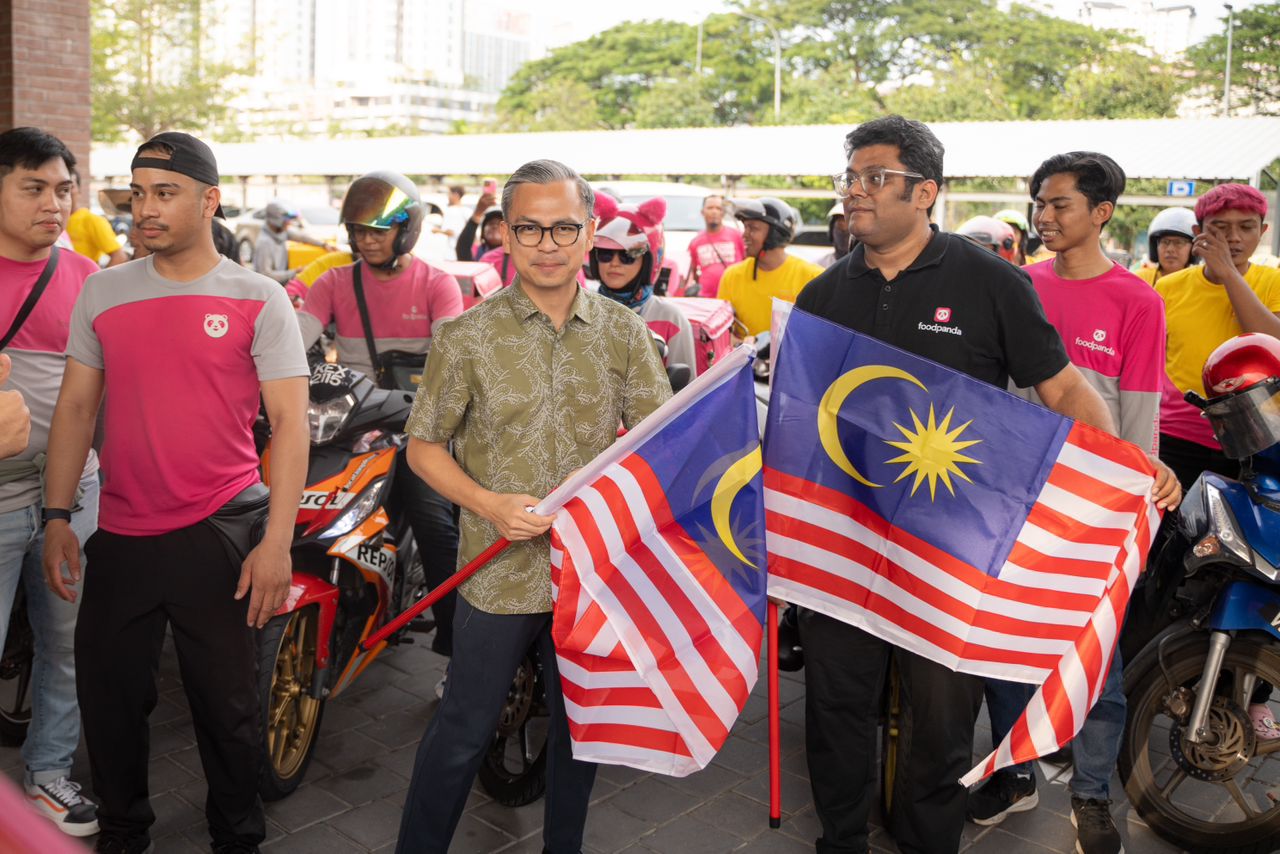
KUALA LUMPUR,  13 AUGUST 2024 – foodpanda Malaysia has introduced a delivery partner recruitment campaign providing quick earning opportunities, as part of its commitment to uplifting the local communities it serves.

The  campaign, “Jejak Panda”, was launched by YB Fahmi Fadzil, Member of Parliament for Lembah Pantai and concurrently the Minister of Communications and Shubham Saran, Director of Operations at foodpanda Malaysia at a one-day event at IWK Eco Park in Pantai Dalam on 13 August 2024.

“Jejak Panda” reiterates foodpanda’s continuous efforts to uplift the communities it serves by offering easy access to earning opportunities. As freelancers, foodpanda delivery partners can work as and when they wish. This provides an accessible option for those seeking temporary income, or wanting to supplement their existing earnings.

The event, which was attended by over 150 Pantai Dalam residents, provided attendees an exclusive chance to sign up as a foodpanda delivery partner and receive their ID on the spot. Those who signed up also received on-the-day training and complimentary rider kit worth up to RM150. This allowed them to start delivering immediately, bypassing the usual 2-3 working day application process.

Attendees were treated to an afternoon of food, fun, and a series of activities, including free health and eye checkups. They also learnt about the welfare and engagement initiatives under ‘panda hearts’ – a recently launched programme designed to uplift and support delivery partners in key areas they value. Some of these benefits include insurance schemes available to all foodpanda delivery partners and their families, as well as upskilling programmes.

Shubham Saran, Director of Operations, foodpanda Malaysia, said, “As a leading delivery platform in Malaysia, we recognise the important role we play in supporting our communities and offering accessible earning opportunities. We are grateful for the support of our partners, which helps us reach more people and make a greater impact across Malaysia,”

“Our support for communities goes beyond just offering earning opportunities. As a foodpanda delivery partner, they will benefit from the welfare and engagement initiatives under panda hearts, helping them to get closer to their life goals and aspirations.” concludes Shubham.

-End-

Kenanga Investors Launches New Global Islamic AI Fund

KUALA LUMPUR, MALAYSIA – Media OutReach Newswire – 14 August 2024 – Kenanga Investors Berhad (“Kenanga Investors”) has announced the launch of the Kenanga Alternative Series: Islamic Global Responsible Strategies Fund (“KASIGRSF”), a new addition to the Kenanga Alternative Series.

The KASIGRSF is an open-ended Islamic wholesale fund that seeks to provide capital growth through exposure across global Shariah-compliant equities by investing in Chicago Global Responsible Strategies (“Target Fund”). The Target Fund is an open-ended Shariah-compliant fund, managed by Chicago Global Capital Pte. Ltd (“Target Fund Manager”). The Target Fund leverages advanced big data to determine alpha signals that best predict future returns which includes using artificial intelligence (“AI”) to identify financial data, market trends, social sentiment, and alternative data sources.

“Innovation in Islamic asset management has been relatively limited over the past 20 years with Shariah-compliant investment products accounting for less than 1% of the world’s financial assets. Islamic investors have been largely underserved, with few options beyond concentrated, actively managed funds or broad market Islamic indices. However, the industry is now facing a necessary evolution. With approximately 2.5 quintillion bytes of data generated each day worldwide, traditional methods are not equipped to handle supermassive, unstructured datasets. The Target Fund addresses this gap, leveraging advanced machine learning techniques to offer a sophisticated, data-driven approach and Shariah-compliant investment solution for investors”, said Executive Director and Chief Executive Officer of Kenanga Investors, Datuk Wira Ismitz Matthew De Alwis.

“By incorporating the new fund into our suite of products, we are also enabling our investors to diversify their portfolios, manage risk more effectively, and pursue their financial goals with a holistic approach. Ultimately, this aligns with our commitment to delivering well-rounded and strategic financial planning services for long-term success”, he added.

The investment philosophy underpinning the Target Fund is deeply rooted in the University of Chicago’s heritage in finance, with the over 20 alpha signals derived from rigorous academic research, developed in collaboration with Nobel Prize-winning scientists at the university. Ivan Chelebiev, Founder and Chief Executive Officer of Chicago Global Capital (“Chicago Global”) explained, “Chicago Global Capital operates a state-of-the-art asset pricing engine, which distils, verifies, and analyses a billion datapoints per week, extracting actionable intelligence in real-time. We identify and deploy investment signals that are up to 10 times stronger than conventional methods. As the industry continues to evolve, Kenanga Investors’ commitment to bringing cutting-edge strategies to its investors will set it apart from its rivals. To fuel its next growth chapter, we are excited to partner with Kenanga Investors to launch KASIGRSF. The team at Chicago Global remains focused on delivering exceptional value to our partner and its investors, cementing our position as a pioneer in the age of data-driven investing”.

Benchmarked against the MSCI ACWI Islamic Index, the KASIGRSF is suitable for Sophisticated Investors with medium to long term investment horizons. It is available in dual currency classes of MYR and USD with minimum initial investment amounts of RM5,000 and USD1,000 respectively.

The Kenanga Alternative Series (“Series”), which was launched in July 2024, aims to cater to investors’ tactical needs while seizing emerging opportunities within dynamic market segments. In addition to KASIGRSF, the Series also includes the Kenanga Alternative Series: Income Opportunities Fund. Each fund offers unique benefits, allowing investors to diversify and hedge their portfolios according to their needs.

The Hong Kong-based Asia Asset Management’s 2024 Best of the Best Awards has awarded Kenanga Investors with the Malaysia Best House for Alternatives title for five consecutive years. This recognition underscores the asset manager’s excellence and innovation in the alternatives investment space, reaffirming its position as a trusted leader in the industry.

For more information about Kenanga Investors, please visit www.kenangainvestors.com.my.

Kenanga Investors Berhad 199501024358 (353563-P)
We provide investment solutions ranging from collective investment schemes, portfolio management services, and alternative investments for retail, corporate, institutional, and high net worth clients via a multi-distribution network.

The Hong Kong-based Asia Asset Management’s 2024 Best of the Best Awards awarded KIB under the following categories, Malaysia Best Impact Investing Manager, Best Impact Investing Manager in ASEAN, Malaysia Best Equity Manager, Malaysia CEO of the Year, Malaysia CIO of the Year, Malaysia Best House for Alternatives, Malaysia Most Improved Fund House and Malaysia Best Investor Education.

At the LSEG Lipper Fund Awards Malaysia 2024, KIB received awards for the Kenanga Malaysian Inc Fund (“KMIF”) under the best Equity Malaysia Diversified – Malaysia Pension Funds over 10 Years and the Kenanga Diversified Fund (“KDF”) under the best Mixed Asset MYR Flexible – Malaysia Pension Fund over 10 Years.

The FSMOne Recommended Unit Trusts Awards 2024/2025 named Kenanga Growth Fund Series 2 as “Sector Equity – Malaysia Focused”.

For the seventh consecutive year, KIB was affirmed an investment manager rating of IMR-2 by Malaysian Rating Corporation Berhad, since first rated in 2017. The IMR rating on KIB reflects the fund management company’s well-established investment processes and sound risk management practices. As at end-June 2023, most of KIB’s funds had performed better than benchmarks and were comparable to peers.

Cybersecurity Threat Landscape: Emerging threats and Mitigating Risks in 2024

14 August 2024

The cybersecurity threat landscape is constantly evolving as new threat actors, technologies and threats emerge, creating an uncertain world for organisations and the public alike with potential pitfalls in even opening an email. Cybersecurity professionals must stay vigilant and ahead of rapidly evolving schemes, threats and strategies by cybercriminals who are leveraging open source technologies and are becoming increasingly sophisticated.

A Broad Overview of the Threat Landscape

Based on the findings from the Kaspersky Incident Response Analyst Report 2023, the present scale of cyberthreats saw that 75% of cyberattack attempts exploited Microsoft Office. In terms of infection vectors, 42.3% of successful attempts used publicly available applications with 20.3% using compromised accounts while just 8.5% used brute force credentials.

When it comes to infection vectors, most incursions were on attackers using stolen or purchased credentials before committing a remote desktop protocol (RDP) attack, phishing emails loaded with malicious attachments and links and malicious files on public resources imitating document templates. At a silver lining, attack attempts dropped by 36% in Q1 of 2023 compared to the same period in 2022.

After incurring a cyberattack, the aftermath resulted in 33.3% of organisations getting their data encrypted, 21.1% incurring data theft and 12.2% encountered compromised active directories.

Based on a prior Kaspersky survey conducted in 2022, the biggest looming cyberthreat risk is ransomware (66%) along with data theft (also 66%), followed closely by cybersabotage (62%), supply chain attacks (60%) and DDos attacks (also 60%), cyberespionage (59%), advanced persistent threats [APT] (57%) and cryptomining (56%). For 2024, currently trending cyberthreats are primarily supply chain attacks (6.8%) and targeted phishing attempts (5.1%) which remain a clear and present threat for businesses.

Based on the same 2023 statistics, the most prolific target by threat actors was governments (27.9%), financial institutions (12.2%), manufacturing (17%) and IT companies (8.8%). In terms of targeted regions, Asia and CIS saw the most cybersecurity incidents at 47.3% followed by the Americas (21.8%), the Middle East (10.9%) and Europe (9.1%). “Governments were the most prolific target by threat actors followed distantly by manufacturing and financial institutions with the largest cyberthreat risk being ransomware and cybersabotage,” said Igor Kuznetsov, Director, Global Research & Analysis Team (GReAT) at Kaspersky.

Based on statistics from Kaspersky’s security solutions employed by clients, over 220,000 businesses were protected around the world with 6.1 billion attacks prevented with Kaspersky security solutions along with 437 million internet-borne threats detected and stopped. In addition, over 325,000 users were saved from financial loss after banking trojans were detected and thwarted.

To achieve this, Kaspersky security services detected over 411,000 unique malware samples daily in 2024 which is an increase over 403,000 daily in 2023. In terms of cybersecurity incidents, over 99% were detected by automatic systems. 2023 also saw 106 million unique malicious URLs detected and 200 advanced persistent threat (APTs) groups that are currently active.

Ransomware as a service (RaaS) coming to the fore

The prevailing trend is that cybercrime is often run as a business with the majority of detected cybersecurity incidents (71%) being financially driven. There was a marked rise in ransomware incidents that saw the percentage of users affected by targeted ransomware almost doubling in 2021-2022. This was borne with a survey that saw 68% of business owners surveyed believing that IT security risks keep rising.

“There are three popular myths in regards to ransomware,” said Igor,” the first being that cybercriminals are just criminals with an IT education, that the targets of ransomware are set before an attack and that ransomware gangs are acting along.” Contrary to popular opinion, most cyber incidents are opportunistic attacks while many ransomware gangs actually work with affiliates much like a business, performing ransomware as a service (RaaS).

RaaS operates as a sophisticated process, initially involving a ransomware developer and a packer developer to create the malware itself, which is then marketed to other cybercriminals. Various specialised threat actors contribute to the ransomware ecosystem:
1. Access resellers offer entry to protected systems as a service, often selling their wares on specialised underground marketplaces.
2. Rogue analysts identify the true value of targets and make strategic suggestions to professional negotiators. Once a malware payload has been delivered, these specialised negotiators come into play to ensure the ransom is paid using their social engineering skills. After payment, they facilitate the laundering of funds before the cycle repeats.
3. State-sponsored Advanced Persistent Threat (APT) actors may exploit cybercriminals as convenient entry points into targets of interest, using these connections to conduct espionage or inflict damage on victims.

In some cases, these operations may include infiltration tactics (similar to red team exercises) to deploy ransomware effectively. This collaborative approach allows cybercriminals to pool their expertise, making ransomware attacks more sophisticated and challenging to defend against, while also ensuring the entire process from initial breach to fund laundering is handled by specialists at each stage.

To optimise the chances of success, cybercriminals may afford purchasing 0-day exploits from other criminals which was a luxury previously accessible only to state-sponsored actors but which is now up for the highest bidder. Crossplatform cryptors are also becoming more creative and adaptive and have enacted self-defense mechanisms to their malware to make them more difficult to decrypt.

These various specialised cybercriminals all play their part and once a malware payload has been delivered, specialised threat actors who act as professional negotiators come into play to get the ransom paid and after the ransom is paid, to then get the funds laundered before the cycle repeats itself.

“Ultimately, affected organisations must not pay a ransom which will perpetuate and enable more cybercrime,” said Igor. He warned that even if a ransom is paid, the data may have already been stolen and could be leaked later or used for further extortion attempts. Instead, Igor highlighted alternative solutions: “Victims can often recover their data without paying. Kaspersky maintains a vault of keys and tools to decrypt data locked by various ransomware families. Since 2018, over 1.5 million users worldwide have successfully recovered their data using these resources.”

Operation Triangulation

One of the biggest potential threat vectors that was discovered by Kaspersky was Operation Triangulation that targeted iOS devices with unknown malware and which exploited a hardware vulnerability inside Apple CPUs and employed four 0-day vulnerabilities to infect a target devices which would cost more than US$1 million in the black market to obtain.

When an iOS device is targeted, it will get an invisible iMessage with a malicious attachment with a non-interaction exploit from the message initiating code execution. Once the code is deployed, it connects to a service and then starts a multi-stage execution of the malware payload. Once this is completed, an attacker will gain full control over the compromised iOS device and all traces and logs are then wiped to eliminate any trace of the attack.

These vulnerabilities have already been patched by Apple but to prevent possible future cyberattacks, users of iOS devices need to regularly update their firmware, conduct regular reboots and disable iMessage to prevent it as a possible malware pathway.

Containerised Systems – Implementing Rules To Mitigate Risk

Supply chain attacks, closely tied to containerised systems running on open-source software, present another significant threat vector for 2024. These cloud-hosted systems enable services to operate independently from the host operating system, allowing execution in diverse environments. Containerisation facilitates lightweight, efficient applications that can run on various devices and in clusters, managing demanding workloads at scale. This versatility underpins many modern applications and systems, including open-source platforms like Kubernetes.

“Containerised systems often rely on numerous third-party dependencies, introducing significant supply chain risks from both malicious intent and unintentional flaws,” explains Igor. He cites two recent examples: “The Crowdstrike event caused an outage on millions of devices, demonstrating how a faulty update can have widespread impact. Additionally, a less publicised attack on XZ Linux utilities could have compromised millions of SSH-enabled devices, highlighting the potential for malicious exploitation in the supply chain.”

At present, hundreds of millions of open source packages are accessible to developers at popular sites like GitHub with over 100 million developers using the site. On average, 670 malicious open source packages are discovered every month and to date, over 12,000 vulnerable open source packages have been known and identified.

Proper security policies need to be enacted for containerised systems with close scrutiny to images to ensure no vulnerable or untrusted content, ensuring the image registry does not contain outdated or misconfigured settings, that the orchestrator has robust access and network control policies free of configuration and authentication errors, that containers have safe configurations and ensuring that host OS systems ensure shared kernels are managed responsibly while minimising potential attack surfaces.

More robust rules for containerised systems need to be implemented and a system such as Kaspersky Security Container that protects at multiple levels needs to be integrated into systems along with a comprehensive security policy.

Best cybersecurity practices for 2024

To avoid falling victim to a targeted attack by a known or unknown threat actor, organisations need to create and maintain a mature security posture through a combination of effective strategy, proper employee education on cybersecurity, updated threat intelligence from trusted cybersecurity providers and a proper application of technology. While no system is infallible or invulnerable, Kaspersky researchers recommend implementing the following security measures to maximise protection:

● Update your operating system, applications, and antivirus software regularly to patch any known vulnerabilities.

● Provide your SOC team with access to the latest threat intelligence (TI). The Kaspersky Threat Intelligence Portal is a single point of access for the company’s TI, providing cyberattack data and insights gathered by Kaspersky spanning over 20 years.

● Upskill your cybersecurity team to tackle the latest targeted threats with Kaspersky online training developed by GReAT experts.

● For endpoint level detection, investigation, and timely remediation of incidents, implement EDR solutions such as Kaspersky Endpoint Detection and Response.

● Investigate alerts and threats identified by security controls with Kaspersky’s Incident Response and Digital Forensics services to gain deeper insights.

More information can be found at Kaspersky

About Kaspersky
Kaspersky is a global cybersecurity and digital privacy company founded in 1997. With over a billion devices protected to date from emerging cyberthreats and targeted attacks, Kaspersky’s deep threat intelligence and security expertise is constantly transforming into innovative solutions and services to protect businesses, critical infrastructure, governments and consumers around the globe. The company’s comprehensive security portfolio includes leading endpoint protection, specialised security products and services, as well as Cyber Immune solutions to fight sophisticated and evolving digital threats. We help over 220,000 corporate clients protect what matters most to them. Learn more at www.kaspersky.com.

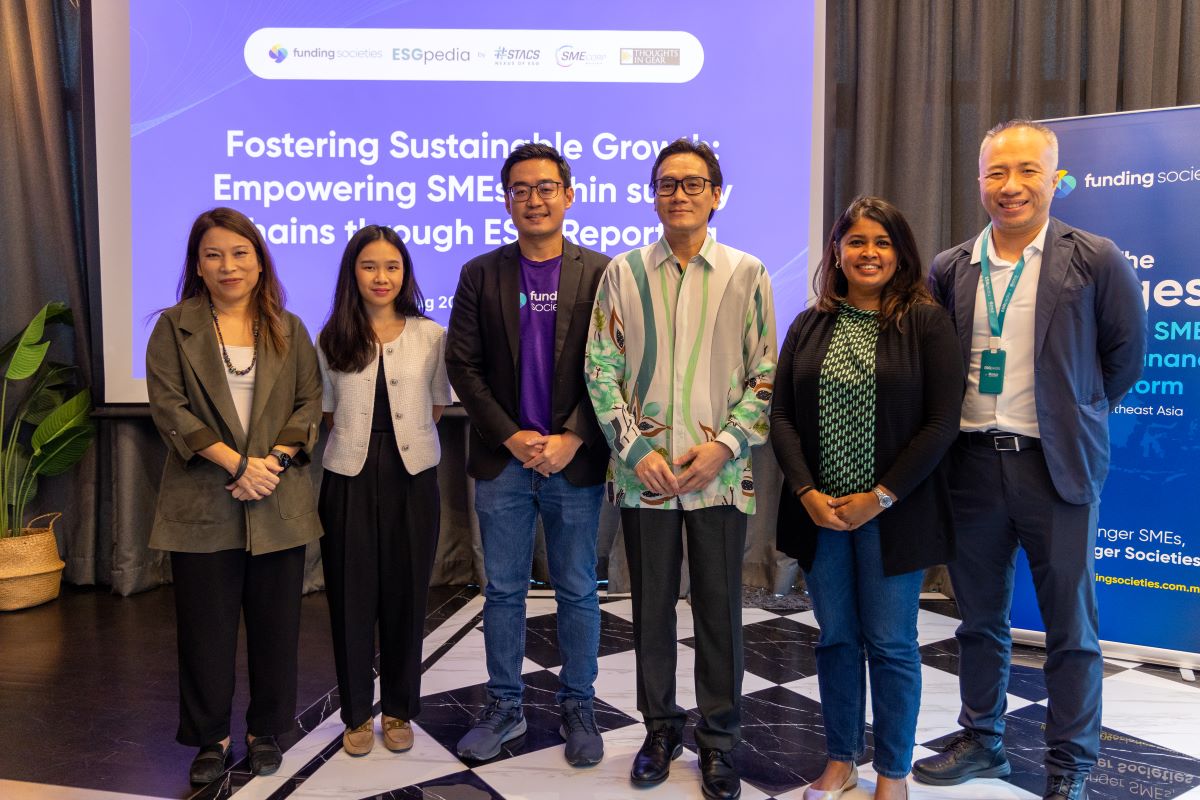
Funding Societies and STACS ESGpedia Empower SMEs for Sustainable Growth

KUALA LUMPUR, 15 August 2024 – Funding Societies, Southeast Asia’s largest unified digital
finance platform for small and medium enterprises (“SMEs”), in collaboration with STACS
ESGpedia, Asia’s leading ESG data and technology company, successfully hosted an ESG
Gathering titled “Fostering Sustainable Growth: Empowering SMEs within Supply Chains
Through ESG Reporting.” The event aimed to equip SMEs with the necessary tools and guidance
to navigate the complex landscape of ESG reporting, thereby advancing their sustainability
practices and enhancing business resilience.

Mr Rizal Dato’ Nainy, CEO of SME Corp. Malaysia delivered the keynote speech, focusing on the
critical role of ESG for SMEs and highlighted the government’s ongoing support for sustainability
initiatives. He noted that integrating ESG principles into business operations is now essential for
SMEs to remain competitive and resilient. Besides Funding Societies and STACS ESGpedia,
the event also features speakers from Capital Markets Malaysia (“CMM”) and Thoughts in Gear (“TIG”), underscoring the importance of collective action in driving sustainable growth. Speakers from CMM and TIG also contributed valuable insights into how SMEs can adopt and benefit from
ESG practices.

The importance of ESG reporting was further underscored by discussions on how it can drive
innovation, enhance brand reputation, and attract investment opportunities. In an increasingly
competitive market, SMEs that integrate ESG practices stand to benefit from stronger business
resilience and improved access to capital. The gathering highlighted that the growing demand for
transparent ESG disclosures from financial institutions, consumers, and regulatory bodies is not
just a trend but a fundamental shift in how businesses operate in future.

Chai Kien Poon, Country Head, Funding Societies Malaysia, remarked,” 97% of businesses
in Malaysia are SMEs. A common misconception persists that ESG is only relevant to large
corporations and multinational companies (“MNCs”). However, SMEs within the corporate supply
chain must also deal with more complex regulations, meet higher quality standards and adjust to
specific demands of the corporate partners. SMEs often overlook the impact of ESG to their
businesses. It is clear that SMEs must choose new and innovative strategies that allow their
businesses to stay agile and collaborative. Especially, in the midst of increased regulatory and
investor requirements for listed companies and MNCs to act on climate change and other
environmental issues.”

“Funding Societies is committed to provide Malaysian SMEs with access to financing and support
their journey towards adopting sustainable business practices. We are excited to extend our
partnership with STACS ESGpedia in Malaysia to advance our mission. We hope this event will
help to empower Malaysian SMEs to become more mindful of their activities and equip them with
the resources needed to start their ESG journey.

Benjamin Soh, Founder and Managing Director at STACS ESGpedia, said: “As an ESG
reporting platform in the Capital Markets Malaysia’s Simplified ESG Disclosure Guide (“SEDG”)
Adopter Programme, we are delighted to be furthering our partnership with Funding Societies to
facilitate ESG reporting amongst Malaysian SMEs. This will help SMEs in the country better
position themselves and manage the increasing ESG regulatory requirements today. With SMEs
contributing largely to Asia’s supply chains, digital enablement will be a key factor affecting the
region’s supply chain competitiveness, especially for carbon-intensive markets.”

The ESG Gathering served as a significant step towards closing the ESG data gap among
Malaysian SMEs, highlighting the importance of sustainable practices and providing the
necessary tools to help SMEs thrive in an increasingly ESG-focused world.