Wednesday, 5 August 2026 Stay informed. No noise.

5 Investing Mistakes to Avoid During a Downturn

A market downturn can be scary. In the past few months, we have seen one of the most volatile swings in stock market history that can unnerve even the steeliest investor. But many forget that we have been through this before.

Whether it is selective memory or a case of financial amnesia, many investors might give in to their worst instincts which often leads to poor investment decisions. Here are five common investing mistakes to avoid that could set you back even further in a downturn.

1. Panic Sell

invest

It can be painful to see a sea of red in your portfolio. But giving in to fear and panic selling would only crystallise your losses and making them permanent. Instead, take a long-term view of your portfolio by realising that markets move in cycles and that downturns are temporary.

History shows that each bull cycle tends to end higher than the previous top. For example, during the 2008 crisis, global markets plummeted as the subprime meltdown spread carnage around risk assets. However, the markets found its bottom in March 2009 and eventually recovered to former levels and goes even higher.

More recently in March 2020, stock markets cratered as the COVID pandemic shuttered the global economy with the MSCI World Index plunging by 34% in a span of 6 weeks. However, the recovery was equally swift with benchmark gauges retracing back their losses in April and notching new highs since then. 

2. Trying to Time the Market

Another common mistake is that investors may attempt to time the bottom by selling entirely and then piling back in when markets start to rebound. Unfortunately, investors even professional ones rarely get both the timing right and ended up in a far worse position than they were before.

Instead, practice dollar-cost averaging by continuously investing in fixed sums through regular intervals. This helps lower the purchase price of your investments over time by taking advantage of market dips as well as reducing the risk of bad timing or investing according to one’s emotions.

3. Did Not Rebalance

invest

Investors are advised to rebalance their asset allocation at least twice a month to correct portfolio drifts back to its target allocation. However, a major market movement such as a downturn could also throw it off balance.

In a downturn, the returns from an equity portfolio would tend to fall much more than the target allocation as global stocks are down. Jittery investors may neglect to rebalance it back and increase their exposure in equities because they are worried of the volatility in the markets.  After all, it sounds counterintuitive to invest when market conditions are shaky.

However, it is important to do so in order to stay on track towards achieving your long-term goals. Rebalancing is also important to ensure that you are taking the desired level of risk that you have set out in your investment plan.

4. Cutting Your Winners and Hanging on to Your Losers

An important investment maxim is to ‘ride your winners and cut your losers’ from your portfolio. It sounds logical, but during a downturn, investors tend to do the opposite as they attempt to stem losses. Thus, they lock-in gains from their winners in order to compensate for losses in other areas of the portfolio.

But this only digs a deeper hole for the investor who could be worse-off in the future by hanging on to the portfolio’s losers. Instead, establish clear parameters for corrective action where needed in your investment plan to avoid mistakes such as these.

5. Monitoring and Doing Too Much

Young Investor Looking Hopefully Charts Cryptocurrency Stock Market

In a downturn, investors are often plugged-in to news alerts and social media to keep up-to-date with what is going on with the markets. This could prompt investors to buy, sell and sometimes even take advice from unscrupulous ‘financial gurus’ with a hidden agenda.

Looking at your portfolio 24/7 and tinkering with it too much does not usually end well for the investor. Financial anxieties kick-in and you start to lose sight of your goals which includes why you have decided to invest in the first place.

Learn to filter out the noise and take every sensational headline with a pinch of salt. Media outlets rely on eyeballs for advertising revenues and clickbait articles are their go-to tactic.

Instead, stick to your investment plan through regular contributions and practice diversification. Ensure that your portfolio is geared towards it stated purpose with an asset allocation that matches your risk tolerance. 

Keeping Perspective

The first rule in any market downturn is to stay calm. We may not always be in control of any given situation, but we can control how we respond to it.

This is especially true for investing where success has little to do with how much you know, but rather how you behave. Thankfully, it mostly involves inaction, staying the course and lots of patience.

About the Author

Lee Sheung Un

Lee Sheung Un is a communications officer at Affin Hwang Asset Management. A millennial, he is still finding that balance between wealth, freedom and purpose. Views expressed are his own.

Preventive Health Screening

Going for regular medical check-ups goes a long way in maintaining your health. A medical condition or onset of disease can actually be slowed down or even averted if discovered on time, particularly if there are no symptoms.

Smart Investor talks to Dr Hilwani Kaharuddin of Ara Damansara Medical Centre on why timely intervention can make all the difference.

SI: What is the purpose of Health Screening?

Dr Hilwani Kaharuddin (Dr HK): Many diseases are “silent” meaning they have no symptoms or the symptoms are very vague. For example, you may have hypertension (high blood pressure) and not know it unless you specifically

check your blood pressure. Many people associate hypertension with headaches. However, hypertension only causes headaches when the blood pressure is severely high. You may have had hypertension for years without knowing and all the while the constant high pressure is damaging your kidneys, heart, eyes and so on.

Another example is diabetes. People with diabetes will usually feel thirsty all the time and pass urine more frequently than normal. However, these symptoms may come on so gradually that the person does not notice the change.

Many patients have told me, “I drink a lot of water, so of course I go to the toilet often”. It sounds logical, but these are actually symptoms of diabetes. So, unless you test for diabetes, you will not know.

The idea of health screening is to detect problems or diseases early, when treatment is usually easier with a higher success rate as complications of the disease have not yet arisen.

health

SI: What Tests does one need to Do and When?

Dr HK: It is never too early for a health screening. I have diagnosed diabetes, hypertension and cancer in young people. Talk to your health care provider. Based on your lifestyle, family history and symptoms (if any), he/she will advise the necessary screening tests. Of course there is basic general screening, but it is best to get one that is tailored to you.

For example, someone who has a family history of Thalassemia may need to be tested for that. A young 30-year-old female with no health concerns but is sexually active may be advised to have a PAP smear.

SI: In Malaysia, what is the prevalent disease? Is it Diabetes? Or High Blood Pressure? Or something else?

Dr HK: We are seeing an increasing number of non- communicable diseases in Malaysia. This is largely due to our stressful and unhealthy lifestyle. It is difficult to estimate prevalence of a disease because many are not reported. It is estimated that one in three Malaysians above 30 years has hypertension.

For diabetes, the figure is estimated to be one in 6.5. More importantly, according to the Global Burden of Disease Study, the top five diseases leading to disability or death are:

Top 5 Deadly Diseases

  1. Coronary artery disease
  2. Road traffic accident (which is not a disease but included here due to its significant impact)
  3. Cerebrovascular disease (stroke)
  4. Lower respiratory tract infection
  5. Diabetes mellitus

We need to be cognizant of the fact that both coronary artery and cerebrovascular diseases share the same risk factors, that is hypertension, diabetes, dyslipidemia (high cholesterol), cigarette smoking and so on. These risk factors are easily picked up and addressed with health screening.

SI: Can you give an example where early detection has saved someone’s life?

Dr HK: I don’t know about saving lives, but we do frequently pick up things that need further evaluation. I was attending to a young man once who came in with a heart attack. He was unusually tall and had some physical features which suggest a certain genetic disorder.

He had never noticed he was any different from others because he has always looked like this since young. Then his brothers came in and I noticed they ALL had the same features. Therefore, we arranged for screening and all turned out to have this genetic disorder, which although there is no cure, there are things we can do to reduce their risk of complications. 

There are also young people with abdominal pain who eventually turn out to have colon cancer, or an overweight young man who we diagnose with diabetes and so on.

SI: What is Pre-employment Health Screening and why is it important?

Dr HK: Pre-employment health screening is used to evaluate a person’s fitness to perform the duties he/she will be employed to do and that he/she will not put other colleagues at any health risk. 

SI: What will happen if the employee fails the test? Does it mean he cannot be employed?

Dr HK: If a test is abnormal in the first instance, the potential employee may be advised for further tests or treatment. He/she may be asked to repeat the test at another time or after the completion of treatment. If he/she fails the test a second time, the duty of the doctor is to advice on the potential employee’s fitness to practise. It is up to the employer if they want to proceed to employ the candidate or consider a more suitable position.

SI: Are there risks involved in these tests? What are they?

Dr HK: Screening tests are generally low risk tests. They usually involve an interview with your healthcare practitioner, a physical examination, certain blood tests and may or may not include urine test, imaging such as chest X-ray or ultrasound and ECG.

SI: How long will the tests take generally?

Time Is Passing Blue Hourglass Close Up

Dr HK: A basic screening test usually does not last longer than half a day in centres where they have their own lab and imaging facilities such as ours in Ara Damansara.

SI: Are there certain things that one should not do/consume before a test?

Dr HK: For most health screenings, you are advised to fast for at least eight hours for your blood test and if you will be undergoing an abdominal ultrasound. However, you are advised to continue your usual prescription medications except diabetic medications despite fasting.

Image 8

Dr Hilwani Kaharuddin is an Emergency Physician and the Head of Emergency Department at Ara Damansara Medical Centre, Ramsay Sime Darby Health Care.

Loosening Cash Flow when Money is Tight

There are times when one has to spend money even when there is little to go around. Arguably, there are three areas where money has to be spent. The areas are: Parents’ Allowance, Education and Giving Back to Community. Even though this may eat into existing funds, with Smart Spending Techniques and Money Allocation, the situation can be managed.

Must Spend Money

In one’s life, ‘Must Spend Money’ falls into three possible categories:

1. Parent’s Allowance

money

No matter how wealthy or poor the family may be, taking care of one’s parents – whether financially or physically − is part of a child’s obligation, at least in eastern culture. After all, we have enjoyed the great sacrifice, financial support and care of our parents and when we start to work, we should contribute a portion of our money to our parents as a token of appreciation.

The parent, in turn, should accept the child’s money even when it is not needed. This can help to shape the child into a more grateful and responsible human being. This, however, doesn’t mean that we should depend on our children’s financial support, if the situation allows it, we should be fully responsible for our own daily expenses.

A psychology counselor once told me that a lot of family crises arise from financial problems (or a lack thereof) caused by the husband’s failure or patial failure to fulfil his financial obligations to the wife or family. Tracking the root cause behind each case, she found that many of the individuals were not educated on the responsibility of giving money to the parents when they were single. It explains why they do not contribute to their families when they got married.

2. Learning Fund

Learning is life-long. Always allocate a portion of your money (plus time and effort) to learning, travelling and exploring as this will help you grow and acquire knowledge. If you want to have a better life and wisdom, or upgrade from your current level, you should always continue to improve your mindset, knowledge and soft and hard skills, no matter what age.

3. Community Give Back or Charity

Different People Doing Volunteer Work With Food

Open your eyes and you will see so many people living far below their basic means and opportunities. When compared to them, we feel blessed about what we have and don’t have (such as bad weather, environment, natural disaster, lack of opportunity and so on). We are a part of community, enjoying  its benefits and effort so never forget to lend your helping hand to give back to those who need money, effort, time and knowledge.  If you agree with the concept of the power of giving, you will understand that the more you give, the more you will receive. The rich know this concept and that is why they keep on giving out and yet, still remain very rich. Warren Buffet once said he became what he is today (Super Rich) and is able to do what he wants, because he was born at the right time in the USA. His fate would have been very different if he had been born in another country. 

Smart Spending

When it comes to spending wisely, how do you do that? Here are some cost-saving pointers:

Compare, Research, Make Informed Choices

Perform two to three comparisons before purchasing. Only buy when there is a promotion or large discount and only purchase necessities. Purchase items that have been re-packaged under the departmental store or supermarket label as they are usually 20 − 30% cheaper buit just as good.

Has anyone purchased their own engine oil instead of letting the car workshop decide everything for you? You might be interested in my experience about buying engine oil. A normal brand of fully synthetic engine oil can cost above RM200 (at promotional prices, it can be around RM170++).  After reading many positive comments on an online forum, I purchased a departmental store brand engine oil (imported and repackaged locally) that only cost RM80-RM100 during the promotion period.  I have been using this oil for several years now and it has, to date, not caused problems. You can apply the same technique too, to almost any other item to save money (but of course, you must also take the risk).

Bulk Purchasing

Let me share with you one of my uncommon practises. Normally, I will purchase another set of shoes or clothes or necessities (during offer periods) to prevent having to purchase a replacement at the normal price when the item is worn out/broken/lost.  

Another way to save cost is to skip the intermediaries like a supermarket and deal directly with the factory where you can get the items at distributor’s price. Of course, some factories don’t deal with retail or the public. However, I have purchased baby diapers from the factory where I enjoyed more savings than even the supermarket promotional prices. Of course I needed to purchase 12 packs in three boxes but I knew the items would be fully utilised within nine months.  I also enjoyed the free delivery that came with the bulk order. 

For daily and heavy use items, you can do the same but do not over purchase until you need to keep the items in store for a few years; you will be losing your purchasing power by storing the goods over so many years.

Purchase Pre-Owned Items

Yet another way of saving is to purchase branded second hand but in good shape items. A statistical survey on self-made millionaires in the US during 80s and 90s (The Millionaire Next Door: The Surprising Secrets of America’s Wealthy by Thomas J. Stanley and William D. Danko) showed that a majority of them preferred to buy branded, high-quality but second hand cars. Their methods can be replicated, but when applying it here, add another requirement of low mileage. (Generally speaking, the second-hand car that gives the best value is aged between three to six years).

1

Money Allocation

money

Here are some money allocation techniques according to the book Secrets of the Millionaire Mind by T.Harv.Eker. It advises you to adjust according to your situation. As a rule of thumb, we should maintain 50% of our money on necessities, 10% on investment to work towards financial freedom, 10% on Long Term Savings which you can use for future big spending like house renovation, car and so on, 10% on education-life long learning, 10% on recreation, play or any self-rewarding activities and the last 10% on giving back to community or charity.

The other guideline is to maintain a healthy cash flow by making sure our monthly debts servicing ratio (DSR) for housing, car, education, personal and credit card loans over monthly income is kept below 40%, while 10% of the positive surplus is used for savings and investment in order to grow your wealth.  The money spent on purchasing insurance should be within 15% of your monthly salary.

3

Yong Chu Eu is a Licensed Financial Advisor/ Head of Education Division of Fin Freedom Sdn Bhd (CFP, FAR, CMSRL, HRDF Certified & SIDC CPE Training Provider). He can be reached at ceyong@financialfreedom.com.my

In a World Where Common Sense is a Rare Commodity, What’s Going on?

Investment scams involve promises of big payouts, quick money or guaranteed high returns. In this part of the world where I live and work, investment scams in the forms of Ponzi and pyramid schemes are getting increasingly common.

Ladies and gentlemen, investment scammers are so convincing. You know who they are actually targeting. Have you lost your job because of COVID-19? Are you desperate for money? Are you a victim of one scam and looking to recover your lost money? With so much debt, what are you going to do?

According to Investopedia, with Ponzi schemes, investors give money to a portfolio manager. Then, when they want their money back, they are paid out with the incoming funds contributed by later investors. With a pyramid scheme, the initial schemer recruits other investors who in turn recruit other investors and so on. Late-joining investors pay the person who recruited them for the right to participate or perhaps sell a certain product.

Business Career Placement Concept Three Executive Directors Head Managers Sitting Table Office Interviewing Woman Teamwork Company

Over the years, even highly intelligent and educated people who do not understand how things work have been ruined by investment schemes that turned out to be fraudulent. Unbelievable?

All investment scams will eventually collapse. There were cases where the company disappeared with investor funds, or scammers claiming to be “fund managers”, advertising in the social media, collecting money from people, without any proper fund structures. This is all very concerning, because it creates a poor image for the industry in general.

Some of these pitches are so convincing that even I take a look from time to time and the entry cost levels are so low. It is time to give myself a slap. What have I been smoking all these years? I must have been one of the biggest idiots in the world not knowing that making money can be that easy.

Sweet! Some people know what they are doing. Over the years, I have come across people who do not mind investing in any investment scams as long as they are giving them high returns. I have heard before of people quitting their proper jobs or businesses to focus on their investment scams. They took the “bait”, got their capital back and recruited others to join the gravy train. There is no feeling of guilt, no responsibility involved whatsoever for them.

They will compromise moral values and ethics for money. They always look for loopholes to overcome the rules and regulations that have been put into place to protect the system. This is how terribly low our modern society has become. Yeah, not everyone can be rich. Why should not everyone be able to earn money so, so, and so easily? 

As long as any investment scams which claims to invest or trade in anything from forex to cryptos are expanding at a healthy rate, their “fund managers” are able to keep the fraud going. Once investments begin to contract, then the house of cards collapses.

A fake investment can go on for months or even years as long as it is able to suck in more investors or suckers. You will be able to see the profits you have made on a webpage or an app.

Portrait Cheerful Man Showing Ok Sign Holding Money White Background

According to Dr. Stephen Greenspan, the University of Connecticut psychology professor who is also an internationally known authority on Ponzi schemes, the basic mechanism explaining the success of Ponzi schemes is the tendency of humans to model their actions (especially when dealing with matters they do not fully understand) on the behavior of other humans.

This mechanism has been termed “irrational exuberance,” a phrase attributed to former Federal Reserve’s chairman Alan Greenspan (no relation), but actually coined by another economist, Robert J. Schiller. Schiller employs a social psychological explanation that he terms the “feedback loop theory of investor bubbles.”

The fact that so many people seem to be making big profits on the investment, and telling others about their good fortune, makes the investment seem safe and too good to pass up. In Schiller’s words, the fact “that others have made a lot of money appears to many people as the most persuasive evidence in support of the investment story associated with the Ponzi scheme.

While social feedback loops are an obvious contributor to understanding the success of Ponzi and other mass financial manias, there are four factors which can be used to understand acts of gullibility and also other forms of what Dr. Stephen terms as “foolish action.” The factors are situation, cognition, personality and emotion. Obviously, individuals differ in the weights affecting any given gullible act.

Situations. Assuming that the decision to proceed would be a very risky and thus foolish act, a gullible behavior is more likely to occur if the social and other situational pressures are strong and less likely to occur if the social and other situational pressures are weak, or balanced by countervailing pressures (such as having wise heads to warn you).

Cognition. Gullibility can be considered as a form of stupidity, so it is safe to assume that deficiencies in knowledge and/or clear thinking often are implicated in a gullible act. By terming this factor “cognition” rather than intelligence, one can have a high IQ and still prove gullible.

Personality. Gullibility is sometimes equated with trust and niceness leading to impulsive decision-making, but the late psychologist Julian Rotter showed that not all highly trusting people are gullible.

Emotion. Emotion enters into virtually every gullible act. In the case of investment in a Ponzi scheme, the emotion that motivates gullible behavior is a strong wish to increase and protect one’s wealth.

About the author

YH Wong has over two decades of experience in the financial services industry. His clients include high net worth investors and boutique institutions such as family offices and investment partnerships in the region. He is currently a senior partner with Satori Consultancy Ltd, a financial services company regulated by the Mauritian Financial Services Commission. He can be reached at yhwong@satoriconsultancy.com.

5 Things You Will Get From The Estate Planning Malaysia Academy

Estate planning is the process of anticipating and arranging, during a person’s life, for the management and disposal of that person’s estate during the person’s life, in the event he or she becomes incapacitated or dies. Estate planning involves determining how an individual’s assets will be preserved, managed, and distributed after death.

Assets that could make up an individual’s estate include houses, cars, stocks, artwork, digital assets, life insurance, pensions, and debt. Individuals have various reasons for planning an estate, such as preserving family wealth, providing for a surviving spouse and children, funding children’s or grandchildren’s education, or leaving their legacy behind to a charitable cause.

Smart Investor recently got an early access to Estate Planning Malaysia Online Practice Academy that was just launched to the public. But before we begin, let’s look at what it is all about shall we?

What Is Estate Planning Malaysia Online Practice Academy?

5 Things You Will Get From The Estate Planning Academy1

It is a video-based learning that you can learn at your own pace. There’s also a section where you can read articles that was published on Smart Investor’s website as well.

All-in, there’s 7 modules with 80 lessons contained in the platform.

SECTION 1: Weekly Zoom LIVE Tutorials with experienced estate planner, Lee Khee Chuan

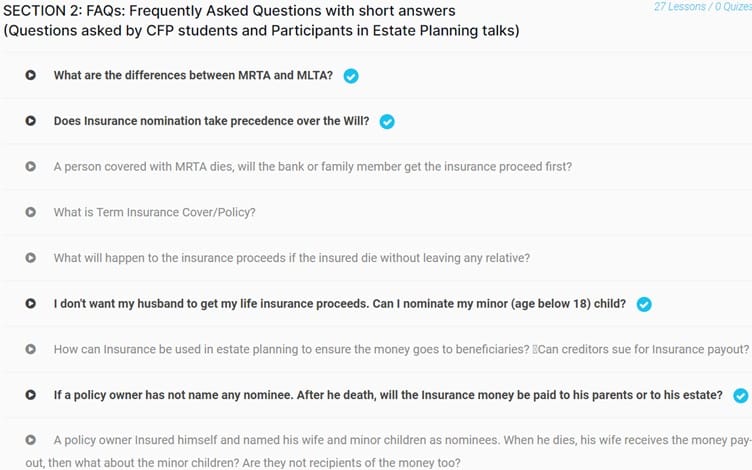
SECTION 2: FAQs: Frequently Asked Questions with short answers (Questions asked by Certified Financial Planner@ CFP students and Participants in Estate Planning talks)

SECTION 3: Estate Planning Sales/Advisory Process

SECTION 4: Topical Discussions in CFP Module 2 Lectures (Insurance & Estate Planning)

SECTION 5: Estate Planning Awareness Talks by Sifu Lee (recorded & presented by Lee Khee Chuan)

SECTION 6: Estate Planning Avatar Short Videos

SECTION 7: Smart Investor Articles Previously Published

The number of contents will increase over time, so that’s a bonus.

Here are 5 things that you will get from the Estate Planning Malaysia Online Practice Academy.

1. Integrated Approach To Estate Planning Course

For the first time in Malaysia, insurance agents, will-writers/estate planners/legacy planners, and CFP/RFP students/graduates who want to acquire practice knowledge of Integrated Estate Planning can now learn via this online practice academy.

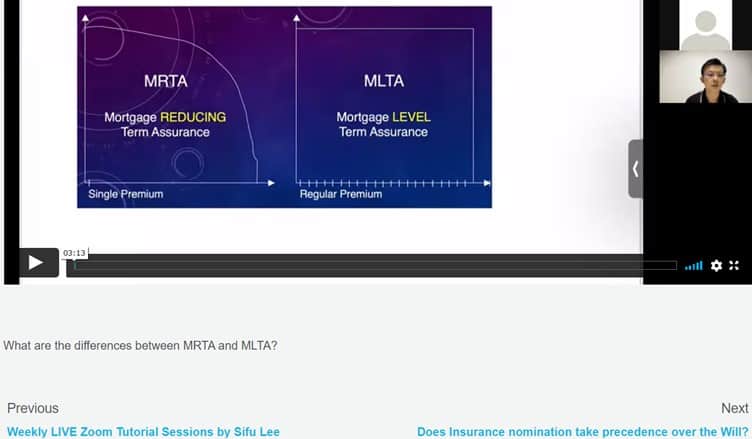
From the differences between MRTA and MLTA, to preparing a will yourself, to many other short videos that are easy to understand, all grounds are covered in this course.

2. Experienced Trainer

Lee Khee Chuan estate planning

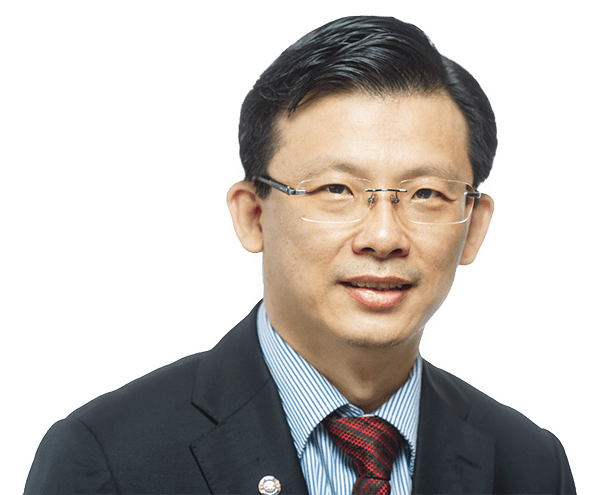
Lee Khee Chuan @ Sifu Lee brings with him his unique blend of academic background and experiences. He holds a B.A. with double majors in political science and psychology, and double minors in economics and Malay Studies from National University of Singapore (NUS). Since 1992, he has been in personal selling, as well as a company sales trainer, practitioner, lecturer, and columnist in estate planning.

He is a trainer, practitioner, and lecturer in the financial & estate planning industry since 1995. He has much to contribute to the industry with his writing, lecturing, practice, and training. His forte is in practice management focusing on integrated approach to estate planning. He brings his many years of practice experiences to this Online Academy and to impart and transfer his knowledge to his students.

He is the first financial adviser in Malaysia who advocates and promotes the integrated approach in estate planning. Hi strength lies in the integrated and practical aspects of estate planning. Many of his CFP students like his practical teaching and training methods in estate planning.

Made by the expert in the industry himself.

3. On A Platform That Is Very Easy To Use

5 Things You Will Get From The Estate Planning Academy2

You get to see everything at a glance and click on the content that you want to learn the most. Or you can follow step-by-step, completing it at your own pace.

Once a lesson is completed, it will be marked as complete which is useful so that you can track your own progress.

5 Things You Will Get From The Estate Planning Academy3

You can easily watch the previous video or click next to continue with the lesson.

4. In Layman Terms

It doesn’t get any simpler than the explanation by Sifu Lee himself. Don’t worry if you don’t have any financial background or estate planning in general, it is being presented in layman terms that is very easy to understand by everyone.

The practical knowledge combined with easy-to-understand lessons, makes for a very well-equipped understanding of the subject at hand.

5. Weekly Zoom Meeting

After you’ve gone through all the modules, you can always ask Sifu Lee via Live Zoom meeting every week. Should you have any queries about a particular topic or if you have a particular case study that you need help on, feel free to ask during this online meeting.

There will be a minimum of 40 weekly live sessions in a year with 2 hours duration per session. The value that you get from this personal touch is just amazing.

Smart Investor interviewed a few students who have enrolled in the online estate planning practice course and are learning the subject online. Angel Lee, a life insurance planner from Malacca was excited when learning it using the online portal.

She really loved the way those courses were prepared and presented, starting by highlighting the issues in estate planning insurance agents and estate planners often overlook. And then the video-ready lessons would provide the answer those questions. The master trainer’s teaching was clear, yet detailed, and she loved the many examples discussed in the online course. The examples are invaluable and help discover how estate planning can be applied to meet clients’ concern.

Adrian Lean, a unit trust and PRS consultant from Penang, found the estate planning course a comprehensive program and contains practicable knowledge typically sought by not only those interested in estate planning, but also for those who wish to expand their knowledge in this area. The course curriculum contained many gems, and he especially liked the unique integrated approach and the solutions presented in the course.

Overall, the course is a value for money package, and carries a distinction above other programs in the market today. He congratulated the academy and the master trainers who have done an excellent job in raising the benchmark for the estate planning industry in Malaysia.

Early Bird Discount If You Start Now

We all know how Malaysians love discounts, fret not. Estate Planning Malaysia Online Practice Academy in partnership with Smart Investor now offers a SPECIAL discount for 1st year for those who act now.

All you need to do is:

1. Browse Estate Planning Malaysia Online Practice Academy website.

2. Fill in your details and put in the coupon code: SmartInvestor (non case sensitive)

3. Complete the purchase by credit card

That’s it, a huge discount from RM2,600 to just RM1,196 first year fee. But it’s only for those who start now.

See you there!

Interview with AmFunds Management Bhd, Winner Of The FSMOne Recommended Unit Trusts Awards 2022/2023

AmInvest is the brand name for the funds management business of AmFunds Management Berhad and AmIslamic Funds Management Sdn Bhd. They are a multiple award-winning fund management company based in Malaysia with 40 years of investing experience managing unit trust funds, wholesale funds, institutional mandates, Exchange Traded Funds (ETF) and Private Retirement Schemes (PRS), encompassing both conventional and Shariah-compliant funds.

As an investor, we need to have a diversified portfolio. This is to ensure that it can still give a good returns, be it a bear market or a bull market. With global markets showing signs of a slowdown, it is good to have some exposure in equities and some in fixed income. Being on the defensive is a good strategy in these times of uncertainty.

We spoke to Goh Wee Peng, chief executive officer and Wong Yew Joe, chief investment officer of AmFunds Management Bhd to get their views on their winning funds. The winning funds are diversified well enough, with equity exposure in Europe, fixed incomes in Asia ex-Japan, in Malaysia itself as well as some foreign exposure. We are able to get more insights on the funds itself, the challenges that they faced in the past 12 months as well as the market trends in the near future.

Smart Investor: Congratulations! Can you tell us more about your winning funds in the FSMOne Recommended Unit Trusts Awards 2022/2023?

Wong Yew Joe: We are proud to be able to win 4 prestigious awards, for Equity – Europe category (Europe Equity Growth fund and 3 fixed income fund awards for Asia, Short Duration and Malaysia categories by AmTactical Bond, AmIncome Plus and AmDynamic Bond respectively.

Given the challenging markets in 2021, these achievements reflected well on the fund’s strategy over the review period. The Europe Equity Growth focuses on Europe growth stocks which have benefited from the recovery from Europe’s stock markets, while the fixed income funds took a more conservative approach in managing the fixed income investments in a yield risk environment.

SI: What are the challenges you have faced in the past 12 months?

Wong Yew Joe: The biggest challenge for managing fixed income investment was managing the portfolio risk as yields had risen quickly in the bond markets. A rising yield environment has a direct adverse impact on bonds. Malaysian government bond yields rose by up to 100 basis points in 2021. We had to trim down the portfolio duration and rebalance our exposure from government bonds to more corporate bonds.

We generally maintained sufficient cash buffers in the face of greater market volatility and potential fund redemptions. The key strategy was to stay defensive but keep invested enough to generate sufficient income. We diversified our portfolio into more local and regional corporate bonds. The lower trading volume in the market last year had resulted in less trading opportunities, hence we had to focus more on generating income from bond coupons.

SI: What are the market trends that an investor should look out for in the near future?

Goh Wee Peng: We are seeing stronger trends towards Environmental, Social and Governance (ESG) investments. Investors are also becoming more aware of the need for sustainability for the global community and are hence aligning their values and beliefs accordingly in their investments. We believe the investment returns and the sustainability principles will eventually align, similar to the law of supply and demand. Companies that are in line with the environment and socially responsible themes together with strong governance are likely to see growth in value.

AmInvest’s recent fund offerings are consistent with AmBank Group’s commitment to sustainability. Since May 2021, AmInvest has launched four Sustainable and Responsible Investment (SRI) qualified funds under our Sustainable Series, namely, Positive Change Fund, Climate Tech Fund, Nutrition Fund and Health Fund, with more funds slated to be launched in the pipeline.

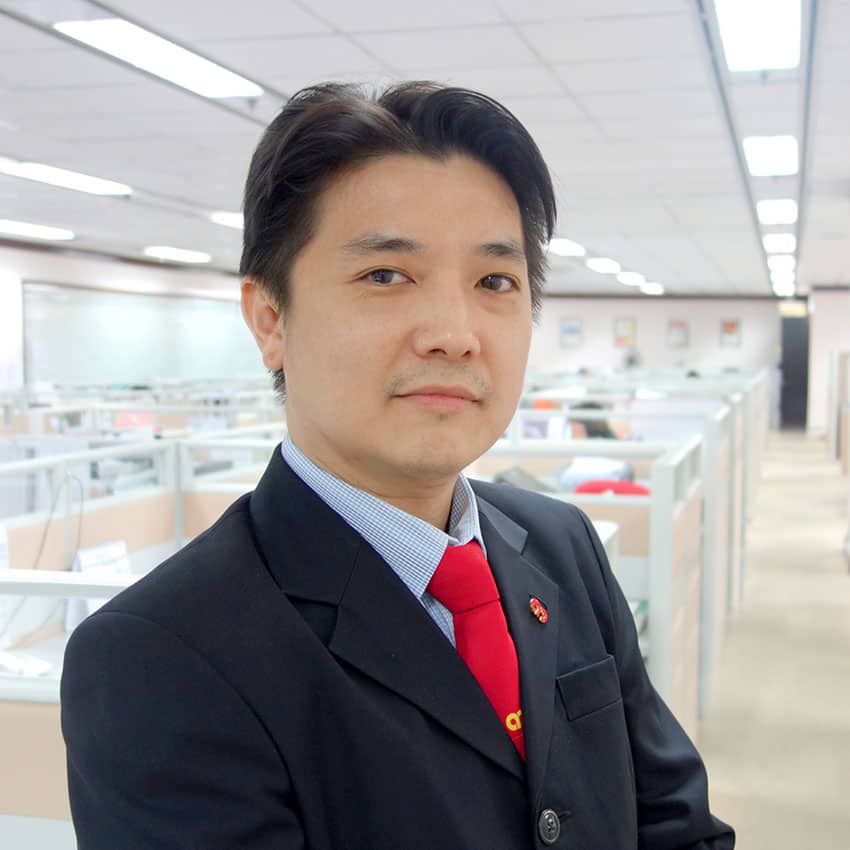
Goh Wee Peng CEO AmFunds Management Bhd
Goh Wee Peng, chief executive officer, AmFunds Management Bhd
Wong Yew Joe CIO AmFunds Management Bhd
Wong Yew Joe, chief investment officer, AmFunds Management Bhd

Interview with AIA Pension And Asset Management, Winner Of The FSMOne Recommended Unit Trusts Awards 2022/2023

Be on the lookout for geopolitical uncertainty, rising rates, slowing growth and election uncertainty

Smart Investor: Congratulations! Can you tell us more about your winning fund in the FSMOne Recommended Unit Trusts Awards 2022/2023?

Nor Daliya Mohd Daud: We are honoured to receive this recognition for our AIA PAM Growth Fund. This Fund, which was launched on 16 May 2013, invests in equities with a bias towards equities with potential for growth. The Fund will invest in local and foreign markets as it seeks to provide long-term risk-adjusted returns to its members by integrating rigorous fundamental research with disciplined risk management.

We incorporate Environmental, Social and Governance (ESG) considerations into the investment decision-making process as we believe ESG principles underpin proactive risk management.

Since its inception, the AIA PAM-Growth Fund has recorded a cumulative return of 57.2% as at end March 2022.

SI: What are the challenges you have faced in the past 12 months?

ND: In addition to COVID-related lockdowns within Malaysia and in other major markets which restricted movements and impacted market sentiments over the past year or so, other more recent challenges include Russia’s invasion of Ukraine, soaring commodity prices and supply chain disruptions.

Underperformance in Chinese stocks had also caused equities to decline and bond yields to rise while accelerated monetary policy and quantitative tightening by the US Federal Reserve and Bank Negara Malaysia (BNM) is now a major concern. Notwithstanding the evolving market conditions, we
will remain vigilant and adjust our investment strategies accordingly when the need arises.

Asset allocation decision remains the key driver when determining the range of portfolio outcomes amid volatile markets. We may adopt a temporary defensive strategy during adverse market conditions by increasing exposure to lower risk assets.

SI: What are the market trends that an investor should look out for in the near future?

ND: Geopolitical uncertainty. Market volatility is likely to persist in the near term given no signs of the war ending in the Russia – Ukraine conflict. The longer the war drags on, the longer sanctions will be in place with negative implications on commodity supplies and further increased inflation risks.

Rising rates. Bond yields are rising as the market has been repricing due to the number of rate hikes by the US Federal Reserve that should occur in the foreseeable future. The US Federal Reserve and other central banks are moving to normalize monetary policy to tackle inflation. Domestically, Bank Negara Malaysia’s policy measures should remain accommodative in the near term and the supply of sovereign bonds should be well-absorbed by the market. Overall, the domestic financial system liquidity remains ample, which shall remain supportive of the bond market.

Slowing growth. After a strong economic rebound in 2021, a slowdown in the global economy is expected this year amid less favourable market conditions with rising inflation, China COVID-19 lockdowns and geopolitical concerns.

Election uncertainty. There are news that the 15th Malaysian General Election will be held this year. The uncertainty in the general election outcome could trigger volatility in the market. Investors would want to see decisive policy decisions to combat inflation and a slowing economy.

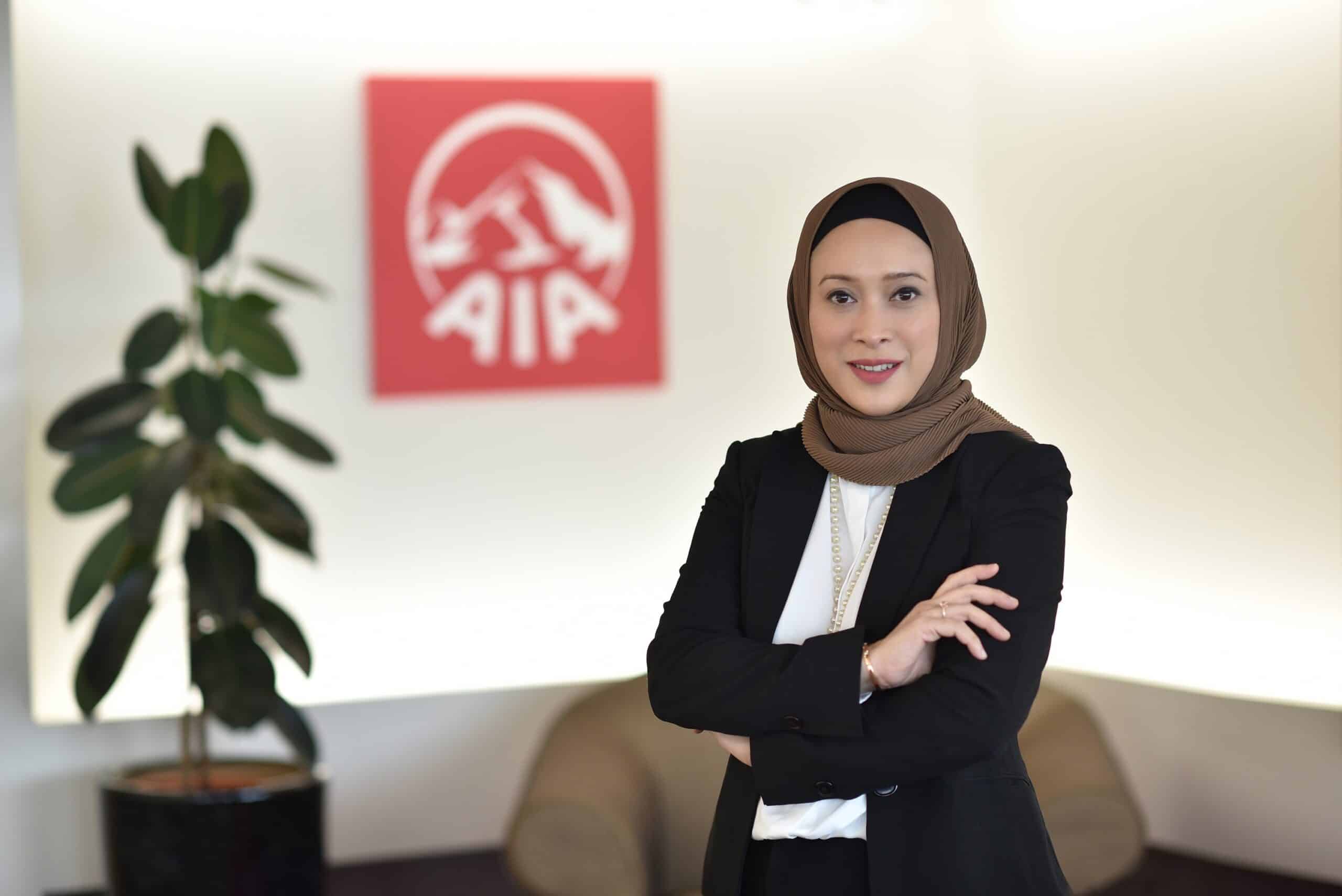
AIA Pension And Asset Management Nor Daliya
Nor Daliya Mohd Daud, Director, AIA Pension and Asset Management Sdn Bhd

Crypto And Digital Asset, Learn Before You Earn

With the recent crypto market crash, investors are now very fearful of the market. Who would have thought Luna can lose almost 100% of its value in just a few days. Even the big boys like Bitcoin, Ethereum and BNB are not spared either, with huge losses all across the board.

Smart Investor spoke with Wei Zhou who is the new CEO of Coins, Philippines’ leading crypto and mobile wallet to find out more on this topic. Coins.ph is regulated by the Bangko Sentral ng Pilipinas (BSP) and is the first ever crypto-based company in Asia to hold both Virtual Currency and Electronic Money Issuer licenses from a central bank. One of its uniqueness is that it has a crypto license by the regulators and by becoming a bridge between virtual and real-life, accepting crypto and fiat along the way.

Wei Zhou Coins CEO

A brief introduction about Wei Zhou, he formally served as Chief Financial Officer of Binance, Zhaopin.com, and Charm Communications. He also led the landmark acquisition of Grindr, where he served as Vice Chairman. He started his career at Goldman Sachs, and he graduated from Harvard University with a Bachelor’s Degree in Economics and East Asian Studies.

According to him, everyone needs to learn about digital asset, since it is the future. Start by taking the time to understand the blockchain technology behind it. Then move on to the digital assets itself, such as Bitcoin and Ethereum. Understand what it is, why it was created, what are the benefits and what causes its price to move up and down.

It’s Easy To Get Started

Closeup Shot Two Coins Placed Top Mobile Phone

Start opening up your own account by creating your own crypto wallet. It is now so much easier whereby most onboarding process can be done online. Some can even be done using only your smartphone. There are also platforms that did not even require its users to undergo a KYC (Know Your Customer) process.

Next up, get to know more about Non-Fungible Token or NFT. A non-fungible token is a financial security consisting of digital data stored in a blockchain, a form of distributed ledger. The ownership of an NFT is recorded in the blockchain, and can be transferred by the owner, allowing NFTs to be sold and traded.

We may have seen an NFT in the form of pictures, digital art. As the adoption rate of NFT gets higher, so does the NFT market value in general.

What’s The Reason For The Crypto Market Crash?

Crypto is still in its early stage and is highly speculative. There may also be an element of the Greater Fool Theory, where the next person is willing to buy more for crypto despite it not having any clear fundamentals.

But in all honesty, it is not only the crypto that is suffering from the bears. The world’s stock market is also crashing down.

For those who are suffering huge losses now, you need to go back as to why you bought them in the first place. Do you believe in the digital asset? Its ecosystem? Or do you simply buy because everyone else is buying?

That’s the reason why it is so important to be doing your own research. But the take-up rate for crypto is considered to be still low. With more people coming in the crypto market, the price will start going back up.

Upcoming Trends?

Asian Young Male Wearing Wearable Goggle Headset
asian young male wearing wearable goggle headset virtual online meeting digital space working with 3d augmented dimension at home,cyber virtual working with virtual vr goggle and pc desktop device

The blockchain is definitely the future. It is a proof of ownership for digital assets. There will be more games and metaverse taking the spotlight in the years to come. For content creators, NFT are good for them to able to earn an income.

But there must be a huge effort to build up the community, build up your trust and brands.

In the sports industry, national associations such as for basketball and football are partnering with the blockchain players.

Plans For The Future?

Wei Zhou is set to come out with additional tokens that has its own value in the market. Also, there are plans to come out with new NFTs with utilities that can benefit the holders.

He is also keen to embark on play-to-earn games which lets gamers earn money while playing their favorite games.

Start Small But Start Now

Cryptocurrency Coding Digital Black Background Open Source Blockchain Concept
Cryptocurrency coding digital black background open-source blockchain concept

The easiest way to get started is by going on social medias and following influencers on their Twitter account. Next is to listen to podcasts so you are able to understand the terms and jargons that is being used.

Once you are in, there’s nothing better than getting your feet wet by joining in the crowd as community managers and engage the audience directly. At Coins, there’s the Coins champion for this purpose.

Making Money From Digital Asset?

Finally, Wei Zhou advises us to have a diversified portfolio and not to put everything in digital assets. Make sure you invest in real estate, stocks and start-ups, before going into digital asset.

Also invest in time as there are a lot of opportunities out there, waiting for it to go boom. This is true in the metaverse space where there’s a lot of hardware and software involved.

Financial Planning Lessons That I Learned From My 72-Year-Old Customer

When I joined the financial industry in 2017, I was so lucky to meet my first customer. Not just because of the first investment business he gave to me, but also the lessons that he taught me.

I remembered the day when I first met him, I was introducing a unit trust fund to him, and he agreed to invest immediately after I finished my explanation. Since he was my first customer, I was being extra careful to avoid any mistakes in the process.

I asked him every question in the suitability assessment form:

  • Do you have investment experience in the past?
  • Do you understand about the investment risk?
  • How many percent of fluctuation can you accept?
  • Do you read and understand English?

The customer suddenly slapped the table, and said: “Why do you need to ask so many questions? Other banks did not ask all these questions when I invest with them! I told you, I’m ready to take risk when I invest. I can even accept the RM100k investment becoming a total loss.”

Knowledge Is Power

Library With Books

People may think that when one gets older, he/she should be less aggressive in investment. But this customer taught me that when one is fully equipped with knowledge, he/she will be able to make an informed financial decision despite of his/her old age.

Later, the customer topped up his investment after his first investment made profit within five months. But this time, the market was not going as smoothly as the first time. The unit trust fund was badly hit by the US-China trade war in 2018. The fund dropped ~20% in the first year of investing.

I asked the customer whether he want to switch his investment to other funds that were not affected by the US-China trade war?

Surprisingly, the customer did not worry about the paper loss of 20%. He told me that it is normal for the market to be up and down. He does not want to switch the fund because he has belief in China, and he is confident that the fund will rebound; and he has the holding power and patience to wait for it.

A year later, the fund recovered and the investment broke even at the end of the second year. 6 months later, the fund then made a 20% return. The customer was very happy with the annualised return of 7.63% after waiting for two and a half years.

Patience Is Key

Hourglass Dark Background
Hourglass on dark background

In reality, most investors might quit the market and cut loss when the fund is at ~20% loss. Some investors might withdraw their investment when the fund finally breaks even at the end of second year. Only a few are able to see the return after waiting for two and a half years.

The customer taught me another lesson that when one has a clear investing goal and strategy, he/she will not worry unnecessary about the market’s volatility, he/she will always stick to the initial plan without making emotional decision.

It has taught me the importance of financial literacy and it resulted in my faith to become a licensed financial planner a few years later.

Thanks to my customer, I’m now a licensed financial planner currently and I’m also conducting financial management workshop regularly to educate Malaysians on financial literacy.

About the Author

Uob Angel Chan

Angel Chan is a Licensed Financial Planner attached to UOB Kay Hian Wealth Advisors Sdn Bhd. Besides providing comprehensive financial advisory to her clients, she is also committed to educate the public about the correct financial management mindset and methodology through article, YouTube video and Financial Management Workshop conducted by her and her team. Do reach out to her for more information.

FB page: https://www.facebook.com/angelchan.financialplanner

FB page: https://www.facebook.com/profinance.my

YouTube channel: https://www.youtube.com/channel/UCf5f7O3vuOhnwy_wflDuuKA

Smart Finance: https://smartfinance.my/planners/chan-aun-kei-rfp

To book a free 1-hour consultation with Angel Chan: https://forms.gle/8Ur46Dox9T6g3yKS8

Interview with Maybank Asset Management Sdn Bhd, Winner Of The FSMOne Recommended Unit Trusts Awards 2022/2023

Overcoming the rising interest rates and weakening credit profile

Smart Investor: Congratulations! Can you tell us more about your winning fund in the FSMOne Recommended Unit Trusts Awards 2022/2023?

Syhiful Zamri: Thank you for honouring MAMG Global Income-I Fund as one of the selected award-winning funds. We are humbled by this achievement as a reflection of recognition from industry peers. The Fund is a unique feeder fund, where it feeds into a target fund AZ Islamic – MAMG Global Sukuk, which is co-managed by Azimut Investments S.A. and our Maybank Asset Management Group’s investment teams.

It combines the best of each team’s experience and geographical expertise when it comes to credit selection for the target fund. Thus, MAMG’s team focus was on Asia sukuks while Azimut’s team focused on global sukuk outside Asia, mainly the MENA (Middle East North Africa) region.

Though we are committed to a semi-annual distribution to reflect the regular income distribution strategy as per the fund name suggests, currently the fund is distributed on a quarterly basis to match the consistent quarterly distribution by the target fund.

SI: What are the challenges you faced in the past 12 months?

SZ: The main challenges over the past year would be the rising interest rates environment and weakening credit profile of some of the high-yield sukuks due to the prolonged COVID-19 pandemic and economic recovery.

Aggressive upward interest rate adjustments by the central bankers reduced the price of sukuks massively, while credit downgrades or default on certain weaker credits will have a more permanent devaluation of the sukuks.

SI: What are the market trends that an investor should look out for in the near future?

SZ: For fixed income or sukuk investors, they should be mindful that the current high volatility may not last long as the central banks have already started their aggressive interest rate hiking action. Therefore, we think that most of the hawkish posturing by the central banks have been
priced in, especially when some of the treasury yields are already above recent year’s pre- pandemic highs.

Hence, we should be on the lookout for potential recovery options in the fixed income or sukuk market when the central banks start to become less hawkish due to the potential economic slowdown in the coming months.

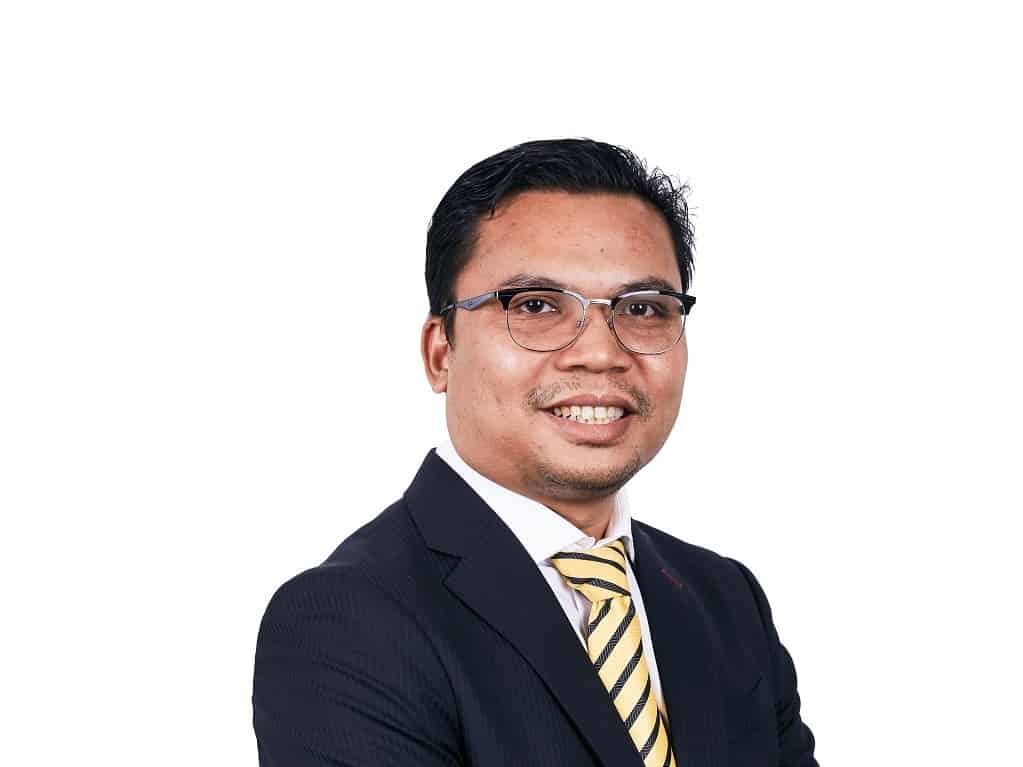
Syhiful Zamri Chief Investment Officer Maybank
Syhiful Zamri, chief investment officer, Maybank Asset Management Sdn Bhd