
The Second Balance Sheet After a Business Exit
An entrepreneur spends a lifetime getting one balance sheet right: the business. The sale turns it into a second one, and that conversion is not only financial but jurisdictional. Most owners prepare exhaustively for the deal, and hardly at all for what it leaves them holding.
A business is a concentrated, illiquid asset, usually rooted in a single jurisdiction — where it was built, taxed and understood. A sale changes that overnight. One asset in one country becomes a large pool of liquid capital spanning multiple jurisdictions: where the money lands, where it is held, where it is invested, and where the family lives.
Yet the planning rarely keeps up. Owners spend years preparing for the sale but little time preparing for what comes after, and the consequences can arrive quickly. The Exit Planning Institute (EPI) finds that roughly 75% of owners feel profound regret within a year of selling. That regret is seldom about the price but instead, it is about everything that was never put in place on the far side of the deal.
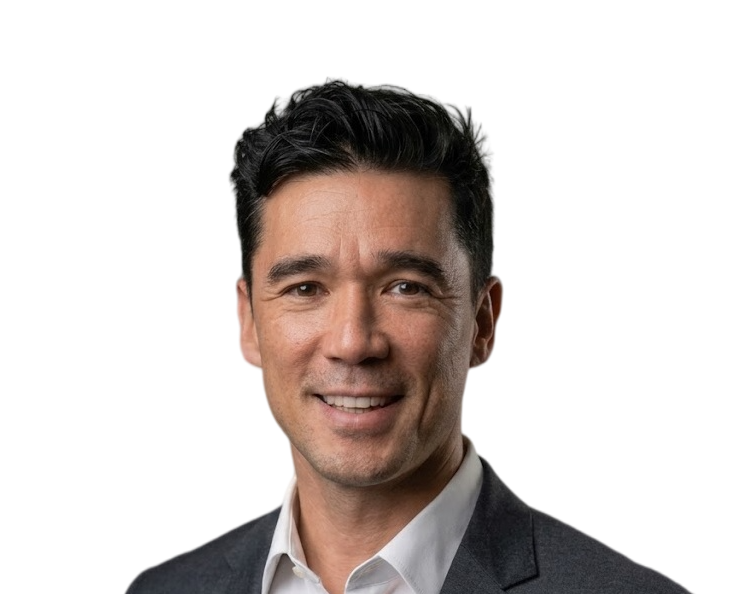
Drawing on his experience in asset and wealth management, Nigel Wong, Director and Head of Asset & Wealth Management at ARC Group, offers his insights into the often-overlooked considerations that follow a business exit.
From Operating Wealth to Managed Capital
The habits that build a company are not necessarily the ones that preserve its wealth after an exit. Founders succeed by concentrating, by trusting their own judgement, and by keeping a hand on everything, all of it pointed at one business in one market they understand better than anyone. Apply those same habits at a pool of liquid capital and they turn from a strength into a liability.
This is the shift no one warns owners about: from running a business to managing capital. First-generation money tends to sit in one asset class, in one country. The next generation spreads it, by asset class and by jurisdiction, holding it wherever it is safest rather than wherever is most familiar.
Getting that shift right is exactly what an open-architecture private office is built to do: investing across public and private markets, and across the jurisdictions where the capital is best kept and protected.
The Hidden Liabilities
The second balance sheet carries liabilities too. They simply do not show up on completion day, and the first of them is jurisdictional. When money is received in one place, held in another and taxed where the owner happens to live, those gaps can become cracks through which other problems seep through. Tax and succession are rarely separate issues; they grow out of that underlying mismatch.
The numbers are large—McKinsey estimates that some US$5.8 trillion will pass to the next generation across Asia-Pacific between 2023 and 2030. Historically, handovers of that scale are not smooth sailing as only a small share of family businesses makes it past the third generation. However, what decides which side of that line a family ends up on is usually structure, not the market.
The same discipline that lets a company raise capital efficiently and the right holding structure in the right places—is what keeps the money once it has been cashed out. The architecture that raised it now must hold it.
Engineering It Early
The work that matters most happens before the sale, not after it. By the EPI’s own count, about half of owners have done no exit planning at all. Preparing early means addressing where the family will be tax resident, where the proceeds will be held, what trust or holding structures may be appropriate, and whose name will hold the assets when the funds arrive. These decisions cannot be bolted on after the deal; effective structures require time, substance and careful coordination.
The sale and the management of its proceeds should therefore be treated as one continuous process. An exit is not simply money leaving a business, but capital changing shape and crossing borders onto a second balance sheet. With the right structure and continuity of advice, that capital can be managed through market cycles, across jurisdictions and ultimately across generations.
Full article available in The SmartInvestor Nov/Dec 26 issue.
Comments